
The short answer
Buying a new vehicle is exciting.
It is also the best time to protect it.
The paint is still clean. The interior still feels fresh. The windshield is still clear. The glass has no old tint. The vehicle has not been beaten up by highway miles, parking lots, car washes, winter salt, tree sap, bird droppings, hard water, road debris, or daily use.
That early window matters.
The longer you wait, the more damage starts to build before protection is installed.
A complete new car protection plan does not mean every vehicle needs every product. It means you should understand what each layer does, decide what matters most for your vehicle, and protect the areas that are most likely to cost you money or frustration later.
At Kickin’ Customs in Raynham, MA, we help new car owners across Massachusetts and Rhode Island plan paint protection film, ceramic window tint, ceramic coatings, windshield protection film, IGLA vehicle security, DroneMobile GPS tracking, dashcams, alarms, remote starts, maintenance products, follow-up inspections, and long-term care.
The right plan starts with a simple checklist.
● Protect the paint.
● Protect the glass.
● Protect the interior comfort.
● Protect the vehicle from theft.
● Protect yourself with footage and tracking.
● Protect the investment with maintenance.
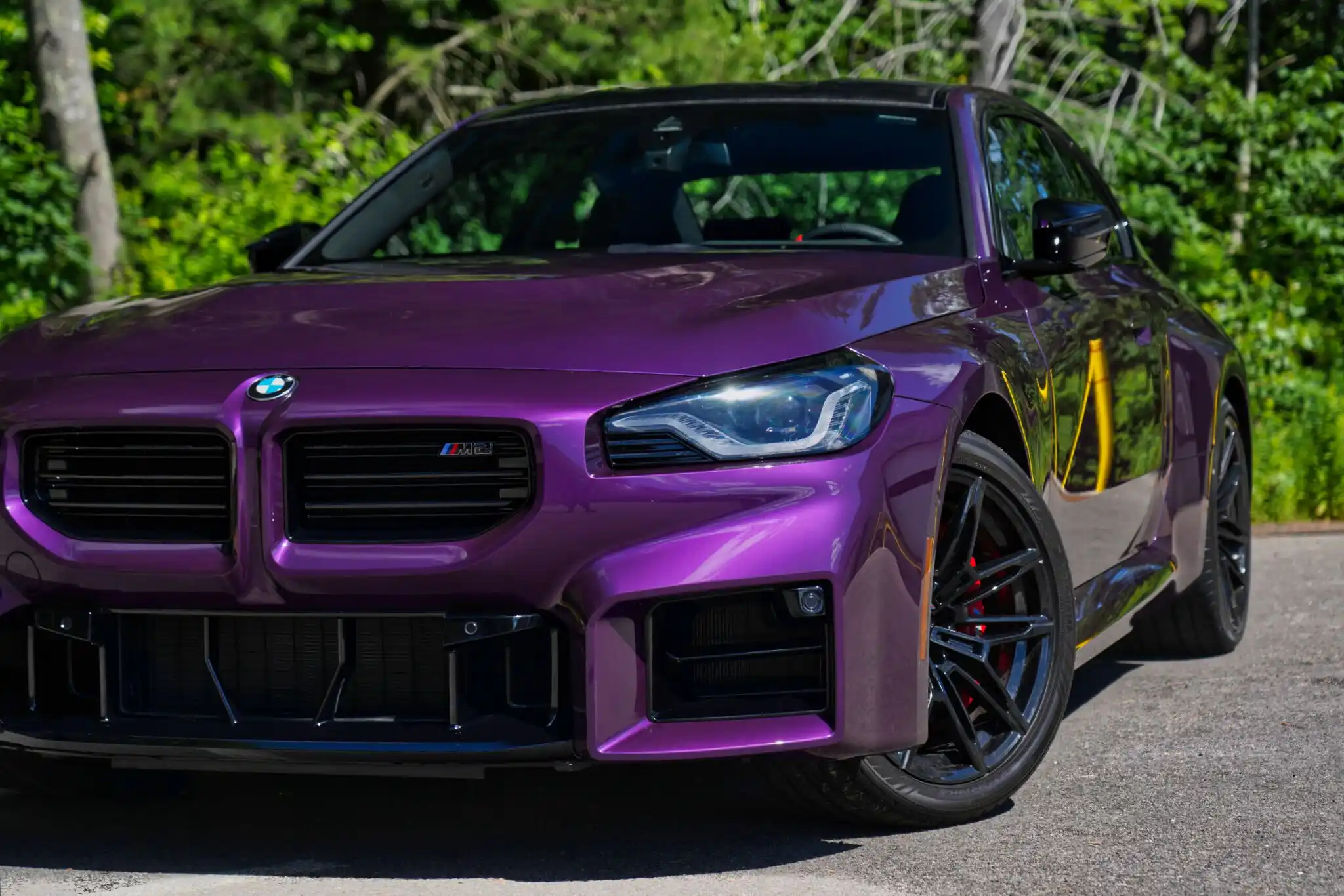
Start with vehicle use and paint
Why New Car Protection Should Be Planned Early
The best time to install protection is before damage happens.
Once the paint is chipped, the windshield is pitted, the piano black trim is scratched, the glass is tinted with cheap film, or the vehicle has been through months of automatic car washes, the conversation changes.
Protection can still be installed later, but more prep may be needed.
A new vehicle gives you the cleanest starting point.
Paint protection film can protect the most vulnerable painted surfaces before rock chips appear.
Ceramic tint can improve comfort before the first summer heat cycle.
Ceramic coating can make washing easier before the paint is covered in water spots and bonded contamination.
Windshield protection film can help reduce the wear and chip risk on a clean windshield.
IGLA, GPS, alarms, and dashcams can be installed before theft or damage becomes a problem.
Planning early saves headaches later.
Step 1: Decide How You Use the Vehicle
Before choosing products, think about how the vehicle will actually be used.
A daily commuter does not need the same plan as a weekend Porsche.
A work truck does not need the same plan as a family SUV.
A Tesla does not have the same concerns as a lifted pickup.
A black luxury SUV does not age the same way as a white sedan.
A performance car with sticky tires can throw debris differently than a normal daily driver.
Ask yourself:
Will this vehicle be driven daily?
Will it see highway miles?
Will it be parked outside?
Will it be used in winter?
Will it be driven on gravel roads or construction areas?
Will kids or pets be in the vehicle?
Will it be parked at schools, gyms, hotels, apartments, or public lots?
Is it a theft target?
Is it leased or owned?
Will you keep it long term?
The answers decide the protection plan.
Step 2: Protect the Paint with PPF
Paint protection film is usually the first product to consider on a new vehicle.
PPF is a clear protective film installed over painted surfaces to help protect against rock chips, road debris, bug acids, light scratches, scuffs, and everyday wear.
For most new car owners, the front end is the highest-priority area.
That is where the vehicle takes the most impact from highway driving, passing traffic, sand, salt, bugs, and road debris.
Common PPF areas include:
● Front bumper.
● Full hood.
● Full fenders.
● Mirrors.
● Headlights.
● Lower doors.
● A-pillars.
● Leading roof edge.
● Rear impact areas.
● Door cups.
● Door edges.
● Trunk ledges.
● High-wear loading areas.
The goal is simple:
Protect the paint before the road damages it.
Step 3: Choose the Right PPF Coverage
Not every vehicle needs full body PPF, but every new vehicle should at least consider front-end protection.
Coverage should be based on the vehicle, driving style, budget, and ownership goals.
A partial front package may work for a budget-conscious daily driver.
A full front package is usually the better long-term choice for most new vehicles.
A performance car, luxury SUV, EV, truck, or black vehicle may benefit from added rocker panels, lower doors, A-pillars, and roof edge protection.
A full-body package makes sense when the owner wants the highest level of paint protection, especially on high-value vehicles, exotic vehicles, collector vehicles, or vehicles they plan to keep long term.
The most common mistake is protecting too little because the vehicle is still new.
New is exactly when protection makes the most sense.
Step 4: Do Not Ignore Rocker Panels and Lower Doors
Rocker panels and lower doors take more abuse than many owners realize.
They get hit by road debris, salt, sand, slush, tar, gravel, construction dust, shoes, boots, and tire sling.
Performance cars, trucks, SUVs, EVs, and wide-body vehicles can be especially vulnerable.
A vehicle can have a beautiful front bumper and hood, but still get beat up along the lower sides.
For Massachusetts and Rhode Island drivers, winter roads make this worse.
Salt, sand, and debris can hammer the lower panels all season.
If you are keeping the vehicle long term, rocker panels and lower doors should be part of the conversation.
Step 5: Consider Headlight Protection
Headlights are expensive.
Modern headlights can include LEDs, projectors, adaptive systems, sensors, and complex assemblies.
They can also get pitted, sandblasted, chipped, and worn from highway use.
Adding PPF to headlights can help protect them from road debris and general wear.
This is especially useful for daily drivers, highway vehicles, performance cars, trucks, SUVs, and vehicles with costly headlight assemblies.
Headlight protection is a small part of the package that can save frustration later.
If the front bumper and hood are being protected, headlights should usually be discussed too.
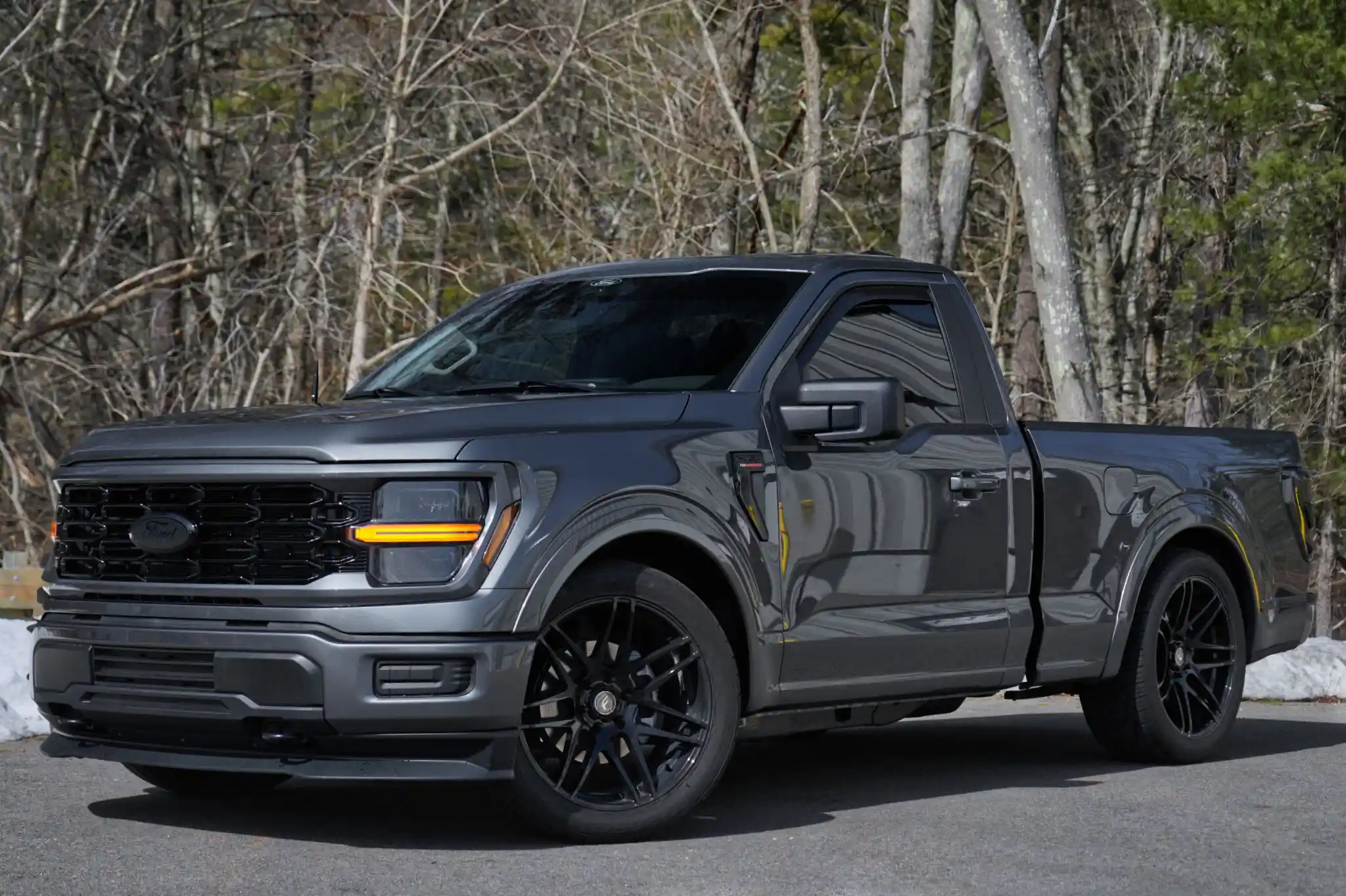
Windshield, tint and coatings
Step 6: Protect the Windshield with Windshield Protection Film
Windshields take constant abuse.
Rocks, sand, salt, highway debris, construction zones, wipers, winter scraping, and daily driving can all wear down the glass.
Windshield protection film is a clear protective film designed to help protect the windshield from chips, pitting, and everyday road wear.
It is not permanent.
It is not impossible to damage.
It is a sacrificial wear item.
But it can be a smart upgrade for new vehicles, especially if the windshield is expensive, hard to source, or tied into camera calibration and safety systems.
This can matter on Tesla, Rivian, Porsche, BMW, Mercedes-Benz, Range Rover, Corvette, luxury SUVs, trucks, and newer vehicles with advanced driver assistance systems.
Step 7: Understand Windshield Film Expectations
Windshield protection film should be viewed differently than paint protection film.
The windshield is wiped constantly.
It sees road blast directly.
It deals with wipers, washer fluid, weather, bugs, salt, ice, and dirt.
That means windshield film has a shorter life expectancy than paint protection film.
At Kickin’ Customs, we use XPEL windshield protection film, which carries a 12-month or 12,000-mile warranty.
Proper maintenance matters.
Use clean wipers.
Avoid dry wiping.
Replace worn wiper blades.
Do not scrape aggressively.
Remove salt and grit early.
Use compatible washer fluid.
Schedule inspection if visibility, wear, or film condition changes.
The goal is to protect the glass during real driving, not pretend the film will last forever.
Step 8: Add Ceramic Window Tint for Comfort
Ceramic window tint is one of the most useful upgrades for a new vehicle.
It improves comfort, reduces heat, blocks UV exposure, reduces glare, adds privacy, and makes the vehicle feel better every day.
At Kickin’ Customs, we install XPEL PRIME window film options including Color Stable, XR Black, and XR Plus.
For new car owners, ceramic tint usually makes the most sense because heat rejection matters.
The vehicle may look fine with factory glass, but factory privacy glass does not provide the same performance as a true ceramic window film.
This is especially important for SUVs, trucks, EVs, family vehicles, luxury vehicles, black interiors, and vehicles with large glass areas.
Tint is not just about looks.
It changes how the vehicle feels.
Step 9: Choose the Right Tint Package
The right tint package depends on the vehicle and owner.
Some owners only need the two front windows matched to the rear.
Others want the full sides and rear done for better comfort.
Some want the windshield tinted with a light ceramic film to reduce heat and glare through the largest glass panel on the vehicle.
Some EV owners want extra attention on panoramic glass, sunroofs, or large glass roof areas.
The main tint questions are:
Do you want heat rejection?
Do you want privacy?
Do you want the windshield done?
Do you want maximum comfort?
Do you want the vehicle to look darker?
Do you want a legal, subtle appearance?
Do you have kids or passengers in the rear?
Do you drive long distances?
The answers decide the film and shade.
Step 10: Add Ceramic Coating for Easier Cleaning
Ceramic coating is another strong new vehicle upgrade.
A ceramic coating adds gloss, slickness, hydrophobic behavior, and easier cleaning to painted surfaces.
It does not stop rock chips.
It does not replace PPF.
It does not make the vehicle maintenance-free.
But it can make washing easier and help the vehicle stay cleaner between washes.
This is especially useful in Massachusetts and Rhode Island, where vehicles deal with road salt, winter grime, pollen, rain, hard water, bug splatter, and daily contamination.
Ceramic coating is best when applied to properly prepared paint.
On a new vehicle, that usually means light prep or polishing before coating so the surface is clean and ready.
Step 11: Understand PPF vs Ceramic Coating
PPF and ceramic coating are not the same thing.
PPF is for impact protection.
Ceramic coating is for surface protection and easier cleaning.
PPF helps protect against rock chips, scuffs, scratches, and road debris.
Ceramic coating helps with gloss, slickness, water behavior, UV exposure, chemical resistance, and easier washing.
If your main concern is chips, choose PPF.
If your main concern is easier cleaning and gloss, choose ceramic coating.
If you want both, install PPF first and coat over the paint and film where appropriate.
For many new vehicles, the strongest plan is PPF on impact areas and ceramic coating on the entire vehicle.
That gives physical protection where the vehicle needs it most and easier maintenance everywhere else.
Step 12: Protect the PPF with Ceramic Coating
Ceramic coating can be applied over paint protection film.
This can make the film easier to clean, improve slickness, increase hydrophobic behavior, and help maintain the overall appearance.
This is especially useful on full-front PPF, full-body PPF, and vehicles that see regular road use.
If the vehicle has XPEL ULTIMATE FUSION, the film already includes hydrophobic properties in the film itself.
If the vehicle has standard gloss or stealth PPF, coating can still be considered as an added maintenance layer.
The key is proper installation order.
PPF goes on first.
Ceramic coating goes on after the film installation and prep.
Theft prevention and electronics
Step 13: Add IGLA for Theft Prevention
New vehicles are increasingly vulnerable to theft.
Push-to-start systems, key cloning, relay attacks, OBD access, key theft, and targeted theft have made factory security feel less complete for many owners.
IGLA is a hidden vehicle immobilizer that uses a PIN authorization process through the vehicle’s factory controls.
The goal is to prevent unauthorized drive-away, even if someone has the key or defeats the factory system.
At Kickin’ Customs, we offer IGLA Standard and Enhanced IGLA.
For high-value SUVs, trucks, performance cars, luxury vehicles, and theft-targeted models, IGLA should be part of the new car protection conversation.
Paint protection keeps the vehicle looking good.
IGLA helps keep it from being driven away.
Step 14: Decide Between Standard IGLA and Enhanced IGLA
Standard IGLA is the core theft-prevention layer.
It requires authorization before the vehicle can be driven.
This is a strong fit for owners who want hidden immobilization against common theft methods.
Enhanced IGLA adds an additional safety-focused layer for situations where the vehicle becomes separated from the authorized driver under certain conditions.
This can be especially relevant for high-risk vehicles, family SUVs, performance cars, trucks, and owners who want the strongest available package.
The right choice depends on the vehicle, theft risk, parking situation, and owner comfort.
Either way, IGLA is not a cosmetic upgrade.
It is a serious security layer.
Enhanced IGLA includes Standard IGLA plus Anti-Carjacking and Walkaway Protection when supported and approved for the exact vehicle. Behavior varies by configuration and does not promise an immediate stop. Vehicle compatibility is confirmed before installation.
Step 15: Add DroneMobile GPS Tracking
GPS tracking adds awareness.
If the vehicle is moved, stolen, borrowed, parked somewhere unfamiliar, or used by a family member, GPS tracking can help the owner know where it is.
DroneMobile can support remote start, security, dashcam monitoring, and GPS tracking depending on the system and subscription.
For new car owners, GPS tracking is especially useful when paired with IGLA, alarms, and dashcams.
IGLA helps prevent drive-away.
GPS helps locate the vehicle if movement happens.
Dashcams help document events.
Alarms help detect tampering.
Together, those layers create a stronger security plan than any single product alone.
Step 16: Add a Dashcam for Evidence
A dashcam is not just for accidents.
It can help document road incidents, hit-and-runs, parking lot damage, vandalism, break-ins, theft attempts, false claims, and unexpected events around the vehicle.
For new vehicles, dashcams make a lot of sense because the vehicle is still clean, valuable, and worth documenting.
At Kickin’ Customs, we install Drone dashcams and Momento dashcams, including Momento M8 Max.
Drone dashcams are a strong fit when the owner wants connected app integration and security package pairing.
Momento M8 Max is a strong fit when the owner wants a dashcam-first setup with high front camera quality and front/rear coverage.
The right dashcam depends on how you want to use it.
Step 17: Choose Front Only, Front and Rear, or Connected Dashcam
Dashcam coverage matters.
A front-only dashcam captures what happens ahead of the vehicle.
Front and rear coverage adds more context for rear impacts, tailgating, parking lot incidents, and activity behind the vehicle.
A connected dashcam can add app-based convenience, security pairing, and additional awareness depending on the system.
For most new car owners, front and rear coverage is worth considering.
For owners building a full security package with DroneMobile, Compustar, IGLA, and GPS, a Drone dashcam may be the better fit.
For owners who care most about video quality and simple front/rear recording, Momento M8 Max may be the better fit.
Step 18: Consider a Compustar Alarm Package
Factory alarms are often basic.
Many vehicles do not have the kind of sensors owners assume they have.
A Compustar alarm can add layers such as impact detection, tilt detection, glass break detection, starter kill, siren, 2-way alerts, and DroneMobile smartphone alerts depending on the package.
This matters for vehicles parked outside, in apartments, at hotels, at gyms, at work, near public lots, or in theft-prone areas.
An alarm does not replace IGLA.
IGLA helps prevent unauthorized drive-away.
An alarm helps detect tampering and alert the owner.
For a complete security plan, they work well together.
Step 19: Add Remote Start for Comfort
Remote start is not always thought of as protection, but it is part of long-term ownership comfort.
In Massachusetts and Rhode Island, remote start is useful in both winter and summer.
It can warm the vehicle, cool the vehicle, clear some cabin discomfort, and make daily driving easier.
When paired with DroneMobile, remote start can also add smartphone control depending on the system.
For new vehicle owners who are already considering security, GPS, dashcam, or alarm upgrades, remote start may be worth discussing at the same time.
A complete electronics package can often be planned more cleanly than adding pieces one at a time later.
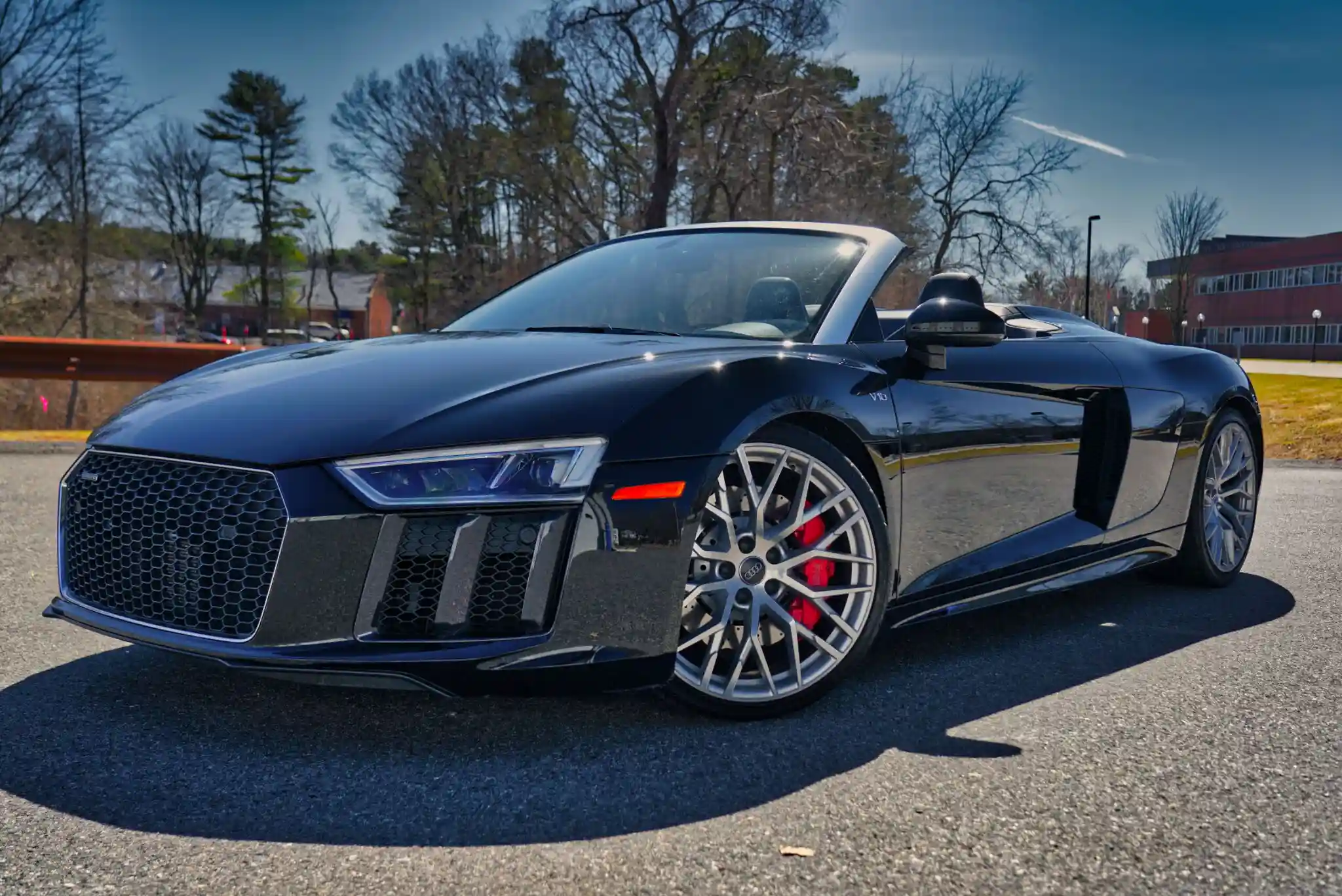
Installation order and early care
Step 20: Plan the Installation Order
Installation order matters.
A good general order is:
Paint correction or prep if needed.
PPF installation.
Windshield protection film.
Window tint.
Electronics installation.
Ceramic coating.
Follow-up inspection.
Maintenance routine.
The exact order can change depending on the vehicle and package, but the idea is important.
PPF should usually happen before ceramic coating.
Coating should not be applied to paint that is about to receive film.
Tint needs cure time.
Windshield film needs care and wiper attention.
Electronics should be installed cleanly and tested.
A professional shop should plan the sequence so the products work together, not against each other.
Step 21: Do the Follow-Up Inspection
Follow-up inspections matter.
At Kickin’ Customs, the PPF 3-week follow-up inspection is important for workmanship coverage.
PPF continues to settle and cure after installation.
Small edge movement, moisture, or curing-related changes can be addressed early.
If that follow-up is skipped and an issue later could have been corrected during the follow-up, later replacement is not free under workmanship coverage.
This is not about making the process difficult.
It is about protecting the installation and the customer.
The best time to address a small PPF concern is early, not months later after dirt, washing, pressure, or picking has made it worse.
Step 22: Understand Cure Times
Every product has a cure period.
PPF can take 2 to 3 weeks to fully settle.
Window tint may need days or longer depending on weather, glass, and film type.
Ceramic coatings need time before washing and continue to develop after installation.
Windshield protection film needs time before harsh cleaning or heavy wiper abuse.
During cure time, the owner should avoid unnecessary stress on the film or coating.
Do not wash too soon.
Do not pick at edges.
Do not clean tint early.
Do not use harsh chemicals.
Do not judge minor haze or moisture too early.
Follow the aftercare instructions.
Cure time is part of the installation, not an inconvenience.
Step 23: Buy the Right Maintenance Products
Protection products need proper care.
If you install XPEL film, use XPEL-approved or installer-approved products on that film.
Do not assume every soap, spray, wax, detailer, solvent, or coating product is safe.
For PPF, ceramic coating, tint, and windshield protection film, the safest approach is to keep the maintenance system simple and compatible.
A good new car maintenance kit may include:
● Safe wash soap.
● Microfiber wash mitt.
● Clean microfiber towels.
● Drying towel.
● Ammonia-free glass cleaner.
● Interior-safe cleaner.
● XPEL Ceramic Boost or approved coating topper.
● Film-safe bug remover.
● Soft detailing brushes.
● Sticker shield-style product for permits and passes.
● The goal is to avoid damaging the protection with the wrong products.
Step 24: Avoid Automatic Brush Washes
Automatic brush washes are one of the easiest ways to damage a new vehicle.
They can create swirls, scratches, film edge stress, coating wear, trim marks, and general paint damage.
If you just paid for PPF, coating, tint, or windshield film, do not run the vehicle through a harsh brush wash.
Use safe hand washing or touchless washing when appropriate.
Even touchless washes can use strong chemicals, so they should not be the only maintenance method forever.
The safest long-term option is a proper wash process with clean tools and compatible products.
A protected vehicle still needs careful washing.
Step 25: Learn How to Wash a Protected Vehicle
A protected vehicle should be washed gently and consistently.
Rinse first.
Use clean wash media.
Use safe soap.
Work from cleaner areas to dirtier areas.
Do not scrub dry dirt.
Do not use abrasive towels.
Do not pressure wash directly into film edges.
Dry with clean microfiber towels.
Remove bugs and bird droppings early.
Avoid harsh chemicals.
Use maintenance products that match the film or coating installed.
Good washing habits keep the protection looking better longer.
Bad washing habits can damage even a well-protected vehicle.
Maintenance and records
Step 26: Keep Stickers Off Window Tint
Avoid placing stickers directly on window tint whenever possible.
Parking stickers, car wash stickers, gate access stickers, inspection reminders, apartment passes, school permits, workplace decals, and temporary labels can create problems later.
The issue is removal.
When a sticker is removed from the film side of the glass, adhesive removal can damage the tint or require cleaning methods that are not safe for film.
Use a sticker shield-style product when possible so the sticker can be placed and removed more cleanly.
This is especially useful for parking permits, gate access tags, car wash stickers, school permits, marina decals, and workplace passes.
Step 27: Maintain the Windshield Film Properly
Windshield protection film needs specific care.
Keep wiper blades clean.
Replace worn wipers early.
Do not run wipers dry over dirt, ice, or sand.
Use compatible washer fluid.
Avoid aggressive scraping.
Remove salt and grit often.
Do not use harsh glass chemicals or abrasive pads.
If visibility changes, inspect the film.
Windshield film sees more direct wear than most other protection products.
Treat it like a sacrificial layer designed for a harsh job.
Good maintenance helps it perform better during its service life.
Step 28: Maintain Ceramic Coating
Ceramic coating needs maintenance.
It is not a permanent self-cleaning layer.
Wash regularly with safe products.
Avoid harsh degreasers.
Avoid automatic brush washes.
Dry the vehicle to reduce water spotting.
Remove bird droppings, bugs, sap, and road film early.
Use recommended maintenance products like Ceramic Boost where appropriate.
Schedule periodic inspections or maintenance washes.
If the coating stops beading or feels rough, it may be contaminated rather than gone.
A proper maintenance wash can often restore performance.
The coating makes care easier, but only if the owner keeps up with care.
Step 29: Maintain PPF
PPF should be cared for like a finished surface.
Do not pick edges.
Do not pressure wash edges closely.
Do not use abrasive compounds.
Do not let bugs sit for long periods.
Do not scrub dry dirt.
Use safe wash products.
Use XPEL-approved or compatible maintenance products on XPEL film.
Inspect high-impact areas periodically.
If a piece of film is damaged, it may be replaceable without repainting the panel.
That is part of the value of PPF.
The film is there to take abuse so the paint underneath has a better chance.
Step 30: Maintain Window Tint
Window tint is easy to maintain when handled correctly.
Keep windows up for the recommended period after installation.
Do not clean the inside of the glass too soon.
Use ammonia-free cleaner.
Use soft microfiber towels.
Avoid razor blades.
Avoid abrasive pads.
Avoid stickers directly on the film.
Expect some haze or moisture during the cure period.
Do not pick at edges.
If something looks wrong after the cure period, contact the installer.
Tint is durable, but it should not be cleaned like bare glass.
Step 31: Maintain Dashcams and GPS Systems
Electronics need occasional attention too.
For dashcams, check that the camera is recording.
Check the memory card.
Learn how footage is saved and overwritten.
Download important clips quickly after an incident.
Clean the lens.
Make sure front and rear cameras are aimed correctly.
Check parking mode settings.
For DroneMobile GPS or connected systems, make sure the subscription is active, the app is working, and the owner understands alerts, location tracking, and controls.
A dashcam or GPS system is only useful if it is working when you need it.
Step 32: Maintain IGLA and Security Settings
IGLA is designed to be hidden and low-maintenance, but the owner still needs to understand how to use it.
Know your PIN.
Understand service or valet mode.
Know how the fobs or phone app work if included.
Do not share the PIN casually.
Do not leave authorization devices inside the vehicle.
Understand what to do before service appointments.
If you choose Enhanced IGLA, make sure you understand how the system behaves and how authorization works.
Security products are strongest when the owner is trained properly at delivery.
The handoff matters.
Step 33: Keep Records
Keep records of what was installed.
This includes:
PPF package.
Film type.
Tint shade.
Tint film line.
Ceramic coating package.
Windshield film date.
IGLA package.
DroneMobile subscription.
Dashcam model.
Alarm package.
Warranty paperwork.
Care instructions.
Follow-up inspection date.
Maintenance products used.
This makes future service easier.
It also helps with warranty questions, resale, insurance conversations, replacement planning, and maintenance scheduling.
A protected vehicle should have a protection record.
Step 34: Schedule Long-Term Inspections
A new car protection plan should not end on pickup day.
Schedule inspections.
For PPF, complete the 3-week follow-up.
For coatings, consider periodic maintenance and inspection.
For windshield film, inspect wear and visibility.
For tint, check after cure if anything looks unusual.
For dashcams, verify recording and memory card health.
For security systems, understand app and alert function.
For GPS, confirm location tracking and subscription status.
A simple inspection schedule helps keep everything working.
Protection is a long-term ownership plan, not a one-day purchase.
Step 35: Build the Package Around the Vehicle
Different vehicles need different plans.
A Tesla may need windshield film, ceramic tint, PPF, and dashcam or GPS planning.
A Corvette may need full-front PPF, rocker protection, ceramic coating, IGLA, and a dashcam.
A truck may need PPF on the front, rocker panels, lower doors, GPS tracking, alarm sensors, IGLA, and a dashcam.
A luxury SUV may need tint, full-front PPF, ceramic coating, IGLA, DroneMobile GPS, and a front/rear dashcam.
A daily commuter may need practical front-end PPF, tint, coating, and maintenance products.
The checklist should guide the plan, not force the same package on everyone.
Use the checklist and prioritize
New Car Protection Checklist
Use this as a starting point:
Paint protection film for front impact areas.
Added PPF for rockers, lower doors, A-pillars, and roof edge.
Headlight protection.
Windshield protection film.
Ceramic window tint.
Windshield tint if appropriate and legal.
Ceramic coating for paint and PPF.
Wheel coating if brake dust is a concern.
Glass coating if visibility and cleanup matter.
Interior protection if the vehicle has kids, pets, or heavy use.
IGLA immobilizer for theft prevention.
Enhanced IGLA for added protection.
DroneMobile GPS tracking.
Compustar alarm sensors.
Remote start if comfort matters.
Dashcam with front and rear recording.
Maintenance products matched to the installed protection.
Sticker shield-style solution for permits and passes.
3-week PPF follow-up inspection.
Ceramic coating maintenance plan.
Windshield film inspection plan.
Dashcam and GPS app setup.
Long-term wash routine.
Best First Package for Most New Vehicles
For many new vehicles, a smart starting package is:
Rocker panel protection.
Ceramic window tint.
Ceramic coating over paint and film.
Windshield protection film if the windshield is expensive or the vehicle sees highway use.
Dashcam with front and rear coverage.
This protects the paint, comfort, glass, and documentation side of ownership.
For vehicles with theft concerns, add IGLA and DroneMobile GPS.
For vehicles that sit outside or park in public areas often, add alarm sensors and connected alerts.
This gives the owner a strong balance of appearance, comfort, protection, security, and long-term care.
Best Package for High-Value Vehicles
For high-value vehicles, the protection plan should be more complete.
Consider:
● Full body PPF or advanced coverage.
● Windshield protection film.
● XR Plus ceramic tint.
● Enhanced IGLA.
● DroneMobile GPS tracking.
● Compustar alarm sensors.
● Drone or Momento dashcam.
● Wheel coating.
● Glass coating.
● Interior protection.
● Maintenance products.
● Scheduled inspections.
This type of package makes sense for luxury SUVs, exotics, performance cars, high-end EVs, trucks, limited-production vehicles, and vehicles that attract attention.
The more valuable the vehicle, the more the protection plan should be built before damage or theft risk becomes real.
Best Package for Daily Drivers
Daily drivers need practical protection.
Consider:
● Full front PPF.
● Rocker panel protection.
● Ceramic tint.
● Ceramic coating.
● Windshield protection film if highway driving is common.
● Front and rear dashcam.
● Maintenance products.
● 3-week PPF follow-up.
For many daily drivers, the biggest concerns are rock chips, heat, glare, dirt, salt, parking lot damage, and road incidents.
A daily driver does not always need full-body PPF, but it should be protected where the vehicle takes the most abuse.
Daily use is exactly why protection matters.
Best Package for Trucks and SUVs
Trucks and SUVs often need extra lower-body and security planning.
Consider:
● Full front PPF.
● Rocker panels.
● Lower doors.
● Rear impact areas.
● Door cups and edges.
● Ceramic tint.
● Ceramic coating.
● Windshield protection film.
● IGLA.
● DroneMobile GPS.
● Compustar alarm sensors.
● Dashcam.
● Interior protection.
Trucks and SUVs are often used hard, parked outside, driven in winter, loaded with gear, and targeted for theft.
Paint protection and security should both be part of the plan.
Best Package for EV Owners
EVs often have large glass, soft-looking painted areas, smooth front bumpers, expensive headlights, and heavy curb appeal.
Consider:
● Full front PPF.
● Rocker panels.
● Lower doors.
● Headlight protection.
● Ceramic tint on sides and rear.
● Windshield ceramic tint where appropriate.
● Roof glass or panoramic glass discussion.
● Ceramic coating.
● Windshield protection film.
● Dashcam or connected camera planning.
● IGLA or GPS if theft risk is a concern.
● EV owners often care about comfort and efficiency.
Ceramic tint can make a major difference in cabin comfort, especially on vehicles with large glass areas.
Best Package for Performance Cars
Performance cars need more than front bumper protection.
Consider:
● Full front PPF.
● Rocker panels.
● Lower doors.
● Rear quarter impact areas.
● A-pillars.
● Leading roof edge.
● Headlights.
● Windshield protection film.
● Ceramic coating.
● Ceramic tint.
● IGLA.
● Dashcam.
● DroneMobile GPS.
● Performance tires can throw debris.
● Low front ends take impact.
● Wide body panels collect road rash.
● The vehicle attracts attention.
A performance car should be protected based on how it is driven, not just how it looks in the garage.
What Not to Skip
Some items are easy to overlook but important.
Do not skip the PPF follow-up inspection.
Do not skip maintenance products.
Do not skip tint aftercare.
Do not skip washing instructions.
Do not skip windshield film maintenance.
Do not skip dashcam setup.
Do not skip GPS subscription setup.
Do not skip IGLA owner training.
Do not skip coating maintenance.
Do not skip sticker planning for tint.
The best protection products can still disappoint if the owner does not understand how to care for them.
Education is part of the package.
What Can Wait
Some items can be added later if needed.
A full-body PPF package can be added later, though earlier is better.
Additional PPF areas can be added if the owner notices wear.
Ceramic coating can be maintained or upgraded.
Dashcams can be upgraded.
GPS can be added.
Alarm sensors can be added.
Interior protection can be added.
However, some things are better done early.
PPF is best before chips.
Tint is best before summer comfort becomes a problem.
IGLA is best before theft risk becomes personal.
Windshield film is best before the windshield is pitted or chipped.
Waiting is not always cheaper.
Why Professional Installation Matters
A complete protection package needs professional installation.
PPF needs clean prep, accurate patterns, edge work, and follow-up.
Tint needs clean installation, legal shade discussion, and proper cure instructions.
Ceramic coating needs prep and controlled application.
Windshield film needs careful installation and maintenance guidance.
IGLA needs expert electronics installation.
GPS and alarms need correct setup.
Dashcams need clean wiring, parking mode setup, and app training.
A complete vehicle protection plan is not a pile of products.
It is a coordinated installation.
That is why the shop matters.
Why Kickin’ Customs for New Car Protection
Kickin’ Customs is built around complete vehicle protection.
We install paint protection film, ceramic window tint, ceramic coatings, windshield protection film, IGLA vehicle security, DroneMobile GPS tracking, Compustar PRO remote starts and alarms, dashcams, and maintenance products for customers across Massachusetts and Rhode Island.
We help owners choose the right package based on how the vehicle will be used.
We do not believe every customer needs every option.
But we do believe new car owners should understand every protection layer before the vehicle gets damaged, stolen, scratched, chipped, tinted poorly, or washed incorrectly.
The best plan is the one built before the problems start.
Final Thoughts
A new vehicle is worth protecting early.
Paint protection film helps protect against chips, scuffs, and road debris.
Ceramic tint improves heat rejection, glare reduction, comfort, privacy, and UV protection.
Ceramic coating makes the vehicle easier to clean and maintain.
Windshield protection film helps protect the windshield from chips, pitting, and road wear.
IGLA helps prevent unauthorized drive-away.
DroneMobile GPS adds location awareness.
Dashcams provide evidence.
Alarms detect tampering.
Maintenance products and inspections keep everything performing.
At Kickin’ Customs in Raynham, MA, we help new car owners across Massachusetts and Rhode Island build protection plans that match the vehicle, the owner, and the long-term goal.
The best time to protect a new vehicle is before daily life starts wearing it down.
Frequently Asked Questions
What should I protect first on a new car?
For most new cars, paint protection film should be considered first because rock chips and road debris can damage the front end quickly. Full front PPF, rocker panels, and lower doors are common starting points.
Is ceramic coating enough for a new car?
Ceramic coating is great for easier cleaning, gloss, and hydrophobic behavior, but it does not replace PPF. If you want chip protection, you need paint protection film.
Should I get PPF or ceramic coating first?
PPF should usually be installed first. Ceramic coating can then be applied over the paint and film where appropriate.
Is windshield protection film worth it on a new vehicle?
Windshield protection film can be worth it for vehicles with expensive windshields, highway use, ADAS camera systems, or owners who want to reduce chip and pitting risk.
Should I tint a new car right away?
Yes, ceramic tint is one of the most useful new vehicle upgrades. It improves heat rejection, glare reduction, UV protection, comfort, and privacy.
Is IGLA worth it on a new vehicle?
IGLA is worth considering for high-value vehicles, theft-targeted vehicles, push-to-start vehicles, trucks, SUVs, performance cars, and owners who want hidden immobilization against unauthorized drive-away.
Do I need GPS tracking if I have IGLA?
IGLA and GPS do different jobs. IGLA helps prevent unauthorized drive-away. GPS tracking helps locate the vehicle if movement occurs. Together, they are stronger than either one alone.
Should I install a dashcam on a new car?
Yes. A dashcam can help document accidents, parking lot damage, vandalism, break-ins, theft attempts, and road incidents.
Why does the 3-week PPF follow-up matter?
The 3-week follow-up allows the installer to inspect curing, edges, and any early concerns. At Kickin’ Customs, this inspection is important for workmanship coverage.
Who installs complete new car protection packages in Massachusetts?
Kickin’ Customs installs PPF, ceramic tint, ceramic coatings, windshield protection film, IGLA, DroneMobile GPS, Compustar alarms, remote starts, dashcams, and maintenance products from our shop in Raynham, MA.
Plan your next step
Protect your new vehicle before daily driving, road debris, heat, theft risk, and poor maintenance start working against it. Contact Kickin’ Customs in Raynham, MA to build a complete new car protection package with PPF, ceramic tint, ceramic coating, windshield protection film, IGLA, DroneMobile GPS, dashcam installation, alarms, remote start, maintenance products, and long-term inspection support.
