
The short answer
Windshield tint is one of the most underrated window tint upgrades.
Most people think about tinting the side windows first. That makes sense because side window tint changes the appearance of the vehicle, adds privacy, and helps reduce glare.
But the windshield is usually the largest piece of glass on the vehicle.
That means a lot of heat, glare, and UV exposure comes through the windshield every time you drive. If the windshield is left untreated, the cabin can still feel hot and bright even if the side and rear windows are tinted.
At Kickin’ Customs in Raynham, MA, we install XPEL ceramic window tint for vehicles across Massachusetts and Rhode Island. For many customers, a clear or lighter ceramic windshield film makes a major difference in daily driving comfort without making the windshield look overly dark.
Windshield comfort and clarity
Windshield Tint Is Usually About Comfort
Windshield tint is different from side window tint.
Most customers are not looking for privacy on the windshield. They are looking for comfort.
The windshield lets sunlight hit the dashboard, steering wheel, front seats, driver, and front passenger directly. During summer, that heat can make the cabin uncomfortable fast. During morning and evening commutes, low-angle sun can create harsh glare. In winter, sunlight reflecting off wet roads or snow can also be tiring on the eyes.
Ceramic windshield tint helps reduce heat and glare through the front glass.
The goal is not to make the windshield dark. The goal is to make the vehicle feel better while keeping visibility practical.
The Windshield Brings in a Lot of Heat
A lot of vehicle heat comes through the windshield.
Even if the side windows are tinted, the front of the cabin can still feel hot because the windshield is untreated. The dashboard absorbs heat. The steering wheel gets hot. The front seats and center console heat up. The AC has to work harder to bring the cabin down to a comfortable temperature.
This is especially noticeable on vehicles with large dashboards, dark interiors, big windshields, or steep glass angles.
Ceramic windshield film helps reduce solar heat before it enters the cabin. It will not keep a parked vehicle completely cool in direct sun, but it can reduce the intensity of heat coming through the windshield and make the vehicle more comfortable once you start driving.
Ceramic Windshield Tint Does Not Have to Be Dark
One of the biggest concerns customers have is visibility.
That is understandable.
Nobody wants a windshield that feels too dark, especially at night, in rain, or on poorly lit roads. This is why clear or lighter ceramic windshield tint is so popular.
A quality ceramic film can provide heat rejection and glare reduction without the windshield looking heavily tinted. In many cases, the windshield still looks very natural from inside and outside the vehicle.
That is the difference between choosing tint for privacy and choosing tint for performance.
For windshield applications, film technology matters more than darkness.
Clear Ceramic Film Can Still Make a Difference
Clear or light ceramic windshield tint can be a smart option for customers who want comfort without changing the vehicle’s appearance much.
The film may look subtle, but it can still help reduce heat, UV exposure, and glare.
This is useful for daily drivers, commuters, family vehicles, trucks, SUVs, EVs, luxury vehicles, and performance cars. It is also a good choice for customers who do not want the windshield to look dark but still want the benefits of ceramic film.
A lighter ceramic windshield film is often one of the best comfort upgrades because it treats the glass you look through every time you drive.
Windshield Tint Helps With Glare
Glare can make driving uncomfortable.
Bright sun, low-angle morning light, evening glare, wet roads, snow reflection, and high dashboard reflection can all create eye strain.
Windshield tint helps reduce the harshness of that light.
A properly selected ceramic windshield film can make the cabin feel calmer and easier on the eyes. This can be especially helpful for long commutes, highway driving, summer traffic, winter driving, and vehicles with large front glass areas.
Glare reduction is one of the reasons customers often notice windshield tint immediately.
Windshield Tint Helps Protect the Interior
The dashboard and front interior areas take a lot of sun exposure.
Over time, heat and UV exposure can contribute to fading, drying, discoloration, cracking, and general wear on interior materials. Leather, vinyl, plastics, trim, stitching, screens, and dashboard surfaces can all be affected.
Ceramic windshield tint helps reduce UV exposure through the front glass.
This can help protect the interior over time, especially for vehicles that are parked outside, driven daily, or have dark interiors that absorb heat quickly.
Tint is not only about comfort. It also helps reduce the amount of sun exposure the interior sees every day.
Combine coverage and vehicle needs
Windshield Tint Works Best With Full Vehicle Ceramic Tint
Windshield tint can be installed by itself, but it works best as part of a full ceramic tint package.
If the windshield is treated but the side and rear glass are not, heat can still enter through the other windows. If the side and rear glass are tinted but the windshield is not, the front of the cabin can still feel hot and bright.
The most balanced setup is usually ceramic tint on the full vehicle, with a clear or lighter ceramic film on the windshield.
This creates more consistent heat rejection across the cabin and improves comfort for the driver, front passenger, rear passengers, kids, pets, and cargo areas.
Windshield Tint Is Especially Helpful on EVs
Electric vehicles often benefit heavily from windshield tint.
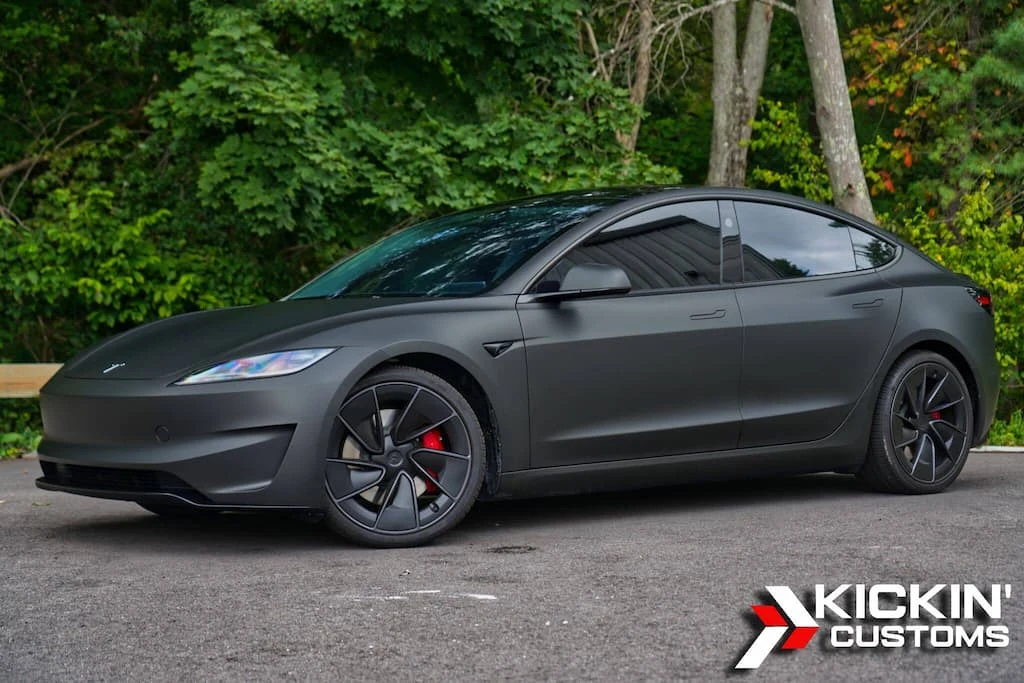
Tesla, Rivian, Lucid, Hyundai IONIQ, Kia EV, BMW i models, Mercedes EQ models, and other EVs often have large glass areas and cabin designs that make heat more noticeable.
Many EVs also have large windshields, panoramic glass, or open dashboard layouts that allow sunlight to heat the cabin quickly.
Ceramic windshield tint helps reduce heat and glare through the front glass, which can make daily driving more comfortable. For EV owners, this is especially useful because cabin comfort and climate control are a major part of the driving experience.
Many EV owners pair ceramic tint with paint protection film and ceramic coatings for a more complete protection package.
Windshield Tint Is Helpful on Trucks and SUVs
Trucks and SUVs usually have large windshields and large cabins.
That means more glass and more interior volume for the AC to cool. If the windshield is untreated, the front of the vehicle can still feel hot even if the rear windows have factory privacy glass.
Ceramic windshield tint helps reduce heat and glare for the driver and front passenger.
This is especially useful for work trucks, family SUVs, luxury SUVs, towing vehicles, commuters, and road trip vehicles.
On trucks and SUVs, windshield tint often pairs well with front window tint and ceramic film over the rear factory privacy glass for better full-cabin comfort.
Windshield Tint Is Helpful on Luxury Vehicles
Luxury vehicles are built around comfort.
A hot dashboard, harsh glare, and direct sun through the windshield can take away from that experience. Ceramic windshield tint helps improve comfort without changing the vehicle’s appearance too aggressively.
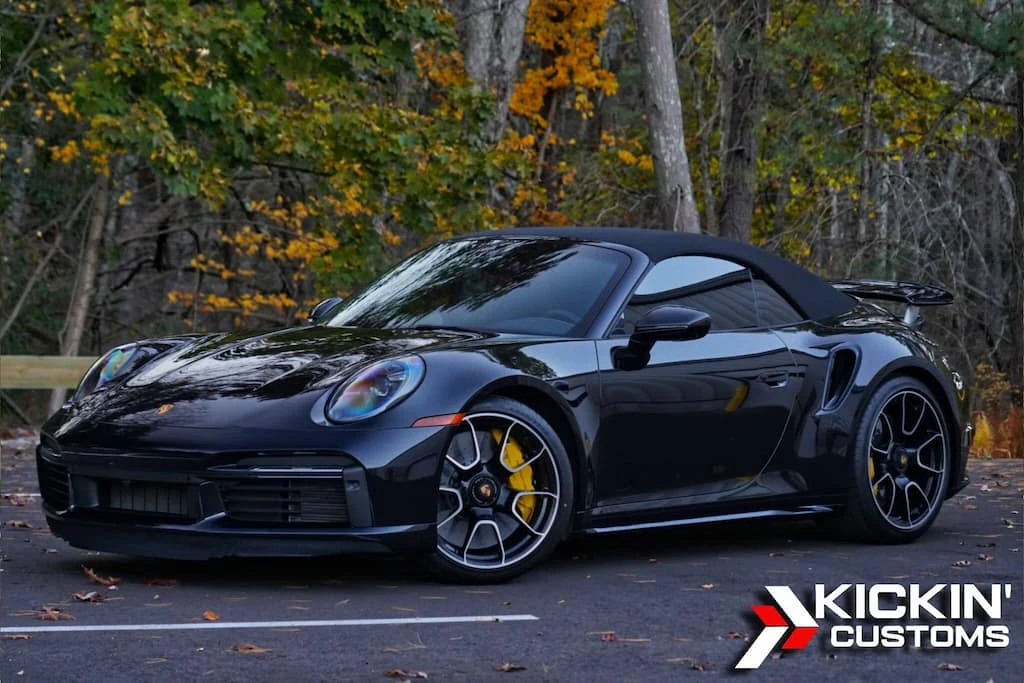
This is useful for Mercedes-Benz, BMW, Lexus, Audi, Porsche, Cadillac, Land Rover, Lincoln, Genesis, and other luxury vehicles.
The right windshield film can keep the cabin feeling more refined while still maintaining practical visibility.
Windshield Tint Is Helpful on Performance Cars
Performance vehicles often have low seating positions, large windshields, dark dashboards, and strong sun exposure while driving.
Glare and heat can become annoying on long drives, weekend trips, group drives, and summer events.
A lighter ceramic windshield film can help reduce glare and heat while preserving visibility.
For performance cars, the goal is usually a cleaner driving experience, not a darker windshield. Ceramic film helps with that balance.
Visibility and film selection
Windshield Tint and Legal Considerations
Windshield tint laws vary by state, vehicle type, inspection rules, and how the film is applied.
Because Kickin’ Customs serves customers across Massachusetts and Rhode Island, windshield tint should always be discussed carefully before installation. Visibility, safety, and compliance need to be part of the decision.
For many customers, a clear or lighter ceramic windshield film is the preferred approach because it focuses on heat rejection and glare reduction without creating an overly dark windshield.
The best choice is the one the customer understands and is comfortable driving every day.
Is Windshield Tint Safe to Drive With?
When the right film and shade are chosen, windshield tint can be very comfortable to drive with.
The key is choosing a film that improves heat and glare without making visibility uncomfortable. Dark windshield tint can create issues for some drivers, especially at night or in poor weather.
That is why most customers choose clear or lighter ceramic film for the windshield.
At Kickin’ Customs, we focus on practical recommendations. The windshield is not the place to guess based only on appearance. It should be selected for visibility, comfort, and daily use.
What XPEL Film Is Best for Windshield Tint?
For windshield tint, ceramic film is usually the right choice.
Kickin’ Customs installs XPEL window tint, including XPEL PRIME XR Black and XPEL PRIME XR Plus. For customers who want the highest comfort-focused performance and clarity, XR Plus is a strong option.
The windshield is one of the most important places to invest in better film because it affects the driver every time the vehicle is used.
A high-performing ceramic windshield film can help reduce heat and glare without needing a dark appearance.
Ownership and aftercare
Does Windshield Tint Help the AC?
Windshield tint can help the vehicle feel easier to cool.
It does not replace the AC, and it will not stop all heat from entering the cabin. However, by reducing solar heat through the windshield, ceramic film can help make the cabin feel more comfortable while driving.
The AC may still need to work, but it is fighting less direct heat from the front glass.
This can be especially noticeable in summer traffic, long commutes, and vehicles with dark interiors.
Does Windshield Tint Help in Winter?
Yes, windshield tint can still be useful in winter.
Winter sun can be harsh, especially when it reflects off snow, wet pavement, or low-angle morning and evening light. Ceramic windshield tint can help reduce glare and make driving more comfortable.
While most people think of tint as a summer upgrade, glare reduction matters year-round in New England.
For Massachusetts and Rhode Island drivers, windshield tint is not only about hot weather. It is about daily comfort in different driving conditions.
What About Inspection Stickers, Parking Stickers, and Passes?
Stickers should not be placed directly on window tint when avoidable.
Inspection stickers, parking stickers, car wash stickers, gate access stickers, and similar items can create removal issues later. Pulling stickers off tint can damage or disturb the film.
For windshield applications, a protective sticker shield can help make future removal cleaner. This gives stickers a surface to attach to without bonding directly to the tint.
This is especially important for customers who frequently replace parking passes, garage access stickers, or similar windshield-mounted items.
Windshield Tint Aftercare
After windshield tint is installed, the film needs time to dry and cure.
Light haze, small water pockets, or a slightly cloudy look can be normal during the curing process. This usually clears as the film dries.
Do not clean the inside of the windshield too soon after installation. Do not scrape the film. Do not use ammonia-based cleaners. Do not use abrasive towels or aggressive scrubbing.
Once the film is ready to clean, use an ammonia-free cleaner and a clean microfiber towel.
Proper aftercare helps the windshield tint settle and look the way it should.
When Windshield Tint May Not Be Worth It
Windshield tint may not be the right choice for every customer.
If the vehicle is rarely driven, always garage-kept, or the driver is very sensitive to any change in windshield appearance, it may be less important.
It also may not make sense if the customer wants a very dark windshield without considering visibility, legality, or daily driving conditions.
Windshield tint is worth it when the goal is practical comfort, heat rejection, glare reduction, and interior protection.
It is not worth doing the wrong way just for the look.
Final Thoughts
Windshield tint is worth it for many drivers because the windshield is one of the largest sources of heat, glare, and UV exposure in the vehicle.
A clear or lighter ceramic windshield film can improve daily driving comfort without making the windshield look overly dark. It can help reduce harsh sun, protect the interior, make the cabin feel more balanced, and support the AC during hot weather.
At Kickin’ Customs in Raynham, MA, we install XPEL ceramic window tint for vehicles across Massachusetts and Rhode Island. Whether you drive a daily commuter, truck, SUV, Tesla, Rivian, luxury vehicle, or performance car, windshield tint can be one of the most noticeable comfort upgrades when it is selected correctly.
If your vehicle feels hot, bright, or uncomfortable through the front glass, ceramic windshield tint is worth discussing.
Frequently Asked Questions
Is windshield tint worth it?
Yes, windshield tint can be worth it if you want better heat rejection, glare reduction, UV protection, and daily driving comfort. A clear or lighter ceramic film is often the best choice for the windshield.
Does windshield tint have to be dark?
No. Many customers choose clear or lighter ceramic windshield film to improve comfort without making the windshield look dark.
Does windshield tint help with heat?
Yes. Ceramic windshield tint helps reduce solar heat entering through the front glass, which can make the cabin more comfortable while driving.
Does windshield tint help with glare?
Yes. Windshield tint can help reduce glare from bright sun, low-angle light, wet roads, and snow reflection.
Can windshield tint protect the interior?
Yes. Ceramic windshield tint helps reduce UV exposure through the front glass, which can help protect dashboards, trim, leather, plastics, screens, and other interior materials.
Is ceramic windshield tint better than regular tint?
Yes. Ceramic windshield tint is usually better for heat rejection, clarity, and comfort. Windshield film should be chosen for performance and visibility, not just darkness.
Will windshield tint make night driving harder?
A clear or lighter ceramic windshield film is usually chosen to keep visibility practical. Dark windshield tint can affect visibility, especially at night or in poor weather.
Should I tint the windshield if my side windows are already tinted?
Yes, it may still be worth it. The windshield is a major source of heat and glare. Treating it can make the cabin feel more balanced.
Plan your next step
Make the glass you look through every day more comfortable. Contact Kickin’ Customs in Raynham, MA to discuss XPEL ceramic windshield tint for heat rejection, glare reduction, and daily driving comfort.
