
The short answer
Choosing a paint protection film package is not only about the vehicle.
It is also about how the vehicle is driven.
A weekend car that spends most of its life in the garage does not always need the same coverage as a daily commuter. A truck used for work does not get abused the same way as a luxury sedan. A performance car with wide tires and a low front end does not see the same impact pattern as a family SUV.
The right PPF package should match the way the vehicle is actually used.
Paint protection film helps protect your vehicle from rock chips, road debris, bug acids, salt, sand, light scratches, and everyday driving wear. But coverage matters. If the wrong areas are left exposed, the vehicle can still take damage in places that could have been protected.
At Kickin’ Customs in Raynham, MA, we install XPEL paint protection film for drivers across Massachusetts and Rhode Island. Some customers need simple front-end protection. Others need rocker panels, lower doors, rear quarters, truck bed areas, or full body coverage.
The best package depends on your driving habits, ownership goals, and tolerance for risk.
Start with exposure
Start With How the Vehicle Is Used
Before choosing a PPF package, think about the vehicle’s real life.
Is it driven every day?
Does it spend time on the highway?
Is it used in winter?
Does it sit low to the ground?
Does it have wide tires?
Is it a truck or SUV that sees work, kids, pets, cargo, or towing?
Is it a luxury vehicle where repainting or panel replacement would be expensive?
Is it a weekend vehicle that only comes out in nice weather?
These questions matter because damage patterns are not the same for every driver.
A commuter might need strong front-end and lower panel protection. A weekend car may need full front coverage more than lower door coverage. A truck owner may care about tailgate ledges, rear bumper loading areas, and rocker panels. A performance car may need protection behind the tires because sticky rubber throws debris aggressively.
The best PPF package is not always the biggest package.
It is the package that protects the areas most likely to get damaged.
The Main PPF Coverage Areas
Most PPF packages are built around high-impact zones.
The front bumper usually takes the most direct abuse. It gets hit with rocks, bugs, sand, salt, and road debris constantly.
The hood and fenders are also common impact areas, especially on highway-driven vehicles.
Mirror caps get hit more than many people expect.
Headlights are exposed to road debris, sand, and winter grime.
Rocker panels, lower doors, and rear quarters take abuse from tire sling, road salt, sand, tar, and debris kicked up by your own tires.
Rear bumper loading areas and tailgate ledges can get scratched from cargo, tools, strollers, pets, luggage, sports equipment, and daily use.
Full body coverage protects the most painted surface, but not every vehicle needs full body PPF.
The right package comes down to matching the coverage to the use.
Match your driving
If You Are a Daily Commuter
Daily commuters usually benefit from more protection than they think.
Even if the vehicle is not driven aggressively, daily use adds up. Every commute brings road debris, bugs, salt, sand, construction dust, parking lot wear, and wash-related wear.
For a daily commuter, full front PPF is often the best starting point.
That usually means protecting the full hood, full fenders, front bumper, mirrors, and often the headlights depending on the package and vehicle.
This coverage protects the areas that face the road every day.
If the commute includes highways, winter driving, or long mileage, rocker panel and lower door protection should also be considered. These lower areas get hit constantly by tire sling, salt, sand, and road grime.
A commuter who wants practical protection without going full body should usually look at full front coverage plus lower impact areas.
This combination gives strong real-world protection without wrapping the entire vehicle.
If You Drive Mostly on the Highway
Highway drivers should take PPF seriously.
At highway speeds, small debris hits harder. Rocks can bounce higher. Sand and salt can blast the front bumper, hood, fenders, mirrors, windshield area, rocker panels, and lower doors.
A basic partial front package may help, but it may not be enough for someone who spends a lot of time on Route 24, I-495, I-95, Route 3, the Mass Pike, or similar roads.
For highway driving, full front PPF is usually the minimum package worth considering.
Full hood coverage matters because rock chips do not only hit the first few inches of the hood. Full fender coverage matters for the same reason. Bumper coverage is critical because the bumper takes constant impact.
If the vehicle is driven through winter, rocker panels and lower doors become even more important.
For high-mileage highway drivers, an extended coverage package like full front plus rockers, lower doors, A-pillars, and leading roof edge may be the smarter long-term choice.
If You Have a Weekend Car
Weekend cars usually have a different risk profile.
They may not see daily mileage, winter roads, parking lots, or bad weather as often. But they may still see highway trips, back roads, bugs, group drives, cars and coffee events, rallies, and spirited driving.
For many weekend cars, full front PPF makes the most sense.
The vehicle may not need as much lower door or rear bumper protection as a daily driver, but the front end still takes damage when the car is actually driven.
If the weekend car is low, wide, fast, or has sticky tires, rocker panels and rear quarters should also be considered.
Some weekend cars are also more valuable to the owner than a daily driver. If the vehicle is special, rare, modified, or kept long-term, it may justify more coverage even if it is not driven every day.
For garage-kept weekend cars, full front PPF is a strong baseline. Full body PPF may make sense if the owner wants maximum preservation.
If You Own a Performance Car
Performance cars usually need more thoughtful PPF coverage.
The shape of the car matters. Low front bumpers, wide fenders, aggressive aero, side skirts, large brake ducts, and sticky tire setups can all change where debris hits.
Performance tires can throw rocks, rubber, tar, and sand into rocker panels, lower doors, rear quarters, and side impact areas. This is one reason many performance cars need more than just bumper and hood protection.
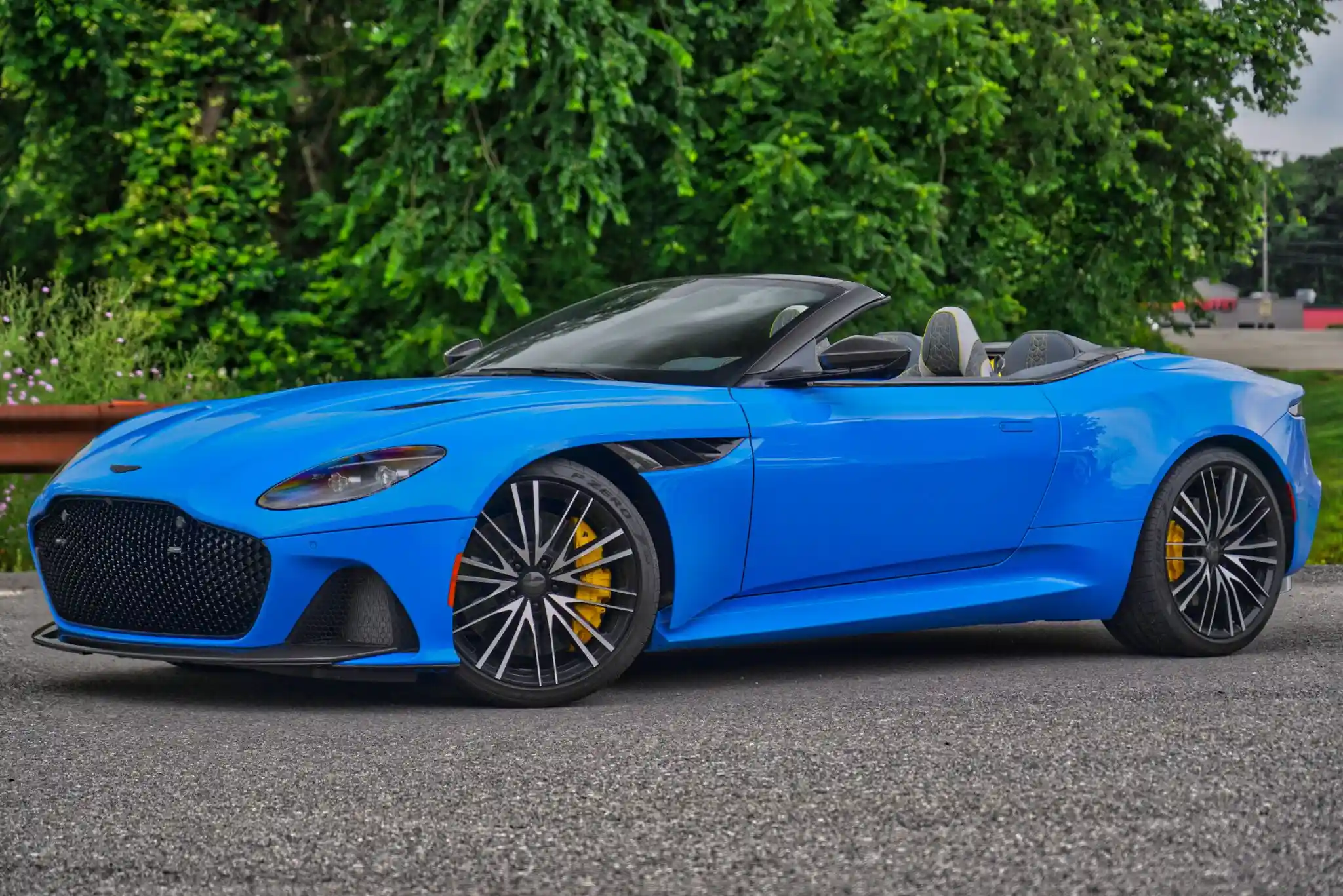
For Corvettes, Porsches, BMW M cars, AMG models, Audi RS vehicles, Mustangs, Camaros, Ferraris, Lamborghinis, McLarens, and similar vehicles, full front PPF is usually the starting point.
Rocker panels, lower doors, and rear quarters are often the next areas to consider.
If the vehicle is driven hard, used for rallies, taken on group drives, or tracked occasionally, more coverage may be worth it.
Performance cars are not always damaged because they are daily driven. They are often damaged because their shape, tires, and driving style expose more paint to debris.
If You Own a Truck
Truck owners should think beyond the front bumper.
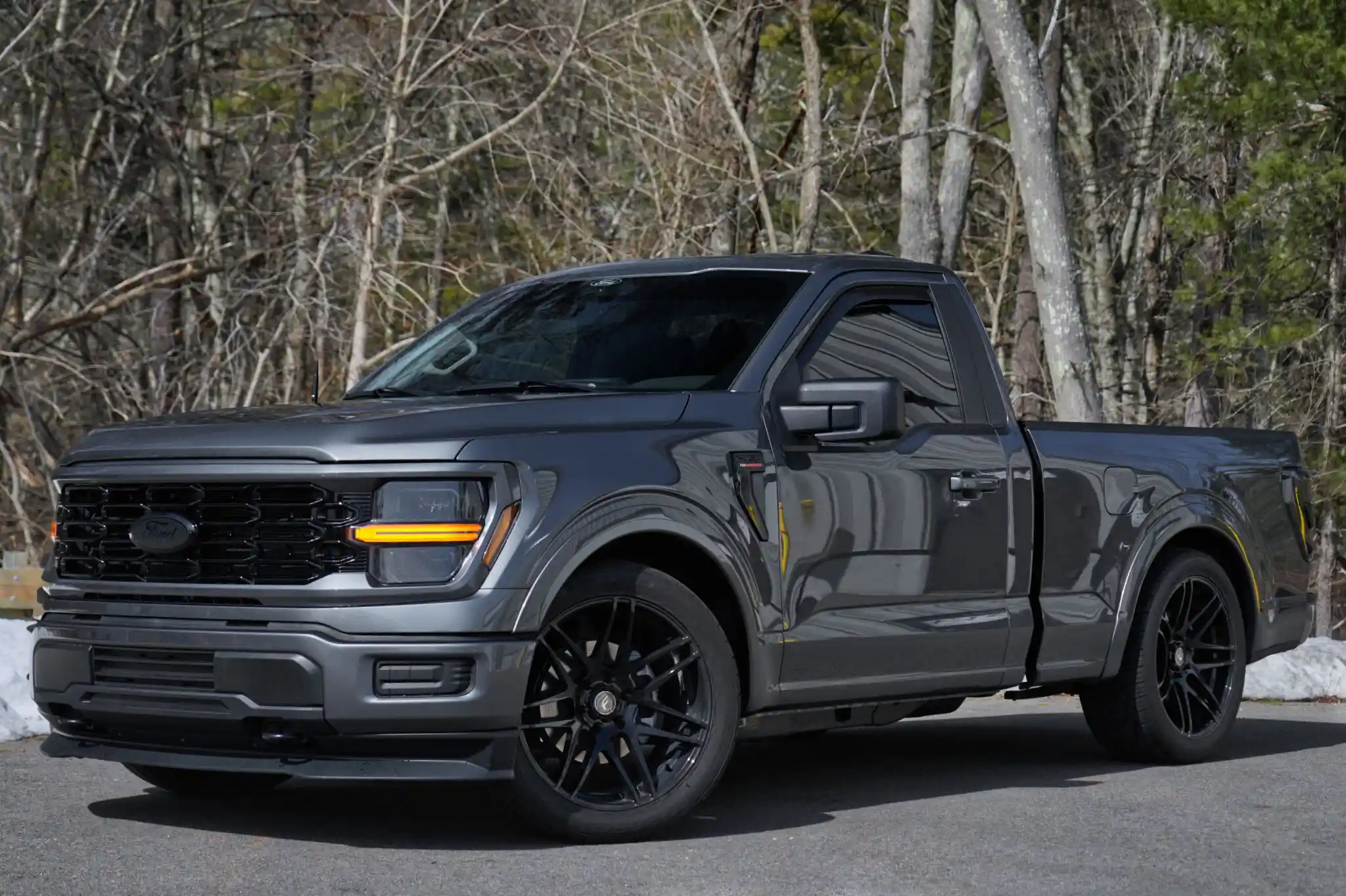
Trucks have large front ends, big mirrors, tall hoods, wide fenders, rocker panels, tailgate areas, bed access points, and rear bumper loading zones. These areas can take a lot of abuse.
A full front PPF package is still valuable because the front of the truck catches road debris, bugs, salt, and sand.
But trucks often need lower body and utility-area protection too.
Rocker panels and lower doors can get blasted by road grime, especially in winter. Rear bumper tops and tailgate ledges can get scratched by tools, cargo, coolers, hockey bags, strollers, pets, work gear, and everyday use.
If the truck is used for towing, job sites, snow, kids, pets, or outdoor activities, targeted PPF can help protect the areas that wear down fastest.
For many truck owners, the best package is full front PPF plus rocker panels, lower doors, rear bumper loading protection, and tailgate ledge protection.
If You Own an SUV
SUVs often need a mix of commuter protection and utility protection.
The front end sees road debris. The rocker panels and lower doors see salt, sand, and tire sling. The rear bumper loading area sees cargo, pets, sports gear, strollers, luggage, and family use.
For family SUVs and luxury SUVs, full front PPF is usually a strong starting point.
From there, the best add-ons are usually rocker panels, lower doors, rear bumper loading areas, and door cups.
If the SUV is a daily driver in Massachusetts or Rhode Island, winter roads can make lower panel protection especially useful.
Luxury SUVs may also justify more coverage because repainting, trim removal, sensor areas, and panel work can be expensive.
A practical SUV package should protect both the road-facing areas and the areas touched during daily use.
If You Own a Luxury Vehicle
Luxury vehicles usually deserve a more complete protection conversation.
The paint, body lines, trim, sensors, headlights, bumpers, and resale value can all make damage more expensive or frustrating to deal with.
For luxury sedans, coupes, SUVs, and EVs, full front PPF is usually the minimum starting point if the owner cares about paint preservation.
Full front coverage helps protect the hood, fenders, bumper, mirrors, and headlights. These are the areas most likely to get damaged by normal driving.
If the vehicle is driven daily, full front coverage may not be enough. Rocker panels, lower doors, rear quarters, trunk ledges, and rear bumper loading areas may also make sense.
For higher-end vehicles, full body PPF can be worth considering because it gives the most complete paint protection and reduces the number of exposed painted panels.
If the vehicle is expensive to repaint, difficult to color-match, or important to preserve, larger coverage often makes more sense.
If You Own an EV
EVs are strong candidates for paint protection film.
Many EVs have large painted front bumpers, smooth lower panels, clean body lines, and wide painted surfaces that show damage quickly.
Tesla, Rivian, Lucid, Hyundai IONIQ, Kia EV, BMW i, Mercedes EQ, and other EVs often benefit from full front coverage, rocker panel protection, and lower door protection.
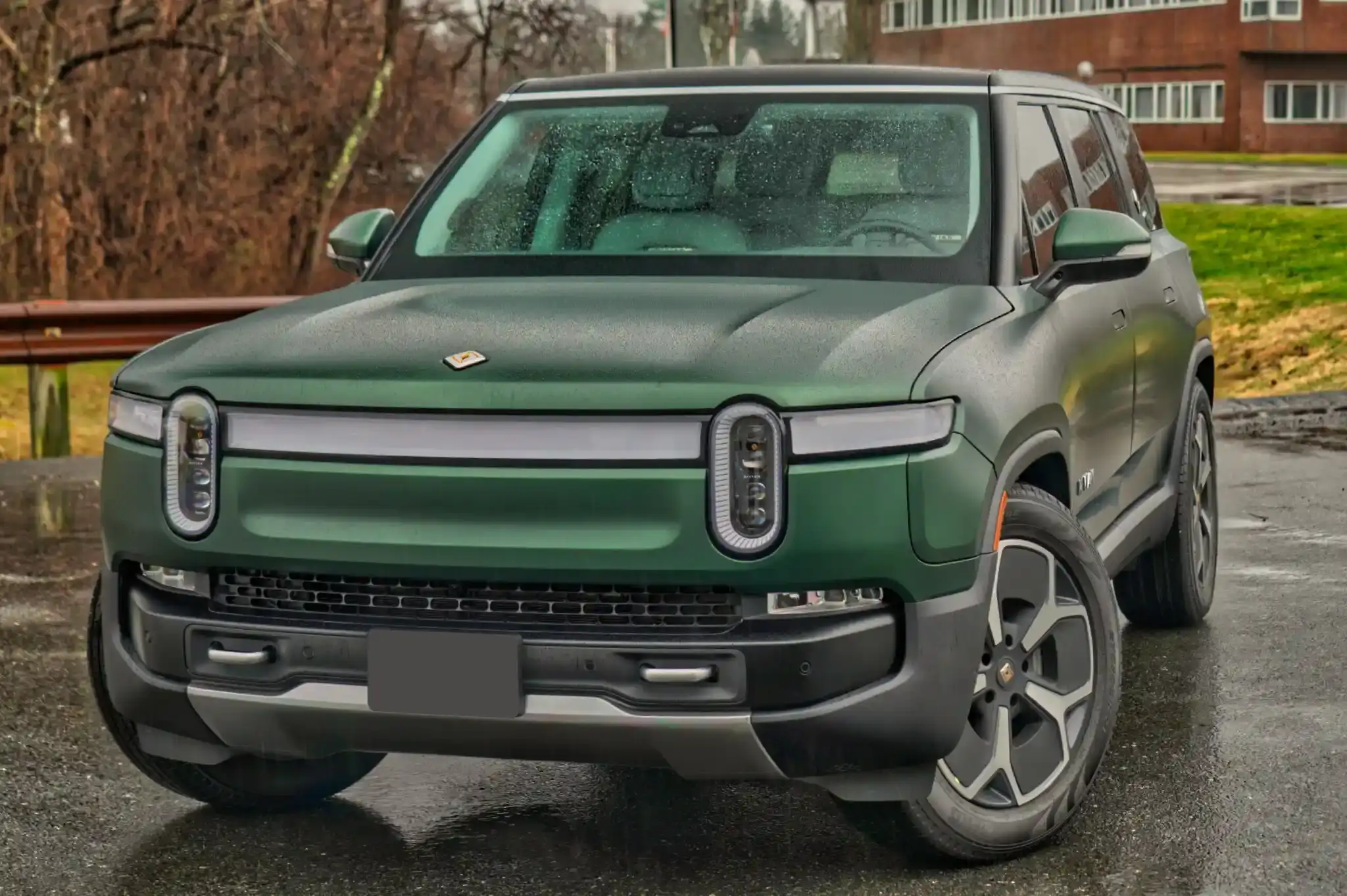
Rivian owners may also want to consider truck and SUV-style protection areas, including rocker panels, lower doors, rear bumper areas, tailgate ledges, and cargo zones.
Tesla owners often focus on front bumper, hood, fenders, mirrors, rocker panels, lower doors, and rear impact areas.
EVs also pair well with ceramic window tint and ceramic coatings.
Tint improves comfort. PPF protects the exterior. Coating makes maintenance easier.
For EV owners who plan to keep the vehicle long-term, full front PPF plus lower impact protection is often a smart package.
Ownership and priorities
If You Lease Your Vehicle
Lease vehicles can still benefit from PPF, but the package should match the lease term and budget.
Not every lease customer needs full body PPF. However, targeted coverage can help reduce damage in high-impact areas and make the vehicle easier to live with during the lease.
Front bumper protection, mirror caps, partial front coverage, full front coverage, door cups, rear bumper loading areas, and rocker panels may all be worth considering depending on the vehicle.
If the lease vehicle is driven daily, full front PPF may still make sense.
The decision comes down to how much you care about appearance during ownership, how much mileage you will put on the vehicle, and whether the protected areas are likely to take damage.
For lease customers, targeted protection is often the best value.
If You Plan to Keep the Vehicle Long-Term
Long-term ownership usually justifies better coverage.
If you plan to keep the vehicle for many years, the damage it takes over time matters. Rock chips, bumper wear, rocker panel rash, door cup scratches, rear bumper scratches, and lower panel damage can all add up.
In this case, it often makes sense to go beyond the smallest package.
Full front PPF is a strong baseline. Rocker panels and lower doors are smart for daily drivers. Rear bumper loading areas are useful for SUVs, trucks, and family vehicles. Full body PPF may make sense for customers who want the most complete protection.
The longer you keep the vehicle, the more you notice the difference between protected and unprotected areas.
PPF cannot stop every type of damage, but it can reduce a lot of common wear when coverage is chosen correctly.
If You Are Focused on Budget
Budget matters, and not every customer needs the largest package.
The key is choosing protection where it will do the most good.
If budget is the main concern, start with the areas most likely to take damage. The front bumper, mirrors, and leading front areas are usually the first areas to consider.
Partial front PPF can be a good entry point for some customers, but it comes with visible stopping points on the hood and fenders.
If the budget allows, full front PPF is often a better value because it protects complete panels and reduces visible film lines.
If the vehicle is a truck or SUV, it may make sense to add rear bumper loading protection or door cups even if the full vehicle is not being wrapped.
The best budget package is not always the cheapest package.
It is the one that protects the areas most likely to cost you later.
If You Are Focused on Appearance
Some customers care as much about appearance as protection.
For those customers, full panel coverage usually makes more sense than partial coverage.
Partial front PPF can protect important areas, but it leaves visible stopping points on the hood and fenders. This may be fine for some owners, but it can bother customers who are particular about how the vehicle looks.
Full front PPF usually looks cleaner because the film carries to natural panel edges.
Full body PPF creates the most consistent appearance because all painted panels are protected.
If the vehicle has dark paint, gloss paint, satin paint, or a finish that shows film lines more easily, coverage choices matter even more.
Customers focused on appearance should usually avoid cutting corners with partial coverage if the stopping lines will bother them.
If You Want Maximum Protection
If the goal is maximum paint protection, full body PPF is the strongest option.
Full body PPF protects the painted panels beyond the front end. This includes doors, rear quarters, trunk areas, roof areas, bumpers, and other exposed surfaces depending on the vehicle.
This package makes sense for high-end vehicles, exotics, performance cars, rare colors, luxury SUVs, EVs, and owners who want the highest level of exterior preservation.
Full body PPF is also helpful for customers who do not want to worry about which panels are protected and which are not.
It is a larger investment, but it offers the most complete coverage.
For customers who want to protect as much factory paint as possible, full body PPF is the answer.
Packages and coverage
Choosing Between Kickin’ Customs PPF Packages
Kickin’ Customs offers different PPF package levels so customers can choose coverage based on the vehicle, budget, and driving habits.
Targeted coverage can be quoted for the most forward-facing areas. The current published package lineup starts with Strike Zone.
Strike Zone adds stronger front-end protection for customers who want more coverage than the basic starting point.
Front-End Defense is a full front-style package designed for customers who want the hood, fenders, bumper, mirrors, and headlights protected.
Apex Defense builds on front-end coverage by adding important areas like rockers, A-pillars, and leading roof coverage.
Urban Armor adds larger side coverage for customers who want more protection on doors, rear quarters, or bedsides.
Zero Exposure is full body coverage for customers who want the most complete paint protection option.
The names help organize the choices, but the best package still depends on the vehicle and use.
A commuter may need Apex Defense. A luxury vehicle may deserve Zero Exposure. A budget-conscious owner may discuss targeted coverage or start with Strike Zone. A truck owner may need Urban Armor-style thinking because side and lower body protection matter.
Current package starting prices
| Package | Starting price |
|---|---|
| Strike Zone | $1,595 |
| Front-End Defense | $2,295 |
| Apex Defense | $3,195 |
| Urban Armor | $5,195 |
| Zero Exposure | $6,995 |
Final pricing depends on the vehicle, selected film, preparation and agreed coverage.
Coverage Should Match the Risk
The most important thing to remember is that coverage should match risk.
If the vehicle is only protected on the bumper, the hood can still chip.
If the front is protected but the rocker panels are exposed, tire sling can still damage the lower body.
If a truck has front-end protection but no rear bumper or tailgate ledge protection, cargo damage can still happen.
If a luxury vehicle has partial front PPF but the owner hates visible film lines, the package may not match the expectation.
PPF works best when the package is selected honestly.
What areas are most exposed?
What damage would bother you most?
How long will you keep the vehicle?
How often do you drive it?
Where do you drive it?
Those answers matter more than choosing a package based on price alone.
Care and protection
Maintenance Matters With Every Package
No matter which PPF package you choose, proper maintenance still matters.
PPF cure time is generally 2 to 3 weeks. Customers should avoid washing the vehicle for 7 days after installation and avoid disturbing edges while the film settles.
A small amount of edge movement during curing can be normal. Around 1/16 inch can often be addressed during the follow-up inspection.
At Kickin’ Customs, the 3-week follow-up inspection is required for PPF workmanship coverage. This allows us to inspect the film after it cures and address small concerns early.
Customers should avoid harsh chemicals, abrasive towels, automatic brush washes, and pressure washing too close to film edges.
For XPEL film, we recommend using XPEL-safe maintenance products whenever possible.
Good maintenance helps the film look better and perform longer.
Consider Ceramic Coating Over PPF
Ceramic coating over PPF can make maintenance easier.
PPF protects the paint from physical damage. Ceramic coating helps with slickness, water behavior, gloss, chemical resistance, UV resistance, and easier cleaning.
For daily drivers, trucks, SUVs, EVs, and performance cars, coating over PPF can make the vehicle easier to wash and dry.
It does not replace PPF. It does not make the vehicle maintenance-free. It simply improves the ownership experience.
XPEL Ultimate Fusion is also worth considering for customers who want gloss PPF with built-in hydrophobic properties. The hydrophobic properties are expected to last around 4 years, while the film itself still carries the 10-year warranty.
For many customers, the best setup is the right PPF coverage first, then ceramic coating or maintenance products to make care easier.
Final Thoughts
The right PPF package depends on how you drive.
Daily commuters usually benefit from full front PPF and lower impact protection. Highway drivers should take front-end and rocker protection seriously. Weekend cars often need full front coverage. Performance cars may need rockers and rear quarters. Trucks and SUVs often need lower body, cargo, and loading area protection. Luxury vehicles may justify larger coverage because paint, trim, and repair costs matter.
There is no single package that fits every vehicle.
At Kickin’ Customs in Raynham, MA, we install XPEL paint protection film for drivers across Massachusetts and Rhode Island. Whether you need targeted protection, full front PPF, rocker panel coverage, truck protection, luxury vehicle coverage, or full body PPF, we can help match the package to your real driving habits.
If you are not sure which PPF package makes sense, contact Kickin’ Customs and we can walk you through the best coverage options for your vehicle.
Frequently Asked Questions
What PPF package is best for daily driving?
For many daily drivers, full front PPF is the best starting point. If the vehicle sees highway driving, winter roads, or long mileage, rocker panels and lower doors should also be considered.
What PPF package is best for highway driving?
Highway drivers should usually consider full front PPF at minimum. Full hood, full fenders, front bumper, mirrors, and headlights are important because debris can hit higher and harder at highway speeds.
What PPF package is best for a performance car?
Performance cars usually benefit from full front PPF plus rocker panel, lower door, and rear quarter protection. Wide tires, sticky rubber, and low body lines can expose more areas to debris.
What PPF package is best for a truck?
Many trucks benefit from full front PPF, rocker panels, lower doors, rear bumper loading protection, and tailgate ledge protection. Work use, towing, cargo, and winter driving can increase wear.
What PPF package is best for an SUV?
SUVs often benefit from full front PPF, rocker panels, lower doors, rear bumper loading protection, and door cups. Family use, cargo, pets, and winter roads can all affect the paint.
Is full front PPF enough?
Full front PPF is enough for many customers, especially if the goal is strong front-end protection. If the vehicle is driven daily, used in winter, or exposed to tire sling, lower body protection may also make sense.
Is full body PPF worth it?
Full body PPF can be worth it for high-end vehicles, long-term ownership, rare colors, luxury vehicles, performance cars, EVs, and owners who want the most complete paint protection.
Should I choose more PPF coverage or ceramic coating?
If the main concern is rock chips and road debris, choose more PPF coverage first. Ceramic coating helps with maintenance, but it does not replace the impact protection of PPF.
How long does XPEL PPF last?
XPEL paint protection film carries a 10-year manufacturer warranty. Proper installation, maintenance, and follow-up care help the film look and perform better over time.
Why does Kickin’ Customs require a 3-week follow-up inspection?
The 3-week follow-up allows us to inspect the film after it cures and address small edges, lift points, or settling concerns early. At Kickin’ Customs, this inspection is required for PPF workmanship coverage.
Plan your next step
Not sure which PPF package fits your driving habits? Contact Kickin’ Customs in Raynham, MA and we can help you choose the right XPEL paint protection film coverage based on your vehicle, mileage, road exposure, and long-term goals.
