
Film only
Film helps hold broken glass together, often called fragment retention. Film alone does not automatically connect that glass to its frame. We check whether it suits the agreed safety goal.
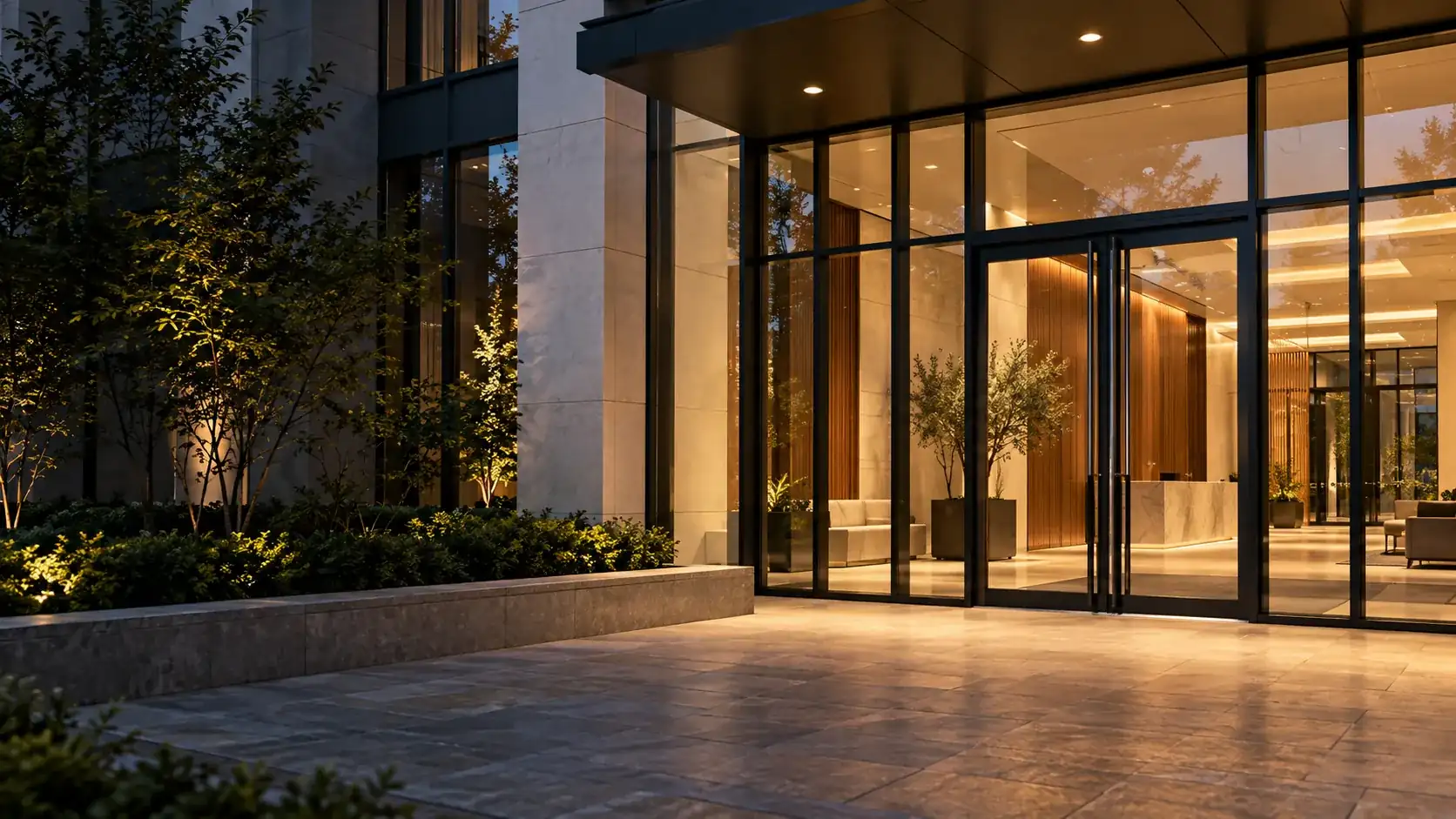
Help hold broken glass together or make it harder for an intruder to get through a window. The right film and installation depend on your glass, frame and protection goal.
Safety and security film bonds across compatible glass. If the pane breaks, it can help hold fragments together and reduce loose shards in selected situations. A suitable system may also slow an intruder trying to get through a broken window.
Helping hold broken glass together is different from trying to slow an entry attempt. Neither makes glass unbreakable, burglar-proof or impossible to enter. We review the window and your protection goal before recommending a system.
A starting direction for a conversation, not a final product or glass approval.
The type, size and condition of your glass.
The film selected for your glass and protection goal.
If needed, an approved attachment secures the film to the frame.
The frame and surrounding structure that support the glass.
Film helps hold broken glass together, often called fragment retention. Film alone does not automatically connect that glass to its frame. We check whether it suits the agreed safety goal.
Some systems secure the filmed glass to its frame. This is called perimeter attachment. It may be needed for a defined entry-delay goal, but not every project needs it. The glass, film, frame and connection must work together.
A written security requirement may need a specially tested combination of glass, film, frame and attachment, with specialist review. Ordinary film cannot be substituted for that system, and not every opening can be upgraded this way.
Film does not replace locks, alarms, cameras, monitoring or response.
Protecting one pane may not solve the problem if a nearby window, door or frame remains vulnerable. We assess the film installation, while your property team and security professionals remain responsible for the wider security plan.
Emergency exits and rescue access must still work safely. Any change that affects them needs approval from the responsible property team and relevant professional or authority before installation.
The website cannot approve code compliance. Where a change could affect an exit, rescue opening or required building function, the owner’s authorized team and relevant professional or authority must resolve it before installation.
Film does not automatically turn existing glass into code-approved safety glass. Glass markings, the assembly, documentation and the responsible professional or authority determine acceptance.
Emergency exits, rescue openings, fire department access, accessibility, required safety glazing, panic hardware, locks and release devices must remain part of the review. Any evacuation procedures also need to match the finished opening.
Energy-saving coatings, double-pane or laminated glass, tint, size, damage, shade and inside or outside placement can change which film is suitable. The result may be another product, specialist review, another system or no film installation.
A combined solar or privacy film must satisfy those separate goals as well as the agreed protection objective. A privacy result or darker appearance does not establish security performance.
See the detailed project reviewConfirm your goal, which windows and doors are involved, any written requirements and who can approve the work.
Check the glass, frame, attachment direction, access, emergency exits, exclusions and any specialist review. Approve the written proposal.
Prepare and install the approved system. Film and attachment may have different cure requirements; do not assume immediate final performance.
Record the film, treated windows or doors, any attachment, installation date, drying instructions, care and written coverage.
Appearance, edge details and seams are reviewed with the project. Future glass replacement, frame work, attachment damage or changes by other trades can affect the system and require another review.
Clear film can show seams, edges, cure moisture or minor visual differences. Neutral or reflective products may change visible light, color, reflectivity and facade appearance. Review physical samples and the whole glass area.
Drying varies with the film, glass, attachment, temperature, humidity, sunlight, season and pane size. Follow the documented cure period.
Broken filmed glass can remain heavy, sharp and unstable. Do not push it, pull the film, remove fragments or test whether it is still holding. Restrict access and involve appropriate emergency, property, glass and security support. Safety takes priority over photos or warranty evidence.
Restrict the area and address immediate danger through the appropriate emergency or property response.
Use a safe position for a wide photo. Do not approach unstable glass to collect detail.
The glass and film teams determine repair or replacement, including any attachment and surrounding damage.
Replacement glass and film need their own compatibility, installation and written-coverage review.
Ordinary film work uses a consultation-based quote. Where attachment, testing, engineering or specifications apply, a system-specific written proposal identifies the agreed work and conditions.
Film and attachment can have different cure requirements. Do not assume immediate final performance or a universal lifetime warranty. Keep the exact installation, care and written coverage record.
Care & Maintenance Warranty guidanceIf your building, insurer or project specification requires a particular security rating, tell us before choosing film. We need to confirm that the proposed glass, film, frame and any required attachment match the relevant test documentation.
A film’s thickness or a demonstration video does not prove how your windows will perform. Ballistic, blast and storm protection require their own tested systems. Ordinary security film is not a substitute, and a published test is not automatic approval for your building.
Discuss your project requirementsNo. Glass can still crack or break. A suitable system can help hold broken pieces together and make it harder for an intruder to get through the broken window. The result depends on the glass, film, frame, installation, drying and the event itself.
It may add effort or delay in selected situations, but it cannot guarantee prevention. Repeated force, tools, frame or door failure, or another opening may still allow entry. Film supports a wider plan that includes locks, alarms, lighting, cameras, access control and response.
There is no universal delay time. The exact glass, film, frame and attachment must match any claimed test result, including installation, drying and test conditions. A thickness or demonstration video does not establish the result at your property.
Safety projects often focus on helping hold broken glass together, called fragment retention. Security projects add an entry-delay goal and may need the filmed glass secured to its frame or a tested system. We start with your actual protection goal.
Sometimes. Holding fragments together and trying to delay entry are different goals. Some security systems need a documented connection to the frame, called perimeter attachment. We review the glass, film, frame and requirement together before deciding.
No. Thickness is only one factor. The film, adhesive, glass, frame, attachment, installation and tested performance must suit the goal. Appearance and drying requirements also matter.
No. Ordinary security film is not bulletproof. Ballistic protection requires a tested, rated glass-and-frame system selected for a defined threat, and may need a specialist or design team.
Not automatically. Storm and blast protection need their own written requirements and a tested combination of glass, frame, anchors, attachment and installation. General forced-entry film claims do not establish that protection.
It can help hold broken glass together, but sharp, heavy or unstable glass can remain. The event and complete system determine what stays in place. Keep people away and arrange qualified review and replacement.
It may be suitable after review. Door movement, hardware, locks, glass type, frame, weather and emergency access matter. A door needs its own assessment.
We quote the protection goal and complete installation, including glass, film, frame, any attachment, preparation and safe access. Tests, documentation or specialist requirements may add work. See Pricing & Consultation for how to begin.
A few everyday details are enough to begin. You do not need to identify the exact film or type of glass.
Our Raynham team serves Southeastern Massachusetts and Rhode Island.
Add your contact details and check Your Message before submitting. Nothing is sent until you submit the contact form.
Add your contact details and check Your Message before submitting. Nothing is sent until you submit the contact form.
If the form does not load, open Contact Us or continue with your details.
244 North Main Street, Raynham, MA 02767
Monday-Friday, 9:00 AM-6:00 PM


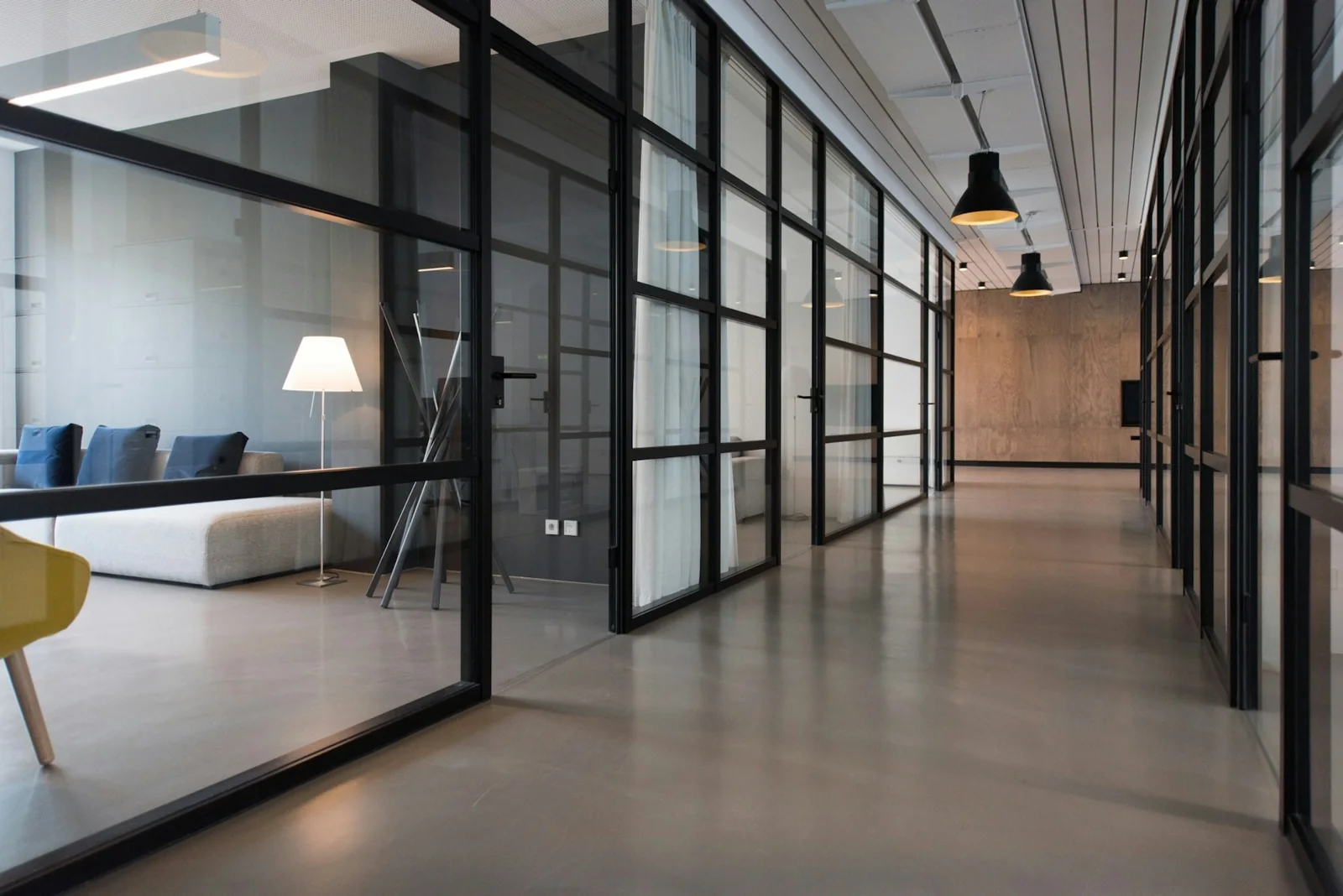
Plan visual separation, design and branding around the glass.
Read article ↗