
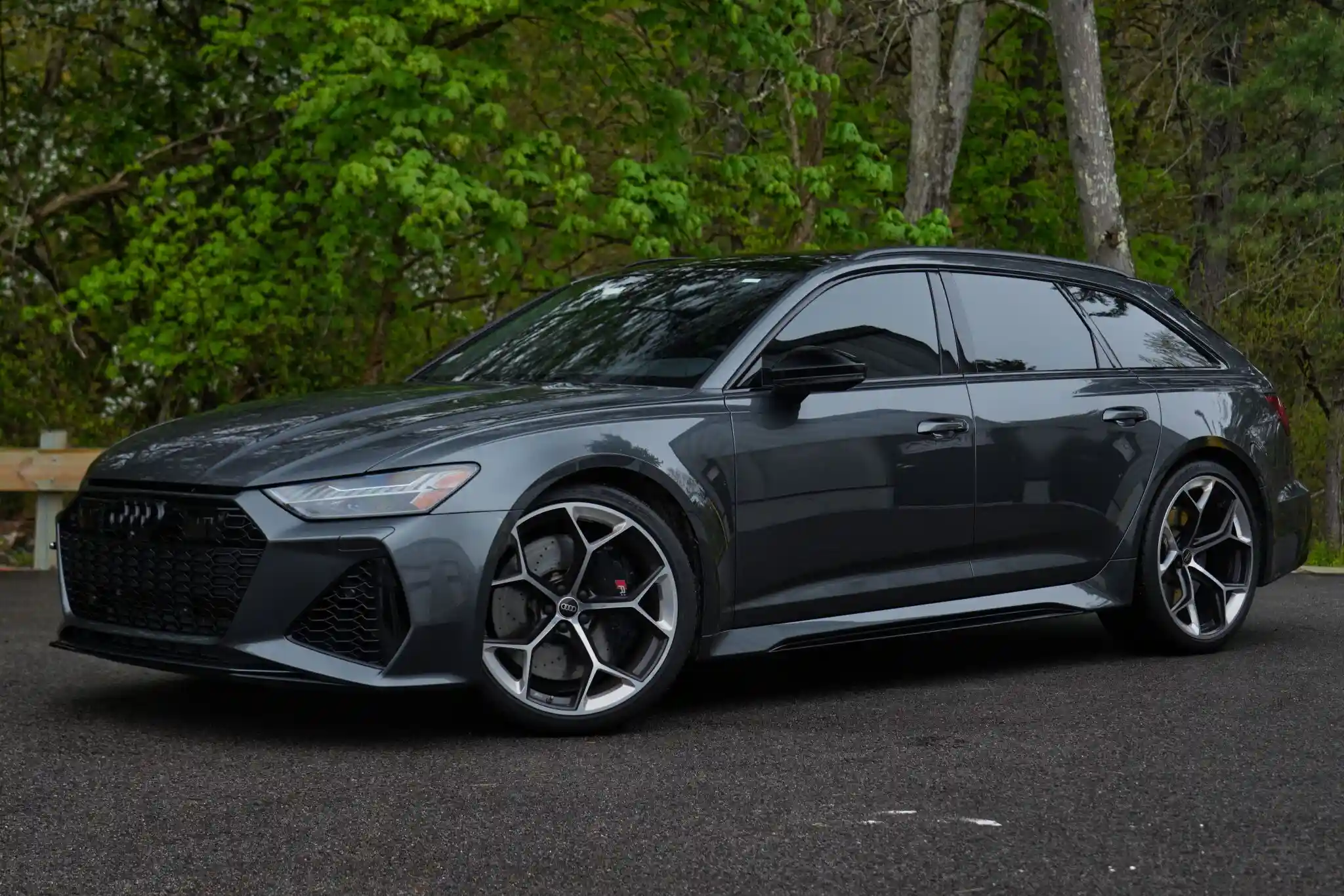
The short answer
Paint protection film is one of the best ways to protect your vehicle from rock chips, road debris, bug acids, salt, sand, light scratches, and everyday wear.
But that does not mean every vehicle needs the exact same coverage.
Some vehicles only need front-end protection. Some need rocker panels and lower doors added. Some need rear quarter protection because of wide tires. Some luxury, exotic, matte, or high-value vehicles make more sense with full body PPF.
The key is understanding where damage actually happens.
At Kickin’ Customs in Raynham, MA, we install XPEL paint protection film for daily drivers, trucks, SUVs, EVs, luxury vehicles, performance cars, and exotics across Massachusetts and Rhode Island. The best PPF package is not always the largest one. It is the one that protects the right areas for how the vehicle is built and how it will be driven.
Front impact areas
The Front Bumper
The front bumper is usually the most important area to protect with PPF.
It is the first part of the vehicle to meet road debris, sand, salt, bugs, and stones kicked up by traffic. It also has a lot of painted surface area on modern vehicles. Many newer bumpers are large, complex, low to the ground, and expensive to repair or repaint.
The front bumper also collects bug acids during warmer months. If bugs sit too long, they can stain or etch into the surface. PPF gives that bumper a sacrificial layer so the film takes the abuse before the paint does.
For most vehicles, the front bumper is the first panel we recommend protecting.
The Full Hood
The hood is another high-impact area.
Rocks, sand, salt, and road debris can hit the hood at highway speed. Once a hood gets chipped, the damage is easy to notice because the panel sits high and catches light. On metal hoods, deeper chips can also expose the surface underneath.
A full hood installation is usually cleaner than a partial hood strip because it avoids a visible film line across the hood. It also protects the entire panel instead of only the leading edge.
For new vehicles, performance vehicles, luxury vehicles, dark colors, and customers who want a clean look, full hood PPF is usually the better choice.
The Full Front Fenders
Front fenders sit directly behind the bumper and along the side of the hood. They take impact from forward road debris, sand, salt, and anything kicked up from the road.
Full front fender coverage pairs with a full hood and front bumper to create a proper full front PPF package. This helps protect the entire front clip instead of leaving exposed painted areas right next to protected ones.
For many vehicles, full front PPF is the best balance of protection and value. The fenders are an important part of that package.
Side Mirrors
Side mirrors are small, but they take a lot of abuse.
They stick out into airflow and collect bugs, sand, salt, and small debris. Mirror caps are often painted, gloss black, carbon fiber, or expensive to replace. They are also easy to damage because they are exposed on both sides of the vehicle.
PPF on mirrors is a smart add-on and is commonly included in full front packages.
Even if the rest of the vehicle is only partially protected, mirrors are usually worth covering.
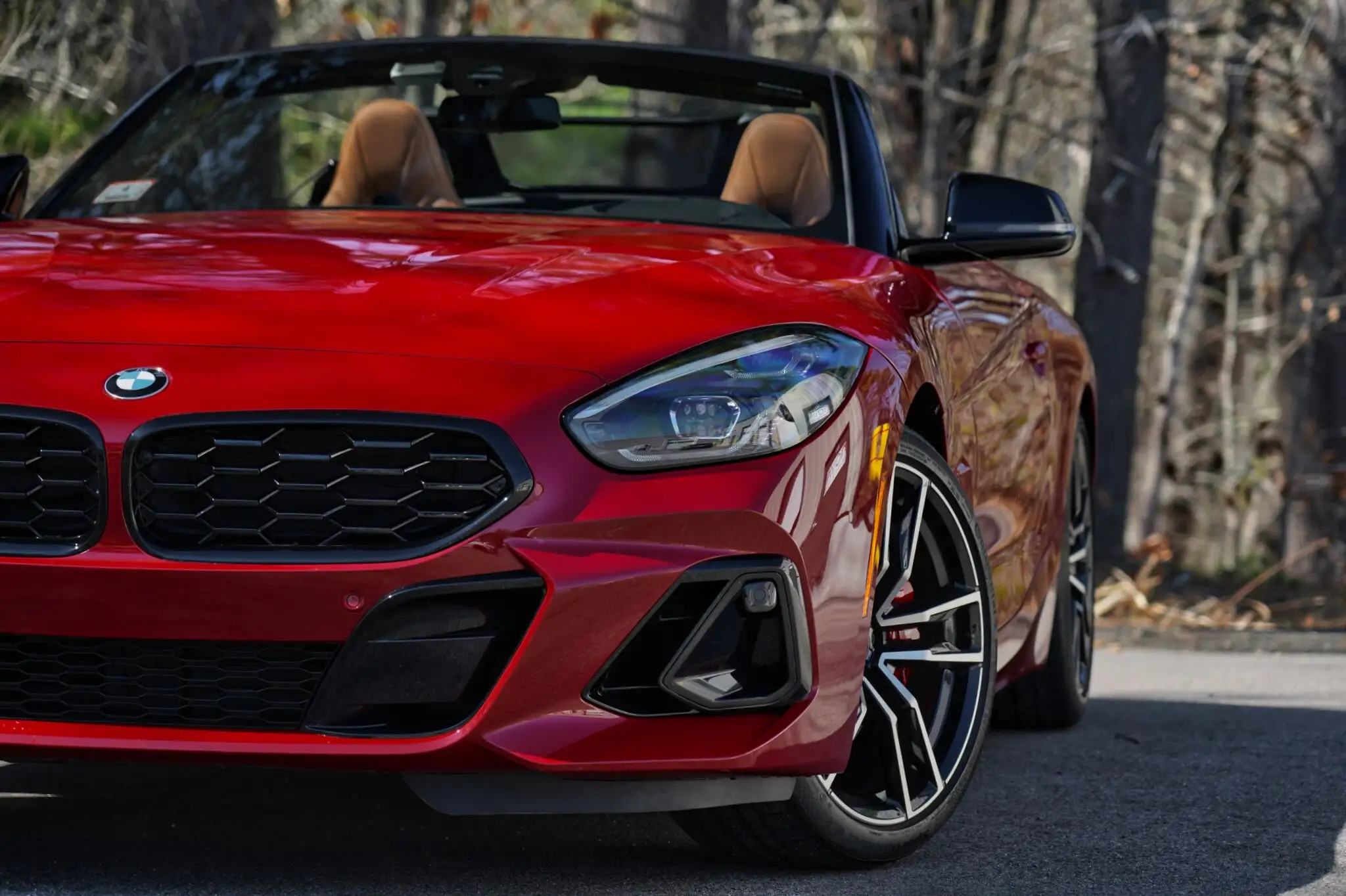
Headlights
Headlights are often overlooked, but they are one of the most important areas to protect.
Modern headlights can be extremely expensive. Many vehicles have LED, laser, adaptive, matrix-style, or sensor-integrated headlight assemblies. They can become pitted, chipped, hazy, or damaged by road debris over time.
PPF helps protect the headlight surface from sandblasting, small impacts, and road wear.
This is especially important on highway-driven vehicles, luxury vehicles, EVs, performance cars, trucks, and SUVs. Headlight protection is a small area with a big potential benefit.
Lower panels and road exposure
Rocker Panels
Rocker panels are one of the most abused areas on many vehicles.
They sit low along the side of the vehicle and get hit by sand, salt, rocks, road grime, and debris thrown by the tires. In New England, winter road treatment makes this even worse.
On performance vehicles, rocker panels can get blasted by the vehicle’s own front tires. On trucks and SUVs, they are exposed to road grime, gravel, dirt, and daily use. On EVs and luxury vehicles, the lower panels are often wide, painted, and very noticeable once damaged.
Rocker panel PPF is one of the smartest upgrades beyond the full front package.
Lower Doors
Lower doors often get damaged for the same reason rocker panels do.
They are exposed to debris thrown from the tires, especially on vehicles with wide wheels, sticky tires, aggressive offsets, or flared bodywork. Lower doors can also collect road grime, salt, sand, and splatter during winter driving.
Many customers focus on the front end and forget the lower doors until they start seeing chips and road rash down the side of the vehicle.
For performance cars, SUVs, EVs, and trucks, lower door PPF can be a very practical upgrade.
Rear Quarters
Rear quarters are especially important on performance cars and wide-body vehicles.
When the front tires throw debris backward, the rear quarter panels often take the hit. This is common on Corvettes, Porsches, BMW M cars, Mercedes-AMG vehicles, Audi RS models, Mustangs, Camaros, Lamborghinis, Ferraris, McLarens, and other vehicles with wide rear hips or aggressive wheel setups.
Rear quarter damage is frustrating because those panels are large, noticeable, and often expensive to repair.
If your vehicle has wide tires, a flared body, sticky rubber, or visible rear hips, rear quarter PPF should be part of the conversation.
A-Pillars
The A-pillars run along the sides of the windshield and can take debris during highway driving.
They are not always the first area people think about, but they are exposed to the same forward-facing impact as the hood and roof edge. On some vehicles, A-pillars are painted. On others, they may have gloss black trim or delicate finishes that scratch easily.
A-pillar coverage is often included in more complete PPF packages because it helps protect the transition from the windshield area into the roof and side glass.
For highway-driven vehicles, it is worth considering.
Leading Roof Edge
The leading edge of the roof can take chips from highway debris, especially on vehicles with sloped windshields, low rooflines, or aggressive front-end shapes.
This area is often overlooked because it is not directly in your line of sight every day. But once chips appear there, they can be annoying and difficult to correct cleanly.
A leading roof edge strip is a smart addition for vehicles that see highway miles, performance driving, or long trips.
It pairs well with full front PPF and A-pillar coverage.
Everyday contact and trim
Door Cups
Door cups are the recessed areas behind the door handles.
They get scratched by fingernails, rings, keys, and everyday use. This happens on almost every vehicle eventually, especially family vehicles, daily drivers, black vehicles, and cars with painted handle areas.
Door cup PPF is a small but useful protection area. It helps prevent those annoying scratches that show up around door handles over time.
This is one of the easiest areas to justify because it protects against normal human contact, not just road debris.
Door Edges
Door edges can get chipped when doors open into walls, garage items, other vehicles, or tight parking spaces.
Door edge PPF does not replace careful use, but it can help reduce small chips and marks along the painted edge of the door.
This is useful on daily drivers, family vehicles, tight garage setups, SUVs, and vehicles that are parked in public often.
Door edge protection is a small detail, but it can help keep the vehicle looking cleaner over time.
Trunk Ledge and Rear Bumper Loading Area
The trunk ledge and rear bumper loading area can get scratched from luggage, bags, strollers, tools, sports gear, pets, and everyday cargo use.
This is especially important on SUVs, wagons, hatchbacks, trucks, and family vehicles.
A protected rear bumper loading area can prevent scratches from items sliding in and out of the vehicle. On luxury SUVs and daily drivers, this area is often worth protecting early because damage can happen quickly.
It may not be a rock chip zone, but it is a real wear zone.
Rear Bumper Sides
Rear bumper sides can take damage from road debris, parking lot contact, loading, and daily use.
On some vehicles, the rear bumper has wide painted corners that collect chips and scratches. On performance vehicles, the rear bumper may also sit near wide rear tires or aggressive bodywork.
Rear bumper protection is not always part of a standard package, but it can make sense depending on the vehicle’s shape and how it is used.
Gloss Black Trim
Gloss black trim looks great when it is new, but it scratches easily.
Many vehicles have gloss black pillars, mirror caps, roof trim, bumper accents, grilles, spoilers, and interior or exterior trim pieces. These surfaces can show wash marks, fingerprints, scratches, and swirls faster than painted panels.
PPF can often be installed on exterior gloss black trim to help reduce visible wear.
This is especially useful on luxury vehicles, EVs, performance cars, black trim packages, and vehicles with piano black exterior accents.
Carbon Fiber
Carbon fiber can be expensive to repair or replace.
Many performance and luxury vehicles have carbon fiber mirror caps, splitters, side skirts, diffusers, spoilers, hoods, roof panels, or trim pieces. These areas are often exposed to road debris, UV, bugs, and scratches.
PPF can help protect carbon fiber while preserving the look of the part underneath.
For carbon fiber exterior pieces, protection should be discussed early. Once a carbon piece is chipped, scratched, or damaged, replacement can be expensive.
Painted Front Splitters and Lower Aero
Front splitters, lower bumper lips, side skirts, and aero pieces take heavy abuse because they sit close to the road.
They are exposed to rocks, steep driveways, road debris, sand, salt, and curbs. On performance vehicles, these parts often get damaged faster than the rest of the vehicle.
PPF will not prevent damage from scraping a driveway or hitting a curb, but it can help reduce chips, scratches, and road rash from normal driving.
For low vehicles, lower aero protection is usually worth considering.
Match the vehicle
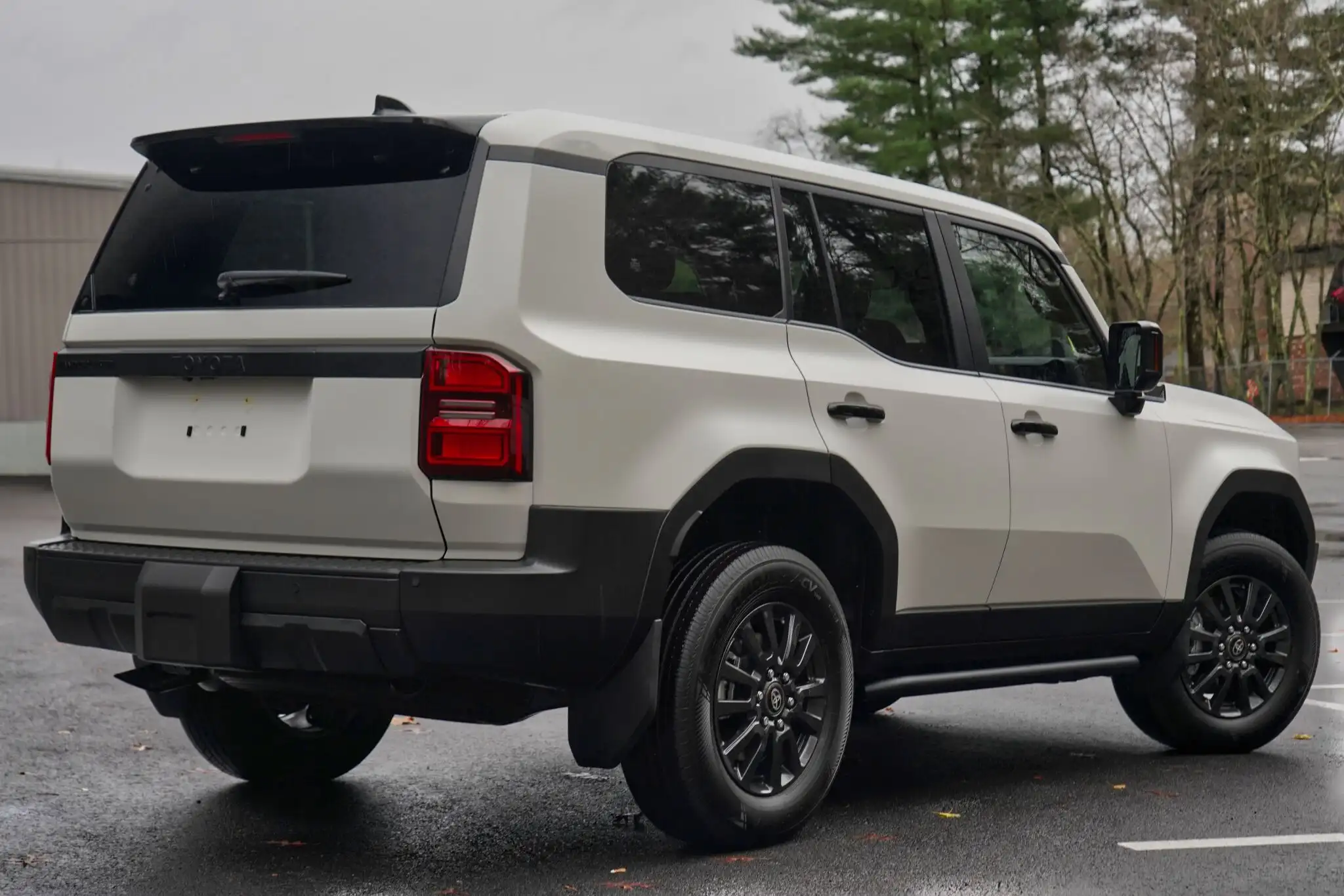
Trucks and SUVs: What Needs PPF Most?
Trucks and SUVs usually need protection on the front bumper, hood, mirrors, headlights, rocker panels, lower doors, tailgate ledge, rear bumper loading area, and sometimes bedside areas.
These vehicles see daily use, winter roads, job sites, kids, pets, cargo, and highway driving. The lower sides can take just as much abuse as the front.
For new trucks and SUVs, full front PPF plus rocker and lower door protection is often a strong setup. Tailgate and rear bumper protection can also make sense depending on how the vehicle is used.
EVs: What Needs PPF Most?
Electric vehicles often have large painted front bumpers, wide lower panels, and simple body lines that make chips stand out.
Tesla, Rivian, Lucid, BMW i models, Mercedes EQ models, Ford Mustang Mach-E, Hyundai IONIQ, Kia EV models, and similar vehicles usually benefit from full front PPF. Many also benefit from rocker panel and lower door protection.
EV owners should also consider ceramic tint and ceramic coating because these vehicles often have large glass areas and clean exterior finishes that benefit from easier maintenance.
For Tesla and Rivian owners, front-end and lower-body protection should be discussed early.
Performance Cars: What Needs PPF Most?
Performance cars usually need full front PPF, rocker panel protection, lower door protection, and rear quarter coverage.
The reason is simple. These vehicles are often lower, wider, and fitted with performance tires. Those tires can throw debris into the sides of the vehicle. Wide rear quarters can catch impact. Low bumpers and splitters get blasted by road debris.
Corvettes, Porsches, BMW M cars, Mercedes-AMG vehicles, Audi RS models, Mustangs, Camaros, Ferraris, Lamborghinis, McLarens, and similar vehicles often need more than just a basic front-end package.
The vehicle shape should decide the coverage.
Luxury Vehicles: What Needs PPF Most?
Luxury vehicles usually need protection based on value, finish, and owner expectations.
Full front PPF is a strong starting point. Rocker panels, lower doors, rear bumper loading areas, gloss black trim, headlights, and door cups may also make sense.
For ultra luxury vehicles, full body PPF is often the cleaner long-term strategy. This is especially true on Rolls-Royce, Bentley, Maybach, Range Rover, Porsche, Mercedes-Benz, BMW, Audi, and similar high-end vehicles where paintwork, trim, and replacement parts can be expensive.
Luxury vehicles are expected to stay clean. PPF helps preserve that look.
Matte and Satin Vehicles: Coverage Matters More
Matte and satin paint need special attention.
Gloss paint can often be polished if it gets light scratches or surface defects. Matte and satin paint cannot be polished the same way. If the finish gets scratched, stained, or polished incorrectly, it can become uneven or shiny.
For factory matte or satin vehicles, full body PPF is often the safest option. XPEL Stealth can protect the finish while preserving the satin look.
For gloss vehicles where the owner wants a satin transformation, Stealth PPF usually needs to be planned as a full body installation or a very intentional accent.
Partial coverage on matte or satin finishes needs to be discussed carefully.
Decide how much to protect
Daily Drivers: The Best Practical Coverage
For most daily drivers, the best practical PPF coverage starts with the full front.
That protects the bumper, hood, fenders, mirrors, and often headlights. From there, rocker panels and lower doors should be considered based on the vehicle shape and driving conditions.
A strong daily driver package often includes full front PPF, rocker panel protection, ceramic coating, and ceramic window tint.
This gives the vehicle protection where it takes the most abuse while also making it easier to clean and more comfortable to drive.
When Full Body PPF Makes the Most Sense
Full body PPF makes sense when the owner wants the highest level of paint protection.
It is best for high-value vehicles, exotics, luxury cars, matte or satin finishes, dark colors, soft paint, performance vehicles, EVs, and owners who plan to keep the vehicle long term.
Full body PPF protects the entire painted exterior rather than only the highest-impact zones.
If seeing damage on any exposed panel would bother you, full body PPF is worth considering.
The Best PPF Coverage Depends on the Vehicle
There is no universal PPF package that is perfect for every vehicle.
A commuter sedan may only need full front PPF. A Corvette may need full front, rockers, and rear quarters. A luxury SUV may need front-end, lower door, and rear bumper loading protection. A matte vehicle may need full body PPF. A truck may need lower body and tailgate protection.
The best coverage plan should be based on the vehicle’s shape, paint type, tire setup, driving habits, storage, mileage, and owner expectations.
PPF should be planned, not guessed.
Final Thoughts
The areas that need PPF the most are the areas that take the most abuse.
For most vehicles, that starts with the front bumper, full hood, full fenders, mirrors, and headlights. From there, rocker panels, lower doors, rear quarters, A-pillars, roof edges, door cups, trunk ledges, and gloss black trim may all be worth protecting depending on the vehicle.
A full front package is the best starting point for many drivers. Full body PPF is the best choice for owners who want the highest level of protection.
At Kickin’ Customs in Raynham, MA, we install XPEL paint protection film for new vehicles, daily drivers, trucks, SUVs, EVs, performance cars, luxury vehicles, and exotics across Massachusetts and Rhode Island.
The goal is not to protect random panels. The goal is to protect the areas most likely to get damaged.
Frequently Asked Questions
What areas of a vehicle need PPF the most?
The most important areas are usually the front bumper, hood, front fenders, mirrors, headlights, rocker panels, lower doors, and rear quarters. These areas take the most impact from rocks, sand, salt, bugs, and road debris.
Is full front PPF enough?
For many vehicles, full front PPF is enough to protect the highest-impact areas. However, rocker panels, lower doors, and rear quarters may also make sense depending on the vehicle.
Should I get PPF on rocker panels?
Yes, rocker panel PPF is a smart upgrade for many vehicles. Rocker panels sit low and get hit by sand, salt, rocks, and debris from the tires.
Do performance cars need rear quarter PPF?
Many do. Performance cars with wide tires, sticky rubber, or flared bodywork can throw debris into the rear quarters and lower sides of the vehicle.
Should headlights be covered with PPF?
Headlight PPF is worth considering because modern headlights can be expensive to replace. Film can help reduce pitting, chips, and road wear.
Is PPF worth it on door cups?
Yes. Door cup PPF helps prevent fingernail scratches behind the door handles. It is a small area, but it can prevent common wear.
What PPF coverage is best for daily drivers?
For most daily drivers, full front PPF with rocker panel protection is a strong starting point. Ceramic coating and ceramic tint can also improve maintenance and comfort.
What PPF coverage is best for trucks and SUVs?
Trucks and SUVs often benefit from full front PPF, rocker panels, lower doors, mirrors, headlights, tailgate ledges, and rear bumper loading areas.
What PPF coverage is best for Teslas and EVs?
Many Teslas and EVs benefit from full front PPF, rocker panels, lower doors, and sometimes rear impact areas depending on the model.
When is full body PPF the better choice?
Full body PPF is the better choice for high-value vehicles, matte or satin finishes, dark colors, exotics, luxury vehicles, and owners who want the entire exterior protected.
Plan your next step
Not sure which areas of your vehicle need PPF? Contact Kickin’ Customs in Raynham, MA and we can help build the right XPEL paint protection film package for how your vehicle is driven.
