
Manage Sun & Glare
Help reduce solar heat and distracting glare through suitable cabin windows. Darker film does not automatically reduce more heat, and cabin temperature depends on more than tint.
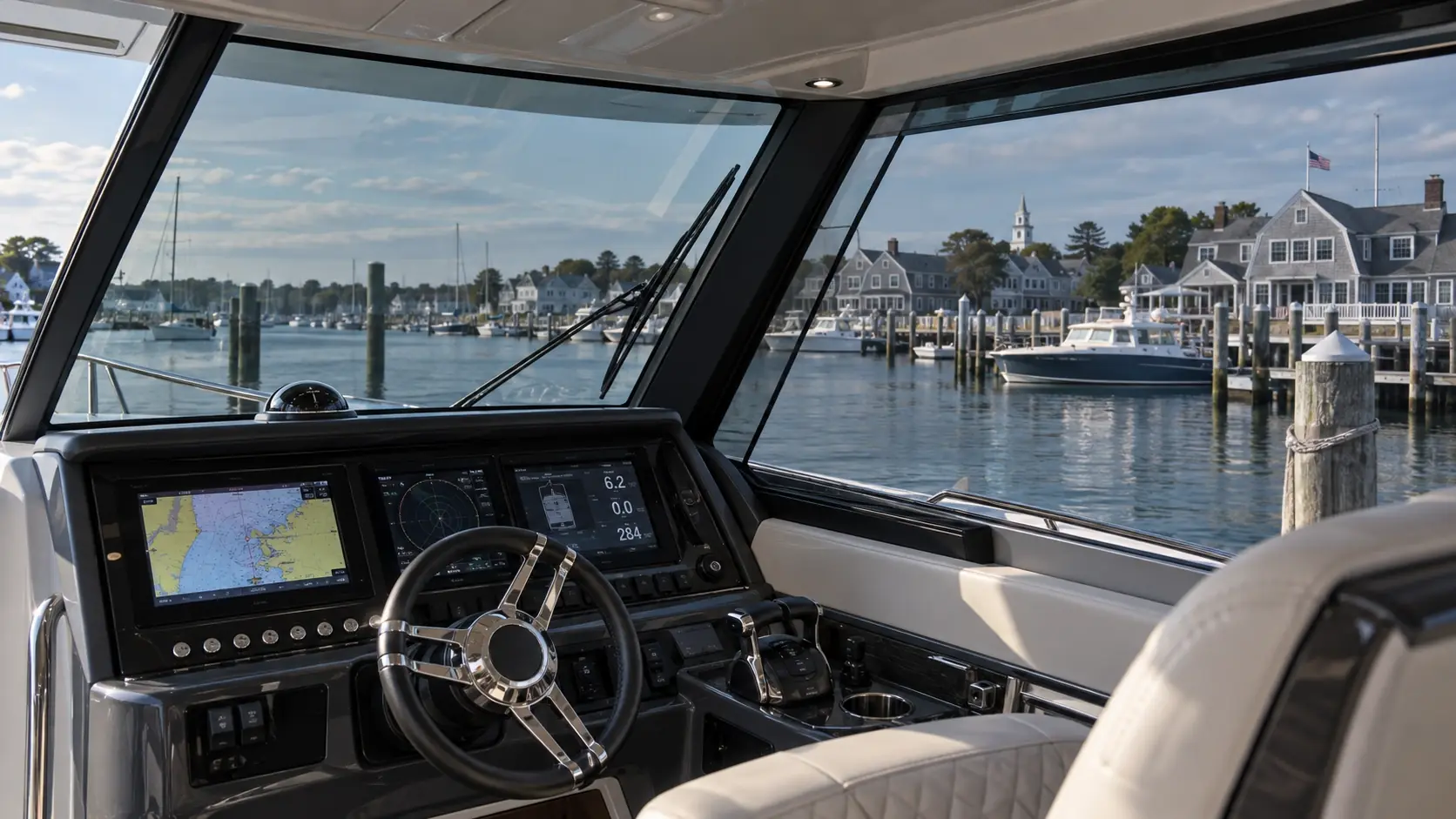
More Comfort. Less Glare.
Help reduce solar heat and distracting glare, filter UV and give your cabin windows the appearance you prefer with XPEL Marine Window Film. Our Raynham team matches the film and shade to your boat’s windows, comfort goals and view from the helm, serving Southeastern Massachusetts and Rhode Island.
For Massachusetts and Rhode Island boat owners
From our Raynham shop, we help you compare the benefits that matter for your cabin and the view through each pane.
Help reduce solar heat and distracting glare through suitable cabin windows. Darker film does not automatically reduce more heat, and cabin temperature depends on more than tint.
Help reduce UV exposure through treated panes while giving selected windows the look you prefer. XPEL lists 99% UV rejection for these marine films on its specified test glass. Film does not eliminate every cause of interior fading.
Make your cabin less visible from outside during the day with selected film when exterior light is brighter. Shade, angle and lighting matter; nighttime privacy needs a separate plan.
Find the look you prefer
Start with your comfort and glare goals, then compare lighter and darker appearances. We review forward and helm panes separately before recommending a film for each window.
A light appearance that still changes the view. We check visibility in low light, especially at the helm.
A light-to-medium appearance. Cabin lighting can still make the interior visible at night.
A medium-to-dark appearance. Consider the reduced view at dusk, at night and in poor weather.
A dark appearance that lets less light through. We review it carefully for any forward or helm window.
A very dark appearance for limited suitable uses. It is not a default choice for cabin or helm windows.
These numbers identify XPEL tint shades, not the amount of light that will pass through your finished windows. They do not confirm legal compliance or safe visibility from the helm.
Compare the ocean view through lighter and darker shades. Your window’s color, thickness, coatings, curves, any extra film layers and the lighting will affect the actual result.
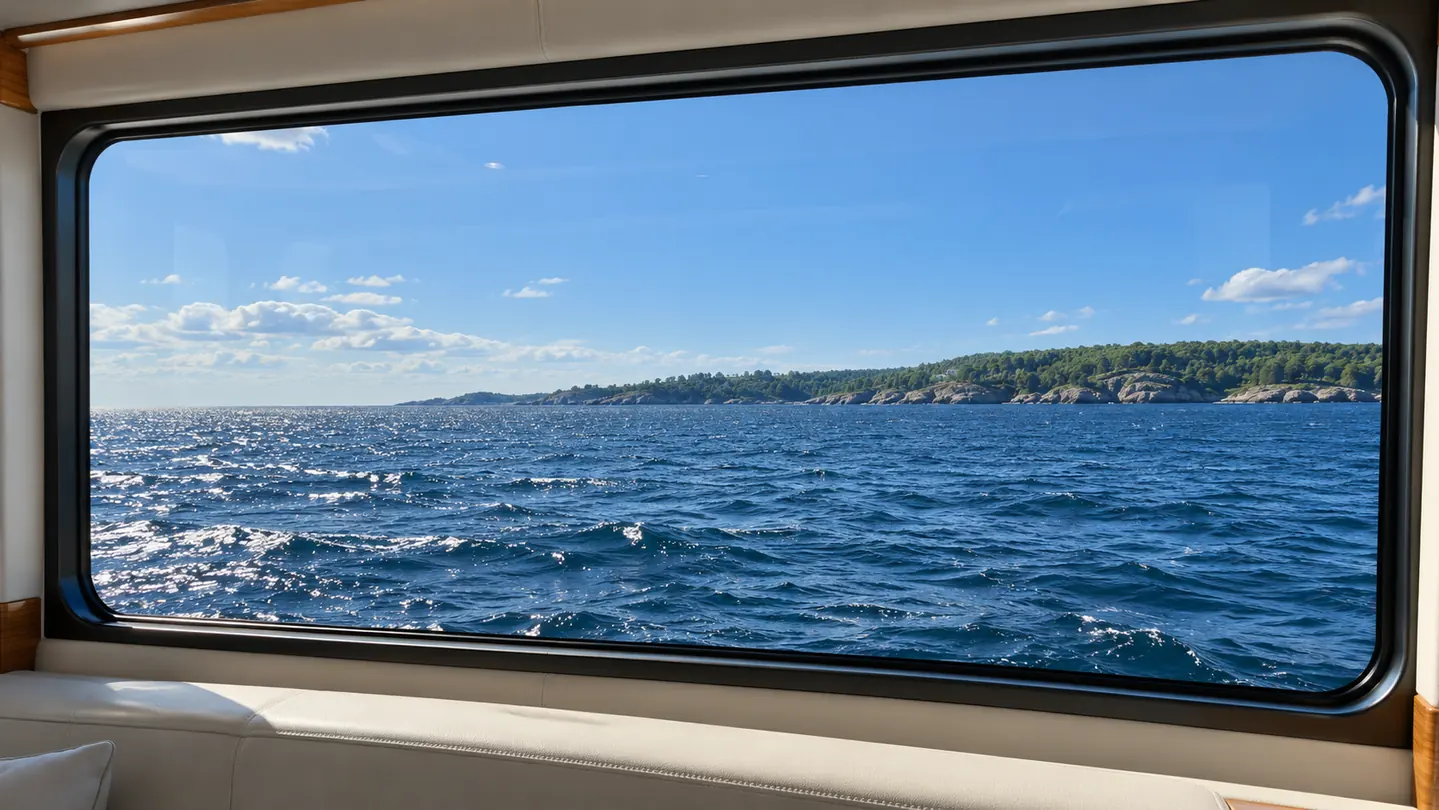 No shade selected
Not Sure Yet. Choose a shade to compare the window.
We compare physical samples and check your view before recommending a shade. Lighter film or no film may be appropriate.
Product-information reference date: August 28, 2026.
Daytime Privacy And Nighttime Reversal
Tint may add daytime privacy when it is brighter outside than inside. The shade, windows, lighting and viewing angle all affect how much people can see.
At night, a brighter cabin can make people and belongings visible from outside, even through dark tint. Curtains, shades or lighting changes may still be needed for privacy.
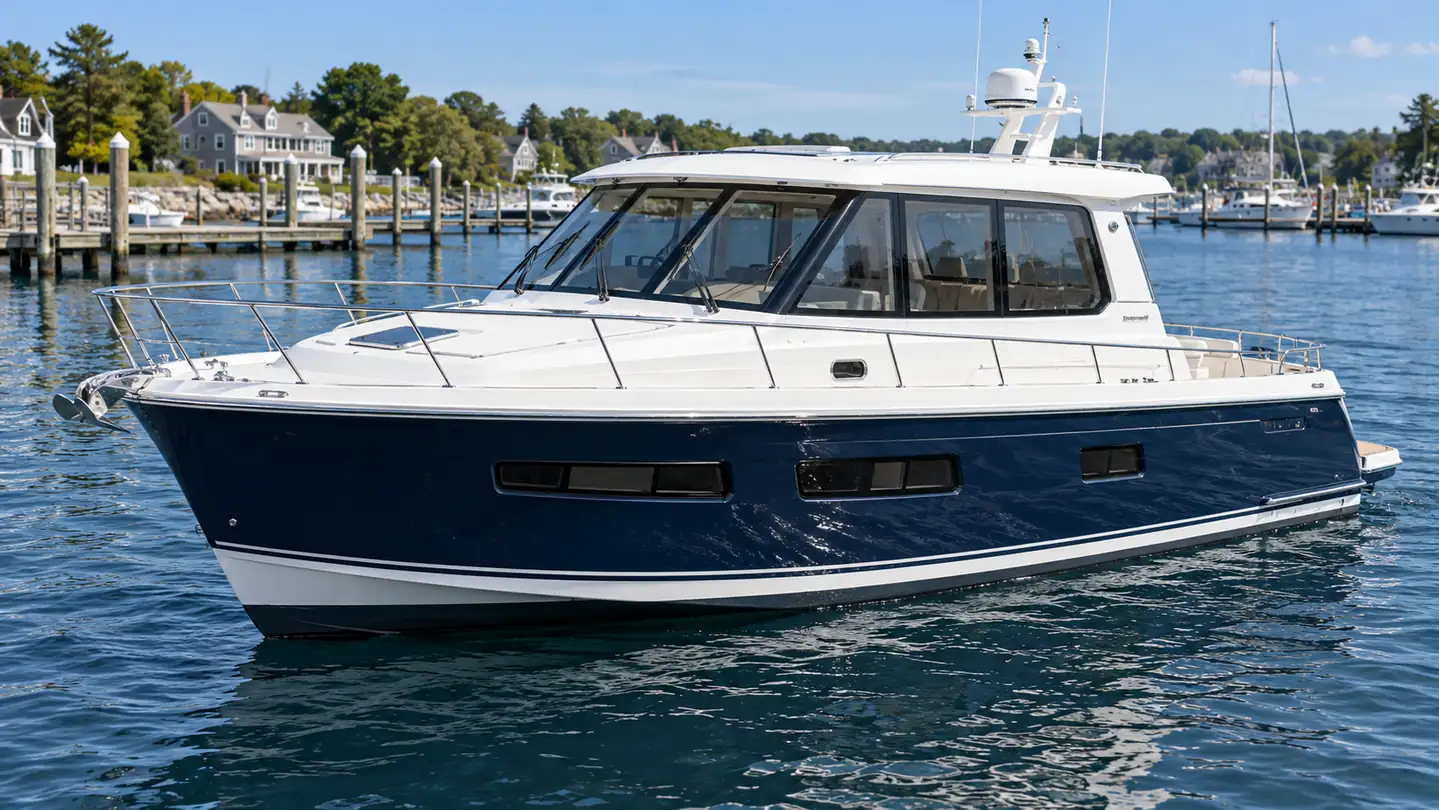
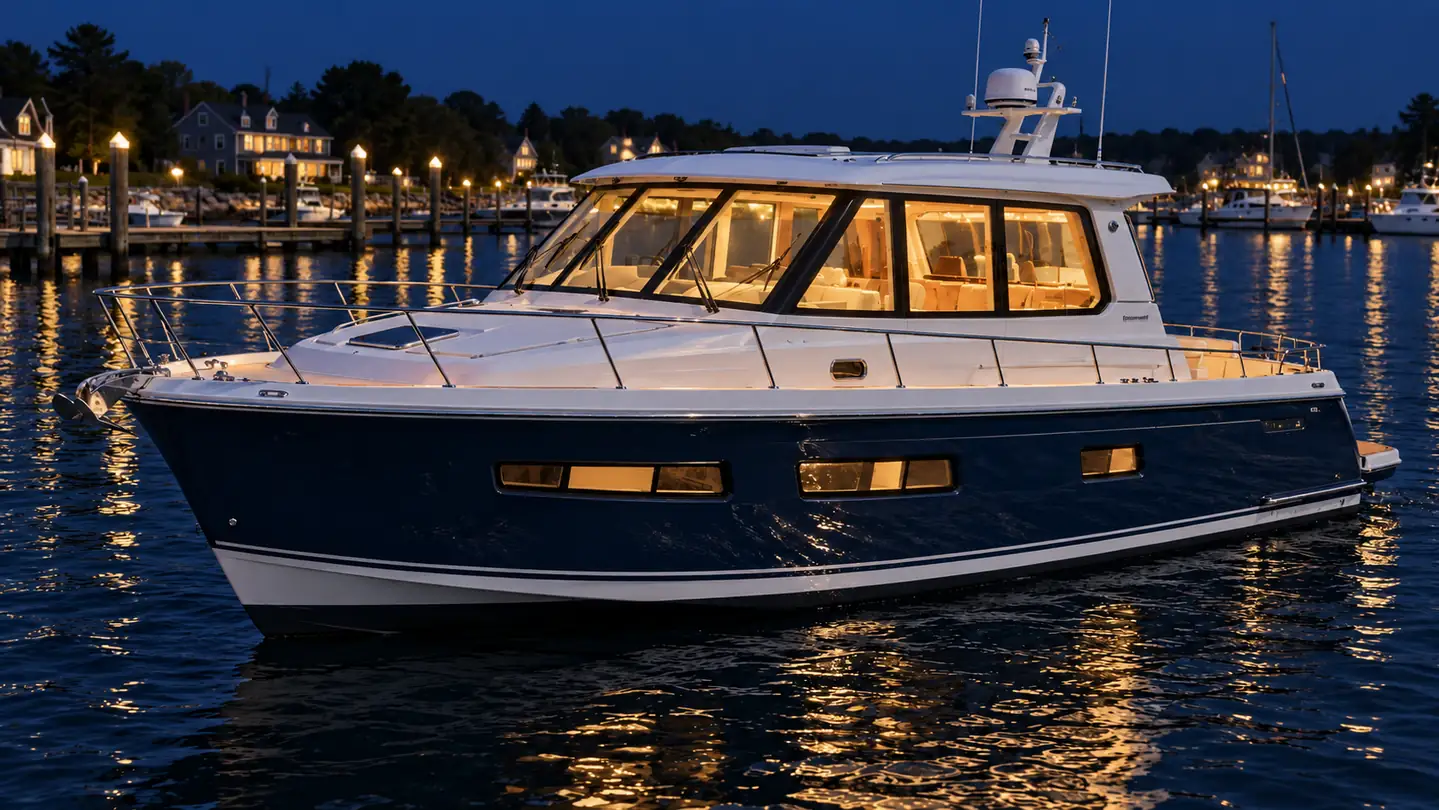
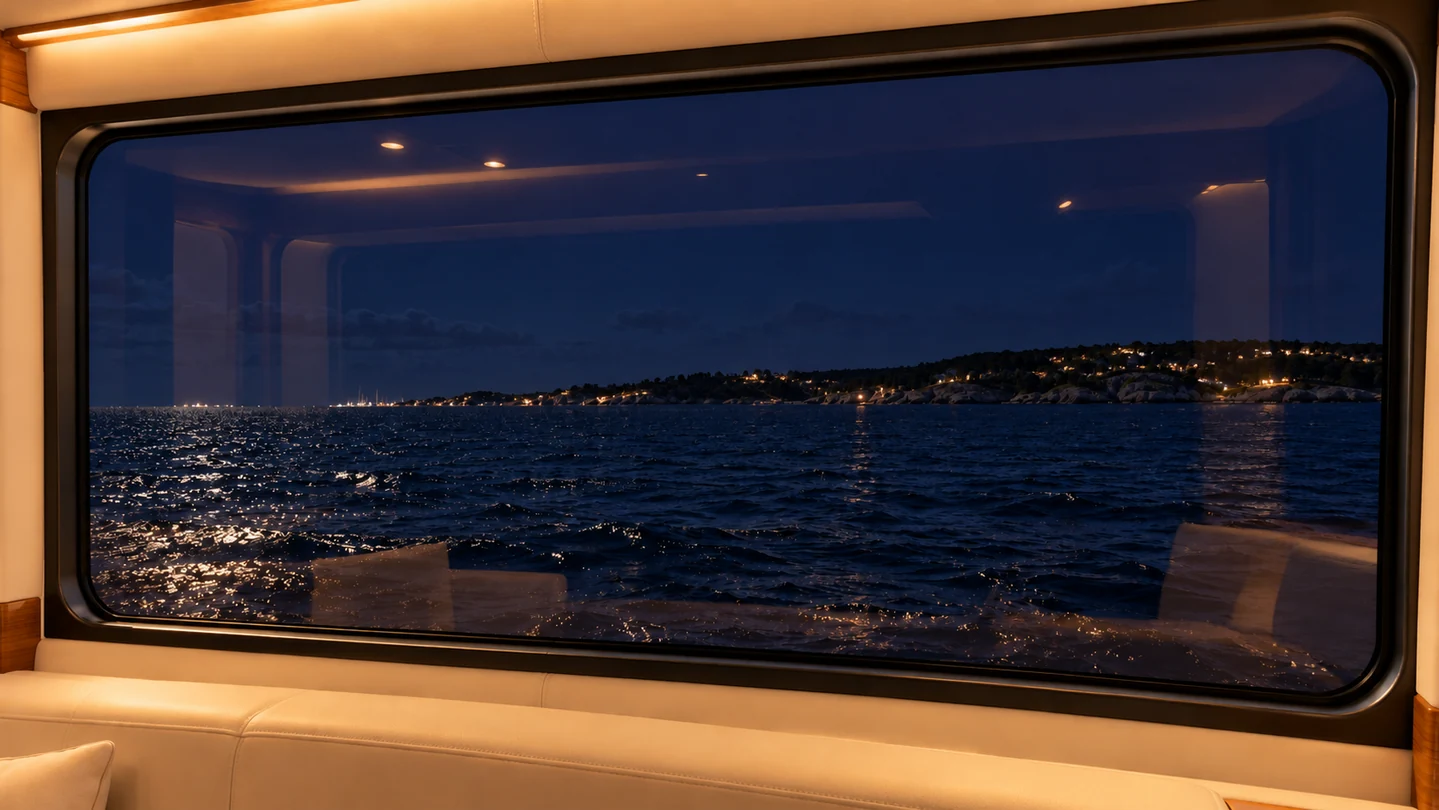
Daytime screening depends on the relative light inside and outside. It is not complete privacy.
This comparison shows the effect of lighting, not a guaranteed result. We check visibility from seated and standing positions in relevant light and weather, including reflections and polarized sunglasses; the preview cannot confirm a safe helm shade.
Identify the window
Your boat may have more than one window material. Select all that apply, or choose Not Sure. We check each window and recommend a suitable film.
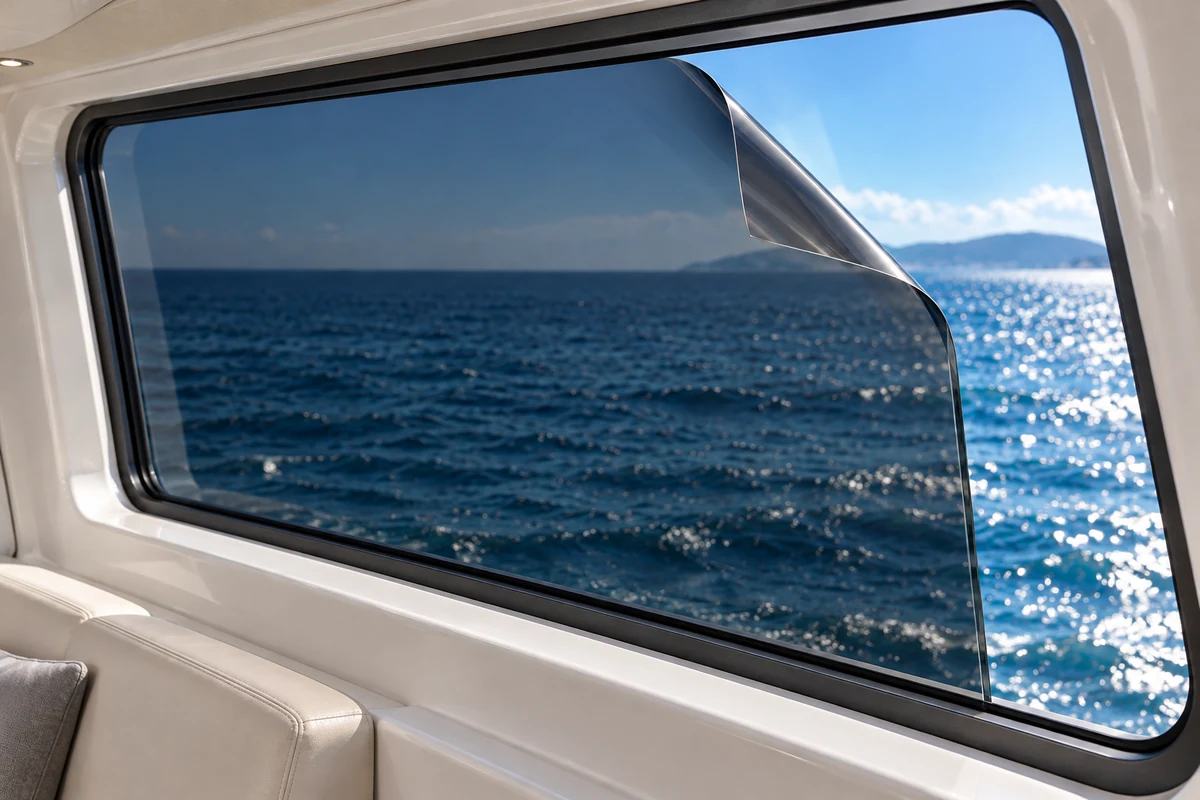
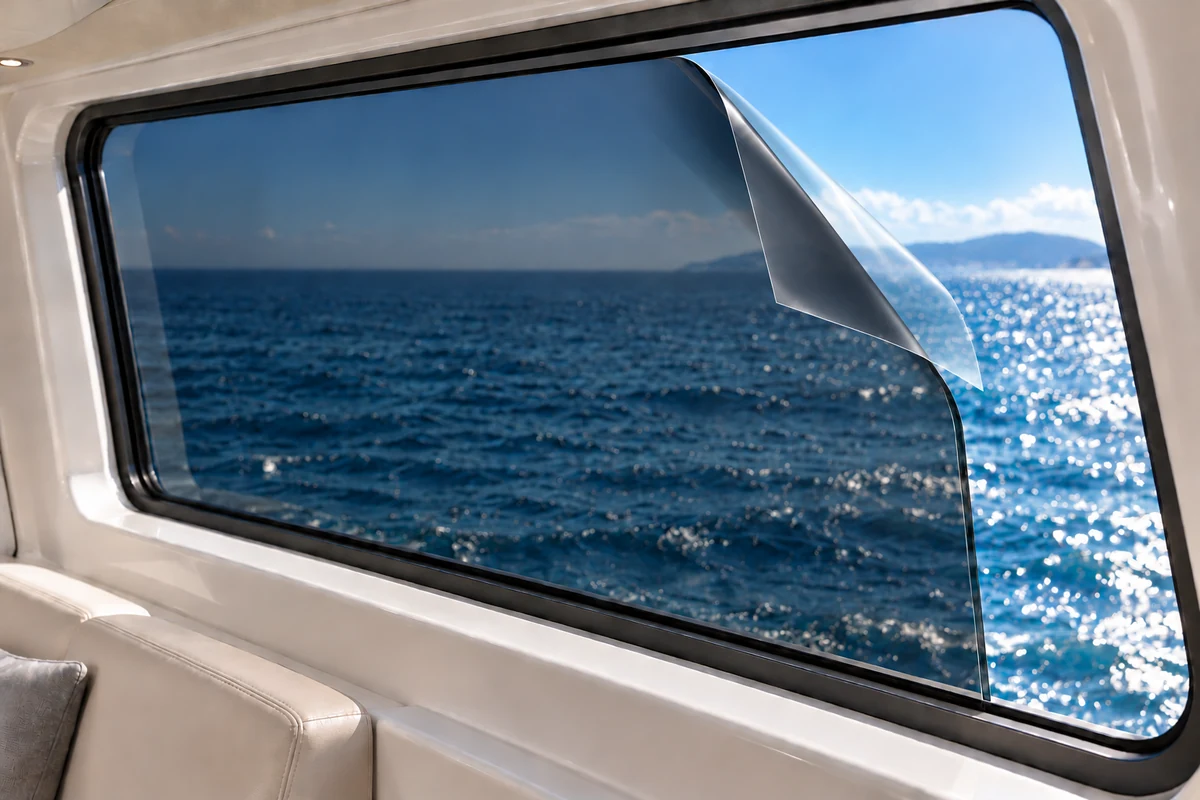
Some suitable acrylic or polycarbonate windows need XPEL Blister Prevention Film beneath the tint. This extra layer does not make every plastic window suitable or automatically qualify it for warranty coverage. The peeled-back layers show how the films sit together.
We check the window material, coatings, curves, edges, seals, heated or antenna features, condition and any replacement history. Cracked, cloudy, distorted, leaking or separating windows may need repair or replacement first. Film cannot repair scratches, cloudiness or fine surface cracks in plastic.
Flexible clear panels need a separate product review and are not part of a normal rigid-window tint installation. Navigation displays, cameras, lenses and electronics also need products specifically approved for them; they are not boat windows.
We check the view through forward and helm windows from seated and standing positions, in daylight and low light. Rain, fog, spray, reflections, polarized sunglasses, display visibility and emergency exits all matter. Even light tint changes the view, so lighter film or no film may be the right choice.
We confirm the requirements for your boat and how it is used. Car-window tint limits do not determine which tint is appropriate for a boat.
Choose what you want to discuss
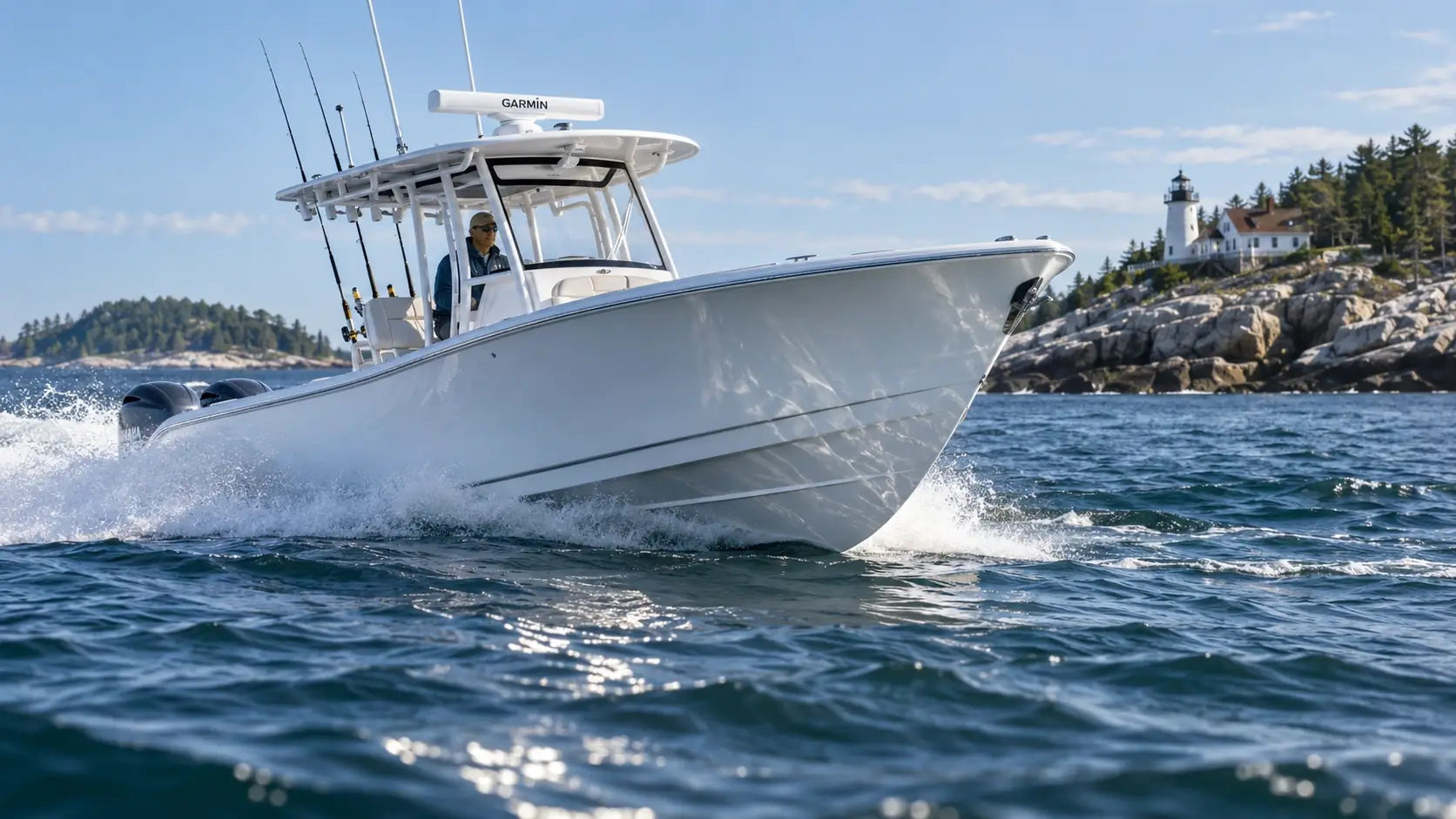
Select a number on the boat or an area on the right. You can choose several areas, add notes and change your selections. These choices are added to your request below.
Have another area in mind? Add it here, or tell us what you want to improve.
A window-by-window plan
Tell us about your boat, your comfort or appearance goals and any windows where a clear view is especially important. You can note different preferences for cabin and helm windows.
We inspect the windows, coatings, seals and any old film, including removal risks. Your written proposal confirms the film, shade, edges and any areas left untreated.
Protect the surrounding interior and electronics, complete agreed film removal and pane preparation, install the approved film system and finish the edges.
Inspect coverage, edges and appearance, and check the view in relevant lighting when practical. Receive settling and cleaning instructions for your installed film, including what to expect and when to report a concern.
Some window shapes need visible edges, gaps or seams. Curves, existing window color, coatings, thickness, lighting and extra film layers can affect the result. Factory-colored windows are different from windows with tint film applied.
Old-film removal can affect window coatings, heated elements, antennas, seals or the window itself. A small test cannot guarantee the appearance, heat performance or removal result on every window. We agree on preparation and any repairs needed from another provider before proceeding.
A quote for your boat
Your quote reflects the number, size, shape and material of your windows, old-film removal, access and the film selected for your boat. We confirm the windows, preparation, installation setting and price before scheduling.
Access, vessel movement, site permissions and protected working conditions must be confirmed for the actual project. Installation afloat or ashore depends on those conditions; neither is assumed for every vessel.
Start with the details you know
Tell us about your boat and what you would like to improve. It is fine if you do not know the window material or your preferred shade. Continue to add your contact details; nothing is sent until you submit the contact form.
Choose Not Sure if you need help. We will assess the windows and help you compare suitable tint options.
Step 1 · Your Boat and Project
Add your contact details and check Your Message before submitting. Nothing is sent until you submit the contact form.
This is the current request used in the contact-form link and optional copy. Preparing or copying it does not submit an inquiry. Check Your Message before submitting the contact form.
This earlier wording is saved for recovery. It is not included in the current request unless you add it back. Copy any wording you want into the editable current summary. Only the current summary is copied.
Notes stay in page memory until copied; reloading clears them. Do not include keys, access codes, vessel registration, navigation data, exact storage location or private schedules. No files are uploaded here. Privacy Policy
Keep a clear view
Follow the approved marine film system’s curing, cleaning and return-to-service instructions.
Use the approved gentle cleaning method and avoid abrasives or harsh chemicals. Discuss suction cups, labels, tape, jewelry, tools, wiper paths and frame contact before applying or moving anything against film. Do not scratch, lift, puncture or trim a concern.
XPEL provides a limited ten-year Marine Window Film warranty against listed film defects, subject to its written terms and qualifying professional installation. The standard published warranty excludes exterior installations, windows outside a fully enclosed cabin and non-glass windows such as acrylic or polycarbonate. Any different warranty issued for your installation must be confirmed separately. Blister Prevention Film does not automatically qualify plastic windows for coverage.
A film warranty does not automatically cover the windows, seals, frames, heaters or antenna features. The warranty term is not a guarantee of how long the film will last or how it will look.
Marine Window Tinting Faq
Marine window tinting adds film to suitable boat windows to help reduce solar heat, glare and UV exposure. It can also change the appearance and provide some daytime privacy.
No. We check the window material, condition, coatings, curves, built-in heaters or antennas, frames, seals and installation access. Flexible panels and windows used for steering need separate consideration.
Some suitable acrylic or polycarbonate windows can use XPEL Blister Prevention Film beneath Marine Window Film. We confirm the exact window, film combination and installation; not every plastic window is suitable. This extra layer does not automatically provide warranty coverage, which must be confirmed in the applicable written terms.
They are not part of a normal rigid-window tint installation. Flexible panels bend, fold and respond differently to film and cleaning, so we need an expressly approved product and installation for that material.
XPEL lists shades 75, 55, 35, 15 and 5, ranging from light to very dark in appearance. We help you choose based on your windows, their existing color, day and night use and the view from the helm.
Not automatically. Darker tint does not always reduce more heat. We compare XPEL’s published performance information and your windows, rather than choosing by darkness alone.
Tint can help reduce heat entering through treated windows, but it cannot guarantee a fixed cabin temperature. The boat’s design, roof and deck, untreated windows, ventilation, open doors, engines, equipment, people, air conditioning and weather also affect cabin comfort.
XPEL lists 99% UV rejection for these marine films on its specified test glass; results depend on your windows and installed film. Tint does not prevent every cause of fading. Heat, visible light, moisture, chemicals, wear and exposure through untreated windows can also affect the interior.
Not reliably. When the cabin is brighter than outside, people, screens, belongings and activity may remain visible, even through dark tint. Use curtains, shades or lighting changes when privacy is important.
Sometimes, after we review the view needed to steer safely. Window position, shade, day and night use, weather, reflections, displays and wipers all matter, along with the boat maker’s guidance, insurer requirements and applicable rules. Lighter film or no film may be appropriate.
Yes, tint can change reflections, contrast, colors, visible patterns or screen visibility in some conditions. We include your normal steering position, sunglasses, displays, lighting and viewing angles in the review.
Possibly. Window size, curves, material, film width, fitting limits and access may require a seam, separate pieces or limited coverage. Some windows may not be suitable for tint at all.
No. Seals, frames, hardware, coatings, damaged edges or limited access may require a visible gap. We will not force film beneath parts that are unsuitable for that installation.
We can assess it for removal. The film’s age and adhesive, window material and condition, coatings, heaters or antennas, seals and access affect the work and risk. We explain those considerations before proceeding.
No. Film cannot repair scratches, cloudiness or crazing, which means fine surface cracks. Cracked, separating, distorted, leaking or otherwise damaged windows may need repair or replacement by an appropriate provider before tinting.
There is no single lifespan for every boat. The film, window material, installation, sun exposure, salt, moisture, condensation, cleaning, edges, seals, wipers, use and storage all affect how it ages.
XPEL provides a limited ten-year Marine Window Film warranty against listed film defects for qualifying professional installations, subject to its written terms. The standard published warranty excludes exterior installations, windows outside a fully enclosed cabin and non-glass windows such as acrylic or polycarbonate; Blister Prevention Film does not automatically make them eligible. Confirm any different issued terms for your installation separately. See the XPEL Marine Product Warranty page for product-specific guidance.
Each quote is based on your boat’s windows and the work required. Window count, size, shape, material, frames, access, film and shade, any blister-prevention layer, old-film removal, interior protection, location and scheduling all contribute to the price.
It may be possible, depending on the boat and working conditions. We confirm stability, boarding and access, weather, cleanliness, interior protection, safety and marina rules before scheduling; some projects need an out-of-water setting.
Start with a boat description, what you want to improve and the city or town. Known window condition, shade preferences and timing help; measurements and photos are optional. Ask us for a private way to share records, and leave exact boat locations, access codes, registration and navigation details out of this planner.
Show the vessel type and target area without registration, vessel name, private location or navigation information.
Include condition, existing products, edges, hardware and material labels where safely accessible. Do not disturb damaged or hazardous areas.
Ask our team how to share photos, artwork or records securely. This planner does not upload files. You can inquire without photographs.
Prepare My Request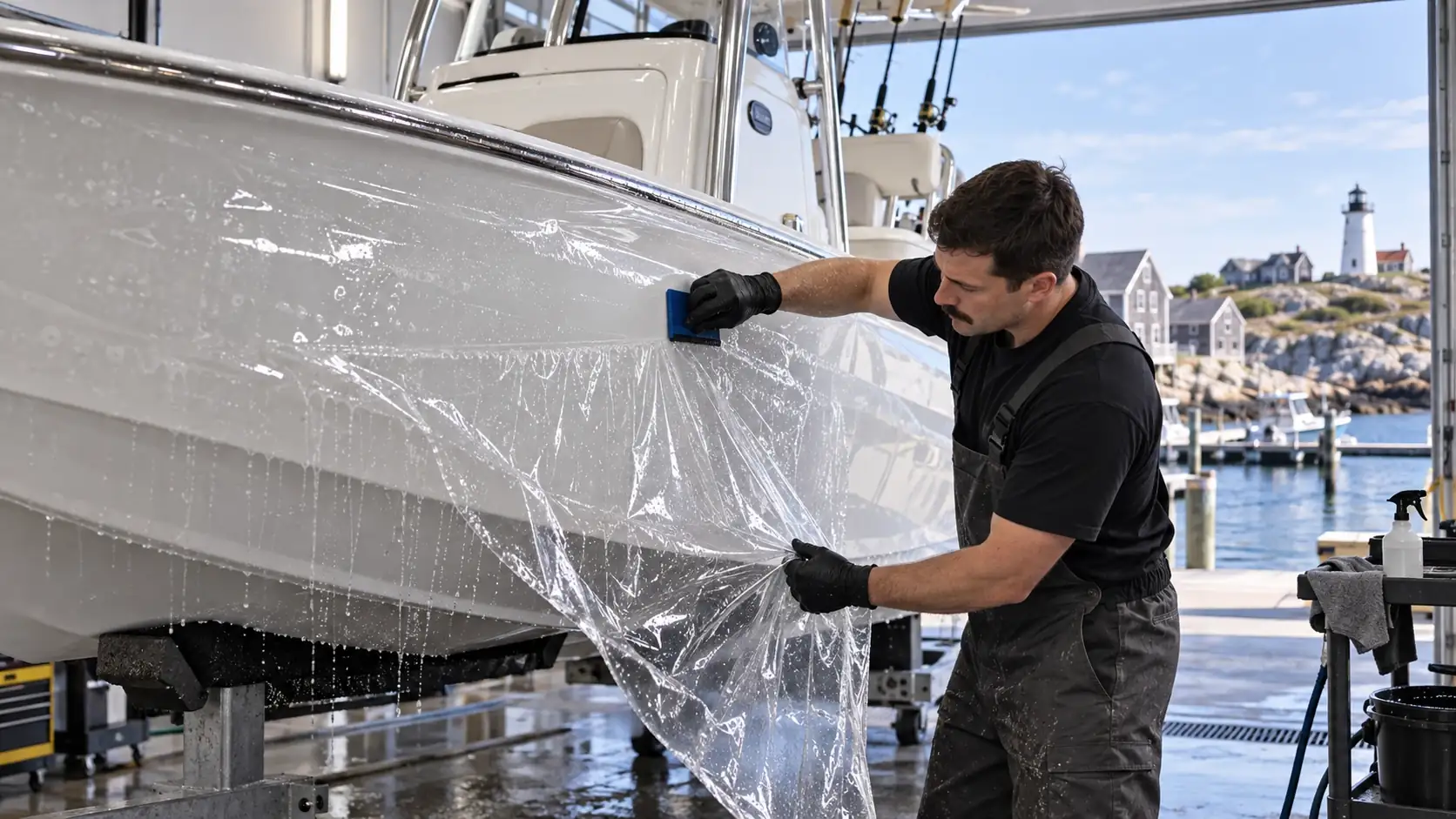
Understand the role of selected physical protection.
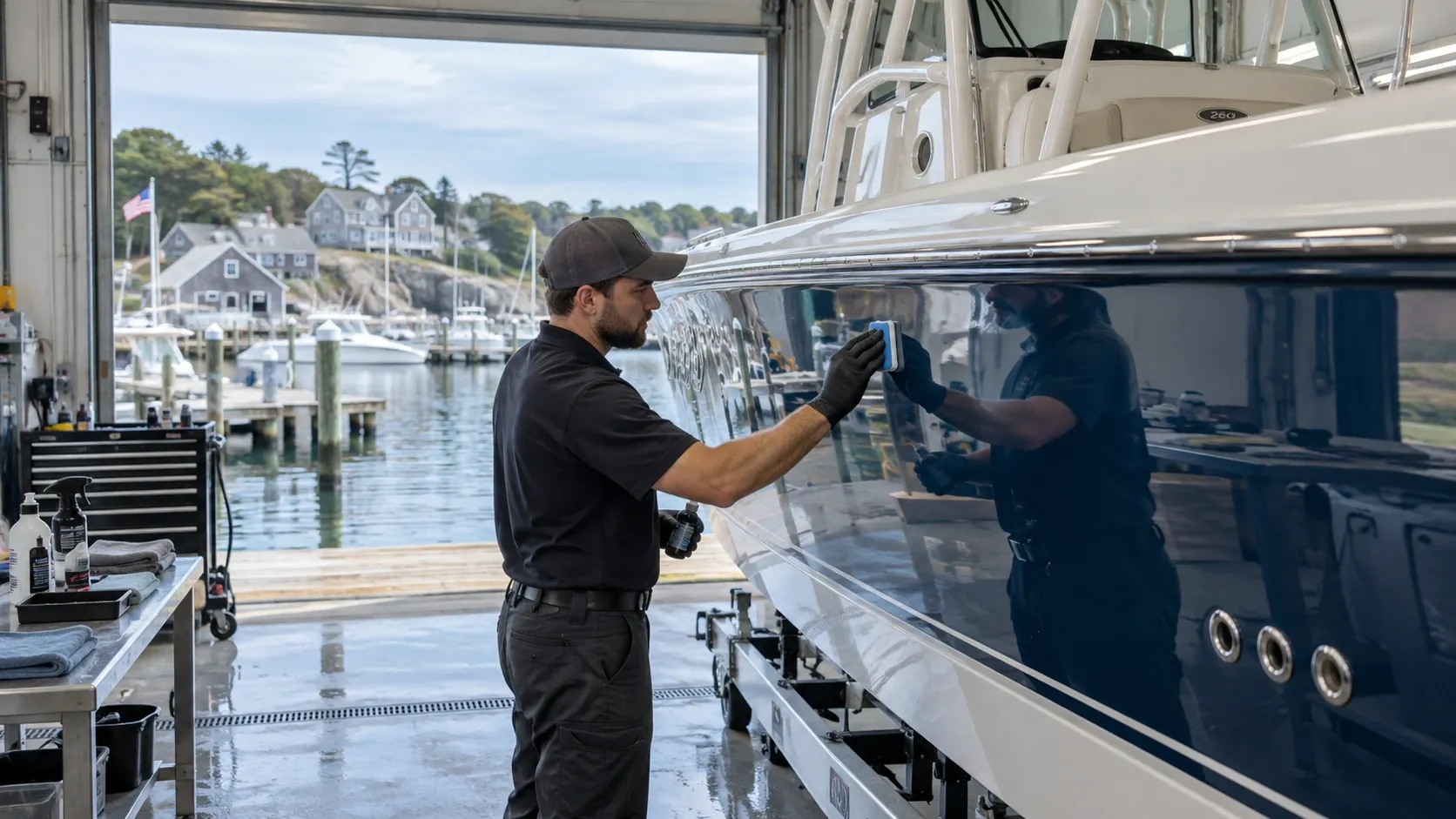
Compare ownership and maintenance considerations.
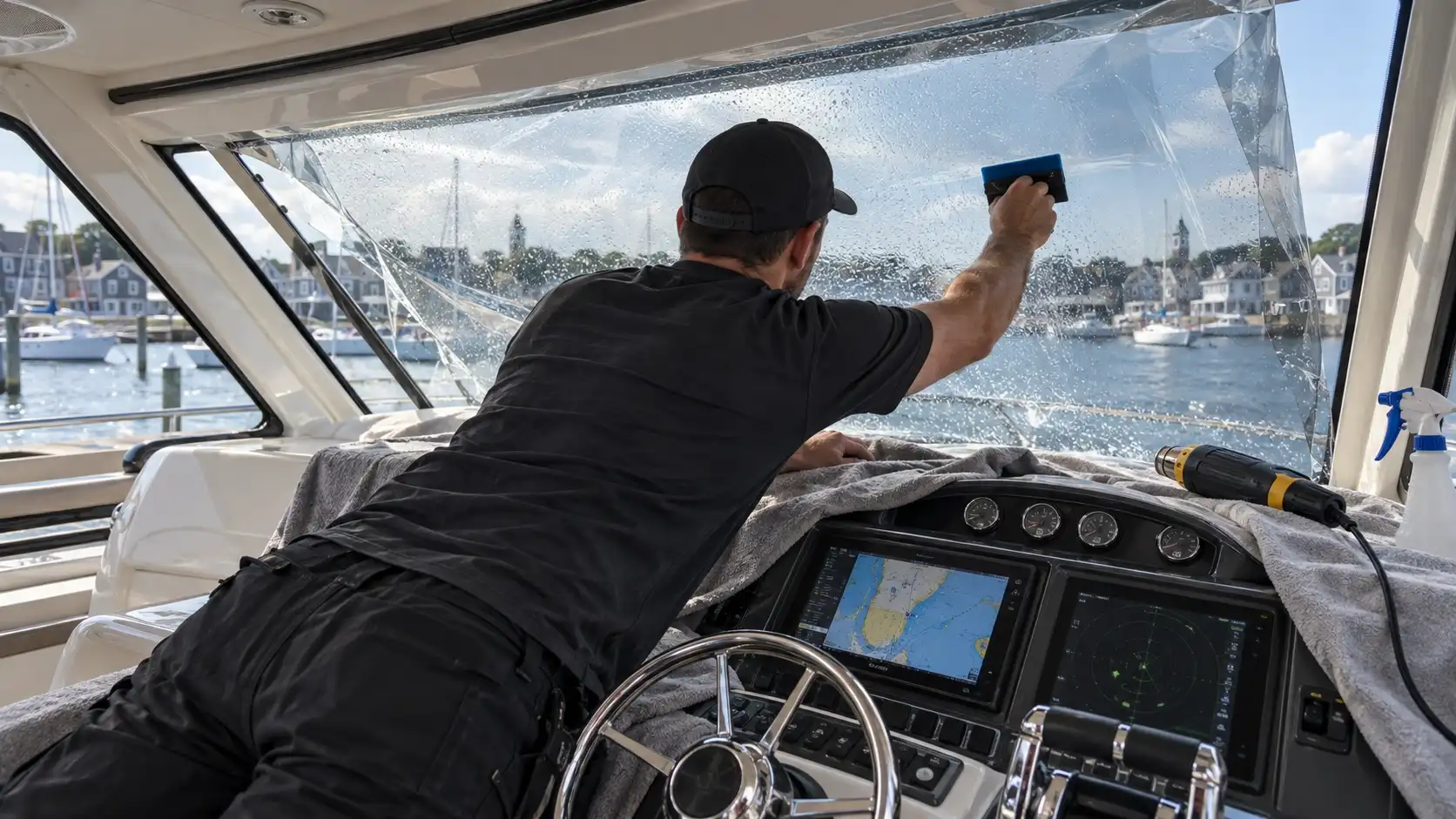
Explore heat, glare and window questions.
Based in Raynham, Massachusetts
244 North Main Street, Raynham, MA 02767
Monday-Friday, 9 AM-6 PM · 617-431-6858
Serving Southeastern Massachusetts and Rhode Island. The actual Marine installation location is confirmed for each project.