
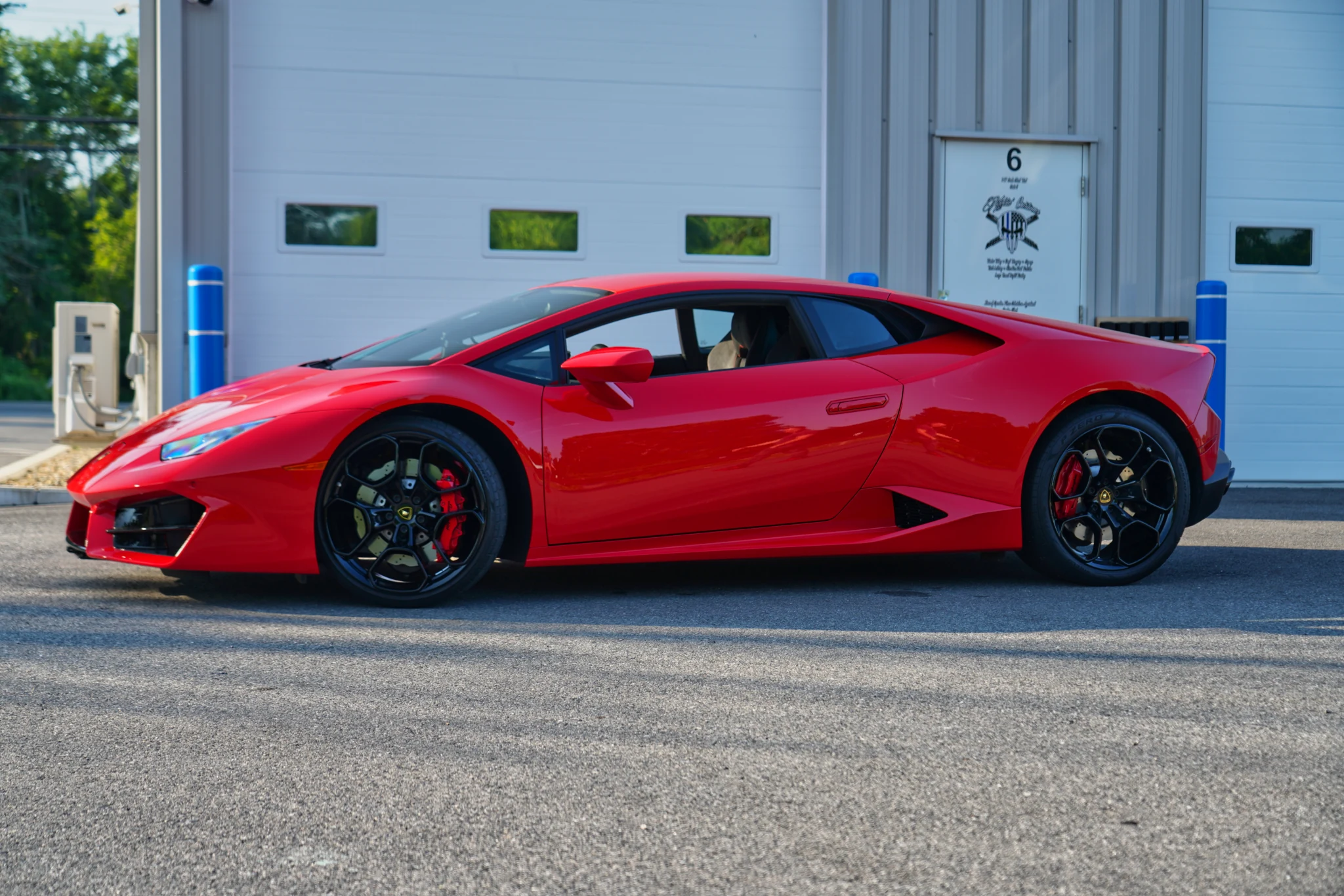
The short answer
Ceramic coating is only as good as the surface it is installed on.
That is one of the most important things to understand before coating a vehicle.
A ceramic coating can add gloss, slickness, water behavior, UV resistance, chemical resistance, and easier cleaning. It can make the vehicle easier to wash and maintain. It can help the paint look richer when the surface is properly prepared.
But ceramic coating does not fix bad paint by itself.
If the paint has swirls, haze, water spots, oxidation, sanding marks, buffer trails, scratches, or dealership wash damage, the coating will not magically erase those problems.
In many cases, coating can actually make the finish look more defined because it adds clarity and gloss over whatever is already there.
That is why paint correction matters.
At Kickin’ Customs in Raynham, MA, we install XPEL Fusion ceramic coatings for vehicles across Massachusetts and Rhode Island. Whether the vehicle is brand new, daily driven, luxury, performance-oriented, black, white, metallic, or already protected with PPF, the prep before coating makes a major difference in the final result.
Correction and coating explained
What Is Paint Correction?
Paint correction is the process of polishing the paint to improve the finish before protection is installed.
The goal is to reduce visible defects and improve gloss, clarity, and depth.
Depending on the vehicle, paint correction may address light swirls, haze, oxidation, water spots, light scratches, wash marks, towel marks, and dullness.
This is done with polishing machines, pads, compounds, polishes, lighting, and experience.
Not every vehicle needs the same level of correction.
A new car with light dealership wash marks may only need a 1-step polish. An older black vehicle with years of poor washing may need more correction to improve the finish.
The point is simple.
Paint correction prepares the surface so the ceramic coating goes over a finish that actually looks good.
What Does Ceramic Coating Do?
Ceramic coating is a liquid-applied protective coating that bonds to the surface.
Once cured, it can improve gloss, slickness, water behavior, chemical resistance, UV resistance, and ease of cleaning.
At Kickin’ Customs, we install XPEL Fusion ceramic coating packages, including XPEL Fusion Lite, XPEL Fusion Classic, and XPEL Fusion Premium.
These packages are designed for different budgets, ownership lengths, and maintenance expectations.
Ceramic coating can make the vehicle easier to wash and dry. Dirt, pollen, bugs, road film, and water usually release more easily from a coated surface compared to unprotected paint.
But coating is not a substitute for polishing.
If the surface underneath is dull, scratched, or swirled, the coating will protect and enhance that surface, but it will not rebuild the paint.
That is why the paint needs to be prepared correctly first.
Ceramic Coating Locks In the Finish
A simple way to think about ceramic coating is this: the coating locks in the finish.
If the finish looks clean, glossy, and properly polished, the coating helps preserve and maintain that look.
If the finish is swirled, hazy, or dull, the coating goes over that too.
This is why prep matters so much.
Customers sometimes think the coating itself is what creates the entire shine. In reality, much of the final gloss comes from the condition of the paint before the coating is applied.
Ceramic coating can enhance gloss, but paint correction creates the clarity.
That difference matters.
A coated vehicle with proper correction will usually look much better than a coated vehicle that was not polished first.

Preparation and finish quality
New Vehicles Still Need Paint Prep
One of the biggest misconceptions is that new vehicles do not need paint correction.
They often do.
A new vehicle may have delivery contamination, transport film marks, dealership wash marks, light swirls, water spots, adhesive residue, rail dust, towel marks, or haze.
The vehicle may be new to the customer, but that does not mean the paint has been handled perfectly.
Many new vehicles are washed multiple times before delivery. They may sit outside. They may be wiped down quickly at the dealership. They may be transported by truck, rail, or ship. They may have plastic film removed before pickup.
All of that can affect the surface.
This does not mean every new vehicle needs heavy correction.
It means the paint should be inspected, decontaminated, and polished as needed before ceramic coating.
Dealership Wash Marks Are Common
Dealership wash marks are one of the most common reasons new vehicles need polishing.
A vehicle may leave the factory in good condition, but then it gets washed, wiped, detailed, moved, stored, and prepped before delivery.
If those steps are rushed or done with poor towels, brushes, or wash methods, the paint can pick up light swirls quickly.
This is especially noticeable on black, dark blue, dark gray, red, and other darker colors.
Ceramic coating over those swirls will not remove them.
A 1-step polish can often improve the finish before coating, especially on newer vehicles.
For customers spending money on a coating, it usually makes sense to make the paint look right first.
Paint Correction Improves Gloss
One of the biggest benefits of paint correction is gloss improvement.
Swirls, haze, oxidation, and surface defects scatter light. That makes paint look duller than it should.
Polishing refines the surface so the paint reflects light more cleanly.
The difference can be especially noticeable under shop lighting, sunlight, and darker paint colors.
Ceramic coating installed after correction can help preserve that improved gloss and make the vehicle easier to maintain.
This is why the correction and coating process works so well together.
Correction improves the finish.
Coating helps maintain it.
Paint Correction Improves Clarity
Gloss and clarity are related, but they are not the same.
Gloss is the shine.
Clarity is how clean and sharp the reflection looks.
A vehicle can be shiny but still look hazy or distorted if the paint has swirls, micro-marring, oxidation, or wash damage.
Paint correction helps improve clarity by reducing those defects.
This matters on metallic paint, black paint, luxury vehicles, performance cars, and any vehicle where the owner cares about the finish.
Ceramic coating over corrected paint can make the vehicle look deeper and cleaner.
But the coating is not doing all the work.
The surface prep is what allows the coating to look its best.
Paint Correction Removes Contamination Better Than Washing Alone
Before ceramic coating, the paint needs to be clean.
Washing alone is not always enough.
Paint can hold onto bonded contamination such as rail dust, road film, tree sap, tar, overspray, mineral deposits, brake dust, and environmental fallout.
If that contamination is not removed before coating, it can interfere with the final finish and feel.
A proper prep process may include washing, chemical decontamination, clay or mechanical decontamination when needed, polishing, and final surface prep before coating.
This process helps ensure the coating is bonding to the prepared surface, not sitting over contamination.
The cleaner the surface, the better the coating process can be.
Paint Correction Helps Coating Bond Properly
Ceramic coating needs the right surface to bond correctly.
If the paint is covered in oils, waxes, fillers, residues, contamination, or old protection products, the coating may not bond as intended.
That is why prep is not optional.
The surface needs to be washed, decontaminated, polished when needed, and properly wiped down before coating installation.
This is one reason professional installation matters.
A coating is not just wiped onto a vehicle after a basic wash.
The process before coating is what helps create the finished result and supports the coating’s performance.
Skipping prep can lead to a weaker ownership experience.
Choose the correction level
Paint Correction Does Not Mean Perfection
Paint correction is about improvement, not unrealistic perfection.
Some defects are too deep to safely remove. Some scratches may remain. Some older paint may have limitations. Some vehicles may not justify heavy correction based on budget or condition.
The goal is to improve the finish safely before coating.
A 1-step polish can make a major difference on many vehicles, but it may not remove every defect.
A multi-step correction can improve more severe paint issues, but it takes more time and cost.
The correction level should match the vehicle, paint condition, coating package, budget, and customer expectations.
The important thing is being honest before the coating is installed
Why a 1-Step Polish Is Often Enough
Many vehicles benefit from a 1-step polish before ceramic coating.
A 1-step polish can improve gloss, reduce light swirls, clean up haze, and make the paint look more refined without getting into a heavy correction process.
At Kickin’ Customs, our 4-year and 8-year XPEL Fusion ceramic coating packages include a 1-step polish.
This gives the coating a better surface to go over and helps improve the final appearance.
A 1-step polish is not the same as a full paint correction, but it is a strong prep level for many new and well-kept vehicles.
For customers who want coating value and a clean finish, this is often the right balance.
When More Paint Correction May Be Needed
Some vehicles need more than a 1-step polish.
This is common on older vehicles, black vehicles, neglected paint, dealership-damaged paint, vehicles washed improperly for years, or vehicles with heavy swirls and scratches.
If the paint has deeper defects, water spot etching, oxidation, sanding marks, buffer trails, or heavy wash damage, additional correction may be recommended before coating.
This adds cost and time, but it can make a major difference in the final result.
The better the paint looks before coating, the better the coating package will look after installation.
If the vehicle needs correction, it is usually better to address it before coating rather than wishing it had been done later.
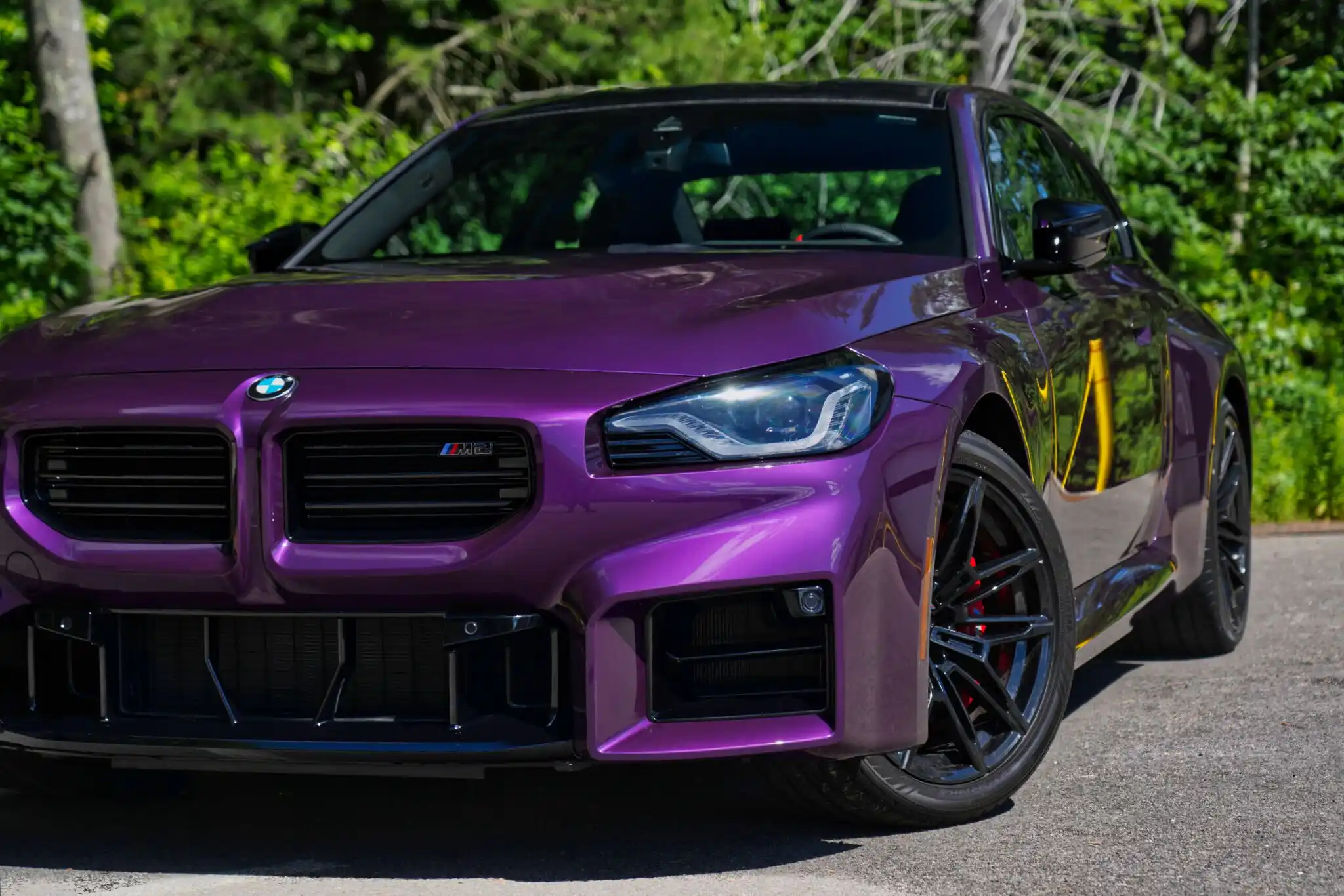
Paint color and vehicle needs
Black Vehicles Need Extra Attention
Black vehicles are some of the best examples of why paint correction matters.
Black paint shows swirls, haze, dust, water spots, towel marks, and poor washing more easily than lighter colors.
A ceramic coating can make black paint look deeper and glossier, but only if the surface is properly prepared.
If black paint is coated while swirled, the coating will not hide those swirls.
It may even make the finish look more defined under certain lighting.
For black vehicles, polishing before coating is especially important.
The coating can make maintenance easier, but the prep is what helps the paint look right.
Dark Paint Colors Reveal Preparation Quality
Dark blue, dark gray, dark green, red, and other deep colors also show prep quality clearly.
These colors can look incredible when polished and coated.
They can also reveal shortcuts.
Haze, swirl marks, and towel marks stand out more on dark colors than on many lighter colors.
That does not mean lighter colors do not need prep. They do.
It just means dark colors usually make the difference more obvious.
If a customer is coating a dark vehicle, paint correction should be part of the plan from the beginning.
Light Paint Still Needs Prep
White, silver, and light-colored vehicles may hide swirls better, but they still need preparation.
Light paint often shows contamination, road film, iron deposits, tar, water spots, bug staining, and dullness.
A coating over contaminated white paint will not give the same result as a properly cleaned, decontaminated, and polished surface.
Paint correction on a light vehicle may not look as dramatic in photos, but it still improves the coating process.
The vehicle will feel cleaner, look brighter, and be easier to maintain when properly prepared.
Prep is not just for black paint.
Metallic Paint Benefits From Correction
Metallic paint can benefit heavily from paint correction.
When swirls and haze sit on top of metallic paint, the flake can look muted.
Polishing helps improve clarity so the metallic can show more cleanly.
Ceramic coating over polished metallic paint can add gloss and slickness while helping maintain the finish.
This matters on luxury vehicles, sports cars, trucks, SUVs, and any vehicle with a premium paint option.
A metallic finish usually looks best when the surface is clean, corrected, and protected.
Paint Correction for Luxury Vehicles
Luxury vehicles usually deserve better prep before coating.
The paint, trim, body lines, and interior quality all create higher expectations.
A ceramic coating on a luxury vehicle should not be treated like a quick wipe-on product.
BMW, Mercedes-Benz, Audi, Lexus, Porsche, Cadillac, Range Rover, Tesla, Rivian, Bentley, Rolls Royce, and similar vehicles often benefit from proper inspection and polishing before coating.
This is especially true if the vehicle is black, dark-colored, new from a dealership, or has been washed incorrectly.
The coating should match the standard of the vehicle.
That starts with the prep.
Paint Correction for Performance Cars
Performance cars often have paint worth protecting.
Corvettes, Porsches, BMW M cars, Mercedes-AMG models, Audi RS vehicles, Mustangs, Camaros, Ferraris, Lamborghinis, McLarens, and other performance cars can look dramatically better after proper polishing.
These vehicles also often receive paint protection film and ceramic coating together.
Paint correction may be performed before coating exposed paint. PPF may be installed on high-impact areas. Ceramic coating may then be applied over the paint and film for easier maintenance.
The order matters.
Paint should be corrected before coating.
PPF should be installed where impact protection is needed.
Coating can then help maintain the finish.
Paint Correction for Trucks and SUVs
Trucks and SUVs need paint correction too.
Large panels, black paint, dealership wash marks, winter grime, road film, and work use can all affect the surface.
A ceramic coating can make a truck or SUV easier to wash, but the paint should still be prepared before coating.
This matters on full-size trucks, luxury SUVs, family SUVs, lifted trucks, EV SUVs, and daily drivers.
Because these vehicles have larger surfaces, the difference in prep can be noticeable.
A properly polished and coated truck or SUV is easier to clean and looks more refined.
Paint Correction for EVs
EVs often have smooth panels, large painted surfaces, gloss black trim, and body lines that show contamination and wash marks.
Tesla, Rivian, Lucid, BMW i, Mercedes EQ, Hyundai IONIQ, Kia EV, and other EVs can benefit from polishing before ceramic coating.
Many EVs are delivered with light swirls, haze, adhesive residue, or transport-related marks.
A 1-step polish can improve the finish before coating.
EVs also pair well with PPF, ceramic tint, and ceramic coating.
Tint improves cabin comfort.
PPF protects high-impact exterior areas.
Ceramic coating makes paint and film easier to maintain.
Inspection, packages and aftercare
Paint Correction Before Coating PPF
If a vehicle is receiving paint protection film and ceramic coating, paint correction may still matter.
The exposed paint should be polished before coating.
The paint underneath PPF should also be inspected before film installation because film can make existing defects harder to address later.
If a panel is going to be wrapped in PPF, the prep process may differ from exposed paint, but the condition still matters.
After PPF is installed and cured properly, ceramic coating can be installed over the film to improve slickness, water behavior, and ease of cleaning.
This combination works well when planned correctly.
The key is doing the steps in the right order.
Ceramic Coating Does Not Replace Paint Correction
Ceramic coating and paint correction are different services.
Paint correction improves the surface.
Ceramic coating protects and maintains the surface.
A coating cannot do the job of polishing.
It will not remove swirls. It will not level scratches. It will not erase oxidation. It will not fix water spot etching. It will not remove buffer trails.
If those issues matter to the customer, they should be addressed before coating.
This is one of the biggest reasons to avoid cheap coating jobs that skip prep.
The coating may be installed, but the finish underneath may still look poor.
Why Cheap Coating Jobs Can Disappoint
A cheap ceramic coating job often cuts time from the prep process.
That can lead to disappointing results.
The vehicle may still have swirls. The paint may still feel contaminated. Water spots may remain. The finish may look hazy. The coating may not bond as well as it should.
The customer may think the coating failed, when the real issue was poor preparation.
Ceramic coating is not just the bottle.
It is the wash, decontamination, inspection, polishing, surface prep, product choice, installation, curing, and aftercare.
When comparing coating prices, customers should ask what prep is included.
That matters as much as the coating itself.
Why Paint Inspection Matters First
Before choosing a coating package, the paint should be inspected.
Different vehicles need different prep.
A brand-new white SUV may need light polishing and decontamination.
A black luxury sedan may need more correction.
A truck used for work may need tar removal, iron removal, and polishing.
A performance car may need careful correction before PPF and coating.
An older vehicle may need more time to improve the finish before coating.
This is why a one-size-fits-all approach does not always work.
The package should match the paint condition and customer expectations.
Ceramic Coating Maintenance Still Matters
Even after paint correction and coating, maintenance still matters.
A ceramic coating does not eliminate washing.
The vehicle still collects dust, pollen, bugs, salt, road grime, bird droppings, sap, water spots, and contamination.
The coating makes cleaning easier, but it does not make the vehicle self-cleaning.
Use proper wash products, clean microfiber towels, and safe technique.
Avoid automatic brush washes, harsh chemicals, abrasive towels, and neglect.
At Kickin’ Customs, we recommend XPEL Ceramic Boost about every 6 months when appropriate to help maintain slickness and water behavior.
Good prep starts the coating off right.
Good maintenance keeps it performing better.
Aftercare Matters After Ceramic Coating
After ceramic coating installation, the coating needs time to cure.
Customers should avoid washing the vehicle for 7 days.
During the early cure period, avoid harsh chemicals, automatic washes, aggressive wiping, and unnecessary touching of the coated surface.
Once the coating is ready for normal use, proper washing and maintenance will help protect the finish.
The first week matters because the coating is still settling.
This is not complicated, but it is important.
Following aftercare instructions helps the coating perform the way it should.
Which Ceramic Coating Package Needs Paint Correction?
Every coating package needs proper prep, but the level of correction may vary.
A 1-year coating may receive quicker prep depending on the condition and package.
At Kickin’ Customs, the 4-year and 8-year ceramic coating packages include a 1-step polish.
This makes those packages a better fit for customers who want improved gloss and a more refined finish before coating.
If the vehicle has heavier defects, additional paint correction may be recommended.
The coating package should not be chosen only by duration.
It should also be chosen based on the finish the customer wants before coating.
Is Paint Correction Always Required?
Some level of prep is always required before ceramic coating.
The paint needs to be washed, decontaminated, inspected, and properly prepared.
Whether the vehicle needs correction beyond that depends on condition and expectations.
If the customer wants the best final appearance, polishing is usually recommended.
If the vehicle is brand new and in excellent condition, a light polish may be enough.
If the vehicle has visible defects, more correction may be needed.
The better question is not whether prep is needed.
The better question is how much prep the vehicle needs.
Final Thoughts
Paint correction matters because ceramic coating locks in the finish.
If the paint is glossy, clean, and properly polished, the coating has a better surface to protect and enhance.
If the paint is swirled, hazy, contaminated, or dull, the coating will not magically fix it.
New vehicles still need prep. Black vehicles need realistic expectations. Luxury vehicles deserve careful inspection. Performance cars, EVs, trucks, SUVs, and daily drivers all benefit from the right surface preparation before coating.
At Kickin’ Customs in Raynham, MA, we install XPEL Fusion ceramic coatings for vehicles across Massachusetts and Rhode Island. Whether you are choosing a 1-year, 4-year, or 8-year coating package, the prep before coating is what helps create the final result.
If you are considering ceramic coating, contact Kickin’ Customs and we can inspect your paint, explain the correction options, and recommend the right coating package for your vehicle.
Frequently Asked Questions
Do I need paint correction before ceramic coating?
Most vehicles benefit from paint correction before ceramic coating. The coating locks in the finish, so swirls, haze, and defects should be addressed before coating whenever possible.
Does a new car need paint correction before ceramic coating?
Many new vehicles still need light prep or polishing before coating. New cars can have dealership wash marks, transport marks, water spots, adhesive residue, or light swirls.
Will ceramic coating hide scratches?
No. Ceramic coating does not hide or remove scratches. Paint correction is needed to reduce visible defects before coating.
Does ceramic coating remove swirl marks?
No. Ceramic coating does not remove swirl marks. Polishing is needed to reduce swirls before the coating is installed.
What is a 1-step polish?
A 1-step polish is a polishing process designed to improve gloss, reduce light defects, and refine the paint before protection is installed. It is a common prep level before ceramic coating.
Is paint correction the same as ceramic coating?
No. Paint correction improves the paint surface. Ceramic coating protects and maintains the surface after it has been prepared.
Can ceramic coating go over bad paint?
It can be applied, but the result may be disappointing. If the paint is swirled, oxidized, stained, or hazy, those defects may still be visible under the coating.
Why does black paint need correction before coating?
Black paint shows swirls, haze, towel marks, and water spots more easily than many lighter colors. Proper polishing before coating helps improve depth and clarity.
Can ceramic coating be installed over PPF?
Yes. Ceramic coating can be installed over paint protection film to improve slickness, hydrophobic behavior, and ease of cleaning.
How long should I wait to wash after ceramic coating?
At Kickin’ Customs, we recommend avoiding washing the vehicle for 7 days after ceramic coating installation.
Plan your next step
Want your ceramic coating to look its best from day one? Contact Kickin’ Customs in Raynham, MA and we can inspect your paint, explain paint correction options, and recommend the right XPEL Fusion ceramic coating package for your vehicle