
The short answer
A lot of trucks and SUVs come from the factory with dark rear windows.
Most people call this factory tint, but that can be misleading.
In many cases, what the vehicle has is factory privacy glass. The glass is darker, but it is not the same as having ceramic window film installed.
That difference matters.
Factory privacy glass can improve privacy and appearance, but it does not always provide the same heat rejection, UV protection, glare control, or comfort benefits as a quality ceramic window tint.
This is one of the most common misunderstandings in the tint world.
At Kickin’ Customs in Raynham, MA, we install XPEL window tint for drivers across Massachusetts and Rhode Island. Many customers come in asking to match the front windows to the rear factory glass. That can improve appearance, but if comfort is the goal, there is more to the conversation.
Factory privacy glass creates the look.
Ceramic window tint adds the performance.
Factory glass and ceramic film
What Is Factory Privacy Glass?
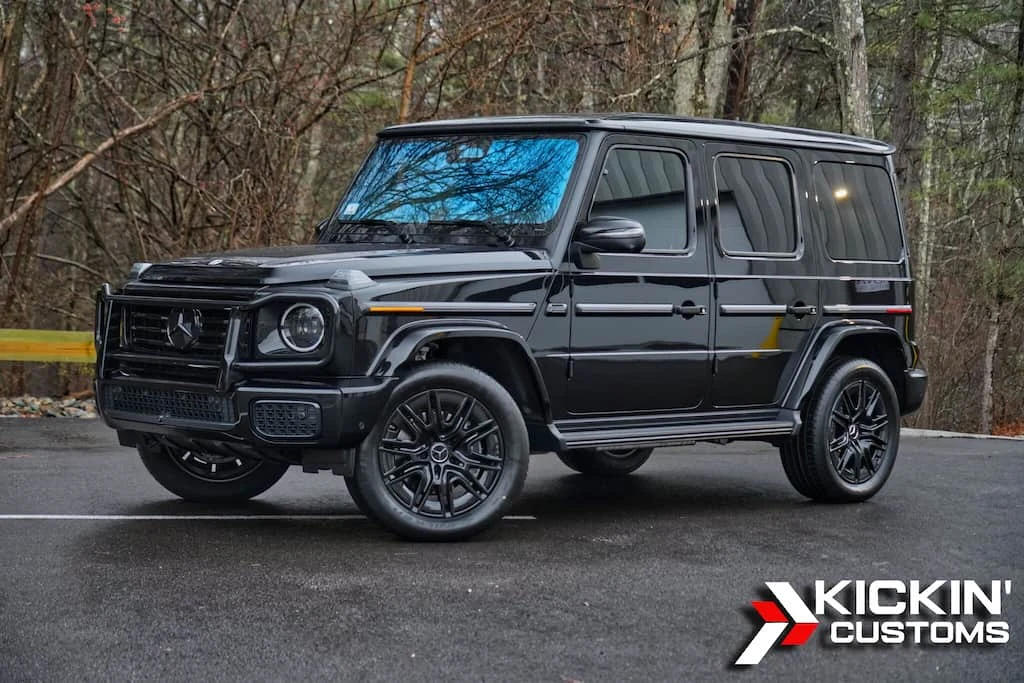
Factory privacy glass is darker glass installed by the vehicle manufacturer.
It is common on trucks, SUVs, crossovers, vans, and some family vehicles. You usually see it on the rear doors, rear quarter glass, and back window.
The main purpose is privacy and appearance.
Factory privacy glass helps make the rear cabin harder to see into. It can make the vehicle look more balanced and finished. It can also reduce some visible glare because less visible light comes through the darker glass.
But privacy glass is not the same thing as ceramic tint.
The color is built into the glass itself. It is not a performance window film applied to the inside of the glass.
That means the glass may look dark while still allowing a lot of heat into the cabin.
This is why a vehicle can have dark rear windows and still feel hot inside.
What Is Ceramic Window Tint?
Ceramic window tint is a performance film installed on the inside of the glass.
Unlike basic dyed film, ceramic tint is designed to improve heat rejection, UV protection, glare reduction, and cabin comfort.
Kickin’ Customs installs XPEL window tint, including XPEL PRIME Color Stable, XPEL PRIME XR Black, and XPEL PRIME XR Plus.
XR Black and XR Plus are ceramic options. XR Black is the strong value ceramic choice. XR Plus is the premium ceramic choice for customers who want the highest heat rejection and comfort available in the XPEL PRIME lineup.
Ceramic tint can be installed on front windows, rear windows, back glass, windshields, and panoramic roofs depending on the vehicle and desired package.
The goal is not only to make the glass darker.
The goal is to make the vehicle more comfortable and better protected from sun exposure.
The Biggest Difference Is Appearance vs Performance
The easiest way to compare factory privacy glass and ceramic window tint is to look at the purpose.
Factory privacy glass is mainly for appearance and privacy.
Ceramic window tint is for performance, comfort, UV protection, glare reduction, and appearance.
That is the difference.
A rear window can look dark from the outside and still let in heat.
A lighter ceramic film can look subtle and still reject a meaningful amount of heat.
This is why shade alone does not tell the full story.
If the customer only wants the front windows to look closer to the rear, matching the shade may be enough.
If the customer wants the cabin to feel cooler, ceramic tint should be part of the conversation.
Privacy Glass Does Not Always Mean Heat Rejection
This is where many customers get surprised.
A truck or SUV may have dark rear glass from the factory, but the rear seats can still feel hot in direct sun.
That happens because darkness and heat rejection are not the same thing.
Factory privacy glass reduces visible light. That helps with privacy and appearance.
Ceramic tint is designed to reject heat more effectively.
If kids, passengers, pets, cargo, groceries, sports equipment, or rear seats are still getting hot, the rear glass may need ceramic film added over the privacy glass.
This can improve comfort without dramatically changing the look.
The glass already looks dark.
The ceramic film improves how it performs.
Coverage and cabin comfort
Privacy Glass Does Not Replace Front Window Tint
Factory privacy glass is usually only installed on the rear half of the vehicle.
That leaves the front door windows much lighter.
This is why trucks and SUVs often look mismatched from the side. The rear windows are dark, but the front windows are clear or lightly tinted.
Front window tint can make the vehicle look more balanced.
For many customers, this is the first reason they call us. They want the front two windows matched to the rear.
That is a common and practical upgrade.
The key is choosing the right film. If the goal is only appearance, a basic option may work. If the goal is comfort for the driver and passenger, ceramic film is usually the better choice.
The driver and front passenger feel sun exposure directly through the front door glass.
That makes ceramic tint valuable even if you are only tinting the two front windows.
Privacy Glass Does Not Replace Windshield Tint
The windshield is one of the largest glass areas on the vehicle.
Even if the rear windows are dark from the factory, the windshield can still let in a lot of heat.
This affects the dashboard, steering wheel, center screen, front seats, driver comfort, and front passenger comfort.
A lighter ceramic windshield film can make a noticeable difference without making the windshield look heavily tinted.
For many customers, windshield tint is one of the best comfort upgrades because it addresses the glass that gets hit by the sun constantly.
XR Plus is often the best option for windshield tint because it is designed for premium heat rejection and comfort.
If the vehicle already has rear privacy glass, adding ceramic film to the windshield and front doors can make the whole cabin feel more balanced.
Privacy Glass Does Not Replace Panoramic Roof Tint
Panoramic roofs are another common source of heat.
Many panoramic roofs look dark from the factory, but that does not always mean they reject heat well.
The roof may still radiate heat into the cabin, especially on hot days or when the vehicle sits in the sun.
This is common on EVs, luxury SUVs, family vehicles, and vehicles with large glass roof panels.
Ceramic film on a panoramic roof can help reduce heat entering from above.
XR Plus is often the better choice for panoramic roofs because performance matters more than appearance in that area.
If the roof already looks dark, the goal is not to make it darker.
The goal is to make it more comfortable.
Ceramic Tint Can Improve Rear Passenger Comfort
Factory privacy glass can help rear passengers feel more private, but it does not always make them more comfortable.
Kids, passengers, pets, and third-row occupants can still feel heat through the rear glass.
This matters on SUVs, minivans, crossovers, and family trucks.
Adding ceramic tint over factory privacy glass can help reduce heat in the rear cabin.
That can make a difference during school pickups, sports trips, beach days, road trips, long commutes, and summer errands.
It can also help protect rear seat materials, car seats, screens, trim, and cargo from sun exposure.
If rear passengers complain about heat even though the windows look dark, privacy glass is probably not enough.
Ceramic Tint Can Help Protect the Interior
Window tint can help reduce UV exposure inside the vehicle.
UV exposure can contribute to fading, drying, discoloration, and aging of leather, vinyl, plastics, dashboards, screens, trim, carpets, and upholstery.
Factory privacy glass may make the rear cabin look shaded, but ceramic window film gives a more complete performance upgrade.
This matters for customers who plan to keep their vehicle long-term.
It also matters on vehicles with premium interiors, black interiors, large screens, leather seats, wood trim, piano black trim, carbon fiber trim, or high-end materials.
Tint does not make the interior immune to wear, but it can help reduce sun exposure.
For customers who care about preserving the cabin, ceramic film is worth considering on more than just the front windows.
Ceramic Tint Can Help With Glare
Both privacy glass and ceramic tint can reduce visible glare.
The difference is that ceramic tint can also add performance benefits beyond glare reduction.
Glare matters during morning commutes, late afternoon drives, bright winter conditions, open highways, and reflective road surfaces.
A proper tint package can make the vehicle more comfortable to drive without going unnecessarily dark.
This is important because the darkest film is not always the best choice.
A balanced ceramic tint package can reduce glare, improve comfort, and maintain good visibility.
The right shade depends on the vehicle, the driver, and the intended use.
Vehicle-specific considerations
Factory Privacy Glass Is Common on Trucks
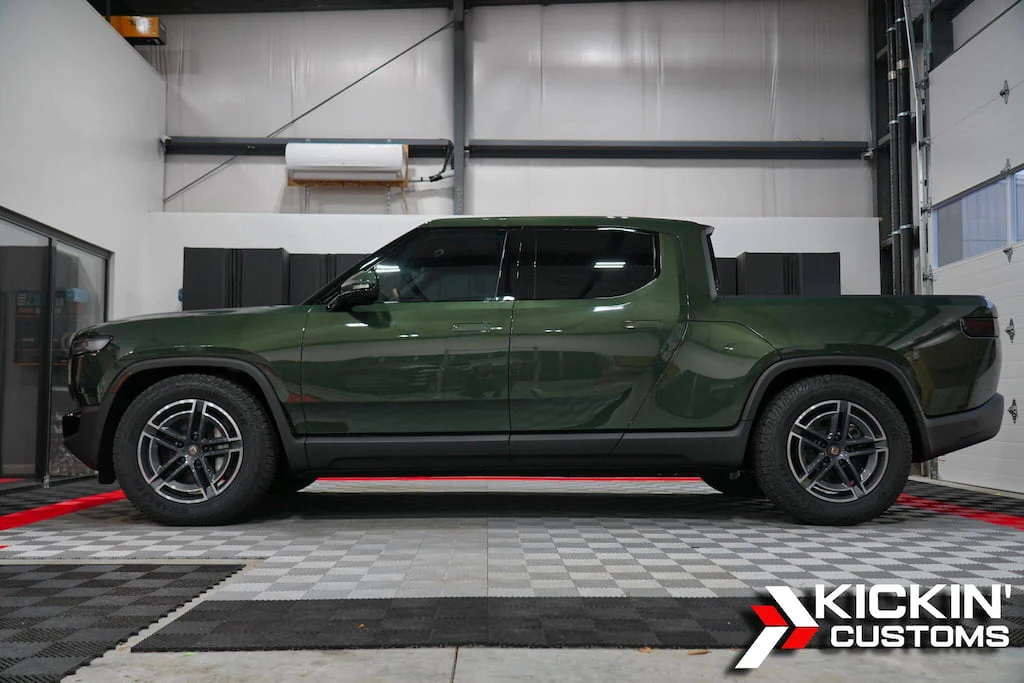
Trucks are one of the most common vehicles with factory privacy glass.
The rear doors and back glass often look dark from the factory, while the front doors remain much lighter.
Many truck owners want the front two windows matched.
That improves the appearance and makes the truck look more finished.
But trucks also have large windshields, large side windows, big mirrors, and wide cabins. They are often used for commuting, towing, job sites, family use, road trips, and winter driving.
That makes ceramic tint useful beyond appearance.
XR Black is a strong choice for truck owners who want front window matching and ceramic performance at a good value.
XR Plus is better for truck owners who want maximum comfort, especially on the windshield and front doors.
If the rear seats or cargo area still get hot, ceramic film can also be added over the rear privacy glass.
Factory Privacy Glass Is Common on SUVs
SUVs usually have factory privacy glass on the rear half of the vehicle.
That helps with privacy for kids, passengers, pets, cargo, and family belongings.
But SUVs also have large cabins, large rear glass, third-row seating, rear cargo areas, and often panoramic roofs.
That means the interior can still heat up quickly.
Ceramic tint can improve comfort for the whole vehicle, not just the front seats.
For family SUVs, luxury SUVs, and daily driven crossovers, adding ceramic tint over the rear privacy glass can help reduce heat in the rear cabin.
Front window matching improves appearance.
Windshield tint improves front cabin comfort.
Rear ceramic tint improves passenger and cargo comfort.
Panoramic roof tint can help reduce heat from above.
A complete SUV tint package should consider all of those areas.
Factory Privacy Glass on EVs
EVs often have large glass areas, and many come with factory privacy glass on certain rear sections.
Tesla, Rivian, Lucid, Hyundai IONIQ, Kia EV, BMW i, Mercedes EQ, and other EVs can benefit from ceramic tint because of their large windshields, panoramic roofs, smooth cabins, and large side glass.
EV owners often care about comfort, visibility, interior protection, and cabin heat.
Factory privacy glass can help with appearance, but ceramic film is usually the better performance upgrade.
XR Plus is especially popular for EV windshields and glass roofs because those areas can affect cabin comfort heavily.
XR Black can be a strong value choice for side and rear windows.
For many EVs, the best setup is ceramic tint on the windshield, front doors, roof glass, and rear glass depending on the vehicle.
Factory Privacy Glass on Luxury Vehicles
Luxury vehicles should feel comfortable.
A premium SUV or sedan with factory privacy glass may still need ceramic film to improve heat rejection and cabin comfort.
This matters for BMW, Mercedes-Benz, Audi, Lexus, Porsche, Cadillac, Range Rover, Tesla, Rivian, Bentley, Rolls Royce, and other higher-end vehicles.
Privacy glass can give the vehicle a refined appearance, but it does not always deliver the comfort expected from a premium vehicle.
Ceramic window tint can help the vehicle feel more complete.
A high-quality film also matters because clarity, appearance, and installation quality are more noticeable on luxury vehicles.
Cheap tint can look out of place. Poor installation can take away from the vehicle.
A premium vehicle deserves a proper film choice and careful installation.
Shade, installation and care
Should You Tint Over Factory Privacy Glass?
Yes, in many cases, ceramic tint can be installed over factory privacy glass.
This is common on trucks, SUVs, crossovers, vans, and family vehicles.
The main reason is not usually to make the rear glass much darker.
The main reason is to improve performance.
Adding ceramic tint over factory privacy glass can help improve heat rejection, UV protection, and comfort in the rear cabin.
The final appearance depends on the shade selected and the darkness of the factory glass.
If the rear glass is already dark, adding a darker film may make it too dark for the customer’s preference.
That is why shade choice matters.
Sometimes a lighter ceramic film over privacy glass is the better answer because it adds performance without making the vehicle overly dark.
Should You Only Tint the Front Windows?
Tinting only the front windows can make sense if the customer mainly wants the front doors to match the rear privacy glass.
This is one of the most common truck and SUV tint packages.
However, front window tint alone does not improve the performance of the rear factory privacy glass.
If the rear passengers still feel heat, the rear glass needs ceramic film too.
If the windshield is letting in heat, the windshield needs ceramic film.
If the panoramic roof is hot, the roof glass needs ceramic film.
Front window matching improves the look.
A fuller ceramic tint package improves the comfort.
The best choice depends on whether the customer wants appearance only or appearance plus performance.
What Shade Should You Choose?
Shade choice depends on the vehicle, the existing factory glass, visibility preferences, comfort goals, and applicable tint rules.
For front window matching, the goal is usually to make the front door glass look close to the rear privacy glass.
For rear privacy glass, the goal may be to add performance without making the glass too dark.
For windshields, many customers choose lighter ceramic films because the goal is heat rejection and comfort, not a heavily tinted appearance.
For panoramic roofs, many customers choose performance first because the roof may already look dark.
The best shade is not always the darkest shade.
The best shade is the one that gives the right appearance, visibility, and comfort for how the vehicle is used.
Is Ceramic Tint Worth It If the Glass Is Already Dark?
Yes, ceramic tint can still be worth it even if the glass is already dark.
That is the whole point of understanding the difference between privacy glass and performance film.
Dark glass does not automatically mean strong heat rejection.
If the vehicle gets hot, rear passengers complain, the cargo area heats up, or the interior materials are exposed to sun, ceramic film can still help.
This is especially true on family SUVs, trucks, EVs, luxury vehicles, and vehicles with large glass.
If the goal is only privacy, factory glass may be enough.
If the goal is comfort, ceramic tint is worth considering.
Can Ceramic Tint Make Privacy Glass Too Dark?
It can if the wrong shade is chosen.
Factory privacy glass already has a darker appearance. Adding film over it will usually make it darker.
That is why film selection matters.
A lighter ceramic film may be the right choice for rear privacy glass because it can improve performance without making the glass excessively dark.
Customers should also think about night visibility, backup visibility, rear camera clarity, passenger comfort, and how the vehicle is used.
The goal is not always to make every window as dark as possible.
The goal is to make the vehicle look right and feel better.
Does Ceramic Tint Affect Electronics?
Quality film matters on modern vehicles.
Today’s vehicles rely on electronics, antennas, keyless entry, Bluetooth, cellular service, GPS, satellite radio, toll transponders, cameras, sensors, and driver assistance systems.
Older metalized films could sometimes create signal concerns.
XPEL PRIME films are designed with modern vehicle use in mind.
This is one reason we recommend quality film instead of bargain tint.
The film should improve the vehicle without creating unnecessary problems.
This is especially important on EVs, luxury vehicles, connected vehicles, and newer trucks and SUVs.
Installation Quality Matters
Even the best ceramic tint needs a quality installation.
Modern vehicles can have tight seals, dot matrix areas, defroster lines, frameless glass, steep rear windows, large windshields, cameras, sensors, trim panels, and electronics near the glass.
Trucks and SUVs may also have large rear glass and rear sliding windows that require experience.
A good installation requires clean handling, careful shrinking, proper placement, and familiarity with the vehicle.
Film quality matters, but installation quality matters too.
At Kickin’ Customs, we help customers choose the right XPEL tint option based on the vehicle, factory glass, desired appearance, comfort goals, and budget.
A clean installation makes the film look like it belongs on the vehicle.
Aftercare Matters After Tint Installation
Window tint needs time to cure after installation.
Customers should keep windows up for 3 to 5 days. The film should not be cleaned for 7 days. During curing, haze, small moisture pockets, or a cloudy appearance can be normal.
Do not pick at the film. Do not roll the windows down too early. Do not use ammonia-based cleaner. Do not scrub the film with abrasive towels.
Avoid placing stickers directly on the tint whenever possible. Parking stickers, car wash stickers, gate access stickers, and inspection-related stickers can create problems when removed later.
When needed, protective products like sticker shields can help make future sticker removal cleaner.
After the film is ready to clean, use ammonia-free glass cleaner and soft microfiber towels.
Proper aftercare helps the tint cure and look better over time.
Which Option Should You Choose?
If you only want privacy and the vehicle already has factory privacy glass, you may not need additional rear tint.
If you want the front windows to match the rear, front window tint is a good option.
If you want better heat rejection, UV protection, and comfort, ceramic tint is the better choice.
If the rear cabin still gets hot, ceramic film over the factory privacy glass can help.
If the front cabin gets hot, ceramic film on the front doors and windshield can help.
If the panoramic roof radiates heat, ceramic roof tint can help.
The right package depends on what problem you are trying to solve.
Appearance and comfort are not the same thing.
Final Thoughts
Factory privacy glass and ceramic window tint are not the same.
Privacy glass gives the vehicle a darker appearance and more privacy from the factory.
Ceramic tint adds performance by improving heat rejection, UV protection, glare reduction, and cabin comfort.
For trucks, SUVs, EVs, luxury vehicles, family vehicles, and daily drivers, ceramic tint can make a real difference even when the glass already looks dark.
At Kickin’ Customs in Raynham, MA, we install XPEL window tint for drivers across Massachusetts and Rhode Island. Whether you want front window matching, ceramic tint over factory privacy glass, windshield tint, panoramic roof tint, or a full vehicle tint package, we can help you choose the right film and shade.
If you are not sure whether your factory privacy glass is enough, contact Kickin’ Customs and we can walk you through your XPEL ceramic window tint options.
Frequently Asked Questions
Is factory privacy glass the same as window tint?
No. Factory privacy glass is darker glass installed by the manufacturer. Window tint is a film applied to the inside of the glass. Ceramic tint can add heat rejection, UV protection, and comfort beyond appearance.
Does factory privacy glass reject heat?
Factory privacy glass can reduce visible light, but it does not always reject heat like ceramic window tint. A rear window can look dark and still let heat into the cabin.
Can ceramic tint be installed over factory privacy glass?
Yes. Ceramic tint can often be installed over factory privacy glass to improve heat rejection, UV protection, and comfort.
Will tint over privacy glass make it too dark?
It can if the wrong shade is chosen. A lighter ceramic film is often a smart option over factory privacy glass because it adds performance without making the rear glass overly dark.
Should I tint the rear windows if they already look dark?
If you only want privacy, the factory glass may be enough. If you want better heat rejection and comfort for rear passengers or cargo, ceramic tint over the rear glass can make sense.
Why do my rear windows look dark but still feel hot?
Darkness and heat rejection are not the same. Factory privacy glass may reduce visible light, but ceramic tint is designed to reject heat more effectively.
What is the best tint for front window matching?
XPEL XR Black is a strong choice for front window matching because it gives a clean look with ceramic performance. XR Plus is better if maximum heat rejection is the goal.
Is windshield tint worth it if I already have privacy glass?
Yes, it can be. The windshield is one of the largest glass areas on the vehicle and has a major effect on cabin comfort. A lighter ceramic windshield film can help reduce heat without looking too dark.
Is ceramic tint worth it for trucks and SUVs?
Yes. Trucks and SUVs often have large glass, rear passengers, cargo areas, and factory privacy glass that may not reject heat well. Ceramic tint can improve comfort throughout the cabin.
How long does window tint take to cure?
Tint cure time depends on weather, humidity, and film location. Customers should keep windows up for 3 to 5 days and avoid cleaning the film for 7 days after installation.
Plan your next step
Not sure if your factory privacy glass is enough? Contact Kickin’ Customs in Raynham, MA and we can help you compare front window matching, ceramic tint over privacy glass, windshield tint, and full vehicle XPEL window tint options.
