
Real answers. Real experience.
Ceramic Coating FAQs
119 answers · 11 topics
If you are considering ceramic coating for your vehicle, this guide breaks down what ceramic coating actually does, how it works, what it protects against, what it does not protect against, how long it lasts, and whether it is worth the investment.
Every answer is based on real-world detailing and protection experience, not sales hype, so you can make the right decision for your vehicle, your expectations, and how you plan to maintain it.
Real Answers. Real Protection.
Real Answers About Ceramic Coatings, Paint Protection, Gloss, Maintenance, and Long-Term Performance
Showing all 119 questions
No matching answers
Try a shorter phrase, a different word, or browse all topics.
What Ceramic Coating Actually Is and How It Works
This section should explain the basics clearly before the page gets into protection, gloss, pricing, prep work, durability, maintenance, and comparisons. The goal is to help customers understand that ceramic coating is not wax, not paint protection film, and not a magic shield. It is a durable protective layer that improves gloss, slickness, water behavior, chemical resistance, and ease of maintenance.
What Is a Ceramic Coating?
A ceramic coating is a liquid protective coating applied to the exterior surfaces of a vehicle. Once installed and cured properly, it bonds to the surface and creates a durable layer designed to improve gloss, slickness, water repellency, chemical resistance, and ease of cleaning.
Most people think of ceramic coating as a way to make paint shiny, but the real value is in long-term maintenance. A coated vehicle is easier to wash, easier to dry, and more resistant to environmental contamination than an uncoated vehicle.
Ceramic coating does not make paint damage-proof. It helps protect the surface from certain types of chemical and environmental wear, but it does not stop rock chips, deep scratches, dents, or physical impact damage.
Link to this answerHow Does Ceramic Coating Work?
Ceramic coating works by bonding to the surface and creating a thin, durable protective layer over the paint or other coated material. This layer changes how the surface behaves when exposed to water, dirt, road grime, bugs, bird droppings, and other contaminants.
One of the biggest differences customers notice is water behavior. A properly coated surface becomes more hydrophobic, meaning water tends to bead up and roll off more easily. This helps reduce how strongly dirt and contaminants stick to the vehicle.
The coating also adds slickness and gloss, which can make the vehicle look cleaner and more refined. The surface still needs to be washed and maintained, but the washing process is usually easier compared to unprotected paint.
Link to this answerIs Ceramic Coating the Same as Wax?
No. Ceramic coating is not the same as wax. Wax sits on top of the paint and usually lasts a short period of time. Ceramic coating bonds more strongly to the surface and is designed to last much longer when installed and maintained properly.
Wax can improve gloss and water beading temporarily, but it does not offer the same durability, chemical resistance, or long-term performance as a professional ceramic coating.
A simple way to think about it is this: wax is temporary surface enhancement, while ceramic coating is a longer-term protective treatment. Both can make paint look better, but they are not the same level of protection.
Link to this answerIs Ceramic Coating the Same as Paint Protection Film?
No. Ceramic coating and paint protection film are very different products. Ceramic coating is a liquid protective layer that improves gloss, slickness, hydrophobic behavior, and ease of maintenance. Paint protection film is a physical urethane film that protects against rock chips, scratches, and impact damage.
Ceramic coating does not absorb impacts the way PPF does. It will not stop road debris from chipping your paint. If impact protection is the goal, PPF is the better solution.
Many customers choose both. PPF protects the high-impact areas from physical damage, while ceramic coating helps make the painted and protected surfaces easier to clean and maintain.
Link to this answerWhat Does Ceramic Coating Actually Do?
Ceramic coating helps improve gloss, slickness, water repellency, chemical resistance, UV resistance, and ease of cleaning. It creates a more durable surface layer that makes contaminants less likely to bond aggressively to the paint.
This means washing the vehicle usually becomes easier. Dirt, road film, bugs, and grime may still get on the vehicle, but they are generally easier to remove when the coating is properly maintained.
The biggest real-world benefit is not that the vehicle never gets dirty. It is that the vehicle is easier to clean, looks better between washes, and has an added layer of protection against environmental exposure.
Link to this answerWhat Does Ceramic Coating Not Do?
Ceramic coating does not prevent rock chips, dents, deep scratches, swirl marks from improper washing, or damage from neglect. It is not bulletproof, scratch-proof, or maintenance-free.
This is one of the most important things to understand. A coating can make the paint more resistant to certain contaminants and easier to maintain, but it cannot replace careful washing or physical protection.
If you want impact protection, you need paint protection film. If you want easier cleaning, gloss, slickness, and environmental resistance, ceramic coating is the right conversation.
Link to this answerWhy Do People Ceramic Coat Their Vehicles?
Most people ceramic coat their vehicles because they want the paint to look better, stay cleaner longer, and be easier to maintain. Ceramic coating enhances gloss and gives the paint a slicker, richer appearance when the surface is properly prepared.
It is especially popular with customers who care about keeping their vehicle looking clean but do not want to constantly wax it. A coated vehicle still needs washing, but the process is usually faster and easier.
Ceramic coating is also valuable for people who own black vehicles, luxury vehicles, performance cars, daily drivers, trucks, SUVs, or vehicles that are exposed to weather, road grime, bugs, and sun on a regular basis.
Link to this answerIs Ceramic Coating Only for New Cars?
No. Ceramic coating can be installed on both new and used vehicles. New vehicles are often great candidates because the paint can be protected early before heavy contamination, oxidation, or wash damage builds up.
Used vehicles can also benefit, but they usually need more preparation first. Paint correction may be recommended to reduce swirl marks, oxidation, water spots, or other defects before the coating is applied.
Ceramic coating locks in the condition of the surface at the time of installation. That is why prep work matters. The better the surface looks before coating, the better the finished result will look after coating.
Link to this answerCan Ceramic Coating Be Applied to More Than Paint?
Yes. Ceramic coating can be applied to more than just painted surfaces, depending on the coating used. Common coating areas include paint, wheels, glass, exterior trim, PPF, vinyl wrap, and sometimes interior surfaces with the correct product.
Different surfaces require different coatings and preparation. A coating designed for paint may not be the best choice for glass, wheels, fabric, leather, or plastic.
This is why ceramic coating should be treated as a system, not one universal product for everything. The right coating should be matched to the surface and the customer’s goals.
Link to this answerIs Ceramic Coating Worth It?
For many vehicle owners, yes. Ceramic coating is worth it if you care about gloss, easier washing, water behavior, environmental resistance, and long-term appearance.
It is especially valuable for customers who plan to maintain their vehicle properly. The coating will not wash the car for you, but it makes proper maintenance easier and more rewarding.
If you expect ceramic coating to prevent every scratch, chip, or stain with no maintenance, you will be disappointed. If you understand that it is a premium maintenance and surface protection upgrade, it can be an excellent investment.
Link to this answerWhat Ceramic Coating Protects Against, And What It Does Not
What Does Ceramic Coating Protect Against?
Ceramic coating helps protect your vehicle’s surfaces from environmental contamination, UV exposure, chemical staining, road grime, water spots, bug splatter, bird droppings, tree sap, and general dirt buildup. It creates a durable surface layer that makes contaminants less likely to bond aggressively to the paint.
This does not mean contaminants can be ignored. Bird droppings, bugs, sap, and hard water can still cause damage if left on the surface for too long. The coating gives you more resistance and easier cleanup, but it does not remove the need for regular care.
The biggest protection benefit is that ceramic coating makes the surface easier to maintain. It reduces how strongly dirt and grime stick to the vehicle, which helps preserve the finish when the vehicle is washed properly.
Link to this answerDoes Ceramic Coating Protect Against UV Damage?
Yes, ceramic coating can help protect against UV damage by creating a protective layer over the paint. UV exposure can contribute to fading, oxidation, dullness, and long-term deterioration, especially on vehicles that spend a lot of time outside.
A coating helps slow that process by adding a durable barrier between the sun and the paint. This is especially helpful for darker colors, vehicles parked outdoors, and customers who plan to keep their vehicle long term.
Ceramic coating does not make paint immune to aging, but it helps reduce the effects of constant sun exposure when combined with proper maintenance.
Link to this answerDoes Ceramic Coating Protect Against Bird Droppings?
Ceramic coating helps protect against bird droppings, but it does not make the surface invincible. Bird droppings are acidic and can still etch into a coating or paint if they are left sitting too long, especially in direct sun.
The benefit of ceramic coating is that bird droppings are usually easier to remove and less likely to bond aggressively to the surface. This gives you a better chance of cleaning them safely before they cause permanent damage.
The best practice is still to remove bird droppings as soon as possible. Ceramic coating buys you protection and easier cleanup, not permission to neglect the surface.
Link to this answerDoes Ceramic Coating Protect Against Bug Splatter?
Yes, ceramic coating can help protect against bug splatter by making it harder for bugs to stick to the paint. This is especially useful on front bumpers, mirrors, hoods, windshields, and other forward-facing areas.
Bug splatter can be acidic and can stain or etch into surfaces if left on too long. A coating helps make removal easier, but it does not mean bugs can sit on the vehicle for weeks without consequence.
For customers who do a lot of highway driving, ceramic coating can make cleaning the front of the vehicle much easier. If impact protection from road debris is also a concern, paint protection film is the better solution for those high-impact areas.
Link to this answerDoes Ceramic Coating Protect Against Water Spots?
Ceramic coating can help reduce water spotting, but it does not completely prevent it. This is one of the most misunderstood parts of ceramic coating.
A coated surface repels water better, which helps water bead and roll off more easily. However, if hard water dries on the surface, mineral deposits can still be left behind. Those minerals can create water spots on top of the coating.
The coating makes the surface easier to clean, but it does not change the minerals in the water. Proper washing, drying, and maintenance are still needed to prevent water spots from becoming a problem.
Link to this answerDoes Ceramic Coating Protect Against Road Salt?
Yes, ceramic coating can help protect against road salt and winter grime by creating a barrier between contaminants and the vehicle’s surfaces. This can make winter cleanup easier and help reduce how strongly salt and grime bond to the paint.
In areas with snow, ice, sand, and salt, this is a valuable benefit. Salt can be harsh on painted surfaces, wheels, trim, and lower panels, especially when it is allowed to sit for long periods.
Ceramic coating does not eliminate the need to wash the vehicle during winter. It simply makes cleaning easier and adds a layer of resistance against harsh road contamination.
Link to this answerDoes Ceramic Coating Prevent Scratches?
Ceramic coating can add some resistance to very light surface marring, but it does not prevent scratches in the way many people expect. It is not a scratch-proof layer.
Improper washing, automatic brush car washes, dirty towels, and abrasive contact can still create swirl marks or scratches. Ceramic coating may make the surface slicker and easier to clean, which can reduce the chance of wash-related damage when proper methods are used, but it will not stop physical abrasion.
If scratch and chip protection are the main goals, paint protection film is the better product. Ceramic coating is best for gloss, slickness, chemical resistance, and easier maintenance.
Link to this answerDoes Ceramic Coating Prevent Rock Chips?
No. Ceramic coating does not prevent rock chips. This is one of the biggest differences between ceramic coating and paint protection film.
Ceramic coating is a thin liquid-applied protective layer. It does not have the thickness or impact absorption needed to stop stones, gravel, or road debris from chipping paint. If a rock hits the vehicle hard enough, the paint can still chip.
For rock chip protection, paint protection film is the correct solution. Ceramic coating can be added over paint or over PPF to improve gloss and maintenance, but it should not be sold as impact protection.
Link to this answerDoes Ceramic Coating Make a Vehicle Scratch-Proof?
No. Ceramic coating does not make a vehicle scratch-proof. It can improve surface slickness and make the vehicle easier to wash, which may reduce the chance of minor wash damage when maintained properly, but it does not stop scratches from improper care or physical contact.
A coated vehicle can still be scratched by dirty wash mitts, automatic brushes, keys, branches, pets, towels, clothing, or anything abrasive dragged across the surface.
The coating should be viewed as a maintenance and surface protection upgrade, not armor. If a shop claims ceramic coating makes paint scratch-proof, that is misleading.
Link to this answerDoes Ceramic Coating Make a Vehicle Maintenance-Free?
No. Ceramic coating does not make a vehicle maintenance-free. It makes maintenance easier, but it does not eliminate the need to wash and care for the vehicle.
A coated vehicle still gets dirty. It can still collect dust, road grime, bugs, pollen, salt, and water spots. The difference is that these contaminants are usually easier to remove when the coating is healthy and properly maintained.
Ceramic coating is best for customers who want easier upkeep, not customers who never want to wash their vehicle again. Proper maintenance is what allows the coating to perform and last.
Link to this answerCeramic Coating Appearance & Real-World Expectations
Does Ceramic Coating Make Paint Look Better?
Yes, ceramic coating can make paint look better by increasing gloss, depth, slickness, and clarity. When the paint is properly prepared before coating, the finished surface often looks richer, cleaner, and more refined.
The coating itself enhances the surface, but it does not magically fix defects underneath. If the paint has swirl marks, scratches, oxidation, sanding marks, or water spots before coating, those imperfections may still be visible after the coating is installed.
This is why paint correction matters. The better the paint looks before coating, the better the coating will look after it cures.
Link to this answerDoes Ceramic Coating Remove Scratches or Swirl Marks?
No. Ceramic coating does not remove scratches or swirl marks. It is a protective layer, not a polishing or correction process.
If the paint has defects, those need to be addressed before the coating is applied. Paint correction is the process used to reduce swirl marks, haze, oxidation, light scratches, and other visible imperfections in the paint.
Ceramic coating can lock in a cleaner finish, but it does not create that finish by itself. Prep work determines how good the final result looks.
Link to this answerWill Ceramic Coating Hide Imperfections?
Ceramic coating may slightly improve gloss and make the paint look cleaner, but it will not truly hide imperfections. In some cases, the added gloss can actually make existing defects more noticeable under certain lighting.
This is especially true on black vehicles, dark colors, and vehicles with soft paint. If the paint is swirled or hazy before coating, the coating will not erase those issues.
A proper inspection before coating helps determine whether the vehicle needs light polishing, paint enhancement, or more involved correction before the coating is installed.
Link to this answerDoes Ceramic Coating Make Paint Look Wet or Glossy?
Yes, ceramic coating can give paint a glossier, slicker, wetter-looking finish when installed over properly prepared paint. This is one of the reasons ceramic coatings are popular with customers who want a high-end appearance.
The level of gloss depends on the condition of the paint before coating. A clean, corrected surface will always look better than a contaminated or heavily swirled surface.
The coating enhances the finish, but the prep work creates the foundation. Gloss comes from both the correction and the coating working together.
Link to this answerWill Ceramic Coating Change the Color of My Vehicle?
Ceramic coating does not change the actual color of your vehicle. It may make the paint appear deeper, richer, or more vibrant because it enhances gloss and clarity, but it does not alter the paint color itself.
On dark colors, the finish may look deeper and more reflective. On lighter colors, the difference may be more subtle but still noticeable in slickness, shine, and cleanliness.
If you want to change the color or finish of the vehicle, vinyl wrap or color paint protection film is the better solution. Ceramic coating is designed to enhance and protect the existing surface.
Link to this answerDoes Ceramic Coating Make Black Paint Easier to Own?
Yes, ceramic coating can make black paint easier to maintain, but it does not make black paint effortless. Black vehicles show dust, water spots, swirl marks, and wash damage more easily than lighter colors.
A ceramic coating helps by making the surface slicker and easier to clean. Dirt releases more easily, drying is usually faster, and the paint can maintain a cleaner look with proper washing.
The key is proper maintenance. If a black coated vehicle is washed incorrectly, it can still develop swirl marks. Ceramic coating helps, but it does not change the fact that black paint requires careful care.
Link to this answerWill Ceramic Coating Keep My Car Looking Clean All the Time?
No. Ceramic coating will not keep your car clean all the time. A coated vehicle will still collect dust, pollen, road grime, salt, bugs, and water spots.
What ceramic coating does is make the vehicle easier to clean and easier to keep looking good. Contaminants usually do not stick as aggressively, and washing often takes less effort compared to uncoated paint.
The coating helps maintain a cleaner appearance between washes, but it does not replace washing.
Link to this answerDoes Ceramic Coating Make Water Bead?
Yes, ceramic coating typically creates strong water beading and water behavior. This is one of the most visible signs customers notice after coating.
Water beading happens because the coating creates a hydrophobic surface that resists water. This causes water to gather into beads instead of laying flat on the paint.
Water beading looks impressive, but it is not the only measure of coating performance. Slickness, ease of cleaning, chemical resistance, gloss, and durability also matter.
Link to this answerIs Water Sheeting Better Than Water Beading?
Both water beading and water sheeting can be good signs, depending on the coating and surface behavior. Beading shows that water is being repelled, while sheeting means water runs off the surface in larger sheets.
Strong beading looks dramatic, but tight water beads can still dry into water spots if the vehicle is left in the sun. Sheeting can sometimes reduce standing water because more water leaves the panel during rinsing.
The best real-world result is a surface that releases water easily and is simple to dry. The goal is easier maintenance, not just impressive water beads for photos.
Link to this answerWhat Should a Proper Ceramic Coating Look Like?
A proper ceramic coating should look clean, glossy, slick, and consistent. The paint should have strong clarity, smooth reflections, and an even appearance across the coated panels.
It should not look streaky, cloudy, greasy, high-spotted, or uneven. High spots are areas where excess coating was not leveled properly during installation, and they can appear as dark streaks, smears, or rainbow-like patches.
A quality ceramic coating installation should look natural and refined. The best results come from careful prep, proper application, controlled curing, and final inspection.
Link to this answerTypes Of Ceramic Coatings And Surfaces That Can Be Coated
What Types of Ceramic Coatings Are Available?
There are different types of ceramic coatings designed for different surfaces, durability levels, and performance goals. Some coatings are made specifically for paint, while others are made for glass, wheels, trim, vinyl, paint protection film, or interior materials.
The main difference comes down to where the coating is being used and what problem it is solving. A paint coating is focused on gloss, slickness, water behavior, and chemical resistance. A wheel coating is designed to handle brake dust and heat. A glass coating is designed to improve water repellency and visibility in wet conditions.
This is why ceramic coating should not be treated as one universal product. The best results come from using the right coating for the right surface.
Link to this answerAre All Ceramic Coatings the Same?
No. Not all ceramic coatings are the same. Coatings can vary significantly in durability, slickness, gloss, chemical resistance, water behavior, ease of maintenance, and how they are installed.
Some coatings are consumer-grade products designed for easier application and shorter durability. Professional-grade coatings are usually more durable and require proper prep, controlled installation, and more experience to apply correctly.
The installer also matters. Even a high-quality coating can perform poorly if the surface is not prepared correctly or the coating is applied improperly.
Link to this answerWhat Is a Paint Ceramic Coating?
A paint ceramic coating is a coating designed specifically for painted exterior surfaces. It bonds to the clear coat and creates a protective layer that improves gloss, slickness, water repellency, and resistance to environmental contamination.
This is the most common type of ceramic coating customers ask about. It is usually applied after washing, decontamination, and paint correction or paint enhancement.
A paint coating helps preserve the finish and makes the vehicle easier to clean, but it does not replace paint protection film for rock chips or impact protection.
Link to this answerCan Ceramic Coating Be Applied to Wheels?
Yes, ceramic coating can be applied to wheels using a coating designed for wheel surfaces. Wheel coatings are helpful because wheels are constantly exposed to brake dust, road grime, heat, salt, and harsh contamination.
A coated wheel is usually easier to clean because brake dust and grime do not bond as aggressively to the surface. This can make regular wheel maintenance much easier, especially on performance vehicles, European vehicles, trucks, and vehicles with complex wheel designs.
Wheel coating does not mean wheels will never get dirty. It means they are easier to clean and better protected when maintained properly.
Link to this answerCan Ceramic Coating Be Applied to Glass?
Yes, ceramic coating can be applied to exterior glass using a glass-specific coating. Glass coating helps repel water, improve visibility in rain, reduce how strongly contaminants stick, and make the glass easier to clean.
This is especially useful on windshields, side windows, rear glass, and panoramic roofs. On the windshield, a proper glass coating can help water move off the surface more easily at driving speeds.
Glass coating is different from window tint. Tint is installed on the inside of the glass for heat rejection, privacy, and UV protection. Glass coating is applied to the outside surface to improve water behavior and ease of cleaning.
Link to this answerCan Ceramic Coating Be Applied Over Paint Protection Film?
Yes, ceramic coating can be applied over paint protection film when the coating is compatible with film. This is a popular option because PPF provides impact protection, while ceramic coating improves slickness, water behavior, and ease of maintenance.
Coating over PPF can make bugs, dirt, road grime, and water spots easier to clean from the film. It can also enhance gloss and help the film stay cleaner between washes.
The coating does not make the PPF stronger against impacts. The PPF handles physical protection, and the ceramic coating improves surface behavior and maintenance.
Link to this answerCan Ceramic Coating Be Applied Over Vinyl Wrap?
Yes, ceramic coating can be applied over many vinyl wraps when the correct coating is used. This can help protect the wrap surface, improve ease of cleaning, and reduce how strongly dirt and contaminants bond to the material.
Vinyl wraps can be more sensitive than paint, especially matte, satin, chrome, printed, or specialty finishes. Because of that, the coating must be compatible with the wrap and applied carefully.
A coating can help maintain the appearance of a vinyl wrap, but it does not make the wrap permanent or immune to lifting, staining, fading, or damage from improper care.
Link to this answerCan Matte Paint Be Ceramic Coated?
Yes, matte paint can be ceramic coated with a coating that is safe for matte finishes. This can help protect the surface without adding unwanted gloss when the correct product and process are used.
Matte paint is more difficult to repair than gloss paint because it cannot be polished the same way without changing the finish. That makes protection especially important.
A matte-safe ceramic coating can help reduce staining, improve cleanup, and preserve the finish, but the surface still needs careful maintenance.
Link to this answerCan Plastic Trim Be Ceramic Coated?
Yes, certain exterior plastic trim can be ceramic coated with a coating designed for trim. This can help darken, protect, and maintain plastic surfaces that are exposed to sun, weather, and washing chemicals.
Trim coatings can help reduce fading and make plastic easier to clean, but they are not a permanent fix for badly damaged or heavily oxidized trim. The condition of the trim before coating will affect the final result.
For newer trim, coating early can help preserve the appearance. For older trim, cleaning or restoration may be needed before coating.
Link to this answerCan Interior Surfaces Be Ceramic Coated?
Yes, some interior surfaces can be protected with interior-specific coatings. These are different from exterior paint coatings and may be designed for leather, vinyl, plastics, fabric, carpet, or upholstery.
Interior coatings can help reduce staining, make spills easier to clean, and add protection to high-use areas like seats, door panels, carpets, and floor mats.
The correct product matters. A paint coating should not be used on interior materials unless it is specifically designed for that surface. Interior protection should always be matched to the material being treated.
Link to this answerPaint Correction, Prep Work & Why It Matters
Does My Vehicle Need Paint Correction Before Ceramic Coating?
Many vehicles benefit from paint correction before ceramic coating, but the amount needed depends on the condition of the paint and the customer’s expectations. Paint correction removes or reduces defects like swirl marks, haze, oxidation, light scratches, and water spots before the coating is applied.
Ceramic coating does not fix paint defects. It bonds over the surface as it exists at the time of installation. If the paint is swirled or dull before coating, those defects can still be visible afterward.
The cleaner and more refined the paint is before coating, the better the final result will look. This is why prep work is such a major part of a proper ceramic coating installation.
Link to this answerWhat Is Paint Correction?
Paint correction is the process of machine polishing the paint to improve clarity, gloss, and overall appearance. It removes or reduces surface defects in the clear coat, such as swirl marks, light scratches, haze, oxidation, and wash marring.
This process is different from simply washing or waxing the vehicle. Paint correction physically refines the surface so the paint looks cleaner and reflects light more evenly.
Before ceramic coating, paint correction helps create the best possible foundation. The coating then protects and enhances that corrected finish.
Link to this answerCan Ceramic Coating Be Applied Without Paint Correction?
Yes, ceramic coating can be applied without full paint correction, but it depends on the condition of the vehicle and the goal of the service. If the paint is already in very good condition, a light polish or paint enhancement may be enough.
However, skipping correction on a vehicle with visible swirl marks, water spots, or oxidation means those defects will remain under the coating. The coating may add gloss, but it will not remove what is already there.
For customers who care most about protection and easier maintenance, minimal correction may be acceptable. For customers who want the best visual result, paint correction is usually recommended before coating.
Link to this answerWhy Does Prep Work Matter So Much Before Ceramic Coating?
Prep work matters because ceramic coating bonds to the surface. If the surface is dirty, contaminated, oily, scratched, or poorly prepared, the coating may not bond properly or look its best.
Proper prep usually includes washing, chemical decontamination, mechanical decontamination, polishing when needed, and a final surface wipe before the coating is applied. Each step improves the surface and helps the coating perform correctly.
A ceramic coating is only as good as the surface underneath it. Rushing prep work is one of the biggest reasons coatings fail early or look uneven.
Link to this answerWhat Is Paint Decontamination?
Paint decontamination is the process of removing bonded contaminants from the surface before polishing or coating. Even after a vehicle is washed, the paint can still have embedded particles like rail dust, brake dust, industrial fallout, tar, sap, and road grime.
These contaminants can make the paint feel rough and can interfere with polishing or coating adhesion. Decontamination helps create a cleaner, smoother surface.
This step is important even on newer vehicles. New cars are often transported by rail, truck, or ship and may arrive with contamination already bonded to the paint.
Link to this answerDoes a Brand-New Vehicle Need Prep Before Ceramic Coating?
Yes, even a brand-new vehicle usually needs prep before ceramic coating. New does not always mean perfect. Many new vehicles have wash marks, dealer-installed swirls, transport contamination, water spots, adhesive residue, or minor defects from handling before delivery.
The amount of prep depends on the vehicle. Some new cars only need a thorough wash, decontamination, and light polish. Others need more correction because of dealership washing or improper handling.
Ceramic coating a new vehicle early is a great idea, but it should still be prepped properly first. The goal is to protect the best possible version of the paint, not just coat it because it is new.
Link to this answerWhat Is the Difference Between Paint Enhancement and Paint Correction?
Paint enhancement is a lighter polishing process designed to improve gloss and reduce minor haze or light defects. It is usually less aggressive and less time-consuming than full paint correction.
Paint correction is more involved and focuses on removing or reducing a higher percentage of visible defects. It may require multiple polishing steps depending on the paint condition and desired result.
Not every vehicle needs full correction. Some vehicles only need enhancement before coating. The right approach depends on the paint condition, color, softness, defect level, and customer expectations.
Link to this answerWill Ceramic Coating Lock in Scratches?
Ceramic coating does not permanently lock in scratches, but it can seal over existing defects and make them more difficult to address later without removing or polishing through the coating. If scratches, swirl marks, or water spots are visible before coating, they may still be visible after coating.
This is why inspection and correction are important before installation. Once the coating is applied, any correction work later may require removing or reducing the coating in that area.
The best time to improve the paint is before coating, not after. Ceramic coating should be the final protective step after the surface is properly prepared.
Link to this answerCan Paint Correction Remove Every Scratch?
No, paint correction cannot remove every scratch. It can reduce or remove defects that are within the clear coat, but deeper scratches that go through the clear coat or into the base coat may not be safely removable.
The goal of paint correction is improvement, not perfection at all costs. Removing too much clear coat to chase every defect can create more risk than value.
A professional should evaluate which defects can be improved safely and which ones are too deep to fully remove. The best result is a cleaner, glossier finish while preserving the long-term health of the paint.
Link to this answerWhy Do Ceramic Coating Prices Vary Based on Paint Condition?
Ceramic coating prices vary because paint condition affects the amount of prep work required. A well-maintained vehicle may need light polishing before coating, while a neglected vehicle may need extensive decontamination and correction.
The coating application itself is only one part of the job. The preparation often takes more time than the coating. That is why two vehicles of the same size can have different prices.
A proper quote should consider the vehicle’s size, paint condition, coating choice, correction level, and surfaces being coated. The better the prep, the better the final result and long-term performance.
Link to this answerCeramic Coating Pricing, Value & Why Shops Cost Different Amounts
How Much Does Ceramic Coating Cost?
The cost of ceramic coating depends on the vehicle size, paint condition, coating durability, correction level, and surfaces being coated. A small vehicle with clean paint will usually cost less than a large SUV, truck, or black vehicle that needs significant correction before coating.
The coating itself is only part of the price. A proper ceramic coating service includes washing, decontamination, inspection, paint correction or enhancement when needed, surface preparation, coating application, curing time, and final inspection.
This is why ceramic coating pricing should not be compared only by the advertised year rating. The quality of the prep and installation matters just as much as the coating product.
Link to this answerWhy Is Ceramic Coating Expensive?
Ceramic coating is expensive because the service is labor-intensive and preparation-heavy. The coating application may be the final step, but most of the work happens before the coating ever touches the paint.
A proper coating job requires cleaning, decontaminating, polishing, correcting defects, preparing the surface, applying the coating evenly, leveling it correctly, and allowing it to cure properly. Each step affects the final appearance and performance.
When done correctly, ceramic coating is not just a quick wipe-on product. It is a complete surface preparation and protection process designed to improve appearance, make maintenance easier, and protect the finish long term.
Link to this answerWhy Do Some Shops Charge Less for Ceramic Coating?
Some shops charge less because they use lower-cost coatings, skip important preparation steps, perform little or no paint correction, rush the installation, or apply consumer-grade products instead of professional-grade coatings.
A cheaper coating package may still make the vehicle bead water at first, but the long-term performance may not be the same. If the paint is not properly prepared, the coating may not bond correctly or may not look as good as it should.
The concern is not only the coating brand. It is the process behind it. A low price often means less time spent on prep, correction, inspection, and finishing.
Link to this answerIs Cheap Ceramic Coating Worth It?
Cheap ceramic coating may be worth it only if expectations are clear. If the goal is short-term water beading and a basic shine, a lower-cost option may be acceptable. If the goal is long-term gloss, durability, and easier maintenance, a cheap coating is usually not the best choice.
The biggest issue with cheap coatings is that customers often expect premium results from a rushed process. If the paint is not corrected, decontaminated, or properly prepped, the coating will not deliver the same quality finish.
A ceramic coating is only as good as the prep underneath it. Paying less upfront can lead to disappointment if the coating does not last, looks uneven, or fails earlier than expected.
Link to this answerWhat Factors Affect Ceramic Coating Pricing?
Ceramic coating pricing is affected by vehicle size, paint color, paint condition, correction level, coating type, number of layers, surface area, and whether additional areas like wheels, glass, trim, PPF, or interior surfaces are being coated.
Larger vehicles take more time and material. Dark colors often require more correction because swirl marks and defects are more visible. Neglected paint may need more work than well-maintained paint.
The coating package should be built around the vehicle’s actual condition and the customer’s goals. A one-size-fits-all price usually does not account for the work required to do the job correctly.
Link to this answerWhy Does Paint Correction Increase the Price?
Paint correction increases the price because it adds time, skill, and labor before the coating is applied. Polishing the paint properly can take hours or even days depending on the condition of the vehicle.
This step matters because ceramic coating does not remove defects. If swirl marks, oxidation, haze, or water spots are left in the paint, the coating will go over those imperfections.
Paint correction improves the surface first, then the ceramic coating protects and enhances that finish. Skipping correction may lower the price, but it also lowers the final result.
Link to this answerIs a Longer Ceramic Coating Warranty Always Better?
Not always. A longer warranty or durability rating can be valuable, but it should not be the only factor used to choose a coating package. The quality of prep, installation, maintenance, and real-world use all affect how long a coating performs.
Some customers focus only on whether a coating is rated for three years, five years, or longer. While that matters, the coating still needs proper care to perform as expected.
A longer-lasting coating installed over poorly prepared paint is not better than a shorter-rated coating installed correctly. The full process matters more than the number alone.
Link to this answerIs Ceramic Coating Worth the Cost?
Ceramic coating is worth the cost for customers who want better gloss, easier washing, stronger water behavior, environmental resistance, and long-term appearance benefits. It is especially valuable for people who care about maintaining their vehicle properly.
The value comes from reduced maintenance effort, improved appearance, and added protection from environmental contamination. It can make washing easier, drying faster, and the vehicle more enjoyable to maintain.
Ceramic coating is not worth it for someone who expects to never wash the vehicle again or expects it to prevent rock chips and deep scratches. It is worth it when the customer understands what it does and maintains it correctly.
Link to this answerHow Does Ceramic Coating Compare to Wax or Sealant in Value?
Wax and sealants cost less upfront, but they usually do not last nearly as long as a professional ceramic coating. They can improve shine and water beading temporarily, but they need to be reapplied more often.
Ceramic coating costs more because it is more durable, more chemically resistant, and more labor-intensive to install. It is designed for longer-term protection and easier maintenance.
For customers who enjoy frequent detailing, wax or sealant may be enough. For customers who want a longer-term solution with stronger performance, ceramic coating usually offers better value over time.
Link to this answerWhat Am I Actually Paying For with Ceramic Coating?
You are paying for the coating, but more importantly, you are paying for the preparation, correction, installation, and experience behind it. The product matters, but the process determines the final result.
A proper ceramic coating service includes cleaning, decontamination, paint inspection, polishing or correction when needed, surface preparation, careful coating application, leveling, curing, and final quality control.
The finished result should look glossy, feel slick, clean easier, and perform consistently. That comes from doing the entire process correctly, not just applying a coating quickly.
Link to this answerCeramic Coating Installation Process
How Is Ceramic Coating Installed?
Ceramic coating installation is a detailed process that starts long before the coating is applied. The vehicle is washed, decontaminated, inspected, polished or corrected when needed, wiped down to remove polishing oils, and then coated in a controlled process.
The coating is applied carefully to the surface, allowed to flash, and then leveled properly so it bonds evenly. If this step is rushed or done incorrectly, the coating can leave streaks, high spots, or uneven areas.
A proper ceramic coating installation is not just wiping a product onto the paint. The final result depends on the preparation, the environment, the coating choice, and the installer’s ability to apply and level the product correctly.
Link to this answerWhat Happens Before Ceramic Coating Is Applied?
Before ceramic coating is applied, the vehicle needs to be thoroughly cleaned and prepared. This usually includes washing, removing road grime, decontaminating the paint, inspecting the finish, and correcting defects if needed.
The surface also needs to be free of waxes, sealants, polishing oils, and residue before the coating is installed. If anything is left between the coating and the surface, it can interfere with bonding.
This prep stage is one of the biggest differences between a quick coating job and a professional coating service. The coating can only perform as well as the surface it bonds to.
Link to this answerWhy Does the Vehicle Need to Be Washed and Decontaminated First?
The vehicle needs to be washed and decontaminated because paint can hold dirt, iron particles, tar, sap, road film, and embedded contaminants even when it looks clean. These contaminants can affect polishing, coating bonding, and final appearance.
Decontamination helps create a cleaner and smoother surface. This gives the installer a better foundation for paint correction and coating application.
Skipping this step can lead to poor results. Ceramic coating should not be applied over bonded contamination because the coating may not bond evenly or perform properly.
Link to this answerIs Paint Correction Always Part of the Ceramic Coating Process?
Paint correction is often part of the ceramic coating process, but the level of correction depends on the vehicle. Some vehicles only need a light polish or enhancement, while others need more involved correction to reduce swirl marks, haze, oxidation, water spots, or scratches.
The purpose of correction is to improve the paint before the coating is installed. Ceramic coating does not remove defects by itself, so the surface should be improved first if the customer wants the best visual result.
Not every vehicle needs perfection-level correction. The right approach depends on the paint condition, budget, vehicle use, and expectations.
Link to this answerHow Long Does Ceramic Coating Installation Take?
Ceramic coating installation can take anywhere from one day to several days depending on the vehicle, paint condition, correction level, coating package, and surfaces being coated. The coating application itself may not take the longest part of the job. Prep and correction usually take the most time.
A newer vehicle in good condition may require less time than a black SUV with heavy swirl marks or water spots. Larger vehicles, wheels-off coating, glass coating, trim coating, or interior coatings can also add time.
A quality ceramic coating installation should not be rushed. Proper prep, careful application, curing time, and final inspection all affect the final result.
Link to this answerCan Ceramic Coating Be Installed Same Day?
Sometimes, but it depends on the service being performed. A basic coating package on a clean, well-maintained vehicle may be possible in a shorter timeframe, while a full correction and multi-surface coating package usually requires more time.
The risk with rushing a ceramic coating service is that prep work gets skipped or the coating is not given enough time to set properly. That can affect appearance, bonding, and long-term performance.
For the best result, the schedule should be based on the vehicle’s condition and the coating package, not just the fastest possible turnaround.
Link to this answerWhat Is a Ceramic Coating High Spot?
A high spot is an area where excess ceramic coating was not properly leveled during installation. It can appear as a dark streak, smear, rainbow patch, oily-looking area, or uneven section on the paint.
High spots usually happen when coating is applied too heavily, allowed to sit too long, or not wiped down correctly during the leveling process. They are easier to fix immediately during installation than after the coating cures.
A professional installer should inspect the vehicle carefully under proper lighting to catch and correct high spots before delivery.
Link to this answerHow Long Does Ceramic Coating Take to Cure?
Ceramic coating begins curing after it is applied, but full curing can take longer depending on the product, temperature, humidity, and environment. The coating may feel dry relatively quickly, but it still needs time to fully harden and bond.
During the early curing period, the vehicle should be kept away from water, harsh weather, washing, and aggressive handling whenever possible. This helps the coating settle correctly and reduces the chance of water spotting or other early issues.
The exact cure time depends on the coating used, so customers should follow the aftercare instructions provided after installation.
Link to this answerCan I Drive My Vehicle Right After Ceramic Coating?
In most cases, you can drive the vehicle after ceramic coating, but care needs to be taken during the early cure period. The coating is still setting, so it should not be exposed to washing, harsh chemicals, heavy rain, sprinklers, or unnecessary contamination right away.
If the weather is poor or the vehicle will be exposed immediately, the shop may recommend additional cure time before pickup or provide specific instructions. The goal is to protect the coating while it is still fresh.
Once the coating has cured properly, normal driving and maintenance become much easier.
Link to this answerWhat Can Go Wrong During a Poor Ceramic Coating Installation?
A poor ceramic coating installation can lead to high spots, streaking, uneven gloss, poor bonding, short lifespan, trapped defects, coating failure, or disappointing appearance. Most of these issues are caused by rushed prep, improper application, poor leveling, or coating over paint that was not properly cleaned or corrected.
The coating product is only part of the job. The installer’s process matters just as much. A good coating installed poorly will not perform like it should.
A proper ceramic coating installation should leave the vehicle looking clean, glossy, consistent, and easy to maintain. If the coating looks smeared, patchy, or uneven, something in the process likely went wrong.
Link to this answerCeramic Coating Durability, Longevity & Failure Points
How Long Does Ceramic Coating Last?
Ceramic coating lifespan depends on the coating used, the prep work, the installation quality, where the vehicle is kept, how it is driven, and how it is maintained. Some coatings are designed for shorter-term protection, while professional-grade coatings can last several years with proper care.
The durability rating should be treated as an expected service life under proper conditions, not a guarantee that the vehicle can be neglected. A coating on a garage-kept vehicle that is washed properly will usually perform longer than one on a daily driver that sits outside, goes through harsh winters, and is rarely maintained.
The biggest factor is care. A ceramic coating can last a long time, but it needs proper washing, safe chemicals, and occasional maintenance to keep performing at its best.
Link to this answerDoes Ceramic Coating Wear Off Over Time?
Yes, ceramic coating wears down over time. It is a durable protective layer, but it is not permanent. Sun exposure, washing, road grime, salt, chemicals, abrasion, and weather all slowly reduce the coating’s performance.
As a coating wears down, you may notice reduced slickness, weaker water beading, slower water runoff, or dirt sticking more than it used to. This does not always mean the coating is completely gone. Sometimes it may just need proper cleaning or maintenance to restore performance.
Eventually, all coatings reach the end of their useful life. At that point, the vehicle can be polished, prepped, and coated again.
Link to this answerHow Do I Know If My Ceramic Coating Is Still Working?
A ceramic coating is usually still working if the surface remains easy to clean, feels slick, releases dirt well, and shows good water behavior after proper washing. Water beading and sheeting are common signs, but they are not the only indicators.
Sometimes a coating can look weak because it is clogged with road film, soap residue, minerals, or contamination. After a proper decontamination wash, the coating may start performing better again.
If the paint feels rough, dirt sticks heavily, water lays flat, and the vehicle is difficult to clean even after proper maintenance, the coating may be worn, contaminated, or near the end of its life.
Link to this answerCan Ceramic Coating Fail?
Yes, ceramic coating can fail. Failure can happen from poor installation, poor surface preparation, improper curing, low-quality products, harsh chemicals, neglect, abrasion, or lack of maintenance.
Most coating problems are related to prep or care. If the surface was not cleaned and prepared properly, the coating may not bond correctly. If the vehicle is washed with harsh products or neglected for long periods, the coating can degrade faster.
A properly installed coating should not fail quickly under normal use, but it still needs proper maintenance to perform as intended.
Link to this answerWhat Are the Most Common Ceramic Coating Failures?
The most common ceramic coating failures include weak water behavior, loss of slickness, uneven gloss, high spots, streaking, poor bonding, premature wear, water spotting, and contamination buildup.
Some of these are installation issues. High spots, streaks, and uneven patches usually happen when the coating is not applied or leveled correctly. Weak bonding or premature failure can happen when the surface was not properly prepped before coating.
Other issues are maintenance-related. Water spotting, clogged coating behavior, and reduced slickness can come from hard water, road film, harsh chemicals, or poor washing habits.
Link to this answerWhy Did My Ceramic Coating Stop Beading Water?
A ceramic coating can stop beading water for a few reasons. The coating may be contaminated, clogged with road film, affected by minerals, or weakened from harsh chemicals and improper washing.
Loss of beading does not always mean the coating is gone. Sometimes the surface needs a proper wash, decontamination, or maintenance service to remove buildup sitting on top of the coating.
If the coating still does not perform after proper maintenance, it may be worn down or nearing the end of its service life.
Link to this answerCan Water Spots Damage Ceramic Coating?
Yes, water spots can damage or stain ceramic coating if they are allowed to sit too long. Ceramic coating helps resist water spotting, but it does not prevent minerals from being left behind when hard water dries on the surface.
Sprinklers, well water, rain mixed with dirt, and improper drying can all leave mineral deposits. If those deposits bake in the sun, they can etch into the coating and sometimes require polishing to remove.
The best prevention is proper washing, drying, and avoiding situations where water is left to dry on the vehicle, especially in direct sunlight.
Link to this answerCan Ceramic Coating Be Scratched?
Yes, ceramic coating can be scratched. It may add some slickness and resistance to light marring, but it does not make the surface scratch-proof.
Improper washing is still the most common cause of swirl marks and scratches. Dirty wash mitts, automatic brush washes, rough towels, and wiping dust off a dry vehicle can still damage the surface.
The coating can make the vehicle easier to clean, which helps reduce the chance of scratching when proper methods are used. It does not protect against careless contact or abrasive cleaning.
Link to this answerCan Ceramic Coating Peel or Flake Off?
A properly installed ceramic coating does not peel or flake like paint protection film, vinyl wrap, or clear coat. It bonds as a thin layer to the surface and wears down gradually over time.
If something appears to be peeling, it is usually not the ceramic coating itself. It may be old wax, sealant residue, clear coat failure, damaged paint, failing PPF, or another product on the surface.
Ceramic coating failure usually shows up as reduced performance, poor water behavior, or uneven appearance, not peeling sheets of material.
Link to this answerCan Ceramic Coating Be Removed?
Yes, ceramic coating can be removed, but it usually requires polishing or abrasion. Since the coating bonds to the surface, it cannot simply be washed off.
Removal may be needed if the coating was installed poorly, has high spots, is near the end of its life, or if paint correction is being performed. Once the coating is polished off, the surface can be prepped and recoated.
This is why proper installation matters. Fixing a bad coating job often requires additional polishing and prep work before the vehicle can be corrected and protected again.
Link to this answerWhat Shortens the Life of Ceramic Coating?
Ceramic coating life can be shortened by improper washing, automatic brush car washes, harsh chemicals, hard water, road salt, lack of maintenance, abrasive towels, poor curing conditions, and coating over unprepared surfaces.
The coating is durable, but it still lives on the outside of a vehicle. It is exposed to weather, heat, cold, grime, and physical contact every day.
The best way to extend coating life is to wash the vehicle properly, dry it safely, avoid harsh chemicals, remove contaminants quickly, and perform maintenance when needed.
Link to this answerIs Ceramic Coating Permanent?
No. Ceramic coating is not permanent. It is a long-term protective coating, but it will eventually wear down and need maintenance or replacement.
Any product marketed as permanent should be viewed carefully. Vehicles are exposed to real-world conditions, and no coating can last forever without care.
A more realistic expectation is that ceramic coating provides durable protection for a set period of time when installed and maintained properly. Once performance declines, the vehicle can be prepped and recoated.
Link to this answerCeramic Coating Maintenance & Care
How Do You Maintain a Ceramic Coated Vehicle?
A ceramic coated vehicle should be maintained with regular, safe washing and proper drying. The coating makes the surface easier to clean, but it still needs care to keep performing well.
The best maintenance routine is consistent washing with a quality automotive soap, clean wash media, microfiber towels, and safe drying methods. The goal is to remove dirt before it has time to bond heavily to the surface.
Ceramic coating reduces maintenance effort, but it does not eliminate maintenance. A coated vehicle that is washed properly will stay cleaner, look better, and perform longer than one that is neglected.
Link to this answerHow Soon Can I Wash My Vehicle After Ceramic Coating?
You should wait until the coating has had enough time to cure before washing the vehicle. The exact waiting period depends on the coating used, weather, humidity, temperature, and the shop’s specific aftercare instructions.
During the early cure period, the coating is still setting up. Washing too soon, exposing it to harsh chemicals, or letting water sit on the surface can interfere with the final result.
The safest approach is to follow the exact instructions given after installation. Early care matters because the first few days can affect how well the coating cures and performs.
Link to this answerCan I Drive My Vehicle in the Rain After Ceramic Coating?
It is best to avoid rain during the early curing period if possible. Fresh ceramic coating needs time to harden and bond properly, and water exposure too soon can create spotting or interfere with the finish.
Sometimes rain is unavoidable. If the vehicle gets wet shortly after coating, it should be handled carefully according to the shop’s instructions. The concern is not just rain itself, but water drying on the coating before it has fully cured.
Once the coating is cured, rain is not a problem. In fact, improved water behavior is one of the main benefits of ceramic coating.
Link to this answerWhat Is the Best Way to Wash a Ceramic Coated Vehicle?
The best way to wash a ceramic coated vehicle is by hand using a quality automotive soap, clean wash mitts, proper rinsing, and soft microfiber drying towels. The goal is to remove dirt without dragging contamination across the surface.
A coated vehicle usually washes easier because dirt does not stick as aggressively. That does not mean you should wipe it dry or wash carelessly. Improper washing can still create swirl marks and scratches.
Good washing habits are what keep the coating and the paint looking their best. Ceramic coating helps the process, but safe technique still matters.
Link to this answerCan I Use an Automatic Car Wash on Ceramic Coating?
Touchless car washes are generally safer than brush-style automatic washes, but hand washing is still the best option. Brush washes can create swirl marks, dull the finish, and reduce the life of the coating over time.
The coating may survive an automatic brush wash, but the paint underneath can still be scratched by dirty brushes or harsh contact. This is especially noticeable on black or dark-colored vehicles.
If you care enough to ceramic coat the vehicle, it makes sense to avoid the type of wash that causes the damage the coating was meant to help reduce.
Link to this answerCan I Pressure Wash a Ceramic Coated Vehicle?
Yes, you can pressure wash a ceramic coated vehicle when done properly. Pressure washing can be useful because it removes loose dirt and grime before contact washing.
The key is using reasonable pressure, keeping the nozzle at a safe distance, and avoiding direct aggressive spray at sensitive areas, edges, decals, trim, or damaged surfaces. Pressure washing should help clean the vehicle, not blast the surface.
A pre-rinse with pressure can reduce the chance of scratching during the hand wash because less dirt remains on the surface before touching it.
Link to this answerWhat Soap Should I Use on Ceramic Coating?
Use a pH-neutral automotive soap that is safe for ceramic coatings. The soap should clean well without leaving heavy waxes, fillers, or residues that can clog the coating’s surface behavior.
Some soaps are designed specifically for coated vehicles, while others are general automotive soaps that are safe when used correctly. The main thing is to avoid harsh detergents, household cleaners, or aggressive chemicals unless they are recommended for a specific maintenance purpose.
A good soap keeps the coating clean without stripping, masking, or reducing its performance.
Link to this answerDo I Need Special Products for Ceramic Coating?
You do not need complicated products, but using coating-safe products is important. A quality soap, microfiber towels, drying towel, and occasional ceramic maintenance spray or topper can help keep the coating performing well.
Maintenance products can refresh slickness and water behavior, but they should not be used as a substitute for proper washing. If the coating is dirty or clogged, it needs to be cleaned first.
The wrong products can reduce performance by leaving residue behind. The right products support the coating instead of covering it up.
Link to this answerCan I Wax a Ceramic Coated Vehicle?
You usually do not need to wax a ceramic coated vehicle. Wax can sit on top of the coating and temporarily change the surface behavior, but it may reduce the coating’s natural slickness or hydrophobic performance.
Ceramic coating is already designed to provide gloss, slickness, and water repellency. If additional maintenance is needed, a coating-safe maintenance product is usually a better choice than traditional wax.
Waxing over a coating is not always harmful, but it is often unnecessary. The better approach is to maintain the coating with products designed for coated surfaces.
Link to this answerCan Ceramic Coating Still Get Water Spots?
Yes, ceramic coating can still get water spots. This is one of the most important maintenance expectations to understand.
The coating repels water, but it does not remove minerals from the water. If hard water dries on the surface, minerals can remain behind and create spotting. Sprinklers, well water, rain mixed with dirt, and improper drying can all cause water spots.
The best prevention is to dry the vehicle properly after washing and avoid letting water sit on the surface in direct sun. Ceramic coating makes cleanup easier, but it does not make water spots impossible.
Link to this answerHow Often Should a Ceramic Coated Vehicle Be Washed?
How often you wash a ceramic coated vehicle depends on how it is used and where it is stored. A garage-kept weekend vehicle may need less frequent washing than a daily driver exposed to rain, pollen, bugs, salt, and road grime.
As a general rule, regular washing is better than waiting until the vehicle is heavily contaminated. Dirt that sits for too long can bond more strongly to the surface and make washing harder.
The coating works best when it is kept clean. Waiting too long between washes can make the coating feel weaker even when it is still present.
Link to this answerDoes Ceramic Coating Need Maintenance Appointments?
Ceramic coating benefits from periodic maintenance, especially on daily drivers or vehicles exposed to harsh conditions. A maintenance service can remove buildup, refresh water behavior, inspect the coating, and help extend its performance.
This does not mean the coating has failed. Over time, road film, minerals, soaps, and environmental contamination can sit on top of the coating and reduce slickness or water beading.
A maintenance appointment helps restore the coating’s behavior and keeps the vehicle looking its best. It is similar to maintaining any other premium protection service.
Link to this answerWhat Should I Avoid on a Ceramic Coated Vehicle?
Avoid automatic brush washes, harsh chemicals, abrasive towels, dirty wash mitts, wiping the vehicle dry when it is dusty, letting hard water dry on the surface, and allowing bugs or bird droppings to sit too long.
Ceramic coating is durable, but the paint and coating can still be damaged by poor care. Most coating problems come from neglect, harsh products, or improper washing.
A coated vehicle is easier to maintain, but it still needs to be treated like a finished surface. Proper care is what allows the coating to last and perform.
Link to this answerCeramic Coating Comparisons
Is Ceramic Coating Better Than Wax?
Ceramic coating is better than wax for long-term durability, chemical resistance, water behavior, and ease of maintenance. Wax can make paint look glossy and bead water temporarily, but it usually wears away much faster.
Wax is still useful for customers who enjoy frequent detailing or want a short-term shine. Ceramic coating is a better fit for customers who want a more durable solution that lasts longer and performs better through regular driving and washing.
The biggest difference is longevity. Wax is temporary protection. Ceramic coating is a longer-term surface protection system when installed and maintained properly.
Link to this answerIs Ceramic Coating Better Than Paint Sealant?
Ceramic coating usually outperforms traditional paint sealants in durability, slickness, chemical resistance, and long-term water behavior. Paint sealants can be a good step above wax, but they generally do not bond or last like a professional ceramic coating.
A sealant may be a good option for someone who wants affordable short-term protection. Ceramic coating makes more sense for customers who want stronger performance, less frequent reapplication, and better long-term maintenance benefits.
The best choice depends on expectations. If you want simple seasonal protection, a sealant may be enough. If you want a more durable and premium finish, ceramic coating is the better option.
Link to this answerIs Ceramic Coating Better Than Paint Protection Film?
Ceramic coating and paint protection film are not direct replacements for each other. They protect in different ways. Ceramic coating improves gloss, slickness, water behavior, chemical resistance, and ease of cleaning. Paint protection film protects against rock chips, scratches, scuffs, and physical impact.
If the main concern is road debris, highway driving, rock chips, or preserving paint from impact damage, PPF is the better solution. If the main concern is easier washing, shine, and environmental resistance, ceramic coating is the better solution.
Many customers choose both because they work well together. PPF protects the high-impact areas, and ceramic coating makes the entire vehicle easier to clean and maintain.
Link to this answerShould I Get Ceramic Coating or PPF?
You should choose ceramic coating if your main goals are gloss, slickness, hydrophobic behavior, easier washing, and protection from environmental contamination. You should choose PPF if your main concern is rock chips, scratches, road debris, and physical damage.
For many vehicles, the best setup is both. PPF goes on the high-impact areas like the front bumper, hood, fenders, mirrors, rocker panels, and other vulnerable zones. Ceramic coating can then be applied to painted surfaces, wheels, glass, and even over compatible PPF to improve maintenance.
The right answer depends on how you drive, how long you plan to keep the vehicle, and what type of damage you are trying to prevent.
Link to this answerIs Ceramic Coating Better Than Regular Detailing?
Ceramic coating and regular detailing serve different purposes. Detailing cleans and restores the vehicle. Ceramic coating protects the surface after it has been cleaned and prepared.
A detail can make a vehicle look better temporarily, but without protection, the surface is still exposed to dirt, UV rays, road grime, bugs, bird droppings, and washing damage. Ceramic coating adds a longer-term protective layer that helps maintain the result.
The best ceramic coating services usually include detailing and prep before the coating is applied. The coating is the protection step after the surface has been properly cleaned and refined.
Link to this answerIs Ceramic Coating Better Than Graphene Coating?
Ceramic and graphene coatings are both designed to improve gloss, slickness, water behavior, and surface protection. The performance depends more on the quality of the product, the prep work, and the installation than the buzzword on the bottle.
Some graphene coatings are marketed as an upgrade over ceramic, but not every graphene product is automatically better. Just like ceramic coatings, they vary in quality, durability, and real-world performance.
For customers, the better question is not whether the product says ceramic or graphene. The better question is whether the coating is proven, properly installed, professionally maintained, and matched to the surface being protected.
Link to this answerIs Ceramic Coating Better Than Washing and Waxing?
Ceramic coating is better for customers who want longer-lasting protection and easier maintenance. Washing and waxing can keep a vehicle looking good, but wax needs to be reapplied often and does not offer the same durability as a professional coating.
A coated vehicle still needs washing, but it usually does not need constant waxing. The coating provides the gloss, slickness, and water behavior that wax would normally be used for.
If you enjoy frequent waxing, there is nothing wrong with that. If you want a more durable solution that reduces the need for repeated wax applications, ceramic coating is the better choice.
Link to this answerDoes Ceramic Coating Replace Clear Coat?
No. Ceramic coating does not replace clear coat. The clear coat is the factory protective layer over the paint. Ceramic coating is an additional layer applied over the clear coat.
The coating helps protect and preserve the clear coat, but it does not add the same thickness or repair capability as actual clear coat. If the clear coat is failing, peeling, oxidized, or severely damaged, ceramic coating will not fix it.
Ceramic coating works best when applied to healthy paint that has been properly cleaned, corrected, and prepared.
Link to this answerDoes Ceramic Coating Replace Paint Correction?
No. Ceramic coating does not replace paint correction. Paint correction improves the condition of the paint by polishing away or reducing defects. Ceramic coating protects the surface after correction.
If a vehicle has swirl marks, haze, oxidation, or light scratches, those issues need to be addressed before the coating is installed. Applying coating over defective paint will not remove the defects.
The best results come from correcting or enhancing the paint first, then coating it to help preserve the finish.
Link to this answerIs Ceramic Coating Better Than Doing Nothing?
Yes, ceramic coating is better than leaving the paint completely unprotected if you care about appearance, maintenance, and long-term surface protection. Unprotected paint is more vulnerable to UV exposure, road grime, bird droppings, bug splatter, water spots, oxidation, and general contamination.
That said, ceramic coating is not required for every vehicle owner. If someone does not care about maintaining the vehicle or keeping the finish in better condition, the value may not matter to them.
For customers who care about how their vehicle looks, how easy it is to clean, and how well the finish holds up over time, ceramic coating is a smart upgrade.
Link to this answerReal Buyer Questions & Objections
Is Ceramic Coating a Waste of Money?
Ceramic coating is not a waste of money when the customer understands what it is designed to do. It improves gloss, slickness, water behavior, environmental resistance, and ease of maintenance. For people who care about keeping their vehicle cleaner and easier to wash, it can be a very worthwhile investment.
It becomes a waste of money when expectations are unrealistic. Ceramic coating does not prevent rock chips, stop every scratch, or make the vehicle maintenance-free. If someone expects the coating to replace washing or protect like paint protection film, they will be disappointed.
The value comes from easier maintenance, better appearance, and added surface protection over time. For the right customer, ceramic coating makes a lot of sense.
Link to this answerShould I Ceramic Coat a Brand-New Vehicle?
Yes, ceramic coating a brand-new vehicle can be a smart choice because it allows you to protect the paint early before years of contamination, oxidation, and wash damage build up.
That said, new does not always mean perfect. Many new vehicles already have swirl marks, water spots, transport contamination, dealer wash damage, adhesive residue, or minor defects before the owner takes delivery. The vehicle should still be inspected and prepped properly before coating.
The best time to coat a vehicle is when the paint is in the best possible condition. For many owners, that is shortly after purchase, after proper prep and correction if needed.
Link to this answerShould I Ceramic Coat a Used Vehicle?
Yes, a used vehicle can absolutely be ceramic coated. The condition of the paint will determine how much preparation is needed before the coating is applied.
A used vehicle may have swirl marks, scratches, oxidation, water spots, road grime, or previous waxes and sealants on the surface. Those issues should be addressed before coating if the customer wants the best result.
Ceramic coating will not make a used vehicle brand new, but it can dramatically improve gloss, make the vehicle easier to clean, and help protect the finish going forward.
Link to this answerIs Ceramic Coating Worth It on a Daily Driver?
Yes, ceramic coating can be especially useful on a daily driver because daily-driven vehicles see the most exposure to road grime, rain, salt, bugs, pollen, UV rays, and regular washing.
A daily driver may not stay perfect, but that is exactly why easier maintenance matters. Ceramic coating helps make washing faster, drying easier, and contaminants less stubborn to remove.
For daily drivers, ceramic coating is less about creating a show car finish and more about making the vehicle easier to live with and easier to keep looking good.
Link to this answerIs Ceramic Coating Worth It on a Leased Vehicle?
Ceramic coating can be worth it on a leased vehicle if the customer cares about keeping the vehicle cleaner, protecting the finish, and reducing maintenance effort during the lease term.
It may not always make sense to buy the longest coating package for a short lease. A shorter-term coating or lighter protection package may be a better fit depending on how long the vehicle will be kept.
The right choice depends on the lease length, vehicle value, use, color, and how much the customer cares about appearance during ownership.
Link to this answerIs Ceramic Coating Worth It on a Black Vehicle?
Yes, ceramic coating is very popular on black vehicles because it improves gloss and makes the paint easier to clean. Black paint shows dust, water spots, swirl marks, and imperfections more easily than most colors, so anything that helps maintenance can be valuable.
The important thing is understanding that ceramic coating does not make black paint carefree. A black vehicle still needs careful washing and drying to avoid scratches and swirl marks.
When paired with proper paint correction and good maintenance, ceramic coating can make black paint look deeper, glossier, and easier to manage.
Link to this answerIs Ceramic Coating Worth It on a White Vehicle?
Yes, ceramic coating can be worth it on a white vehicle, even though the visual gloss improvement may be more subtle than on darker colors. White paint still benefits from easier washing, better water behavior, UV resistance, and protection from road grime.
White vehicles often show tar, iron particles, brake dust, bug residue, and road film more than people expect. Ceramic coating can help reduce how strongly those contaminants bond to the surface.
The value on white paint is usually less about dramatic reflections and more about keeping the vehicle easier to clean and brighter over time.
Link to this answerIs Ceramic Coating Worth It on Trucks and SUVs?
Yes, ceramic coating can be very useful on trucks and SUVs because they have more surface area, larger panels, bigger wheels, and often see more road exposure. They can take longer to wash, so anything that makes cleaning easier has real value.
Trucks and SUVs also tend to collect road grime, salt, bugs, tar, and dirt on lower panels, tailgates, bumpers, wheels, and mirror caps. A coating helps reduce how aggressively contaminants stick.
For customers who use their trucks or SUVs daily, tow, travel, commute, or park outside, ceramic coating can make ownership much easier.
Link to this answerWill Ceramic Coating Increase Resale Value?
Ceramic coating may not directly increase resale value in a guaranteed dollar-for-dollar way, but it can help preserve the vehicle’s condition. A cleaner, glossier, better-maintained vehicle is usually easier to sell and more appealing to buyers.
The real value is preventing the finish from degrading as quickly. If the paint is easier to wash and better protected from environmental exposure, it has a better chance of looking good when it is time to sell or trade in.
Ceramic coating should be viewed as a preservation and maintenance upgrade, not a guaranteed resale profit tool.
Link to this answerShould I Ceramic Coat My Vehicle or Just Wax It?
If you enjoy waxing often and only want short-term shine, wax may be enough. If you want longer-lasting protection, stronger water behavior, better chemical resistance, and easier maintenance, ceramic coating is the better choice.
Wax is less expensive upfront, but it wears away much faster and needs to be reapplied regularly. Ceramic coating costs more because it requires more prep and is designed to last longer.
For customers who want the vehicle to stay easier to clean without constantly reapplying protection, ceramic coating is usually the better long-term option.
Link to this answerCan I Ceramic Coat My Vehicle Myself?
You can apply consumer ceramic coating products yourself, but the results usually depend heavily on your prep work, experience, environment, and ability to apply the coating correctly.
The biggest challenge is not wiping the coating on. It is properly washing, decontaminating, polishing, removing oils, applying the coating evenly, leveling it correctly, and avoiding high spots. Mistakes can be difficult to fix once the coating cures.
DIY coatings can work for some people, but professional ceramic coating is the better option when the customer wants proper prep, better appearance, stronger durability, and a cleaner finished result.
Link to this answerWhy Did My Previous Ceramic Coating Not Last?
A ceramic coating may not last because of poor prep, poor installation, improper curing, low-quality product, harsh washing, automatic brush washes, hard water, road salt, neglect, or lack of maintenance.
Sometimes the coating is not completely gone. It may be clogged with contamination, road film, minerals, or soap residue, which can make the water behavior look weak. A proper maintenance wash may restore performance.
If the coating was installed over poorly prepared paint or maintained incorrectly, it may fail early. This is why both installation and aftercare matter.
Link to this answerWhat Is the Biggest Mistake People Make with Ceramic Coating?
The biggest mistake is thinking ceramic coating means the vehicle no longer needs maintenance. Coating makes washing easier, but it does not eliminate washing.
Another common mistake is shopping only by price or warranty length without considering prep work and installer quality. A coating installed over dirty, swirled, or poorly prepared paint will not deliver the same result as one installed after proper correction and surface prep.
Ceramic coating is a system. The product, prep, installer, and maintenance all matter.
Link to this answerWhat Should I Look for in a Ceramic Coating Shop?
Look for a shop that explains the process clearly, inspects the paint before quoting, discusses paint correction honestly, uses quality products, and sets realistic expectations.
A good ceramic coating shop should not promise that the coating is scratch-proof, permanent, or maintenance-free. Those claims are misleading. The shop should explain what the coating does, what it does not do, and how to maintain it after installation.
The best results come from a shop that treats prep work and installation quality as seriously as the coating itself.
Link to this answerKeep exploring
More ceramic coating guidance
1-Year vs 4-Year vs 8-Year Ceramic Coating: Which Package Makes Sense?
Compare 1-year, 4-year, and 8-year ceramic coating packages to decide which option fits your vehicle, budget, ownership plans, paint condition, and maintenance habits.
Read the guide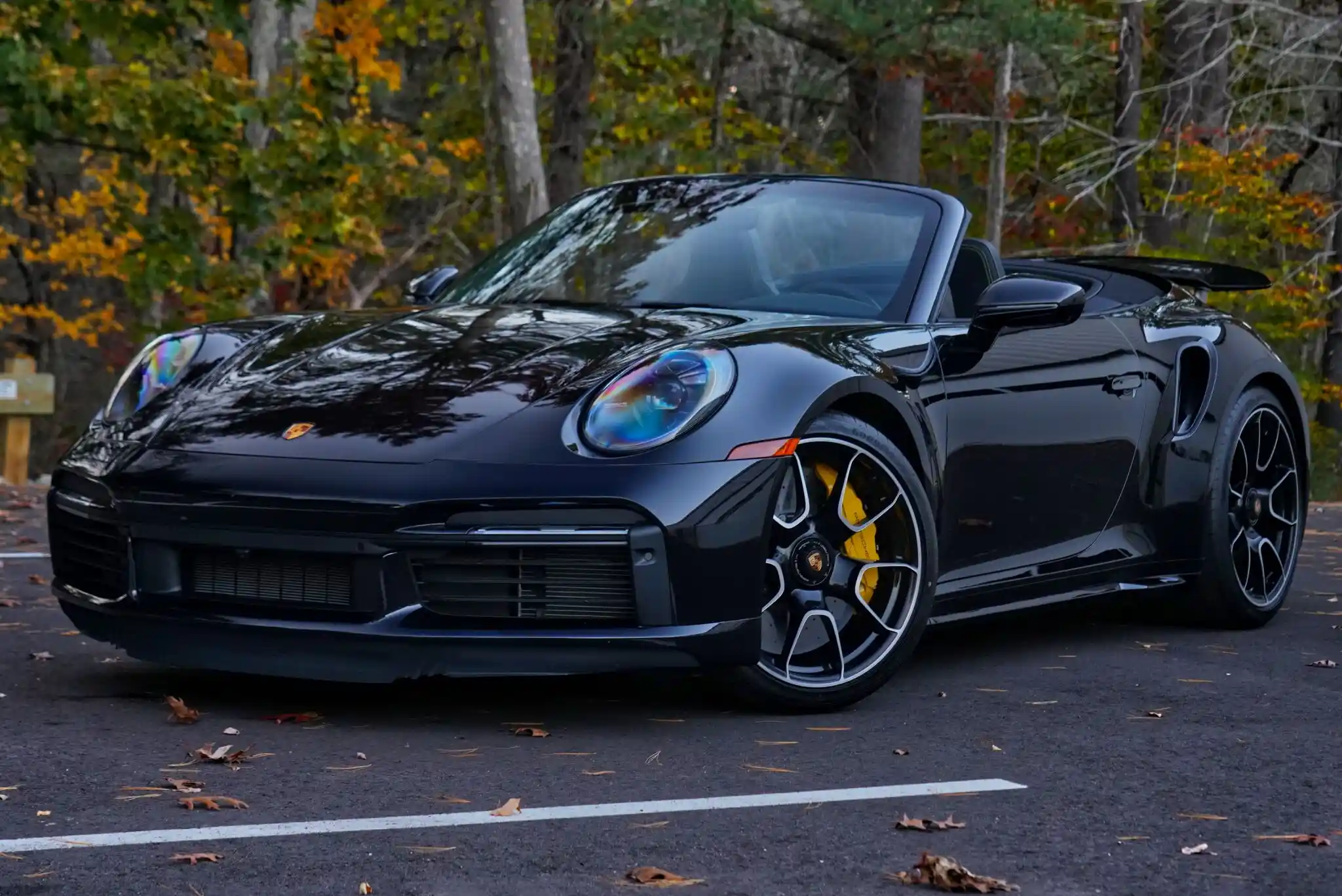
How to Wash a Ceramic Coated Vehicle Safely
Learn how to safely wash a ceramic coated vehicle using pH-neutral soap, microfiber towels, proper drying, and coating-safe habits that help maintain performance
Read the guideStill Have Questions About Ceramic Coating?
Every vehicle and every owner has different expectations.
By this point, you should have a clear understanding of what ceramic coating does, what it does not do, how it compares to wax and paint protection film, why prep work matters, how long it lasts, and how it needs to be maintained.
The right choice now comes down to your vehicle, its current condition, how you use it, how long you plan to keep it, and how much effort you want to put into maintenance.
Ready to Protect and Maintain Your Vehicle the Right Way?
Ceramic coating is a strong option if you want better gloss, easier washing, improved water behavior, and added resistance against environmental contamination.
It is not the right solution for every type of damage. If your main concern is rock chips and road debris, paint protection film is the better answer. If your main concern is easier cleaning, long-term shine, and keeping the vehicle looking better with proper care, ceramic coating makes a lot of sense.
The best ceramic coating results come from choosing the right coating, preparing the surface properly, and maintaining it the right way after installation.
Let Kickin’ Customs Help You Choose the Right Ceramic Coating Package
At Kickin’ Customs, ceramic coating is not treated like a quick wipe-on product. The process starts with understanding the vehicle, inspecting the condition of the paint, explaining the prep work needed, and matching the coating package to the customer’s goals.
Some vehicles need light enhancement before coating. Others need more involved paint correction. Some customers want paint only, while others want wheels, glass, trim, PPF, vinyl wrap, or interior surfaces protected as well.
There is no one-size-fits-all answer. The goal is to recommend the right level of protection for how the vehicle is actually used.
Ceramic Coating Should Be About Real Expectations
A proper ceramic coating should make your vehicle easier to wash, easier to dry, glossier, slicker, and better protected against everyday environmental exposure.
It should not be sold as scratch-proof, rock-chip-proof, permanent, or maintenance-free. Those claims create the wrong expectations.
When installed correctly and maintained properly, ceramic coating is one of the best upgrades for customers who care about appearance, cleanliness, and long-term surface protection.
Get Help Choosing the Right Ceramic Coating for Your Vehicle
If you are unsure which ceramic coating package makes sense, the best next step is to have the vehicle evaluated.
The right recommendation depends on the paint condition, vehicle size, color, age, use, storage, and the surfaces you want protected.
Whether you are coating a brand-new vehicle, restoring gloss on a used vehicle, protecting a daily driver, or adding ceramic coating over paint protection film or vinyl wrap, Kickin’ Customs can help you choose a package that fits your goals.
Serving drivers throughout Southeastern Massachusetts and Rhode Island with professional automotive window tint installation, ceramic window tint options, windshield tint, front window matches, and full-vehicle tint packages.
Step 2 of 2
Add Your Contact Details
Review your request, then complete the contact form to send it to the shop.
Open the prepared contact form in a new tab
Call 617-431-6858