
Real answers. Real experience.
Vinyl Wrap FAQs
127 answers · 11 topics
Considering a vinyl wrap for your vehicle? This guide covers full color changes, partial wraps, chrome deletes, custom accents, finishes, pricing, installation, and maintenance. Learn how vinyl differs from paint and paint protection film, what affects its appearance and lifespan, and what to expect when choosing a wrap for your car, truck, SUV, or business vehicle.
Real Answers About Vinyl Wrap, Backed by Real-World Experience
Showing all 127 questions
No matching answers
Try a shorter phrase, a different word, or browse all topics.
What Vinyl Wraps Actually Is and How It Works
What Is a Vinyl Wrap?
A vinyl wrap is a thin, flexible film applied over a vehicle’s painted surfaces to change the appearance without repainting the vehicle. It can be used for full color changes, partial accents, roof wraps, chrome deletes, racing stripes, commercial branding, printed graphics, or custom design work.
Unlike paint, vinyl wrap is removable when installed and removed properly. This makes it a popular option for customers who want to change the look of a vehicle without permanently altering the factory finish.
At Kickin’ Customs, we look at vinyl wrap as both a design service and an installation service. The material matters, but the final result depends heavily on prep, panel layout, film selection, installer experience, and realistic expectations about how vinyl behaves over time.
Link to this answerHow Does a Vinyl Wrap Work?
A vinyl wrap works by using pressure-sensitive adhesive to bond a thin film to the exterior surface of the vehicle. The film is shaped, stretched, trimmed, heated, and finished around panels, curves, edges, and body lines to create the desired appearance.
The process is more involved than simply sticking material to the car. Every vehicle has different curves, seams, handles, trim, badges, sensors, mirrors, and panel gaps. Those details affect how the wrap is laid out and how clean the final result looks.
A proper wrap installation requires controlled stretching, proper post-heating, clean trimming, and an understanding of where vinyl can and cannot be pushed. A good wrap should look natural on the vehicle, not forced onto it.
Link to this answerIs a Vinyl Wrap the Same as Paint?
No. A vinyl wrap is not the same as paint. Paint is a permanent finish applied directly to the body panels. Vinyl wrap is a removable film installed over the existing paint to change the appearance.
Vinyl can create a major visual transformation, but it does not behave exactly like paint. Wrap film has edges, seams, stretch limits, maintenance requirements, and a realistic lifespan. It can look excellent when installed properly, but it should not be sold as a perfect replacement for paint in every situation.
The advantage of vinyl is flexibility. You can change the color, add graphics, create accents, or promote a business without committing to a permanent repaint. The tradeoff is that vinyl has a service life and needs proper care.
Link to this answerWhat Is the Main Purpose of a Vinyl Wrap?
The main purpose of a vinyl wrap is to change or enhance the appearance of a vehicle. It can make a vehicle stand out, refresh an older look, create a custom style, support branding, or protect the original paint from some light surface wear.
For personal vehicles, wraps are often chosen for color changes, satin finishes, matte finishes, gloss colors, metallic finishes, carbon fiber accents, chrome deletes, roof wraps, and trim accents. For business vehicles, wraps are often used for logos, lettering, printed graphics, fleet branding, and advertising.
The most important thing to understand is that vinyl wrap is primarily cosmetic. It changes the look of the vehicle, but it is not the same as paint protection film when it comes to impact protection.
Link to this answerDoes Vinyl Wrap Protect Paint?
Vinyl wrap can provide a light barrier over the paint, but it should not be confused with paint protection film. It can help reduce minor surface exposure from sun, dirt, and light contact, but it is not designed to absorb rock chips or heavy impacts.
If a customer wants true protection from road debris, rock chips, scratches, and impact damage, paint protection film is the better product. Vinyl wrap is thinner and mainly designed for appearance and customization.
That said, a wrap can help preserve the original paint underneath in many situations, especially when the paint is in good condition and the wrap is installed and removed properly. The key is setting the right expectation from the beginning.
Link to this answerCan a Vinyl Wrap Be Removed?
Yes, a vinyl wrap can be removed when the right material was used, the paint underneath is healthy, and the removal is done properly. Removability is one of the biggest advantages of vinyl wrap compared to paint.
However, removability does not mean risk-free in every situation. Old wraps, cheap films, neglected wraps, repainted panels, failing clear coat, poor installation, and excessive sun exposure can make removal more difficult.
In our experience, the easiest removals usually come from quality films that were installed properly and removed within their realistic lifespan. Waiting too long can turn a simple removal into a much more involved job.
Link to this answerIs Vinyl Wrap Permanent?
No. Vinyl wrap is not permanent. It is designed to be a temporary or medium-term appearance change, depending on the film, finish, installation quality, exposure, and maintenance.
Most wrap films have a realistic service life, and that lifespan can be shorter in harsh climates, heavy sun exposure, salt, poor maintenance, or on horizontal panels like hoods, roofs, and trunk lids.
This is important because manufacturer lifespan ratings are not guarantees. They are general expectations under certain conditions. Real-world use in New England, with winter salt, temperature swings, sun exposure, and frequent washing, can affect how long a wrap looks its best.
Link to this answerWhat Can Be Wrapped on a Vehicle?
Most exterior painted panels can be wrapped, including hoods, roofs, trunks, doors, fenders, bumpers, mirrors, quarter panels, rocker areas, and trim pieces. Wrap film can also be used for accents, decals, stripes, lettering, and graphics.
Some areas are more difficult than others. Deep recesses, sharp curves, textured plastics, damaged paint, tight edges, sensors, and complex bumpers can affect what is possible and how long the film is expected to hold.
A professional wrap recommendation should be based on the vehicle’s shape, the film being used, and the customer’s expectations. Not every panel or surface is equally wrap-friendly.
Link to this answerCan You Wrap Over Any Paint?
No. Vinyl wrap should only be installed over paint that is healthy enough to support the adhesive and removal process. Factory paint in good condition is usually the best surface for wrapping.
Paint that is peeling, oxidized, heavily chipped, poorly repainted, cracked, rusted, or failing can create problems. The wrap may not bond properly, may show imperfections underneath, or may pull paint during removal.
Before wrapping a vehicle, the paint condition should be inspected honestly. If the paint is already failing, vinyl wrap is not a proper repair. It may hide some issues temporarily, but it will not fix the underlying problem.
Link to this answerIs Vinyl Wrap Worth It?
Vinyl wrap is worth it when the customer wants a custom look, a color change, a removable appearance upgrade, or business branding without repainting the vehicle. It offers a lot of flexibility and can completely transform how a vehicle looks.
It is not worth it if the customer expects it to last forever, fix bad paint, protect like PPF, or require no maintenance. Wraps have limits, and those limits should be explained before the job starts.
For the right vehicle and the right expectations, vinyl wrap is one of the most effective ways to customize a vehicle. The best results come from quality material, proper prep, skilled installation, and realistic care.
Link to this answerWhat Vinyl Wraps Help With, And What They Do Not
What Does a Vinyl Wrap Do?
A vinyl wrap changes the appearance of a vehicle by covering the existing paint with a removable film. It can create a full color change, add accents, black out chrome trim, apply printed graphics, promote a business, or give the vehicle a more custom look without repainting it.
A wrap gives customers a lot of creative flexibility. You can choose gloss, satin, matte, metallic, color-shifting, textured, printed, or branded finishes depending on the project. This makes vinyl one of the most versatile customization options available.
The key is understanding that vinyl wrap is mainly an appearance and branding product. It can provide some light surface coverage, but it is not designed to replace paint protection film for rock chips, heavy scratches, or impact protection.
Link to this answerDoes Vinyl Wrap Protect Paint?
Vinyl wrap can help protect paint from light surface exposure, mild road grime, sun exposure, and minor contact, but it should not be viewed as true paint protection. Wrap film is much thinner than paint protection film and is not engineered to absorb impacts the same way.
If a small scuff, light dust, or mild surface contact happens, the wrap may take some of that wear instead of the paint. However, rocks, road debris, sharp objects, and hard impacts can still damage the film and the paint underneath.
In real-world shop conversations, this is one of the biggest points we clarify. If the goal is to change the look, vinyl wrap is the right product. If the goal is to protect from rock chips and road damage, paint protection film is the better choice.
Link to this answerDoes Vinyl Wrap Prevent Rock Chips?
No. Vinyl wrap does not prevent rock chips the way paint protection film does. It may provide a very light barrier, but it does not have the thickness, elasticity, or impact absorption needed to stop road debris from damaging paint.
A rock can still chip through vinyl, especially on front bumpers, hoods, mirrors, rocker panels, and lower doors. These are high-impact areas that take constant abuse during highway driving and winter road conditions.
For customers who want both a new look and real protection, color paint protection film may be a better option than traditional vinyl. Another option is using vinyl for appearance and PPF on high-impact areas where protection matters most.
Link to this answerDoes Vinyl Wrap Prevent Scratches?
Vinyl wrap can help reduce some very light surface wear, but it does not make the vehicle scratch-proof. The film itself can scratch, scuff, stain, or tear depending on what contacts it.
Light marks may be less noticeable on some finishes, while other finishes like gloss black, satin, matte, chrome, and specialty films can show damage more easily. Improper washing, brush car washes, dirty towels, pets, branches, and hard contact can all damage wrap film.
A wrap should be treated like a finished surface. It can handle normal use, but it still needs careful washing and realistic expectations.
Link to this answerDoes Vinyl Wrap Hide Bad Paint?
Vinyl wrap can hide some minor cosmetic issues, but it does not fix bad paint. In many cases, poor paint condition will show through the wrap or create installation and removal problems later.
Chips, dents, scratches, rust, peeling clear coat, bodywork edges, sanding marks, and texture can still be visible through the film. Vinyl is thin, so it follows the shape and condition of the surface underneath.
This is especially important on older vehicles or repainted panels. If the paint is failing, vinyl may not bond correctly and may pull paint during removal. A wrap can improve appearance, but it is not a paint repair.
Link to this answerCan Vinyl Wrap Cover Scratches, Dents, or Body Damage?
Vinyl wrap can cover the color of scratches or damaged areas, but it will not remove the shape of the defect. If the panel is dented, gouged, chipped, cracked, or uneven, the wrap will usually follow that imperfection.
From a distance, some minor defects may become less noticeable after wrapping. Up close, the surface condition still matters. Wrap film is not thick enough to level out body damage.
For the best result, dents, deep scratches, rust, peeling paint, or poor bodywork should be corrected before wrapping. The better the surface is before installation, the better the final wrap will look.
Link to this answerDoes Vinyl Wrap Protect Against Sun Damage?
Vinyl wrap can reduce direct UV exposure to the paint underneath while it is installed, but the wrap itself is exposed to sun, heat, weather, and environmental wear. Over time, UV exposure can fade, dry, crack, or degrade vinyl, especially on horizontal surfaces.
Hoods, roofs, trunk lids, and upper body panels usually age faster because they take the most direct sunlight. In New England, vehicles also deal with temperature swings, snow, salt, and seasonal weather, which can affect wrap lifespan.
A quality film and proper maintenance help, but vinyl is not permanent. It should be removed or replaced before it becomes overly aged, brittle, or difficult to remove.
Link to this answerDoes Vinyl Wrap Protect Against Winter Salt and Road Grime?
Vinyl wrap can act as a barrier between the paint and some road grime, salt, and winter contamination, but it still needs to be cleaned and maintained. Salt can build up around edges, seams, lower panels, and recessed areas if the vehicle is neglected.
Winter conditions can be hard on wraps. Cold temperatures, road salt, pressure washing too close to edges, and aggressive snow removal can all shorten the life of the film or cause lifting in vulnerable areas.
A wrapped vehicle can absolutely be driven in winter, but it should be washed regularly and treated carefully. Vinyl helps cover the paint, but it does not eliminate the effects of harsh weather and poor maintenance.
Link to this answerDoes Vinyl Wrap Make a Vehicle Easier to Maintain?
Sometimes, but it depends on the film finish. Gloss vinyl can often be cleaned somewhat like paint, while matte, satin, chrome, textured, and specialty films usually require more careful maintenance.
A wrap may make the vehicle easier to personalize, but not always easier to maintain. Some finishes show fingerprints, stains, water spots, scratches, or road film more than others. Matte and satin finishes, for example, cannot be polished like gloss paint.
When choosing a wrap, it is important to consider not only how the color looks, but how it will be cared for. The best-looking film is not always the easiest one to live with.
Link to this answerWhat Does Vinyl Wrap Not Do?
Vinyl wrap does not make a vehicle damage-proof, rock-chip-proof, scratch-proof, rust-proof, or maintenance-free. It does not repair bad paint, fix dents, stop clear coat failure, or replace professional bodywork.
It also does not last forever. Wrap film has a realistic lifespan, and that lifespan depends on material quality, installation quality, exposure, climate, storage, washing habits, and how the vehicle is used.
Vinyl wrap is best understood as a removable appearance and branding upgrade. When expectations are clear, it can completely transform a vehicle. When it is expected to perform like paint protection film or permanent paint, customers are usually disappointed.
Link to this answerVinyl Wrap Appearance & Real-World Expectations
Will a Vinyl Wrap Look Like Paint?
A high-quality vinyl wrap can look very clean and paint-like from normal viewing distance, especially when using a gloss color change film installed properly. Many customers are surprised by how much a wrap can transform a vehicle when the color, finish, and installation are right.
That said, vinyl wrap is not paint. It has seams, edges, stretch limits, panel breaks, and certain areas where the original color may be visible if you look closely. Door jambs, deep recesses, tight corners, inner edges, and areas behind trim may not look the same as a full repaint.
The best way to look at vinyl wrap is as a removable cosmetic transformation. It can look excellent, but it should be judged with realistic expectations about what film can and cannot do compared to paint.
Link to this answerWill You See Edges or Seams in a Vinyl Wrap?
Yes, edges and seams can be visible in certain areas. Vinyl wrap is installed panel by panel, and some vehicles require seams because of panel size, film width, deep curves, or complex body shapes.
A professional installer works to place seams in less noticeable areas whenever possible. The goal is to make the wrap look clean and natural during normal use, not to pretend seams never exist.
In our experience, customer satisfaction is highest when these details are explained upfront. A good wrap should be clean and well-executed, but it is still a film installation with physical limits.
Link to this answerWill My Original Paint Color Show Through?
The original paint color may show in certain areas depending on the vehicle, coverage level, and how closely someone is inspecting it. This is most common in door jambs, deep panel gaps, under trim, around hinges, behind handles, inside fuel doors, and other hidden or tight areas.
A standard exterior color change wrap usually focuses on the visible exterior surfaces of the vehicle. Full jamb wraps or deeper disassembly can be done in some cases, but it adds significant time, labor, and cost.
This is why color choice matters. Wrapping a white vehicle satin black or a red vehicle light gray may make hidden original paint more noticeable in certain areas. A professional shop should explain those expectations before the job starts.
Link to this answerDoes Vinyl Wrap Cover Door Jambs?
Vinyl wrap can cover door jambs, but jamb wrapping is usually considered an added service and is not part of most standard exterior color change wraps. Door jambs take more time because they have tight corners, hardware, hinges, seals, curves, and areas that are harder to access.
Jamb wraps can make a color change feel more complete when the doors are open, but they also add complexity and cost. Not every vehicle is a good candidate for fully wrapped jambs.
For most customers, the decision comes down to expectations and budget. If seeing the original color when the doors are open will bother you, jambs should be discussed before the project begins.
Link to this answerWill a Vinyl Wrap Hide Body Lines or Details?
No. Vinyl wrap follows the shape of the vehicle. It does not hide body lines, dents, waves, chips, scratches, sanding marks, texture, or uneven bodywork. In some lighting, wrap film can actually make certain imperfections more noticeable.
This is especially true with gloss finishes, satin finishes, chrome films, and lighter colors that reflect more. If a panel is damaged before wrapping, the film will usually follow that damage.
The best wrap results come from clean, smooth, healthy paint and bodywork. Vinyl can change the color, but it cannot reshape the panel underneath.
Link to this answerWill a Vinyl Wrap Have Texture?
Some vinyl wraps can have slight texture depending on the film type, finish, color, and how it is installed. Gloss films may look closer to paint, while satin, matte, metallic, carbon fiber, forged carbon, brushed metal, and specialty films all have their own visual characteristics.
Texture is not always a defect. Some films are intentionally designed to have a certain texture or finish. The important part is that the texture should look consistent across the vehicle.
Uneven texture, heavy stretch marks, adhesive lines, overstretched corners, or distorted patterns are different. Those are usually signs of poor material handling or installation issues.
Link to this answerWill a Matte or Satin Wrap Look Different Than Gloss?
Yes, matte and satin wraps look very different from gloss wraps. Gloss wraps reflect more light and tend to look closer to paint. Satin wraps have a softer reflection, while matte wraps have a flatter, non-reflective appearance.
Matte and satin finishes can make a vehicle look more aggressive, modern, or custom, but they also require more careful maintenance. They cannot be polished like gloss paint, and stains, scuffs, fingerprints, or uneven cleaning can be more noticeable.
If you want the easiest finish to maintain, gloss is usually more forgiving. If you want a more custom look, satin or matte may be worth the added care.
Link to this answerWill a Vinyl Wrap Look Perfect Up Close?
A vinyl wrap can look extremely clean, but it should not be expected to look perfect under extreme close inspection. Wrap film is installed by hand over complex shapes, trim, edges, and body lines.
Small details such as tucked edges, seams, relief cuts, corners, and deep recesses are part of the installation process. A quality job should minimize visual distractions, but vinyl is still a film, not sprayed paint.
The goal is a professional, clean, consistent finish that looks excellent during normal use. Expecting absolute perfection in every hidden corner or impossible recess is not realistic.
Link to this answerWhat Separates a Good Vinyl Wrap from a Bad One?
A good vinyl wrap has clean panel coverage, consistent finish, properly finished edges, smart seam placement, minimal distortion, no major lifting, and an overall appearance that looks intentional and professional.
A bad wrap often shows lifting edges, overstretched film, visible wrinkles, poor cuts, bubbling, dirt under the film, uneven seams, distorted patterns, and corners that fail early. Many poor wraps look acceptable from a distance at first, but the problems become obvious over time.
The difference usually comes down to prep, film quality, installer experience, patience, and knowing when not to force vinyl beyond its limits. A good installer understands both the material and the vehicle.
Link to this answerWhat Should I Expect When Picking a Vinyl Wrap Color?
When choosing a vinyl wrap color, expect the finish to look different depending on lighting, vehicle shape, camera angle, and surrounding reflections. A color may look one way in a sample book and another way on a full vehicle.
Large panels show color and finish differently than small samples. Satin, matte, metallic, pearl, color-shift, and textured films can change dramatically in sunlight versus shade.
This is why it helps to look at samples in natural light when possible. The right color should fit the vehicle, the customer’s style, and the maintenance expectations that come with that finish.
Link to this answerTypes Of Vinyl Wraps And Wrap Options
What Types of Vinyl Wraps Are Available?
There are many types of vinyl wraps available, and each one is designed for a different look, purpose, and level of customization. The most common options include gloss wraps, satin wraps, matte wraps, metallic wraps, color-shift wraps, textured films, printed wraps, chrome deletes, roof wraps, stripes, decals, and commercial graphics.
For personal vehicles, wraps are often used to create a color change or custom accent. For business vehicles, vinyl is often used for branding, lettering, printed graphics, and fleet advertising.
The right type of wrap depends on the vehicle, the customer’s style, the surface being wrapped, and how the vehicle will be maintained. Some finishes are easier to live with than others, so the choice should be based on more than just how the color looks in a sample book.
Link to this answerWhat Is a Full Color Change Wrap?
A full color change wrap is a vinyl wrap installed over the exterior painted surfaces of a vehicle to change its overall color or finish. It is one of the most dramatic ways to customize a car, truck, SUV, or van without repainting it.
A standard full color change wrap usually focuses on the visible exterior surfaces. Door jambs, inner edges, engine bay areas, and hidden areas are typically not included unless discussed as added work.
This is important because a color change wrap can look completely different from the outside, but the original color may still be visible when doors, trunk lids, or fuel doors are opened. A professional shop should explain this before the project starts.
Link to this answerWhat Is a Partial Vinyl Wrap?
A partial vinyl wrap covers selected areas of a vehicle rather than the entire exterior. This can include the hood, roof, mirrors, trunk, stripes, lower panels, side graphics, bumpers, accent panels, or specific design elements.
Partial wraps are popular because they allow customers to change the look of a vehicle without the cost or commitment of a full wrap. They can also be used to create contrast, add a custom touch, or refresh certain areas of the vehicle.
For businesses, partial wraps are often a smart branding option because they can include logos, phone numbers, websites, service areas, and design elements without wrapping the entire vehicle.
Link to this answerWhat Is a Gloss Vinyl Wrap?
A gloss vinyl wrap is designed to create a shiny, paint-like finish. It is one of the most popular choices for customers who want a clean color change that still resembles traditional paint.
Gloss wraps can look excellent when installed properly, but they also tend to show surface defects, scratches, fingerprints, and installation flaws more than some other finishes. The vehicle’s body condition and installation quality matter heavily.
If a customer wants the closest vinyl option to a painted appearance, gloss wrap is usually the starting point. It offers a clean look while still being removable later when maintained and removed properly.
Link to this answerWhat Is a Satin Vinyl Wrap?
A satin vinyl wrap has a soft sheen that sits between gloss and matte. It reflects some light, but not as sharply as gloss film. This gives the vehicle a smooth, modern, custom appearance without being completely flat.
Satin finishes are popular on performance vehicles, luxury vehicles, trucks, and customers who want something more unique than standard gloss. They can make body lines look more dramatic and give the vehicle a premium look.
The tradeoff is maintenance. Satin film needs to be cleaned carefully because it cannot be polished like gloss paint. Stains, scratches, and uneven cleaning can be more noticeable if the wrap is not cared for properly.
Link to this answerWhat Is a Matte Vinyl Wrap?
A matte vinyl wrap creates a flat, non-reflective appearance. It is often chosen by customers who want an aggressive, modern, or stealth-style finish.
Matte wraps can look incredible on the right vehicle, but they require realistic expectations. They tend to show oils, fingerprints, stains, scuffs, and cleaning inconsistencies more than gloss finishes. They also cannot be polished to remove defects without changing the finish.
If a customer wants the easiest wrap to maintain, matte may not be the best choice. If the customer understands the care requirements and wants that specific look, matte can be a strong option.
Link to this answerWhat Is a Metallic or Pearl Vinyl Wrap?
A metallic or pearl vinyl wrap contains visual effects that change how the color looks under different lighting. Metallic films can add sparkle and depth, while pearl films can create a softer color shift or richer finish.
These films are popular when customers want a color that feels more dynamic than a standard solid color. They can look different in sunlight, shade, indoor lighting, and photos, which is part of the appeal.
Because these finishes can change visually, it is important to view samples in different lighting before making a final decision. A small sample may not fully show how the color will look across an entire vehicle.
Link to this answerWhat Is a Color-Shift Vinyl Wrap?
A color-shift vinyl wrap changes color depending on the angle, lighting, and reflections around the vehicle. These films are designed to stand out and create a more custom, attention-grabbing look.
Color-shift wraps can be very dramatic, especially on vehicles with strong body lines. The color may appear one way from the front and completely different from the side or rear.
The main thing to remember is that color-shift films are bold by nature. They are not usually chosen for subtlety. Customers should be confident that they want a high-visibility custom finish before choosing this type of wrap.
Link to this answerWhat Is a Textured Vinyl Wrap?
A textured vinyl wrap is designed to mimic a specific surface or material. Common examples include carbon fiber, forged carbon, brushed metal, leather-style textures, and other specialty finishes.
These films are often used for accents rather than full vehicle wraps. Common areas include mirrors, roofs, hoods, spoilers, interior trim, chrome trim, and small detail pieces.
Textured films can be more difficult to install cleanly because patterns can distort if the film is stretched too much. A clean result depends on using the right material, the right placement, and an installer who understands how the pattern behaves.
Link to this answerWhat Is a Printed Vinyl Wrap?
A printed vinyl wrap uses custom graphics, colors, images, patterns, logos, or branding printed onto vinyl film. It is commonly used for commercial vehicles, race cars, promotional vehicles, fleet graphics, and custom designs.
Printed wraps can be simple or complex. A business vehicle might only need logos, services, and contact information, while a full promotional wrap may include large graphics, backgrounds, photos, and design elements.
Design quality matters just as much as installation quality. A printed wrap should be readable, balanced, properly scaled, and built around the vehicle’s shape so the message is clear from normal viewing distance.
Link to this answerWhat Is a Chrome Delete?
A chrome delete is a vinyl wrap service that covers chrome trim with another finish, usually gloss black, satin black, matte black, or a color that matches the vehicle. It is one of the most common appearance upgrades for modern vehicles.
Chrome deletes are popular because they can make a vehicle look cleaner, sportier, and more updated without replacing trim pieces. Common areas include window trim, grille trim, door handles, badges, mirror accents, and roof rails.
Chrome delete work can be detail-heavy because trim pieces are narrow, curved, and exposed to washing, weather, and handling. The quality of the prep and edge finishing makes a big difference in how well it holds up.
Link to this answerWhat Is a Roof Wrap?
A roof wrap is a vinyl wrap installed on the roof panel, usually to create a contrast look. Gloss black roof wraps are especially popular because they can make the roof look more like panoramic glass or create a sportier appearance.
Roof wraps are also common on vehicles with two-tone styling, black trim, black wheels, or customers who want a custom accent without wrapping the full vehicle.
The roof is a high-exposure area. It gets a lot of sun, heat, snow, and weather, so material choice and maintenance matter. Roof wraps can look great, but they should be monitored over time because horizontal panels usually age faster than vertical panels.
Link to this answerWhat Is the Best Vinyl Wrap Finish?
The best vinyl wrap finish depends on the customer’s goals and maintenance expectations. Gloss is usually the most paint-like and forgiving. Satin offers a premium custom look. Matte is bold and aggressive but requires more careful care. Metallic, pearl, and color-shift films create more visual depth and personality.
For commercial vehicles, the best finish is usually the one that makes the branding easy to read and professional. For personal vehicles, the best finish is the one that fits the vehicle and the owner’s style without creating maintenance expectations they will not want to deal with.
A good wrap recommendation should consider appearance, durability, maintenance, vehicle shape, and how the vehicle is used. The best-looking sample is not always the best real-world choice.
Link to this answerVinyl Wrap Coverage Strategy
Do I Need to Wrap the Entire Vehicle?
No. You do not need to wrap the entire vehicle unless your goal is a full color change or complete exterior transformation. Many customers choose partial wraps, accents, roof wraps, chrome deletes, stripes, or specific panel wraps instead.
A full wrap makes sense when you want the vehicle to look like an entirely different color from the outside. Partial coverage makes sense when you want to change the look without the cost, downtime, or commitment of wrapping every visible panel.
The right amount of coverage depends on the goal. If you want a full custom appearance, full wrap is the better fit. If you want a cleaner style upgrade, a partial wrap or accent package may be enough.
Link to this answerWhat Is the Difference Between a Full Wrap and a Partial Wrap?
A full wrap covers the visible exterior painted surfaces of the vehicle to create a complete color change or design transformation. A partial wrap only covers selected areas of the vehicle, such as the hood, roof, mirrors, lower panels, doors, stripes, or commercial graphic areas.
A full wrap creates the most dramatic result because the entire vehicle changes appearance. A partial wrap is more targeted and can be used for accents, branding, contrast, or budget-friendly customization.
For commercial vehicles, partial wraps can still be highly effective if the design is done well. For personal vehicles, partial wraps are often used to add style without completely changing the vehicle’s identity.
Link to this answerWhat Areas of a Vehicle Are Most Commonly Wrapped?
The most common wrap areas include the hood, roof, trunk, mirrors, door handles, window trim, grille trim, rocker panels, bumpers, spoilers, badges, and full exterior body panels. For commercial vehicles, doors, rear quarters, tailgates, vans, box trucks, and side panels are also common.
For cosmetic wraps, popular choices include roof wraps, hood wraps, chrome deletes, mirror caps, stripes, racing accents, and full color changes. For business wraps, the most important areas are the ones people can see clearly from the road.
The best coverage plan depends on whether the wrap is being used for style, branding, contrast, or a complete color change.
Link to this answerShould I Wrap My Door Jambs?
Door jambs should be wrapped only if seeing the original paint when the doors are open will bother you enough to justify the added cost and labor. Jamb wrapping can make a color change feel more complete, but it is more time-consuming and more complex than wrapping the exterior.
Most standard color change wraps do not include jambs. The exterior of the vehicle changes color, but the original paint may still be visible inside the doors, trunk, fuel door, or hidden edges.
For some customers, that is completely fine because the vehicle looks fully changed when closed. For others, especially when the original color strongly contrasts with the wrap color, jambs may be worth discussing.
Link to this answerCan You Wrap Bumpers?
Yes, bumpers can be wrapped, but they are often some of the most difficult areas on a vehicle. Bumpers have curves, recesses, parking sensors, grilles, vents, edges, body lines, and high-stress areas that make proper installation more challenging.
A bumper wrap requires careful stretching, proper seam planning when needed, and realistic expectations. Some bumper shapes are very wrap-friendly, while others push vinyl close to its limits.
Because bumpers take more road debris, washing impact, bug buildup, and daily wear, they may also age faster than simpler vertical panels. This is normal and should be considered when planning a wrap.
Link to this answerCan You Wrap Mirrors, Handles, and Trim?
Yes, mirrors, handles, and trim can often be wrapped, but these areas are usually more detail-heavy than larger panels. Small parts have curves, edges, seams, and contact points that make installation more technical.
Mirror caps and trim pieces are common wrap areas, especially for chrome deletes, black accents, carbon-style finishes, and color-matched details. Door handles can sometimes be wrapped, but their shape and daily contact can affect long-term durability.
These smaller details can make a big visual difference, but they should be installed with realistic expectations about edges, wear, and use.
Link to this answerCan You Wrap Textured Plastic?
In most cases, textured plastic is not a good surface for vinyl wrap. Vinyl needs a smooth, clean, stable surface to bond properly. Textured plastic does not give the adhesive enough consistent contact, which can lead to poor adhesion and early lifting.
Some smooth painted plastic parts can be wrapped successfully, but raw textured plastics, faded trim, grainy bumper plastics, and rough molded surfaces are usually not ideal.
This is one of those areas where honesty matters. Just because film can be stuck to a surface temporarily does not mean it is a proper long-term installation.
Link to this answerCan You Wrap Over Chrome?
Yes, chrome can often be wrapped, and chrome deletes are one of the most common vinyl services. Window trim, grille trim, badges, mirror accents, roof rails, and other chrome details can be changed to gloss black, satin black, matte black, body color, or another finish.
Chrome can be tricky because it is smooth, exposed, and often located on narrow trim pieces with tight edges. Proper cleaning, film selection, edge finishing, and installation technique are important for durability.
A chrome delete can dramatically modernize a vehicle, but it is detail work. The final result depends heavily on prep and patience.
Link to this answerCan You Wrap Wheels?
Vinyl wrap is generally not recommended for wheels. Wheels are exposed to heat, brake dust, road debris, sharp edges, tire mounting, harsh cleaners, and constant impact. Wrap film usually does not hold up well in that environment.
For changing wheel appearance, powder coating, refinishing, or wheel-specific coatings are usually better options. For protecting wheels and making them easier to clean, ceramic coating is a better solution.
Vinyl works well on many exterior surfaces, but wheels are not one of the areas where it is usually the right product.
Link to this answerCan You Wrap Only Part of a Panel?
Yes, part of a panel can be wrapped when the design calls for it. This is common for stripes, decals, lower accents, two-tone designs, rocker panels, hoods, roofs, and commercial graphics.
Partial-panel wraps can look great when the design follows the vehicle’s body lines and feels intentional. They can look less clean when they stop randomly or fight the shape of the vehicle.
The best partial wraps are designed around the vehicle, not just placed on it. Body lines, panel breaks, color contrast, and viewing distance all matter.
Link to this answerHow Do I Decide How Much Vinyl Wrap Coverage I Need?
Start with the goal. If you want a completely different vehicle color, full exterior wrap is the right direction. If you want a more subtle style upgrade, roof wrap, chrome delete, stripes, or accents may be enough. If you want business visibility, the coverage should be based on readability and impact.
The vehicle also matters. Some vehicles have body lines that work well for partial wraps, while others look better with full coverage. Commercial vans, trucks, and trailers may benefit from larger graphics because they have more usable advertising space.
The best coverage plan should balance appearance, cost, durability, and the purpose of the wrap. A good wrap should look intentional and fit the vehicle naturally.
Link to this answerVinyl Wrap Pricing, Value & Why Shops Cost Different Amounts
How Much Does a Vinyl Wrap Cost?
The cost of a vinyl wrap depends on the size of the vehicle, the type of wrap, the film selected, the amount of coverage, the complexity of the body, the condition of the paint, and how much disassembly or detail work is involved.
A full color change wrap on a large SUV or truck will cost more than a roof wrap, chrome delete, stripe package, or partial commercial wrap. Vehicles with complex bumpers, deep recesses, large curves, tight trim, sensors, roof rails, mirrors, and body kits usually require more time and skill.
Vinyl wrap pricing should be based on the actual project, not just a generic vehicle category. Two vehicles may be similar in size but completely different in labor because of their shape, panel layout, and installation difficulty.
Link to this answerWhy Are Vinyl Wraps Expensive?
Vinyl wraps are expensive because they require quality material, detailed preparation, skilled installation, careful trimming, panel planning, post-heating, and finishing work. A proper wrap is not just sticking film onto a vehicle.
The installer has to clean the surface, remove or work around trim, plan seams, control stretch, manage edges, prevent lifting, and make the wrap look natural across the vehicle. This takes time, experience, and patience.
In our shop experience, the difference between a wrap that looks good for a few weeks and a wrap that holds up properly is usually in the prep and finishing work. Those steps are where cheaper jobs often cut corners.
Link to this answerWhy Do Some Shops Charge Less for Vinyl Wraps?
Some shops charge less because they use cheaper film, skip proper prep, rush the install, avoid necessary disassembly, use poor seam placement, or do not spend enough time finishing edges and corners.
A low-priced wrap may look good in photos at first, but issues often show up later. Lifting edges, shrinking film, bubbles, wrinkles, overstretched corners, poor trimming, and visible dirt under the film are common signs of a rushed or low-quality install.
Vinyl wrap is very installer-dependent. The material matters, but the person installing it matters just as much. A cheaper quote can become more expensive if the wrap fails early or needs to be removed and redone.
Link to this answerIs a Cheap Vinyl Wrap Worth It?
A cheap vinyl wrap may be worth it only if the customer understands the tradeoffs and has very short-term expectations. For a temporary event, quick promotion, or low-budget project, a basic wrap may serve a purpose.
For a full color change, high-end vehicle, long-term commercial branding, or daily-driven vehicle, cheap wrap work is usually risky. Poor material and poor installation can lead to early failure, damage during removal, or a finished result that does not match the customer’s expectations.
If you care about how the vehicle looks up close, how the wrap ages, and how it comes off later, quality should matter more than the lowest price.
Link to this answerWhat Factors Affect Vinyl Wrap Pricing?
Vinyl wrap pricing is affected by vehicle size, film choice, finish type, coverage level, surface condition, panel complexity, removal needs, design work, printing, laminating, trim removal, and installation difficulty.
A gloss color change film may price differently than satin, matte, chrome, textured, printed, color-shift, or specialty film. Commercial graphics may also include design time, print production, laminate, layout adjustments, and branding strategy.
Paint condition also matters. A vehicle with wax residue, adhesive, old decals, peeling clear coat, dents, rust, or contamination may require extra preparation or may not be a good candidate for wrapping at all.
Link to this answerWhy Does Vehicle Shape Affect Wrap Cost?
Vehicle shape affects wrap cost because some vehicles are much harder to wrap cleanly than others. Deep bumpers, aggressive body lines, vents, splitters, mirrors, door handles, roof rails, textured trim, and tight recesses all increase labor time.
Flat panels are usually easier. Curved bumpers, complex mirrors, deep grille surrounds, and recessed areas require more skill and planning. These areas also create more stress on the vinyl, which affects durability if the film is stretched too aggressively.
A vehicle that looks simple from a distance may still be labor-intensive once the installer starts working around edges, seals, trim, sensors, and body lines.
Link to this answerDoes Film Choice Affect the Price?
Yes, film choice affects the price. Different wrap films vary in cost, finish, durability, installation difficulty, and availability. Standard gloss, satin, and matte films may cost less than chrome, color-shift, textured, printed, or specialty films.
Some films are also harder to install than others. Chrome, brushed metal, carbon fiber, reflective, and certain color-shift films require extra care because they can show stretch marks, distortion, scratches, or pattern changes more easily.
The cheapest film is rarely the best choice. Quality vinyl from a trusted manufacturer usually installs better, lasts longer, removes more safely, and provides a better finished result.
Link to this answerDoes Paint Condition Affect Vinyl Wrap Pricing?
Yes, paint condition can affect vinyl wrap pricing and whether the vehicle should be wrapped at all. Vinyl needs a clean, stable surface to bond properly. If the paint is failing, peeling, rusty, oxidized, heavily chipped, or poorly repainted, the wrap may not install or remove correctly.
A vehicle with adhesive residue, old decals, wax buildup, tar, sap, or heavy contamination may need extra prep before installation. If body damage or bad paint is present, it may show through the film.
In many cases, the shop needs to inspect the vehicle before giving a final recommendation. A wrap should not be used as a shortcut to hide serious paint or body problems.
Link to this answerDoes Removing Old Vinyl Cost Extra?
Yes, removing old vinyl usually costs extra because it can be time-consuming and unpredictable. Some vinyl comes off cleanly, while older or cheaper film may crack, separate, leave adhesive behind, or come off in tiny pieces.
The cost depends on the age of the film, film quality, sun exposure, adhesive condition, vehicle size, and whether the wrap was installed properly. Horizontal panels like hoods and roofs often become harder to remove if the film has been left on too long.
This is one reason it is important not to wait too long to remove or replace an aging wrap. Once vinyl becomes brittle, removal becomes more difficult and more expensive.
Link to this answerIs a Vinyl Wrap Cheaper Than Paint?
A vinyl wrap is often cheaper than a high-quality repaint, but it depends on the project. A basic repaint may cost less than a full professional wrap, but a true quality paint job with proper bodywork, prep, jambs, materials, and finishing can cost significantly more.
The bigger difference is permanence. Paint is a long-term finish. Vinyl wrap is a removable appearance change with a realistic service life. Wrap is usually the better choice when the customer wants a temporary or changeable look.
If the vehicle’s paint is failing, wrap is not always the cheaper solution. Bad paint may need repair before wrapping, and removal later can carry more risk.
Link to this answerIs a Vinyl Wrap Worth the Money?
A vinyl wrap is worth the money when the customer wants a custom look, removable color change, commercial branding, or a unique design without permanently repainting the vehicle. It can completely change how a vehicle presents itself.
For business vehicles, vinyl graphics can also be valuable because the vehicle becomes moving advertising. A clean, professional wrap can help a company look more established and visible in its service area.
A wrap is not worth it if the customer expects it to last forever, protect like PPF, fix damaged paint, or require no maintenance. The value comes from customization, branding, and flexibility, not permanence.
Link to this answerWhat Am I Actually Paying For With a Vinyl Wrap?
You are paying for more than the vinyl itself. You are paying for planning, prep, material, design when needed, disassembly, installation skill, trimming, edge finishing, post-heating, and final inspection.
A quality wrap requires experience because the installer has to understand how the film behaves on each panel. Too much stretch, poor cleaning, bad seam placement, or rushed edges can cause problems later.
The finished result should look intentional, clean, and consistent. That comes from the full process, not just the roll of film.
Link to this answerVinyl Wrap Installation Process
How Is a Vinyl Wrap Installed?
A vinyl wrap is installed by cleaning and preparing the vehicle, laying the film over each panel, shaping it around the body lines, trimming it carefully, heating it when needed, and finishing the edges so the film holds properly.
The process is much more involved than simply applying a sticker to a car. Each panel has curves, recesses, edges, trim, handles, mirrors, seals, and body lines that affect how the film needs to be installed.
A quality wrap installation requires patience, planning, clean prep, proper stretch control, and experience with the material. The goal is to make the wrap look natural on the vehicle while avoiding unnecessary stress in the film.
Link to this answerWhat Happens Before a Vehicle Is Wrapped?
Before a vehicle is wrapped, it needs to be inspected, cleaned, and prepared properly. Dirt, wax, grease, adhesive residue, road grime, tar, sap, and other contaminants can interfere with adhesion and affect the final result.
The paint condition is also important. Vinyl wrap should be installed over a clean, stable surface. If the paint is peeling, oxidized, rusty, heavily chipped, or poorly repainted, the wrap may not bond correctly or may create problems during removal.
In our shop, this is where a lot of the real decision-making happens. A wrap is only as good as the surface underneath it, so prep work cannot be treated like an afterthought.
Link to this answerDoes a Vehicle Need to Be Detailed Before Wrapping?
Yes, the vehicle needs to be thoroughly cleaned before wrapping, but wrap prep is different from a normal detail. The goal is not just to make the vehicle look clean. The goal is to remove anything that can prevent vinyl from bonding properly.
This may include washing, removing tar and adhesive, cleaning edges, wiping jamb areas, degreasing problem spots, and making sure the surface is free of waxes or sealants. Areas around trim, emblems, mirrors, door handles, and panel gaps often need extra attention.
A vehicle can look clean from a distance and still not be ready for wrap installation. The hidden dirt around edges and trim is often what causes problems later.
Link to this answerDo You Remove Trim, Badges, or Parts Before Wrapping?
In some cases, yes. Removing badges, trim pieces, lights, handles, mirrors, or other components can help create a cleaner installation and better edge coverage. It can also reduce the amount of visible trimming around certain areas.
Not every job requires disassembly, and not every part should be removed. Some vehicles have fragile clips, sensors, cameras, weathered trim, or components that may not be worth the risk.
The decision depends on the vehicle, the coverage level, the customer’s expectations, and the specific part being removed. The goal is to improve the final result without creating unnecessary risk.
Link to this answerIs Vinyl Wrap Cut on the Vehicle?
Some trimming is usually done on or near the vehicle, but a professional installer should use careful techniques to minimize risk. Wrap installation often requires trimming around edges, seams, body lines, and panel breaks.
This is one reason installer experience matters. A careless installer can cut too deeply and damage paint, trim, rubber, or glass. A skilled installer understands blade pressure, safe trimming angles, knifeless tape, and when to use pre-planned cuts.
Customers should understand that wrap installation involves hand-finishing. The goal is not zero trimming in every situation. The goal is controlled, careful trimming that protects the vehicle and creates a clean result.
Link to this answerWhat Is Knifeless Tape?
Knifeless tape is a specialty tape used to cut vinyl without using a blade directly on the vehicle’s surface. It is often used for stripes, accents, partial wraps, commercial graphics, two-tone designs, and certain seam areas.
The tape is applied before the vinyl, then a filament inside the tape is pulled through the film to create a clean cut line. This can reduce the need for blade work on painted surfaces.
Knifeless tape is a helpful tool, but it does not replace installer skill. It still needs to be placed accurately, pulled correctly, and used in the right situations.
Link to this answerWhy Does Vinyl Need to Be Heated During Installation?
Vinyl needs heat during installation because the material must conform to curves, edges, and body lines. Heat makes the film more flexible and allows the installer to shape it around certain areas.
Heat is also used after installation in areas where the film was stretched. This is called post-heating, and it helps stabilize the film so it is less likely to shrink back or lift later.
Too little heat, too much heat, or improper stretching can all create problems. Proper heat control is one of the major differences between an experienced wrap installer and someone simply forcing film onto a vehicle.
Link to this answerWhat Is Post-Heating and Why Does It Matter?
Post-heating is the process of heating stretched vinyl to a specific temperature after installation to help the film hold its shape. This is especially important in recessed areas, curves, bumpers, mirrors, and high-stress zones.
Vinyl has memory. If it is stretched and not properly post-heated, it can try to return to its original shape. That can lead to lifting, shrinking, edge failure, or film pulling out of recesses.
Post-heating is not a shortcut or optional detail on quality wrap work. It is one of the steps that helps the wrap hold up in real-world conditions.
Link to this answerHow Long Does a Vinyl Wrap Installation Take?
Vinyl wrap installation time depends on the vehicle, the film, the coverage, the complexity, the amount of prep, and whether any design or printing is involved. A small accent or roof wrap may take far less time than a full color change or commercial wrap.
Full vehicle wraps usually take longer because every panel needs to be cleaned, planned, installed, trimmed, heated, and inspected. More complex vehicles with aggressive bumpers, trim, mirrors, roof rails, or deep recesses require more time.
A quality wrap should not be rushed. Many wrap failures come from trying to move too quickly through prep, stretching, edges, and finishing work.
Link to this answerCan a Vinyl Wrap Be Installed in One Day?
Some smaller wrap services can be completed in one day, such as roof wraps, hood wraps, stripes, decals, lettering, or simple accent work. A full vehicle wrap usually requires more time.
A full color change involves cleaning, prep, disassembly when needed, panel installation, trimming, post-heating, reassembly, and final inspection. Trying to force that into too short of a timeline can hurt the final result.
For customers, the better question is not how fast the wrap can be done. The better question is how much time is needed to do the job correctly.
Link to this answerWhat Can Go Wrong During a Poor Vinyl Wrap Installation?
A poor vinyl wrap installation can lead to lifting edges, wrinkles, bubbles, overstretched film, visible dirt, poor cuts, adhesive lines, distorted patterns, shrinking, peeling, and premature failure.
Many of these issues come from poor prep, rushing, using cheap material, stretching the film too far, not post-heating correctly, or trying to wrap surfaces that should not be wrapped.
A bad wrap may look acceptable in photos right after installation, but the real test is how it looks weeks and months later. Edges, corners, bumpers, mirrors, and recessed areas usually reveal whether the installation was done properly.
Link to this answerWhat Should a Proper Vinyl Wrap Installation Look Like?
A proper vinyl wrap installation should look clean, consistent, and intentional. The finish should be smooth, the seams should be planned well, the edges should be secure, and the film should follow the vehicle naturally.
It should not have obvious wrinkles, heavy stretch marks, dirt trapped under the film, lifting corners, rough cuts, or random seams that distract from the finished look.
No wrap is magic, and some seams or edges may be visible depending on the vehicle and coverage. The difference is whether those details are handled professionally and explained honestly before the project begins.
Link to this answerVinyl Wrap Durability, Longevity & Failure Points
How Long Does a Vinyl Wrap Last?
The lifespan of a vinyl wrap depends on the film quality, installation quality, vehicle use, storage, climate, finish type, and maintenance. A properly installed wrap using quality film can last several years, but it is not permanent.
Real-world lifespan is different from a manufacturer rating. Ratings are based on general expectations, not guarantees. A garage-kept vehicle that is washed carefully will usually see better longevity than a daily driver parked outside year-round.
In New England, wraps deal with sun, snow, salt, humidity, temperature swings, and winter washing. Those conditions can shorten the life of the film, especially on horizontal surfaces like hoods, roofs, and trunk lids.
Link to this answerDoes Vinyl Wrap Wear Out Over Time?
Yes, vinyl wrap wears out over time. It is exposed to sunlight, heat, cold, road grime, salt, washing, and physical contact. Eventually, the film can lose gloss, fade, dry out, crack, lift, stain, or become harder to remove.
This is normal because vinyl is a temporary appearance product. It is not designed to last forever like paint. The goal is to enjoy the finish during its service life and remove or replace it before it becomes overly aged.
One of the biggest mistakes customers make is leaving a wrap on too long. Once vinyl gets brittle or heavily sun-damaged, removal becomes more difficult and more expensive.
Link to this answerWhat Causes Vinyl Wrap to Fail?
Vinyl wrap can fail from poor installation, cheap film, improper prep, overstretching, lack of post-heating, harsh weather, sun exposure, road salt, pressure washing too close, automatic brush washes, and poor maintenance.
Some failures are installer-related. Lifting edges, shrinking film, distorted patterns, and film pulling out of recesses often come from poor technique or pushing the material beyond its limits.
Other failures are ownership-related. Neglect, harsh chemicals, aggressive washing, and leaving contamination on the film can shorten the wrap’s life. A good wrap still needs proper care.
Link to this answerDoes Vinyl Wrap Fade?
Yes, vinyl wrap can fade over time, especially with heavy sun exposure. Some colors and finishes are more prone to visible fading than others. Bright colors, fluorescent colors, matte finishes, chrome films, and specialty films may age faster than standard gloss colors.
Horizontal panels usually fade faster because they receive more direct sunlight. Hoods, roofs, trunk lids, and upper surfaces tend to take the most UV exposure.
Quality film helps, but no vinyl wrap is immune to UV damage forever. Proper washing, safe products, ceramic coating when appropriate, and garage storage can help extend the appearance.
Link to this answerCan Vinyl Wrap Peel or Lift?
Yes, vinyl wrap can peel or lift if it was installed poorly, stretched too aggressively, not post-heated properly, applied over contamination, or exposed to harsh conditions. Lifting can also happen around edges, seams, bumpers, mirrors, recesses, and high-contact areas.
Some areas are naturally more difficult because the film is under more stress. Deep curves, tight corners, sharp body lines, and textured surfaces are more likely to have issues if the installation is not done correctly.
A proper install reduces the risk of lifting, but vinyl still has physical limits. A professional shop should explain which areas of a vehicle are higher-risk before the work begins.
Link to this answerCan Vinyl Wrap Crack?
Yes, vinyl wrap can crack as it ages, especially if it is exposed to heavy sun, poor maintenance, harsh chemicals, or left on past its realistic lifespan. Once the film dries out and becomes brittle, cracking becomes more likely.
Cracking is more common on horizontal panels and high-exposure areas. Roofs, hoods, trunk lids, and upper bumpers usually age faster than vertical door panels.
Once vinyl begins cracking, it should be removed as soon as possible. Waiting too long can make removal much harder and increase the chance of adhesive residue or paint-related issues.
Link to this answerCan Vinyl Wrap Bubble?
Yes, vinyl wrap can bubble, but the cause matters. Small installation-related air pockets may show up if the film was not laid properly. Larger bubbles can come from poor prep, trapped contamination, moisture, adhesive failure, or film lifting from surface tension.
Quality wrap films are designed with air-release technology, which helps installers remove air during installation. However, air-release film does not fix poor prep or bad technique.
If bubbles appear after the wrap has been installed for a while, it may be a sign of lifting, poor adhesion, contamination, or film failure. The area should be inspected before it gets worse.
Link to this answerCan Vinyl Wrap Shrink?
Yes, vinyl wrap can shrink if it was overstretched, not post-heated properly, installed incorrectly, or exposed to heat over time. Vinyl has memory, which means it can try to return to its original shape if the installer stretches it too far.
Shrinkage often shows up around edges, seams, recesses, bumpers, mirrors, and corners. You may see the original paint color appear where the vinyl has pulled back.
Proper installation technique is the best prevention. A skilled installer understands when to stretch, when to relieve tension, when to use seams, and when a surface is asking too much from the material.
Link to this answerCan Vinyl Wrap Be Damaged by Pressure Washing?
Yes, vinyl wrap can be damaged by pressure washing if the nozzle is too close, the pressure is too high, or the spray is aimed directly at edges and seams. This can force water under the film and cause lifting.
Pressure washing can be safe when done carefully. The key is keeping a safe distance, using a wide spray pattern, and avoiding direct pressure at edges, corners, seams, and already-lifting areas.
In our experience, aggressive pressure washing is one of the easiest ways to shorten the life of a wrap. A wrapped vehicle should be cleaned carefully, not blasted like heavy equipment.
Link to this answerCan Automatic Car Washes Damage Vinyl Wrap?
Yes, automatic brush car washes can damage vinyl wrap. Brushes can scratch the film, catch edges, dull the finish, and create premature wear. This is especially risky on matte, satin, chrome, textured, and printed wraps.
Touchless washes are generally safer than brush washes, but even those can use harsh chemicals that may not be ideal for vinyl. Hand washing is the best method for a wrapped vehicle.
If you are investing in a wrap, maintenance habits matter. A poor washing routine can shorten the wrap’s lifespan and make the finish look older much faster.
Link to this answerWhat Areas of a Wrap Fail First?
The areas most likely to fail first are high-stress and high-exposure areas. This includes bumpers, mirrors, door handles, edges, seams, deep recesses, rocker panels, lower doors, hoods, roofs, and trunk lids.
Bumpers and mirrors are difficult because they have curves and edges. Lower panels take road grime and salt. Horizontal panels take the most sun. Door handles and edges get touched constantly.
This does not mean those areas cannot be wrapped. It means they require better prep, better technique, realistic expectations, and proper care after installation.
Link to this answerIs Vinyl Wrap Permanent?
No. Vinyl wrap is not permanent. It is a removable appearance product with a realistic service life. It should be removed or replaced before the film becomes too old, brittle, cracked, or sun-damaged.
The safest removals usually happen when quality film was installed over healthy paint and removed within its intended lifespan. Waiting too long can make removal more difficult and increase the chance of adhesive residue or paint issues.
A wrap should be viewed as a temporary transformation, not a forever finish. That is part of its value because it gives you the ability to change the look again later.
Link to this answerWhat Happens When a Vinyl Wrap Reaches the End of Its Life?
When a vinyl wrap reaches the end of its life, it should be professionally removed and replaced if the customer wants to continue with a wrapped finish. Signs that a wrap is aging include fading, cracking, lifting, peeling, discoloration, heavy staining, or loss of finish quality.
If the film is removed at the right time, the process is usually much cleaner. If the wrap is left on too long, it can become brittle, separate from the adhesive, or require significantly more labor to remove.
This is why we are careful about lifespan expectations. The right time to remove vinyl is before it becomes a problem, not after it is already falling apart.
Link to this answerVinyl Wrap Maintenance & Care
How Do You Maintain a Vinyl Wrapped Vehicle?
A vinyl wrapped vehicle should be washed regularly, cleaned with wrap-safe products, and protected from harsh chemicals, aggressive washing, and unnecessary abrasion. Vinyl wrap is durable enough for normal driving, but it still needs proper care to keep the finish looking good.
The biggest thing to remember is that vinyl is not paint. It cannot always be polished, corrected, or treated the same way as a painted surface. Matte, satin, chrome, textured, and printed wraps can be especially sensitive to the wrong products or techniques.
A properly maintained wrap will usually look better, last longer, and remove more cleanly when it reaches the end of its service life.
Link to this answerHow Soon Can I Wash My Vehicle After a Vinyl Wrap?
You should wait until the wrap has had time to settle before washing the vehicle. The exact timeframe can vary based on the film, installation, temperature, humidity, and the type of work performed.
During the early period after installation, the adhesive is still stabilizing and the edges are still settling. Washing too soon, using pressure too close, or exposing the wrap to harsh chemicals can increase the chance of edge lifting.
The safest approach is to follow the aftercare instructions given at pickup. The first few days matter because they help the wrap settle properly.
Link to this answerWhat Is the Best Way to Wash a Vinyl Wrap?
The best way to wash a vinyl wrap is by hand using a gentle automotive soap, clean wash mitts, and soft microfiber towels. Rinse the vehicle first to remove loose dirt, wash gently, rinse thoroughly, and dry with clean microfiber towels.
Avoid scrubbing aggressively, especially on edges, seams, graphics, matte finishes, satin finishes, and printed areas. Dirt should be loosened and lifted safely, not dragged across the film.
Hand washing gives you the most control and reduces the chance of scratching, lifting, or dulling the wrap. This is especially important on higher-end color change wraps and specialty finishes.
Link to this answerCan I Take a Wrapped Vehicle Through an Automatic Car Wash?
Automatic brush car washes are not recommended for wrapped vehicles. Brushes can scratch the film, catch edges, dull the finish, damage printed graphics, and shorten the wrap’s lifespan.
Touchless car washes are generally safer than brush washes, but they can still use strong chemicals that may affect certain films over time. If a touchless wash is used, it should not replace proper hand washing long term.
If you invested in a vinyl wrap, hand washing is the better choice. It protects the finish and helps avoid the kind of damage that makes wraps age faster.
Link to this answerCan I Pressure Wash a Vinyl Wrapped Vehicle?
Yes, but pressure washing has to be done carefully. Keep the nozzle a safe distance from the surface, use a wide spray pattern, and avoid spraying directly at edges, seams, corners, graphics, and any area that may already be lifting.
Pressure that is too close or too aggressive can force water under the film and cause lifting. This is especially risky around bumpers, mirrors, door handles, rocker panels, seams, and trimmed edges.
In real-world use, pressure washing is one of the most common ways people accidentally damage wraps. It can be safe when done carefully, but it should never be used aggressively on vinyl.
Link to this answerWhat Cleaning Products Are Safe for Vinyl Wrap?
Use gentle automotive soaps, wrap-safe cleaners, and clean microfiber towels. Products should be safe for vinyl film and should not contain harsh solvents, strong degreasers, abrasive compounds, or petroleum-based chemicals unless the film manufacturer specifically approves them.
For bugs, tar, sap, or road grime, use a cleaner designed for vinyl wrap and test carefully when needed. Harsh chemicals can stain, dull, soften, or damage the film.
The safer approach is frequent gentle cleaning instead of waiting until contamination becomes difficult to remove. The longer grime sits, the more aggressive the cleaning process usually becomes.
Link to this answerCan You Wax a Vinyl Wrap?
It depends on the finish. Some gloss vinyl wraps may be compatible with certain waxes or sealants, but matte, satin, textured, chrome, and printed wraps should be treated much more carefully.
Using the wrong wax or polish on matte or satin film can create uneven shine, staining, or permanent finish changes. That is why traditional paint-care products should not automatically be used on vinyl.
For most wraps, a wrap-safe protection product or ceramic coating designed for vinyl is a better choice than traditional wax. The product should match the film finish.
Link to this answerCan a Vinyl Wrap Be Ceramic Coated?
Yes, many vinyl wraps can be ceramic coated with a coating that is designed to work on vinyl film. This can improve water behavior, make the wrap easier to clean, and help reduce how strongly dirt, bugs, and grime bond to the surface.
Ceramic coating does not make the wrap permanent or damage-proof. It simply adds a protective surface layer that can improve maintenance and help preserve the finish.
This is especially useful on gloss wraps, satin wraps, commercial graphics, and vehicles that are driven regularly. The coating must be compatible with the film and installed properly.
Link to this answerHow Do I Remove Bugs, Sap, or Bird Droppings from a Wrap?
Bugs, sap, and bird droppings should be removed as soon as possible using a wrap-safe cleaner and soft microfiber towel. These contaminants can stain or damage vinyl if they sit too long, especially in direct sun.
Do not aggressively scrub the area. Let the cleaner soften the contamination first, then wipe gently. Repeating a gentle process is safer than forcing it off with pressure or abrasion.
This is one of the areas where maintenance habits matter. A wrap can handle normal use, but neglecting acidic or sticky contamination can shorten its lifespan.
Link to this answerCan Vinyl Wrap Get Water Spots?
Yes, vinyl wrap can get water spots, especially if hard water dries on the surface. This is common after sprinklers, well water, rain mixed with dirt, or washing the vehicle in direct sunlight without drying it properly.
Water spots may be more noticeable on darker wraps, gloss wraps, satin finishes, matte finishes, and chrome films. Some spots can be cleaned, but others can become stubborn if left too long.
The best prevention is washing in shade, drying the vehicle properly, and avoiding situations where water sits and bakes into the film.
Link to this answerCan I Polish a Vinyl Wrap?
Most vinyl wraps should not be polished like paint. Gloss vinyl may tolerate certain very mild products in some cases, but matte, satin, chrome, textured, printed, and specialty films should not be polished because polishing can change the finish or damage the film.
This is one of the biggest differences between wrap and paint. If paint gets light swirls, it can often be corrected. If vinyl is scratched, stained, or dulled, correction options are much more limited.
The best approach is prevention. Wash carefully, avoid abrasive contact, and protect the film with proper maintenance products when appropriate.
Link to this answerWhat Should I Avoid on a Vinyl Wrap?
Avoid automatic brush washes, harsh chemicals, abrasive pads, rough towels, aggressive pressure washing, petroleum-based cleaners, compound, polish, waxes not approved for the film, and letting bugs, sap, salt, or bird droppings sit for long periods.
You should also avoid picking at edges, scraping ice aggressively, dragging snow brushes across the film, or using blades near the wrap. These habits can damage the film or cause premature lifting.
Vinyl wrap can look great for years when it is cared for correctly. Most premature issues come from poor installation, unrealistic expectations, or maintenance habits that are too aggressive for the material.
Link to this answerVinyl Wrap Comparisons
Is Vinyl Wrap Better Than Paint?
Vinyl wrap is not better than paint in every situation. It depends on the goal. If you want a removable color change, custom finish, commercial branding, or temporary transformation, vinyl wrap is usually the better option. If you want a permanent finish or need to repair damaged paint, paint is usually the better direction.
Paint is part of the vehicle’s permanent finish. Vinyl wrap is a film installed over the existing surface. A wrap can change the look dramatically, but it still has edges, seams, maintenance needs, and a realistic lifespan.
For customers who want flexibility, vinyl makes a lot of sense. For customers trying to fix failing clear coat, rust, dents, or poor bodywork, wrap should not be treated as a replacement for paint repair.
Link to this answerIs Vinyl Wrap Cheaper Than Paint?
Vinyl wrap is often cheaper than a high-quality repaint, but not always cheaper than a low-end paint job. The real comparison depends on the quality of work being compared.
A proper repaint with bodywork, prep, jambs, materials, booth time, and finishing can be very expensive. A professional wrap can offer a major color change at a lower cost than that level of paintwork. However, a cheap paint job may cost less upfront, even if the quality and longevity are not comparable.
The better question is not just which is cheaper. The better question is whether you want a removable appearance change or a permanent refinish.
Link to this answerIs Vinyl Wrap Better Than Paint Protection Film?
Vinyl wrap and paint protection film serve different purposes. Vinyl wrap is mainly for appearance, customization, and branding. Paint protection film is mainly for protecting paint from rock chips, scratches, scuffs, and road debris.
Vinyl can provide a light barrier over the paint, but it does not offer the same impact protection as PPF. If the goal is changing the color or adding commercial graphics, vinyl is the right product. If the goal is protecting the vehicle from highway damage, PPF is the better choice.
For customers who want both color change and real protection, color paint protection film may be worth considering. It combines the visual change of a wrap with the protective benefits of PPF.
Link to this answerShould I Get Vinyl Wrap or Color PPF?
You should choose vinyl wrap if your main goal is appearance, customization, branding, or a removable color change at a more accessible price point than color PPF. Vinyl gives you a large range of colors and finishes and is a great choice for cosmetic changes.
You should choose color PPF if you want both a color change and real impact protection. Color PPF is thicker, more durable, and designed to protect against rock chips and road debris in a way standard vinyl cannot.
The decision usually comes down to budget and expectations. If you only want the look, vinyl wrap is the better fit. If you want the look plus protection, color PPF is the stronger option.
Link to this answerIs Vinyl Wrap Better Than Ceramic Coating?
Vinyl wrap and ceramic coating are not direct replacements for each other. Vinyl wrap changes the appearance of the vehicle. Ceramic coating protects the surface and makes it easier to clean, but it does not change the vehicle’s color.
A ceramic coating can be applied over certain vinyl wraps to improve water behavior and make maintenance easier. That can be a great option for customers who want the custom look of a wrap with easier cleaning.
If your goal is color change, vinyl wrap is the answer. If your goal is gloss, slickness, and easier washing on the existing surface, ceramic coating is the better option.
Link to this answerIs Vinyl Wrap Better Than Plasti Dip?
Vinyl wrap is usually a better choice than Plasti Dip for customers who want a cleaner, more professional, longer-lasting appearance. Vinyl offers better finish quality, more color options, sharper edges, and a more refined look when installed properly.
Plasti Dip can make sense for temporary or budget-focused projects, but it usually does not compare to a professional vinyl wrap in appearance, durability, or finish quality.
For a vehicle you care about, vinyl wrap is the more professional option. For a quick experiment or short-term look, spray-on removable coatings may have a place, but they are not the same level of finish.
Link to this answerIs Vinyl Wrap Better Than Decals?
Vinyl wrap and decals are related, but they are not the same thing. A decal is usually a smaller vinyl graphic, logo, stripe, lettering, or design element. A wrap covers larger sections of the vehicle or changes the overall appearance.
If you only need a logo, business name, phone number, website, or small accent, decals may be enough. If you want a full design, large commercial advertising, partial vehicle coverage, or a complete color change, a wrap is the better choice.
For business vehicles, the best answer may be a mix of both. A vehicle does not always need a full wrap to be effective. A clean partial wrap with strong lettering and design can sometimes be the better value.
Link to this answerIs Vinyl Wrap Better Than Buying New Trim?
Vinyl wrap can be a better option than buying new trim when the goal is to change the appearance of chrome, silver, or bright trim pieces. Chrome deletes are popular because they can update the look of a vehicle without replacing expensive parts.
However, wrap is still film. Trim pieces that are handled often, exposed to aggressive washing, or shaped in difficult ways may have a different lifespan than painted or replacement trim.
If the goal is a cost-effective appearance change, vinyl is usually a strong option. If the trim is damaged, peeling, corroded, or physically worn out, replacement or refinishing may be the better solution.
Link to this answerIs Vinyl Wrap Better for Personal Vehicles or Business Vehicles?
Vinyl wrap works well for both, but the goals are different. For personal vehicles, wraps are usually about style, color change, accents, and customization. For business vehicles, wraps are about visibility, branding, professionalism, and advertising.
A personal wrap should match the owner’s taste and the vehicle’s body lines. A business wrap should be readable, clear, and designed around how people see the vehicle in traffic, parking lots, and job sites.
At Kickin’ Customs, we look at these projects differently. A color change wrap is about finish quality and style. A commercial wrap is about design clarity, brand image, and making sure the message works in the real world.
Link to this answerShould I Wrap My Vehicle or Leave the Paint Original?
You should wrap your vehicle if you want a new look, custom finish, branding, or a removable change without repainting. You may want to leave the paint original if you like the current color, want the simplest maintenance, or do not want to manage the lifespan of vinyl.
A wrap gives you flexibility, but it also adds responsibility. It needs proper care, realistic expectations, and eventual removal or replacement.
If the paint is in great condition and you want to preserve it while changing the look, vinyl may be a good option. If the paint is damaged, peeling, rusty, or failing, the vehicle should be evaluated before wrapping.
Link to this answerReal Buyer Questions & Objections
Is a Vinyl Wrap a Waste of Money?
A vinyl wrap is not a waste of money when the customer understands what it is meant to do. Wraps are designed for appearance, customization, branding, and removable color changes. If that is the goal, a quality wrap can completely transform a vehicle.
It becomes a waste of money when expectations are wrong. Vinyl wrap is not permanent paint, it is not paint protection film, and it is not a way to fix failing paint or body damage. If someone expects a wrap to last forever, stop rock chips, or hide every flaw, they will likely be disappointed.
The value comes from flexibility. You can change the look of the vehicle, promote a business, or create a custom style without committing to a permanent repaint.
Link to this answerShould I Wrap a Brand-New Vehicle?
Yes, a brand-new vehicle can be wrapped, especially if the customer wants a different color, custom finish, chrome delete, roof wrap, accents, or commercial branding right away. Newer vehicles usually have healthier paint, which is better for vinyl adhesion and future removal.
That said, new does not always mean perfect. New vehicles can still have transport contamination, dealer waxes, scratches, chips, adhesive residue, or minor paint defects. The vehicle should still be inspected and prepped before wrapping.
If the goal is to protect a brand-new vehicle from rock chips, paint protection film is the better choice. If the goal is to change the look, vinyl wrap is the right direction.
Link to this answerShould I Wrap a Used Vehicle?
A used vehicle can be wrapped, but the paint condition matters. If the paint is healthy, clean, and stable, vinyl can be a great way to change or refresh the look. If the paint is peeling, oxidized, rusty, chipped, cracked, or poorly repainted, wrapping can create problems.
Vinyl follows the surface underneath it. It will not erase dents, texture, bodywork, scratches, or failing clear coat. In some cases, existing defects may still show through the film.
Before wrapping a used vehicle, the surface needs to be evaluated honestly. A wrap can make a good vehicle look completely different, but it should not be treated as a shortcut for proper paint or body repair.
Link to this answerCan I Wrap a Leased Vehicle?
Yes, a leased vehicle can often be wrapped, but the wrap needs to be removable and the customer should understand the lease return requirements. Many customers use vinyl for temporary color changes, chrome deletes, or business branding during the lease term.
The safest approach is to use quality film, install it properly, maintain it well, and remove it before the end of the lease. The paint condition before installation also matters because any existing damage or repainted panels can increase removal risk.
Customers should also check their lease terms before wrapping. Some leasing companies may have rules about modifications, graphics, or how the vehicle must be returned.
Link to this answerWill a Vinyl Wrap Damage My Paint?
A vinyl wrap should not damage healthy factory paint when quality film is installed and removed properly within its service life. In many cases, the paint underneath is preserved because it has been covered.
However, there is always some risk, especially with repainted panels, failing clear coat, previous bodywork, old wraps, cheap vinyl, poor installation, or film left on too long. If the paint is already weak, the adhesive can pull paint during removal.
This is why paint condition matters before wrapping. Factory paint in good condition is usually the best candidate. Questionable paint needs to be discussed before installation.
Link to this answerCan a Vinyl Wrap Be Removed Safely?
Yes, a vinyl wrap can usually be removed safely when the film is high quality, the paint is healthy, and the wrap has not been left on too long. Professional removal uses heat, patience, and proper adhesive removal methods.
Removal becomes more difficult when the wrap is old, sun-baked, cracked, brittle, or installed with cheap material. At that point, it may come off in pieces, leave heavy adhesive behind, or require much more labor.
best time to remove a wrap is before it fails badly. Waiting until the vinyl is cracked and falling apart makes removal more expensive and less predictable.
Link to this answerShould I Remove My Vinyl Wrap Before It Fails?
Yes. A vinyl wrap should be removed before it becomes heavily faded, cracked, brittle, peeling, or sun-damaged. Removing it at the right time helps protect the paint and makes the removal process cleaner.
One of the biggest mistakes we see is customers waiting too long. Once the film is dried out and breaking apart, removal can become a major job instead of a straightforward service.
Wrap lifespan should be taken seriously. Vinyl is designed to be temporary, and replacing or removing it at the right time is part of responsible ownership.
Link to this answerCan You Wrap Over Old Vinyl?
In most cases, wrapping over old vinyl is not recommended. If the existing film is scratched, faded, lifting, cracked, dirty, or poorly installed, the new wrap will only sit on top of those problems.
Layering vinyl can also affect adhesion, thickness, edge quality, and removal. The old film may fail underneath the new film, causing the entire installation to have problems.
The better approach is to remove the old vinyl, clean the surface properly, inspect the paint, and install the new wrap directly over the correct surface.
Link to this answerCan I Wrap a Vehicle with Paint Damage?
Sometimes, but it depends on the type of damage and the customer’s expectations. Small chips or light scratches may be wrapped over, but they can still show through the film. Severe peeling, rust, cracked paint, failing clear coat, dents, and poor bodywork are not good foundations for vinyl.
Vinyl needs a stable surface. If the paint is failing, the wrap may not bond properly and may pull paint during removal.
A wrap can improve the look of a vehicle, but it does not fix the damage underneath. If the goal is a clean final result, paint and body issues should be addressed first.
Link to this answerIs Vinyl Wrap Good for High-End Vehicles?
Yes, vinyl wrap can be a great option for high-end vehicles when the right film, design, and installer are chosen. It allows owners to personalize the vehicle without permanently repainting it.
That said, expectations need to be higher on expensive vehicles. Seam placement, edge finishing, disassembly decisions, paint condition, and material selection matter even more because the vehicle itself carries more risk and more value.
For higher-end vehicles, we are careful about recommending the right product. If the owner wants appearance only, vinyl may fit. If they want color change and real protection, color PPF may be the better conversation.
Link to this answerIs Vinyl Wrap Good for Daily Drivers?
Yes, vinyl wrap can work on a daily driver, but it needs proper care and realistic expectations. Daily drivers see more sun, salt, rain, road grime, car washes, parking lot contact, and general wear than garage-kept vehicles.
This does not mean daily drivers should not be wrapped. It means the customer should understand that the wrap will age based on how the vehicle is used and maintained.
For a daily driver, quality film, proper installation, careful washing, and timely removal matter. A daily-driven wrap can look great, but it is not a no-maintenance finish.
Link to this answerIs Vinyl Wrap Good for Business Vehicles?
Yes, vinyl wrap is one of the best upgrades for business vehicles because it turns the vehicle into moving advertising. A clean commercial wrap can make a company look more professional, more established, and more visible in the areas it serves.
For business vehicles, the design is just as important as the installation. The wrap needs to be readable, clear, and built around the way people actually see the vehicle in traffic or parked on a job site.
A commercial wrap does not always need to cover the whole vehicle to work. Sometimes a clean partial wrap, lettering package, or strong side and rear design can be more effective than an overly busy full wrap.
Link to this answerWhat Is the Biggest Mistake People Make with Vinyl Wraps?
The biggest mistake is expecting vinyl wrap to behave like paint or paint protection film. Vinyl is a removable appearance product. It can look incredible, but it has edges, seams, lifespan limits, maintenance needs, and removal timing.
Another major mistake is choosing based only on the cheapest price. Poor film, rushed prep, bad trimming, overstretching, and weak edge finishing can all cause the wrap to fail early.
The best wrap results come from realistic expectations, quality material, proper prep, skilled installation, and good maintenance after the vehicle leaves the shop.
Link to this answerWhat Should I Look for in a Vinyl Wrap Shop?
Look for a shop that explains the process clearly, talks honestly about lifespan, inspects the paint, uses quality film, understands seam placement, and sets realistic expectations before installation.
A good wrap shop should not promise that vinyl is permanent, invisible, damage-proof, or exactly the same as paint. Those claims create problems later.
The right shop should care about design, prep, installation quality, finishing details, and how the wrap will age in the real world. The best wrap is not just the one that looks good on pickup day. It is the one that was planned and installed correctly from the start.
Link to this answerKeep exploring
More vinyl wrap guidance
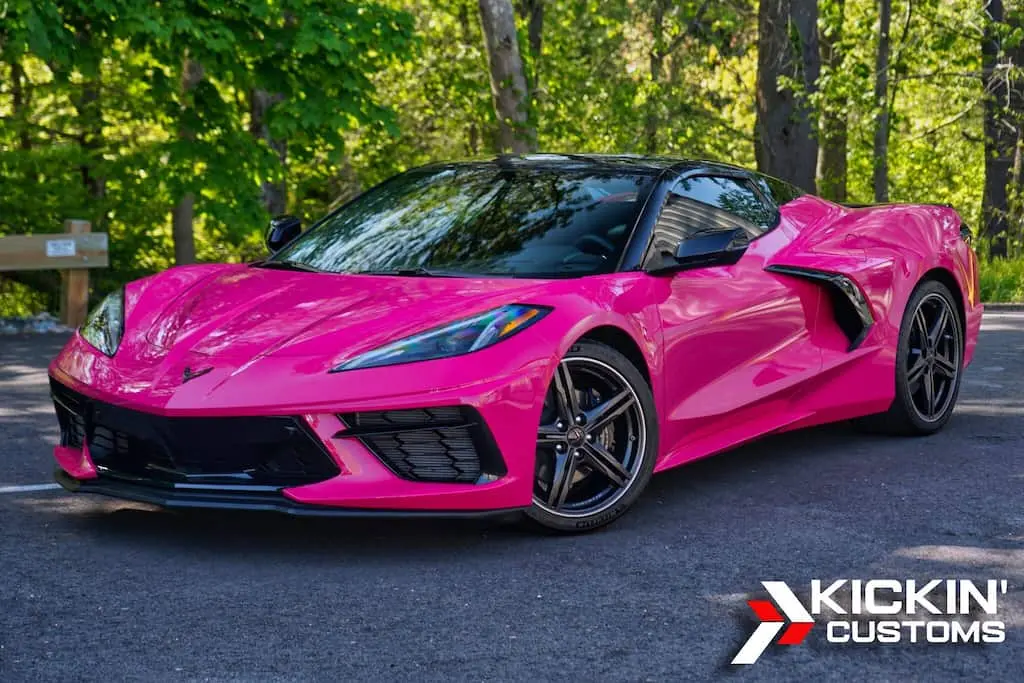
What Vinyl Wrap Finishes Are Available? Gloss, Satin, Matte and Specialty Options
Compare gloss, satin, matte, metallic, color-shift and specialty vinyl wrap finishes, including care, pricing and selection tips from Kickin' Customs.
Read the guide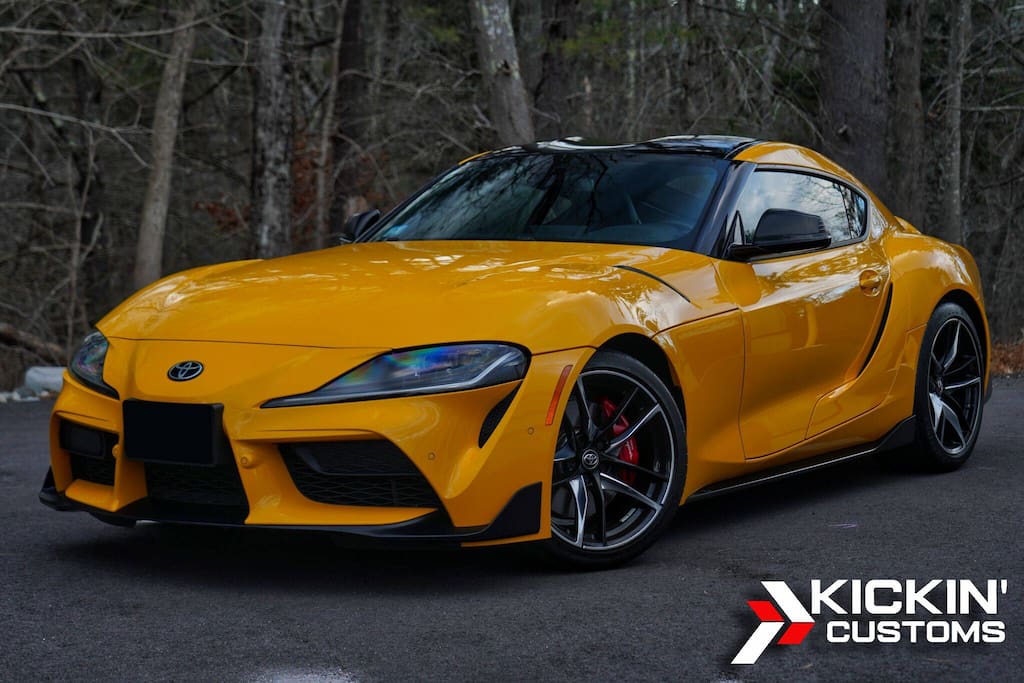
How to Wash and Maintain a Vinyl Wrapped Vehicle
Learn how to wash and maintain a vinyl wrapped vehicle safely, including hand washing, gentle cleaners, microfiber drying, avoiding harsh chemicals, and protecting wrap edges.
Read the guideStill Have Questions About Vinyl Wraps?
Every vinyl wrap project is different.
By this point, you should have a clear understanding of what vinyl wraps do, what they do not do, how they compare to paint and paint protection film, how long they last, how they need to be maintained, and why installation quality matters.
The right choice now comes down to your vehicle, the condition of the paint, the look you want, your budget, and whether the wrap is for personal customization or business branding.
Ready to Change the Look of Your Vehicle?
Vinyl wrap is one of the most flexible ways to change the appearance of a vehicle without repainting it. It can be used for full color changes, partial accents, chrome deletes, roof wraps, stripes, graphics, commercial lettering, and full business branding.
The most important thing is choosing the right film, finish, and coverage for the vehicle. A wrap should look intentional, fit the body lines, and match the way the vehicle is actually used.
A good vinyl wrap should not be sold as permanent paint or rock chip protection. It should be treated as a removable appearance upgrade that can completely transform the vehicle when installed and maintained properly.
Let Kickin’ Customs Help You Plan the Right Vinyl Wrap
At Kickin’ Customs, vinyl wrap projects start with the goal. Some customers want a full color change. Some want a black roof, chrome delete, or accent package. Some need business graphics that make their vehicle look more professional and easier to recognize.
Each project needs a different approach. A personal color change is about finish, style, panel coverage, and long-term appearance. A commercial wrap is about readability, branding, visibility, and making sure the design works in real-world traffic.
The best result comes from matching the design, material, coverage, and installation plan to the vehicle and the customer’s expectations.
Vinyl Wraps Should Be Built Around Real Expectations
A proper vinyl wrap can completely change how a vehicle looks, but it still has limits. It can have seams, edges, visible original paint in hidden areas, maintenance requirements, and a realistic service life.
That is not a flaw. That is the nature of vinyl wrap. The goal is to understand those expectations before the project begins so the finished result makes sense.
When quality film is installed properly over healthy paint and maintained correctly, vinyl wrap is one of the best options for vehicle customization and commercial branding.
Get Help Choosing the Right Vinyl Wrap for Your Vehicle
If you are unsure what type of vinyl wrap makes sense, the best next step is to talk through the vehicle, the condition of the paint, the finish you want, and how long you expect to keep the wrap.
Whether you are considering a full color change, satin or matte finish, gloss black roof, chrome delete, custom accents, commercial graphics, or a full business wrap, Kickin’ Customs can help you choose a wrap plan that fits the vehicle and the goal.
The right wrap should look good, make sense, and be installed with the kind of detail needed for real-world use.
Serving drivers throughout Southeastern Massachusetts and Rhode Island with professional automotive window tint installation, ceramic window tint options, windshield tint, front window matches, and full-vehicle tint packages.
Step 2 of 2
Your Contact Details
Your preferences have changed. Your current contact form has been kept. Use Edit Request to review them.
If the embedded form is unavailable, open the secure contact form or contact the shop.