
The short answer
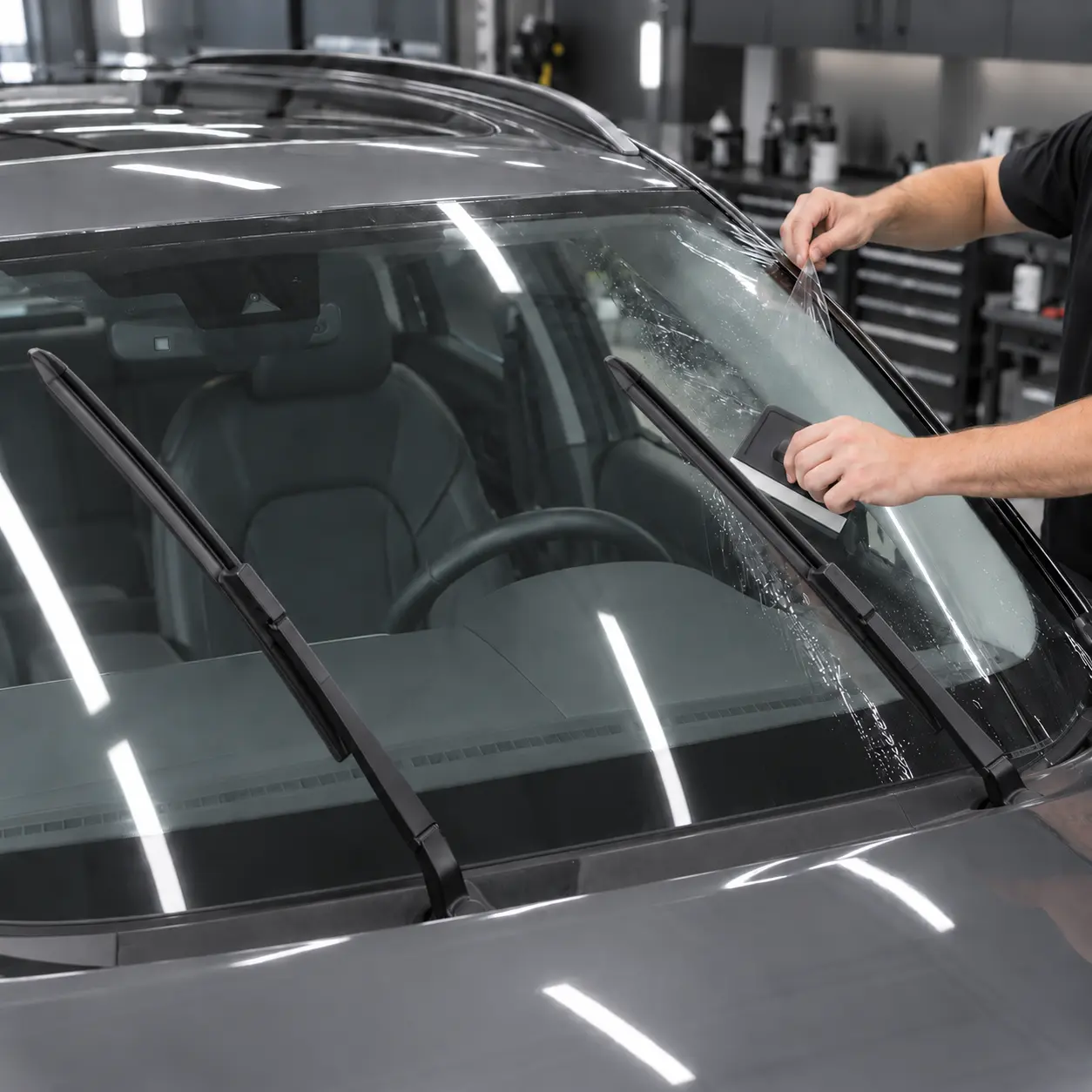
Windshield protection film is a sacrificial layer for your windshield.
It is designed to help reduce damage from rocks, road debris, sand, salt, bugs, and daily driving exposure. But because it is installed on the outside of the windshield, it lives a harder life than most exterior protection products.
Your windshield film deals with wipers, washer fluid, rain, snow, ice, bugs, pollen, road spray, winter salt, highway debris, and direct visibility demands.
That means maintenance matters.
At Kickin’ Customs in Raynham, MA, we install XPEL Windshield Protection Film for customers across Massachusetts and Rhode Island. Proper care helps the film stay clearer, perform better, and remain easier to live with during its service life.
Windshield protection film can protect expensive glass, but it is not maintenance-free.
Film, warranty and wipers
Windshield Protection Film Is a Wear Item
The first thing to understand is that windshield protection film is a wear item.
It is not meant to last forever. It is not the same as paint protection film installed on a bumper, hood, or fender. Windshield film is constantly being wiped, sprayed, exposed, and looked through.
Over time, it can show signs of use.
Wiper wear, light pitting, small marks, surface haze, and road exposure can all happen depending on how the vehicle is driven and maintained.
That does not automatically mean the film failed.
It often means the film is doing its job as a sacrificial layer between road debris and your windshield.
XPEL Windshield Protection Film Warranty
XPEL Windshield Protection Film carries a 12-month or 12,000-mile manufacturer warranty.
That warranty is different from XPEL paint protection film on painted panels because windshield film lives in a much harsher environment.
The windshield is exposed to constant airflow, impact, wiper movement, washer fluid, weather, salt, bugs, and visibility requirements. Because of that, the film should be maintained with realistic expectations.
The goal is to reduce the risk of chips, cracks, pitting, and glass damage.
It does not make the windshield indestructible.
Start With Clean Wipers
Wiper blades are one of the most important parts of windshield protection film maintenance.
Wipers touch the film directly every time they move across the windshield. If the blades are dirty, worn, cracked, dry, or dragging grit, they can scratch or wear the film faster.
Fresh, quality wiper blades are strongly recommended after windshield protection film installation.
After that, keep an eye on them.
If the wipers chatter, streak, skip, squeak, or look worn, replace them. Do not wait until they are falling apart.
Good wipers help protect visibility and reduce unnecessary wear on the film.
Do Not Run Wipers Dry
Avoid running the wipers across a dry windshield whenever possible.
Dry wiping can drag dust, pollen, sand, salt, or road grit across the film. That can create fine marks or accelerate wear.
This is especially important in spring pollen, summer dust, fall debris, and winter salt season.
If the windshield is dirty, use washer fluid before using the wipers. If it is heavily contaminated, wash the windshield properly instead of relying only on the wipers.
The film protects the glass, but it still needs to be cleaned carefully.
Use Washer Fluid When Needed
Washer fluid helps reduce friction between the wipers and the windshield film.
If the windshield is dirty while driving, use washer fluid instead of running the wipers dry. This helps flush away grit and road film before the blades sweep across the surface.
Use washer fluid that is appropriate for automotive glass.
During winter, make sure the fluid is rated for freezing temperatures. In New England, this matters. Frozen washer fluid or slushy residue can create visibility issues and make wiper use harder on the film.
Avoid unknown additives, harsh chemicals, or aggressive cleaning products that are not meant for windshield film.

Cleaning and winter care
Clean the Windshield Gently
Windshield protection film should be cleaned gently.
Use clean microfiber towels and a safe glass cleaner or film-safe cleaner. Do not use dirty towels, paper towels, abrasive pads, steel wool, razor blades, rough sponges, or aggressive scrubbing.
If bugs, sap, bird droppings, salt, or heavy grime are stuck to the windshield, soften the contamination first. Let the cleaner work before wiping.
Do not grind contamination into the film.
The goal is to clean the surface without creating scratches, haze, or unnecessary wear.
Avoid Harsh Chemicals
Harsh chemicals can affect windshield protection film.
Avoid strong solvents, aggressive degreasers, abrasive glass polishes, acid-based cleaners, petroleum-based cleaners, and unknown detailing chemicals.
Some products may affect clarity, surface behavior, or film life. Others may leave residue or create streaking.
For XPEL Windshield Protection Film, use products that are compatible with the film whenever possible.
If you are unsure whether a product is safe, ask Kickin’ Customs before applying it.
It is much easier to prevent chemical damage than to correct it later.
Do Not Use Razor Blades
Do not use razor blades on windshield protection film.
A razor blade can cut, scratch, or damage the film surface. This includes scraping stickers, removing residue, shaving bugs, or trying to clean stubborn spots.
Once the film is cut or gouged, that section may not be repairable.
If something is stuck to the windshield, use a safe cleaning process and contact the shop if it will not come off easily.
A windshield may be glass underneath, but the surface you are touching is film.
Be Careful With Gas Station Squeegees
Gas station squeegees are risky.
They are often dirty, worn, contaminated, or sitting in dirty fluid. The rubber blade may have grit on it, and the sponge side may be abrasive or full of debris from other vehicles.
Using one on windshield protection film can create scratches or marks.
If you need to clean the windshield while traveling, use caution. A clean microfiber towel and safe cleaner are better than a dirty public squeegee.
Visibility matters, but so does how the surface is cleaned.
Winter Maintenance Matters
Massachusetts and Rhode Island winters are hard on windshield protection film.
Salt, sand, slush, ice, snow, freezing temperatures, and frequent wiper use all increase wear. The windshield often becomes coated in dirty road spray, and drivers use wipers more often.
During winter, keep the windshield as clean as possible.
Use proper washer fluid. Replace worn wipers. Avoid running frozen wipers. Do not aggressively scrape the film with sharp tools. Use defrost to help loosen ice before clearing the windshield.
Winter is one of the biggest reasons windshield film needs realistic care.
Avoid Aggressive Ice Scraping
Ice scraping can damage windshield protection film if done aggressively.
Do not hack at ice with sharp scrapers. Do not dig into the film. Do not use metal tools. Do not scrape with heavy pressure.
Use the vehicle’s defrost to help loosen ice first. Clear snow gently. Use washer fluid only when safe and appropriate for the temperature.
If ice is bonded to the windshield, forcing it off can scratch or damage the film.
The film is designed to help protect against road debris, not rough scraping tools.
Keep the Film Free of Salt and Sand
Salt and sand are abrasive.
When they sit on the windshield, they can be dragged across the film by wipers, towels, snow brushes, or washer fluid. This can accelerate wear.
During winter, rinse or wash the vehicle when possible. Pay attention to the windshield, wiper blades, and cowl area where grit can collect.
If the windshield looks dirty, do not wipe it dry.
Flush contamination away before wiping.
The less grit dragged across the film, the better.
Wiper care and film maintenance
Clean the Wiper Blades
Wiper blades should be cleaned too.
Even if the windshield is clean, the wiper blades can hold dirt, salt, pollen, and road film. When the blades sweep across the windshield, that contamination can transfer back onto the film.
Use a damp microfiber towel to gently wipe the rubber blades when cleaning the vehicle.
If the towel comes away black or gritty, the blades needed cleaning.
Clean blades help reduce streaking, chatter, and surface wear.
Watch for Wiper Chatter
Wiper chatter is not just annoying.
It can also indicate friction between the blades and the film surface. Chatter can come from worn blades, dirty glass, contamination, incorrect washer fluid, dry wiping, or reduced surface behavior.
If your wipers chatter after windshield protection film is installed, do not ignore it.
Clean the windshield and blades first. If the issue continues, replace the wipers or contact Kickin’ Customs for inspection.
The windshield should remain comfortable to see through and use.
WPF Restore at 6 Months
At Kickin’ Customs, we recommend WPF Restore around the 6-month mark.
WPF Restore helps maintain the surface behavior of XPEL Windshield Protection Film. It can help support water repellency, slickness, and the overall ownership experience.
This is especially helpful for daily drivers, vehicles parked outside, winter-driven vehicles, highway commuters, performance cars, trucks, and SUVs.
The windshield is a high-wear surface.
A 6-month maintenance point helps keep the film easier to live with during its service life.
WPF Restore Is Maintenance, Not Magic
WPF Restore is helpful, but it does not make the film new again forever.
It does not remove deep scratches, repair cuts, erase heavy pitting, or reverse major wear.
It is a maintenance step that helps support film behavior.
If the film is already heavily scratched, hazy, damaged, or distracting, it may need inspection or replacement instead of simple maintenance.
The best results come from combining WPF Restore with good wiper care, safe cleaning, and realistic ownership habits.
Inspect the Film Regularly
Windshield protection film should be inspected periodically.
Look for heavy wiper wear, haze, scratches, pitting, lifting, edge concerns, chips, or anything that affects visibility.
Because the film is on the windshield, small issues may be more noticeable than they would be on painted panels.
If the film becomes distracting, it should be checked.
Do not wait until visibility is uncomfortable.
Inspection helps determine whether the film needs cleaning, WPF Restore, replacement, or further review.
Visibility Comes First
Windshield protection film must remain clear enough for safe, comfortable driving.
A front bumper film can have a small mark and still be easy to ignore. A windshield film is different because you look through it every time you drive.
If the film becomes heavily scratched, pitted, hazy, distorted, or distracting, replacement may be the right choice.
The film’s job is to protect the glass while maintaining visibility.
If visibility becomes compromised, the film should be inspected.
Contamination, edges and products
Remove Bugs Carefully
Bug splatter should not sit on windshield protection film for long periods.
Bugs can be acidic and may become harder to remove after baking in the sun. The front windshield collects bugs quickly during highway driving, warm weather, and night driving.
Do not scrub aggressively.
Soften the bug residue with a safe cleaner first. Use clean microfiber and gentle wiping. If the bugs do not release easily, repeat the process instead of using heavy pressure.
The goal is to remove contamination without scratching the film.
Remove Sap and Bird Droppings Quickly
Tree sap and bird droppings can be harsh on exterior surfaces, including windshield protection film.
Remove them as soon as reasonably possible.
Do not scrape them with a blade or dry towel. Use a safe cleaner, let it dwell, and wipe gently with clean microfiber.
If the contamination is stubborn, contact Kickin’ Customs before using aggressive chemicals.
The faster these contaminants are addressed, the better.
Do Not Polish Windshield Protection Film
Do not use glass polish, compound, or abrasive polishing products on windshield protection film unless specifically advised by a professional.
Abrasive products can haze, scratch, or damage the film.
This is different from polishing bare glass.
Once windshield film is installed, the surface should be treated like film, not raw glass.
If the windshield looks hazy or marked, have it inspected before trying to polish it yourself.
Avoid Stickers on the Film
Avoid placing stickers directly on windshield protection film when possible.
Parking stickers, car wash stickers, gate access stickers, inspection-related stickers, workplace permits, and school permits can become a problem later when they need to be removed.
Pulling stickers from the film may leave adhesive residue or affect the film surface.
If a sticker is required, ask about protective options such as a removable sticker shield that allows cleaner removal later.
This helps protect both the film and future serviceability.
Be Careful With Snow Brushes
Snow brushes can scratch windshield protection film.
Many brushes are stiff, dirty, or used on multiple surfaces. If the brush drags salt, sand, or ice across the film, it can create marks.
Clear snow gently. Avoid heavy pressure. Avoid scraping the film with hard plastic edges.
If the snow is light, a soft snow tool is better than an aggressive brush.
During winter, gentle habits help preserve the film.
Do Not Pick at Edges
If you notice an edge concern, do not pick at it.
Do not lift the film, press dirt into the edge, trim it, glue it, or pressure wash the area.
Take a photo and contact Kickin’ Customs.
A small concern caught early may be easier to review than one that collects dirt, water, salt, or adhesive contamination.
Windshield film edges should be treated carefully.
Pressure Washing Around WPF
Be careful with pressure washers near windshield protection film.
Do not hold the nozzle close to the windshield. Do not spray directly into film edges. Do not use a narrow high-pressure tip at close range.
High-pressure water can lift edges or force water where it does not belong.
A gentle rinse from a safe distance is better than blasting the windshield.
This matters even more if an edge already looks questionable.
Vehicle use and replacement
Daily Drivers Need More Maintenance
Daily drivers usually require more windshield film maintenance.
More miles means more wiper use, more bugs, more road spray, more salt, more sand, more washer fluid, and more cleaning.
A daily driven vehicle parked outside year-round will usually wear the film faster than a garage-kept weekend vehicle.
That does not mean windshield protection film is a bad idea for daily drivers.
It often makes the most sense for vehicles that see real road risk.
It simply means maintenance expectations should match the use.
Highway Vehicles Need Extra Attention
Highway commuters are strong candidates for windshield protection film because they see more rocks and debris.
But highway driving also creates more wear.
If you drive Route 24, I-495, I-95, I-93, the Mass Pike, Route 3, or construction-heavy roads regularly, your windshield film is working hard.
Keep the film clean. Maintain the wipers. Use washer fluid. Schedule WPF Restore around 6 months. Have the film inspected if marks or haze become noticeable.
The more the film protects, the more wear it may show.
Performance Cars and Exotics
Performance cars and exotics often have expensive windshields, advanced sensors, rare glass, or costly calibration requirements.
They may also see more road debris from spirited drives, group events, rallies, track days, and wide tires.
Windshield protection film is popular for these vehicles because replacing the glass can be expensive and inconvenient.
Maintenance is still important.
Keep wipers fresh, clean bugs carefully, avoid dry wiping, and inspect the film regularly.
The goal is to protect high-value glass without sacrificing visibility.
Trucks and SUVs
Trucks and SUVs often have larger windshields and more road exposure.
They may be used for commuting, towing, job sites, winter driving, family trips, and rougher roads. Lifted trucks may catch even more airflow and debris.
These vehicles can benefit from windshield protection film, but they also tend to put the film through harder conditions.
Keep the windshield clean, maintain the wipers, avoid aggressive scraping, and schedule WPF Restore at 6 months.
The film can help reduce glass damage, but it needs care.
EVs and Modern Vehicles
Many EVs and modern vehicles have large windshields, cameras, sensors, heating elements, antennas, and advanced driver assistance systems.
Windshield replacement can involve more than just glass.
It may include calibration, specialized parts, and downtime.
Windshield protection film can be a smart option for these vehicles, especially if they are driven often or parked outside.
Maintenance helps preserve clarity and keeps the film easier to live with.
When the Film Needs Replacement
Windshield protection film should be replaced when it becomes too worn, scratched, pitted, hazy, damaged, or distracting to look through.
It may also need replacement if it takes a major impact and protects the glass underneath.
Because this film sits in the driver’s view, replacement should not be delayed once visibility becomes uncomfortable.
A worn windshield film is not a failure of the idea. It may simply mean the sacrificial layer has reached the end of its useful life.
Final Thoughts
Windshield protection film maintenance is about protecting clarity, reducing unnecessary wear, and helping the film do its job.
Use clean wipers. Avoid dry wiping. Use washer fluid when needed. Clean gently with microfiber. Avoid harsh chemicals, razor blades, abrasive products, dirty towels, aggressive scraping, and pressure washing too close to the edges.
Schedule WPF Restore around the 6-month mark and have the film inspected if you notice haze, scratches, heavy pitting, lifting, or visibility concerns.
At Kickin’ Customs in Raynham, MA, we install and maintain XPEL Windshield Protection Film for daily drivers, trucks, SUVs, EVs, luxury vehicles, performance cars, and exotics across Massachusetts and Rhode Island.
Windshield protection film helps protect expensive glass. Proper maintenance helps protect the film.
Frequently Asked Questions
How do you maintain windshield protection film?
Maintain windshield protection film by using clean wipers, avoiding dry wiping, cleaning gently with microfiber, using safe products, avoiding harsh chemicals, and scheduling WPF Restore around 6 months.
Can I use my windshield wipers on windshield protection film?
Yes, but wiper condition matters. Use clean, quality wipers and replace worn blades quickly to reduce unnecessary film wear.
Should I replace my wipers after WPF installation?
Fresh, quality wipers are strongly recommended after windshield protection film installation, especially if the current blades are older, dirty, streaking, cracked, or chattering.
Can I use glass cleaner on windshield protection film?
Use a safe cleaner that is compatible with windshield film. Avoid harsh solvents, abrasive glass polishes, aggressive degreasers, and unknown chemicals.
Can I scrape ice off windshield protection film?
Use caution. Avoid aggressive scraping, sharp tools, metal tools, or heavy pressure. Use defrost to help loosen ice first.
What is WPF Restore?
WPF Restore is a maintenance product used to help maintain the surface behavior of XPEL Windshield Protection Film.
When should WPF Restore be applied?
At Kickin’ Customs, we recommend WPF Restore around the 6-month mark as part of windshield film maintenance.
Can I use a razor blade on windshield protection film?
No. Razor blades can cut, scratch, or damage the film.
Can I pressure wash windshield protection film?
Use caution. Do not pressure wash close to the film or spray directly into edges.
When should windshield protection film be replaced?
Replace the film when it becomes heavily scratched, pitted, hazy, damaged, distracting, or no longer acceptable to look through.
Plan your next step
Keep your windshield protection film clearer and easier to live with. Contact Kickin’ Customs in Raynham, MA for XPEL Windshield Protection Film, WPF inspection, or 6-month WPF Restore maintenance.
