
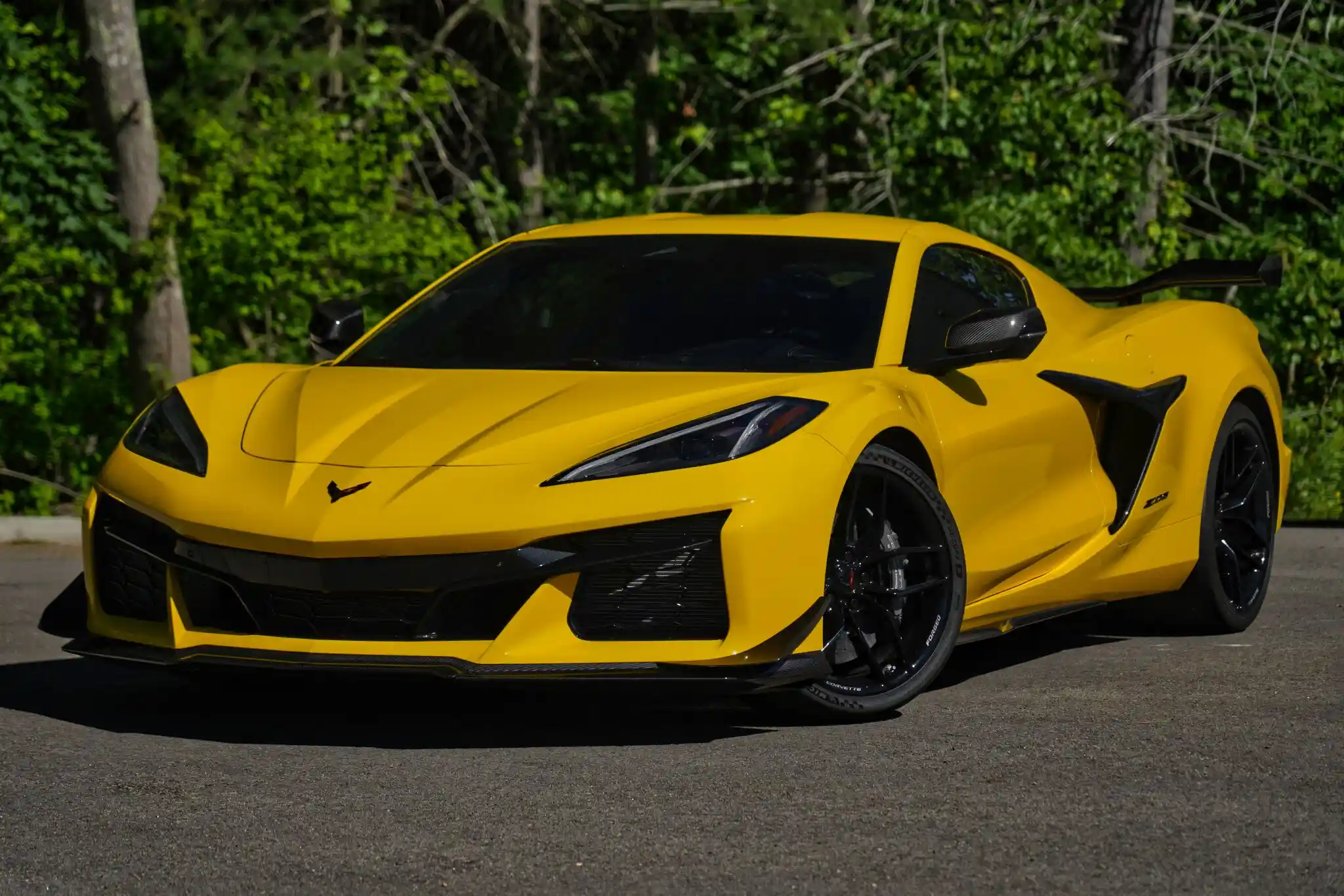
The short answer
Full-front paint protection film covers the front impact areas. Full-body PPF extends that protection across the painted exterior. The main difference is how much paint you leave exposed, not whether one package uses better film than the other.
At Kickin’ Customs in Raynham, Massachusetts, our Front-End Defense package starts at $2,295, while Zero Exposure full painted-body coverage starts at $6,995. Those starting prices use standard XPEL ULTIMATE PLUS gloss film. Vehicle size, panel complexity, paint preparation, and custom coverage can change the final quote.
The larger package is not automatically the right choice. Start with how you drive, which areas concern you, and how much of the vehicle you want protected.
Compare the coverage
What Does Full-Front PPF Cover?
Our Front-End Defense package covers the full hood, full front fenders, front bumper, and mirrors, with headlight coverage subject to vehicle-specific suitability. It is a practical starting point when your priority is the front end rather than the entire painted body.
Full front is not the same as partial front. Full-front coverage uses the entire hood and front fenders rather than stopping partway across those panels. That avoids the film boundary across the face of the hood associated with partial-panel coverage. Edges and openings can still be visible on close inspection.
The important limitation is where the package stops. Doors, rocker panels, rear quarter panels, the rear bumper, and most of the roof are not included in our standard full-front package. Those areas need additional coverage when they are part of your protection priorities.
What Does Full-Body PPF Cover?
Our Zero Exposure package extends coverage across the painted exterior, including the front end, doors, rear quarters or bedsides, roof, rear bumper, and other eligible painted body panels. The final quote confirms the exact surfaces and any vehicle-specific exclusions.
“Full body” should not be treated as a promise that every surface on the vehicle is wrapped. Glass, wheels, interior surfaces, door jambs, and unpainted trim should not be assumed included. Headlights, exposed carbon fiber, and other specialty surfaces need their own fitment and coverage review.
Before comparing quotes, compare the actual panel lists. Two packages with the same name may not describe the same installation.
Full-Front vs. Full-Body PPF at a Glance
| Comparison | Full-front PPF | Full-body PPF |
|---|---|---|
| Kickin’ Customs package | Front-End Defense | Zero Exposure |
| Starting price | $2,295 | $6,995 |
| Main coverage | Full hood, front fenders, front bumper, mirrors, eligible headlights | Full painted-body coverage, with exact surfaces confirmed |
| Paint outside the front end | Exposed unless additional areas are selected | Covered across the agreed painted exterior |
| Strongest reason to choose it | Your main concern is front-end damage | You want protection beyond the front impact areas |
| Main tradeoff | Lower cost, but substantial paint remains exposed | Broader coverage, with a larger installation budget |
Both starting prices are based on standard XPEL ULTIMATE PLUS gloss PPF. The written quote confirms the material, preparation, coverage, and price for your vehicle.
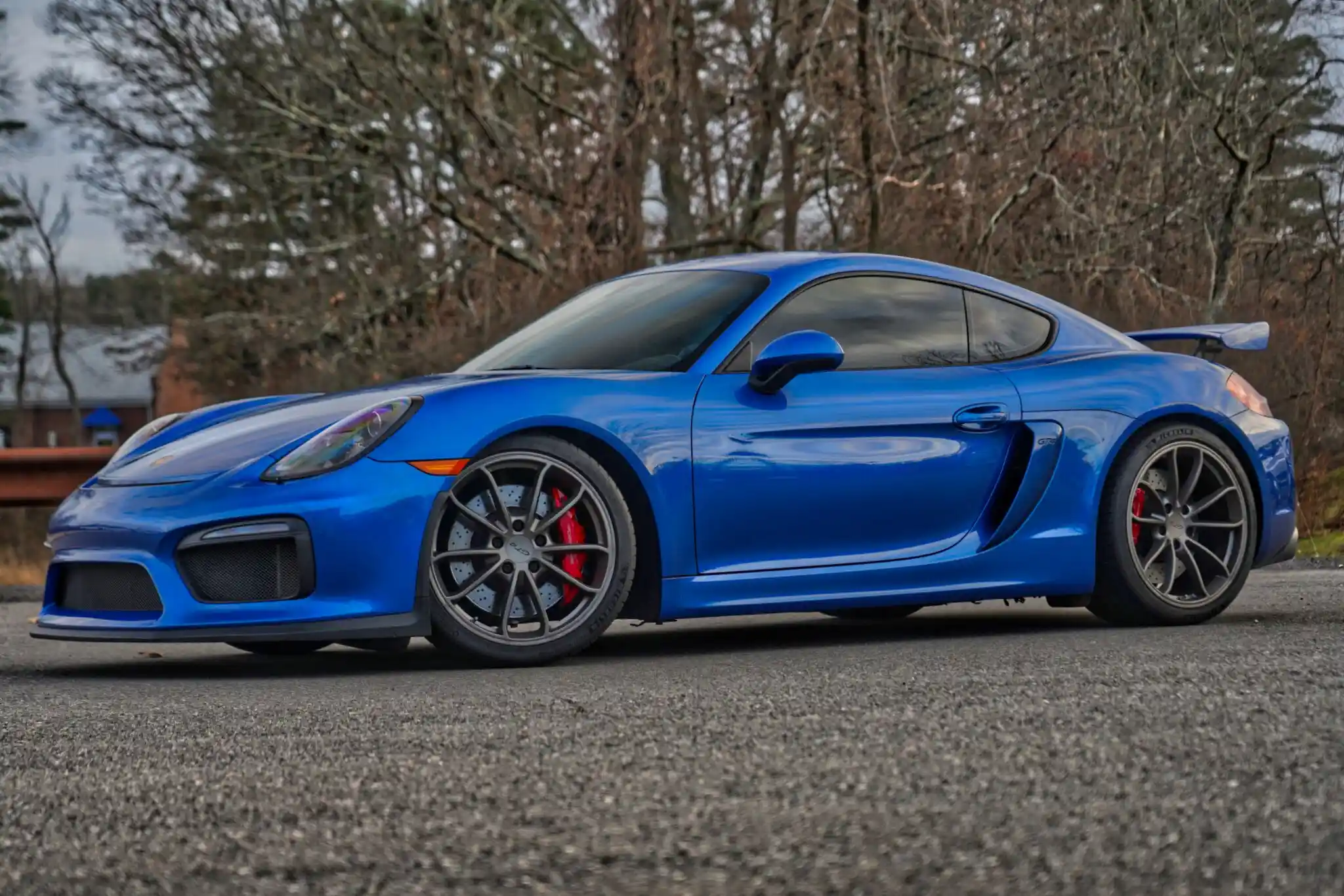
Choose your coverage
When Full-Front PPF Makes Sense
Your Main Concern Is the Front End
When you are primarily concerned about chips on the hood, bumper, and front fenders, full-front coverage is a reasonable place to start. Our package guidance uses Front-End Defense as a baseline for many daily drivers and highway vehicles.
Ask yourself whether you would be satisfied protecting those panels while leaving the rest of the body unwrapped. When the answer is yes, there is no need to choose full-body coverage simply because it exists.
You Want to Prioritize Your Budget
A focused coverage plan lets you spend on the areas you care about most.
The decision is not whether full-front PPF protects every part of the car. It does not. The decision is whether the coverage it provides fits your priorities at a price you are comfortable with.
You Are Comfortable With a Mixed Protection Plan
Some owners choose full-front PPF and a ceramic coating for the remaining paint. That is a reasonable combination when you want physical film protection at the front and easier maintenance elsewhere.
The distinction matters: a ceramic coating does not give the unwrapped doors and rear panels the same rock-chip protection as PPF. You are choosing two different types of protection, not creating full-body film coverage at a lower price.
When Full-Body PPF Is the Better Fit
You Care About the Entire Painted Exterior
Full-body coverage is worth considering when damage to a door, rear quarter panel, or rear bumper would bother you just as much as a chip on the hood.
For this owner, stopping at the front end leaves too much of the vehicle outside the plan. The value of full-body coverage is the additional protected surface, not a promise that nothing can ever happen to the paint.
You Plan to Keep the Vehicle and Preserve Its Finish
For a long-term keeper, we would consider how much you value maintaining the existing paint rather than focus only on the purchase price of the vehicle.
A daily-driven SUV can be a sensible full-body candidate. A weekend performance car can also be a sensible full-front candidate. The badge alone does not decide which package is appropriate.
Treat full-body PPF as a preservation expense, not a guaranteed financial return. We would not recommend assuming that resale value will repay the installation cost.
Your Concerns Extend Beyond Forward-Facing Panels
Our broader packages account for side-area exposure, including road rash, tire spray, gravel, and surface scuffs. Performance vehicles, wider bodywork, and particular driving conditions can make it worth reviewing those areas rather than assuming the front end is the only priority.
That does not make full-body coverage mandatory. It means the coverage discussion should include where your vehicle is actually exposed.
There Is a Middle Ground Between Full Front and Full Body
You do not have to jump directly from $2,295 to $6,995.
Apex Defense starts at $3,195. It builds on Front-End Defense by adding rocker panels, A-pillars, and leading-roof coverage. It is worth considering when the front package is close to what you need but leaves specific exposure areas unprotected.
Urban Armor starts at $5,195. It adds full doors and rear quarters or bedsides to the Apex coverage plan. This provides broader side protection without selecting full painted-body coverage.
These are increases in coverage, not a claim that each package uses thicker film. Review the vehicle and the actual panel list before deciding which step makes sense.
Installation and paint condition
Installation Details Matter as Much as the Package Name
A coverage comparison is only useful when the installation details are clear.
At Kickin’ Customs, we select vehicle-specific patterns, modified precuts, custom coverage, and bulk methods according to the panel. We wrap edges where the vehicle’s design and installation conditions allow. The goal is an appropriate fit and finish, not a promise that every edge can be hidden.
Your quote should make the film, covered panels, preparation, edge treatment, and any agreed component removal clear. Specialty surfaces and existing repairs should be discussed before installation, not discovered at pickup.
More disassembly is not automatically better. The appropriate approach depends on access, the vehicle, the condition of its components, and the agreed finish.
Paint Condition Matters Before Either Package
Clear PPF is not a replacement for paint repair. Existing chips, scratches, touch-up, and other defects can remain visible beneath the film. At intake, we review the finish and discuss whether correction or other preparation is appropriate before installation.
A new vehicle still needs an inspection. Do not assume that its delivery mileage answers every question about the condition of the paint.
Tell us about repainting, body repairs, previous film, and existing coatings. Preparation should be based on the actual finish and included in the quote where required. A complete correction is not something to assume comes with every coverage package.
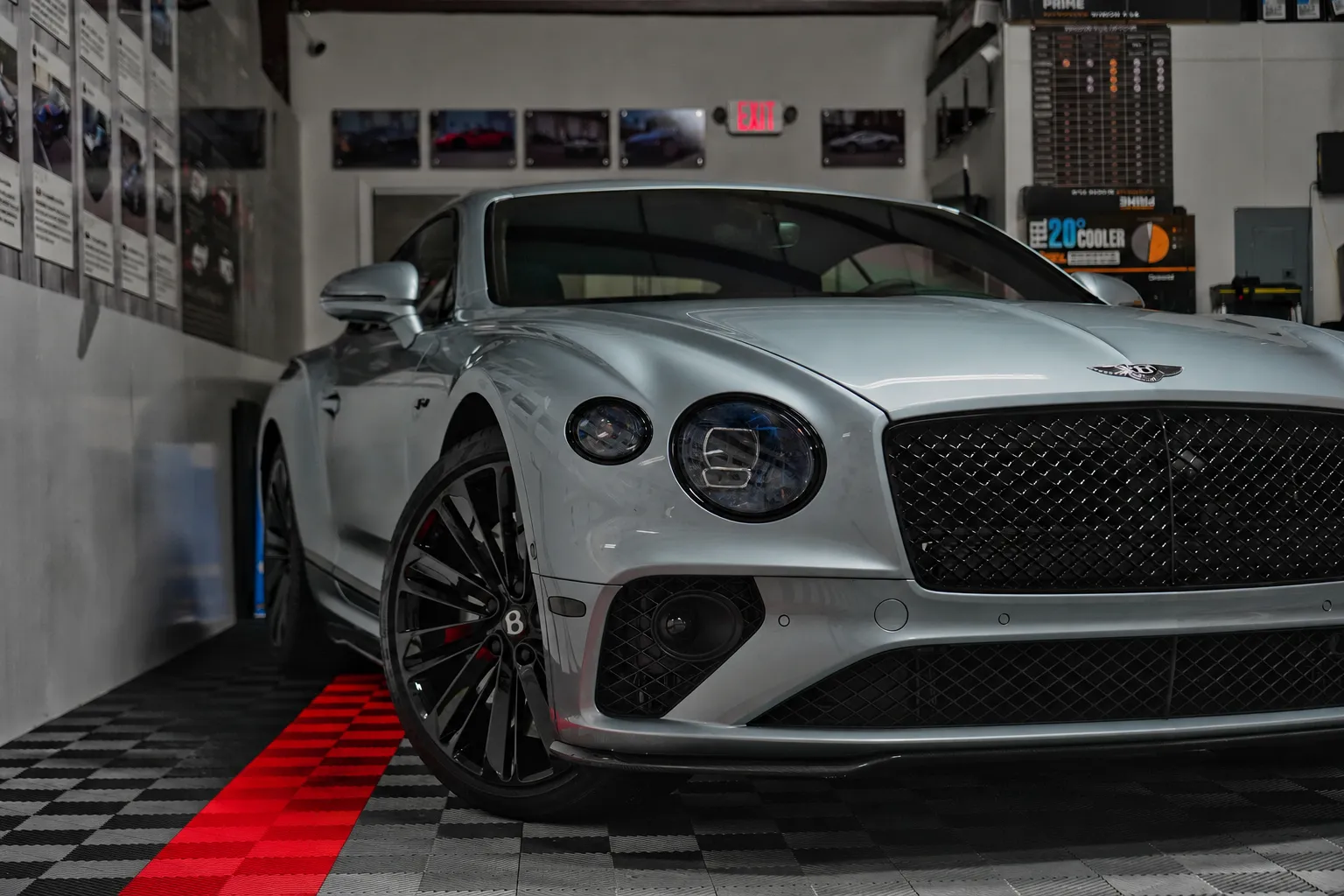
Protection and care
What PPF Can and Cannot Do
XPEL ULTIMATE PLUS is designed to help reduce damage from rock chips, minor scratches, and scuffs on covered surfaces. Its self-healing surface can recover from light scratches, but deeper cuts and damage that penetrate the film may require replacement.
PPF does not stop a panel from denting. It is not a guarantee against door dings, collision damage, deep punctures, or every impact from road debris. Full-body coverage changes how much of the vehicle is protected, not those limitations.
The film is also a replaceable layer. A damaged section needs to be assessed along with the paint underneath rather than assumed to be a warranty defect.
Warranty and Care Are Part of the Decision
XPEL provides a 10-year limited product warranty for qualifying ULTIMATE PLUS installations, covering specified manufacturing defects such as yellowing, cracking, blistering, and delamination. The written terms and exclusions apply. That product warranty is not a promise to replace every section damaged by a rock or other outside force.
At Kickin’ Customs, the complimentary three-week inspection is required for our workmanship coverage. It gives us an opportunity to review the installation after the film has had time to settle.
Whether you choose full front or full body, follow the delivery instructions. Remove contamination promptly, wash carefully, and keep high-pressure spray away from film edges. A larger coverage package does not eliminate routine maintenance.
Frequently asked questions
Can I Start With Full-Front PPF and Add More Later?
Yes, additional coverage can be planned later, subject to the condition and suitability of the remaining surfaces. We would inspect those panels before installing more film. Any damage that occurs while they are exposed does not disappear simply because they are wrapped afterward.
For a staged project, discuss the eventual coverage goal at the beginning so the first installation fits that plan.
Is Full-Body PPF Only Worth Considering on an Exotic Car?
No. Our recommendation depends on your protection priorities, ownership plans, and budget. A full-body installation may suit an owner who is particular about a daily driver, while a targeted package may be enough for someone with a more expensive weekend vehicle.
Does Full-Front PPF Protect the Windshield?
No. Our Front-End Defense package is not windshield coverage. Windshield protection film is a separate service and should be discussed separately when glass protection is one of your priorities.
How Long Will the Vehicle Need to Stay at the Shop?
Full-body and extended PPF projects can require multiple days. The schedule depends on the vehicle, covered surfaces, preparation, and installation requirements. We confirm the drop-off and completion window with your project rather than promise one turnaround for every vehicle.
Plan your next step
Choose the Coverage That Fits How You Own the Vehicle
Full-front PPF is a sound choice when you want the front impact areas protected and accept leaving other panels exposed. Full-body PPF is the more complete option when preserving the painted exterior as a whole is your priority.
When your needs fall between those two, extended coverage may be the better answer.
Kickin’ Customs installs PPF at our Raynham, Massachusetts shop for vehicle owners throughout Southeastern Massachusetts and Rhode Island. Send your year, make, model, driving habits, and main concerns through our quote form. Include any known paint repairs or existing film so we can help you compare the right coverage options.
Request Your Vehicle-Specific PPF Quote
