
Transmitted
Some solar energy passes through the glass and into the room.
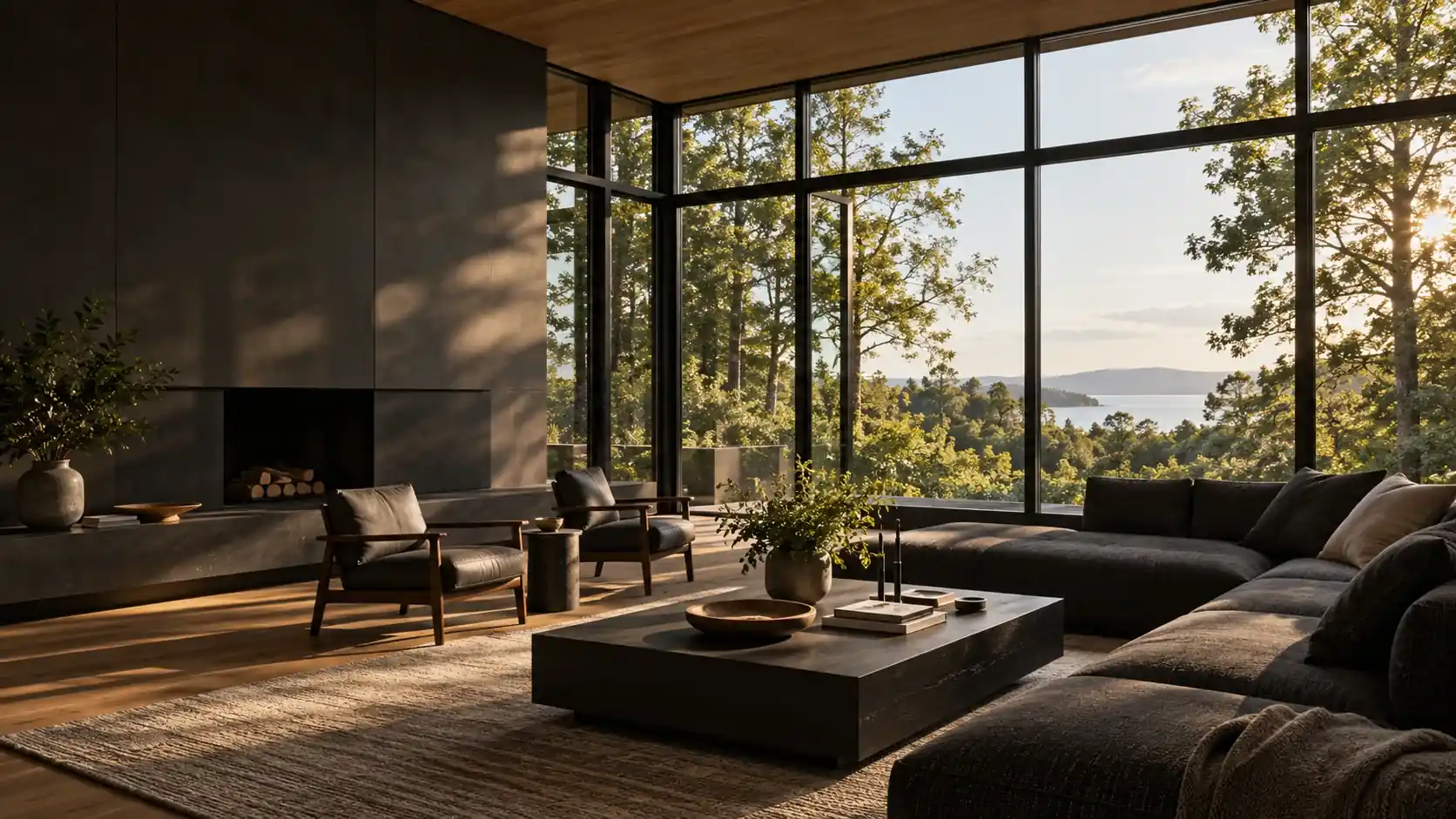
Help manage heat, glare and UV exposure while choosing the daylight, outward view and appearance that fit your space.
A starting direction for a conversation, not a final product or glass approval.
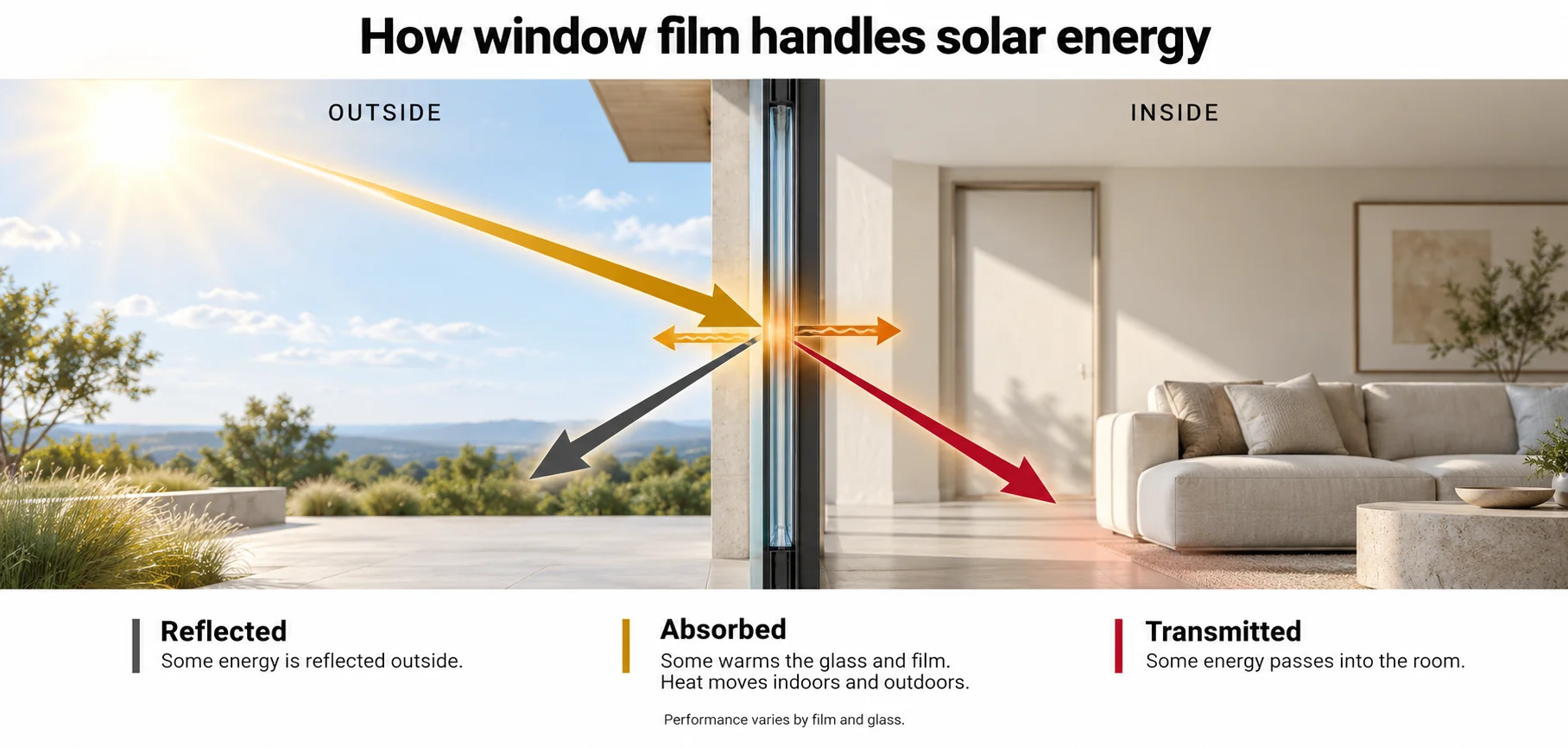
Some solar energy passes through the glass and into the room.
Some solar energy is reflected away from the glass.
Some energy warms the glass. That heat can move toward both the inside and outside.
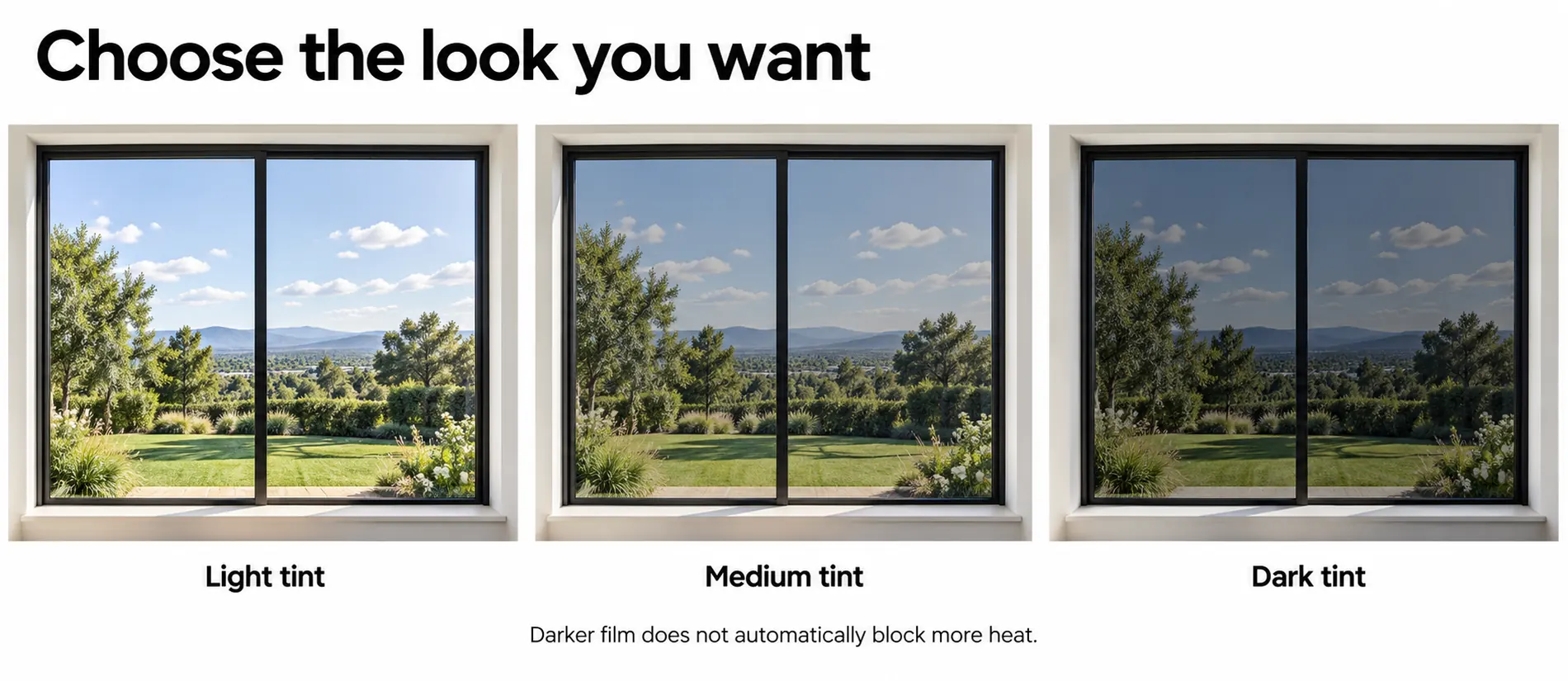
A darker film does not automatically block more heat.
Lighter films can help reduce heat while keeping more daylight and a clearer view outside.
They usually reduce less glare than darker films. We’ll help you compare how each option looks and performs on your windows.
XPEL options: Clearview Alloy, Ceramic and Plus.
A neutral tint can help reduce heat and glare without choosing the darkest or most reflective finish.
The room may look slightly dimmer, and reflections vary by film. Compare samples to find a balance you like.
XPEL options: Daylight.
Darker film can make TV screens and computer displays easier to see by cutting more bright sunlight.
It also reduces daylight and darkens the view. You may notice reflections indoors at night. A darker film does not automatically block more heat.
XPEL options: Dark Neutral.
Reflective film gives windows a more mirrored look from outside and can help reduce the sun’s heat.
The change is more noticeable. We’ll check how it looks on your building, how much glare it reduces and where reflected light falls.
XPEL options: Metallic Blend, Evening View, Silver and Bronze.
Some all-season films are designed to reduce summer heat and help limit heat escaping through suitable windows in winter.
Brightness, reflections and glare control vary by product. We’ll check which option suits your windows. Energy savings depend on the property and cannot be promised.
XPEL options: All Season Intelligence.
Some windows call for film designed for the outside surface. We’ll confirm whether it suits your glass and how we can safely reach it.
The look, heat control and glare reduction depend on the film. Outdoor exposure, edge protection, cleaning and warranty requirements also need to be considered.
XPEL options: Exterior Blend, Clear Performance, Neutral and Silver.
We’ll check your windows, compare suitable samples and confirm the exact film in your written proposal. These options are a starting point, not a guarantee that every film is available or suitable for every window.
Solar film can address selected energy coming through the glass. It does not correct air leakage, poor insulation, roof heat, humidity, equipment heat, ventilation or every HVAC issue. Fixed temperature reductions, utility savings and payback are not promised.
Review the exact film’s UV transmission. Visible light, heat, material and dye chemistry, age, moisture, cleaning and exposure time also contribute. Film cannot eliminate all fading.
Adjustable shades, blinds or exterior shading may help with changing light and privacy. Damaged glass, failed seals, frame defects and leaks may call for repair or replacement. Film is not a repair for deficient windows.
A useful analysis identifies the film-and-glass combination, building baseline, utility history, weather, operating schedule, equipment and calculation method. Portfolio maximums do not establish the result at your property.
Home offices, TV rooms, bedrooms and sunrooms have different priorities. Consider sun path, screen position, existing shades, daylight, the view and nighttime privacy alongside heating and cooling.
Review screens and displays, facade consistency, lease requirements, occupied hours and cleaning access. Future replacement panes and changes in room use can also affect the plan.
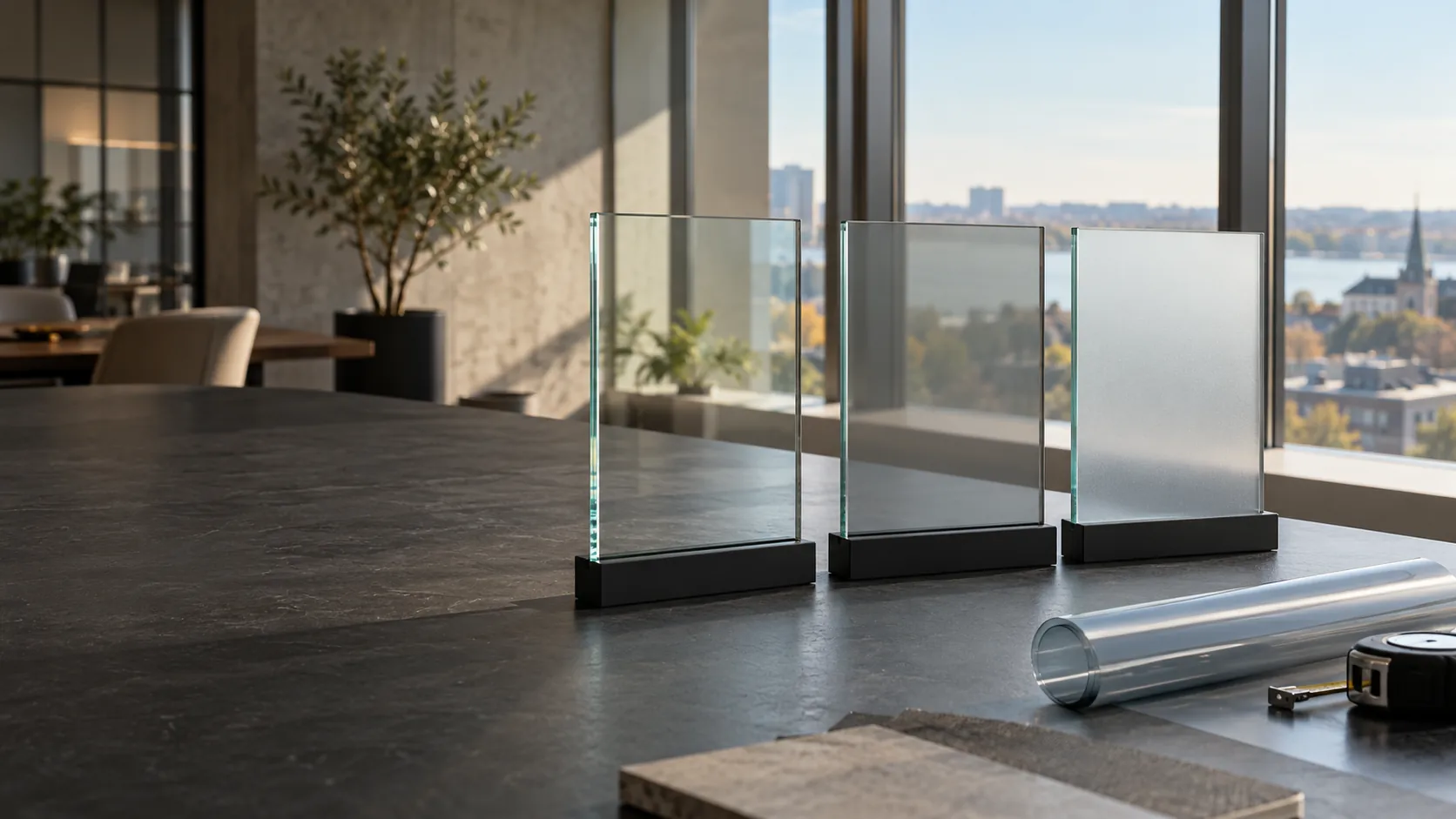
Color, daylight, view and facade consistency can change with adjacent untreated panes, replacement glass, blinds, shadows and viewing angle. Look from inside and outside at relevant times.
A small sample helps you judge the look. It does not predict heat performance or how every window in the building will perform.
We check what type of windows you have, their coatings and condition, and how much sun they receive. These details help us choose a suitable film and plan safe access.
The right answer may be another film, more review, another system or no installation.
Learn about the project reviewShare what happens, when it is worst and what you want to preserve.
Review the glass and conditions, then compare suitable films and samples.
Confirm the written proposal before installation and keep the care and warranty handoff.
Drying time varies. Temporary haze or moisture may occur; wait for the installer-approved cleaning period. Use approved cleaner and clean, soft, nonabrasive tools. Avoid blades, scrapers and anything that can lift an edge.
Film Care & MaintenanceCoverage follows the exact film, property use, installation, required records and current written XPEL terms. There is no one warranty for every architectural project.
Review warranty guidance| Measure | Useful meaning | Important boundary |
|---|---|---|
| Daylight passing through (VLT) | Roughly how much visible light passes through the filmed glass. | Not a heat-rejection or privacy rating. |
| Total solar energy rejected (TSER) | A broader measure of how the film-and-glass combination manages incoming solar energy. | Not the same as infrared rejection. |
| Solar heat entering through the glass (SHGC) | How much of the sun’s heat enters through the glass system being measured. | Compare the same assembly and test basis. |
| Visible reflectance | How much visible light bounces back from the inside or outside of the glass. | Both sides and actual lighting affect appearance. |
| UV transmission | How much ultraviolet light passes through under the stated test conditions. | Low UV transmission does not mean zero fading. |
| Infrared energy rejected (IR rejection) | How the film handles the part of the infrared range being measured. | A selected wavelength is not the whole solar spectrum or TSER. |
| Heat transfer in colder conditions (U-factor) | How readily heat passes through the glass system without direct solar heating. | Not every film improves winter performance; the product and glazing matter. |
Compare current data for the exact film, glass and installation side. Film-only, film-on-clear-glass, tinted-glass, center-of-glass and whole-window figures are not interchangeable.
Film changes how glass handles heat. We check your window type, coatings, condition and sun exposure before recommending a film. Some windows need another product, further review or no installation. That review does not guarantee against glass breakage or failure of the seal between panes.
Yes, a suitable solar film can reduce some of the sun’s heat entering through glass. The result depends on your film, windows, sun exposure and room conditions, including shade and heating or cooling.
The answer depends on the exact film and your glass. We compare the correct product data for your windows rather than quoting the best number from the entire product line.
No fixed temperature drop can be promised. Film addresses heat through the glass, while weather, shade, insulation, air leaks, roof heat, room activity and heating or cooling also affect comfort.
It may reduce cooling demand, but savings are not guaranteed. A useful estimate needs your actual windows, building, energy use and operating conditions. We can discuss whether an energy analysis is appropriate.
Yes, selected clear-view films help manage solar heat while keeping more daylight. They usually reduce less glare and provide less visual screening than darker options.
They measure different things. Infrared rejection describes performance over a stated part of the infrared range. Total Solar Energy Rejected (TSER) considers the broader solar spectrum and heat transfer under the stated test conditions. The figures are not interchangeable.
Yes. Darker films generally reduce more visible glare, but also reduce daylight and change the view. We help balance those tradeoffs for the room.
UV filtering depends on the exact film and its tested performance. It reduces one contributor to fading, but cannot stop all fading, aging or material deterioration.
Not reliably. When the room is brighter than outside, reflective privacy can weaken or reverse and make the inside easier to see. Plan separate nighttime privacy where needed.
Some combinations are suitable and others are not. We check the exact window, energy-saving coating, glass condition, sunlight and proposed film against current product guidance before approving the installation.
A few everyday details are enough to begin. You do not need to identify the film or know the type of glass.
Our Raynham team reviews projects across Southeastern Massachusetts and Rhode Island.
Add your contact details and check Your Message before submitting. Nothing is sent until you submit the contact form.
Add your contact details and check Your Message before submitting. Nothing is sent until you submit the contact form.
If the embedded form does not load, open the contact form or continue with your project details.
244 North Main Street, Raynham, MA 02767
Monday-Friday, 9:00 AM-6:00 PM

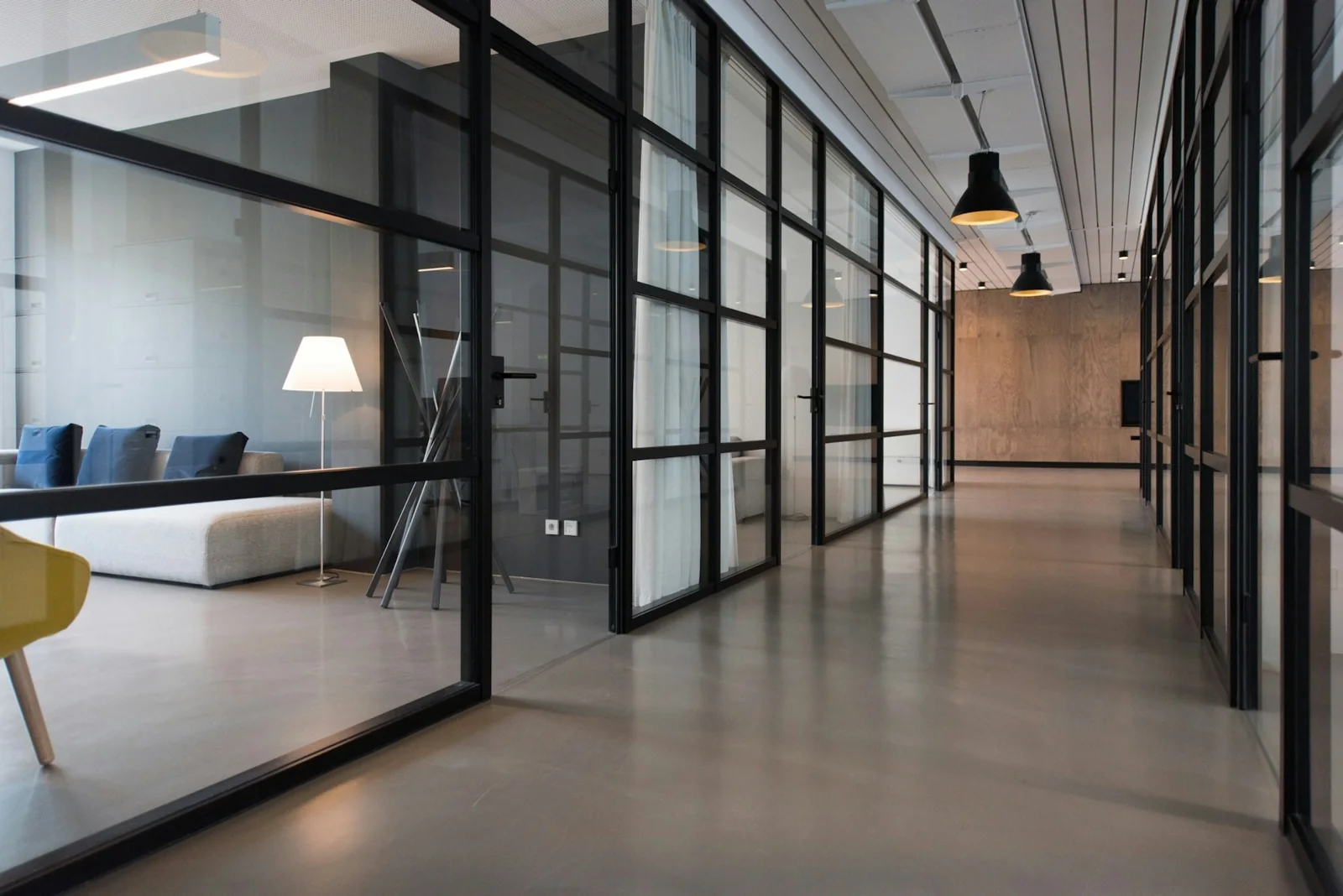
Plan visual separation, design and branding around the glass.
Read article ↗