
Partial band
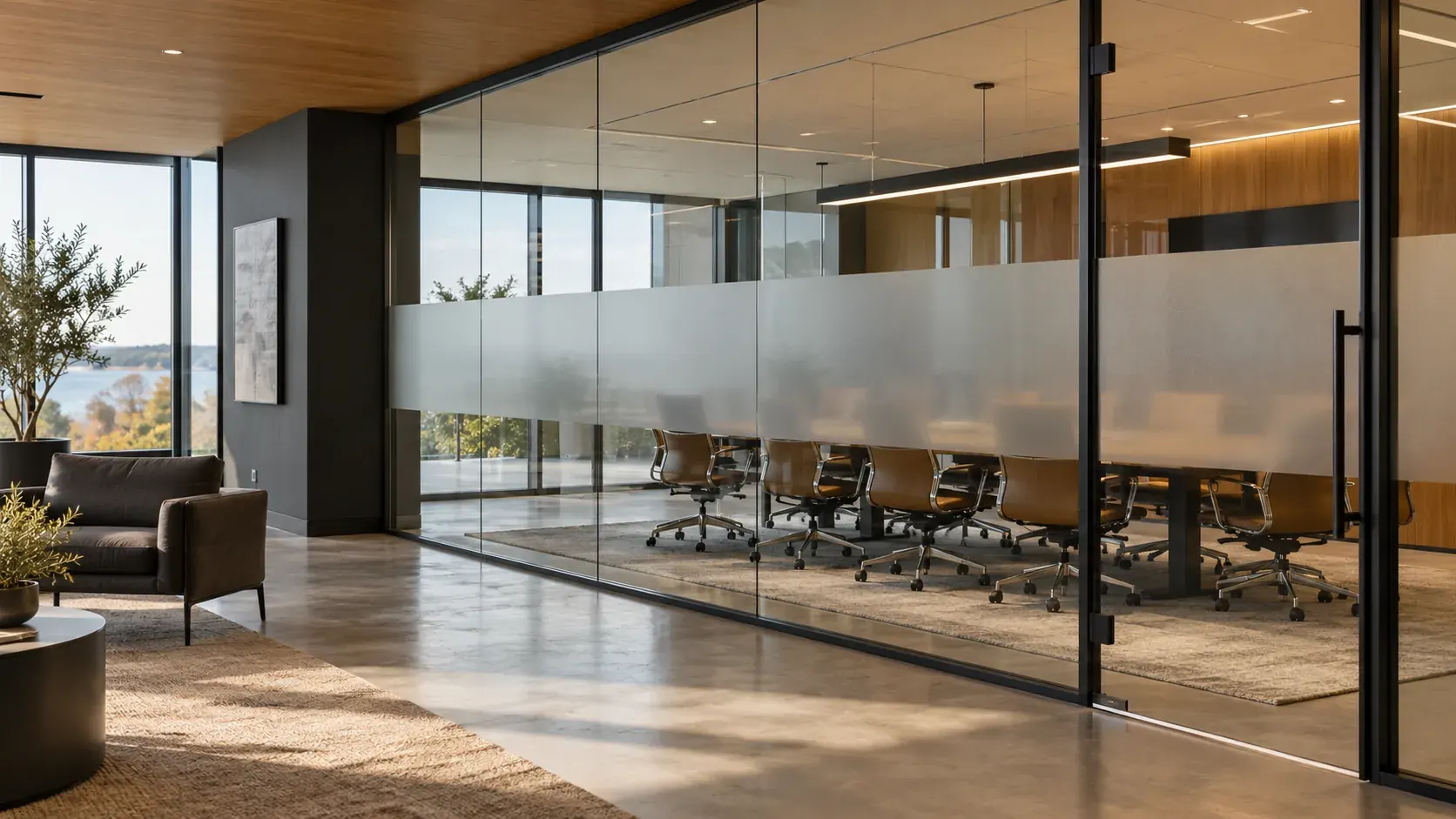
Blur the view at the height where privacy matters while preserving clear glass above or below. A seated meeting and a standing conversation can need different coverage. The transition between film and clear glass remains visible.
Add frost, privacy bands, patterns or approved branding to compatible glass without replacing the glass.
For a bathroom, office, conference room or side window, start with the light, view and coverage height you want. A sample helps you check shadows and silhouettes.
Choose the coverageFor a logo or custom pattern, we plan the design across the glass and confirm the artwork and written approval before production.
Plan custom brandingA starting direction for a conversation, not a final product or glass approval.
Decorative film can soften a view, define a partition or carry approved branding on serviceable, compatible glass.
Blur the view at the height where privacy matters while preserving clear glass above or below. A seated meeting and a standing conversation can need different coverage. The transition between film and clear glass remains visible.
Give the covered pane a consistent frosted or opaque direction. Frost allows varying light while obscuring detail; opaque material blocks the normal view and changes daylight. Adjacent clear panes can still allow another view.
Use clear areas deliberately within a cut pattern or logo layout. Those openings are also sightlines. The spacing, scale and alignment should work across the complete glass area, not just one isolated pane.
Look at the full glass area, including doors, side windows, frames and dividers. A band that works while seated may not give the same privacy while standing. For continuous designs, we agree on what the pattern should line up with.
| Direction | What to explore | What to review |
|---|---|---|
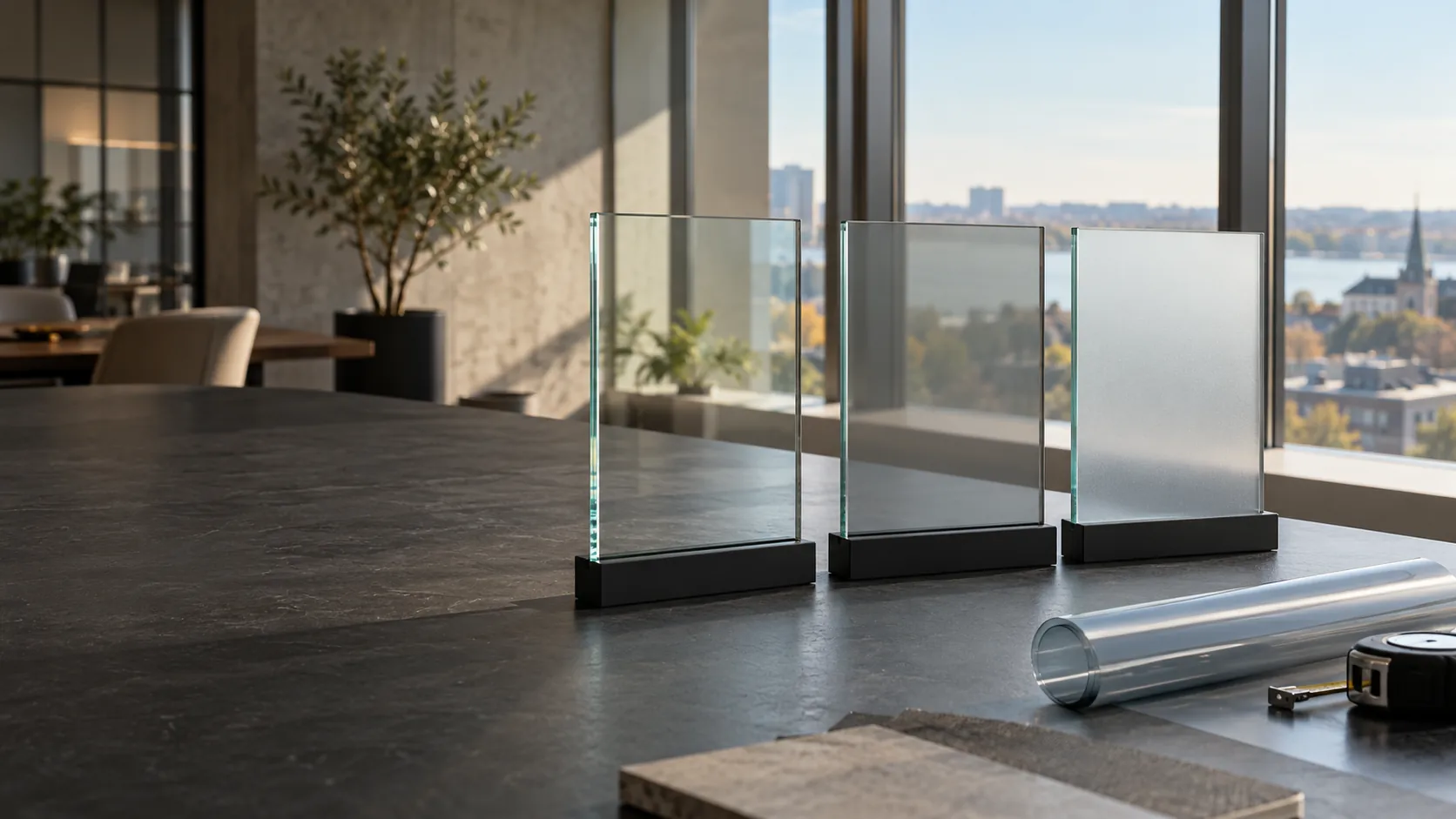
| Dusted Crystal | A dusted, etched-glass-style finish. | Compare its actual appearance and obscuration on your glass. |
| White Frost | A white frosted appearance for visual separation. | Light, frost density and silhouettes vary with the actual material and conditions. |
| Black Out | An opaque, normal-view-blocking direction. | Daylight loss, appearance, glass compatibility and heat absorption. |
| Partial-height band | A defined band with clear glass above or below. | Height, standing and seated views, doors and adjacent openings. |
| Custom-cut pattern | A repeated or tailored design with intentional clear spaces. | Scale, fine detail, alignment, cuts, seams and cleaning. |
| Logo / branded layout | Authorized identity or lettering on the glass. | Reading side, production detail and written proof approval. |
Film is an applied material. Edges, cut lines, seams and coverage transitions may remain visible and need appropriate care. Close subjects, strong backlighting, movement and clear gaps can still reveal silhouettes or detail.
Decorative film changes the look of glass and can limit what people see through it. It does not block sound or automatically add security protection, and it cannot replace glass or walls that must meet a safety rating.
For logos or branding, you need permission to use the artwork. Any required property approvals still apply.
Vector files are preferred when available: AI, EPS, SVG or print-ready PDF. Include written permission to use the design, brand colors, clear-space rules, minimum sizes, typefaces and intended viewing side. We arrange file transfer during follow-up.
Raster artwork may need rebuilding. Small text, fine cuts, tight corners and detailed marks may need simplification for production, cleaning and durability. A single cut logo normally reads correctly from one side and reversed from the other. Two-sided or layered concepts need a specific material and alignment review.
The authorized contact approves spelling, dimensions, material, reading direction, clear areas, cut lines, seams, alignment and revisions before production. An inquiry or reference image is not production approval. A screen proof cannot guarantee physical color, opacity, frost density or finished privacy. Compare a physical sample and, where appropriate, a test cut or first-article pane.
Bathrooms, entry sidelights, doors and room dividers can benefit from planned visual separation. Wet-area exposure, door movement, hardware and cleaning matter. Cabinet or display panels need their exact material and nearby heat sources reviewed.
Offices, conference rooms, clinics, retail and tenant spaces may need privacy, branding or consistent glass markings. Consider occupancy, emergency information, safety markings, accessibility, lease requirements and future tenant or brand changes.
Confirm the responsible approver and test the intended finish where privacy or appearance is important.
We check what type of windows you have, their coatings and condition, and how much sun they receive. These details help us choose a suitable film and plan safe access.
The right answer may be another film, more review, another system or no installation.
Learn about the project reviewChoose the visual goal, desired clear areas, room use and intended viewing side.
Document the group of windows, dimensions, conditions, access and compatibility.
Compare physical material and the proposed layout. Resolve appearance, sightlines and production detail.
The authorized contact confirms the final proof and written project proposal before production.
Produce and install the approved work, inspect it and provide the film record, care and applicable warranty guidance.
Custom branding can involve additional artwork or production steps. They are confirmed as part of the project.
Drying time and temporary moisture vary. Wait for the installer-approved cleaning period. Use approved cleaner and soft, nonabrasive tools; avoid blades, scrapers and lifting pattern edges.
Film Care & MaintenanceProfessional removal is condition dependent, not universally effortless, residue-free or damage-free. Glass, coatings, adhesive and film condition affect the work.
Warranty coverage follows the exact product, property use, installation, records and current written terms.
Warranty GuidanceAcrylic, polycarbonate, coated, textured and specialty surfaces need review of the exact material, gases it may release, how film adheres, and manufacturer approval. Do not assume a film approved for glass belongs on another material.
Opaque or dark material can change heat absorption. Contamination, silicone, unstable coatings, partial shading, signs, displays and existing damage can affect eligibility and appearance.
White Frost gives a stronger frosted look; Dusted Crystal is a lighter, subtler starting point. Compare physical samples on your glass, from the relevant sides and in your lighting. The exact product and whether it goes inside or outside can change the result.
Frost does not depend on a mirror effect, so it can blur detail as lighting changes. Strong light behind a nearby person may still reveal shapes or shadows. Check a sample under the nighttime lighting you will use.
It can. Strong backlighting, closeness to the glass, the film’s coverage and clear gaps all affect what remains visible. A sample on the actual glass gives the most useful preview.
Yes, frosted and dusted films can give an etched-glass-style appearance without replacing the glass. They remain applied film, with visible edges, seams, cut lines and their own care needs.
Yes. Bands, borders, patterns and clear cutouts can keep selected views and daylight. We plan the height and spacing around actual seated and standing views.
Yes, when the glass, material and design are suitable. We need authorized artwork and written approval of the full layout before production. The custom-branding details below explain file and approval requirements.
Yes. Suitable material can form bands, stripes, borders, geometric designs or logos. Very fine details may need simplifying. Complex patterns add cutting, alignment, cleaning and future replacement considerations.
An approved opaque or Black Out film can block the normal view through the covered area. Seams, edges, doors, nearby clear glass and openings in a design still matter.
Many films can be professionally removed. The adhesive, age, glass or surface condition, coatings, design and access affect the work. Removal is not always quick, residue-free or damage-free.
We quote the film, amount of glass, coverage, preparation and access, plus any design, artwork approval or custom cutting. Existing film and scheduling also affect the work. See Pricing & Consultation for the full process.
A few everyday details are enough to begin. You do not need to identify the film or know the type of glass.
Our Raynham team reviews projects across Southeastern Massachusetts and Rhode Island.
Add your contact details and check Your Message before submitting. Nothing is sent until you submit the contact form.
Add your contact details and check Your Message before submitting. Nothing is sent until you submit the contact form.
If the embedded form does not load, open the contact form or continue with your project details.
244 North Main Street, Raynham, MA 02767
Monday-Friday, 9:00 AM-6:00 PM
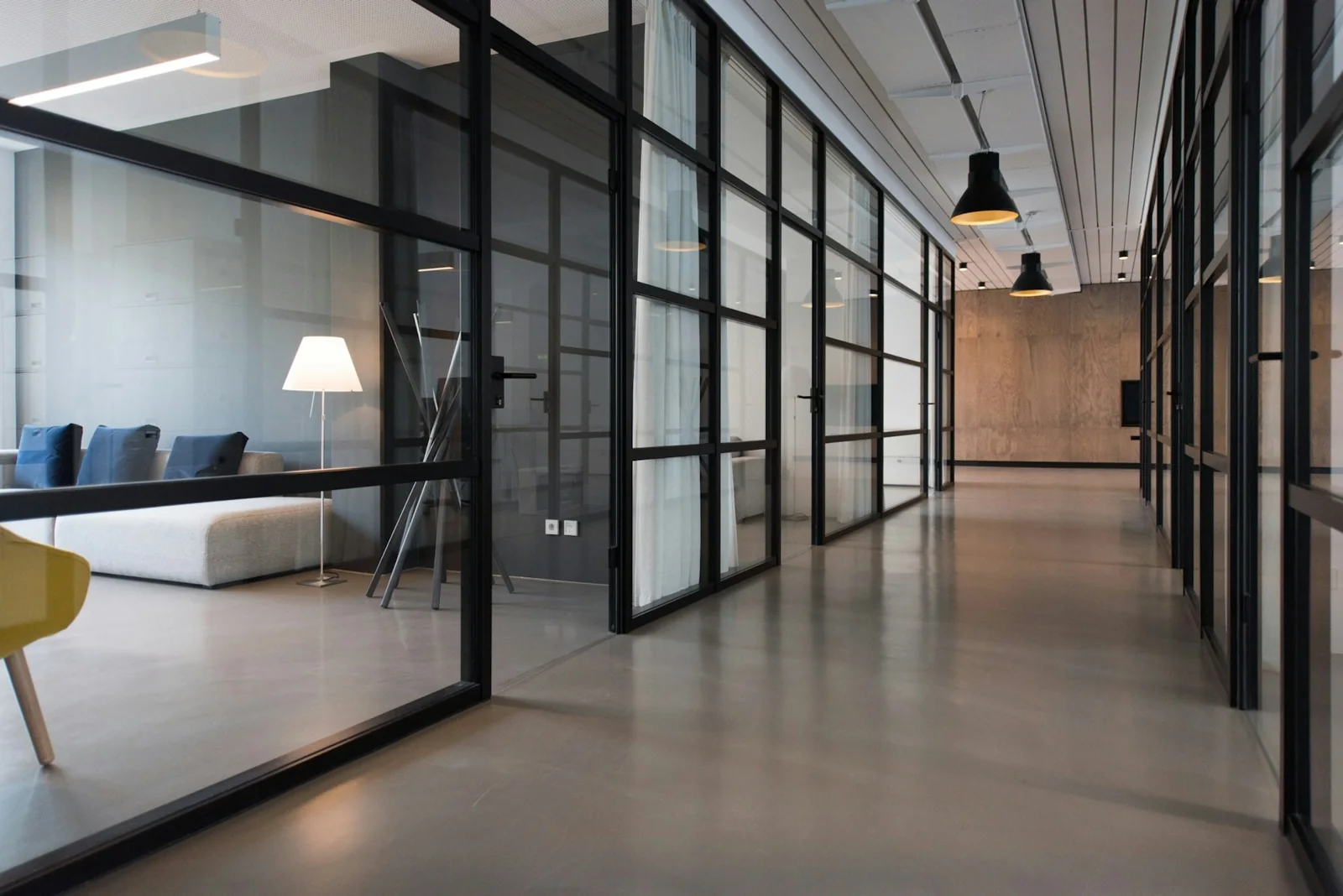
Plan visual separation, design and branding around the glass.
Read article ↗