Compare Tint Percentages Before You Choose

Window Tint Shade Guide for Massachusetts & Rhode Island

See how common VLT levels affect appearance, privacy, and visibility, then compare the result with your vehicle, factory glass, and driving routine.

Higher VLT = LighterLower VLT = Darker

Window Tint percentages describe visible light transmission, or VLT. This guide is a visual starting point, not a glass measurement, exact vehicle preview, or legal approval.

Call 617-431-6858
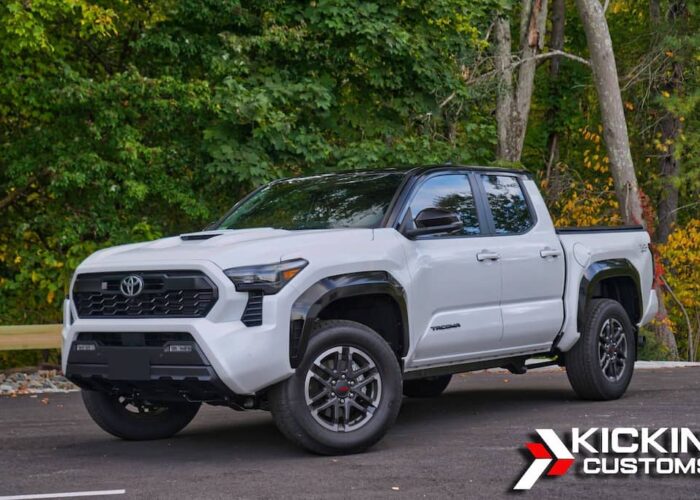
White Toyota Tacoma with XPEL Color Stable film, photographed outdoors
Serving vehicle owners since 2012
600+ five-star Google reviews
XPEL Certified Center
Tesla & Rivian network partner

Start with the number

What Do Window Tint Percentages Mean?

The percentage is the amount of visible light transmitted through the tested material. A 70% film is very light. A 35% film is a medium shade. A 20% film is dark. A 5% film is extremely dark.

70%Very light
55%Light
45%Light–medium
35%Medium
30%Medium–dark
20%Dark
15%Very dark
5%Extremely dark
Higher VLT / lighterLower VLT / darker

The number printed on a film sample is not automatically the final reading after installation. Automotive glass already reduces visible light, so the measured glass-and-film combination can be darker than the film label.

Film label ≠ final meter reading

Why Can 35% Film Measure Darker Than 35%?

Film VLT describes the film. Legal testing and real-world appearance involve the glass and film together. Because factory glass is rarely 100% clear, the combined reading is lower than the film's listed VLT.

Factory glass75%
×
Film35%
≈
Estimated combined26%

This formula is an estimate. Manufacturing tolerances, meter accuracy, glass construction, coatings, film batch, curved glass, and testing conditions can affect the reading. A calibrated VLT meter on the actual vehicle is the practical decision point.

An educational estimate

Combined VLT Calculator

Multiply the factory glass VLT by the film VLT to estimate how much visible light passes through both.

This is an estimate only. Actual readings can vary because of glass construction, coatings, film tolerance, meter calibration, curved glass and test conditions.

An actual vehicle measurement is the practical decision point.

Enter percentages from 0 to 100. Decimal values are accepted.

Estimated Combined VLT≈ 26%

0.75 × 0.35 = 0.2625 ≈ 26%

Estimate only

Your visual starting point

Compare Window Tint Shades

Use our configurator for a simple look at lighter and darker options. Bring your preferences to the shop, where we can compare real samples beside your vehicle.

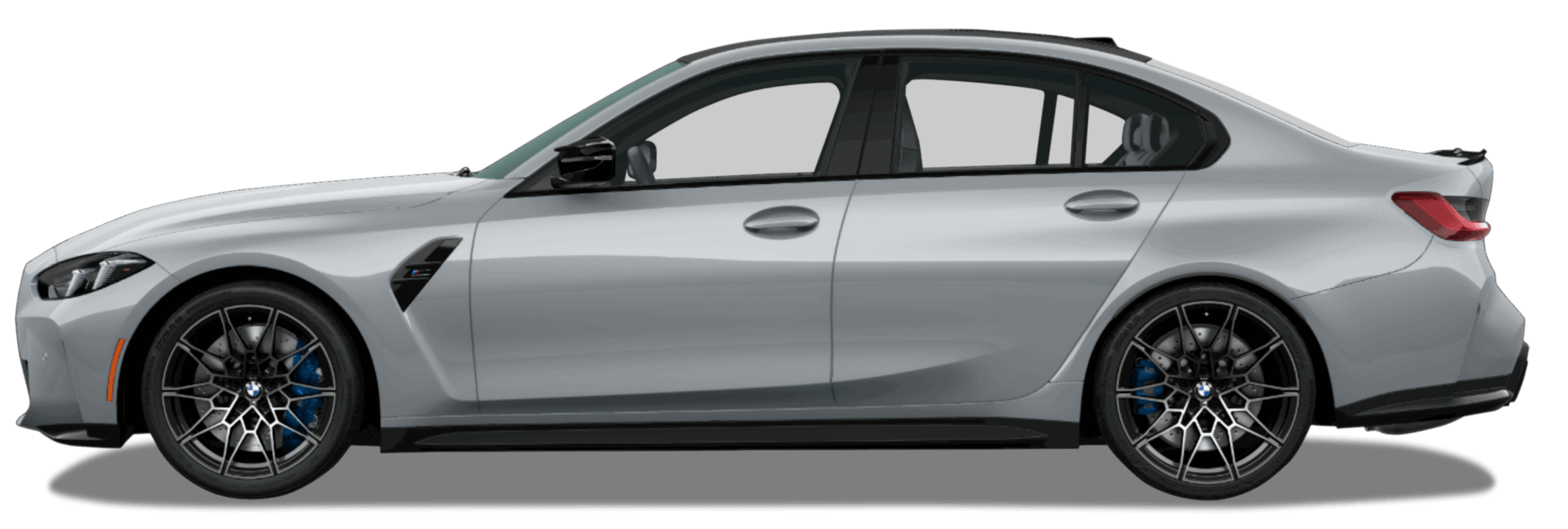
Window tint configurator vehicle illustration

Compare the look, then the next lighter shade.

Daylight can make exterior privacy feel stronger than it will with the cabin lit after sunset. Compare physical samples beside your vehicle before deciding.

No applied film still leaves the vehicle’s factory glass in place.

Preview Tint Shades

Select a shade to explore the look. Use the preview as a starting point, then compare samples on your vehicle.

Preview preferenceNo Film

No Film is an untreated-glass reference, not a 0% film.

A starting point for a conversation. We help you choose the product, shade and coverage.

This is a visual estimate. Actual appearance varies with the vehicle, factory glass, interior, lighting, glass angle, exterior color, surroundings, display, camera exposure, film product and shade availability. Final selection should use physical samples, actual vehicle glass and VLT measurement where needed.

Review MA & RI Window Tint Laws →

Common film shades

Window Tint Percentage Comparison

Use these examples to picture looking into a vehicle during daylight. Existing glass, interior color, sunlight and viewing angle all affect what you can see. Factory rear privacy glass varies by vehicle, so a similar shade does not guarantee a match.

General daylight examples for film over lightly tinted factory glass
Film ShadeDaytime AppearanceWhat You May See From OutsideDriving After Dark
70%Nearly clear, with a subtle tint.Faces, seats and cabin details usually remain plainly visible. Little added privacy.Keeps an open outward view, although the glass and film still reduce light.
55%A light tint with an open-looking cabin.Occupants and most interior details are generally easy to see in daylight.Suitable to compare when maintaining low-light visibility is a priority.
45%A visible gray tone without a dark-window look.Faces and seats usually remain recognizable; small details are less distinct in a shaded cabin.Unlit surroundings may look dimmer through the side glass.
35%A medium tint with noticeable daytime privacy.Occupants are usually recognizable, but facial details and items inside become harder to pick out.Consider side-road visibility, mirrors and reversing in poor lighting.
30%A medium-dark appearance with some view into the cabin.People and seat shapes remain visible in good light; occupants may look more shadowed in a darker interior.Dark roads, rain and unlit parking areas deserve extra consideration.
20%A dark look often compared with SUV or truck rear privacy glass.Occupants may appear as shadowed figures. Faces and objects can still be visible in bright light or from close range.Reduced side visibility is more noticeable when checking mirrors or reversing.
15%A very dark, privacy-focused appearance.Silhouettes and movement may be easier to see than facial details. Cabin lighting can make occupants more visible.Side-road checks, mirrors and parking become more difficult in low light.
5%An extremely dark look that can appear nearly black.Often only vague silhouettes are visible from outside in daylight. It does not make the cabin invisible in every condition.Strongly limits outward visibility at night, especially on unlit roads.

These are appearance examples, not measured results or visibility guarantees. Tint does not provide one-way privacy. Shade alone does not determine heat rejection, and suitable coverage depends on your vehicle and glass position.

Light shades

A Lighter Look. A More Open View.

70%Very light

70% Tint: Very Light With Minimal Appearance Change

A 70% film is intended for drivers who want a light look and do not want the glass to appear substantially darker. It is often considered when UV filtering or ceramic performance matters more than privacy styling.

The installed glass can still measure darker than 70%, and the film may create a subtle tone or reflection depending on the product, glass, lighting, and viewing angle.

50–55%Light

50% to 55% Tint: A Light, Noticeable Tone

A 50% to 55% film creates a light shade that is more visible than 70% while maintaining relatively open outward visibility. It can suit drivers who want a restrained appearance, but it should not be selected for strong privacy.

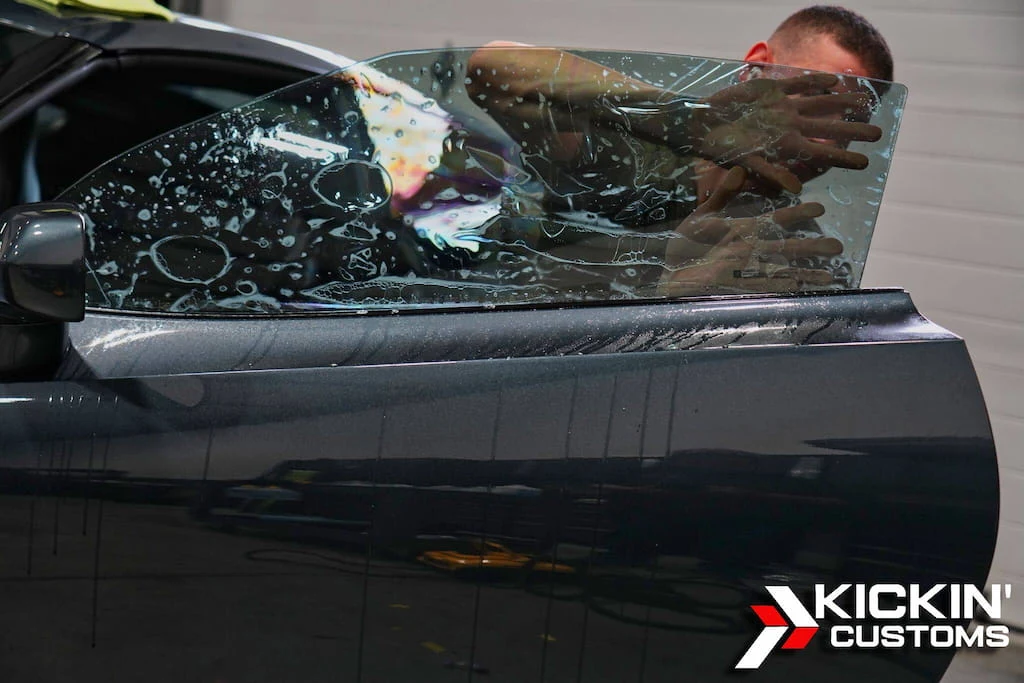
Kickin’ Customs installer applying window film to side glass

Light–medium shade · 45%

45% Tint: A Lighter Middle Ground

A 45% film offers a restrained styling change while letting more visible light through than a 35% film. It is a useful starting point for drivers balancing appearance with a more open outward view.

Factory glass already reduces visible light, so the installed glass-and-film reading will be lower than the film’s nominal percentage. We measure your actual glass and review the applicable requirements before confirming a shade.

Review measured VLT & Window Tint Laws →

35% Window Tint: A Balanced Medium-Dark Appearance

A 35% film makes a noticeable appearance change and generally adds more daytime privacy than a lighter film, while allowing more outward visible light than 20%. Consider your nighttime driving. Factory glass can lower the finished VLT below the nominal film rating, so eligibility depends on your vehicle, the glass position and applicable requirements.

30%Medium-dark

A closer look at 30%

30% Tint: Privacy With Some Cabin Visibility

A 30% film creates a medium-dark look while often leaving occupants and seat shapes visible in daylight. Facial details and smaller objects become harder to distinguish when the cabin is shaded. It is a useful option to compare if you want noticeable privacy without a nearly black window.

Nighttime side visibility still matters, especially on unlit roads. We compare physical samples on your vehicle and check the existing glass before confirming a suitable shade.

Dark & very dark shades

More Privacy. More to Consider After Sunset.

20%Dark

20% Tint: Dark Styling and Stronger Daytime Privacy

A 20% film creates a dark appearance and generally makes the cabin more difficult to see into during daylight. It also reduces outward visibility more than a medium shade, especially at night, in rain, while reversing, and on roads with limited lighting.

Twenty percent is often compared with factory rear privacy glass, but a close visual complement is not guaranteed. Factory color, VLT, reflectivity, glass angle, and cabin lighting vary by vehicle.

15%Very dark

15% Tint: Very Dark

A 15% film is a privacy-first shade with a very dark appearance. Drivers should weigh the look against night driving, mirrors, side-road visibility, weather, interior lighting, and legal eligibility.

Check vehicle and glass eligibility →
5%Extremely dark

Appearance is only one side of the decision

5% Tint: Extremely Dark With Major Tradeoffs

A 5% film allows very little visible light through. It creates an extremely dark appearance, but it can substantially limit outward visibility at night and in poor weather. It also carries serious legal restrictions on many road-going vehicle windows.

Five percent should not be presented as the default privacy choice. A driver who likes the exterior appearance may find the outward visibility unsuitable for daily use.

The darkest available film is not automatically the best film.

Consider outward nighttime visibility ↓

One percentage. Many variables.

Why Does the Same Shade Look Different?

The glass

Factory-glass VLT, color, coatings and reflectivity influence the result. Glass angle, curvature and total glass area also matter.

The cabin

Seat, dashboard, headliner and trim colors affect how much light reflects inside. Windshield size and total light entering the cabin also change the appearance.

The surroundings

Exterior color and surrounding reflections affect the view. Direct sun, shade, clouds, streetlights and interior lighting can make the same glass look different.

The view

Viewing angle and distance affect what you see. Film construction, product family and optical tone also matter, as do camera exposure, screen brightness and image editing.

A social-media photo or generic shade swatch cannot predict the exact result on a different vehicle. The best comparison combines verified installations, physical samples, and measured factory glass.

Think beyond the daytime photo

How Does Tint Shade Affect Night Driving?

Less visible light reaches the driver through darker glass. The difference matters more after sunset, in rain or fog, on unlit roads, while checking mirrors, and when looking for pedestrians, cyclists, curbs, or cross traffic.

A shade that feels comfortable during a sunny consultation can feel substantially darker during a nighttime commute. Drivers who regularly travel before sunrise or after dark should give low-light visibility more weight than a daytime exterior photo.

Compare a lighter shade in the simulator ↑
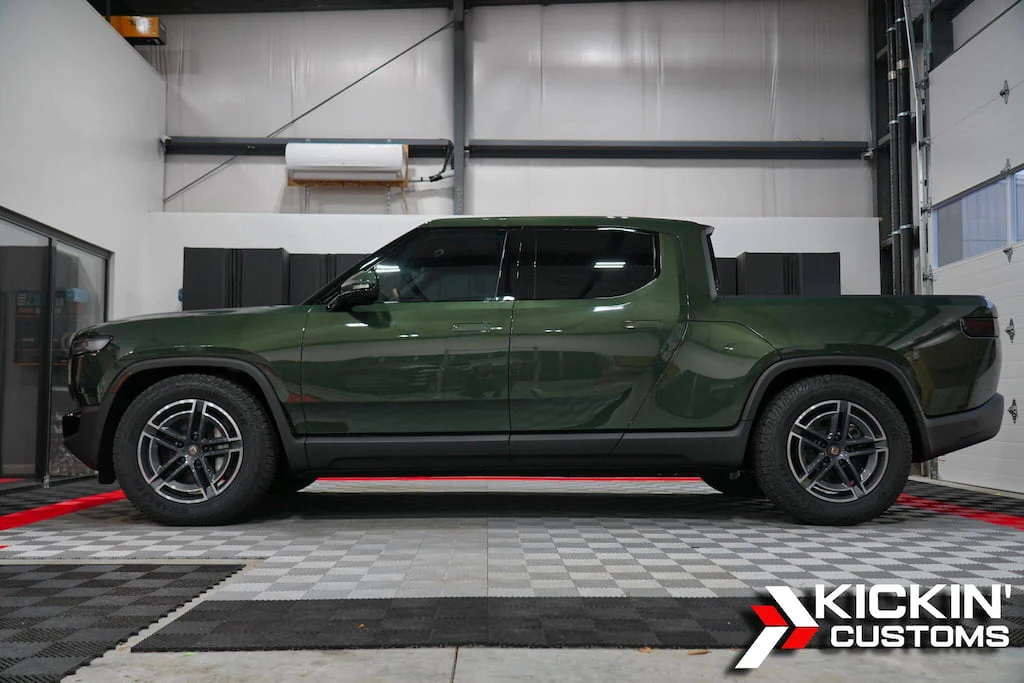
Side profile of a Rivian R1T inside Kickin’ Customs with XR Black front windows and factory rear privacy glass

Factory glass + added film

How Does Factory Privacy Glass Affect Shade Selection?

Factory privacy glass is colored during manufacturing and is common on the rear portion of trucks and SUVs. Film installed over it changes the combined VLT and can make rear seating or cargo areas darker than expected.

Film on clear front glass may create a close visual complement to the rear, but an exact color, darkness, or reflection match is not guaranteed. The closest visual match may not be legally eligible for the front doors.

Explore the privacy tint buying path →

Choose by glass location

One Shade Does Not Have to Cover Everything.

A coordinated vehicle does not always require one nominal VLT on every piece of glass. Factory glass and legal limits can require different films to create the most practical overall result.

Windshield

Low-light visibility, optical clarity, cameras, sensors, inspection, and strict legal eligibility

Window Tint Laws →

A practical seven-step process

How Do You Choose the Right Window Tint Shade?

  1. Start with your goal

    Rank appearance, privacy, heat performance, glare, UV filtering, and budget.

  2. Review your driving

    Consider nighttime miles, rain, unlit roads, reversing, mirror use, and passenger needs.

  3. Inspect the vehicle

    Identify factory privacy glass, prior film, interior color, glass area, sensors, cameras, and specialty glass.

  4. Measure the glass

    Use a VLT meter when the factory reading affects appearance or legal eligibility.

  5. Compare real samples

    View the preferred shade and the next lighter option beside the vehicle.

  6. Check current requirements

    Review registration, vehicle class, glass position, and applicable law.

    Window Tint Laws →
  7. Confirm in writing

    Approve the product, nominal VLT, glass coverage, expected result, price, and limitations.

Choose shade and performance separately

Choose the Film After You Choose the Shade Goal

Balanced ceramic performance

XPEL PRIME
XR Black

Front pair from
$225Estimated $38/mo*over 6 months
Full surround from
$525Estimated $88/mo*over 6 months
Compare Ceramic Tint Packages →
Highest PRIME ceramic tier

XPEL PRIME
XR Plus

Front pair from
$300Estimated $50/mo*over 6 months
Full surround from
$750Estimated $65/mo*over 12 months
Compare Ceramic Tint Packages →

Starting prices. Final product, coverage, compatibility and price require a vehicle-specific quote.

*Monthly figures are estimates. Financing is available on qualifying purchases of $200 or more, subject to credit approval and current terms. With deferred interest, interest is charged from the purchase date unless the promotional balance is paid in full on time. Ask us about financing and current offers.

Know the tradeoffs

Realistic Expectations Before You Choose

  • Darker film reduces outward visibility, especially at night, in rain, on poorly lit roads, and while reversing or checking mirrors.
  • Privacy is not complete. Bright cabin lighting, close viewing, certain angles, and nighttime conditions can reveal the interior.
  • The installed glass-and-film VLT can be darker than the film label.
  • An exact factory-glass color, darkness, or reflection match cannot be guaranteed.
  • A shade that looks comfortable on a screen can look different on the actual vehicle.
  • Not every requested shade or glass location is legally eligible.
  • Tint is not security film and does not prevent glass breakage, theft, or forced entry.
  • Dot matrix, ceramic frit, scratches, chips, defroster lines, glass angle, and contamination can affect appearance.
  • Some polarized eyewear can reveal patterns or optical effects not visible without it.
  • Temporary haze and moisture can remain visible while newly installed film cures.

The right shade balances how the vehicle looks from outside with how confidently the driver can see from inside. More darkness is not automatically a better result.

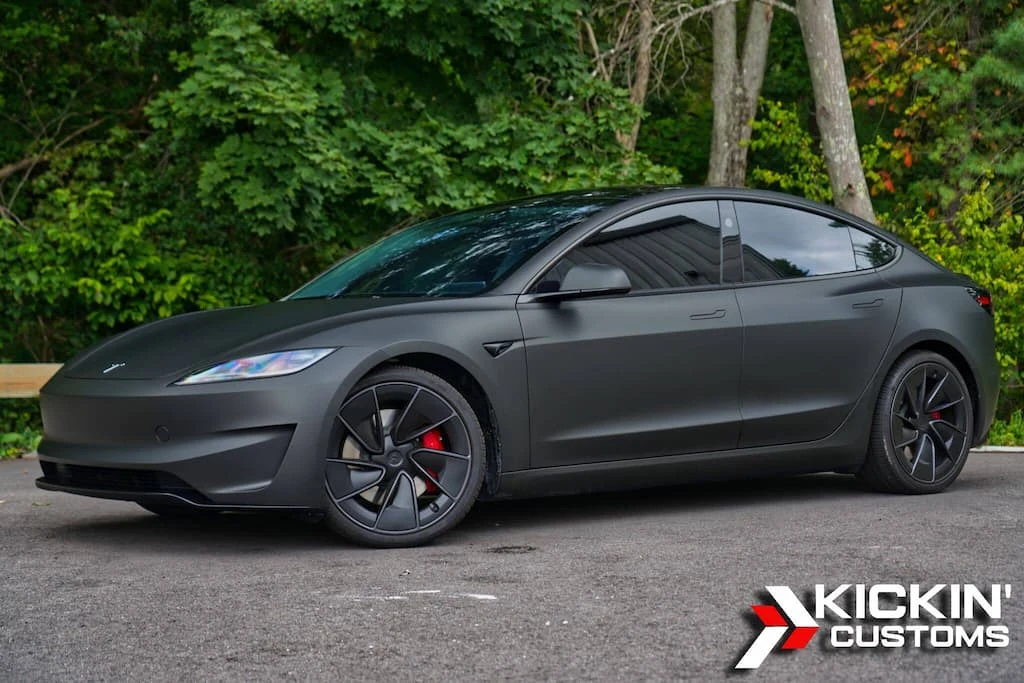
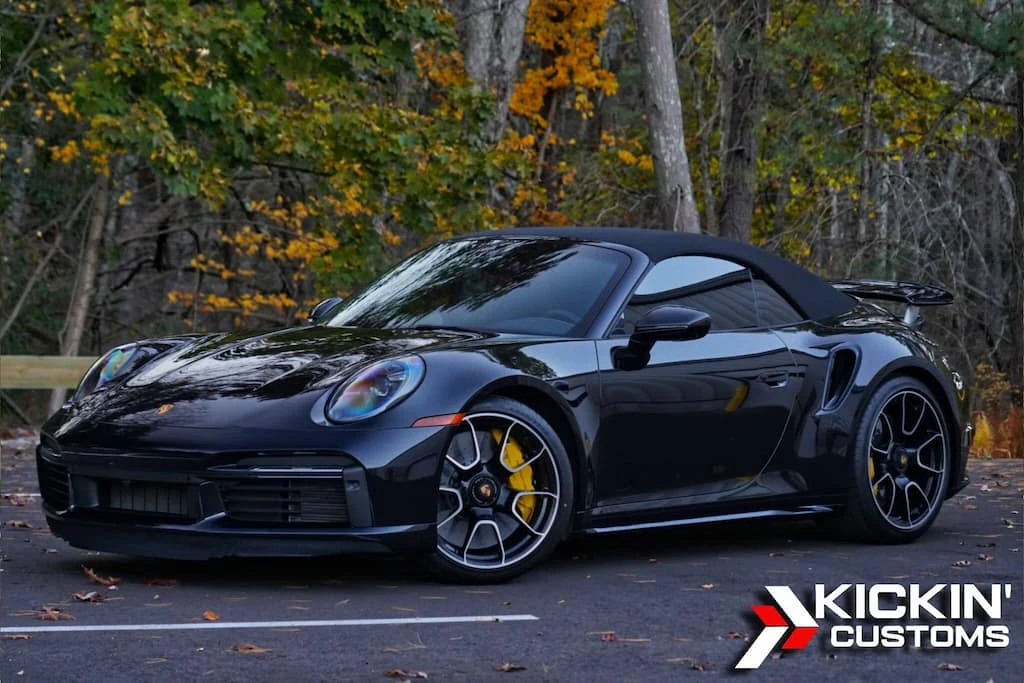
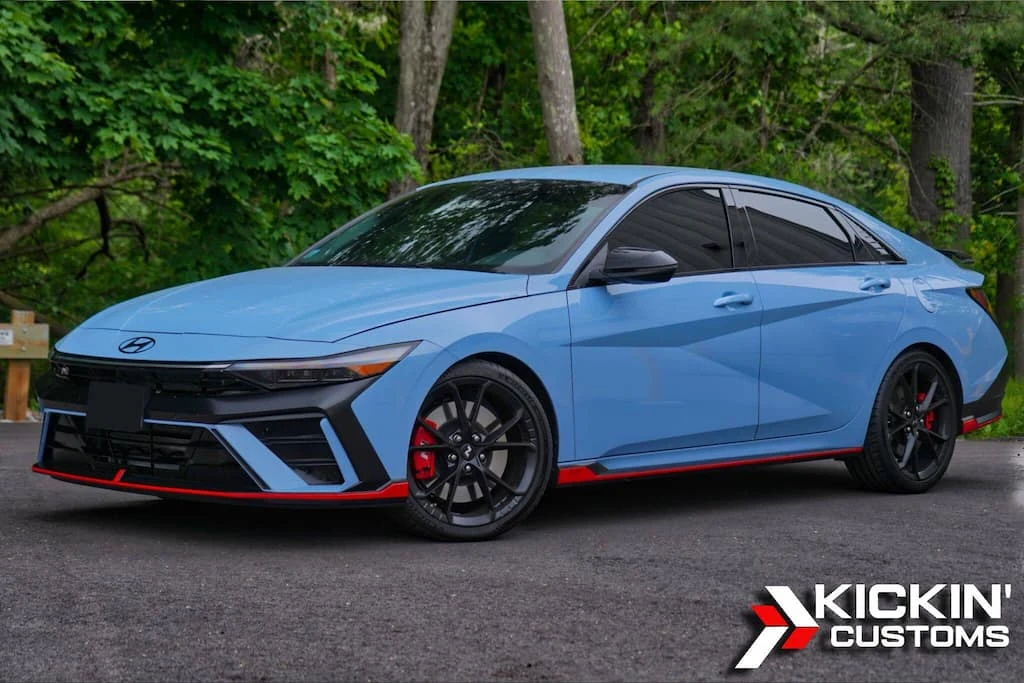
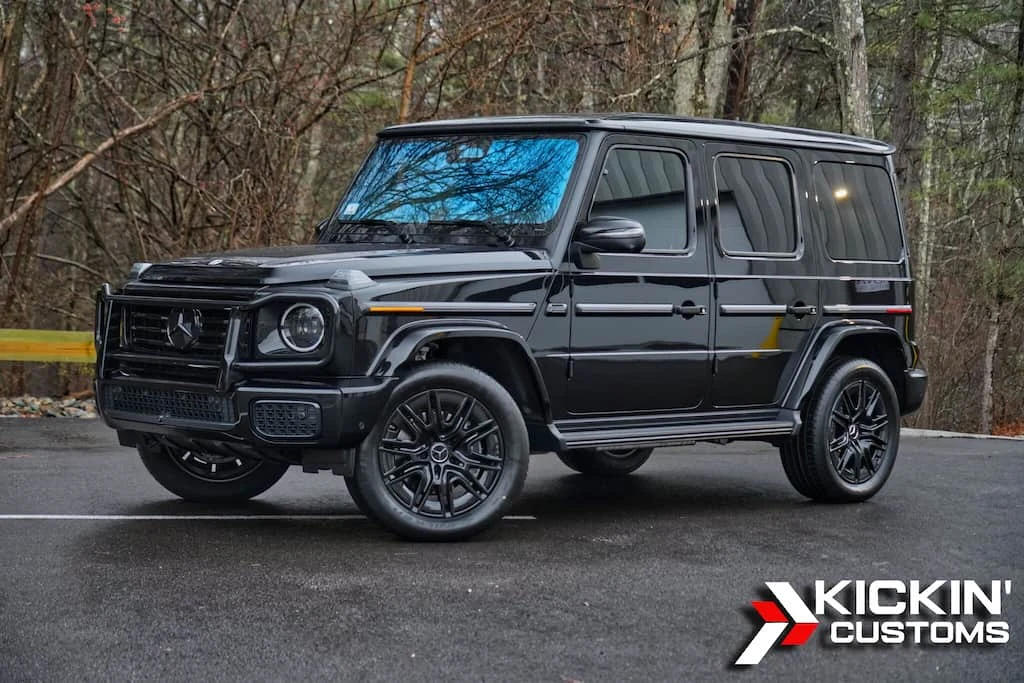
First-party installation examples

See Window Tint on Real Vehicles

Explore real installations across different vehicles and product families. Car color, factory glass, lighting and viewing angle all change the appearance, so use these photographs as inspiration for an in-shop comparison.

Samples beat a screen

Compare Window Tint Shades in Raynham, Massachusetts

Visit Kickin' Customs at 244 North Main Street in Raynham to compare physical film samples beside your vehicle and feel the differences on our in-shop heat display. We measure factory-glass VLT when needed, review daytime appearance and nighttime driving, and confirm vehicle-specific compatibility and legally eligible coverage before installation.

Quick answers

Window Tint Shade FAQs

What does VLT mean?

VLT means visible light transmission. Higher VLT looks lighter, while lower VLT generally looks darker.

Is 20% tint darker than 35%?

Yes. A 20% film allows less visible light through and generally appears darker.

Why can 35% film measure below 35%?

Factory glass already reduces visible light. The meter reads the glass and film together.

How do you estimate combined VLT?

Multiply factory glass VLT by film VLT. For example, 75% glass multiplied by 35% film is about 26%. This is an estimate, not a substitute for a meter.

What does 70% tint look like?

Seventy percent is very light and may create only a subtle appearance change. The exact result depends on film, glass, lighting, and vehicle.

What does 35% tint look like?

Thirty-five percent is generally a medium shade with a noticeable appearance change, but the installed result varies by vehicle and factory glass.

What does 20% tint look like?

Twenty percent is dark and usually provides stronger daytime privacy than 35%, with a larger nighttime-visibility tradeoff.

Is 5% tint practical for night driving?

Five percent allows very little visible light through and can substantially limit outward visibility at night.

Does darker tint block more heat?

Not necessarily. Heat performance depends on film technology and exact product specifications.

Can front tint match factory rear privacy glass?

A close visual complement may be possible, but an exact match is not guaranteed and the closest match may not be legally eligible.

Can I rely on the online simulator?

Use it as a visual starting point only. Screen, camera, lighting, glass, vehicle shape, and interior color prevent an exact preview.

How much does window tint start at?

Front two windows start at $175 with Color Stable, $225 with XR Black, and $300 with XR Plus.

Do qualifying packages include the Window Film Replacement Benefit?

Yes. Qualifying packages include a three-year Window Film Replacement Benefit for one covered roll-down side-window film replacement, subject to written terms.

Read benefit terms →
Is a specific shade legal in Massachusetts or Rhode Island?

Eligibility depends on current law, registration, vehicle class, glass position, measured VLT, and approved exemption status. Review Window Tint Laws before scheduling.

Read Massachusetts & Rhode Island Window Tint Laws →
More Window Tint FAQs →

A recommendation, reviewed by our team

Choose a Tint Shade You Can Live With Day and Night.

Compare the appearance, measure the actual glass, and consider nighttime visibility before choosing the darkest option. Kickin' Customs will review the vehicle, factory glass, driving routine, product goals, and legally eligible coverage before confirming a recommendation and quote.

Send the year, make, model, registration state, desired coverage, existing tint, privacy goal, heat priority, and typical nighttime driving. We will narrow the choice to a shade and XPEL film that fit how you use the vehicle.

Call 617-431-6858

Start with your vehicle & preferences

Step 1 of 2. Contact information follows in our existing Window Tint form.

Tell us your preferences below. We will help you narrow down the shade.

Not sure yet? Keep Help Me Choose. No Film means an untreated-glass visual reference, not a request to install 0% film.

Additional Details (optional)

Staff review is required. Preferences do not confirm shade, glass eligibility, compatibility or an installation appointment.

Call the ShopGet a Shade Recommendation