
Exterior
Damage on the outside face needs an exterior-approved approach and safe access.
Discuss exterior damage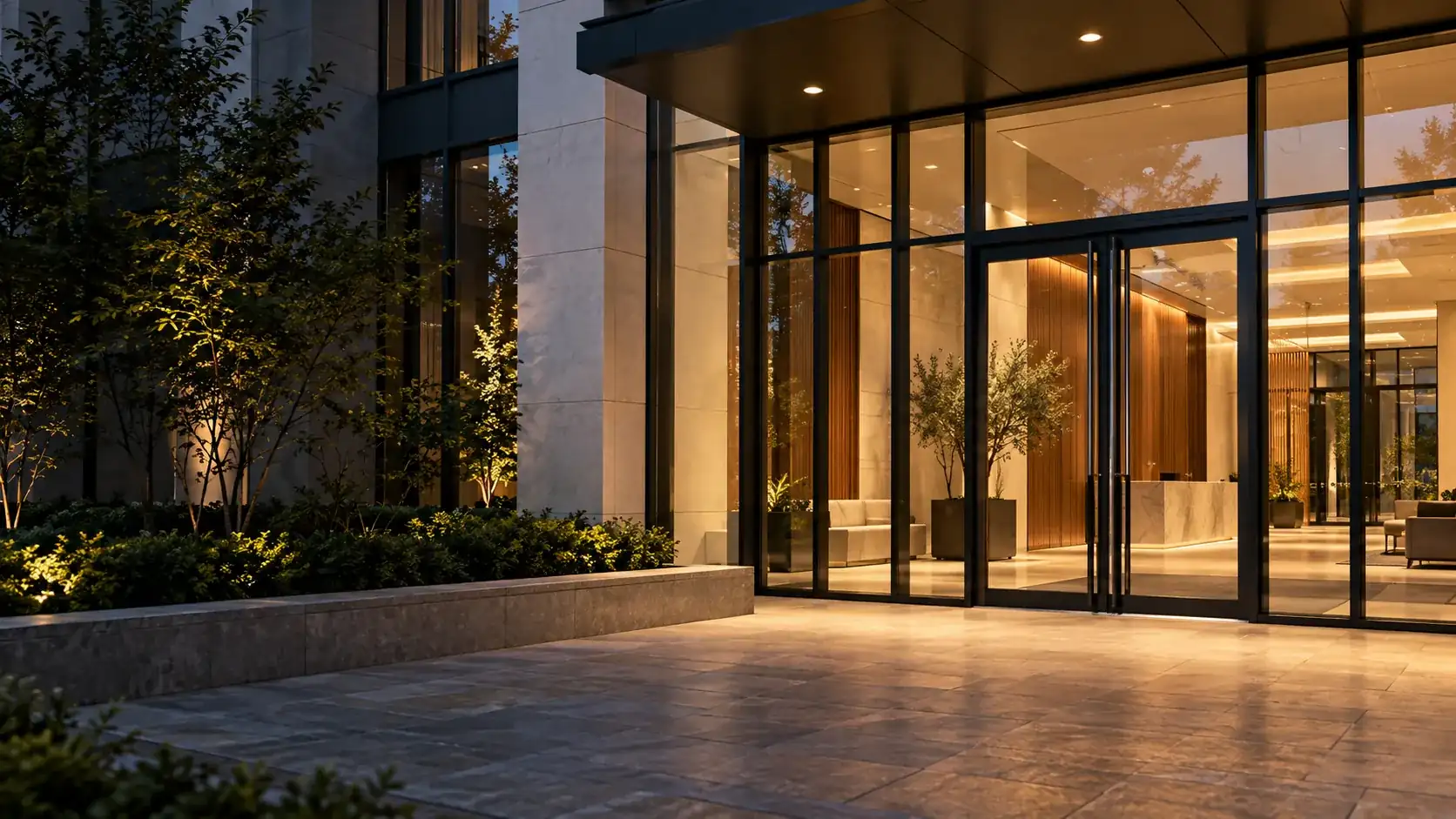
Help protect your glass from scratches and graffiti with a clear, replaceable film. When damage stays in the film, you may be able to replace that layer instead of the glass.
A scratched storefront or marked-up entrance can leave a poor first impression. Anti-graffiti film adds a clear protective layer that can take surface wear and markings before they reach suitable glass. This replaceable layer is also called sacrificial film.
When damage stays in the film, replacing it may save the cost and disruption of replacing the glass. That is the reason to install it before a problem starts, especially on entrances, storefronts and other frequently touched surfaces.
Deep scratches or aggressive damage can still reach the glass. Film does not stop vandalism or repair existing scratches and etching.
Ask about protecting your glassIf the damage is contained in the film and the glass underneath is sound, we can replace the protective layer. You may avoid the larger job of replacing the window itself.
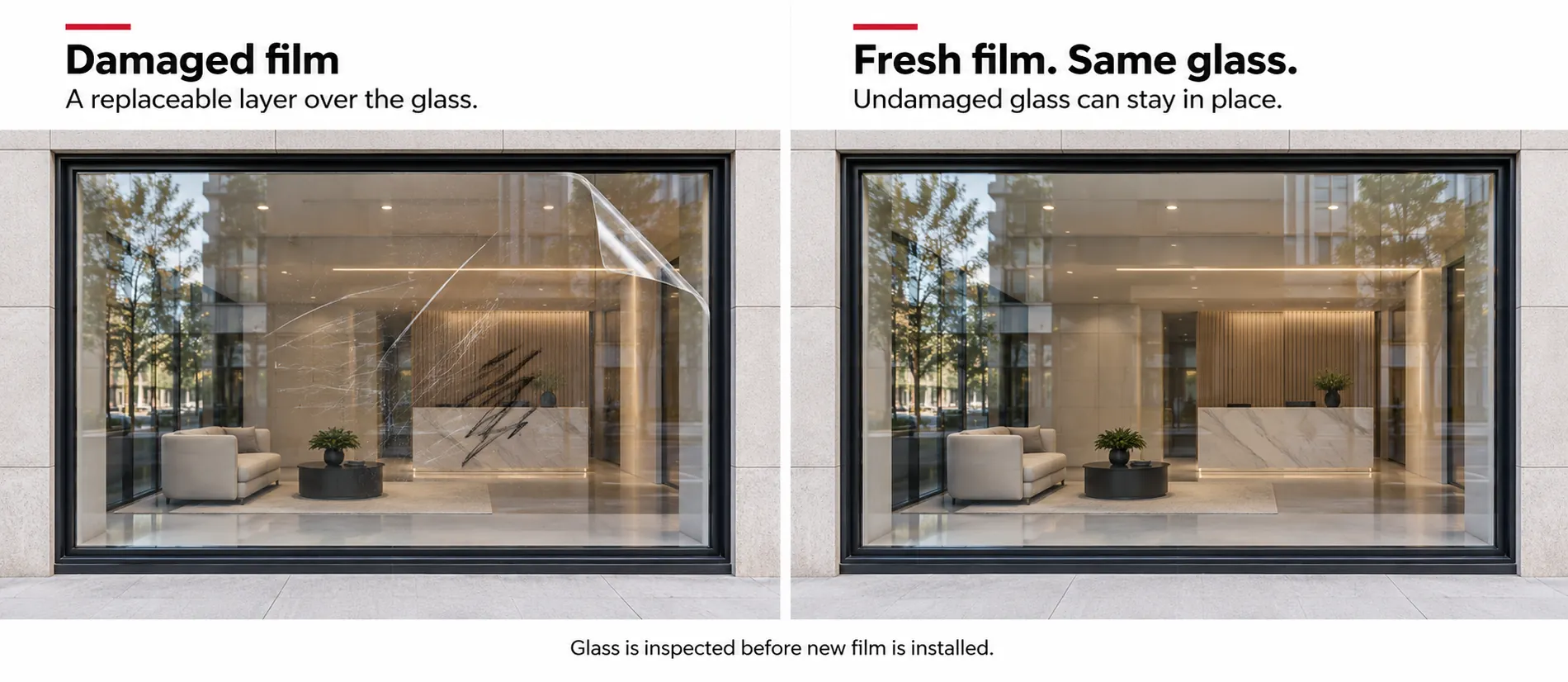
Scratches, marking or another exposure may affect the protective layer first.
We check whether damage stayed in the film or reached the glass or finish underneath. Leave the film in place until it can be assessed.
If the surface is sound, the damaged film may be removed and replaced. Some marks cannot be cleaned off. We assess removal risks before work begins.
The glass, coating, mirror or other material may need repair or replacement by the appropriate trade. New film cannot repair etching, scratches, corrosion or cracks.
Damage on the outside face needs an exterior-approved approach and safe access.
Discuss exterior damageContact inside a building or entry can call for a different placement and surface review.
Discuss interior damageEach affected side needs its own product and placement review.
Discuss damage on both sidesDescribe where the damage appears. You do not need to identify the material or contaminant yourself.
Help me identify the next stepTell us whether you are seeing scratches, scuffs, marker or paint, stickers or adhesive, a chemical concern, repeated vandalism or existing etching. If contamination is unknown or the material is unstable, stop and arrange a safe investigation.
Storefront windows, glass doors, sidelights, partitions, display glass and selected mirrors are places to consider. We check the surface and choose a suitable film before installation.
Some other smooth surfaces may qualify, but plastics, painted finishes, coated materials and porous surfaces need a closer look. The film must adhere correctly and be suitable for future removal.
Send us photos and tell us what you want to protect. We may need an on-site check, a test area or manufacturer confirmation before recommending film. Existing damage may need another specialist first, and some surfaces will not be suitable.
We also assess suitable glass in homes and institutional buildings. The condition and type of surface matter more than the type of property.
Acrylic, polycarbonate, other plastics, stone, porous materials, painted walls, powder coat, electronic displays, laminates, unknown finishes and unknown metals need exact product and material review. Adhesion, outgassing (gases released by the material), heat, coatings and removal risk can change the decision.
Vandalism does not automatically create a product-warranty claim or a free replacement. The actual condition, product and written terms need review.
Explore Safety & Security Film Understand warranty review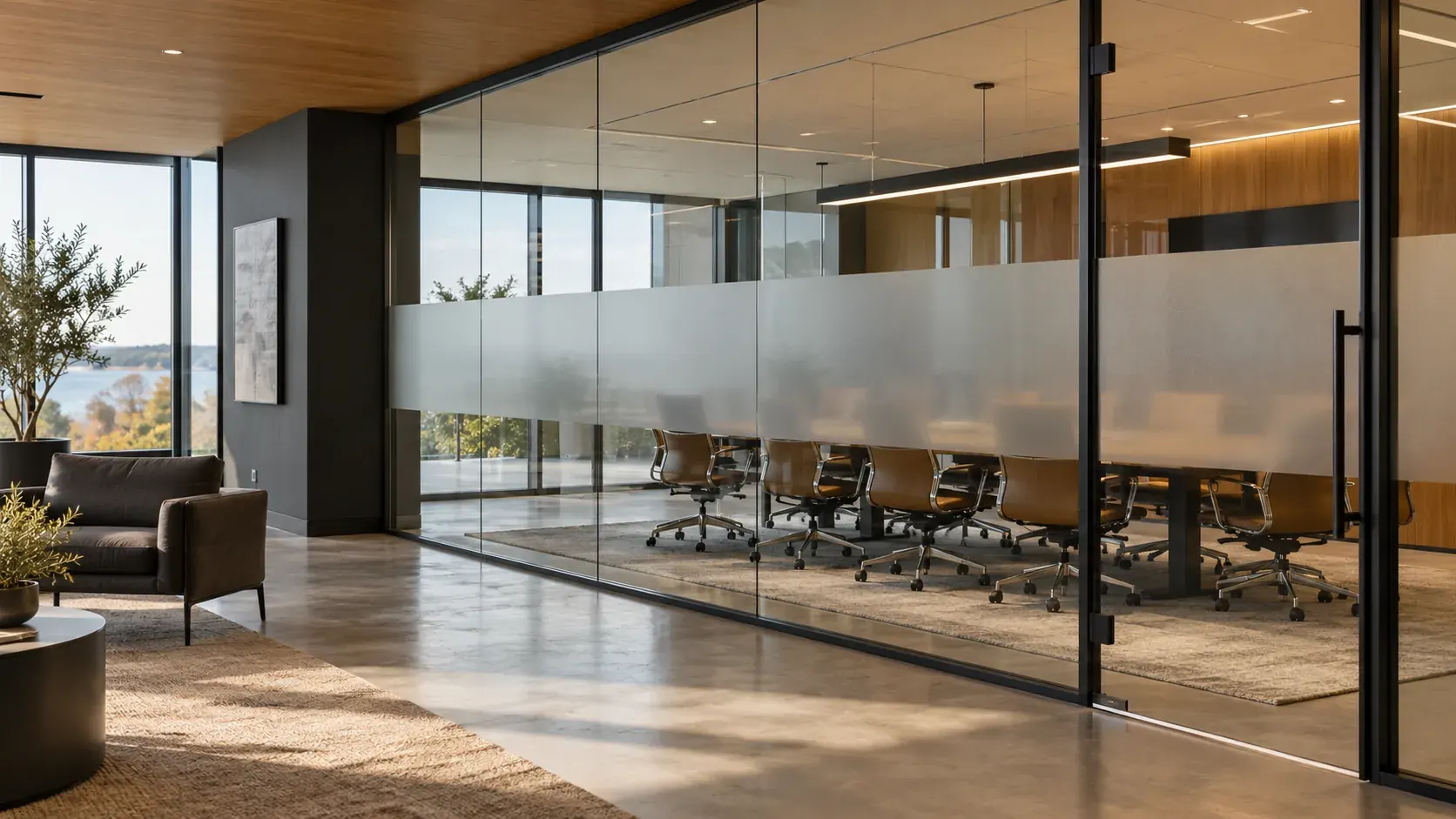
Make the area safe first. Take a wide view and safe detail photos without touching unstable glass or suspicious residue.
No blades, hard scrapers, unknown solvents, heat, abrasives, peeling or pressure washing to investigate damage.
Contact Kickin’ Customs. A glass, building or hazardous-cleanup specialist may need to address the underlying condition.
The exact product and surface determine the approved method. Inspect the surface before fitting replacement film.
Record the affected pane, work completed, replacement product and any new care instructions.
Safety comes before collecting photos. Broken glass, sharp edges or possible hazardous material require appropriate professional help, not a routine service-message response.
For routine cleaning, wait until your installation care instructions say it is safe to begin. Use an ammonia-free cleaner approved for the film and a clean microfiber with light pressure. Keep grit and damaged tools away from the film and its edges.
Care & MaintenanceYou may be able to replace film on one affected pane instead of treating the entire storefront again. Before installation, we agree on the areas to protect, where film edges or seams may show, and how a future replacement would fit with the surrounding glass.
A replaced area may differ from older film, weathered glass or surrounding surfaces. Do not assume an invisible seam, an exact aged-material match or a universal service life. Cleaning contact, weather, sun, contaminants and traffic influence how the film ages.
Access, film availability and the condition of the surface determine what can be serviced. Your written warranty explains product coverage; it does not promise a damage-free service life.
We assess the surface, the side exposed to damage and any existing film or coatings. From there, we can explain whether anti-graffiti film is a good fit and what the installation would involve. Some projects need testing or manufacturer confirmation, and some surfaces need repair or a different solution first.
See how we prepare your quoteYour quote covers the agreed installation, preparation and access needs. If you are dealing with repeat damage, we can also discuss how replacement visits would be handled. Each visit is quoted separately; pricing and timing depend on the work required.
This supports consistent review across a property portfolio. It does not promise a response time, automatic replacement schedule, multi-site discount or fixed replacement rate. Each authorized job follows its written proposal.
It is a clear, replaceable protective film over suitable glass or another approved smooth surface. If selected damage stays within the film, replacing that layer may avoid replacing the material underneath. It is also called sacrificial film.
No. Although designed to be clear, the film can show edges, seams, reflections, temporary drying moisture or minor visual differences. Aging, contamination and existing surface damage may also remain visible.
No. It can take selected scratches or scuffs first, but deep gouging, sharp tools, repeated damage or an unprotected side can still let damage reach the glass.
It is not chemical-proof. Some acids or chemicals may damage the film, edges or surface underneath. The material, strength, contact time and cleanup affect the result. Unknown or hazardous contamination needs the property’s proper safety and environmental response, not ordinary film cleaning.
Some marks may come off with an approved film-safe method. Others can permanently stain, haze, soften or lift the film. Ask before using a solvent or scraping tool.
No. Anti-graffiti film protects a surface; it is not a glass-breakage or entry-delay system. For helping hold broken glass together or making entry harder, see Safety & Security Window Film.
On the side being damaged, using a product approved for that surface and inside or outside placement. Film only on the inside generally cannot protect against vandalism on the outside.
Some smooth surfaces may be suitable, but the exact material, finish, coatings, condition, exposure and cleaning needs must be checked against current product approval. Not every mirror or metal finish is eligible.
No. Existing damage may stay visible or look more noticeable at some angles. Repair or replacement may be needed before installation when appearance matters.
We quote the surface, size, film, preparation and safe access. Existing damage, old-film removal, seams, business hours and a future replacement plan can affect the work. See Pricing & Consultation for how to start.
A few everyday details are enough to begin. You do not need to identify the exact film or type of glass.
Our Raynham team serves Southeastern Massachusetts and Rhode Island.
Add your contact details and check Your Message before submitting. Nothing is sent until you submit the contact form.
Add your contact details and check Your Message before submitting. Nothing is sent until you submit the contact form.
If the form does not load, open Contact Us or continue with your details.
244 North Main Street, Raynham, MA 02767
Monday-Friday, 9:00 AM-6:00 PM


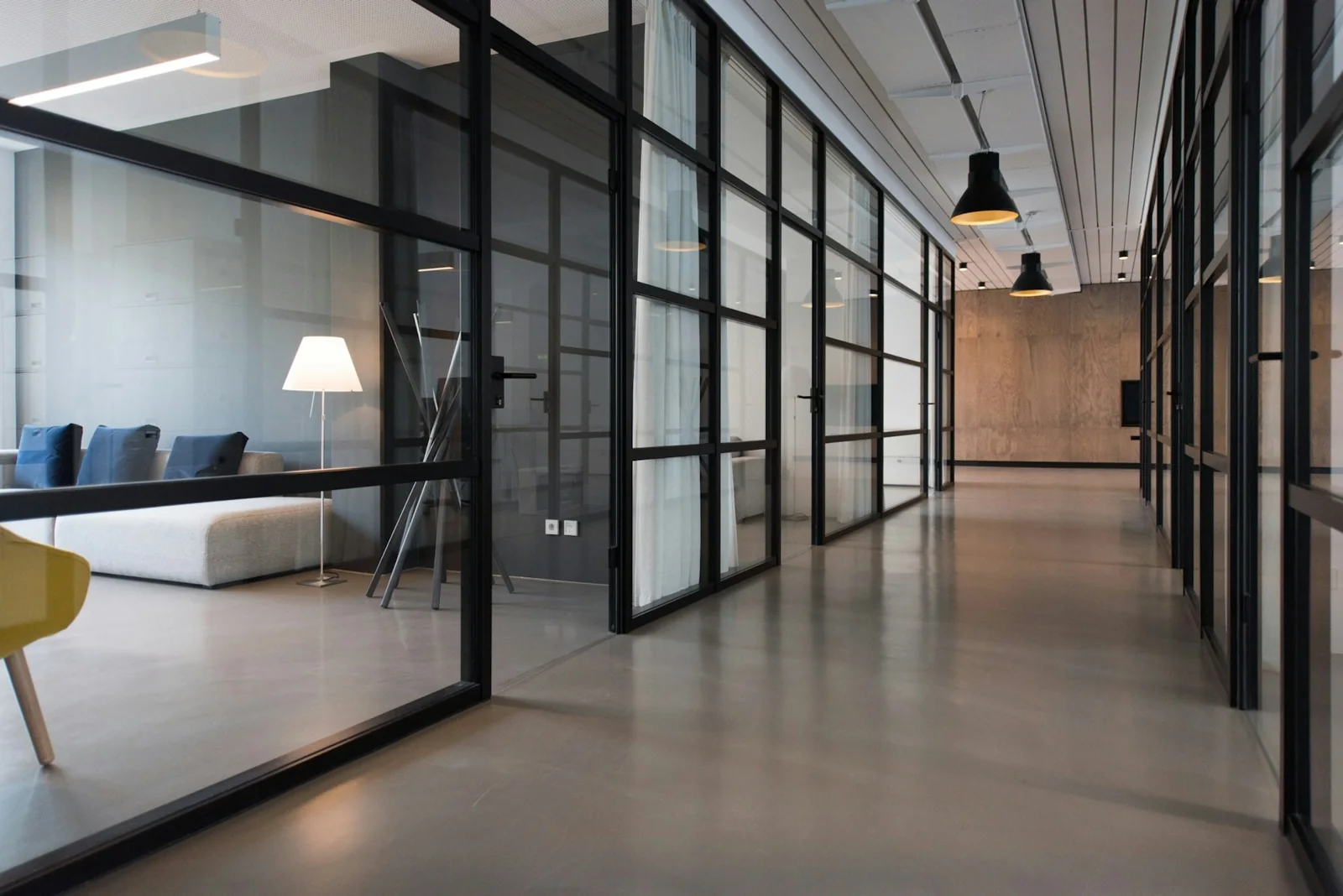
Plan visual separation, design and branding around the glass.
Read article ↗