
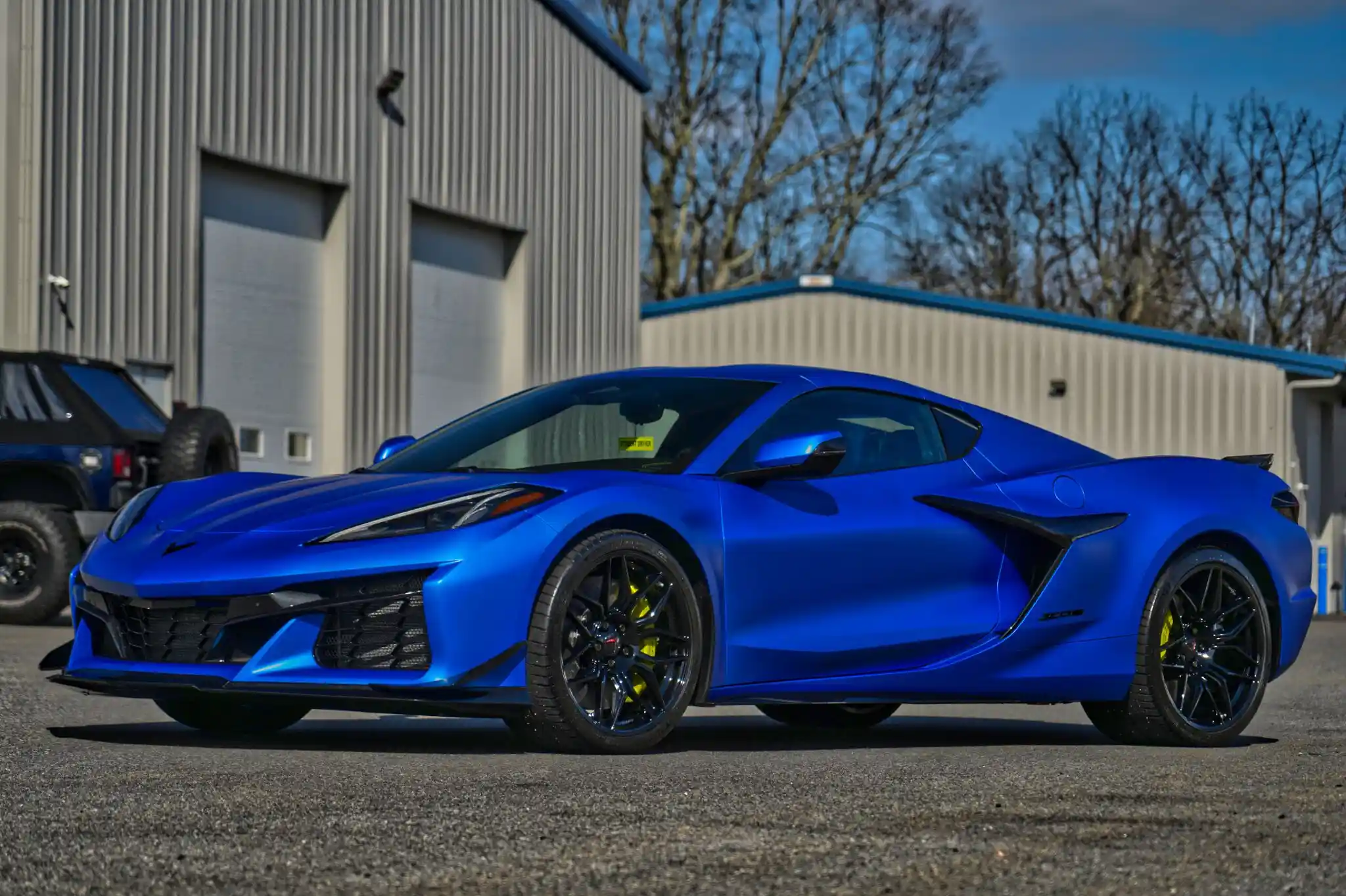
The short answer
You do not always have to protect your vehicle all at once.
Sometimes the smartest choice is a full protection package from the beginning.
Other times, it makes more sense to protect the highest-risk areas first, then add tint, coating, windshield protection film, security, GPS, dashcams, or other upgrades later.
The right answer depends on the vehicle, your driving habits, your ownership plan, and your budget.
At Kickin’ Customs in Raynham, MA, we help customers across Massachusetts and Rhode Island decide whether to build one complete protection package or phase the work in stages.
The goal is not to pressure every owner into everything at once.
The goal is to protect the vehicle in the right order so the most vulnerable areas are handled before damage, wear, or theft risk becomes a problem.
Choose between one visit and stages
Why This Decision Matters
If paint protection film is installed before rock chips happen, the result is cleaner.
If windshield protection film is installed before the windshield takes a hit, the protection has a better chance to help.
If ceramic coating is installed after proper prep, the finish is easier to maintain.
If tint is installed early, you enjoy the comfort from the start.
If security is installed before a theft attempt, it can help prevent a much bigger problem.
Waiting too long can change the conversation.
Protection cannot erase every chip, scratch, stain, crack, or theft risk after the fact.
That is why the order matters.
The Case for Doing Everything at Once
Doing everything at once is often the cleanest and most efficient approach.
● The vehicle comes in once.
● The services are planned together.
● The install order can be controlled.
The vehicle leaves with paint protection, comfort, maintenance benefits, glass protection, and security already handled.
This is especially useful for new vehicles, high-value vehicles, long-term keepers, performance cars, luxury SUVs, Teslas, Rivians, Corvettes, Porsches, BMW M cars, AMG models, trucks, and vehicles that are already theft-targeted.
If the vehicle matters and the budget allows, doing everything at once gives the most complete result from the beginning.
The Case for Protecting in Stages
Protecting in stages can also be smart.
Not every owner wants to spend the full amount immediately.
Not every vehicle needs every service right away.
Some customers want to start with paint protection, then add tint later.
Others want tint first because the cabin is too hot.
Some start with IGLA, DroneMobile, or Compustar because theft risk is the biggest concern.
Some start with windshield protection film because they commute on highways every day.
A staged plan works well when it is intentional.
The key is not just doing random services over time.
The key is protecting the highest-risk areas first.
The Best Staged Plan Starts With Risk
A good staged plan starts with a simple question:
What is most likely to become a problem first?
For many vehicles, rock chips happen early.
That makes paint protection film a top priority.
For theft-targeted vehicles, security may need to come first.
For electric vehicles or large-glass SUVs, ceramic tint may be the comfort priority.
For highway commuters, windshield protection film may be high on the list.
For black vehicles or vehicles parked outside, ceramic coating may matter early because cleaning and environmental exposure are constant.
A staged plan should follow the risk, not just the easiest appointment.
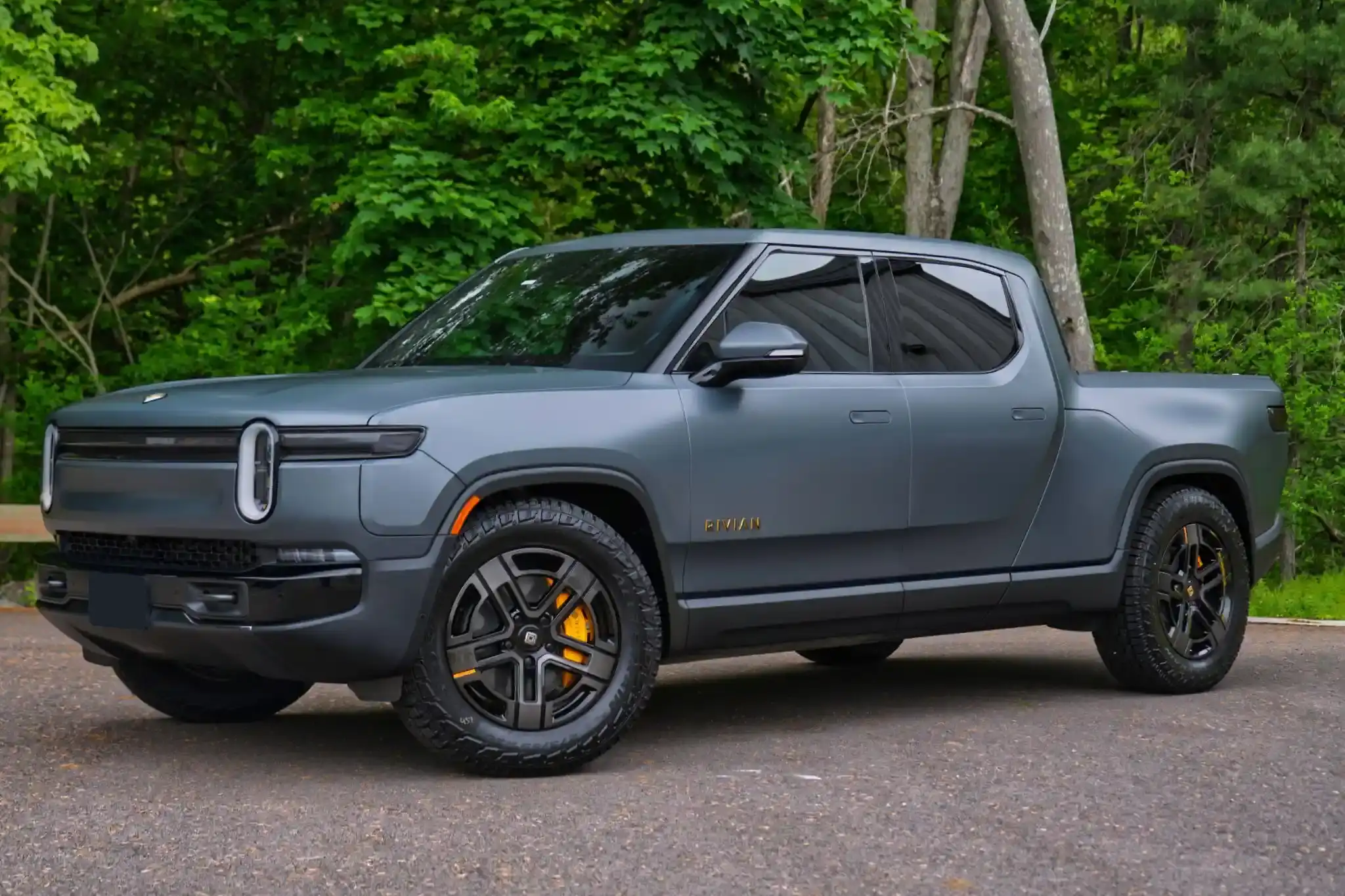
Plan the protection stages
Stage One: Protect the Areas That Can Get Damaged Immediately
The first stage should usually protect the areas that are most likely to get damaged right away.
That often means PPF and windshield protection film.
Road debris does not wait.
A new bumper can chip on the first highway drive.
A windshield can take a rock impact before the first payment is due.
Rocker panels and lower doors can start collecting sand, salt, and debris early.
If the vehicle is new or recently corrected, physical protection should usually be high on the list.
Once chips happen, they may still show under film.
That is why early protection matters.
Stage One Option: Full Front PPF
For many vehicles, full front PPF is the smartest first stage.
It protects the front bumper, full hood, full fenders, mirrors, and often headlights depending on the package.
Those areas take the most direct road impact.
Full front PPF makes sense for highway commuters, luxury vehicles, performance cars, Teslas, Rivians, Corvettes, Porsches, BMWs, Mercedes, Audis, trucks, SUVs, and long-term vehicles.
If budget does not allow full body PPF, full front PPF is often the best first move.
It covers the areas most likely to get chipped early.
Stage One Option: Rocker Panels and Lower Impact Areas
Rocker panels and lower doors are often overlooked.
They should not be.
These areas take abuse from road debris, winter sand, salt, tires, shoes, passengers, and daily driving.
Performance cars with wide tires and sticky tires are especially vulnerable.
Trucks and SUVs also see wear from entry, exit, and road spray.
If you are building protection in stages, adding rockers and lower impact areas early can be smart.
For many vehicles, the best stage one package is full front PPF plus rocker panels.
Stage One Option: Windshield Protection Film
Windshield protection film is also a smart early-stage upgrade for certain owners.
Modern windshields can be expensive, especially when they include cameras, sensors, heating elements, heads-up displays, and calibration needs.
Windshield protection film does not make glass unbreakable, but it can help reduce the risk of chips and cracks from common road debris.
If you drive highways, follow trucks, commute daily, own an expensive vehicle, or have already replaced windshields before, windshield protection film should be considered early.
Like PPF, it works best before the damage happens.
Stage One Option: Vehicle Security
For theft-targeted vehicles, security may be the first stage.
Paint protection does not matter much if the vehicle gets stolen.
If the vehicle is a push-to-start model, high-value SUV, performance car, truck, or commonly targeted platform, security should be part of the early conversation.
IGLA can help prevent drive-away theft by requiring authorization before the vehicle can be driven.
Compustar PRO alarms can add sensors and alerts.
DroneMobile GPS can add tracking and smartphone control.
Dashcams can help document incidents.
For some owners, security comes before appearance upgrades.
Stage Two: Improve Comfort and Daily Use
Once the highest-risk damage areas are handled, the next stage is often comfort.
This usually means ceramic window tint.
Ceramic tint is one of the most noticeable daily upgrades because you feel it every time you drive.
It can help reduce heat, glare, UV exposure, and cabin discomfort.
It also improves the finished look of the vehicle.
For daily drivers, family vehicles, EVs, trucks, SUVs, and vehicles with large glass, tint is often one of the best upgrades to add early.
If you drive the vehicle every day, comfort matters.
Stage Two Option: Full Vehicle Ceramic Tint
A full vehicle ceramic tint package makes sense when the goal is comfort throughout the cabin.
Tinting only the two front windows may help appearance match on SUVs and trucks, but it does not control the whole cabin the same way.
A full vehicle tint package helps manage heat, glare, UV exposure, and privacy across more glass.
For sedans, coupes, SUVs, trucks, EVs, and luxury vehicles, full ceramic tint is usually a stronger comfort option than a partial tint.
If the vehicle gets hot or bright, tint should not be pushed too far down the list.
Stage Two Option: Windshield Tint
Windshield tint can be one of the biggest comfort upgrades when done properly with the right film.
The windshield is a large glass surface that allows a lot of heat and glare into the cabin.
A lighter ceramic windshield film can improve comfort without making the vehicle look overly dark.
This is especially useful on Tesla, Rivian, luxury SUVs, trucks, commuters, and vehicles with large windshields.
Windshield tint is often added with full vehicle tint, but it can also be added later.
For comfort-focused owners, it is worth considering.
Stage Two Option: Panoramic Roof or Sunroof Film
Many modern vehicles have large sunroofs or panoramic glass.
That glass can bring in heat, glare, and UV exposure.
Some owners do not realize how much heat enters from above until warmer months.
Ceramic film on sunroofs or panoramic glass can help improve comfort depending on the vehicle and glass type.
This is especially relevant for EVs, SUVs, luxury vehicles, and vehicles with large overhead glass.
If the cabin feels hot even after side and rear tint, the roof glass may be part of the issue.
Stage Three: Make the Vehicle Easier to Maintain
The next stage is often ceramic coating.
Ceramic coating does not replace PPF.
It does not stop rock chips.
It does not make the vehicle maintenance-free.
But it can make the vehicle easier to wash, improve gloss, enhance slickness, and help with bug, salt, dirt, and grime cleanup.
Ceramic coating is a strong stage after PPF and tint because the vehicle is already protected from impact and more comfortable to drive.
Coating then improves the maintenance side of ownership.
Why Coating Often Comes After PPF
When PPF and ceramic coating are both planned, PPF usually comes before coating.
That way, the film is installed on clean prepared paint, then coating can be applied over the paint and film if desired.
Coating first, then adding PPF later, may require additional prep and may not be the most efficient order.
If a customer is doing stages, it is smart to discuss future coating plans before installing PPF.
The best order helps avoid duplicated work and keeps the protection system cleaner.
Stage Three Option: Ceramic Coating Over Paint and Film
Ceramic coating can be applied over exposed paint and compatible film surfaces.
This helps make both the paint and film easier to clean.
That is useful on front bumpers, rocker panels, mirrors, lower doors, and other areas that collect bugs, salt, sand, and road grime.
PPF handles impact.
Coating helps with maintenance.
Together, they create a stronger ownership experience than either one alone.
For customers who already invested in PPF, coating can be a smart next stage.
Stage Three Option: Wheel and Caliper Coating
Wheels are some of the dirtiest parts of a vehicle.
Brake dust, road grime, salt, tar, and heat make them difficult to clean.
Wheel and caliper coatings can help make cleaning easier.
This is especially useful for performance vehicles, European vehicles, luxury vehicles, black wheels, multi-spoke wheels, and daily drivers.
Wheel coating does not eliminate cleaning, but it can make brake dust and grime release more easily.
For owners who care about appearance, this can be a smart add-on during the coating stage.
Stage Three Option: Glass Coating
Glass coating can help improve water behavior and make glass easier to clean.
It can be useful for windshields, side glass, rear glass, and certain exterior glass areas.
Glass coating does not replace windshield protection film.
It is more about water behavior, visibility, and cleaning.
If windshield impact risk is the concern, windshield protection film is the stronger product.
If water behavior and cleaning are the concern, glass coating may help.
The two products solve different problems.
Stage Four: Add Convenience and Monitoring
Once paint, comfort, and maintenance are handled, many owners add electronics.
This may include remote start, DroneMobile smartphone control, GPS tracking, dashcams, alarms, or additional security sensors.
For some vehicles, this stage should happen earlier because theft risk is high.
For others, it can be added later as part of a convenience or ownership upgrade.
Vehicle electronics protect a different part of ownership.
They help with comfort, security, monitoring, tracking, and documentation.
They are not cosmetic, but they can be some of the most useful upgrades on the vehicle.
Stage Four Option: Compustar Remote Start
A Compustar remote start can make daily driving much more comfortable in New England.
It helps warm the vehicle in winter, cool it in summer, defrost glass, and make the cabin ready before you get in.
Remote start pairs well with ceramic tint.
Tint helps manage heat and cabin comfort.
Remote start helps condition the vehicle before driving.
For daily drivers, family vehicles, trucks, SUVs, and commuters, this is a practical upgrade.
It may not be the first protection stage, but it can be one of the most used features.
Stage Four Option: DroneMobile
DroneMobile adds smartphone control and GPS options depending on the setup.
For remote start users, smartphone control can be extremely convenient.
For owners who want tracking, alerts, and location features, DroneMobile GPS can be part of a layered plan.
This is useful for daily drivers, family vehicles, work vehicles, trucks, fleet vehicles, and theft-conscious owners.
DroneMobile can also pair with Compustar systems and other security upgrades depending on the build.
For many customers, it turns the vehicle into something easier to monitor and control.
Stage Four Option: Dashcams
Dashcams are a smart staged upgrade because they protect the owner through documentation.
They do not stop accidents or incidents, but they can record what happened.
A front and rear dashcam setup is useful for commuters, family vehicles, business vehicles, teen drivers, luxury vehicles, performance vehicles, and anyone who parks in public.
Dashcams can help with hit-and-runs, road incidents, parking events, and insurance conversations.
A dashcam pairs well with alarms, GPS tracking, and security systems.
● One system alerts.
● One system tracks.
● One system records.
Stage Four Option: Car Alarms and Sensors
Modern car alarms can add protection beyond the factory system.
Depending on the vehicle and setup, sensors may help detect shock, tilt, glass break, motion, or other activity.
This is useful for break-in risk, wheel theft risk, catalytic converter concerns, tool storage, and vehicles parked outside.
A factory alarm may not be enough for every owner.
A layered alarm system can be added as part of a staged security plan.
For higher-risk vehicles, alarms should be considered early rather than waiting until after a problem happens.
What to prioritize and when
When You Should Do Everything at Once
Doing everything at once makes the most sense when the vehicle is new, high-value, long-term, expensive to repair, or heavily exposed.
It also makes sense when the owner wants the cleanest process.
The vehicle comes in once.
The order is controlled.
The paint can be prepped properly.
PPF can be installed before coating.
Tint can be completed while the vehicle is already in the shop.
Electronics can be planned around the full build.
This is ideal for owners who want the best start and do not want to keep coming back for separate stages.
When Staging Makes More Sense
Staging makes more sense when budget, timing, or priorities require a slower approach.
A staged plan is still effective if the order is smart.
For example, a customer may start with full front PPF and ceramic tint.
Then add coating later.
Then add windshield protection film.
Then add IGLA, DroneMobile, or dashcams.
This is a practical way to protect the vehicle without doing everything at once.
The most important part is not delaying the things that prevent early damage.
PPF, windshield film, and security should not be pushed too far back if those risks are high.
What Not to Delay
Some services are more time-sensitive than others.
PPF should not be delayed if the vehicle is new and road debris is a concern.
Windshield protection film should not be delayed if the windshield is expensive and highway driving is frequent.
Security should not be delayed if the vehicle is theft-targeted.
Ceramic coating should not be delayed too long if the paint is clean, corrected, and parked outside.
Tint can be added later, but if heat and glare bother you daily, waiting only makes the vehicle less enjoyable.
The key is knowing which delay creates the most risk.
What Can Usually Wait
Some upgrades can usually wait if needed.
Ceramic coating can often be added later, as long as the paint is properly cleaned and prepped when the time comes.
Wheel coating can be added during a later coating package.
Dashcams can often be added later, although earlier is better if documentation matters.
Remote start can be added seasonally.
DroneMobile can be added when the owner is ready for smartphone control or GPS.
The ability to wait depends on the vehicle and the owner’s risk tolerance.
The Best Order for a New Vehicle
For a new vehicle, a smart order often looks like this:
Paint protection film first.
Windshield protection film early if glass impact risk is high.
Ceramic tint early for comfort.
Ceramic coating after PPF and paint prep.
Security early if theft risk is high.
Dashcams, GPS, remote start, and electronics based on need.
This order protects the areas that are hardest to fix cleanly after damage.
It also avoids coating the vehicle before film if PPF is planned.
The result is a cleaner protection plan.
The Best Order for a Used Vehicle
For a used vehicle, the order starts with inspection.
The paint may need correction before coating.
The front end may already have chips before PPF.
The windshield may already be pitted.
The tint may already be old or low quality.
The security risk may still matter.
A used vehicle can still be protected, but the process may include prep first.
The right order may be:
Inspect condition.
Correct or clean surfaces as needed.
Install PPF where it still makes sense.
Add tint for comfort.
Add coating after prep.
Add security, GPS, dashcams, or remote start based on risk.
Used vehicles need a realistic plan.
The Best Order for a Leased Vehicle
For a leased vehicle, the staged plan should be practical.
Ceramic tint often makes sense because it improves comfort during the lease.
PPF may make sense if the vehicle is driven heavily or the owner wants to reduce rock chips and visible wear.
Ceramic coating depends on lease length, maintenance habits, and budget.
Security and dashcams can still matter because leased vehicles can still be stolen, broken into, or involved in incidents.
For leased vehicles, the goal is usually enjoyment, comfort, and avoiding obvious damage without overbuilding the package.
The Best Order for a Long-Term Keeper
For a long-term keeper, stronger early protection usually makes sense.
Full front or full body PPF should be considered early.
Ceramic tint should be added for long-term comfort.
Ceramic coating should be added for easier maintenance.
Windshield protection film should be considered if glass is expensive or highway driving is common.
Security should be added early if the vehicle is valuable or targeted.
Dashcams and GPS can add documentation and monitoring.
The longer you keep the vehicle, the more value early protection can provide.
The Best Order for a Daily Driver
Daily drivers need practical protection.
A strong staged order may be:
Full front PPF.
Ceramic tint.
Ceramic coating.
Windshield protection film.
Remote start.
Dashcam.
Security or GPS depending on vehicle risk.
Daily drivers see road debris, weather, salt, parking lots, heat, glare, and constant use.
Protection should make the vehicle easier to own, not just nicer to look at.
For daily use, comfort and maintenance are just as important as appearance.
The Best Order for a Performance Car
Performance cars should usually prioritize PPF early.
Low front ends, wide tires, sticky tires, aggressive aero, and wider rear quarters can create more road debris impact.
Full front PPF is often the minimum smart starting point.
Rocker panels, lower doors, rear quarters, A-pillars, and leading roof edge may also matter.
Ceramic coating can help with cleaning.
Windshield protection film may be smart due to glass cost and driving style.
Security should be considered if the vehicle is targeted or parked outside.
For performance cars, waiting on PPF can be expensive.
The Best Order for a Luxury SUV or Truck
Luxury SUVs and trucks need a practical package.
Large front ends, mirrors, rocker panels, lower doors, tailgates, bedsides, and entry areas take a lot of abuse.
Ceramic tint is also valuable because the cabin is large and glass area is significant.
A smart order may be:
Full front PPF.
Rocker panels and lower doors.
Ceramic tint.
Ceramic coating.
Security or GPS.
Dashcam.
Remote start if not already equipped or if upgraded range and control are needed.
For trucks and SUVs, protection should consider both daily use and size.
The Best Order for an Electric Vehicle
Electric vehicles often benefit from tint early because of large glass and cabin heat concerns.
PPF is also important because road debris still damages paint.
A smart EV order may be:
Full front PPF.
Ceramic tint, including windshield or roof glass where appropriate.
Windshield protection film if glass replacement risk is high.
Ceramic coating for easier cleaning.
Dashcam, GPS, or security based on vehicle and parking situation.
For Tesla and Rivian owners, a balanced package often makes more sense than choosing just one service.
The Best Order for a Black Vehicle
Black vehicles show damage easily.
Rock chips, scratches, water spots, wash marks, and dust are more visible than on many lighter colors.
A strong order for a black vehicle may be:
Full front PPF.
Rocker panels and lower doors.
Ceramic coating.
Ceramic tint.
Windshield protection film.
Security or dashcam based on risk.
Coating can make washing easier, but it does not stop chips.
That is why PPF should stay high on the list for black vehicles.
The goal is to prevent the obvious damage before it starts.
The Best Order for a Vehicle Parked Outside
Vehicles parked outside deal with sun, weather, pollen, sap, bird droppings, salt, snow, ice, and theft risk.
A smart staged order may include:
PPF for impact zones.
Ceramic coating for maintenance and environmental exposure.
Ceramic tint for heat and UV reduction.
Security, GPS, or alarms for monitoring.
Dashcams for incident documentation.
Windshield protection film if driving risk is high.
Outdoor parking changes the priority because the vehicle is exposed all the time.
Protection should address both appearance and security.
The Best Order for a Vehicle Parked in a Garage
A garage helps, but it does not stop driving damage.
A garage-kept vehicle still gets rock chips, windshield impacts, bug damage, road grime, and parking lot exposure when driven.
For garage-kept vehicles, PPF may still be the first priority.
Ceramic coating may help preserve gloss and make washing easier.
Tint may matter for comfort and appearance.
Security may still matter if the vehicle is valuable.
The package depends on how often the vehicle is driven.
Garage storage reduces some exposure, but it does not replace protection.
Budget, order and scheduling
Budget Strategy: Start With the Most Expensive Damage to Fix
A smart budget strategy is to start with the damage that would be most frustrating or expensive to fix.
For many vehicles, that means paint chips on the front end.
For some, it means expensive windshield replacement.
For theft-targeted vehicles, it means preventing the entire vehicle from disappearing.
For black vehicles, it may mean preventing visible scratches and wash damage.
For EVs or luxury vehicles, it may mean glass and electronics.
Think about what would bother you most six months from now.
That is often where the first stage should go.
Budget Strategy: Do Not Spread the Budget Too Thin
A common mistake is trying to touch every category with too little budget.
That can lead to weak coverage in all areas.
It is usually better to do one or two things properly than to underbuild everything.
For example, full front PPF may be smarter than a tiny amount of film plus a small coating plus a partial tint if rock chips are the main concern.
A proper ceramic tint package may be smarter than choosing low-performance film just to check the box.
A good staged plan lets each step be done correctly.
Budget Strategy: Plan the Future Stages Now
Even if you are not doing everything at once, it helps to plan future stages now.
If you know ceramic coating will be added later, the PPF and paint prep can be planned correctly.
If you know windshield film is likely, it can be scheduled before winter highway driving.
If you know security is needed, it should not be forgotten until after theft risk becomes urgent.
A staged plan should have a roadmap.
That keeps the vehicle moving toward a complete package without wasting time or money.
Why PPF Before Coating Usually Makes Sense
If PPF and coating are both in the plan, PPF usually comes first.
The film needs to bond to clean paint.
Then coating can be applied over paint and film if desired.
Doing coating first may mean extra prep before PPF later.
It can also be less efficient.
This is why customers who plan to stage should mention future coating plans during the PPF consultation.
The best install order saves work and creates a better finished protection system.
Why Tint Can Be Done Almost Anytime
Tint is one of the more flexible services.
It can be done before or after PPF and coating because it is installed on the glass, not the paint.
That makes it easy to add as a stage.
However, if comfort is a major issue, there is no reason to wait.
Ceramic tint improves the driving experience right away.
For daily drivers, EVs, trucks, SUVs, and vehicles with large glass, tint is often one of the most noticeable upgrades.
Just because it can wait does not mean it should.
Why Security Should Not Always Wait
Security is sometimes treated as an afterthought.
That can be a mistake.
If the vehicle is theft-targeted, security should move up the list.
IGLA, Compustar PRO alarms, DroneMobile GPS, and dashcams all solve different problems.
If the vehicle is parked outside, stored in a driveway, used for work, or known to be targeted locally, a staged plan should not ignore security.
A vehicle can be polished, coated, tinted, and protected with PPF, but if it is stolen, the rest does not matter.
Why Windshield Film Should Be Considered Early
Windshield protection film should be considered early because glass damage is unpredictable.
You may drive for years without a windshield issue, or you may take a rock impact immediately.
Modern windshield replacement can be expensive and inconvenient because of sensors, cameras, calibration, and vehicle-specific glass.
Windshield film is not a guarantee, but it can help reduce the risk of common chips and cracks.
If the vehicle sees highway miles, construction zones, winter driving, or expensive glass, it should be part of the early conversation.
Why Coating After Paint Correction Makes Sense
Ceramic coating performs best when the surface is properly prepared.
If the paint has swirls, water spots, oxidation, or contamination, those issues may need to be addressed before coating.
This is especially true on used vehicles and black vehicles.
Coating over poor paint does not make the paint perfect.
It protects the condition underneath.
That is why coating is often planned after washing, decontamination, and polishing.
If the vehicle is new, prep may be lighter.
If the vehicle is used, prep may be more involved.
All at Once vs Stages for Scheduling
Scheduling can also affect the decision.
Doing everything at once may require more shop time, but it reduces the number of drop-offs and pickups.
Staging may be easier for customers who need the vehicle back quickly or want to spread out appointments.
At Kickin’ Customs, multi-day installs may qualify for convenience options depending on the job.
For bigger packages, scheduling the work together can be more efficient.
For smaller budgets, staging can be more manageable.
The best schedule depends on the vehicle, package, and customer’s daily needs.
All at Once vs Stages for Financing
Financing can make a full package easier to consider.
Some customers would rather protect the vehicle correctly from the start and spread payments over time instead of delaying protection.
Others prefer to pay for each stage as they go.
Both approaches can work.
The important thing is not to let budget structure cause the wrong order.
If the front end needs PPF now, waiting six months may mean protecting chipped paint later.
If theft risk is high, delaying security may be the wrong type of savings.
Budget should guide the plan, not create avoidable regret.
Financing is optional and subject to credit approval. Review the lender’s current terms, repayment obligations and total cost before choosing between one installation and a staged plan.
All at Once vs Stages for New Car Delivery
New car delivery is one of the best times to protect the vehicle.
The paint is usually at its cleanest.
The windshield is new.
The interior is new.
The vehicle has not yet taken highway damage.
If the budget allows, doing a full package shortly after delivery is ideal.
If not, the first stage should still happen quickly.
For most new vehicles, that means PPF and tint first, then coating, windshield film, and security based on priorities.
The longer a new vehicle is driven unprotected, the more likely early damage becomes.
All at Once vs Stages for Existing Vehicles
Existing vehicles need a more customized plan.
The vehicle may already have chips, scratches, old tint, water spots, worn paint, or security concerns.
A full package may still be worth it, but prep and expectations matter.
Staging can make sense because the vehicle may need correction, removal, cleaning, or inspection before certain services.
For example, a used black vehicle may need paint correction before coating.
A vehicle with old tint may need removal before new ceramic tint.
A chipped bumper may need repair before PPF.
The plan starts with condition.
Example packages and ownership needs
Avoid the Regret Sequence
Many owners follow the same regret sequence.
They skip PPF, then the bumper chips.
They skip tint, then hate the heat all summer.
They skip coating, then struggle with water spots and washing.
They skip windshield film, then replace expensive glass.
They skip security, then local theft becomes a concern.
Protection is easier when it is proactive.
A staged plan is fine, but the order should prevent the most likely regrets.
The question is not only “What do I want today?”
It is also “What will I wish I had done sooner?”
A Simple Priority Framework
A simple way to choose the order is this:
If you are worried about chips, start with PPF.
If you are worried about heat, start with ceramic tint.
If you are worried about cleaning, add ceramic coating.
If you are worried about glass damage, add windshield protection film.
If you are worried about theft, add IGLA, alarm, GPS, or dashcams.
If you are worried about everything, build a complete package or a staged plan that starts with the highest-risk items.
This keeps the decision simple and practical.
Example Staged Package: Daily Driver
For a daily driver, a smart staged plan may look like this:
Stage one: Full front PPF.
Stage two: Ceramic tint.
Stage three: Ceramic coating.
Stage four: Windshield protection film.
Stage five: Dashcam, remote start, or security based on use.
This gives the owner paint protection first, comfort next, easier maintenance after that, then glass and electronics as needed.
For a daily driver, this is a practical path that balances budget and real-world use.
Example Staged Package: Highway Commuter
For a highway commuter, the order may change slightly.
Stage one: Full front PPF and windshield protection film.
Stage two: Ceramic tint.
Stage three: Ceramic coating.
Stage four: Dashcam.
Stage five: Security or GPS based on parking and vehicle risk.
Highway commuters face more rock chips and windshield impacts.
That means the front-facing surfaces should be protected early.
Tint and coating still matter, but road debris risk should usually lead the plan.
Example Staged Package: Luxury SUV
For a luxury SUV, a strong staged plan may be:
Stage one: Full front PPF with rockers and lower doors.
Stage two: Ceramic tint.
Stage three: Ceramic coating.
Stage four: IGLA, alarm, DroneMobile GPS, or dashcam depending on theft risk.
Stage five: Windshield protection film if highway driving or glass cost is a concern.
Luxury SUVs often combine high repair cost, large glass, family use, and security risk.
The package should reflect all of those factors.
Example Staged Package: Performance Car
For a performance car, a smart staged plan may be:
Stage one: Full front PPF, rockers, lower doors, A-pillars, and rear impact areas.
Stage two: Windshield protection film.
Stage three: Ceramic coating.
Stage four: Ceramic tint.
Stage five: Security, GPS, or dashcam based on risk.
Performance cars can throw debris into their own bodywork because of wide tires and aggressive shapes.
Paint protection should usually come early.
Example Staged Package: Electric Vehicle
For an electric vehicle, a smart staged plan may be:
Stage one: Full front PPF.
Stage two: Ceramic tint, including windshield or roof glass when appropriate.
Stage three: Windshield protection film.
Stage four: Ceramic coating.
Stage five: Dashcam, GPS, or security depending on vehicle and parking.
EVs often have large glass, expensive technology, and high-value panels.
A balanced package usually makes sense.
Example Staged Package: Budget-Conscious New Vehicle
For a budget-conscious owner with a new vehicle, the plan may be:
Stage one: Full front PPF or the highest-impact PPF package the budget allows.
Stage two: Ceramic tint.
Stage three: Ceramic coating later.
Stage four: Windshield protection film if glass risk is high.
Stage five: Security or dashcam as needed.
This keeps the first dollars focused on the areas that can get damaged immediately.
It avoids overextending the budget while still protecting the vehicle intelligently.
Example Full Package: High-Value Long-Term Vehicle
For a high-value long-term vehicle, doing everything at once may be better.
A complete package may include:
Full front or full body PPF.
Rocker panels and impact zones.
Ceramic tint.
Windshield protection film.
Ceramic coating over paint and film.
Wheel and caliper coating.
IGLA.
Compustar alarm or remote start where applicable.
DroneMobile GPS.
Dashcams.
This type of package protects the vehicle from paint damage, heat, glare, glass impacts, maintenance issues, theft risk, and incident documentation.
For the right vehicle, it is a complete ownership plan.
The Role of Vehicle Value
Vehicle value matters because repair costs and expectations change.
A $100,000 vehicle does not need the same decision process as a basic commuter.
Paintwork, glass, trim, sensors, headlights, calibration, and replacement parts can be expensive.
High-value vehicles also tend to have owners who care more about condition.
That makes stronger protection easier to justify.
For expensive vehicles, delaying protection can create expensive regret.
The more valuable the vehicle, the more sense early protection usually makes.
The Role of Driving Habits
Driving habits affect the order.
Highway drivers need PPF and windshield protection earlier.
City drivers may care more about parking risk, dashcams, and security.
Family drivers may care about comfort and easy cleaning.
Performance drivers may need rocker panels, rear quarters, and lower impact zones.
Outdoor parkers may need coating and security earlier.
There is no universal order because not everyone drives the same way.
A good package is built around real use.
The Role of Ownership Length
Ownership length affects how much protection makes sense.
Short-term ownership may call for targeted protection.
Long-term ownership usually supports a stronger package.
If you only plan to keep the vehicle for a year, a full body package may not make sense unless the vehicle is very special.
If you plan to keep it five to ten years, early protection becomes much more valuable.
The longer the vehicle stays with you, the more time there is for damage, wear, fading, and incidents to happen.
The Role of Paint Color
Paint color matters.
Black and dark colors show rock chips, scratches, water spots, and wash marks more easily.
White and silver may hide some marks better, but they still get damaged.
Matte and satin finishes may be harder to repair.
Metallic and specialty paints may be expensive to match.
Paint color should influence how much PPF and coating you choose.
The more difficult the paint is to maintain or repair, the more important early protection becomes.
The Role of Parking
Parking matters more than people think.
Garage-kept vehicles have less environmental exposure but still get driving damage.
Driveway vehicles deal with sun, weather, snow, salt, pollen, sap, and theft risk.
Street-parked vehicles deal with door dings, bumper contact, vandalism risk, and hit-and-runs.
Work parking lots add unknown exposure all day.
Parking should influence whether coating, security, dashcams, GPS, and PPF are prioritized.
Where the vehicle lives matters.
The Role of Local Conditions
Massachusetts and Rhode Island vehicles deal with real seasonal abuse.
● Winter salt.
● Sand.
● Potholes.
● Construction zones.
● Highway debris.
● Coastal air.
● Tree sap.
● Pollen.
● Hot summers.
● Cold winters.
● Busy parking lots.
These conditions affect paint, glass, wheels, interiors, and electronics.
A protection package in New England should account for more than just appearance.
It should account for daily use in a harsh environment.
Make your decision
Should You Finance a Full Package or Stage It?
Some owners prefer financing a full package so the vehicle is protected correctly from the start.
Others prefer staging and paying as they go.
Both can be reasonable.
The decision depends on budget comfort and risk.
Consider both the risk of damage while waiting and the total financing cost before deciding.
If the vehicle is lower risk and the owner is careful, staging may be fine.
The best financial decision is the one that protects the highest-risk items before damage happens while still fitting the customer’s comfort level.
How to Decide Between Full Package and Stages
Choose a full package if the vehicle is new, expensive, long-term, high-risk, or you want the cleanest process.
Choose stages if budget or timing matters, but start with the highest-risk items.
Do not delay PPF if chips would bother you.
Do not delay security if theft risk is real.
Do not delay tint if daily heat and glare are making the vehicle uncomfortable.
Do not delay coating if the paint is clean and exposed outside.
A good plan can be full or staged.
It just needs to be intentional.
Final Thoughts
You can protect your vehicle all at once or in stages.
Both approaches can work.
Doing everything at once gives the cleanest, most complete result from the beginning.
Protecting in stages can make the investment easier to manage while still protecting the vehicle intelligently.
The key is choosing the right order.
Paint protection film should usually come early because rock chips happen fast.
Windshield protection film should be considered early for highway drivers and expensive glass.
Ceramic tint can be added early for comfort, heat reduction, glare control, and UV protection.
Ceramic coating should be planned around PPF and paint prep.
Vehicle security should move to the front of the line if theft risk is high.
At Kickin’ Customs in Raynham, MA, we help customers across Massachusetts and Rhode Island build protection packages that fit the vehicle, the owner, the budget, and the long-term plan.
The best package is not always everything at once.
It is everything in the right order.
Frequently Asked Questions
Should I protect my vehicle all at once?
If the vehicle is new, high-value, long-term, or heavily exposed, doing everything at once can be the cleanest and most efficient option.
Can I protect my vehicle in stages?
Yes. Staging works well when the order is planned correctly. Start with the highest-risk areas first, then add comfort, maintenance, glass, and security upgrades over time.
What protection should I do first on a new vehicle?
For many new vehicles, PPF should come first because rock chips can happen immediately. Ceramic tint, windshield protection film, ceramic coating, and security can be added based on risk and budget.
Should PPF come before ceramic coating?
Yes, if both are planned, PPF usually comes before ceramic coating. Coating can then be applied over paint and film if appropriate.
Can ceramic tint be added later?
Yes. Ceramic tint can usually be added at almost any stage because it is installed on glass, not paint. However, if heat and glare are daily problems, adding it early makes sense.
Should vehicle security be installed before appearance upgrades?
For theft-targeted vehicles, yes. IGLA, alarms, GPS tracking, and dashcams may need to come early if theft or break-in risk is a serious concern.
Is windshield protection film worth adding early?
Yes, especially for highway drivers, expensive windshields, luxury vehicles, EVs, trucks, SUVs, and vehicles with advanced glass systems.
What is the smartest staged protection plan?
A smart staged plan usually starts with PPF or security depending on risk, then adds tint, coating, windshield protection film, dashcams, GPS, and convenience upgrades based on budget and ownership goals.
Plan your next step
Not sure whether to protect your vehicle all at once or in stages? Contact Kickin’ Customs in Raynham, MA to build a smart protection plan around your vehicle, budget, driving habits, ownership length, and priorities.
