
The short answer
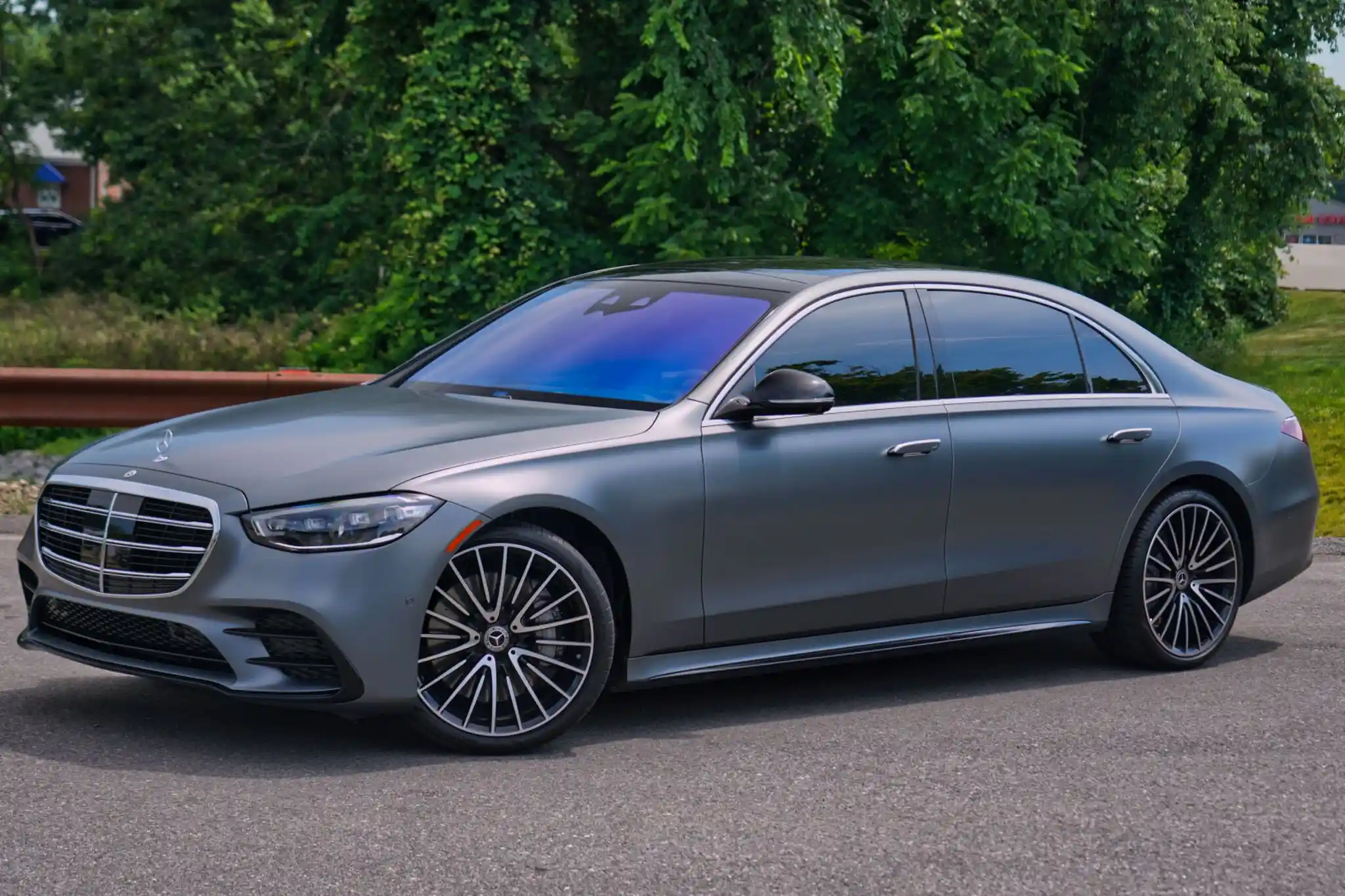
Paint protection film and ceramic coating are often talked about together, but they are not the same product.
PPF protects against physical damage. Ceramic coating helps with surface behavior and maintenance.
That difference is important.
Paint protection film is the layer that helps defend your paint from rock chips, road debris, bug acids, salt, sand, light scratches, and everyday driving wear. Ceramic coating does not replace that impact protection.
Instead, ceramic coating can be installed over PPF to make the film easier to wash, easier to dry, and easier to keep clean.
For many customers, this is one of the best combinations for exterior protection and long-term care.
At Kickin’ Customs in Raynham, MA, we install XPEL paint protection film and ceramic coatings for vehicles across Massachusetts and Rhode Island. Some customers only need PPF. Some only need coating. Many benefit from using both together.
The right choice depends on how you drive, how you maintain the vehicle, and what you expect from the finished result.
How PPF and coating work together
What Does PPF Do?
Paint protection film is designed to protect the paint from physical damage.
It is commonly installed on high-impact areas like the front bumper, hood, fenders, mirrors, headlights, rocker panels, lower doors, rear quarters, trunk ledges, and full vehicle bodies.
PPF is a sacrificial layer. If the film takes a rock hit, scrape, road debris impact, or tire sling damage, it may have done its job by helping protect the paint underneath.
Kickin’ Customs installs XPEL paint protection film, including XPEL Ultimate Plus, XPEL Stealth, and XPEL Ultimate Fusion. XPEL paint protection film carries a 10-year manufacturer warranty.
PPF is the product you choose when you want real protection from road damage.
Ceramic coating can help maintain the film, but it does not replace what PPF does.
What Does Ceramic Coating Do?
Ceramic coating is a liquid-applied protective coating that bonds to the surface.
When installed over paint protection film, ceramic coating can help improve slickness, water behavior, gloss, chemical resistance, UV resistance, and ease of cleaning.
A coated PPF surface is often easier to wash because dirt, grime, bugs, and road film do not cling as aggressively to the surface.
It can also make drying easier because water tends to bead and move off the film more effectively.
Ceramic coating does not make the vehicle maintenance-free. It does not mean the vehicle cannot get dirty. It does not mean road debris cannot damage the film.
It simply makes the surface easier to live with.
That matters for daily drivers, winter vehicles, performance cars, EVs, trucks, SUVs, and luxury vehicles that are actually driven.
The Biggest Benefit Is Easier Washing
The biggest reason to add ceramic coating over PPF is easier maintenance.
PPF does a great job protecting the paint, but the film still lives on the outside of the vehicle. It still gets hit with bugs, salt, sand, road grime, brake dust, bird droppings, sap, pollen, hard water, and winter contamination.
A ceramic coating can make the surface slicker, which helps reduce how strongly contamination sticks to the film.
This does not mean the vehicle will clean itself.
It means proper washing usually becomes easier.
Bugs can release more easily. Road grime can be less stubborn. Drying can be faster. The vehicle can feel cleaner between washes.
For customers who drive a lot, this is often the biggest day-to-day advantage.
Ceramic Coating Adds Better Water Behavior
One of the easiest things customers notice after ceramic coating is water behavior.
Water tends to bead, sheet, and move off the surface more easily. This can make the vehicle easier to rinse and dry.
On uncoated PPF, water behavior depends on the film, age, maintenance products, contamination, and wash habits. Some films have better surface behavior than others, but ceramic coating can improve that ownership experience.
This is especially useful on front bumpers, mirrors, rocker panels, lower doors, rear quarters, and other areas that collect grime quickly.
Water behavior is not just about looks. It affects how easy the vehicle is to maintain.
When water and grime do not sit as heavily on the surface, regular cleaning becomes more manageable.
Ceramic Coating Can Improve Gloss
On gloss PPF, ceramic coating can help the film look richer and cleaner.
A coated surface often has a slicker feel and a more reflective appearance. This can help the vehicle look freshly maintained when it is properly washed.
For customers with XPEL Ultimate Plus or gloss clear PPF, ceramic coating can be a strong upgrade if they care about gloss, clarity, and easier cleaning.
That said, ceramic coating is not a correction product for film.
If the PPF is dirty, stained, scratched, damaged, or poorly maintained, coating over it will not magically fix those issues. The film should be cleaned and inspected before coating is applied.
The best results come from coating clean, properly installed, properly cured film.
Limits and ownership needs
Ceramic Coating Does Not Replace PPF
This is the most important point.
Ceramic coating does not replace paint protection film.
A coating does not provide the same impact resistance as PPF. It will not stop rock chips the way film can. It will not absorb road debris impact. It will not protect the paint from physical damage the same way a urethane film can.
If your main concern is chips, road rash, bumper damage, rocker panel damage, or highway debris, PPF is the correct product.
Ceramic coating is a maintenance and surface protection upgrade.
PPF protects against impact.
Ceramic coating helps make the protected surface easier to maintain.
They work best when the customer understands the role of each product.
Ceramic Coating Does Not Make PPF Invincible
Ceramic coating over PPF is a great combination, but it does not make the film invincible.
The vehicle still needs proper washing. The film can still be cut, torn, stained, scratched, or damaged by strong impacts, harsh chemicals, pressure washing too close to edges, improper snow removal, or aggressive scrubbing.
A coating can help reduce how easily contamination sticks, but it does not mean bugs, bird droppings, sap, tar, or hard water can sit forever without consequence.
Contamination should still be removed as soon as reasonably possible.
PPF is durable, but it should still be cared for properly.
Coating makes maintenance easier. It does not remove responsibility.
Ceramic Coating Does Not Fix Bad Maintenance
If a vehicle is washed with dirty towels, abrasive brushes, harsh chemicals, or automatic brush washes, ceramic coating will not save it from poor care.
Good maintenance still matters.
Customers should use film-safe products, clean microfiber towels, proper wash methods, and safe drying practices. Pressure washers should be used carefully, especially around film edges, seams, corners, and wrapped areas.
For XPEL film, we recommend using XPEL-safe maintenance products whenever possible.
Coating helps the vehicle clean up easier, but it works best when the owner maintains the vehicle correctly.
A coated PPF vehicle that is washed properly will usually stay cleaner and easier to maintain than one that is neglected.
Ceramic Coating Over PPF Makes Sense for Daily Drivers
Daily drivers are some of the best candidates for ceramic coating over PPF.
These vehicles see the most real-world exposure. They sit in traffic, drive through rain, collect bugs, deal with salt, get hit with sand, and spend time in parking lots.
In Massachusetts and Rhode Island, winter road treatment can make maintenance even more important.
A daily driven vehicle with PPF already has strong paint protection in the covered areas. Adding ceramic coating can make those areas easier to clean after highway driving, winter storms, or long commutes.
This can be especially helpful on front bumpers, mirrors, rocker panels, lower doors, and rear quarters.
If you drive the vehicle often and want the maintenance to be easier, coating over PPF is worth considering.
Ceramic Coating Over PPF Makes Sense for Performance Cars
Performance cars also benefit from ceramic coating over PPF.
These vehicles often collect bugs, brake dust, rubber, tar, and road debris more aggressively than a normal commuter vehicle.
Lower front ends, wide tires, sticky rubber, aggressive aero, and spirited driving can make contamination worse on the front bumper, hood, mirrors, rockers, lower doors, and rear quarters.
PPF protects those areas from physical damage.
Ceramic coating helps make them easier to clean afterward.
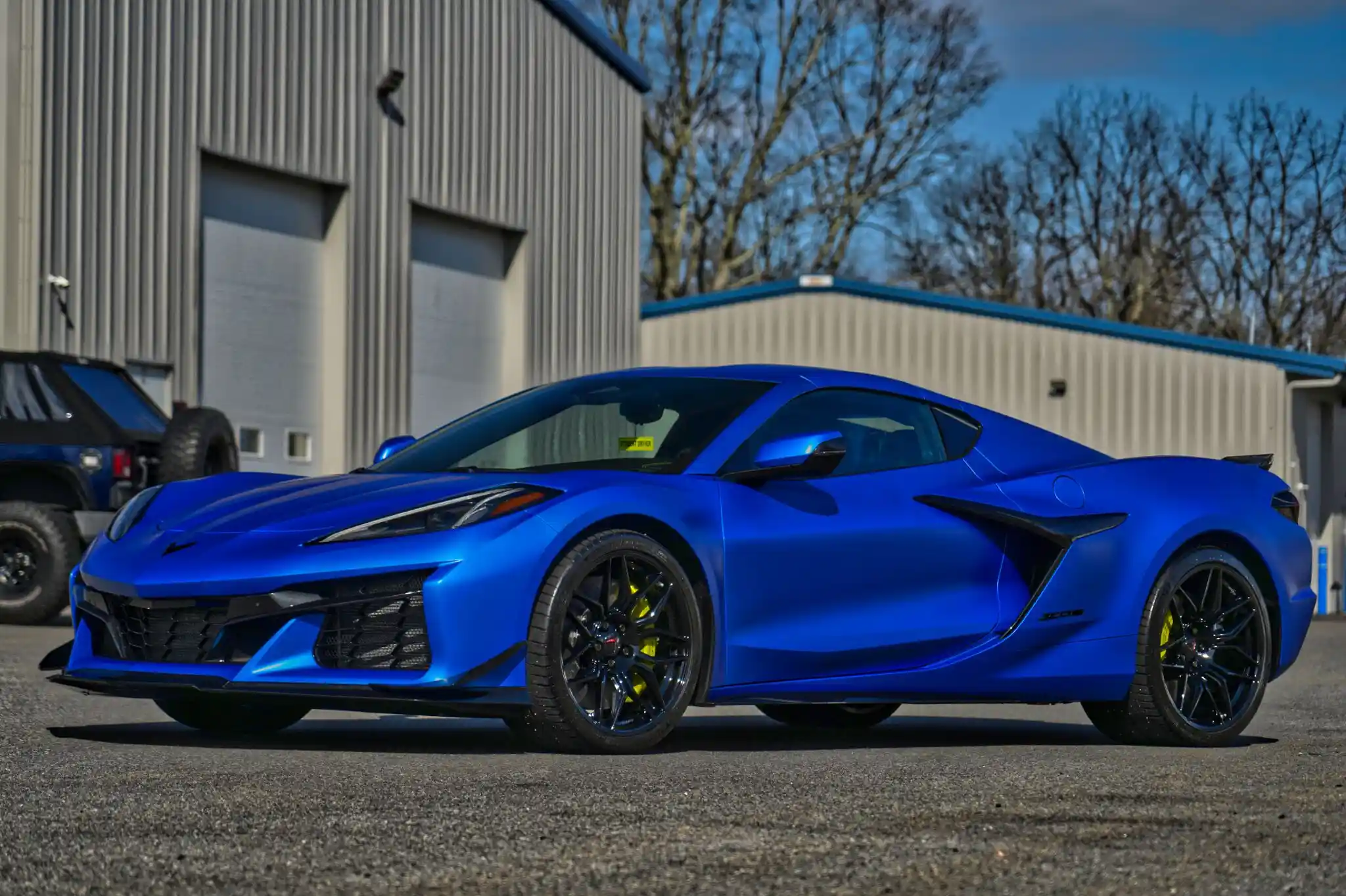
For Corvettes, Porsches, BMW M cars, AMG models, Audi RS vehicles, Mustangs, Camaros, Ferraris, Lamborghinis, McLarens, and similar vehicles, PPF and ceramic coating can work very well together.
Protection matters. Maintenance matters too.
Ceramic Coating Over PPF Makes Sense for Trucks and SUVs
Trucks and SUVs often see heavy use.
Large front ends, big mirrors, rocker panels, lower doors, rear bumper loading areas, tailgate ledges, and bedsides can collect dirt, salt, mud, road grime, and cargo-related wear.
PPF can protect the high-impact areas. Ceramic coating can make those areas easier to clean and maintain.
This is useful for family SUVs, work trucks, tow vehicles, winter vehicles, and daily drivers.
If the vehicle is used for kids, pets, cargo, job sites, towing, road trips, or winter driving, easy cleaning becomes a real benefit.
For many trucks and SUVs, the best approach is targeted PPF on high-abuse areas with ceramic coating over the film and exposed paint.
Ceramic Coating Over PPF Makes Sense for EVs
EVs can be great candidates for PPF and ceramic coating.
Many EVs have large painted bumpers, smooth body panels, rocker areas, and lower sections that show contamination quickly.
Tesla, Rivian, Lucid, BMW i, Mercedes EQ, Hyundai IONIQ, Kia EV, and other EV owners often care about keeping the vehicle clean and protected without constant maintenance frustration.
PPF protects the high-impact exterior surfaces.
Ceramic coating makes washing and drying easier.
This combination pairs well with ceramic window tint too, especially for customers who want a more complete ownership upgrade. Tint improves cabin comfort. PPF protects the exterior. Ceramic coating makes exterior maintenance easier.
Coverage, finish and film choice
Ceramic Coating Over Full Front PPF
Full front PPF is one of the most common packages to coat.
The front bumper, hood, fenders, mirrors, and headlights take the most direct abuse from driving. They also collect the most bugs, salt, sand, and road film.
Adding ceramic coating over full front PPF can make that whole protected area easier to clean.
This is especially useful for highway commuters and customers who want the front end to stay easier to maintain over time.
Full front PPF protects the paint.
Ceramic coating helps keep the film cleaner.
That combination makes sense for many new vehicles.
Ceramic Coating Over Full Body PPF
Full body PPF gives the most complete paint protection coverage.
Adding ceramic coating over full body PPF can improve the ownership experience even more because every protected exterior panel becomes easier to wash and dry.
This is a strong option for high-end vehicles, luxury SUVs, performance cars, exotics, EVs, and customers who want a more complete protection package.
Full body PPF is a larger investment. Ceramic coating helps make that investment easier to maintain.
If the entire vehicle is wrapped in film, coating the film can help with slickness, water behavior, gloss on gloss film, and easier cleaning.
For many full body PPF customers, coating is a smart add-on.
Ceramic Coating Over XPEL Stealth
Ceramic coating over XPEL Stealth needs more care than coating gloss PPF.
Stealth has a satin finish. The goal is to maintain that even satin appearance.
The wrong product can create uneven shine, patchiness, or gloss spots. That is why product selection and installation experience matter.
Do not polish Stealth film. Do not use gloss-enhancing products. Do not use aggressive compounds or unknown chemicals.
A proper coating or maintenance product designed for satin film can make Stealth easier to maintain without changing the intended look.
If your vehicle has XPEL Stealth, ask before applying any coating, wax, sealant, or cleaner.
What About XPEL Ultimate Fusion?
XPEL Ultimate Fusion is a gloss paint protection film with built-in hydrophobic properties.
This can be a strong choice for customers who want PPF with easier washing and better water behavior from the film itself.
The hydrophobic properties are expected to last around 4 years, while the film itself still carries the 10-year manufacturer warranty.
Ultimate Fusion is not the same as adding a separate ceramic coating over standard PPF, but the goal is similar from an ownership standpoint: easier maintenance and better water behavior.
For some customers, Ultimate Fusion may be the right film choice from the start.
For others, XPEL Ultimate Plus with ceramic coating over it may make more sense.
The best option depends on the vehicle, coverage, budget, and maintenance goals.
What About XPEL Ceramic Boost?
XPEL Ceramic Boost is a maintenance product that can help refresh slickness and water behavior.
For PPF maintenance, we often recommend Ceramic Boost about every 6 months.
This can be useful whether the vehicle has coated PPF or uncoated PPF, depending on the setup and product compatibility.
Ceramic Boost is not the same as a professional ceramic coating. It is a maintenance product that helps support the surface over time.
Think of it as part of a maintenance routine, not a replacement for proper washing or professional coating.
For customers who want the film to stay easier to clean, Ceramic Boost can be a simple way to help maintain slickness and water behavior.
Decide what to coat and maintain
When Ceramic Coating Over PPF May Not Be Necessary
Not every customer needs ceramic coating over PPF.
If the vehicle is rarely driven, always garaged, washed carefully, and the owner does not care about water behavior or easier cleaning, coating may not be necessary.
If the customer only has a small amount of PPF coverage, such as door cups or a small trunk ledge, coating may not be a priority.
If the budget is tight, it may be smarter to spend more on the right PPF coverage first before adding ceramic coating.
Protection should usually come first.
If the choice is between more PPF coverage or coating a smaller amount of film, many customers are better off protecting more of the vehicle.
Once the right film coverage is in place, ceramic coating becomes a strong upgrade.
Coverage First, Coating Second
When planning a protection package, coverage should come before coating.
The reason is simple.
Ceramic coating does not stop rock chips. PPF does.
If the front bumper, hood, fenders, rockers, lower doors, or rear quarters need protection, it is usually better to install film on those areas first.
After that, ceramic coating can be added to make the protected areas easier to maintain.
For example, a daily highway driver may benefit more from full front PPF and rocker panel protection than from coating alone.
A full body PPF customer may benefit from coating because the entire vehicle is already protected.
The right order is important.
Protect the paint first. Then make the protected surface easier to maintain.
Maintenance After Coating Over PPF
Ceramic coating over PPF still needs proper maintenance.
Customers should avoid washing the vehicle for 7 days after PPF installation. PPF cure time is generally 2 to 3 weeks. During that time, the film is settling, moisture may be clearing, and edges are bonding.
A small amount of edge movement during curing can be normal. Around 1/16 inch can often be addressed during the follow-up inspection.
At Kickin’ Customs, the 3-week follow-up inspection is required for PPF workmanship coverage. This allows us to inspect the film after it cures and address small concerns early.
After the film and coating are ready for normal use, customers should wash with proper products, clean microfiber towels, and safe technique.
Avoid harsh chemicals, automatic brush washes, abrasive towels, and pressure washing too close to film edges.
The coating helps, but maintenance still matters.
Does Ceramic Coating Affect the PPF Warranty?
Ceramic coating should be approached properly so the film and coating work together.
Manufacturer warranties are designed to cover qualifying product defects, not damage from neglect, harsh chemicals, improper care, pressure washing, accidents, or unapproved products.
Using the wrong chemical or aggressive product can create issues with film appearance, edges, coatings, or trim.
That is why we recommend using proper products and having the coating installed by a shop that understands PPF.
At Kickin’ Customs, we look at the film type, finish, cure time, and coverage before recommending coating or maintenance products.
The goal is to make the vehicle easier to care for without creating avoidable problems.
Should You Ceramic Coat the Whole Vehicle or Only the PPF?
This depends on the coverage.
If the vehicle only has PPF on the front end, coating only the film can help the protected areas clean up easier. But coating the exposed painted areas too may create a more consistent maintenance experience across the whole vehicle.
If the vehicle has full body PPF, coating the full vehicle makes sense because all exterior painted surfaces are already protected with film.
If the vehicle has partial PPF, coating the full vehicle can still be a smart choice because it helps both the film and the exposed paint.
The best approach depends on the package.
For many customers, a combination of PPF on high-impact areas and ceramic coating over the full vehicle is a strong setup.
Is Ceramic Coating Over PPF Worth It?
For many customers, yes.
Ceramic coating over PPF is worth considering if you want easier washing, better water behavior, improved slickness, and a cleaner long-term ownership experience.
It is especially useful for daily drivers, highway commuters, trucks, SUVs, EVs, performance cars, luxury vehicles, and full body PPF installs.
It may not be necessary for every customer, but it is one of the better upgrades if maintenance matters to you.
Just remember what it does and does not do.
Ceramic coating helps maintain the film.
PPF protects the paint.
Together, they create a stronger overall protection package.
Final Thoughts
Ceramic coating over PPF can be a smart upgrade, but only when the expectations are clear.
PPF is the impact protection. It helps defend the paint from rock chips, road debris, bug acids, salt, sand, light scratches, and everyday driving wear.
Ceramic coating helps the film stay easier to wash, easier to dry, slicker, and cleaner over time.
It does not replace PPF. It does not make the film invincible. It does not eliminate maintenance.
At Kickin’ Customs in Raynham, MA, we install XPEL paint protection film and ceramic coatings for drivers across Massachusetts and Rhode Island. Whether your vehicle has full front PPF, full body PPF, XPEL Stealth, XPEL Ultimate Fusion, rocker panel protection, or a custom coverage package, we can help you decide if ceramic coating over PPF makes sense.
If you want stronger protection and easier maintenance, contact Kickin’ Customs and we can walk you through the right PPF and ceramic coating options for your vehicle.
Frequently Asked Questions
Can ceramic coating be applied over PPF?
Yes. Ceramic coating can be applied over paint protection film in many cases. It can help improve slickness, water behavior, gloss on gloss film, and ease of cleaning.
Does ceramic coating replace PPF?
No. Ceramic coating does not replace PPF. PPF helps protect against rock chips, road debris, and physical impact. Ceramic coating helps with maintenance and surface behavior.
Does ceramic coating make PPF last longer?
Ceramic coating can help make PPF easier to maintain, which may help the film look better over time. It does not make the film invincible or prevent every type of damage.
Should I ceramic coat XPEL paint protection film?
It can be a smart upgrade if you want easier washing, better water behavior, and improved maintenance. For XPEL film, proper product choice and installation process matter.
Can you ceramic coat XPEL Stealth?
Yes, but the product must be appropriate for satin film. The wrong product can create uneven shine or change the appearance of the finish.
What is the difference between XPEL Ultimate Fusion and ceramic coating over PPF?
XPEL Ultimate Fusion is a gloss PPF with built-in hydrophobic properties. Ceramic coating over PPF is a separate coating applied to the film surface. Both can improve maintenance and water behavior, but they are different approaches.
How long should I wait to wash PPF after installation?
Wait 7 days before washing the vehicle after PPF installation. The film needs time to bond and settle.
How long does PPF take to cure?
PPF generally takes 2 to 3 weeks to fully cure. Cold, damp, or winter weather can make the curing process take longer.
Do I still need to maintain coated PPF?
Yes. Coated PPF still needs proper washing, safe products, clean microfiber towels, and careful pressure washer use around film edges.
Should I add ceramic coating or more PPF coverage first?
In many cases, more PPF coverage should come first because PPF protects against physical damage. Ceramic coating is a maintenance upgrade after the right protection coverage is selected.
Plan your next step
Want the impact protection of PPF with easier washing and maintenance? Contact Kickin’ Customs in Raynham, MA to compare XPEL paint protection film, ceramic coating, XPEL Ultimate Fusion, and Ceramic Boost options for your vehicle.
