
The short answer
Protecting ultra luxury vehicles
Protecting Ultra Luxury Vehicles Takes More Than Basic Detailing
Ultra luxury vehicles are different.
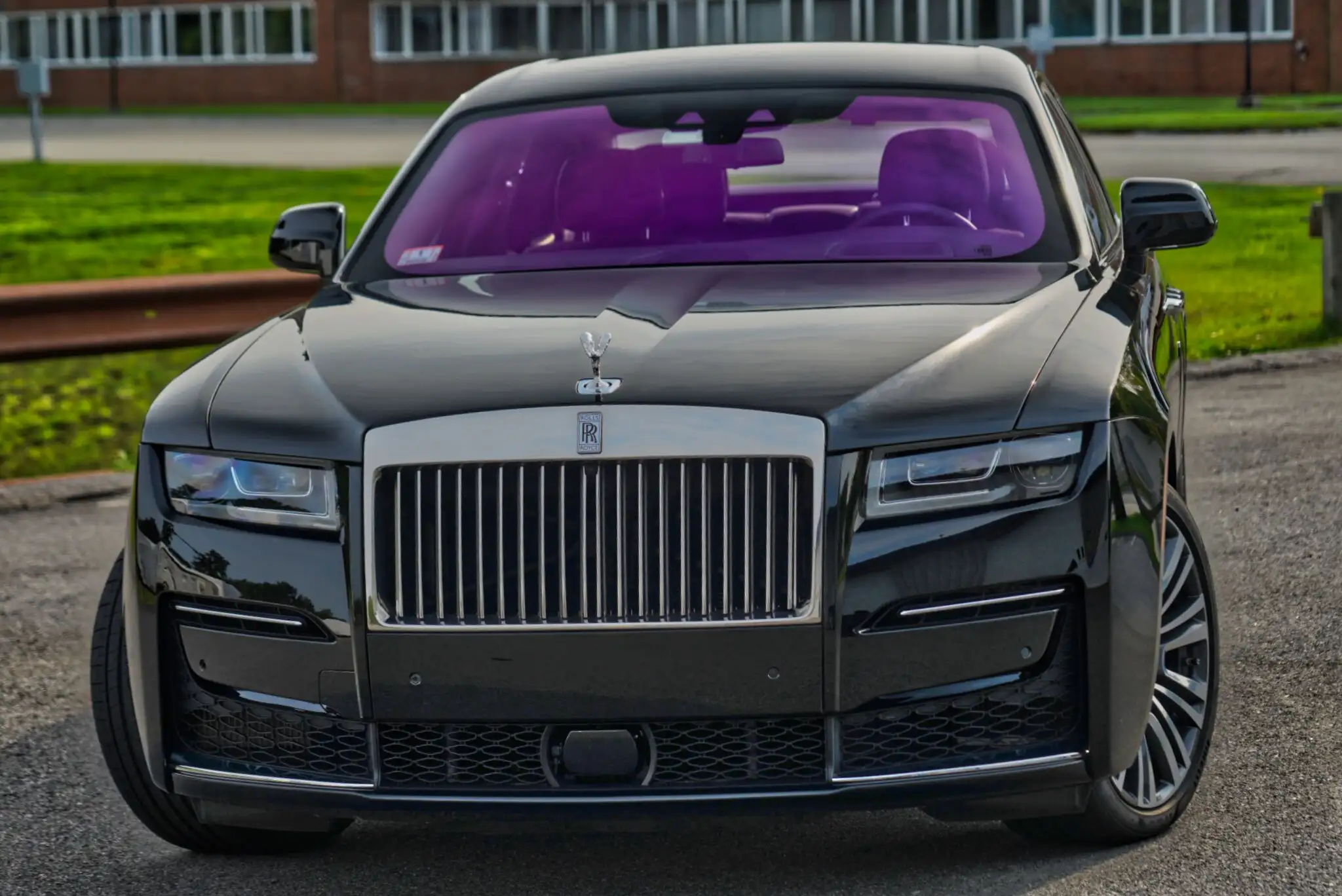
A Rolls-Royce, Bentley, Ferrari, Lamborghini, Aston Martin, McLaren, Maybach, Porsche, or high-end Range Rover is not just another vehicle with a higher price tag. The paint, trim, glass, wheels, interior materials, replacement parts, and ownership expectations are all different.
That is why protecting these vehicles requires a different approach.
Basic detailing, quick ceramic coating packages, and generic film coverage may be fine for some vehicles, but they are rarely enough for ultra luxury and exotic cars. These vehicles usually need a smarter protection plan built around paint protection film, ceramic coating, window tint, windshield protection, and, in many cases, vehicle security.
At Kickin’ Customs in Raynham, MA, we work with high-end vehicles from across Massachusetts and Rhode Island. The goal is simple: protect the vehicle without taking away from the way it was designed to look, feel, and drive.
Why Ultra Luxury Vehicles Need Better Protection
High-end vehicles tend to have larger front bumpers, wider fenders, soft or delicate paint, expensive headlights, exposed carbon fiber, gloss black trim, large wheels, low ride heights, and unique body lines.
That makes them more vulnerable to damage from normal driving.
Rock chips, road rash, bug acids, salt, sand, tree sap, bird droppings, wash marks, door cup scratches, interior wear, and windshield damage can all become expensive quickly. On some vehicles, repainting a bumper or replacing a trim piece is not simple, cheap, or easy to match.
Even when the repair is possible, many owners prefer to preserve the factory finish whenever they can.
That is where protection matters.
The right protection plan gives the vehicle a sacrificial layer before the damage happens.
Paint Protection Film Is Usually the First Priority
For most ultra luxury vehicles, paint protection film should be the first layer of protection.
PPF is a clear or satin urethane film installed over painted surfaces to help absorb road debris, rock chips, light scratches, bug acids, salt, and daily driving abuse. It is especially important on vehicles with expensive paint, soft paint, satin finishes, carbon fiber panels, low front ends, wide rear quarters, and performance tires.
Common PPF coverage areas include the front bumper, full hood, full fenders, mirrors, headlights, rocker panels, lower doors, rear quarters, A-pillars, and leading roof edge.
For many ultra luxury vehicles, full front PPF is the starting point. For others, full-body PPF makes more sense.
Full-body PPF is especially valuable when the vehicle has dark paint, satin paint, matte paint, custom paint, exposed carbon fiber, high-value resale concerns, or a finish that would be difficult to repair correctly.
Why Full-Body PPF Makes Sense on Many High-End Vehicles
Full-body PPF is not necessary for every vehicle, but it is often the right choice for ultra luxury cars.
The reason is simple. Damage does not only happen on the front bumper.
Wide rear quarters can take abuse from the front tires. Lower doors and rockers can get blasted by sand and debris. Trunk ledges, door cups, mirror caps, roof edges, and gloss black trim can all show wear faster than expected.
On high-end vehicles, small damage can stand out more because the vehicle is expected to look exceptional.
Full-body PPF gives the entire painted surface a sacrificial layer. It helps preserve the original paint, reduce visible wear, and make the vehicle easier to maintain over time.
For satin and matte vehicles, PPF becomes even more important. Matte paint cannot be polished the same way gloss paint can. Once it is scratched, stained, or damaged, correction options are limited. XPEL Stealth film can protect matte finishes or convert gloss paint to a satin appearance while keeping the original paint protected underneath.
Coatings, cabin tint and glass
Ceramic Coating Still Plays a Major Role
PPF protects against impact. Ceramic coating improves maintenance.
For ultra luxury vehicles, ceramic coating is often installed over the paint protection film and any remaining exposed paint. It can also be applied to wheels, brake calipers, glass, and select trim areas.
A ceramic coating helps improve gloss, slickness, water behavior, UV resistance, chemical resistance, and ease of washing. It can make bugs, dirt, salt, and road grime easier to remove.
This matters because many high-end vehicles are washed carefully, stored indoors, and driven selectively. Owners usually want the vehicle to look clean without aggressive washing or unnecessary contact.
Ceramic coating does not replace PPF. It will not stop rock chips. But when used with PPF, it completes the protection system.
The best order is usually paint prep, PPF installation, then ceramic coating over the film and remaining surfaces.
Window Tint Is About Comfort, Privacy, and Interior Protection
Window tint is another important part of protecting an ultra luxury vehicle.
High-end interiors often use premium leather, Alcantara, carbon fiber, wood trim, piano black trim, touchscreens, and detailed stitching. Heat and UV exposure can age those materials over time.
Ceramic window tint helps reduce heat, glare, and UV exposure while improving comfort and privacy. On luxury sedans, SUVs, exotics, and grand touring vehicles, tint also helps the vehicle feel more refined inside.
For many owners, the goal is not to make the vehicle look overly dark. The goal is to improve comfort while keeping the appearance tasteful and appropriate for the vehicle.
XPEL PRIME XR and XR Plus films are common choices for customers who want strong heat rejection without sacrificing clarity.
Windshield Protection Film Can Be Worth Considering
Windshield replacement on ultra luxury vehicles can be expensive.
Many modern vehicles have cameras, sensors, rain sensors, heads-up display compatibility, heated glass, acoustic glass, and complex calibration requirements. On some vehicles, replacing the windshield is not just a glass job. It can become a parts, calibration, and downtime issue.
Windshield protection film adds a protective layer to the outside of the windshield to help reduce damage from small road debris and sandblasting.
It does not make the windshield unbreakable, but it can be a smart upgrade for vehicles that are driven on highways, rallies, group drives, or roads with heavy construction and debris.
For owners who want to reduce the chance of premature windshield damage, it is worth discussing during the protection planning process.
Do Not Ignore the Wheels, Calipers, and Lower Areas
Ultra luxury vehicles often have large wheels, painted calipers, carbon ceramic brakes, gloss black trim, and complex lower bodywork.
These areas can take a beating.
Brake dust, road grime, salt, tar, and heat can make wheels difficult to clean. Ceramic coating the wheels and calipers can make maintenance easier and reduce how aggressively they need to be cleaned.
Lower rocker panels, splash areas, rear quarters, and side skirts should also be reviewed for PPF. These areas are easy to overlook, but they often take some of the worst abuse.
This is especially true on wide vehicles, lowered vehicles, performance SUVs, and cars with sticky tires.
Security and installation standards
Vehicle Security Matters More Than Ever
For high-end vehicles, protection is not only about the paint.
Luxury and performance vehicles are often targeted for theft, key cloning, relay attacks, OBD attacks, and forced entry. Factory security is not always enough.
For the right vehicle, layered security is worth considering. That can include systems like IGLA, Compustar PRO alarms, DroneMobile GPS tracking, and dashcams.
IGLA helps prevent the vehicle from being driven away without authorization, even if someone has the key or has attempted to clone or relay the signal. A Compustar PRO alarm can add sensors and alerts. DroneMobile GPS tracking can help with location monitoring. Dashcams can provide added visibility around incidents, impacts, and parking situations.
For ultra luxury vehicles, the best approach is often layered. Paint protection protects the finish. Tint protects comfort and privacy. Security protects the vehicle itself.
The Installation Environment Matters
Ultra luxury vehicle protection is not just about the products used. The installation environment and process matter.
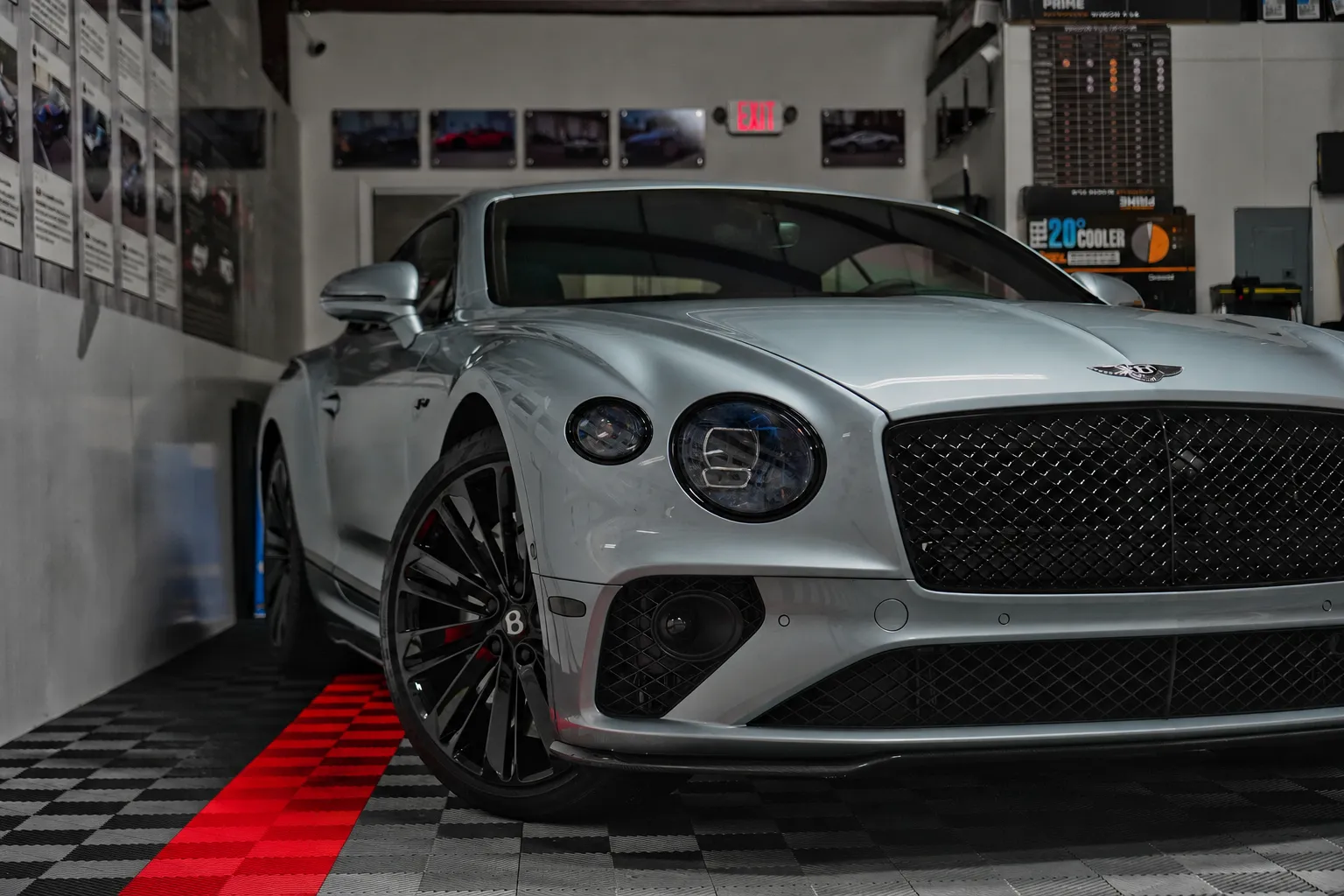
A high-end vehicle should be worked on in a controlled, clean, well-lit space by installers who understand how to handle delicate paint, trim, badges, edges, sensors, cameras, carbon fiber, and complex body lines.
The planning stage is important. Some vehicles need bulk installation. Some need modified patterns. Some need trim or emblem removal when appropriate. Some areas may not be worth forcing if the risk outweighs the benefit.
That judgment matters.
The best installation is not always the most aggressive one. The best installation is the one that protects the vehicle properly while respecting the vehicle itself.
Build your protection plan
Every Ultra Luxury Vehicle Needs a Custom Plan
Continental GT does not need the same plan as a Lamborghini Urus. A Porsche 911 Turbo does not need the same plan as a Maybach S-Class.
The vehicle shape, paint type, use case, mileage, storage, driving habits, and owner expectations all matter.
A daily-driven luxury SUV may need full front PPF, rocker protection, tint, coating, windshield protection, and security.
A garage-kept exotic may need full-body PPF, ceramic coating, wheel coating, windshield protection, and a careful maintenance plan.
A luxury sedan may need full front PPF, ceramic tint, ceramic coating, and security if it is parked publicly or driven often.
The right answer depends on the vehicle.
Common Protection Packages for Ultra Luxury Vehicles
A strong entry-level protection plan usually starts with full front PPF. This protects the front bumper, hood, fenders, mirrors, and headlights from the most common impact damage.
A more complete daily driver plan may add rocker panels, lower doors, rear impact areas, ceramic coating, and window tint.
A full luxury protection plan may include full-body PPF, ceramic coating over the film, wheel and caliper coating, glass coating, ceramic window tint, windshield protection film, and layered vehicle security.
For the highest-value vehicles, full-body protection is usually the cleanest long-term strategy.
Why Protect the Vehicle Early?
The best time to protect an ultra luxury vehicle is before it gets damaged.
Once the bumper is chipped, the hood is marked, the piano black trim is scratched, or the lower panels are road blasted, the protection conversation changes. At that point, correction or repair may be needed before film or coating is installed.
New vehicles are ideal candidates because the factory finish can be preserved from the beginning.
Even if the vehicle is not brand new, protection can still make sense after proper prep. But the cleaner the starting point, the better the result.
Final Thoughts
Ultra luxury vehicles deserve more than basic protection.
These vehicles are expensive to repair, difficult to refinish, and often held to a higher standard by their owners. The right combination of paint protection film, ceramic coating, window tint, windshield protection, and vehicle security can help preserve the vehicle’s appearance, comfort, value, and usability.
PPF protects the finish from physical damage. Ceramic coating makes the vehicle easier to maintain. Window tint improves comfort and protects the interior. Windshield film helps reduce glass damage. Security systems add another layer of protection against theft and unauthorized use.
At Kickin’ Customs in Raynham, MA, we help owners build protection plans around the vehicle, not a generic package. Whether you drive a Rolls-Royce, Bentley, Ferrari, Lamborghini, Porsche, Maybach, McLaren, Aston Martin, Range Rover, or another high-end vehicle, the goal is to protect it properly from the start.
Frequently Asked Questions
Should ultra luxury vehicles get paint protection film?
Yes. Paint protection film is one of the smartest upgrades for ultra luxury vehicles because it helps protect the original paint from rock chips, road rash, bug acids, salt, and light scratches.
Is full-body PPF worth it on a luxury vehicle?
Full-body PPF can be worth it on high-value vehicles, dark colors, satin or matte finishes, exotics, and vehicles with expensive paint or body panels. It gives the entire painted surface a sacrificial layer.
Does ceramic coating replace PPF?
No. Ceramic coating does not replace PPF. Ceramic coating helps with gloss, slickness, water behavior, and easier cleaning. PPF provides physical impact protection.
Can ceramic coating be installed over PPF?
Yes. Ceramic coating can be installed over PPF and is a popular choice. It helps make the film easier to clean and maintain.
Is window tint worth it on a luxury car?
Yes. Ceramic window tint can improve comfort, reduce heat and glare, protect interior materials, and add privacy while keeping the vehicle’s appearance tasteful.
Should luxury vehicles have added security?
Many high-end vehicles benefit from added security. Systems like IGLA, Compustar PRO alarms, DroneMobile GPS tracking, and dashcams can add protection beyond factory security.
What is the best protection package for an exotic car?
For many exotic cars, full-body PPF with ceramic coating over the film is the best starting point. Window tint, windshield protection, wheel coating, and security can be added based on how the vehicle is used.
When should a new luxury vehicle be protected?
The best time is as soon as possible after delivery. Protecting the vehicle early helps preserve the original finish before chips, scratches, and road rash occur.
Plan your next step
Protect your investment before the damage happens. Contact Kickin’ Customs in Raynham, MA to build a custom protection plan for your ultra luxury, exotic, or high-performance vehicle.
