
The short answer
A performance or luxury vehicle does not need every protection product simply because it is expensive. It needs the right protection in the areas most likely to be damaged, worn, overheated, contaminated, or targeted based on how the vehicle is actually used.
That may mean full-front paint protection film on a weekend Porsche, broader rocker and rear-quarter coverage on a wide-body performance car, ceramic tint on a luxury SUV with a large glass area, windshield protection on an expensive camera-equipped windshield, or full-body PPF on a long-term keeper with a special finish.
At Kickin' Customs in Raynham, Massachusetts, we build protection plans around the vehicle, its finish, its driving exposure, and the owner's priorities. The goal is not to stack services. The goal is to protect the parts of the vehicle that matter most before normal use starts leaving permanent evidence.
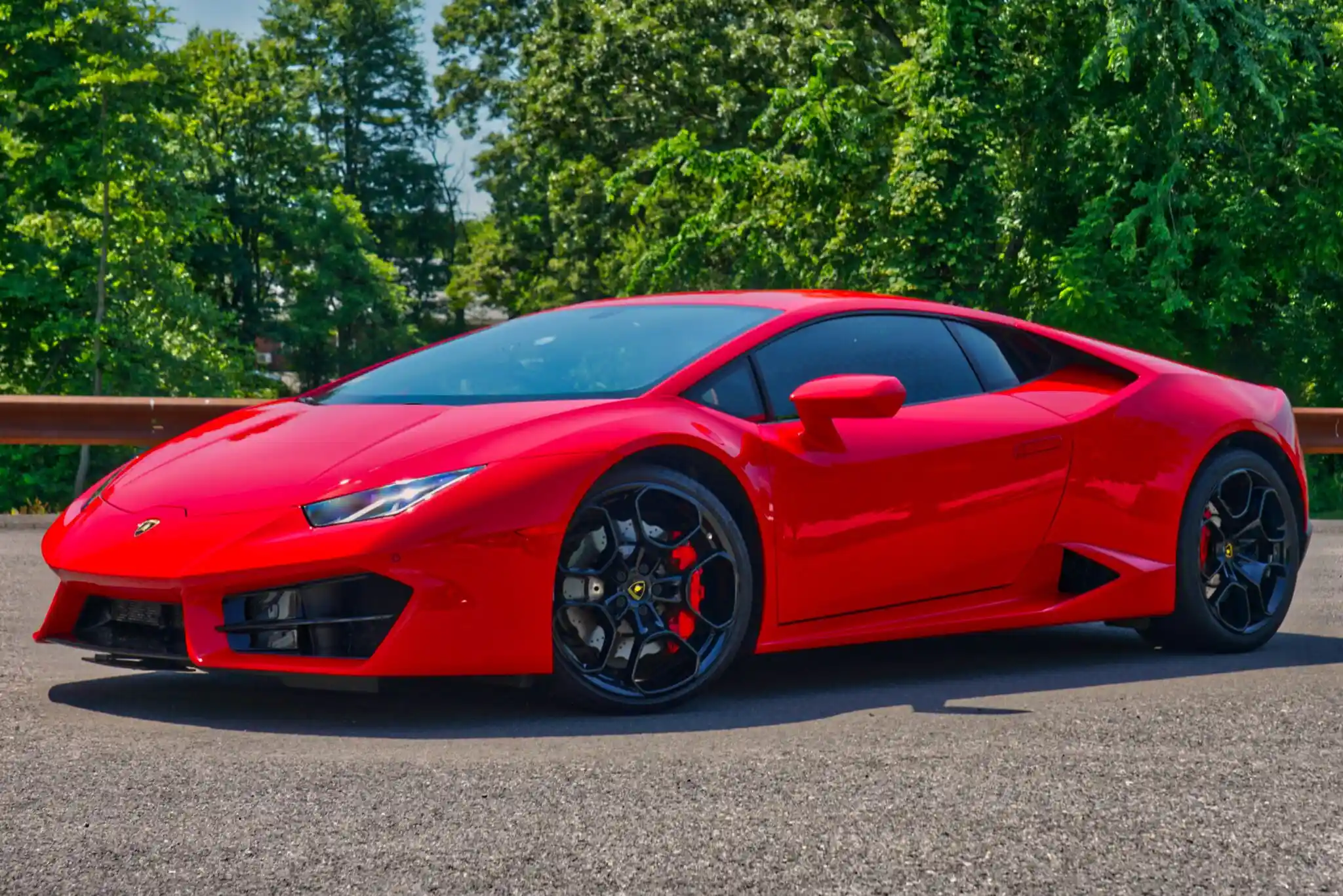
Start with paint protection
Why Performance and Luxury Vehicles Need a Different Protection Plan
Higher-value vehicles often combine several characteristics that change the protection conversation. They may have low front ends, wider tires, aggressive bodywork, expensive lights, large wheels and brakes, specialty paint, carbon-fiber trim, large glass areas, or more complicated windshield camera systems.
A BMW M car, Mercedes-AMG, Porsche 911, Corvette, Lamborghini, Ferrari, Range Rover, or high-end electric vehicle may all be valuable, but they do not take wear in the same places. Even two identical vehicles can need different coverage if one is a garage-kept weekend car and the other is driven every day on the highway.
The protection plan should account for:
- How often the vehicle is driven and how much highway mileage it sees
- Whether the vehicle has a low front end, wide rear quarters, aggressive tires, or exposed rocker panels
- Factory gloss, matte, satin, special-order, or previously repaired paint
- Wheel size, brake-dust output, and caliper exposure
- Windshield cost, curvature, cameras, sensors, and replacement complexity
- Cabin glass area, panoramic roof area, heat load, and glare
- Where the vehicle is parked and whether layered theft protection is appropriate
- How long the owner expects to keep the vehicle
A good protection plan starts with exposure, not with the badge on the hood.
Start With Paint Protection Film Where Physical Damage Happens
Paint protection film is the first service to consider when the concern is physical paint damage. XPEL ULTIMATE PLUS is a clear polyurethane film designed to help protect painted surfaces from stone chips, abrasion, scratches, and environmental contamination. Its topcoat can self-heal many fine surface marks with heat, and qualifying installations carry XPEL's 10-year limited product warranty.
PPF reduces risk. It does not make the vehicle damage-proof. A severe impact, puncture, collision, dent, or sharp object can still damage the film and the surface beneath it.
Full Front Is the Practical Baseline for Many Vehicles
For many performance and luxury vehicles, full-front coverage is the logical starting point because the bumper, hood, fenders, mirrors, and often the headlights take the first contact from highway debris and insects.
At Kickin' Customs, Front-End Defense covers the full hood, full fenders, front bumper, mirrors, and headlights when those surfaces are appropriate for film. It is a strong baseline for many daily-driven and highway-driven vehicles because it protects complete front panels rather than stopping across the middle of the hood or fenders.
When Extended PPF Coverage Makes More Sense
Performance vehicles often throw debris beyond the front end. Wider tires, sticky compounds, aggressive offset, flared bodywork, and low rocker areas can expose the sides of the car to sand, gravel, salt, rubber, and tire spray.
That is where extended coverage can make more sense than stopping at a traditional full front. Depending on the vehicle, the next areas to review are:
- Rocker panels and lower doors
- A-pillars and the leading edge of the roof
- Rear-quarter impact areas in front of or behind the rear wheels
- Wide rear hips and bedsides
- Gloss-black exterior trim or painted aero pieces
- Door cups, door edges, and loading areas when applicable
Kickin' Customs uses Apex Defense and Urban Armor as broader public coverage levels, but the exact vehicle matters more than the package name. A wide-body sports car and a luxury SUV can create completely different impact patterns.
When Full-Body PPF Is Worth Considering
Full-body PPF is most compelling when the owner wants the painted exterior protected beyond the typical impact zones. It is not automatically required because a vehicle is expensive, but it becomes easier to justify when several ownership factors line up.
- The vehicle is new or low mileage and the owner wants to preserve the finish from the beginning
- The paint is dark, special-order, difficult to correct, or emotionally important to the owner
- The vehicle will be driven frequently or kept for many years
- The owner wants broader protection against wash wear, light scratches, road contamination, and incidental contact
- The vehicle is a collector, limited-production, or higher-trim model where repainting is especially undesirable
- A uniform satin conversion with XPEL STEALTH is part of the design goal
For gloss vehicles, Zero Exposure is Kickin' Customs' full painted-body PPF package. For owners who want a satin appearance, a full-body XPEL STEALTH conversion can change the visible finish while the original paint remains underneath the film.
Paint Condition Still Matters Before Film Goes On
A high-value vehicle can still arrive with paint defects. New cars may have dealer-installed swirls, transportation marks, touch-up, sanding, previous film, or corrected areas. Used vehicles may have repainting, chips, clear-coat issues, body repairs, or previous ceramic coatings.
PPF is transparent, so existing defects do not disappear simply because film is installed over them. Paint condition should be inspected first so the owner understands what will remain visible and whether correction, touch-up, or another preparation step makes sense before installation.
Repainted and repaired surfaces also deserve special attention because installation and future removal can carry additional risk compared with stable factory paint. This is especially important on collector vehicles and cars with documented paintwork.
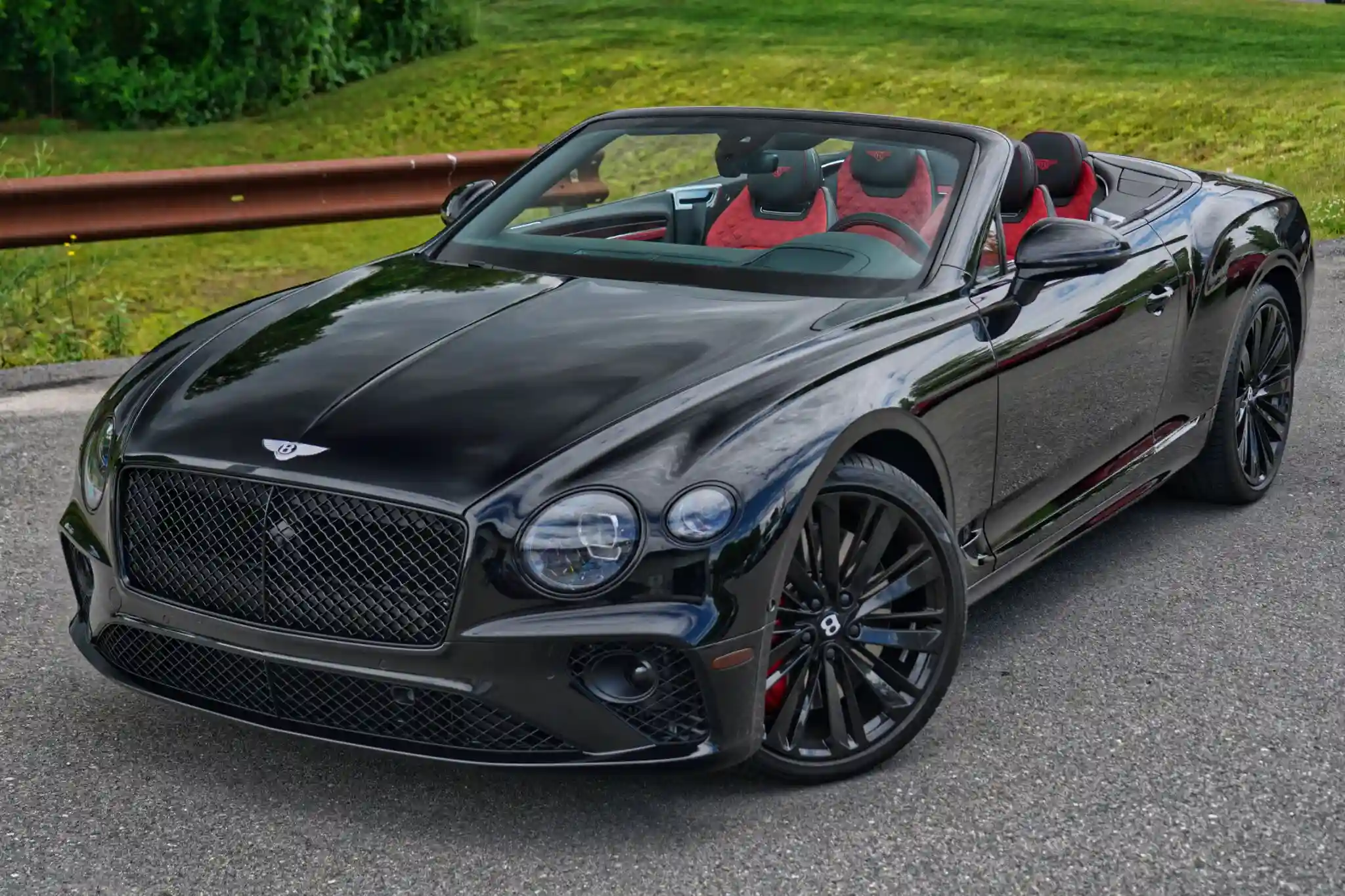
Coatings, tint and windshield film
Ceramic Coating Solves a Different Problem Than PPF
Ceramic coating is useful on performance and luxury vehicles because it can improve gloss, slickness, water behavior, and routine cleaning. It does not replace PPF for rock-chip protection.
XPEL FUSION PLUS coatings can be applied to compatible paint and approved PPF surfaces. XPEL's current lineup includes Lite, Classic, Premium, and Satin formulations, with Premium positioned as the flagship coating with an eight-year warranty and Satin intended for compatible matte and satin surfaces.
The most practical way to think about the combination is simple: PPF takes the physical abuse first, while ceramic coating helps the exposed surface stay easier to maintain.
Wheels and Calipers Deserve Their Own Plan
Large wheels and performance brakes are a major part of how many high-end vehicles look and drive. They also create some of the dirtiest surfaces on the vehicle. Brake dust, road film, iron contamination, and heat can make maintenance difficult, especially on intricate wheel designs or bright calipers.
Wheel and caliper ceramic coating does not prevent curb rash, stone impacts, or physical damage. Its value is easier maintenance and a more manageable surface when brake dust and grime build up.
Glass Coating and Interior Protection Can Matter Too
Exterior glass coating can improve water behavior and cleaning on compatible glass. Interior ceramic protection can also make sense on light upholstery, fabric, or frequently used luxury interiors, but material compatibility matters. Screens, sensitive trim, leather, fabric, plastics, and specialty finishes should not all be treated as if they are the same surface.
Ceramic Window Tint Is About Comfort and Glass Performance
Performance and luxury vehicles often have large side windows, sloped rear glass, panoramic roofs, or expansive windshields. That glass can contribute to cabin heat and glare even when the vehicle already has factory privacy glass on the rear windows.
XPEL PRIME XR Black and XR Plus are nano-ceramic window films designed to improve heat and infrared performance while rejecting 99% of ultraviolet energy according to XPEL's current specifications. XR Plus is XPEL's higher-performance ceramic tier, while XR Black provides strong ceramic performance at a lower price point.
The important point is that ceramic performance and darkness are not the same thing. An owner can prioritize heat rejection without automatically choosing the darkest shade available. Final shade and windshield coverage must also be legally appropriate for the vehicle and where it is operated.
Windshield Protection Film Is Different From Tint
Windshield protection film is installed on the outside of the glass. Window tint is normally installed inside the glass. They solve different problems.
XPEL Windshield Protection Film acts as a replaceable exterior sacrificial layer intended to help reduce damage from smaller road debris before it reaches the windshield. That can be particularly relevant on performance and luxury vehicles with expensive glass, head-up displays, heating elements, acoustic construction, or camera and sensor systems that can make replacement more involved.
XPEL's current WPF warranty is 1 year or 12,000 miles for qualifying film defects. Rock impacts, chips, cracks, and normal wear are not guaranteed or covered simply because the film is installed. The film reduces risk, but the windshield can still be damaged.
Vehicle security
Do Not Forget the Vehicle Itself: Layered Security
Protecting a high-value vehicle is not only about paint and glass. Depending on the model, where it is parked, and the owner's concerns, a layered security plan may also be worth discussing.
A digital immobilizer, alarm, GPS tracking, and dashcam each have different jobs. An immobilizer is intended to add authorization before a supported vehicle can be driven. An alarm can detect and report intrusion or impact events. GPS tracking supports location and recovery. A dashcam documents driving and can provide parking-mode recording when the system and power strategy support it.
No security system can make a vehicle impossible to steal. The advantage of a layered approach is that a thief has more than one problem to solve, while the owner has more than one way to receive information or support recovery.
Build the right protection plan
How the Protection Plan Changes With the Way the Vehicle Is Used
A vehicle's use should change the recommendations. The following are practical starting points, not mandatory bundles.
| Ownership Type | Primary Exposure | Protection Priority | Typical Direction |
|---|---|---|---|
| Weekend performance car | Highway debris, front-end impacts, occasional spirited driving | Protect the most exposed surfaces without unnecessary coverage | Full-front PPF, rockers as needed, coating, optional WPF and tint |
| Daily-driven luxury or performance vehicle | High mileage, road film, winter exposure, parking-lot use | Broader impact coverage and easier maintenance | Full front or extended PPF, coating, ceramic tint, WPF, wheel/caliper coating |
| Long-term keeper or special build | Preservation, wash wear, contamination, future repaint avoidance | Keep the original finish protected as consistently as practical | Full-body PPF or STEALTH where appropriate, coating, wheel/glass protection |
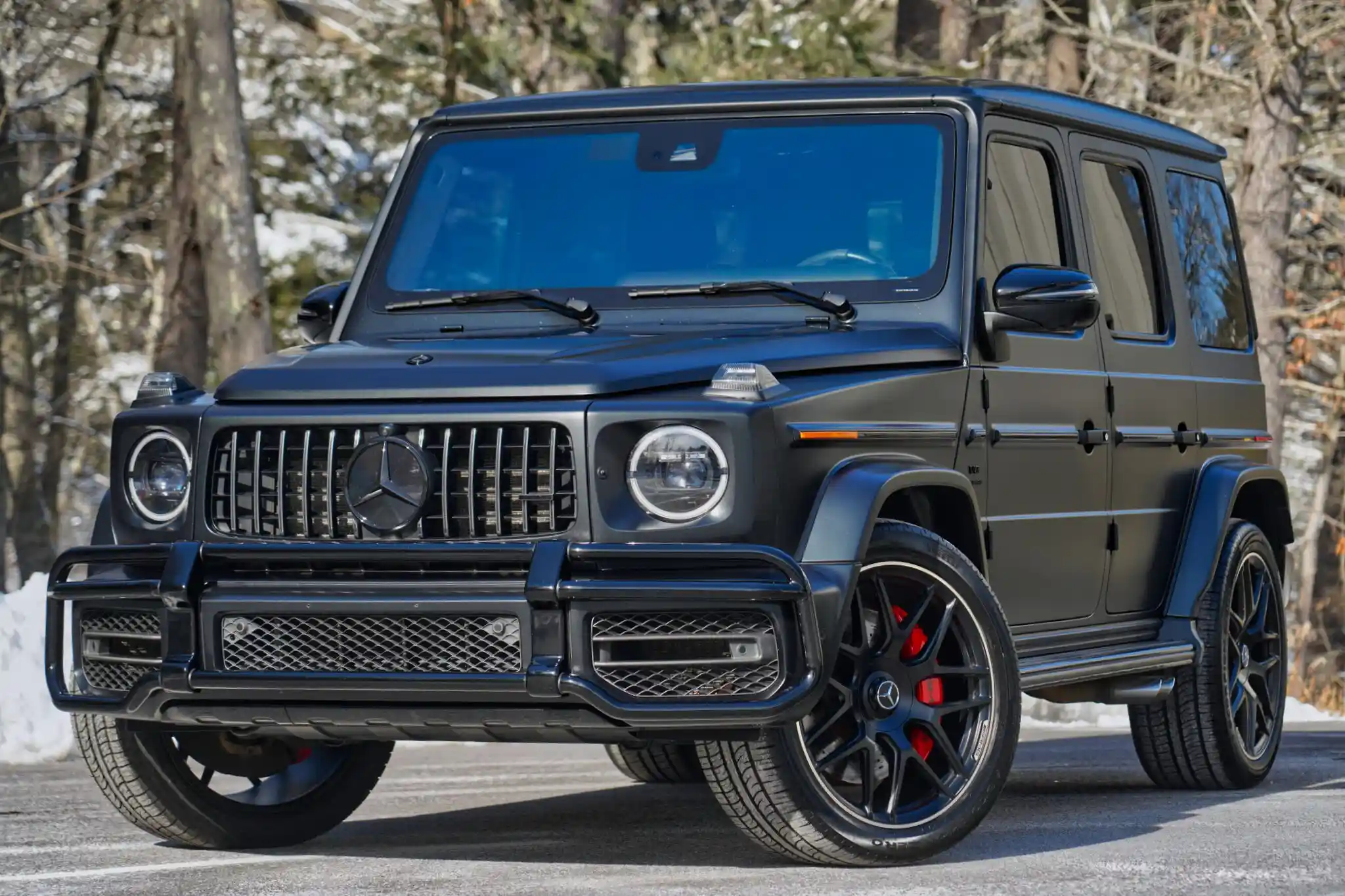
| Luxury SUV or performance SUV | Large glass area, lower-body exposure, family use, large wheels | Comfort plus paint and wheel maintenance | Extended PPF, ceramic tint, coating, wheel/caliper coating, optional interior protection |
| Collector or limited-production vehicle | Low mileage but high consequence of damage or repaint | Preserve originality and document condition | Vehicle-specific PPF plan, careful paint inspection, coating where compatible, controlled maintenance |
What Should Be Done First on a New Performance or Luxury Vehicle?
If the vehicle is new and the owner already knows protection is a priority, the best time to make the plan is before unnecessary washing, polishing, dealer-applied products, or road mileage add more variables.
A practical order is:
1. Inspect and document the vehicle. Review paint, glass, wheels, trim, existing defects, repainting, and special surfaces.
2. Correct only what makes sense. If the paint needs polishing or another preparation step, handle it before covering the surface.
3. Install PPF on the chosen areas. Physical protection comes before coating on the panels being filmed.
4. Apply compatible ceramic coating. Coat approved paint, PPF, wheels, calipers, glass, or other surfaces included in the written scope.
5. Complete tint and windshield protection. These services can be coordinated around the vehicle, glass condition, and legal eligibility.
6. Add electronics or security based on the ownership plan. Immobilizer, alarm, GPS, and dashcam decisions should be based on the vehicle and where it is used or stored.
7. Follow the aftercare and inspection schedule. Protection only performs as intended when the owner follows the care requirements for each installed product.
The Best Protection Package Is Not Necessarily the Largest One
A good recommendation should be able to explain why each surface is being protected. If a weekend vehicle rarely sees highway use, full-body coverage may not be the right use of the budget. If a wide-body car is driven aggressively on sticky tires, a basic front package may leave the rockers and rear-quarter impact areas exposed. If a luxury SUV spends every day outside, ceramic tint and coating may affect daily ownership more than they would on a garage-kept collector car.
The vehicle's price matters because damage can be expensive. The vehicle's use matters more because it tells you where that damage is likely to happen.
Frequently asked questions
Is full-body PPF worth it on a performance or luxury vehicle?
It can be, especially for a long-term keeper, special color, collector vehicle, high-mileage car, or owner who wants the broadest painted-body protection. Full-body PPF is not automatically necessary simply because the vehicle is expensive.
Is ceramic coating enough without PPF?
Ceramic coating is useful for gloss, water behavior, contamination resistance, and easier maintenance, but it does not replace PPF for rock-chip and impact protection. The two services solve different problems.
Should a performance car have PPF on the rocker panels?
Often, yes. Rockers and lower doors can take heavy tire spray, sand, gravel, salt, and road debris, especially on cars with wide tires, aggressive fitment, or exposed lower bodywork.
Does ceramic tint have to be dark to work?
No. Ceramic-film performance and visible darkness are different. XPEL PRIME ceramic products are available in multiple shades, so the legal and visual choice can be made separately from the desired ceramic performance.
Is windshield protection film worth it on expensive windshields?
It can be a practical risk-reduction layer when windshield replacement is expensive or complicated by cameras, sensors, acoustic glass, heating, or specialty construction. It does not guarantee that the windshield will never chip or crack.
Can PPF be installed over repaired or repainted areas?
Sometimes, but repaired and repainted surfaces can carry more installation and future-removal risk than stable factory paint. The area should be inspected and disclosed before the work is accepted.
Should matte or satin factory paint be polished before protection?
Conventional polishing can change the sheen of factory matte or satin paint. Those finishes require different correction and protection planning. XPEL STEALTH is designed for compatible matte and satin finishes.
Should security be part of a luxury-vehicle protection plan?
For some owners, yes. Paint protection and security are separate concerns. A high-value or frequently targeted vehicle may benefit from a layered plan using an immobilizer, alarm, GPS tracking, or dashcam based on compatibility and owner priorities.
Can all of these services be completed at once?
Often they can be coordinated as one project, but the order, surface preparation, product compatibility, and downtime should be planned in advance. The written quote should identify exactly what is included and the expected schedule.
Plan your next step
Build the Protection Plan Around the Vehicle You Actually Own
Performance and luxury vehicles are not protected well by a one-size-fits-all checklist. A Porsche 911, AMG SUV, Corvette, Ferrari, BMW M car, Range Rover, or high-end EV can each have different impact zones, glass, wheels, finishes, and ownership patterns.
Start with the year, make, model, condition, finish, mileage, driving routine, ownership timeline, and the areas you are most concerned about. From there, the right mix of PPF, ceramic coating, ceramic tint, windshield protection, wheel and caliper coating, and security can be built around the vehicle instead of around a generic package.
Kickin' Customs installs vehicle protection from our Raynham, Massachusetts facility for clients throughout Southeastern Massachusetts and Rhode Island. Request a vehicle-specific quote to review the coverage that makes sense for your car and the way you use it.
