
The short answer
Choose gloss paint protection film when you want to keep a shiny finish. Choose XPEL STEALTH when you want a satin appearance or protection for factory matte or satin paint. Both protect covered panels, but the finish you choose can change how much of the vehicle needs to be wrapped.
At Kickin’ Customs in Raynham, Massachusetts, we install both. The first question is whether you want the vehicle to look much as it does now or leave with a different finish. From there, we plan the coverage, preparation, and installation details.
This comparison focuses on standard clear XPEL ULTIMATE PLUS gloss PPF and XPEL STEALTH satin PPF.
Compare the finishes
What Is the Difference Between Gloss and STEALTH PPF?
Clear gloss PPF keeps the paint visible beneath a glossy surface. It is the natural starting point when you like the shine of your current paint and want protection without a deliberate finish change.
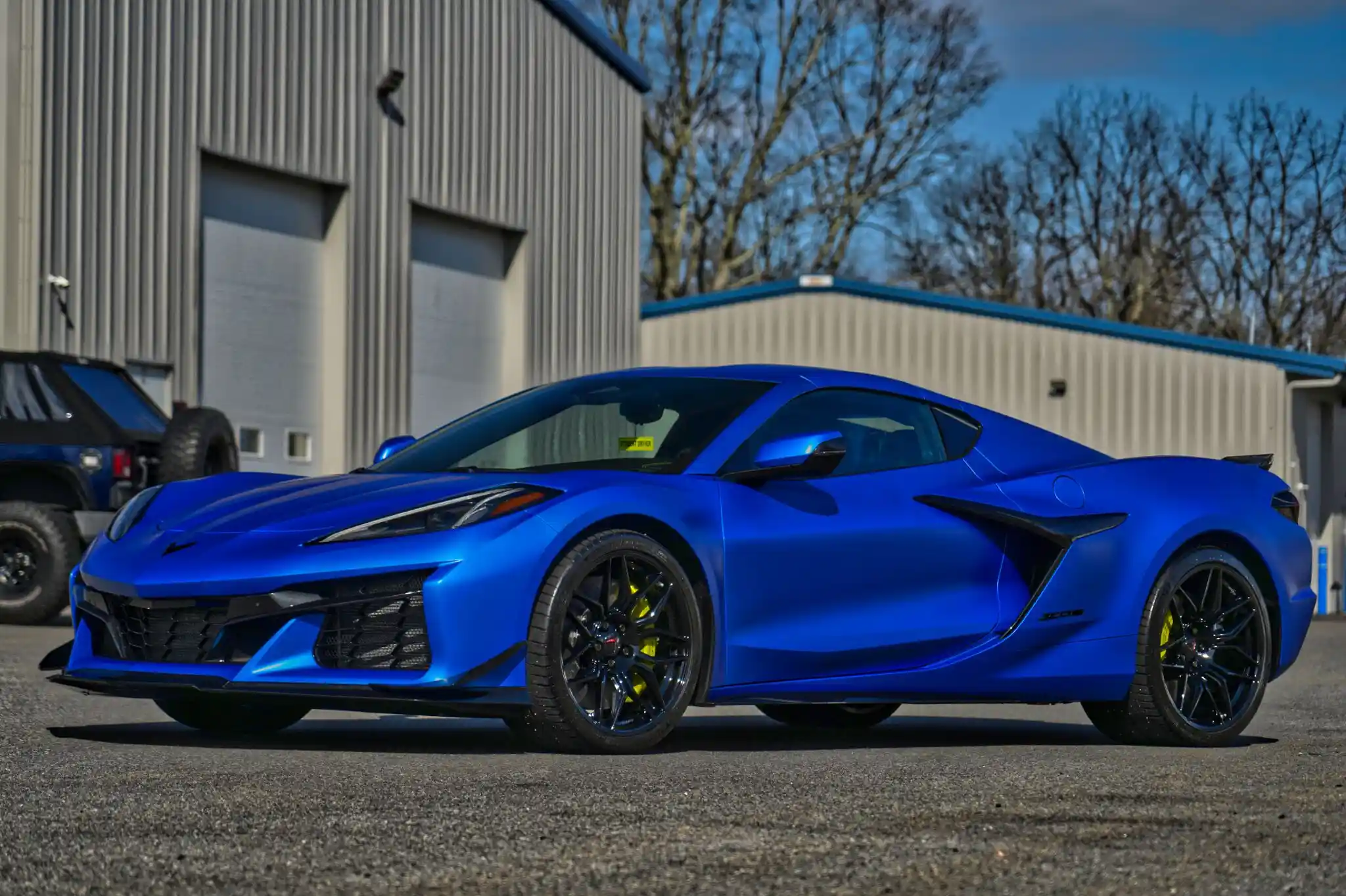
XPEL STEALTH is transparent paint protection film with a satin surface. It softens the appearance of reflections rather than giving the paint a high-gloss look. On gloss paint, the covered areas become satin. On factory matte or satin paint, the goal is to protect the existing low-sheen appearance.
STEALTH changes the finish, not the underlying paint color. A white vehicle does not become black because STEALTH is installed. The paint remains underneath, although the different sheen can change how its color and metallic effects look in the light.
Gloss vs. STEALTH PPF at a Glance
| What changes? | Clear gloss PPF | XPEL STEALTH PPF |
|---|---|---|
| Appearance | A glossy, reflective finish. | A satin, lower-sheen finish. |
| Best starting point | You want to retain a glossy look. | You want satin styling or factory matte protection. |
| On gloss paint | Targeted or full-body coverage, based on protection priorities. | Full painted-body coverage for a consistent conversion; selected panels for intentional contrast. |
| On factory matte paint | Adds shine rather than preserving a low-sheen appearance. | Designed for low-sheen finishes; review the match before partial coverage. |
| Protection | A physical barrier on the panels covered. | A physical barrier on the panels covered. |
| Care priority | Film-safe washing and prompt contamination removal. | Film-safe washing without unapproved gloss-enhancing or abrasive products. |
Comparison applies to the finishes discussed here, not every PPF thickness or specialty formulation. Coverage and care guidance follow the relevant product and installation plan.
Choose the appearance
When Gloss PPF Makes More Sense
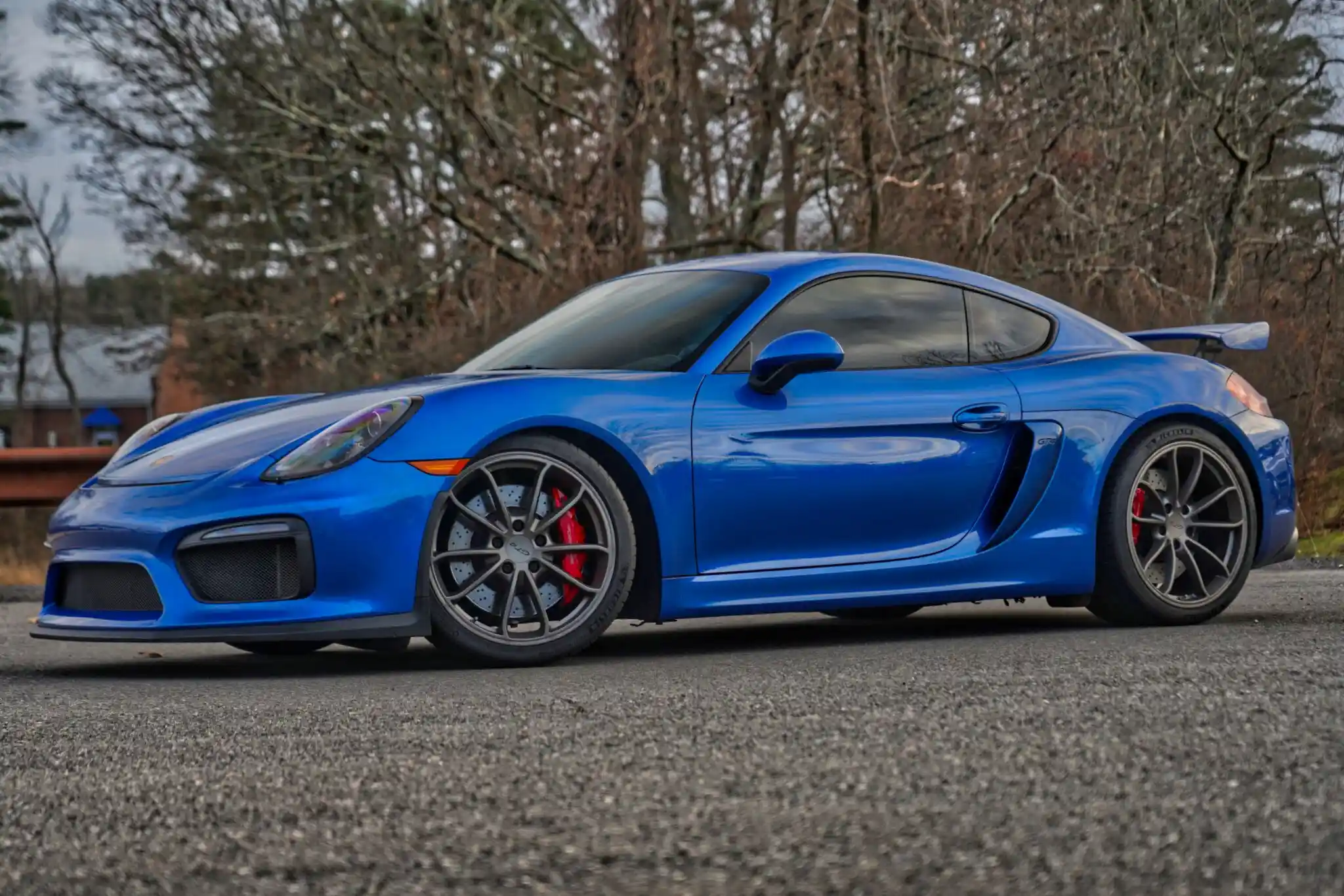
Gloss is the straightforward choice when your goal is, “Keep it looking like this.” You may like the reflection in dark paint, the shine of a bright color, or the original appearance of a vehicle you have just purchased.
It also gives you flexibility on a gloss-painted vehicle. You can protect the front end, extend coverage to exposed side areas, or cover the painted exterior without intentionally creating satin panels beside glossy ones. Film edges and subtle differences in surface appearance can still be visible; clear film does not mean an invisible installation.
Our recommendation: choose the amount of coverage around how the vehicle is used, then choose gloss when retaining its glossy appearance is part of the goal.
STEALTH Has Two Different Jobs
Protecting factory matte or satin paint
Factory matte and satin paint need a different approach to correction. Conventional polishing can create a shiny area or uneven sheen instead of restoring the original finish. STEALTH adds a replaceable layer above paint that generally should not be polished like a gloss finish.
That does not make every factory matte color an exact match for the film. Original finishes vary in sheen and texture. We review the film beside the uncovered paint before recommending targeted coverage. Full-body coverage may be preferable when consistent surface appearance matters more than limiting the installation to impact areas.
Converting a gloss vehicle to satin
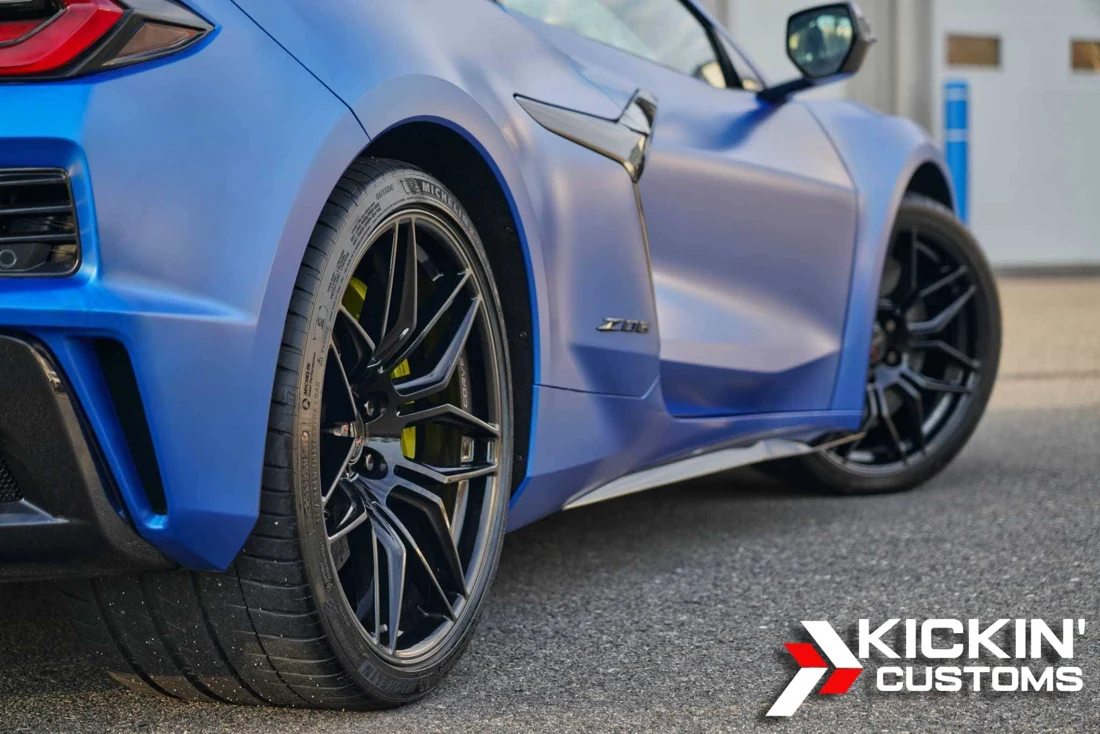
A gloss-to-satin conversion is both a protection project and an appearance change. Every covered painted panel becomes satin, while uncovered panels remain gloss. For one consistent satin appearance across the painted exterior, we normally recommend full painted-body coverage.
A satin hood on an otherwise glossy vehicle can be a deliberate design choice. A satin front end with the rest left gloss, however, is not the same result as a full-body conversion. That difference needs to be clear before comparing prices or booking the work.
Why Coverage Details Matter More on a Satin Conversion
On a gloss-to-satin project, an uncovered edge can also be a visible change in finish. Door-handle recesses, emblem areas, panel returns, and narrow sections need to be considered along with the main panel surfaces.
At Kickin’ Customs, we use vehicle-specific patterns, modified precuts, and bulk installation methods where appropriate. We plan edge wrapping around the panel design and discuss emblem removal when it is appropriate and approved. The objective is to reduce exposed gloss where practical, not promise that every edge or opening will disappear.
A full-body conversion does not have to make every detail satin. Gloss-black trim or exposed carbon fiber can remain glossy as part of the design, with suitable gloss protection discussed separately. The quote should identify those choices and any excluded areas.
Compare the actual coverage and edge treatment, not just the film name. Two STEALTH quotes may describe different amounts of preparation, access, and finishing work.
Protection and preparation
Does One Finish Protect Better Than the Other?
Gloss and STEALTH are both paint protection films. The choice is not simply better or worse protection. Both are designed to help reduce chips, scuffs, and minor surface damage. A satin finish alone is not a reason to call one film more protective.
Both also offer self-healing of light marks in the film’s surface. Warmth can help those marks become less visible. Self-healing does not repair the paint underneath, close a deep cut, or replace material removed by an impact.
The more useful comparison is what each quote covers. A rocker panel without film remains exposed regardless of how much protection is installed on the hood. Neither finish guarantees protection from every rock strike, dent, collision, or deep scratch.
Paint Condition Still Matters Before Installation
A satin conversion is not a shortcut around damaged paint. Chips, touch-up, scratches, contamination, and uneven repairs can still affect the finished result. STEALTH does not repair the surface underneath it.
We inspect and prepare the vehicle before installation and discuss any correction or repair needs separately. Tell us about repainting, bodywork, existing film, or ceramic coating before the project begins. Repaired or poorly bonded paint can also carry added risk during future film removal.
For factory matte paint, preparation must respect that finish. Conventional polishing is not the default solution.
Starting prices
How Do Gloss and STEALTH Prices Compare?
At Kickin’ Customs, Front-End Defense starts at $2,295, and Zero Exposure full painted-body coverage starts at $6,995 using standard XPEL ULTIMATE PLUS gloss film. These are starting prices, with final cost based on the vehicle and installation scope.
STEALTH protection and gloss-to-satin conversions receive a vehicle-specific quote. Coverage, panel complexity, paint condition, edge treatment, and approved disassembly affect the work involved. Standard gloss package pricing should not be assumed to apply to a satin conversion.
For a useful comparison, ask for the same covered panels and installation details in both finishes. Comparing a gloss full-front package with a STEALTH full-body conversion mainly tells you that one project covers much more of the vehicle.
Care and warranty
Living With Gloss or Satin PPF
Both finishes need regular care. Remove bugs, bird droppings, and other contamination promptly with approved film-care methods, and keep high-pressure spray away from edges. Do not leave a stain untreated simply because the panel has film on it.
For STEALTH, avoid conventional compounds, polishes, waxes, and gloss enhancers unless they are specifically approved for the installed film. Trying to polish away a mark can change the satin appearance. Contact us about a persistent mark rather than experimenting with an abrasive product.
Our delivery instructions include no washing for the first seven days and a complimentary three-week inspection required for Kickin’ Customs workmanship coverage. That follow-up lets us check edges, settling, and any concerns after installation.
Can ceramic coating go over STEALTH?
Yes. A coating formulated for matte and satin surfaces, such as XPEL FUSION PLUS SATIN, can improve water repellency and routine cleaning while maintaining the intended finish. A suitable coating can also be applied to gloss PPF.
We recommend discussing a satin-compatible ceramic coating when easier maintenance is a priority. It complements the film; it does not replace PPF for rock-chip protection or make the vehicle maintenance-free.
Warranty Coverage Is Not the Same as Damage Coverage
XPEL lists a 10-year limited manufacturer warranty for qualifying ULTIMATE PLUS and STEALTH installations. It covers specified manufacturing defects, including yellowing, cracking, blistering, and delamination, subject to the written terms.
That is not a promise that the film cannot be damaged or that every damaged piece will be replaced free of charge. The manufacturer defect warranty excludes damage from outside forces, including rocks and road debris. Kickin’ Customs workmanship coverage is separate from the manufacturer’s product warranty.
Frequently asked questions
Is STEALTH matte or satin?
Satin is the more accurate description of the finished look. STEALTH produces a low-sheen surface, not necessarily a completely flat finish. Review a real sample on a similar paint color rather than relying only on the word “matte.”
Is STEALTH the same as a matte vinyl wrap?
No. STEALTH is transparent paint protection film. Vinyl wraps are primarily used for color and styling changes. For a different body color, discuss vinyl or color PPF separately instead of expecting clear STEALTH to replace the existing paint color.
Can gloss PPF and STEALTH be used on the same vehicle?
Yes, when the finish contrast is intentional and the surfaces are suitable. A satin-finish body with glossy trim or carbon-fiber details is one option. We plan the finish of each covered surface before installation.
Can STEALTH be removed to return to gloss?
Yes, the film can be professionally removed to reveal the paint underneath. It is not a permanent repaint. Removal still depends on paint condition and installation history, so repaired, repainted, or poorly bonded surfaces need particular attention. Damage-free removal should not be assumed.
Does a STEALTH conversion require removing every emblem and trim piece?
No. Removal is decided by the vehicle, access, finish goal, and approved scope. Some components can remain in place; others may need removal for the agreed edge coverage. We discuss that work before installation rather than assuming the same approach suits every vehicle.
Plan your next step
Choose the Finish You Want to Keep Looking At
Our recommendation is simple: choose gloss when you want to keep the shine, STEALTH when you want a satin conversion, and STEALTH with a finish check when protecting factory matte paint. Then match the covered panels to how you use the vehicle.
Send your vehicle’s year, make, model, current finish, and clear photos through our quote form. Tell us whether you want front-end protection, broader coverage, or a full gloss-to-satin conversion, along with any known paintwork.
Kickin’ Customs installs XPEL PPF in Raynham for drivers throughout Southeastern Massachusetts and Rhode Island. We will review the finish, explain the coverage options, and provide a vehicle-specific quote.
Request Your Gloss or STEALTH PPF Quote
