
The short answer
Paint protection film and vinyl wrap are two of the most popular ways to change or protect a vehicle’s exterior.
They are also two of the most commonly confused products.
Both are applied to painted surfaces. Both can change how a vehicle looks. Both require proper installation. Both can help preserve the factory paint in different ways.
But they are not built for the same purpose.
Paint protection film, often called PPF, is designed primarily for protection. Vinyl wrap is designed primarily for appearance, color change, accents, branding, and customization.
That difference matters when choosing what makes the most sense for your vehicle.
At Kickin’ Customs in Raynham, MA, we install XPEL paint protection film and vinyl wraps for customers across Massachusetts and Rhode Island. Some vehicles need protection first. Some need a visual change. Some need a combination of both.
The right choice depends on your goal.
Compare purpose and performance
What Is Paint Protection Film?
Paint protection film is a clear or satin urethane film installed over painted surfaces to help protect against rock chips, road debris, bug acids, salt, sand, light scratches, and daily driving wear.
PPF is commonly installed on high-impact areas like the front bumper, hood, fenders, mirrors, headlights, rocker panels, lower doors, rear quarters, and full vehicle bodies.
The main goal is to protect the paint underneath.
Kickin’ Customs installs XPEL paint protection film, including XPEL Ultimate Plus, XPEL Stealth, and XPEL Ultimate Fusion. XPEL paint protection film carries a 10-year manufacturer warranty.
PPF is thicker and more impact-resistant than standard vinyl wrap. It is designed to act as a sacrificial layer. If a rock, scrape, or road debris impact damages the film, the film may have done its job by helping protect the paint underneath.
That is the biggest reason customers choose PPF.
What Is Vinyl Wrap?
Vinyl wrap is a film installed over a vehicle to change its appearance.
It can be used for full color changes, chrome deletes, roof wraps, stripes, accents, commercial graphics, fleet branding, partial wraps, and custom design work.
Vinyl wrap is commonly chosen by customers who want a different color, a two-tone look, satin or matte styling, printed graphics, or a more personalized finish without repainting the vehicle.
Vinyl can offer a light layer of surface coverage, but it is not built to take impacts the same way paint protection film is.
A vinyl wrap can help shield the paint from some sun exposure, light abrasion, and minor environmental wear, but it should not be sold or treated as rock chip protection.
If your main concern is preventing road rash and impact damage, PPF is the better product.
If your main concern is changing the look of the vehicle, vinyl wrap is the better fit.
The Biggest Difference Is Purpose
The easiest way to compare PPF and vinyl wrap is to look at the purpose of each product.
PPF is for protection.
Vinyl wrap is for appearance.
That does not mean PPF cannot improve the look of a vehicle. Gloss PPF can enhance depth and clarity. XPEL Stealth can turn gloss paint into a satin finish. XPEL Ultimate Fusion can add easier maintenance and better water behavior.
It also does not mean vinyl wrap provides no benefit at all. Vinyl can cover painted surfaces and may help reduce some light wear.
But the main purpose is still different.
Paint protection film is designed to absorb impact. Vinyl wrap is designed to create a visual change.
That difference should guide the decision.
PPF Protects Better Against Road Damage
If the vehicle is driven regularly, paint protection film offers stronger protection against the damage most customers are worried about.
Road debris, gravel, salt, sand, tire sling, bug acids, and small impacts can mark paint quickly. This is especially true on front bumpers, hoods, mirrors, rocker panels, and lower doors.
PPF is built to take that abuse.
Modern paint protection film can also self-heal from light surface-level marks with heat. That does not mean it can repair deep cuts or heavy damage, but it does help the film stay cleaner-looking under normal use.
Vinyl wrap does not offer the same level of impact protection. A rock chip that would mark paint may still tear or puncture vinyl. On high-impact areas, vinyl can show wear faster than customers expect.
For Massachusetts and Rhode Island drivers dealing with winter roads, highway debris, construction zones, and daily commuting, PPF is usually the better choice when protection is the main goal.
Vinyl Wrap Gives You More Style Options
Vinyl wrap is the stronger choice when the goal is customization.
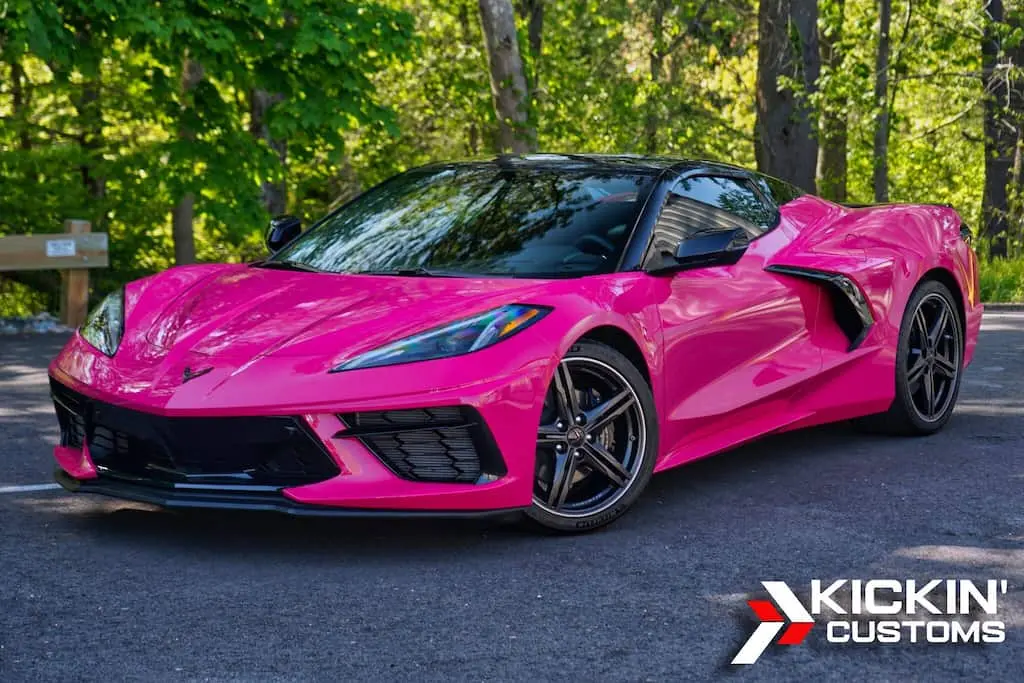
A wrap can completely change the color of the vehicle. It can add satin, matte, gloss, metallic, color-shifting, textured, printed, or branded finishes depending on the film selected.
This is why vinyl is popular for customers who want a different look without committing to a repaint.
It is also why vinyl is commonly used for business vehicles. Commercial graphics, partial wraps, door logos, printed panels, and fleet branding can turn a vehicle into a moving advertisement.
PPF can be clear, gloss, satin, or in some cases color-changing depending on the film used, but traditional vinyl still offers a wider range of colors, textures, and design possibilities.
If the question is style first, vinyl wrap usually wins.
Match the vehicle and project
PPF Is Usually Better for New Vehicles
If the vehicle is brand new and the goal is to preserve factory paint, PPF is usually the smarter first step.
New paint is easiest to protect before chips, road rash, staining, and scratches happen. Once the damage is already there, film can still be installed, but it will not erase what happened before installation.
This is why many new vehicle owners choose full front PPF, rocker panel protection, lower door protection, or full body PPF shortly after delivery.
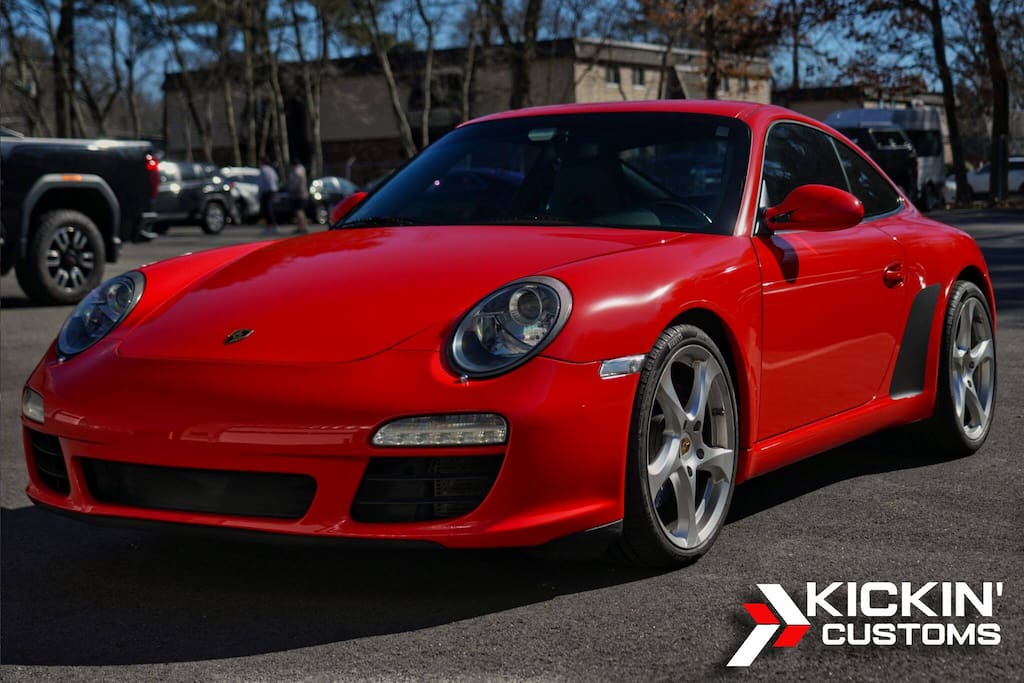
For new Teslas, Rivians, Corvettes, Porsches, BMWs, trucks, SUVs, and luxury vehicles, PPF usually provides the type of protection owners are actually looking for.
Vinyl wrap may still make sense on a new vehicle if the owner wants a new color or custom look. But if the main goal is preserving paint, PPF should be the priority.
Vinyl Wrap Is Usually Better for Color Change
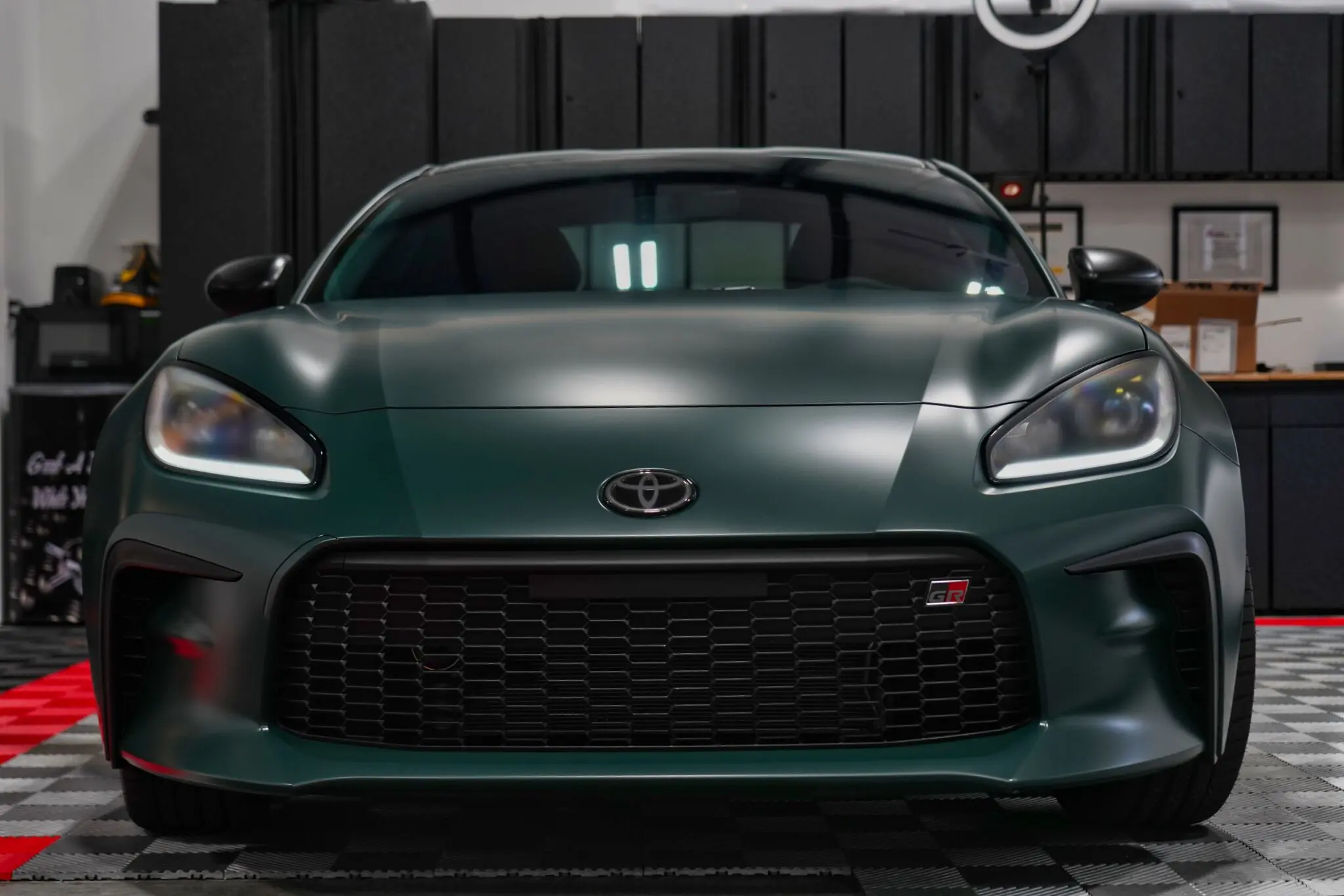
If you want your black vehicle to look green, your white vehicle to look satin gray, or your truck to have a two-tone layout, vinyl wrap is usually the right product.
Vinyl wrap gives you more creative control.
It can be used for full body color changes, roof wraps, chrome deletes, mirrors, stripes, accents, hoods, splitters, spoilers, commercial branding, and more.
For customers who lease vehicles, vinyl can also be attractive because it changes the look without repainting. The film can usually be removed later when done properly, although condition, age, paint quality, and installation details all matter.
If the vehicle’s factory color is not the look you want, vinyl wrap gives you more options.
PPF Is Better for High-Impact Areas
High-impact areas are where PPF has the biggest advantage.
The front bumper, hood, fenders, mirrors, rocker panels, lower doors, rear quarters, and wheel impact zones take the most abuse.
These are not areas where standard vinyl should be expected to perform like paint protection film.
Vinyl on a front bumper may look great at first, but it can get damaged by road debris, bug acids, salt, and impact wear. On lower panels and rocker areas, vinyl can also get beaten up by tire sling, sand, tar, and winter grime.
PPF is the better product for these sections because it is designed for impact resistance.
For customers who want both style and protection, one option is to use vinyl for cosmetic areas and PPF for the high-impact areas. Another option may be color PPF, depending on the desired finish, budget, and vehicle.
Vinyl Wrap Is Better for Commercial Graphics
For commercial vehicles, vinyl wrap is usually the right choice.
Business logos, printed graphics, phone numbers, websites, service lists, brand colors, and fleet designs are all best handled with vinyl.
A commercial wrap can be designed to fit the vehicle and match the brand. It can be simple and clean, or more detailed depending on the business.
PPF is not the product most customers choose for advertising. It is primarily a protection product.
That said, commercial vehicles can still benefit from PPF in certain high-abuse areas. Front bumpers, mirrors, door cups, lower doors, rocker panels, rear bumper loading areas, and tailgate ledges can take a lot of wear from daily business use.
For work vehicles, the best setup may be vinyl graphics for branding and PPF in the areas that take the most damage.
Lifespan, cost and layering
Lifespan Expectations Are Different
PPF and vinyl wrap have different ownership expectations.
XPEL paint protection film carries a 10-year manufacturer warranty. With proper installation and care, it is built for long-term exterior protection.
Vinyl wrap lifespan depends on the film, color, finish, exposure, maintenance, climate, vehicle use, and installation. Some colors and finishes age faster than others. Horizontal panels like hoods, roofs, and trunk lids usually take more sun exposure than vertical panels.
A garage-kept weekend car will usually be easier on vinyl than a daily driven vehicle parked outside year-round.
In New England, winter weather, salt, snow removal, sun exposure, road grime, and wash habits all affect wrap lifespan.
The important takeaway is simple: PPF is typically chosen for longer-term protection, while vinyl wrap is usually chosen for style and customization with a different lifespan expectation.
Cost Expectations Are Different Too
PPF and vinyl wrap are priced differently because the materials, labor, coverage goals, and installation process are different.
PPF is usually more expensive per panel because the material is thicker, more protective, and designed for long-term durability. It also requires careful edge placement, pattern adjustment, stretch control, and curing.
Vinyl wrap pricing depends heavily on the size of the vehicle, film choice, color, complexity, body shape, disassembly, panel condition, and design requirements.
A full color change wrap is usually a larger cosmetic project. A full front PPF package is usually a targeted protection project. They are not always directly comparable because they solve different problems.
The better question is not, “Which one is cheaper?”
The better question is, “What am I trying to accomplish?”
If you want to protect the paint, invest in PPF.
If you want to change the look, invest in vinyl wrap.
If you want both, plan the project carefully so each material is used where it makes the most sense.
Can You Put PPF Over Vinyl Wrap?
In some cases, PPF can be installed over vinyl wrap, but it is not always the right answer for every vehicle or film combination.
This setup is sometimes used to add protection over printed graphics, high-impact wrap areas, or custom sections that need extra durability.
However, there are a few things to consider.
The final result depends on the vinyl film, the surface texture, the quality of the wrap installation, the condition of the edges, and the shape of the panel. If the vinyl underneath lifts, shrinks, fails, or gets damaged, the PPF on top can be affected too.
PPF over vinyl also adds cost and complexity.
For some customers, color PPF may be a better solution because it combines color change and paint protection in one product. For others, vinyl wrap plus selective PPF may make sense.
The best choice depends on the vehicle, design, coverage areas, and long-term expectations.
Can You Put Vinyl Over PPF?
Vinyl can sometimes be installed over PPF, but it depends on the situation.
For example, a customer may have PPF installed on the front end and later add vinyl stripes or accents over certain areas. This can work in some cases, but removal and future maintenance need to be considered.
When vinyl is installed over PPF, removing the vinyl later could affect the PPF underneath, especially if the vinyl has been on the vehicle for a long time, exposed to heat, or installed over edges.
This does not mean it cannot be done. It just means the layers should be planned properly before installation.
If a vehicle is getting both PPF and vinyl, the best approach is to discuss the full plan upfront so the order of installation, edge placement, and future removability make sense.
Use, maintenance and choice
Which One Is Better for Daily Drivers?
For daily drivers, PPF is usually the better choice if protection is the priority.
Daily drivers see the most exposure. Highway debris, parking lots, winter roads, bugs, salt, sand, tar, and wash wear can all add up quickly.
A full front PPF package, rocker panel protection, lower door protection, or rear bumper loading area protection can make a big difference in how the vehicle holds up over time.
Vinyl wrap can still make sense for a daily driver if the customer wants a new look. But it should be chosen with realistic expectations. A daily driven wrap will need proper maintenance and will be exposed to more wear than a garage-kept weekend vehicle.
If you want the vehicle to look different, choose vinyl.
If you want the vehicle to stay protected, choose PPF.
Which One Is Better for Performance Cars?
For performance cars, PPF is usually the first priority.
Lower front ends, sticky tires, wide fenders, aggressive body lines, and spirited driving can all increase the amount of debris hitting the vehicle.
The front bumper, hood, fenders, mirrors, rocker panels, lower doors, and rear quarters can take heavy abuse.
PPF is built for that kind of exposure.
Vinyl wrap can still be a great choice for changing the look of a performance car, adding stripes, blacking out accents, or creating a custom appearance. But if the car is driven hard, PPF should be strongly considered for high-impact zones.
For many performance vehicles, the best combination is PPF where the car takes damage and vinyl where the owner wants style.
Which One Is Better for Trucks and SUVs?
For trucks and SUVs, the best choice depends on use.
If the truck or SUV is used for work, towing, winter driving, family use, pets, cargo, road trips, or daily commuting, PPF is usually the better protection choice.
Large front bumpers, big mirrors, rocker panels, lower doors, rear bumper loading areas, tailgate ledges, and bedsides can all take abuse.
Vinyl wrap is better if the goal is a color change, business branding, chrome delete, roof wrap, accents, or commercial graphics.
Many trucks and SUVs benefit from both. PPF can protect the hard-use areas, while vinyl can create the finished look or business branding.
Which One Is Better for Luxury Vehicles?
Luxury vehicles usually benefit from PPF first.
Factory paint, complex body panels, expensive bumpers, sensors, trim, and resale value all make protection important.
If the vehicle is a BMW, Mercedes-Benz, Porsche, Land Rover, Lexus, Audi, Tesla, Rivian, Cadillac, Bentley, Rolls Royce, or another high-end vehicle, PPF is often the better first investment.
Vinyl wrap can still be used to create a custom look, but luxury vehicle owners should be realistic about what wrap can and cannot protect against.
For higher-end vehicles, a thoughtful combination may make the most sense. PPF protects the paint. Vinyl changes the appearance.
Maintenance Is Different
PPF and vinyl wrap should both be maintained carefully, but the products are not the same.
PPF should be washed with film-safe products, clean microfiber towels, and careful technique. Customers should avoid harsh chemicals, abrasive towels, automatic brush washes, and pressure washing too close to film edges.
PPF cure time is generally 2 to 3 weeks. Customers should avoid washing the vehicle for 7 days after installation. A 3-week follow-up inspection is required at Kickin’ Customs for PPF workmanship coverage.
Vinyl wrap also needs proper care. It should be washed gently, kept clean, and protected from harsh chemicals, aggressive pressure washing, abrasive brushes, and unnecessary picking at edges.
Matte, satin, metallic, color-shift, textured, and printed films may have different care needs.
No matter which product you choose, maintenance affects appearance, lifespan, and ownership experience.
PPF and Vinyl Wrap Can Work Together
PPF and vinyl wrap are not always an either-or decision.
Sometimes the best setup is a combination.
A vehicle may get PPF on the front bumper, hood, fenders, mirrors, rockers, and lower doors, then receive vinyl accents on the roof, mirrors, trim, stripes, or commercial graphics.
A business vehicle may get vinyl graphics for branding and PPF on the front bumper, mirrors, door cups, and rear loading areas.
A performance car may get full front PPF, rocker panel protection, and vinyl stripes.
A truck may get PPF on high-abuse areas and a vinyl chrome delete or roof wrap for appearance.
The key is planning the layers correctly.
When the goal is both protection and style, the installation order, edge placement, material selection, and long-term removal plan all matter.
Which One Should You Choose?
Choose PPF if your main goal is protecting the paint from rock chips, road debris, bug acids, salt, sand, light scratches, and daily wear.
Choose vinyl wrap if your main goal is changing the vehicle’s color, adding accents, creating commercial graphics, or customizing the look.
Choose both if you want protection and style, but make sure the project is planned properly from the beginning.
For most new vehicles, PPF should usually come first. It protects the factory paint before damage happens.
For vehicles where the owner mainly wants a different appearance, vinyl wrap may be the better starting point.
There is no one answer for every vehicle. The right choice depends on the owner’s goal.
Final Thoughts
PPF and vinyl wrap may look similar from a distance, but they serve different purposes.
Paint protection film is built to protect. Vinyl wrap is built to change appearance.
PPF is the better choice for rock chips, road debris, impact zones, long-term paint preservation, and high-abuse areas. Vinyl wrap is the better choice for color changes, accents, commercial graphics, styling, and personalization.
At Kickin’ Customs in Raynham, MA, we install XPEL paint protection film and vinyl wraps for customers across Massachusetts and Rhode Island. Whether you want to protect a new vehicle, change the look of your current vehicle, brand a business vehicle, or combine both services, we can help you choose the right approach.
If you are deciding between PPF and vinyl wrap, contact Kickin’ Customs and we can walk you through the best options based on your vehicle, budget, and goals.
Frequently Asked Questions
Is PPF better than vinyl wrap?
PPF is better than vinyl wrap for paint protection. It is designed to help protect against rock chips, road debris, bug acids, salt, sand, and light scratches. Vinyl wrap is better for changing the look of the vehicle.
Does vinyl wrap protect paint?
Vinyl wrap can provide a light layer of surface coverage, but it is not the same as paint protection film. It should not be expected to protect against rock chips and road debris the way PPF does.
Can vinyl wrap stop rock chips?
Vinyl wrap is not designed as rock chip protection. A rock or road debris impact can still tear, mark, or puncture vinyl. For rock chip protection, PPF is the better product.
Can PPF change the look of a vehicle?
Yes. Clear gloss PPF can preserve the original finish, XPEL Stealth can give gloss paint a satin look, and certain films can add hydrophobic properties or specialty finishes. Vinyl wrap still offers more color and design options.
Can you install PPF over vinyl wrap?
Sometimes, but it depends on the vinyl, surface, panel shape, installation quality, and long-term expectations. PPF over vinyl can add protection, but it also adds cost and complexity.
Can you install vinyl over PPF?
Sometimes, but the layers should be planned carefully. Removing vinyl from PPF later may affect the film underneath, especially after long-term heat and exposure.
Which lasts longer, PPF or vinyl wrap?
XPEL paint protection film carries a 10-year manufacturer warranty. Vinyl wrap lifespan varies based on film type, color, exposure, maintenance, storage, and vehicle use.
Which is better for a new car?
If the goal is preserving factory paint, PPF is usually better for a new car. If the goal is changing the color or style, vinyl wrap may make more sense.
Which is better for a business vehicle?
Vinyl wrap is usually better for logos, branding, graphics, and advertising. PPF may still be useful on high-abuse areas like bumpers, mirrors, door cups, rocker panels, and loading areas.
Can I combine PPF and vinyl wrap?
Yes. Many vehicles benefit from both. PPF can protect the high-impact areas, while vinyl can handle color changes, accents, graphics, or branding.
Plan your next step
Not sure whether your vehicle needs paint protection film, vinyl wrap, or a combination of both? Contact Kickin’ Customs in Raynham, MA and we can help you choose the right service based on your vehicle, driving habits, style goals, and long-term expectations.
