
The short answer
Paint protection film has changed a lot over the years.
For a long time, most customers thought of PPF as clear film only. The goal was simple: protect the paint without changing the way the vehicle looked.
That is still the most common reason people choose PPF.
But now, color PPF gives vehicle owners another option. Instead of choosing between paint protection film and a vinyl wrap, some customers can use color PPF to change the appearance of the vehicle while still getting stronger protection than a traditional vinyl wrap.
Clear PPF and color PPF are both useful, but they are not the same decision.
Clear PPF is usually for owners who like the factory paint and want to preserve it. Color PPF is for owners who want a new look while adding paint protection at the same time.
At Kickin’ Customs in Raynham, MA, we install paint protection film for drivers across Massachusetts and Rhode Island. Whether you are protecting a new vehicle, changing the look of a performance car, or trying to decide between PPF and vinyl wrap, understanding the difference between clear PPF and color PPF helps you make a smarter choice.
Protection and appearance
What Is Clear PPF?
Clear PPF is transparent paint protection film installed over the vehicle’s painted surfaces.
It is designed to protect the paint while keeping the factory color visible.
Clear PPF is commonly installed on front bumpers, hoods, fenders, mirrors, headlights, rocker panels, lower doors, rear quarters, trunk ledges, door cups, and full vehicle bodies.
The main goal is protection without a major visual change.
Kickin’ Customs installs XPEL paint protection film, including XPEL Ultimate Plus, XPEL Stealth, and XPEL Ultimate Fusion. XPEL paint protection film carries a 10-year manufacturer warranty.
Clear gloss PPF is the most natural option for customers who want the vehicle to look like it did from the factory while adding protection from rock chips, road debris, bug acids, salt, sand, light scratches, and everyday driving wear.
What Is Color PPF?
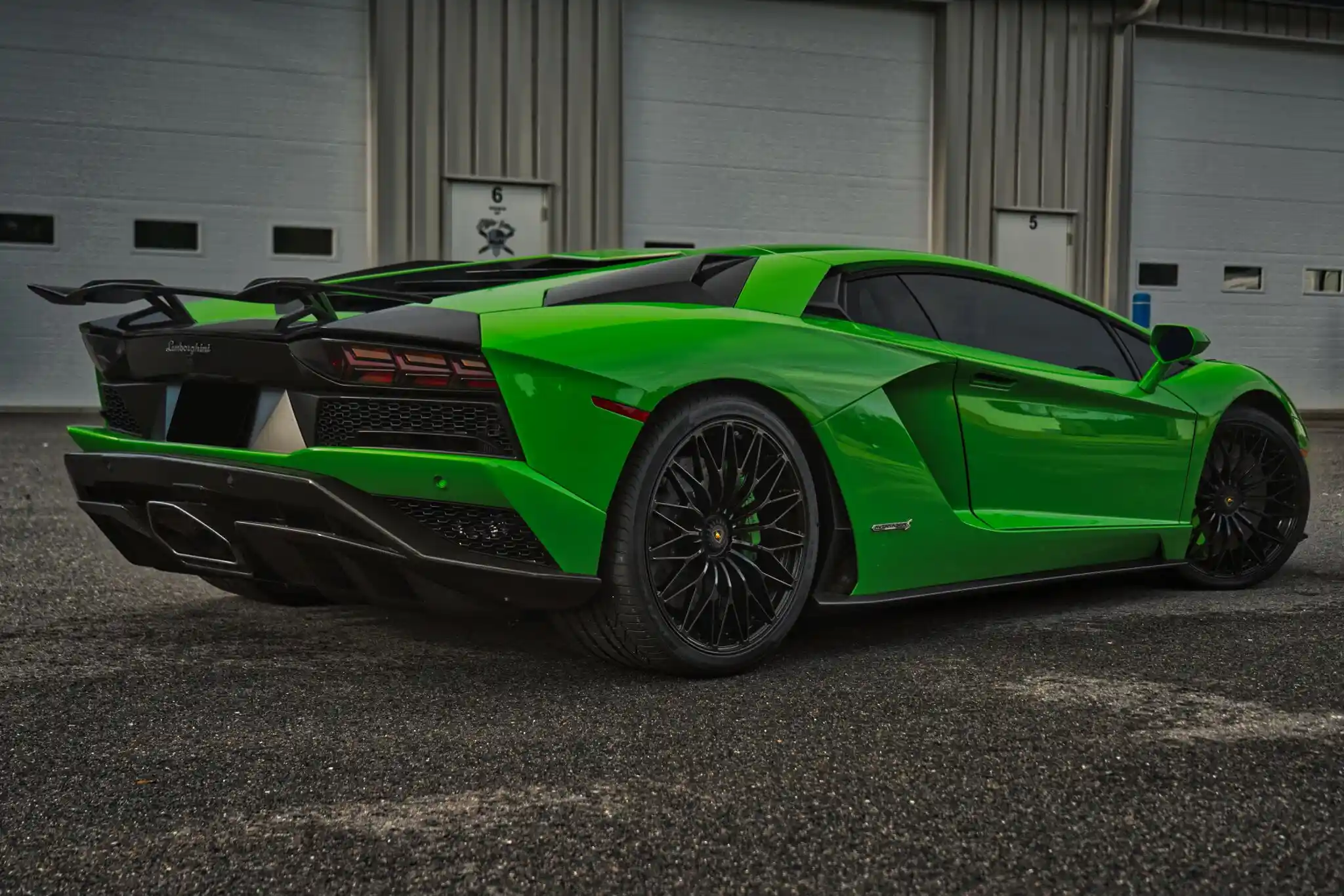
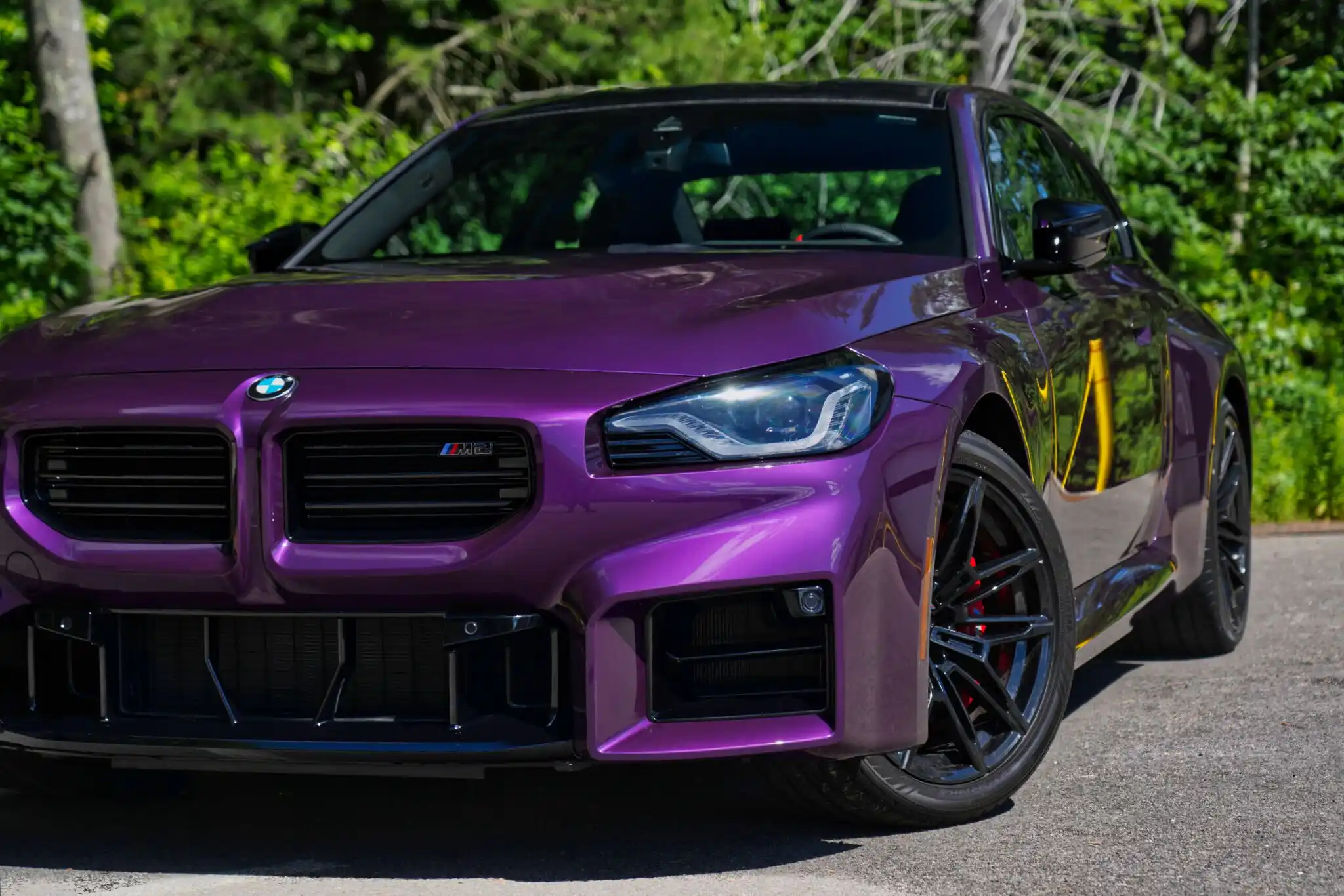
Color PPF is paint protection film that changes the appearance of the vehicle while still offering impact protection.
Instead of being fully transparent, color PPF has a visible finish or color built into the film.
This can give the vehicle a new look while still protecting the paint underneath. Depending on the product and availability, color PPF may come in gloss, satin, matte, metallic, or other specialty finishes.
Color PPF is different from traditional vinyl wrap.
Vinyl wrap is usually chosen for style, color change, accents, graphics, and branding. Color PPF is chosen when the customer wants a visual change but also wants stronger protection than standard vinyl.
That is the main appeal.
Color PPF can turn the vehicle into something more custom while still acting as a sacrificial layer over the paint.
The Biggest Difference Is the Goal
The easiest way to compare clear PPF and color PPF is to look at the goal.
Clear PPF protects the original paint while keeping the factory color.
Color PPF protects the original paint while changing the color or finish.
If you love the factory paint color, clear PPF usually makes more sense.
If you want the vehicle to look different and still want real paint protection, color PPF may be the better fit.
This is why the decision is not only about protection. It is also about whether you want to preserve the current look or create a new one.
Clear PPF Is Best for Preserving Factory Paint
Clear PPF is the better choice when the factory paint is part of the reason you bought the vehicle.
Some customers choose a specific OEM color because it fits the vehicle perfectly. Others order rare paint, premium paint, metallic finishes, special colors, or colors that may matter for long-term value.
In those cases, clear PPF keeps the vehicle looking original.
This is especially important for new vehicles, luxury cars, performance cars, exotics, trucks, and SUVs where paint condition matters to ownership pride and resale value.
Clear PPF lets the paint show while helping protect it from damage.
For customers who want the vehicle to look stock but stay better protected, clear PPF is usually the right answer.
Color PPF Is Best for Changing the Look
Color PPF makes more sense when the customer wants a new appearance.
Maybe the vehicle came in a color that was available, but not ideal. Maybe the owner wants a satin finish, a deeper tone, a more aggressive style, or something different from every other vehicle on the road.
Color PPF gives the vehicle a new finish while adding protection.
This can be appealing on performance cars, trucks, EVs, luxury SUVs, and vehicles where the owner wants a custom look without relying only on standard vinyl.
It can also be a strong option for owners who were already considering a full wrap but want more durability and protection than vinyl can provide.
If the goal is style and protection together, color PPF is worth considering.
Clear PPF Is More Invisible
Clear PPF is designed to blend with the factory paint as much as possible.
On gloss paint, clear gloss PPF helps preserve the original shine and color. On satin or matte factory finishes, the correct film choice matters because standard gloss film can change the finish.
XPEL Stealth is commonly used when a satin finish is desired or when a matte or satin vehicle needs protection without turning the finish glossy.
The point is that clear PPF is usually the least dramatic choice visually.
That does not mean it is impossible to see. Film edges, coverage choices, panel shapes, and lighting can all affect visibility. Partial coverage can create stopping points. Full panel coverage usually creates a cleaner look.
But compared to color PPF, clear PPF is the better option when the customer wants the vehicle to look original.
Color PPF Is More Noticeable by Design
Color PPF is meant to be seen.
The whole point is to change the look of the vehicle.
That makes the finish choice more important. Color PPF needs to match the customer’s style goals, the vehicle’s body lines, and the overall build.
A color that looks great on a small coupe may feel very different on a large SUV. A satin finish may work well on one vehicle but not another. A bold color may be perfect for a weekend car but too much for a daily driver.
This is where planning matters.
Color PPF is not just a protection decision. It is also a design decision.
Before choosing color PPF, customers should think about how the vehicle will be used, how long they plan to keep the look, and whether the color will still feel right later.
Coverage and color choices
Clear PPF Usually Offers the Most Flexible Coverage Options
Clear PPF is commonly installed in many different coverage levels.
Some customers only protect the highest-impact areas. Others choose full front PPF, rocker panel protection, lower door protection, rear bumper loading area protection, or full body PPF.
Clear PPF works well for partial coverage because it is meant to preserve the factory look.
For example, a customer can protect only the front bumper, hood, fenders, mirrors, and headlights while leaving the rest of the vehicle uncovered. This makes sense because the protected and unprotected areas are still the same color.
There may still be visible film edges depending on coverage, but the overall color stays consistent.
That flexibility is one of the biggest advantages of clear PPF.
Color PPF Usually Makes More Sense as Larger Coverage
Color PPF usually makes more sense when installed as larger coverage.
Because color PPF changes the look of the panel, partial coverage can create obvious color differences. You usually would not install color PPF on half a hood or only part of a fender unless it is being used as a design accent.
For color-change protection, larger coverage is usually the cleaner option.
Full body color PPF gives the most complete transformation. In some cases, specific panels or accent areas can be done intentionally, but that needs to be planned like a design project.
This is one of the biggest differences between clear and color PPF.
Clear PPF can be used in small or large areas.
Color PPF usually works best when the coverage makes visual sense.
Color Selection Is Different From Vinyl Wrap
Vinyl wrap typically offers more colors, textures, patterns, printed graphics, and specialty finishes than color PPF.
That is one reason vinyl still has a major place in the market.
If a customer wants a very specific color, printed design, commercial graphic, chrome delete, roof wrap, stripe package, or branded vehicle layout, vinyl may still be the better choice.
Color PPF has fewer finish options compared to traditional vinyl, but it offers more protection.
That trade-off is important.
Vinyl gives you more design flexibility.
Color PPF gives you stronger protection.
If you can find a color PPF finish you love, it can be a great option. If the exact color or design matters more than added protection, vinyl wrap may still be the better fit.
Match your vehicle
Clear PPF vs Color PPF for New Vehicles
For most new vehicles, clear PPF is the most common recommendation.
That is because many new vehicle owners want to preserve the factory paint they just paid for. Full front PPF, rocker panel protection, lower door protection, or full body clear PPF can help keep the vehicle looking original while reducing damage from normal driving.
Color PPF can also make sense on a new vehicle if the owner wants a different look from the start.
This can happen when the customer likes the vehicle but does not love the available factory color. It can also happen when the owner wants a satin or custom finish while still protecting the paint underneath.
The question is simple.
Do you want the vehicle to look like the factory paint, or do you want it to look different?
That answer usually points you in the right direction.
Clear PPF vs Color PPF for Daily Drivers
Daily drivers benefit heavily from paint protection film.
Salt, sand, rocks, bugs, construction debris, road grime, and parking lot wear can damage paint quickly, especially in Massachusetts and Rhode Island.
Clear PPF is usually the practical choice for daily drivers because it protects the vehicle without changing the look. It also allows the owner to choose targeted coverage based on budget and driving habits.
Color PPF can work well on a daily driver too, but expectations matter.
A daily driven color PPF vehicle will still need proper washing, maintenance, and care. The film can protect the paint underneath, but the colored surface is still exposed to the real world.
If you want the easiest, most original-looking protection, clear PPF usually makes sense.
If you want your daily driver to stand out and you are comfortable maintaining the finish, color PPF may be worth it.
Clear PPF vs Color PPF for Performance Cars
Performance cars are strong candidates for both clear PPF and color PPF.
Clear PPF is the better choice when the owner wants to preserve factory paint, especially on rare colors, special editions, or vehicles where originality matters.
Color PPF is a strong choice when the owner wants a more aggressive or custom look while still protecting the paint.
Performance cars often take more abuse than people expect. Lower front ends, wide tires, sticky rubber, aggressive aero, and spirited driving can expose the bumper, hood, fenders, mirrors, rockers, lower doors, and rear quarters to more debris.
For Corvettes, Porsches, BMW M cars, AMG models, Audi RS vehicles, Mustangs, Camaros, Ferraris, Lamborghinis, McLarens, and other performance vehicles, protection should be part of the plan either way.
The difference is whether the owner wants to keep the original color visible or transform the vehicle’s look.
Clear PPF vs Color PPF for Trucks and SUVs
Trucks and SUVs can benefit from both options, but the use case matters.
Clear PPF is usually the better choice for customers who want practical protection on front ends, mirrors, rockers, lower doors, tailgate ledges, rear bumper loading areas, and bedsides.
Color PPF can be a strong option for customers who want a full visual change with added durability. This may fit a show truck, luxury SUV, custom build, or owner who wants something more unique than factory paint.
Trucks and SUVs see a lot of abuse. Winter driving, towing, work use, family use, dogs, kids, cargo, and road grime all add wear.
If the truck is used hard, protection should come first.
If the truck is also being styled, color PPF may be part of a larger build plan.
Clear PPF vs Color PPF for Luxury Vehicles
Luxury vehicles often benefit from clear PPF because preserving the original paint can matter long-term.
Many luxury vehicle owners want protection without changing the appearance. Clear PPF allows the factory color, trim, and design language to stay intact.
That said, color PPF can make sense for luxury vehicles when the customer wants a custom finish without repainting.
A satin color PPF, deep gloss finish, or specialty tone can completely change the presence of a luxury SUV, sedan, or coupe.
The key is restraint and planning.
On higher-end vehicles, color choice, finish, panel coverage, and installation quality matter even more because poor decisions are easier to notice.
For many luxury owners, clear PPF is the safest protection choice. Color PPF is the more custom choice.
Cost, care and alternatives
Cost Differences Between Clear PPF and Color PPF
Color PPF usually costs more than clear PPF.
There are a few reasons for that.
The material itself is often more expensive. The coverage is often larger because color changes need to make visual sense. The installation can require more planning because the finished look depends on panel layout, edges, trim areas, and how the color carries across the vehicle.
Clear PPF can be installed in smaller packages, such as partial front, full front, rocker panels, or targeted protection areas.
Color PPF is more often treated like a full color-change project.
That does not mean one is better than the other. It means the customer should compare them based on the goal.
Clear PPF is usually the better value for targeted protection.
Color PPF is usually the better value when the customer wants protection and a new look together.
Durability Differences Between Clear PPF and Color PPF
Both clear PPF and color PPF are designed to offer more protection than traditional vinyl wrap.
Clear PPF has the advantage of being proven as a long-term protection product, especially when using high-quality film and proper installation.
Color PPF offers the advantage of combining appearance change with protection, but product selection matters. Not every color film, finish, or brand will perform the same.
As with any exterior film, durability depends on film quality, installation quality, vehicle use, storage, maintenance, climate, and exposure.
A garage-kept weekend vehicle will be easier on any film than a daily driven vehicle parked outside year-round.
In New England, winter roads, salt, sand, snow removal, sun exposure, and wash habits all matter.
The best product still needs proper care.
Maintenance Matters for Both
Clear PPF and color PPF both need proper maintenance.
PPF cure time is generally 2 to 3 weeks. Customers should avoid washing the vehicle for 7 days after installation and should avoid disturbing film edges during the curing period.
A small amount of edge movement during curing can be normal. Around 1/16 inch can often be addressed during the follow-up inspection.
At Kickin’ Customs, the 3-week follow-up inspection is required for PPF workmanship coverage. This gives us a chance to inspect the film after it cures and address small concerns early.
Customers should avoid harsh chemicals, abrasive towels, automatic brush washes, and pressure washing too close to film edges.
For XPEL film, we recommend using XPEL-safe maintenance products whenever possible.
If the film has a satin, matte, or specialty finish, product choice matters even more. The wrong cleaner, polish, wax, or gloss-enhancing product can affect the appearance.
Should You Ceramic Coat Clear PPF or Color PPF?
Ceramic coating can be installed over PPF in many cases.
For clear PPF, ceramic coating can make the film easier to wash, easier to dry, and easier to maintain. It can improve slickness and water behavior while adding a cleaner ownership experience.
For color PPF, ceramic coating may also help maintenance, but the product and finish need to be considered carefully. Matte, satin, and specialty finishes should be treated differently than gloss finishes.
Ceramic coating does not replace PPF. It does not add the same impact protection. It simply makes maintenance easier and improves surface behavior.
For customers who want both protection and easier care, coating over PPF can be a smart upgrade.
Color PPF vs Vinyl Wrap
Color PPF and vinyl wrap are often compared because both can change the appearance of a vehicle.
The difference is protection.
Vinyl wrap is primarily a styling product. It is great for color changes, commercial graphics, accents, chrome deletes, stripes, and custom designs.
Color PPF is primarily a protection product with color built in.
Vinyl usually offers more colors and design flexibility. Color PPF usually offers better impact resistance.
If the goal is a very specific color or design, vinyl may be the better option.
If the goal is a new look with stronger paint protection, color PPF may make more sense.
Clear PPF vs Color PPF: Which Is Better?
Clear PPF is better if you want to protect the factory paint while keeping the original color.
Color PPF is better if you want to change the look of the vehicle while still protecting the paint underneath.
Neither option is automatically better for every customer.
The right answer depends on what matters more: preserving the current appearance or creating a new one.
For most new vehicles, clear PPF is the safer and more common choice.
For custom builds, show vehicles, performance cars, and owners who want something different, color PPF can be a strong option.
Final Thoughts
Clear PPF and color PPF both protect your vehicle, but they serve different goals.
Clear PPF is the right choice when you like the factory paint and want to preserve it. It works well for full front coverage, rocker panels, lower doors, rear quarters, full body protection, and high-impact areas.
Color PPF is the right choice when you want to change the appearance of the vehicle while still adding real paint protection. It gives you more visual impact than clear film and more protection than standard vinyl wrap.
At Kickin’ Customs in Raynham, MA, we install paint protection film for drivers across Massachusetts and Rhode Island. Whether you want invisible protection, satin protection, color-change protection, or a full vehicle coverage plan, we can help you choose the right film based on your vehicle, style goals, driving habits, and long-term expectations.
If you are deciding between clear PPF and color PPF, contact Kickin’ Customs and we can walk you through the options before installation.
Frequently Asked Questions
What is the difference between clear PPF and color PPF?
Clear PPF protects the paint while keeping the factory color visible. Color PPF protects the paint while changing the vehicle’s color or finish.
Is color PPF the same as vinyl wrap?
No. Color PPF is designed to provide stronger paint protection than traditional vinyl wrap. Vinyl wrap is mainly used for color changes, graphics, accents, and styling.
Does clear PPF change the look of the vehicle?
Clear gloss PPF is designed to preserve the factory look as much as possible. XPEL Stealth can change gloss paint to a satin finish, so film choice matters.
Does color PPF protect better than vinyl?
In general, color PPF is designed to provide better impact protection than standard vinyl wrap. Product quality, installation quality, and maintenance still matter.
Is color PPF more expensive than clear PPF?
Usually, yes. Color PPF often costs more because the material can be more expensive and the coverage is often larger to create a complete visual change.
Can color PPF be installed on only part of a vehicle?
It can, but it needs to make visual sense. Color PPF is usually best for full body coverage or intentional accent areas because partial panel coverage can create obvious color differences.
Which is better for a new vehicle?
Clear PPF is usually better if you want to preserve the factory paint. Color PPF may be better if you want the vehicle to look different from day one.
Can ceramic coating go over color PPF?
In many cases, yes, but the finish matters. Gloss, satin, matte, and specialty finishes should be treated differently. The right coating and maintenance products should be used.
How long does PPF take to cure?
PPF generally takes 2 to 3 weeks to cure. Customers should avoid washing the vehicle for 7 days after installation.
Why does Kickin’ Customs require a 3-week follow-up inspection?
The 3-week follow-up allows us to inspect the film after it cures and address small edges, lift points, or settling concerns early. At Kickin’ Customs, this inspection is required for PPF workmanship coverage.
Plan your next step
Not sure whether clear PPF or color PPF makes more sense for your vehicle? Contact Kickin’ Customs in Raynham, MA and we can help you compare protection, appearance, cost, maintenance, and long-term expectations before installation.
