
The short answer
Performance cars need a different paint protection film strategy than normal daily drivers.
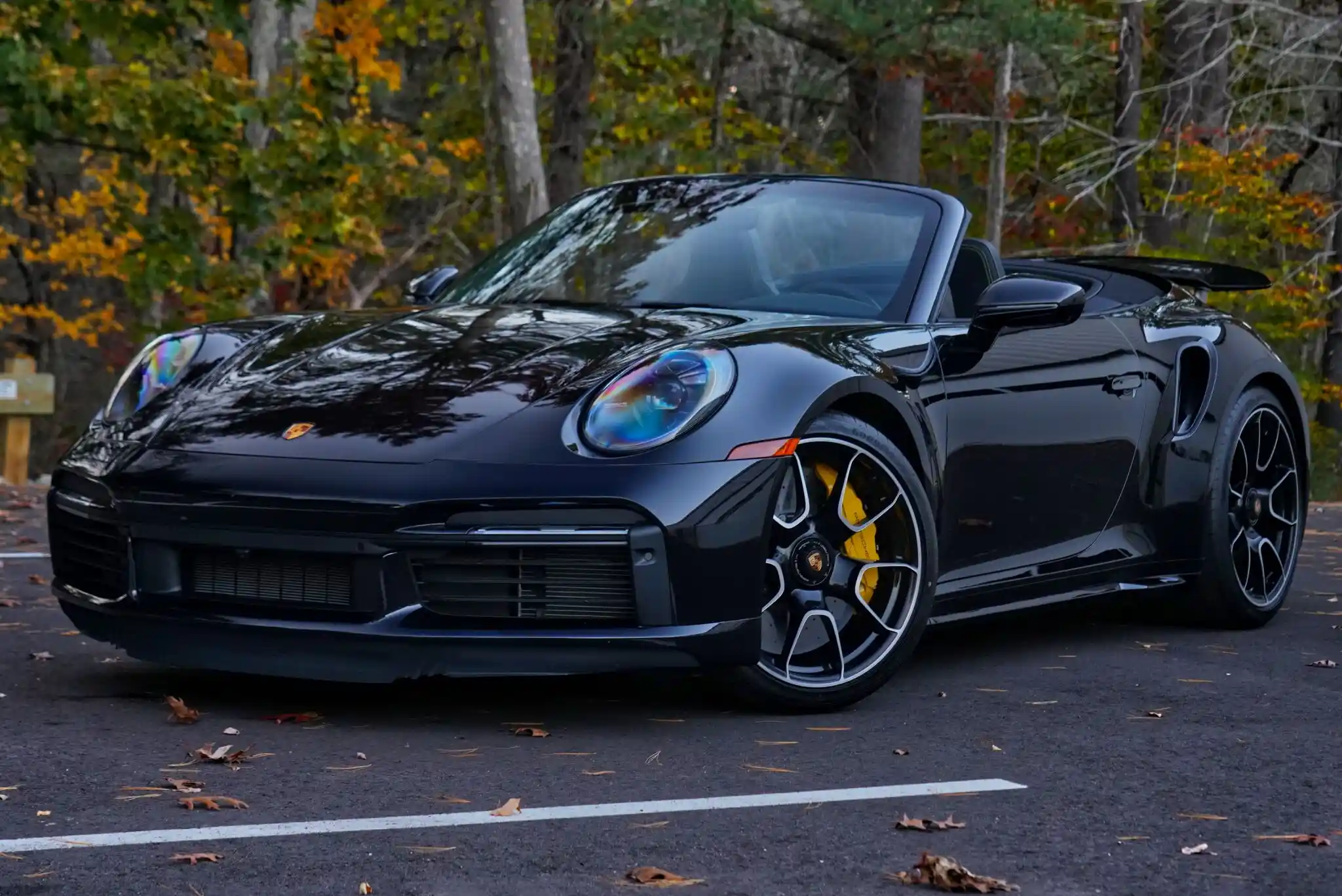
A basic front-end package may be enough for some vehicles, but performance cars create their own damage patterns. Low front bumpers, wide tires, sticky rubber, flared rear quarters, aggressive rocker panels, front splitters, vents, carbon fiber, and spirited driving all change where the vehicle takes abuse.
That is why PPF coverage should not be chosen only by package name.
The vehicle shape matters. The tire setup matters. The way the car is driven matters.
At Kickin’ Customs in Raynham, MA, we install XPEL paint protection film on performance vehicles across Massachusetts and Rhode Island. That includes Corvettes, Porsches, BMW M cars, Mercedes-AMG models, Audi RS vehicles, Mustangs, Camaros, Tesla Performance models, exotics, and other enthusiast-owned vehicles.
The goal is simple: protect the areas that are actually going to get hit.
Front and side impact
Performance Cars Take Damage Differently
A regular commuter vehicle usually takes most of its damage on the front bumper, hood, mirrors, and headlights. Those areas still matter on a performance car, but they are only part of the picture.
Performance cars are often lower to the ground. They have wider tires. They may have aggressive offsets, sticky summer tires, wider rear quarters, side skirts, front splitters, rear aero, and painted lower panels.
That design makes the car look and perform better, but it also exposes more paint to road debris.
The vehicle does not only get hit from the road ahead. It can get damaged by its own tires throwing sand, salt, rocks, tar, and debris into the rocker panels, lower doors, rear quarters, and lower bumper sections.
That is why performance car PPF should be planned around the whole vehicle shape, not just the front bumper.
The Front End Still Comes First
For most performance cars, full front PPF is still the starting point.
The front bumper, full hood, full front fenders, mirrors, headlights, and sometimes A-pillars and leading roof edge take direct impact from highway debris, bugs, sand, and road grit.
Performance cars often sit lower than normal vehicles, which makes the front bumper more vulnerable. They also tend to have more complex bumper shapes, larger openings, painted lips, gloss black trim, carbon fiber accents, and expensive headlights.
Once the front bumper is chipped, it can be frustrating to repair. Repainting may not match perfectly, and on high-value vehicles, preserving factory paint is usually the better goal.
Full front PPF helps protect the most obvious impact zones before the damage happens.
Why Low Bumpers and Splitters Need Protection
Low front bumpers and splitters are part of the performance car look, but they take constant abuse.
They are closer to the road, closer to debris, and more likely to be hit by sand, salt, rocks, bugs, and rough road conditions. Even normal highway driving can chip and pit the lower sections quickly.
Paint protection film will not prevent damage from scraping a driveway, hitting a curb, or contacting a parking block. But it can help reduce road rash, chips, bug damage, and surface wear from normal driving.
If the vehicle has a painted front lip, carbon fiber splitter, gloss black lower trim, or aggressive bumper shape, those areas should be part of the PPF conversation.
Wide Tires Create Side Damage
Wide tires are one of the biggest reasons performance cars need rocker panel and rear quarter protection.
The wider the tire, the more debris it can pick up and throw. Sticky performance tires make the problem worse because they grab small stones, sand, and grit, then fling that material into the side of the vehicle.
This damage usually shows up on rocker panels, lower doors, side skirts, lower rear quarters, and flared rear hips.
The owner may not be driving on gravel roads. The car may not be abused. The tire setup alone can create enough debris to damage the paint.
That is why many performance cars need protection beyond the full front.
Sticky Tires Make the Problem Worse
Performance tires are designed to grip.
That grip is great for driving, but it can be hard on paint. Sticky tires pick up debris that a normal all-season tire may leave behind. Once that debris is picked up, it gets thrown into the bodywork.
This is especially noticeable after driving on warm roads, fresh pavement, construction areas, sandy shoulders, or roads with loose gravel.
For vehicles with summer tires, track-oriented tires, or aggressive street tires, side impact protection becomes more important.
Rocker panel PPF, lower door PPF, and rear quarter PPF are often the difference between a car that stays clean and a car that starts showing road rash early.
Rocker Panels Are High-Abuse Areas
Rocker panels sit low along the side of the vehicle between the front and rear wheels. On performance cars, they are often directly in the path of debris thrown by the front tires.
That makes them one of the most important areas to protect.
Rocker panel damage can start as tiny chips, a rough sandblasted texture, or small marks near the lower edge. Over time, those marks become more visible, especially on black, dark gray, blue, red, and metallic paint.
On some vehicles, the rocker panel shape catches debris aggressively. On others, the side skirt or lower trim is the highest-risk area.
Either way, rocker panel PPF should be strongly considered on performance cars.
Lower Doors Can Get Blasted Too
Lower doors are often overlooked, but they can sit directly behind the front tires.
When the front tires throw debris backward, the lower door area can take repeated impact. This is common on performance sedans, coupes, EV performance models, and wide-body cars.
The damage can be frustrating because door panels are large and easy to notice in the right lighting. Once chips or road rash appear, film can still protect the area moving forward, but it will not erase the damage underneath.
For performance vehicles that are driven often, lower door PPF is a practical upgrade.
Rear Quarters Matter on Wide Cars
Rear quarter protection is one of the biggest differences between a normal PPF package and a performance-focused PPF package.
Many performance cars have rear quarters that flare outward. That shape looks great, but it puts the paint directly in the path of debris coming from the front tires.
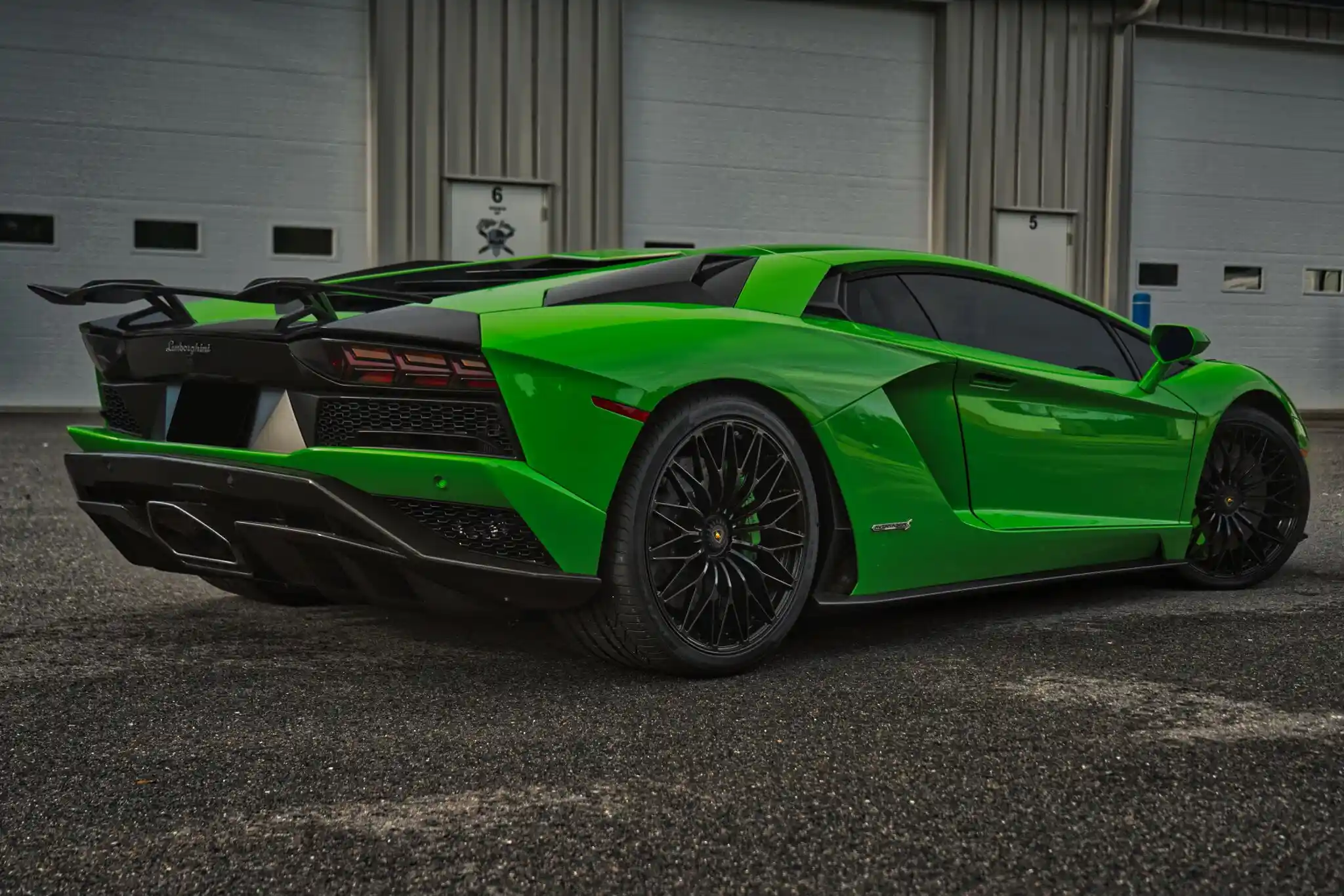
Corvettes, Porsches, BMW M cars, Mercedes-AMG models, Audi RS vehicles, Mustangs, Camaros, Ferraris, Lamborghinis, McLarens, and other wide vehicles can all benefit from rear quarter protection.
On some vehicles, the rear quarter is one of the first areas to show damage.
If the car has wide hips, aggressive side skirts, or exposed rear quarter panels, this area should not be ignored.
Model-specific exposure
Corvette PPF Needs Side Impact Planning
Corvettes are a perfect example of why performance car PPF needs to be planned around shape.
The front end is low, the rear quarters are wide, and the tires can throw debris into the sides of the vehicle. Full front PPF is important, but rocker panels and rear quarters should also be strongly considered.
On C7 and C8 Corvettes, side impact zones can become a major issue if they are left exposed.
For many Corvette owners, full front PPF plus rockers and rear quarters is a much smarter package than front-only protection.
Porsche PPF Needs Careful Coverage Planning
Porsche vehicles, especially the 911, Cayman, Boxster, Taycan, Panamera, and Macan or Cayenne performance trims, can all benefit from thoughtful PPF coverage.
The front bumper, hood, mirrors, headlights, and fenders take normal road impact. The lower sides and rear quarters can also take abuse depending on tire setup and body shape.
Porsche paint, headlights, trim, and curves also make installation quality important. Coverage should be planned around the specific model, not treated like a generic car.
For many Porsche owners, full front PPF is the baseline. Full body PPF may make sense for higher-value builds, dark colors, GT cars, matte finishes, and owners who want maximum protection.
BMW M, AMG, and Audi RS Vehicles Need More Than the Front
Performance sedans and coupes can be deceptive.
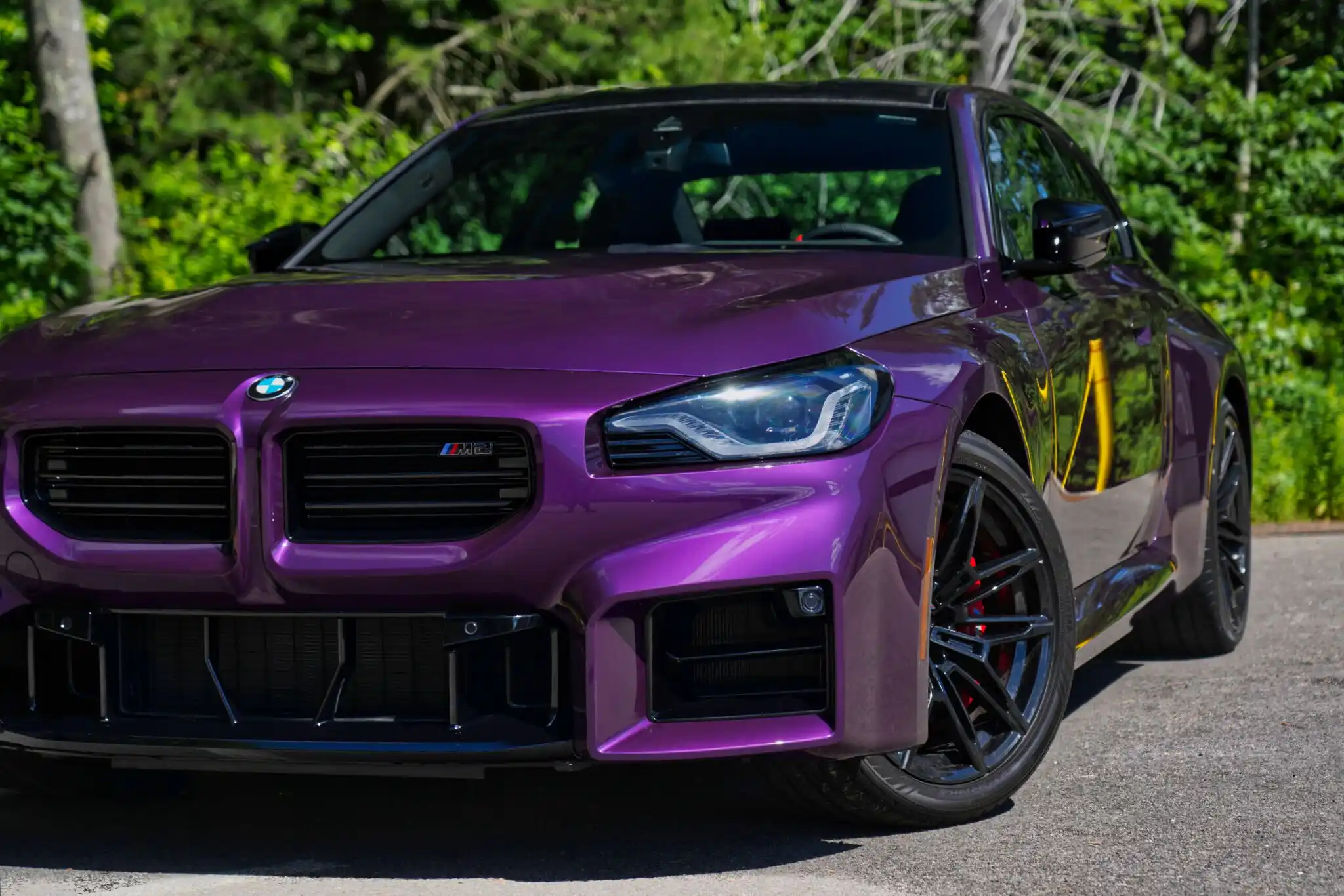
A BMW M3, M4, M5, Mercedes-AMG C63, E63, GT, Audi RS3, RS5, RS6, RS7, or similar vehicle may look more practical than an exotic, but the paint still sees serious abuse.
These vehicles are fast, heavy, low, and often equipped with wide performance tires. They are also frequently daily driven, which means they see more exposure than a garage-kept sports car.
Full front PPF is a smart start, but rocker panels, lower doors, and rear impact areas should be considered depending on the vehicle.
For performance sedans, the daily driver factor makes PPF even more valuable.
Mustangs, Camaros, and Muscle Cars Need Lower Protection
Modern muscle cars can be high-risk for lower-body damage.
They often have wide tires, strong power, aggressive rocker panels, low front lips, and rear quarter shapes that catch debris. Owners may also drive them harder than a normal commuter vehicle.
Mustangs, Camaros, Challengers, Chargers, Shelby models, ZL1s, Hellcats, and similar vehicles benefit from front-end protection, rocker protection, and rear quarter coverage.
If the car has sticky tires or a wide stance, the side panels should be taken seriously.
Tesla Performance Models Need PPF Too
Tesla Performance models are often quick, heavy, and daily driven.
Model 3 Performance and Model Y Performance vehicles can benefit from full front PPF, rocker panel protection, lower door protection, and sometimes rear impact coverage depending on use.
Tesla vehicles also have clean body lines and large painted areas, so chips and road rash can stand out quickly. Many owners pair PPF with ceramic tint and ceramic coating for a complete protection package.
Even though Teslas are EVs, the same performance car rules apply when the vehicle has power, weight, wide tires, and daily use.
Driving conditions and finishes
Driving Style Changes the Coverage Strategy
How the car is driven matters.
A performance car that is mostly used for local cruising may not need the same coverage as a car that sees highways, back roads, rallies, group drives, autocross, track days, or spirited weekend driving.
Higher speeds increase the force of road debris. Back roads often have sand, gravel, leaves, and uneven pavement. Group drives can put your vehicle behind other performance cars throwing debris. Track events and autocross can expose the vehicle to rubber, grit, cone marks, and more aggressive debris.
If the car is driven the way it was built to be driven, the PPF strategy should reflect that.
Highway Driving Creates Front-End Damage
Highway driving is one of the biggest reasons to install full front PPF.
At speed, even small debris can chip paint. The front bumper, hood, mirrors, headlights, A-pillars, and leading roof edge are all exposed.
Performance cars often see highway miles on the way to events, weekend drives, work, or road trips. The faster the vehicle is moving, the more energy road debris has when it hits the paint.
For highway-driven performance cars, full front PPF is usually the minimum starting point.
Back Roads Create Side and Lower Damage
Back roads are fun, but they can be rough on paint.
Loose gravel, sand, patched pavement, leaves, dirt, puddles, and road shoulders can all create debris. When the tires pick that material up, it gets thrown into the lower body.
This is where rocker panels, lower doors, and rear quarters become important.
If the vehicle is used for spirited back-road driving, side impact protection should be taken seriously.
Track Days and Autocross Need a Different Conversation
Track days and autocross events increase the chance of paint damage.
Rubber, debris, cone contact, brake dust, tire marbles, and higher-speed impact can all create wear. PPF can help protect the paint, but expectations need to be realistic.
Track use is harder on film than normal street driving. Certain impacts, heat, rubber transfer, or aggressive contact can still damage film. But having PPF is still much better than leaving factory paint exposed.
For track-oriented vehicles, full front, rockers, lower doors, rear quarters, and sometimes full body PPF may make sense depending on how serious the owner is.
Matte and Satin Performance Cars Need Extra Protection
Matte and satin performance cars need special attention.
Gloss paint can often be polished if it gets light scratches or surface marks. Matte and satin paint cannot be corrected the same way. If the finish gets scratched, stained, or polished incorrectly, it can become uneven or shiny.
For factory matte or satin performance cars, full body PPF is often the safest strategy. XPEL Stealth can protect the finish while preserving the satin look.
For gloss performance cars, XPEL Stealth can also create a satin version of the original color while adding real protection.
If the vehicle has matte paint, satin paint, or a finish that would be difficult to repair, partial coverage may not be enough.
Carbon Fiber Needs Protection
Many performance cars have carbon fiber mirror caps, splitters, side skirts, diffusers, roofs, spoilers, hoods, or trim.
Carbon fiber looks great, but it can be expensive to repair or replace. It can also take damage from road debris, bugs, UV exposure, scratches, and impacts.
PPF can help protect carbon fiber while preserving the appearance underneath.
For carbon fiber splitters and lower aero, expectations should be realistic. PPF can reduce chips and surface wear, but it will not stop damage from scraping or hard contact.
Still, for exposed carbon fiber, protection is usually worth discussing.
Gloss Black Trim Scratches Easily
Gloss black exterior trim is common on performance vehicles.
It may be found on mirror caps, pillars, roof trim, grille areas, splitters, diffusers, spoilers, side skirts, and bumper accents. It looks sharp when new, but it scratches easily and shows wash marks quickly.
PPF can help protect gloss black trim from scratches, swirls, and road wear.
This can be a small but valuable part of a performance car protection package, especially on vehicles with black appearance packages.
Build the protection plan
Full Front PPF vs Full Body PPF on Performance Cars
Full front PPF is the best starting point for most performance cars.
It protects the highest-impact forward-facing areas and gives the car real defense against rock chips, bugs, and road debris.
Full body PPF makes sense when the vehicle is high-value, dark-colored, matte, satin, rare, soft paint, heavily driven, tracked, or owned by someone who wants the highest level of protection.
For many performance cars, the middle ground is full front PPF plus rocker panels, lower doors, and rear quarters.
That package protects the areas most likely to get damaged without requiring full body coverage.
Ceramic Coating Over PPF Helps Maintenance
Ceramic coating is a smart addition to performance car PPF.
PPF protects against physical impact. Ceramic coating helps with gloss, slickness, water behavior, chemical resistance, UV resistance, and easier washing.
Performance cars collect bugs, brake dust, rubber, road grime, and debris. A ceramic coating over the film and remaining paint can make cleaning easier and reduce how much effort is needed to maintain the vehicle.
For performance cars, PPF and ceramic coating work best together.
Windshield Protection Film May Be Worth Considering
Performance cars often have expensive windshields.
Many modern windshields include cameras, sensors, rain sensors, acoustic glass, heads-up display compatibility, or calibration requirements. Add highway driving, group drives, and road debris, and windshield protection becomes worth discussing.
Windshield protection film adds a clear protective layer to the outside of the windshield to help reduce pitting and small debris damage.
It does not make the windshield unbreakable, but it can be a smart upgrade for performance cars that see real road use.
Ceramic Tint Adds Comfort
Performance cars often have dark interiors, large windshields, low seating positions, and exposed cabins.
Ceramic tint helps reduce heat, glare, and UV exposure while improving privacy and comfort. This makes the car more enjoyable during summer drives, road trips, daily commuting, and long highway use.
For performance EVs and luxury performance vehicles, ceramic tint can make an even bigger difference because of large glass areas and screen-heavy interiors.
A complete performance car protection package often includes PPF, ceramic coating, ceramic tint, and windshield protection film.
When Performance Car PPF Is Worth It
PPF is worth it on a performance car when the owner cares about preserving the paint, avoiding chips, protecting expensive panels, or keeping the vehicle clean long term.
It is especially worth it if the car is new, high-value, dark-colored, matte, satin, wide-body, equipped with sticky tires, daily driven, highway driven, tracked, or kept long term.
It may not be necessary for every panel on every car, but the high-impact zones should be protected early.
Once the car is chipped, the conversation changes. PPF protects what is underneath it. It is always best installed before the damage happens.
The Best Performance Car PPF Strategy
For most performance cars, the best starting point is full front PPF.
From there, the vehicle shape decides the next move.
If the car has wide tires, add rockers and lower doors.
If the car has flared rear quarters, add rear quarter protection.
If the car has carbon fiber or gloss black trim, consider protecting those pieces.
If the car is matte, satin, very high-value, or kept to a higher standard, full body PPF may be the better choice.
The right package should match the car, not just the budget.
Final Thoughts
Performance cars need paint protection film because they are built in a way that exposes them to damage.
Low bumpers, wide tires, sticky rubber, side skirts, rear quarters, front splitters, carbon fiber, gloss black trim, and spirited driving all create risk. A basic front-only mindset may not protect the areas that actually take abuse.
For most performance cars, full front PPF is the foundation. Rocker panels, lower doors, and rear quarters are often the next most important areas. Full body PPF makes sense for high-value vehicles, matte finishes, dark colors, track use, and owners who want the highest level of protection.
At Kickin’ Customs in Raynham, MA, we install XPEL paint protection film for performance cars across Massachusetts and Rhode Island. Whether you drive a Corvette, Porsche, BMW M, AMG, Audi RS, Mustang, Camaro, Tesla Performance, exotic, or another enthusiast vehicle, we can build a coverage plan around how the car is actually driven.
Frequently Asked Questions
Is PPF worth it on a performance car?
Yes. Performance cars often benefit from PPF because they are lower, wider, faster, and more likely to have tire setups that throw debris into the paint.
What PPF coverage is best for a performance car?
For most performance cars, full front PPF is the best starting point. Rocker panels, lower doors, and rear quarters should also be considered based on the vehicle shape and tire setup.
Do performance cars need rocker panel PPF?
Many do. Wide tires and sticky rubber can throw debris into the rocker panels and lower doors, causing chips and road rash.
Do Corvettes need rear quarter PPF?
Yes, rear quarter protection is strongly worth considering on Corvettes because the vehicle shape and tire setup can expose the rear quarters to debris.
Is full front PPF enough for a Porsche?
Full front PPF is a strong starting point for many Porsche vehicles. Rocker panels, lower doors, rear quarters, or full body PPF may make sense depending on the model and how it is driven.
Should BMW M, AMG, and Audi RS vehicles get more than full front PPF?
Often, yes. These vehicles are frequently daily driven and can have wide tires, low panels, and side impact areas that benefit from additional protection.
Does PPF protect carbon fiber?
Yes, PPF can help protect carbon fiber from chips, scratches, bugs, and road wear. It will not prevent damage from hard scraping or major impact.
Is full body PPF worth it on a performance car?
Full body PPF can be worth it for high-value performance cars, dark colors, matte or satin finishes, track use, and owners who want the highest level of protection.
Can ceramic coating go over performance car PPF?
Yes. Ceramic coating can be installed over PPF to improve slickness, water behavior, gloss, and ease of cleaning.
Should track cars get PPF?
Yes, but expectations should be realistic. Track use is harder on film than normal street driving, but PPF is still much better than leaving factory paint exposed.
Plan your next step
Protect your performance car where it actually takes abuse. Contact Kickin’ Customs in Raynham, MA to build the right XPEL paint protection film package for your vehicle’s shape, tires, and driving style.
