
The short answer
When most people think about paint protection film, they think about the front bumper, hood, fenders, mirrors, and headlights.
That makes sense. The front of the vehicle takes the most direct impact from road debris, bugs, salt, sand, and rocks. For many vehicles, full front PPF is the best starting point.
But the front end is not the only area that gets damaged.
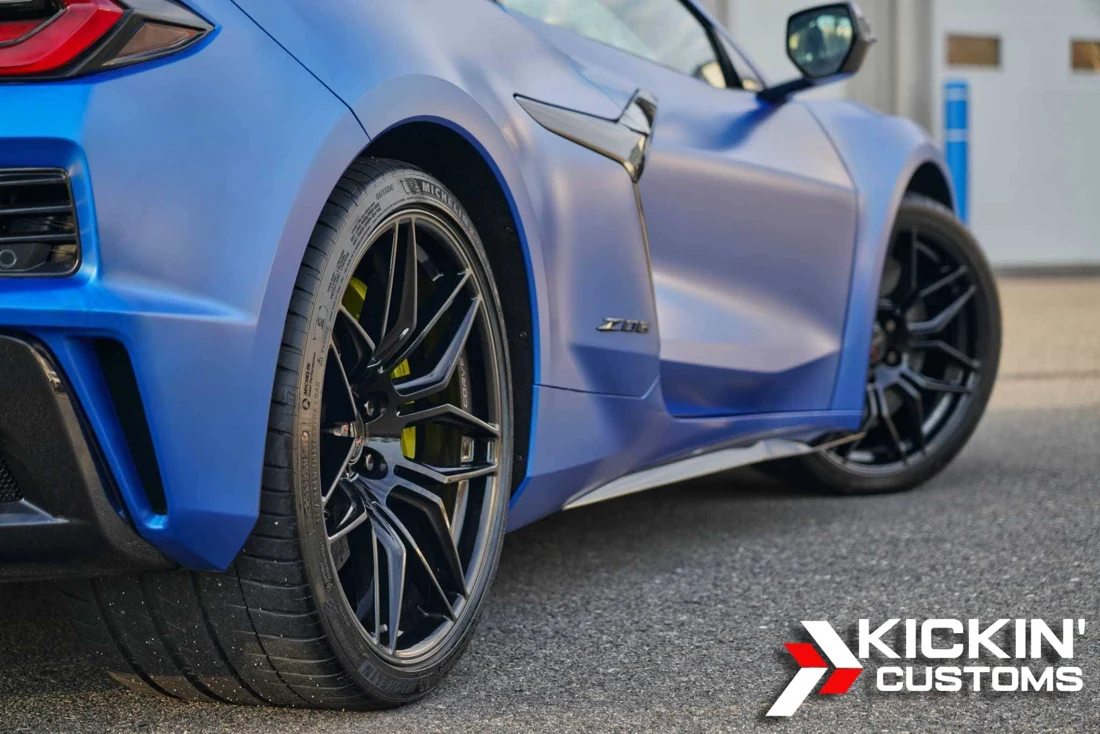
Rocker panels and lower doors can take some of the worst abuse on the entire vehicle. These areas sit low, close to the tires, close to the road, and directly in the path of sand, salt, gravel, tar, water, and debris kicked up during normal driving.
On some vehicles, rocker panel and lower door protection is not just a nice add-on. It is one of the smartest parts of the entire PPF package.
At Kickin’ Customs in Raynham, MA, we install XPEL paint protection film on rocker panels, lower doors, rear quarters, and other high-impact areas for drivers across Massachusetts and Rhode Island. The right coverage depends on the vehicle, but lower-body protection should almost always be part of the conversation.
Where lower-body damage comes from
Rocker Panels Take Abuse From the Road and the Vehicle Itself
Rocker panels run along the lower side of the vehicle, between the front and rear wheels. Because of their position, they are constantly exposed to material coming off the road.
Sand, salt, small stones, gravel, dirt, slush, and road grime all get thrown into these areas. In New England, winter roads make this even worse because salt and sand are everywhere for months.
The problem is not only debris from other vehicles. Your own tires can throw material directly into your rocker panels and lower doors.
That means the vehicle can damage itself just by being driven.
This is especially common on vehicles with wider tires, sticky tires, aggressive wheel fitment, or flared bodywork. The lower side panels may look clean when the vehicle is new, but without protection, they can start showing chips, scratches, and road rash quickly.
Lower Doors Are Often in the Impact Zone
Lower doors are easy to overlook because they are not the first panels people think about protecting.
But on many vehicles, the lower door area sits directly behind the front tires. That means anything kicked backward by the tires can hit the lower doors over and over again.
The damage may start small. A few tiny chips. A faint sandblasted texture. Small marks near the bottom of the doors. Over time, it becomes more noticeable, especially on dark colors, metallic paint, and vehicles that are washed often.
Once lower door damage starts, it is not always simple to correct. Chips may require touch-up or repainting. Road rash can be difficult to hide. If the damage is on a large door panel, it can be very noticeable in certain lighting.
PPF gives those lower areas a sacrificial layer before the damage becomes permanent.
Why New England Roads Make Lower-Body Protection More Important
Massachusetts and Rhode Island roads are rough on vehicles.
Winter salt, sand, potholes, construction debris, gravel shoulders, wet roads, and highway traffic all contribute to lower-body wear. Even if you are careful, you cannot stop every piece of debris from being kicked up by your own tires or the vehicles around you.
This is especially true during and after winter. Sand and salt can sit on the roads long after storms are gone. During spring, those materials continue to get thrown against the lower panels. During summer, construction zones and loose gravel add a different kind of abuse.
The rocker panels and lower doors are always in the line of fire.
For drivers in Raynham, Taunton, Bridgewater, Plymouth, Cape Cod, Providence, the South Shore, and across Southeastern Massachusetts, lower-body PPF can make a major difference in how the vehicle ages.
Vehicles and tire exposure
Performance Cars Are High-Risk
Performance cars are some of the best candidates for rocker panel and lower door PPF.
The reason is simple. Many performance vehicles are lower, wider, and fitted with tires that grip harder. That setup is great for driving, but it can be brutal on paint.
Sticky tires pick up small stones and road debris, then throw them into the side of the vehicle. Wide tires can push debris farther out into the bodywork. Flared rear quarters and side skirts can catch impact that a narrower vehicle may avoid.
Corvettes, Porsches, BMW M cars, Mercedes-AMG models, Audi RS vehicles, Mustangs, Camaros, Ferraris, Lamborghinis, McLarens, and similar vehicles often need more than standard front-end protection.
For many performance cars, full front PPF is only the beginning. Rocker panels, lower doors, and rear quarters should be strongly considered.
Trucks and SUVs Need Lower Protection Too
Rocker panel and lower door PPF is not only for sports cars.
Trucks and SUVs often need it just as much, sometimes more.
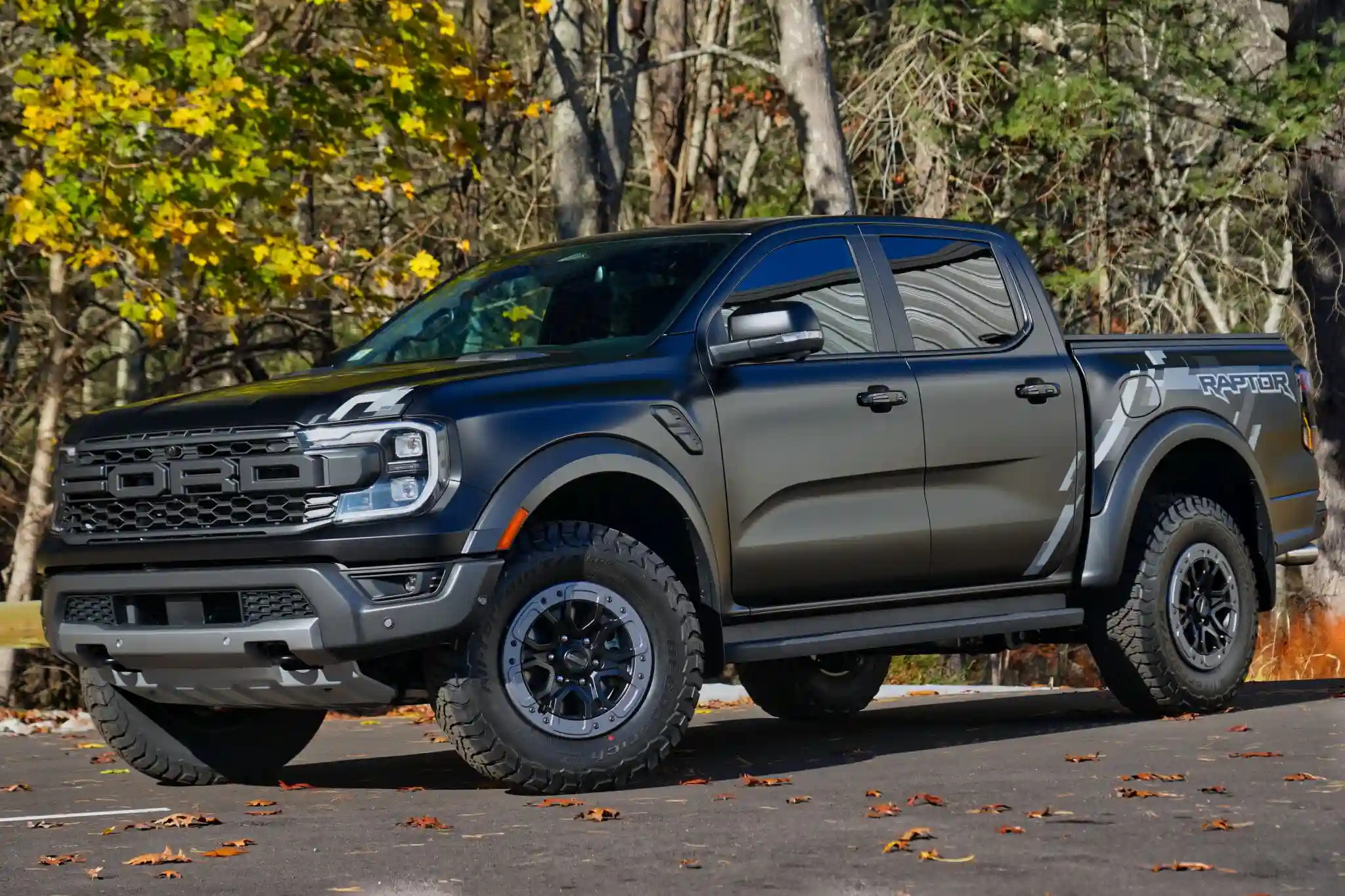
These vehicles are larger, taller, and commonly used year-round. They see highway driving, winter roads, job sites, gravel, kids, pets, sports gear, cargo, and parking lots. The lower doors and rocker panels collect road grime, salt, mud, and debris constantly.
Luxury SUVs can be especially frustrating because they have large painted lower sections that show damage quickly. Range Rover, BMW, Mercedes-Benz, Audi, Cadillac, Lexus, GMC, Tesla, Rivian, Toyota, Ford, Chevrolet, and similar SUVs can all benefit from lower-body PPF.
For trucks, lower doors, rocker panels, cab corners, bedside areas, and rear impact zones may all be worth discussing depending on how the vehicle is used.
EVs Often Have Wide Lower Panels
Electric vehicles are another strong fit for rocker panel and lower door protection.
Many EVs have smooth body lines, large painted bumpers, wide lower panels, and clean side profiles. That design looks modern, but chips and road rash can stand out quickly.
Tesla Model 3, Model Y, Model S, Model X, Rivian R1T, Rivian R1S, Lucid, BMW i models, Mercedes EQ models, Ford Mustang Mach-E, Hyundai IONIQ, Kia EV models, and other EVs often benefit from full front PPF plus lower-body coverage.
EV owners also tend to drive often and keep their vehicles looking clean. A chipped rocker panel or sandblasted lower door can take away from that clean, modern look.
If the vehicle has wide lower sides or sees daily driving, rocker panel PPF is worth considering early.
Wide Tires Can Destroy Lower Paint
Wide tires are a major reason lower panels get damaged.
When tires extend closer to the edge of the body or sit under flared panels, debris is thrown directly into the paint. Sticky performance tires make the problem worse because they pick up more grit and fling it harder.
This is why some vehicles can show side damage even with low mileage.
The owner may not be driving on gravel roads or abusing the car. The vehicle shape and tire setup are simply creating an impact zone.
If your vehicle has wider wheels, performance tires, aggressive offsets, spacers, flared quarters, or factory wide-body styling, rocker panel and lower door protection should be considered part of the main PPF strategy.
Factory Splash Guards Are Not Always Enough
Some vehicles come with factory splash guards, small mud flaps, or plastic lower trim.
Those pieces can help, but they do not always protect the painted panels enough.
Debris can still travel above, around, or behind those areas. On many vehicles, the lower doors and rocker panels remain exposed. Some splash guards protect from large spray but do not stop small sandblasting or rock impact.
PPF is different because it protects the painted surface directly.
Factory guards can reduce some debris. Paint protection film helps protect the actual paint.
For the best result, the two can sometimes work together.
Rocker Panel Damage Is Easy to Miss Until It Is Too Late
One reason lower-body damage gets ignored is because it is not always obvious right away.
The vehicle may look clean from standing height. The front bumper may still look good. The hood may have no chips. But when you look lower, the rocker panels and bottom of the doors may already be marked up.
This damage is often easier to see after washing, under shop lighting, or when sunlight hits the side of the vehicle. By then, the paint may already have chips, scratches, or a rough sandblasted texture.
PPF is best installed before that happens.
Once the damage is there, film can still protect the area moving forward, but it will not erase the damage underneath.
Coverage and appearance
Rocker Panel PPF Helps Preserve the Factory Finish
Paint protection film is valuable because it helps preserve the original factory paint.
This matters on every vehicle, but especially on new vehicles, leased vehicles, luxury vehicles, performance cars, EVs, and vehicles with expensive paint.
Repainting lower doors or rocker panels is not ideal. Paint matching can be difficult. Blend work can become involved. Texture and finish may not match perfectly. On matte, satin, pearl, metallic, or high-end paint, repairs can become even more frustrating.
PPF helps reduce the chance that those areas need paintwork in the first place.
That is the real value. Protect the paint before repair becomes part of the conversation.
Lower-Body PPF Pairs Well With Full Front PPF
Full front PPF protects the areas most likely to take direct impact from the road ahead.
Rocker panel and lower door PPF protects the areas most likely to take side impact from your own tires and road spray.
Together, they create a much stronger protection package for daily driving.
For many vehicles, this combination is the sweet spot. It protects the front bumper, hood, fenders, mirrors, headlights, rocker panels, and lower doors without going all the way to full body PPF.
This is especially smart for daily drivers, SUVs, trucks, EVs, performance vehicles, and customers who want practical protection without full vehicle coverage.
When Rear Quarter Protection Should Be Added
On certain vehicles, rocker panels and lower doors are not enough.
Rear quarters can also take heavy abuse, especially when the vehicle has wide hips, performance tires, or bodywork that catches debris from the front tires.
This is common on Corvettes, Porsches, Lamborghinis, Ferraris, McLarens, BMW M cars, Mercedes-AMG vehicles, Audi RS models, Mustangs, Camaros, and wide-body vehicles.
If you see the rear quarter flare out behind the door, that area may be in the debris path.
For those vehicles, rear quarter PPF can be just as important as rocker panel protection.
Does Rocker Panel PPF Show?
The visibility of rocker panel PPF depends on the coverage, vehicle color, panel shape, edge placement, and installation quality.
On many vehicles, rocker panel and lower door coverage can be installed cleanly and discreetly. Edges may be placed along body lines, panel edges, or lower sections where they are less noticeable.
However, any partial film installation can have visible edges if you look closely, especially where the film stops on an open panel. That is normal.
The goal is to protect the area without creating an awkward appearance. A good coverage plan should balance protection, appearance, and cost.
Plan and maintain protection
Can Rocker Panel PPF Be Added Later?
Yes, rocker panel PPF can be added later, but earlier is better.
If the vehicle has already been driven for months or years, the lower panels may already have chips, scratches, tar, road rash, or contamination. Those areas may need cleaning, decontamination, touch-up, or correction before film is installed.
If the damage is already in the paint, the film will protect over it but will not make it disappear.
For new vehicles, rocker panel PPF should be installed as early as possible, ideally with the initial PPF package.
Is Rocker Panel PPF Worth It?
Rocker panel PPF is worth it for many vehicles.
It is especially worth it if the vehicle is new, daily driven, dark-colored, high-value, leased, performance-oriented, equipped with wide tires, used in winter, or driven on highways and rough roads.
Compared to repainting lower panels or living with road rash, protecting the area early often makes sense.
It may not be necessary for every vehicle. If the vehicle is rarely driven, already heavily worn, or the lower panels are protected by unpainted trim, the priority may be lower.
But for many modern vehicles, rocker panel and lower door PPF is one of the most practical upgrades beyond the front end.
Best PPF Setup for Lower-Body Protection
The best setup depends on the vehicle.
For a normal daily driver, full front PPF with rocker panel coverage may be enough.
For a performance vehicle, full front PPF, rocker panels, lower doors, and rear quarters may be the better package.
For a truck or SUV, full front PPF, rocker panels, lower doors, rear bumper loading area, and tailgate or cargo zones may make sense.
For an EV, full front PPF with rocker and lower door protection is often a strong starting point.
For a high-value or matte vehicle, full body PPF may be the cleanest long-term solution.
The right answer is based on the shape of the vehicle and how it will be used.
Ceramic Coating Can Help Maintenance
Ceramic coating can be installed over rocker panel and lower door PPF to make the film easier to clean.
These areas collect salt, sand, dirt, tar, and road grime. A ceramic coating can improve slickness and water behavior, making maintenance easier.
Ceramic coating does not replace PPF. It will not stop rock chips or road rash by itself. But over PPF, it can make the protected areas easier to wash and keep clean.
For lower-body protection, PPF and ceramic coating work very well together.
Maintenance Still Matters
PPF protects the paint, but it still needs proper care.
Rocker panels and lower doors should be washed regularly because they collect the most road contamination. Salt, tar, bugs, grime, and road film should not be left to sit for long periods.
Avoid aggressive pressure washing directly at film edges. Avoid harsh chemicals that are not safe for film. Use proper wash methods and XPEL-approved maintenance products when possible.
Lower-body areas work hard. Keeping them clean helps the film look better and last longer.
Final Thoughts
Rocker panels and lower doors need paint protection film because they live in one of the harshest zones on the vehicle.
They are constantly exposed to sand, salt, rocks, road grime, water, tar, and debris thrown by the tires. On performance cars, trucks, SUVs, EVs, luxury vehicles, and daily drivers, these areas can get damaged faster than many owners expect.
Full front PPF protects the front of the vehicle. Rocker panel and lower door PPF helps protect the sides where the vehicle’s own tires can cause damage.
At Kickin’ Customs in Raynham, MA, we install XPEL paint protection film for rocker panels, lower doors, rear quarters, and other high-impact areas across Massachusetts and Rhode Island.
If you are protecting a new vehicle, do not only look at the front bumper. The lower sides may need protection just as much.
Frequently Asked Questions
Are rocker panels worth protecting with PPF?
Yes. Rocker panels sit low on the vehicle and take abuse from sand, salt, rocks, road grime, and debris thrown by the tires. For many vehicles, rocker panel PPF is one of the smartest upgrades beyond the front end.
Do lower doors need paint protection film?
Many lower doors benefit from PPF, especially on vehicles with wide tires, sticky tires, aggressive body lines, or daily driving use. Lower doors can get chipped and sandblasted from debris kicked up by the front tires.
What vehicles need rocker panel PPF the most?
Performance cars, EVs, trucks, SUVs, luxury vehicles, dark-colored vehicles, and daily drivers often benefit from rocker panel PPF. Vehicles with wide tires or flared bodywork are especially high-risk.
Is rocker panel PPF better than mud flaps?
They solve different problems. Mud flaps can reduce some debris, but PPF protects the painted surface directly. On some vehicles, both can work together.
Can rocker panel PPF be installed after the vehicle has been driven?
Yes, but earlier is better. If the area is already chipped or damaged, PPF will protect it moving forward but will not erase the damage underneath.
Does rocker panel PPF show?
It can, depending on the vehicle, edge placement, color, and coverage. A quality installation plans the edges carefully to balance protection and appearance.
Should performance cars get rear quarter PPF too?
Many should. Wide tires and sticky rubber can throw debris into the rear quarters, especially on Corvettes, Porsches, BMW M cars, AMG models, Audi RS vehicles, and exotics.
Can ceramic coating go over rocker panel PPF?
Yes. Ceramic coating can be applied over PPF to make the lower panels easier to clean and maintain.
Is lower-body PPF worth it on a new truck or SUV?
Yes, it can be. Trucks and SUVs see winter roads, highway debris, gravel, cargo use, and daily wear. Rocker panels and lower doors are high-abuse areas.
What is the best PPF package for lower-body protection?
For many vehicles, full front PPF plus rocker panels and lower doors is a strong setup. Performance vehicles may also need rear quarter protection. High-value vehicles may be better suited for full body PPF.
Plan your next step
Protect the areas your tires abuse the most. Contact Kickin’ Customs in Raynham, MA to add XPEL rocker panel, lower door, and rear quarter paint protection film to your vehicle.
