
The short answer
A dashcam is only helpful if it records clearly when you need it.
That sounds obvious, but it is where a lot of cheap or rushed installations fall apart.
The camera may be mounted too low. The wire may be dangling across the windshield. The rear camera may have a poor angle. Parking mode may not be set up correctly. The memory card may overwrite important footage. The camera may shut off too early. The app may not be configured. The battery settings may not match the way the vehicle is driven.
A good dashcam is not just a camera on the glass.
It is a complete installation.
At Kickin’ Customs in Raynham, MA, we install DroneMobile dashcams, Momento dashcams, Compustar PRO remote start systems, car alarms, DroneMobile GPS tracking, IGLA vehicle security, and complete vehicle security packages for customers across Massachusetts and Rhode Island.
Whether you choose a Drone dashcam, Momento M8 Max, Momento M7, or another professionally installed system, the installation matters just as much as the product.
Wiring, parking mode and power
A Dashcam Is Evidence, Not Decoration
A dashcam has one main job:
Capture usable footage when something happens.
That may be a front-end accident, rear-end accident, parking lot hit, road rage incident, break-in, vandalism, theft attempt, hit-and-run, insurance dispute, job site issue, or family driving concern.
If the camera is mounted poorly, wired poorly, or configured poorly, that footage may not exist when you need it.
A dashcam should not be installed just to say the vehicle has one.
It should be installed so the footage is useful.
That means correct placement, reliable power, clean wiring, parking mode setup, app configuration, memory card guidance, and owner training.
Clean Wiring Matters
Clean wiring is one of the biggest differences between a professional dashcam installation and a quick plug-in setup.
A dashcam plugged into a cigarette lighter or USB port may work, but it often leaves a wire hanging down the windshield, across the dash, or around the center console.
That looks unfinished.
It can also get in the way, fall loose, get unplugged, block vents, interfere with passengers, or create a distraction.
A professional installation hides the wiring properly through the vehicle’s trim, headliner area, panels, and power routing locations where appropriate.
The camera should look like it belongs in the vehicle.
The wiring should not be the first thing you notice.
Hardwiring Matters
Hardwiring is important because it gives the dashcam a cleaner and more reliable power source.
A properly hardwired dashcam can support parking mode, cleaner startup behavior, battery protection settings, and a more finished interior.
This is especially important if the dashcam is meant to record when the vehicle is parked.
If the camera is only plugged into a switched outlet, it may shut off as soon as the vehicle turns off.
That may be fine for driving footage only, but it does not help much if the vehicle is hit in a parking lot or tampered with overnight.
Hardwiring allows the installer to set the dashcam up for the way the owner actually wants to use it.
Parking Mode Setup Matters
Parking mode is one of the biggest reasons people buy dashcams.
Many important events happen when the vehicle is off.
Someone backs into your bumper.
A shopping cart hits the car.
A door gets opened into your side panel.
Someone breaks glass.
Someone keys the vehicle.
Someone tampers with it.
Someone walks around it suspiciously.
Parking mode can help capture events like that depending on camera coverage, settings, power, and system behavior.
But parking mode is not automatic just because a camera has the feature.
It needs to be installed and configured correctly.
Parking Mode Is Not One-Size-Fits-All
Different dashcams handle parking mode differently.
Some record based on impact.
Some record based on motion.
Some use buffered recording.
Some use radar-based energy saving.
Some use time lapse.
Some connect to app-based alerts.
Some require subscriptions or specific hardware.
The right parking mode setup depends on the vehicle and owner.
A daily driver that moves every day can usually support a different setup than a weekend car that sits for a week.
A work truck parked outside overnight may need different settings than a garage-kept sports car.
A family SUV in a driveway may need different coverage than a fleet vehicle at a job site.
Professional installation includes setting the parking mode around real use.
Battery Protection Matters
Parking mode uses vehicle power.
That means battery protection matters.
A dashcam should not keep recording until the battery is too low to start the vehicle.
A professional installation should consider low-voltage cutoff settings, timer settings, dashcam power draw, driving frequency, vehicle battery condition, weather, and other electronics installed in the vehicle.
This is especially important for vehicles that sit for long periods, seasonal vehicles, weekend cars, exotics, performance cars, work trucks, fleet vehicles, and vehicles with remote start, GPS, alarm systems, or other connected electronics.
The goal is simple:
Get useful protection without creating no-start problems.
Camera placement and vehicle wiring
Camera Placement Matters
Camera placement affects everything.
A camera mounted too low can block the driver’s view.
A camera mounted too high may be blocked by the windshield tint band, mirror housing, sensor housing, or dotted frit area.
A camera mounted outside the wiper path may record rain, snow, and dirt instead of the road.
A camera mounted at the wrong angle may miss license plates, traffic lights, lane position, or important movement.
Professional installation places the camera where it can record clearly without creating visibility problems.
The best camera location is clean, discreet, legal, and usef
The Windshield Area Matters
Modern windshields are not empty glass.
Many vehicles have rain sensors, forward-facing cameras, lane assist cameras, automatic high beam sensors, toll transponders, mirror housings, defroster patterns, tint bands, and other equipment near the windshield.
A dashcam should not interfere with those systems.
It also should not be mounted in a way that causes glare, poor angle, or blocked video.
A professional installer looks at the vehicle before mounting the camera.
The goal is to keep the dashcam useful without interfering with factory technology.
Rear Camera Placement Matters
Rear cameras need just as much attention as front cameras.
A rear camera should be placed where it has a clear view through the rear glass. It should be positioned around defroster lines, wiper sweep, tint, hatch trim, cargo area shape, rear spoilers, privacy glass, and rear glass angle.
SUVs, hatchbacks, pickup trucks, sedans, coupes, vans, and commercial vehicles all have different rear camera challenges.
A rear camera with a bad angle may miss the important part of the incident.
A rear camera with messy wiring can look unprofessional and fail over time.
Professional installation makes rear coverage cleaner and more useful.
Hatch and Liftgate Wiring Matters
Rear camera wiring can be more complicated on hatchbacks, SUVs, crossovers, wagons, and vehicles with liftgates.
The wire may need to pass from the roof or headliner into a moving hatch area.
That needs to be done carefully.
If wiring is routed poorly, it can pinch, pull, rattle, get damaged, interfere with the hatch, or create long-term reliability problems.
A professional installer plans the cable path so the rear camera works properly and the vehicle still operates normally.
Rear camera wiring should not look like an afterthought.
Avoiding Airbag Interference Matters
Dashcam wires are often routed near pillars, headliners, and trim panels.
Many modern vehicles have curtain airbags, side airbags, and other safety systems in those same areas.
A wire should not be routed in a way that interferes with airbag deployment.
This is one of the biggest reasons professional installation matters.
A dashcam wire tucked behind trim the wrong way can create a safety concern.
A clean install is not only about appearance.
It is about routing wires correctly around the vehicle’s safety systems.
Avoiding Dangling Cords Matters
Dangling cords are more than ugly.
They can distract the driver, get caught on objects, get pulled by passengers, fall into the driver’s area, interfere with controls, or make the vehicle feel unfinished.
They also make the camera easy to unplug.
A dashcam that gets unplugged is useless.
Professional installation removes that problem by hiding wires and securing the system properly.
The camera should power on and record without the owner needing to constantly check or adjust the cord.
The Install Should Look Factory-Clean
A professional dashcam installation should look intentional.
The camera should sit neatly.
The wiring should be hidden.
The rear camera should be cleanly routed.
The power setup should not clutter the interior.
There should not be loose wires, rattles, exposed connections, or visible shortcuts.
This matters on every vehicle, but especially on luxury SUVs, performance cars, trucks, family vehicles, and new vehicles.
A dashcam is a practical tool, but it should not make the interior look cheap.
System setup and footage access
Drone Dashcam Installation Needs Proper Setup
Drone dashcams are strongest when they are part of a connected vehicle package.
The installation may involve the camera, power, GPS, LTE connection, app pairing, parking mode settings, rear or interior camera options, and integration with compatible remote start or alarm systems.
That means the setup should be handled carefully.
If the owner expects smartphone access, security alerts, GPS behavior, or alarm integration, those features need to be tested.
A Drone dashcam should not just be mounted and left alone.
It should be set up as part of the vehicle’s connected system.
Momento M8 Max Installation Needs Proper Setup
Momento M8 Max is a strong dashcam-first system, but it still needs professional setup.
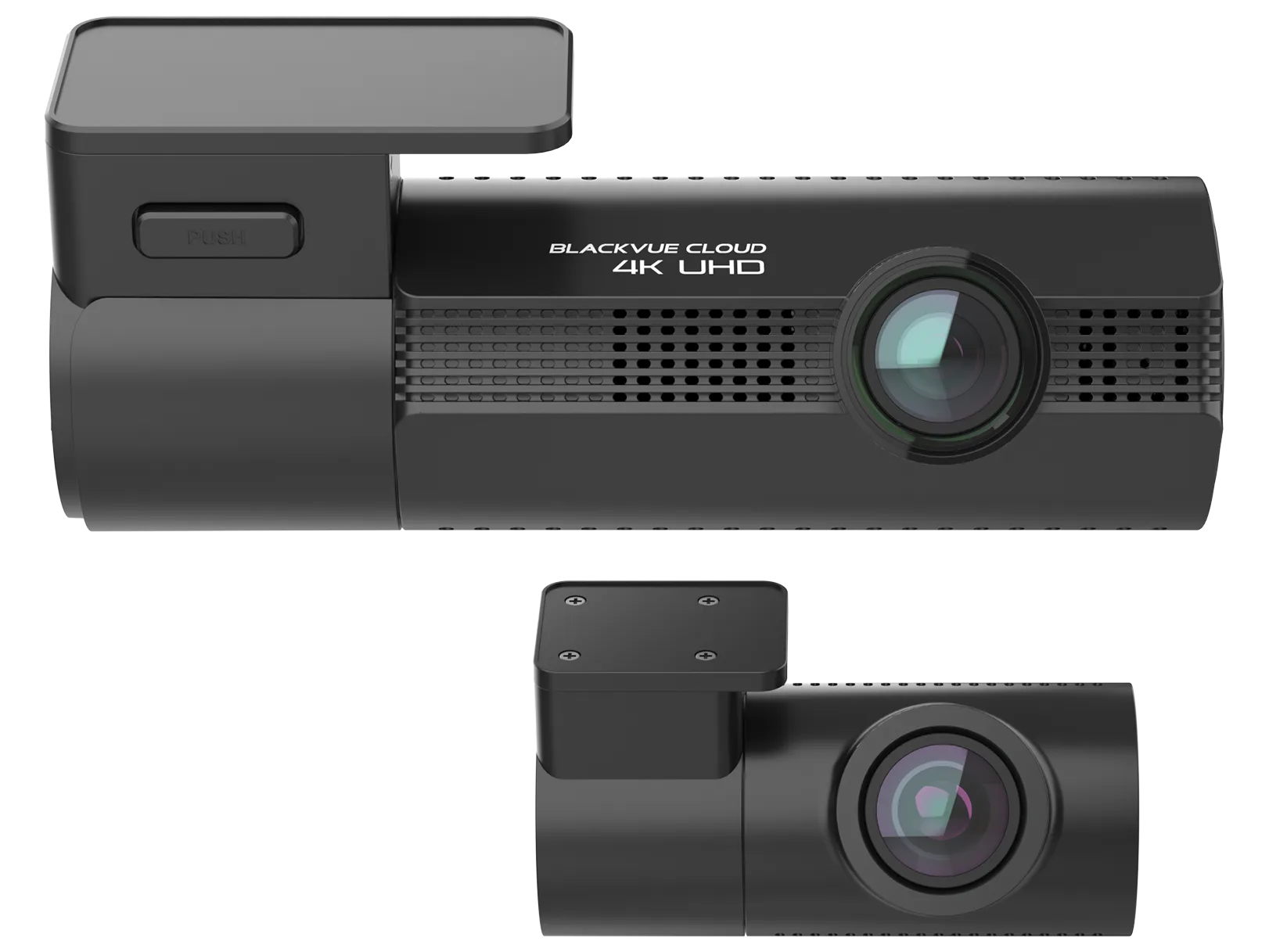
The front 4K camera needs proper windshield placement.
The rear camera needs a good angle and clean wiring.
ECO parking mode settings need to match the vehicle and owner’s parking habits.
The GPS/speed antenna needs proper setup.
The Wi-Fi app should be reviewed.
The memory card should be explained.
The owner should know how to retrieve footage.
The product is strong, but the ownership experience depends on the install.
A great camera still needs a great setup.
Front and Rear Dashcam Installation Matters
A front and rear dashcam system gives more coverage than a front-only camera, but the install is more involved.
The front camera needs clean power and proper placement.
The rear camera needs proper routing through the vehicle.
The cable needs to be hidden and protected.
The rear view needs to be tested.
The app or screen needs to show both camera angles correctly.
The system needs to record reliably from both channels.
A rushed front and rear install can leave bad angles, visible wires, loose connections, or a rear camera that fails later.
Professional installation helps prevent those issues.
App Setup Matters
Many modern dashcams use an app for setup and footage review.
That app needs to be paired, tested, and explained.
The owner should know how to connect, view footage, download clips, change settings, format the card, and save important videos.
For Drone dashcams, the app experience may also involve LTE connectivity, subscription features, GPS, live view, security events, or integration with DroneMobile systems depending on the package.
For Momento dashcams, the app is more focused on dashcam footage and settings.
Either way, app setup matters.
A camera is less useful if the owner does not know how to access the footage.
Memory Card Guidance Matters
Dashcams record constantly.
That means memory cards fill up and older footage gets overwritten.
The owner needs to understand how storage works.
They should know what card is installed, what size is supported, how footage loops, how event clips are saved, and how quickly they should download important footage after an incident.
A dashcam is not a permanent video archive unless footage is saved properly.
After an accident, parking lot incident, break-in, or theft attempt, important video should be reviewed and saved as soon as possible.
Professional handoff should include this explanation.
Footage Retrieval Matters
A dashcam is only useful if you can get the footage.
After an incident, the owner should know how to access the video.
That may mean using the app, removing the memory card, using a card reader, saving a clip to a phone, or exporting footage for insurance or police.
If the owner has never opened the app until the day something happens, the process can be stressful.
Professional installation should include a basic walkthrough.
The best time to learn how to save footage is before you need it.
Recording Settings Matter
Dashcams often have adjustable settings.
These may include video quality, audio recording, parking mode type, impact sensitivity, motion sensitivity, loop recording, date and time, GPS overlay, speed display, event recording, and notification settings.
These settings affect how the camera behaves.
Too sensitive and the camera may save too many clips.
Too weak and it may miss important events.
Too much recording may fill storage faster.
Too little recording may leave gaps.
A professional setup helps balance these settings around the vehicle and owner.
Time and Date Settings Matter
Time and date settings are easy to overlook.
They matter a lot.
If footage is needed for an insurance claim, police report, workplace issue, or incident review, the timestamp should be accurate.
If the camera has GPS-based time, it should be working correctly.
If it requires manual setup, that should be handled at installation.
Incorrect time and date can make footage harder to organize and explain later.
This is a small detail that becomes important after an incident.
GPS and Speed Data Matter
Some dashcams include GPS and speed data.
That can be useful for route context, location, direction, and incident review.
But it also needs to be set up correctly.
Owners should understand whether speed display is enabled, whether location data is recorded, how GPS is used, and whether that information appears on exported footage.
For some owners, speed data is useful.
For others, they may want to understand exactly what the footage shows before relying on it.
Professional installation includes explaining what the camera records.
Audio Recording Settings Matter
Some dashcams can record audio.
That may be helpful in certain situations, but not every owner wants audio recording enabled.
Conversations, passengers, phone calls, and cabin noise may all be captured depending on the camera and setting.
The owner should know whether audio recording is on or off.
This is especially important for family vehicles, business vehicles, rideshare vehicles, employee vehicles, and shared vehicles.
A dashcam should be set up intentionally, not accidentally.
Impact Sensitivity Matters
Impact sensitivity affects how the camera saves event footage.
If it is too sensitive, the camera may save clips for every pothole, door close, rough road, or normal vibration.
If it is not sensitive enough, it may miss real impacts.
The right setting depends on the vehicle, suspension, tire setup, parking environment, road conditions, and owner priorities.
A stiff performance car may behave differently than a family SUV.
A work truck may behave differently than a sedan.
Professional setup helps make the dashcam more useful and less annoying.
Motion Sensitivity Matters
Motion detection can be useful during parking mode, but it can also create too much footage if settings are too sensitive.
A busy street, trees moving in the wind, people walking by, rain, snow, or headlights can all create motion events depending on the camera.
The right setup depends on where the vehicle is parked.
A vehicle parked in a quiet driveway may need different settings than one parked in a busy apartment lot.
Professional installation includes setting expectations.
Motion detection can be helpful, but it should not turn into endless useless clips.

Glass, temperature and vehicle needs
Dashcam Placement for Tinted Vehicles
Many vehicles have window tint.
A front camera usually records through the windshield, but rear cameras often record through tinted rear glass.
This can affect night visibility, glare, image brightness, and rear footage clarity.
A professional installer should consider tint darkness, rear glass angle, defroster lines, wiper sweep, and camera position.
The goal is to get the best usable view possible.
This is especially important on SUVs, trucks, luxury vehicles, and vehicles with factory privacy glass or aftermarket tint.
Dashcam Placement for Windshield Protection Film
Some vehicles have windshield protection film.
Camera mounting should be considered carefully around any film installed on the glass.
The adhesive mount needs a clean, stable surface, and removal later should be handled carefully to avoid unnecessary issues.
If a customer is adding windshield protection film and a dashcam, the installation order and placement should be discussed.
A professional shop can plan those details so the camera and film work together properly.
Dashcam Placement Around Driver View
A dashcam should not block the driver’s view.
This matters for comfort, safety, and legality.
A clean installation usually places the camera near the rearview mirror area where it is less distracting but still has a clear forward view.
Large camera bodies, low mounting, hanging wires, or poor placement can create unnecessary visual clutter.
The best dashcam is easy to forget until you need it.
Professional placement helps make that happen.
Long-Term Reliability Matters
A dashcam installation should work long after pickup day.
It should survive heat, cold, vibration, daily driving, opening and closing doors, hatch movement, windshield cleaning, service visits, and normal ownership.
Loose wiring, poor mounting, weak adhesive prep, bad power connections, and rushed rear camera routing can all create problems later.
A professional installation is built for long-term reliability.
The system should record consistently.
The owner should not need to constantly fix it, reset it, or wonder if it is working.
Heat and Cold Matter
Dashcams live in harsh conditions.
They sit against the windshield in summer heat and winter cold.
New England vehicles deal with freezing mornings, hot interiors, humidity, snow, rain, and temperature swings.
Mounting, wiring, memory cards, and power connections all need to be stable.
A professional installation helps reduce problems caused by loose wires, weak mounting, poor placement, and cheap power routing.
The dashcam should be installed with real-world vehicle conditions in mind.
Dashcam Installation for Trucks
Trucks are strong dashcam candidates.
They may carry tools, equipment, trailers, work materials, and expensive accessories. They may park at job sites, hotels, driveways, commercial lots, boat ramps, and public areas.
A professional dashcam installation can help capture road incidents, parking lot damage, tool theft attempts, vandalism, towing issues, and job site events depending on camera coverage and settings.
Trucks often benefit from front and rear coverage, parking mode, GPS tracking, alarm pairing, and IGLA security.
The dashcam should be part of the broader truck protection conversation.
Dashcam Installation for Luxury SUVs
Luxury SUVs are often high-value family vehicles.
They are used daily, parked outside, driven by multiple people, and trusted for family routines.
A dashcam can help document accidents, parking lot damage, break-ins, and road incidents.
Professional installation matters because the interior should stay clean, wiring should be hidden, and the camera should not interfere with the vehicle’s premium feel.
Luxury SUV owners often pair dashcams with remote start, DroneMobile GPS, alarm sensors, and IGLA.
That creates comfort, alerts, tracking, immobilization, and evidence.
Dashcam Installation for Performance Cars
Performance cars attract attention.
A dashcam can be valuable for road incidents, parking lot damage, vandalism, meets, hotels, restaurants, gyms, and public parking.
Professional installation matters because performance cars often have tighter interiors, sloped windshields, limited rear visibility, seasonal use, battery sensitivity, or aftermarket modifications.
The camera needs to be placed cleanly and powered correctly.
For performance cars, dashcams often pair well with IGLA, alarm sensors, DroneMobile GPS, and a clean hardwired installation.
The vehicle should be protected without making the interior look cluttered.
Dashcam Installation for Family Vehicles
Family vehicles are used constantly.
They handle school runs, daycare, sports, groceries, appointments, vacations, errands, and shared driving.
A dashcam can help capture accidents, parking lot incidents, rear impacts, teen-driver situations, and unexpected events.
Professional installation matters because family vehicles need to be reliable and easy to use.
The camera should not distract the driver.
The app should be explained.
Footage retrieval should be simple.
If the vehicle is also getting DroneMobile, remote start, GPS, alarm sensors, or IGLA, the full package should be planned together.
Dashcam Installation for Business Vehicles
Business vehicles benefit heavily from dashcams.
A work truck, shop vehicle, fleet vehicle, mobile service vehicle, company SUV, or sales vehicle may affect revenue, employees, scheduling, customers, and tools.
A dashcam can help document accidents, parking lot damage, job site incidents, employee driving concerns, false claims, and break-ins.
Professional installation matters because business vehicles need reliability.
A loose wire, unplugged camera, weak parking mode setup, or poor memory card explanation can make the system useless when footage is needed.
For business vehicles, dashcam installation should be treated as equipment protection.
Integration, installation and support
Dashcams and Remote Start
Dashcams can be paired with remote start systems as part of a comfort and security package.
Remote start makes the vehicle more comfortable.
The dashcam helps record what happens around it.
If the package also includes DroneMobile, a Compustar alarm, GPS tracking, and IGLA, the vehicle becomes more connected and better protected.
Professional installation matters because all these systems interact with the vehicle’s electrical system.
The wiring, modules, power draw, and owner training should be planned together.
A package should feel organized, not pieced together.
Dashcams and Car Alarms
Dashcams and alarms work well together.
The alarm detects and alerts.
The dashcam records.
If someone hits the vehicle, breaks glass, opens a door, tampers with it, or triggers a sensor, the dashcam may help provide video context depending on camera coverage and settings.
This is why a dashcam is a smart add-on for Compustar PRO alarm customers.
The alarm tells you something happened.
The dashcam can help show what happened.
Both need professional setup to work properly.
Dashcams and DroneMobile GPS
DroneMobile GPS adds location visibility and smartphone awareness.
A dashcam adds video evidence.
Together, they can be useful for high-value vehicles, family vehicles, business vehicles, trucks, and performance cars.
If the vehicle moves unexpectedly, GPS helps show location.
If something happens around the vehicle, the dashcam may help show context.
If the owner chooses a Drone dashcam, app-connected features may bring more of this into one system.
If the owner chooses Momento M8 Max, DroneMobile GPS can still support the vehicle separately.
Dashcams and IGLA
IGLA helps prevent unauthorized drive-away.
A dashcam helps document activity around the vehicle.
They do different jobs.
That is why they pair well together.
If someone tries to steal the vehicle, IGLA can help stop the drive-away. The dashcam may capture part of the attempt depending on placement, parking mode, and camera coverage.
For high-value vehicles, push-to-start vehicles, luxury SUVs, trucks, and performance cars, IGLA plus dashcam coverage can be a strong security combination.
Add DroneMobile GPS and alarm sensors, and the package becomes even stronger.
Dashcams and Complete Security Packages
A complete vehicle package may include remote start, alarm sensors, DroneMobile GPS, IGLA, and a dashcam.
Each layer has a job.
Remote start adds comfort.
Alarm sensors detect tampering.
DroneMobile GPS adds location visibility.
IGLA helps prevent unauthorized drive-away.
Dashcams provide evidence.
The dashcam is not the whole security package, but it is an important layer.
Professional installation helps make sure that layer works when it matters.
Cheap Dashcam Installation Can Cost More Later
A cheap dashcam installation can create problems.
The wire may hang loose.
The camera may be mounted poorly.
The rear camera may have a bad angle.
Parking mode may not work.
The camera may drain the battery.
The footage may be hard to access.
The memory card may not be explained.
The app may not be configured.
The install may interfere with trim or airbags.
If the dashcam fails when you need footage, the savings do not matter.
Professional installation protects the value of the system.
DIY Dashcam Installation Is Not Always Simple
Some dashcams can be installed by the owner for basic driving footage.
But clean hardwiring, parking mode, rear camera routing, hatch wiring, battery protection, and airbag-safe wire routing are not always simple.
A DIY install may work at first but still create long-term issues.
The camera may shut down when parked.
The cord may fall.
The rear camera may stop working.
The wiring may rattle.
The battery may drain.
The camera may not record when needed.
For many owners, professional installation is worth it for the cleaner result and better reliability.
What Professional Dashcam Installation Should Include
A professional dashcam installation should include:
Proper camera recommendation.
Front camera placement.
Rear or interior camera placement if equipped.
Clean wire routing.
Hardwired power.
Parking mode setup.
Battery protection configuration.
Memory card explanation.
App setup.
Footage retrieval walkthrough.
Recording setting review.
Testing before delivery.
Owner training.
If the dashcam is part of a larger package, the install should also account for remote start, alarm sensors, DroneMobile GPS, IGLA, and any other vehicle electronics.
What Dashcams Do Not Do
Dashcams are useful, but they do not solve everything.
A dashcam does not prevent an accident.
It does not physically stop a thief.
It does not replace IGLA.
It does not replace GPS tracking.
It does not replace an alarm.
It does not replace insurance.
It does not guarantee every incident will be captured from every angle.
A dashcam is an evidence tool.
It is strongest when paired with proper installation, good settings, and a larger security plan where appropriate.
Do Not Confront a Thief
If your dashcam, alarm, or DroneMobile alert suggests someone is tampering with the vehicle, do not put yourself in danger.
Do not confront anyone.
Do not chase the vehicle.
Do not block the vehicle.
Do not approach a suspicious situation alone.
If the vehicle is stolen or GPS shows movement, contact law enforcement and provide information as appropriate.
Your safety matters more than the vehicle.
Dashcams provide evidence, but they should not push you into a dangerous situation.
Final Thoughts
Professional dashcam installation matters because the value of the camera depends on the install.
Clean wiring, hardwiring, parking mode setup, battery protection, camera placement, rear camera routing, app setup, memory card guidance, and owner training all affect how useful the dashcam will be.
A dashcam should not have dangling cords.
It should not be mounted randomly.
It should not drain the battery.
It should not be confusing to use.
It should record reliably and be easy to access when something happens.
At Kickin’ Customs in Raynham, MA, we install DroneMobile dashcams, Momento M8 Max, Momento M7, front and rear dashcams, parking mode systems, remote start, alarms, DroneMobile GPS, IGLA vehicle security, and complete layered protection packages for customers across Massachusetts and Rhode Island.
The right dashcam is important.
The right installation is what makes it work.
Frequently Asked Questions
Why does professional dashcam installation matter?
Professional installation matters because camera placement, hardwiring, parking mode setup, battery protection, clean wiring, app setup, and owner training all affect how useful the dashcam is.
Is hardwiring a dashcam worth it?
Yes. Hardwiring creates a cleaner install and allows proper parking mode setup, battery protection, and more reliable daily use.
Can a dashcam drain my battery?
A dashcam can affect the battery if parking mode and power settings are not configured correctly. Professional installation helps manage low-voltage cutoff, timer settings, and battery behavior.
Why is parking mode setup important?
Parking mode helps record events while the vehicle is off, but it needs correct wiring, battery protection, and settings to work properly.
Where should a dashcam be mounted?
A dashcam should be mounted where it has a clear view, stays within the windshield wiper area, does not block the driver’s vision, and does not interfere with factory sensors.
Is a rear dashcam worth it?
Yes. Rear cameras can help capture rear-end accidents, parking lot impacts, tailgating, and activity behind the vehicle.
Can dashcam wires interfere with airbags?
If routed incorrectly, wiring can interfere with airbag areas. Professional installation helps route wires safely around vehicle trim and safety systems.
Can a dashcam work with DroneMobile GPS?
Yes. A dashcam can be part of a larger package with DroneMobile GPS, remote start, alarms, and vehicle security. Drone dashcams can also integrate more directly with the DroneMobile ecosystem depending on the setup.
Should I pair a dashcam with IGLA?
For high-value vehicles, yes. IGLA helps prevent unauthorized drive-away, while a dashcam helps document activity around the vehicle.
Who installs dashcams in Massachusetts?
Kickin’ Customs installs DroneMobile dashcams, Momento dashcams, hardwired front and rear dashcams, parking mode systems, remote start, alarms, DroneMobile GPS, and IGLA vehicle security at our shop in Raynham, MA.
Plan your next step
Get dashcam coverage installed the right way. Contact Kickin’ Customs in Raynham, MA to schedule DroneMobile dashcam installation, Momento M8 Max installation, hardwired front and rear dashcams, parking mode setup, GPS tracking, alarm sensors, IGLA security, or a complete vehicle protection package.