
The short answer
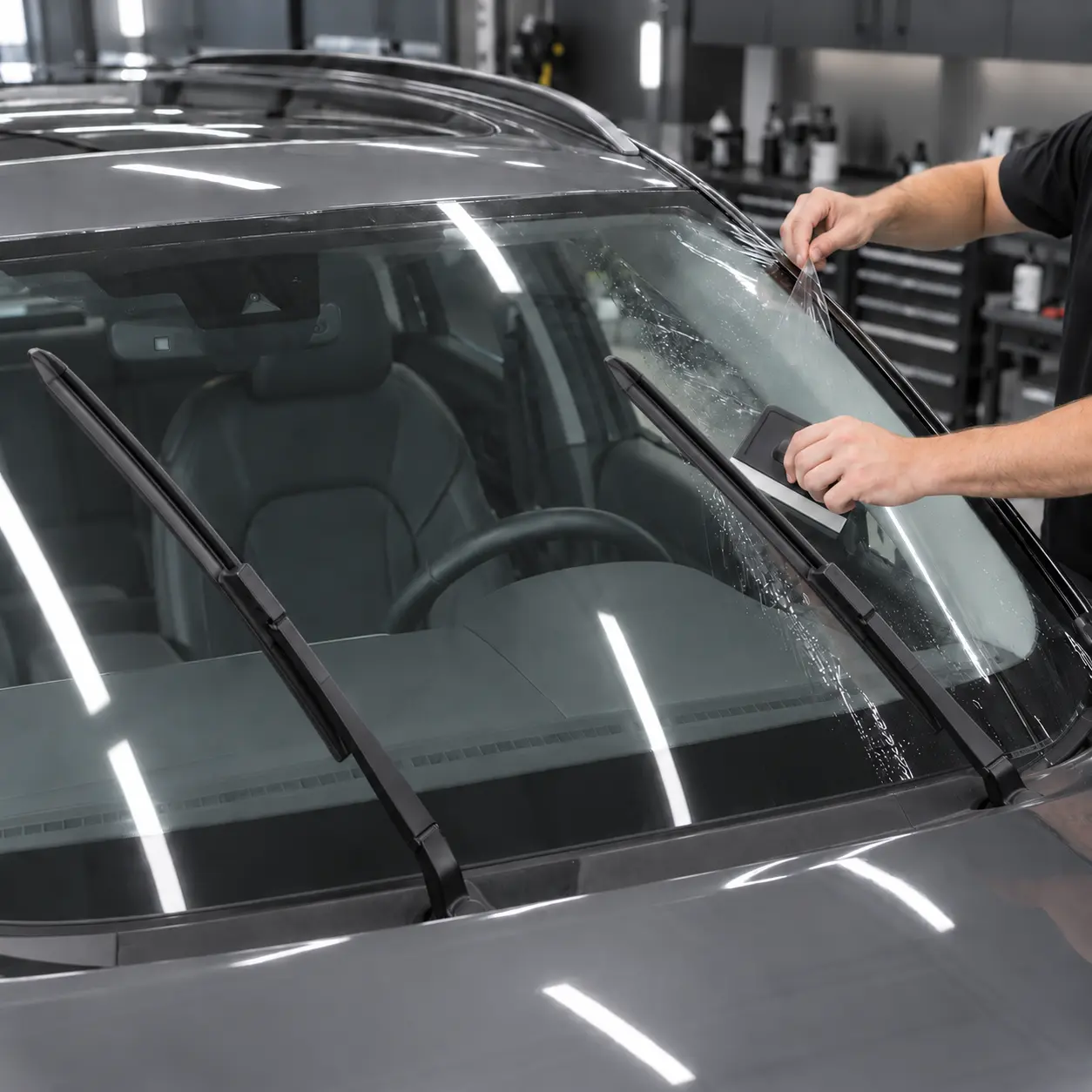
Windshield protection film is not necessary for every vehicle, but it can make a lot of sense for the right owner.
If your vehicle has expensive glass, driver assistance cameras, sensors, calibration requirements, a large windshield, or frequent highway exposure, windshield protection film is worth considering.
Some drivers are simply more likely to deal with windshield chips and cracks than others.
Daily commuters, highway drivers, Tesla owners, Rivian owners, luxury vehicle owners, performance car owners, truck drivers, SUV owners, and people who travel through construction zones or winter roads all have higher exposure.
At Kickin’ Customs in Raynham, MA, we install XPEL windshield protection film for customers across Massachusetts and Rhode Island who want to reduce the risk of chips, cracks, pitting, replacement costs, calibration headaches, and downtime.
Windshield protection film does not make glass unbreakable. But for the right vehicle, it can be a smart layer of prevention.
Driving and vehicle exposure
Daily Commuters
Daily commuters are one of the strongest candidates for windshield protection film.
The more miles you drive, the more chances your windshield has to get hit by road debris.
Even a normal commute can expose the windshield to sand, salt, small stones, truck debris, tire spray, construction dust, and loose pavement. Over time, that exposure can lead to chips, cracks, and pitting.
A single small chip can spread into a crack, especially with New England temperature swings.
If you drive every day for work, family, school, business, or travel, windshield protection film can help reduce the risk of dealing with unexpected glass replacement.
Highway Drivers
Highway drivers are another major group that benefits from windshield protection film.
At higher speeds, small debris hits harder. A tiny stone that might bounce off harmlessly at low speed can chip or crack a windshield on the highway.
Vehicles that spend time on Route 24, Route 495, Route 95, Route 93, Route 3, Route 44, Route 138, the Mass Pike, and other Massachusetts or Rhode Island highways see constant exposure.
Construction zones, dump trucks, landscaping trucks, trailers, winter sand, road salt, and loose pavement all increase the risk.
If your vehicle spends a lot of time at highway speed, windshield protection film is worth considering before the first chip happens.
Tesla Owners
Tesla vehicles are strong candidates for windshield protection film.
Many Teslas have large glass areas, camera-based driver assistance systems, and windshields that can be expensive or inconvenient to replace.
Tesla Model 3, Model Y, Model S, Model X, and Cybertruck owners often use their vehicles as daily drivers. Many also drive long distances, commute on highways, or rely on the vehicle for work and family travel.
A cracked Tesla windshield can become more than a simple glass repair. Owners may need to deal with glass availability, service scheduling, camera calibration, downtime, and concerns about keeping the vehicle properly set up.
Windshield protection film helps reduce the chance of common road debris damage before replacement becomes necessary.
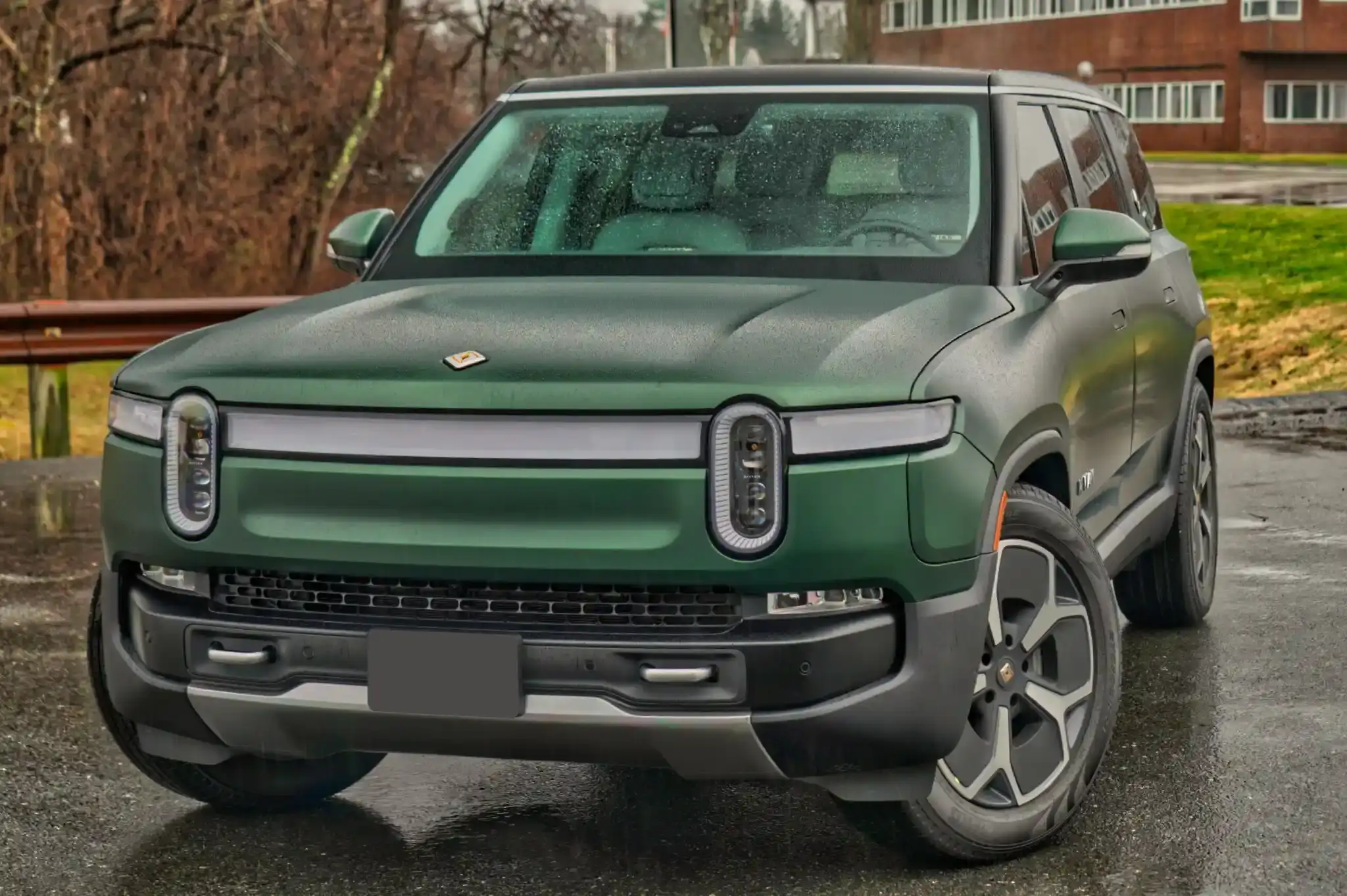
Rivian Owners
Rivian owners are also a strong fit for windshield protection film.
Rivian R1T and R1S vehicles are often used for daily driving, road trips, outdoor travel, towing, family use, and adventure driving. That means more exposure to highways, back roads, dirt, sand, stones, winter conditions, and debris.
The windshield is also tied to modern safety and driver assistance systems, which makes replacement more involved than older vehicles.
For Rivian owners who want to protect the vehicle beyond paint protection film and ceramic coating, windshield protection film is a smart addition.
It helps protect one of the most exposed and expensive surfaces on the vehicle.
Luxury Vehicle Owners
Luxury vehicles often have expensive windshields.
Many premium vehicles include acoustic glass, heads-up display compatibility, rain sensors, heating elements, driver assistance cameras, specialty trim, and advanced safety systems.
BMW, Mercedes-Benz, Audi, Porsche, Lexus, Cadillac, Land Rover, Range Rover, Bentley, Rolls Royce, Genesis, Volvo, and other luxury brands can all have windshield replacement concerns.
The issue is not only the cost of the glass.
The right glass needs to be sourced. The installation needs to be done correctly. Cameras and sensors may need calibration. The vehicle may be down for longer than expected.
For luxury vehicle owners, windshield protection film helps reduce the chance of dealing with that process.
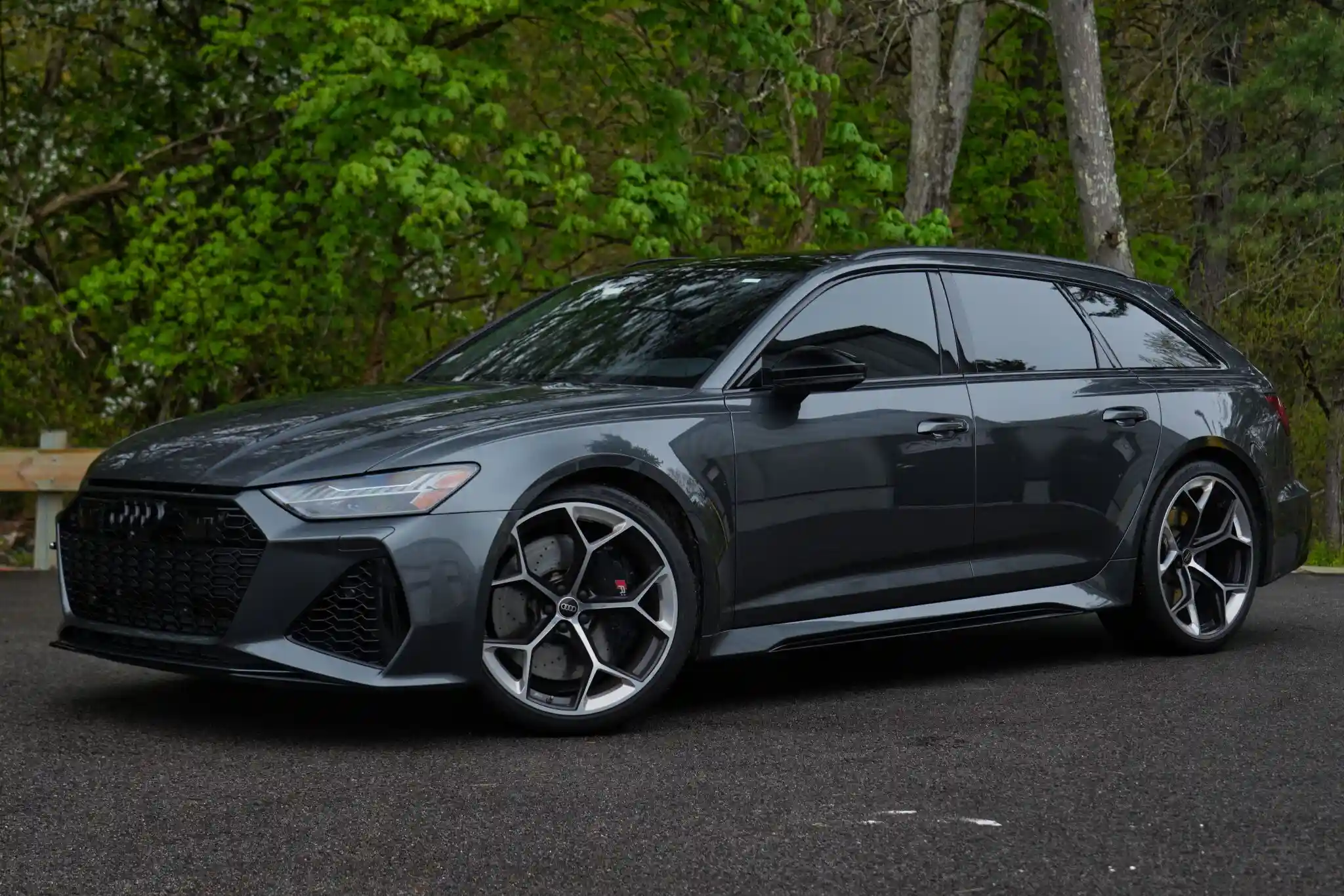
Performance Car Owners
Performance cars are another strong fit for windshield protection film.
These vehicles often have low front ends, wide tires, aggressive driving characteristics, and owners who enjoy highway driving, back roads, rallies, events, and spirited use.
Corvettes, Porsches, BMW M cars, Mercedes AMG models, Audi RS models, Mustangs, Camaros, Challengers, Ferraris, Lamborghinis, McLarens, and similar vehicles can all be exposed to debris at speed.
Performance cars often receive paint protection film because owners understand how quickly the front end can get damaged. The windshield sees the same road.
Windshield protection film can be part of a larger front-end protection package that includes PPF, ceramic coating, and ceramic window tint.
Truck Owners
Trucks see a lot of windshield abuse.
They are used for commuting, work, towing, hauling, job sites, highways, gravel roads, winter driving, and family use. They often follow other trucks, trailers, and equipment that can kick up debris.
Ford F-150, Ford Super Duty, Chevy Silverado, GMC Sierra, RAM 1500, RAM HD, Toyota Tundra, Toyota Tacoma, Jeep Gladiator, and similar trucks are common candidates.
Truck windshields are large and exposed. Many newer trucks also have cameras, sensors, heated glass, acoustic glass, and calibration requirements.
If the truck is used daily or for work, windshield protection film can help reduce downtime and replacement frustration.
SUV Owners
SUVs are strong candidates because they are often daily driven and family-focused.
Many SUVs see school runs, work commutes, highway trips, sports travel, vacation driving, winter roads, and long-distance use.
SUV windshields are usually large, and modern SUVs often include cameras, rain sensors, driver assistance features, and specialty glass.
Chevy Tahoe, GMC Yukon, Cadillac Escalade, Toyota Sequoia, Lexus GX, Lexus LX, BMW X5, BMW X7, Mercedes GLS, Range Rover, Jeep Grand Cherokee, Porsche Cayenne, Audi Q7, Rivian R1S, Tesla Model Y, and similar SUVs can all benefit.
For family vehicles, downtime matters. Avoiding a windshield replacement appointment, calibration visit, or glass delay can be a real benefit.
Glass, cameras and ownership
Vehicles With Expensive Glass
Some vehicles need windshield protection film simply because the windshield is expensive.
A modern windshield may include more than glass. It may include acoustic layers, heating elements, rain sensors, camera brackets, tint bands, heads-up display compatibility, antenna features, or special coatings.
Replacing that glass can be costly.
Even if insurance helps, the process can still involve deductibles, claims, scheduling, calibration, availability, and downtime.
If your vehicle has a windshield that would be expensive or frustrating to replace, windshield protection film is worth considering.
Vehicles With Cameras and Sensors
Many newer vehicles rely on cameras and sensors mounted near the windshield.
These systems may support adaptive cruise control, lane keeping, emergency braking, automatic high beams, collision warning, traffic sign recognition, and other safety features.
When the windshield is replaced, the camera system may need to be recalibrated.
Calibration can add time, cost, and complexity to the replacement process.
Windshield protection film helps reduce the chance of needing replacement from common small impacts, which can help avoid that entire process when the film does its job.
Vehicles With Heads-Up Displays
Vehicles with heads-up displays can have more specific windshield requirements.
The glass may need to be compatible with the HUD so the image displays correctly without distortion or ghosting.
Using the wrong windshield can create visibility or image quality issues.
For owners of vehicles with HUD systems, protecting the original glass can be especially valuable.
Windshield protection film can help reduce the risk of chips and cracks that would otherwise force a replacement.
New Vehicle Owners
New vehicles are ideal candidates for windshield protection film.
The windshield is usually in its best condition before chips, cracks, scratches, and pitting start. Installing film early helps protect the original glass before damage happens.
This is similar to installing paint protection film on a new vehicle’s paint.
Protection works best when it is installed before the damage builds up.
If you are already planning PPF, ceramic coating, window tint, or other protection services on a new vehicle, windshield protection film should be part of the conversation.
Lease Owners
Lease owners may also benefit from windshield protection film.
A cracked windshield before lease return can create stress, scheduling issues, repair requirements, or insurance involvement. Even if glass damage is handled before return, it is still an inconvenience.
Windshield protection film can help reduce the chance of chips and cracks during the lease period.
This may make sense for leased luxury vehicles, EVs, trucks, SUVs, or daily commuters with expensive glass.
The value depends on the lease term, driving habits, insurance coverage, and replacement cost.
Business Owners and Work Vehicles
Work vehicles depend on uptime.
If a vehicle is used for sales, service calls, estimates, deliveries, job sites, or client visits, unexpected windshield damage can interrupt the schedule.
Trucks, vans, SUVs, and business vehicles often see more miles and more road exposure than personal vehicles.
Windshield protection film can help reduce downtime from common road debris damage.
For business owners, avoiding a missed day, rescheduled job, or glass replacement appointment can matter as much as the cost of the windshield itself.
Trips and regional road conditions
Vehicles Used for Long Trips
If you take long trips, windshield protection film can make sense.
Road trips expose the vehicle to highways, unfamiliar roads, construction areas, trucks, trailers, gravel, sand, rain, and changing weather.
A windshield chip far from home can be frustrating.
Even if the glass does not crack immediately, the damage can spread later. Temperature changes, rough roads, defroster use, and vibration can make a small chip worse.
Windshield protection film helps reduce the risk before the trip begins.
Drivers Who Follow Trucks or Travel Through Construction Zones
Some driving environments are harder on windshields than others.
Construction zones, dump trucks, landscaping trucks, gravel trucks, trailers, and roadwork areas all increase the chance of debris hitting the windshield.
Even careful drivers cannot always avoid this.
If your daily route includes roadwork, industrial areas, new construction, gravel, highway merging, or heavy truck traffic, windshield protection film is worth considering.
It gives the glass a sacrificial layer against the kind of debris that causes common chips.
New England Drivers
Massachusetts and Rhode Island roads are hard on windshields.
Winter salt, sand, potholes, construction, freeze-thaw cycles, plow debris, rough pavement, and highway traffic all increase exposure.
A small chip can spread faster when temperatures swing from cold mornings to warm defroster use. Ice, snow, wipers, and road grime can also wear down glass over time.
Windshield protection film is not only for exotic cars.
It can be practical for everyday vehicles that deal with New England roads year-round.
Owners Who Want to Keep Original Glass
Some owners care about keeping the original windshield.
Factory glass may fit properly, match the vehicle features, support cameras and sensors correctly, and avoid concerns about distortion, aftermarket glass quality, HUD clarity, acoustic performance, or trim fitment.
A replacement windshield can be done correctly, but it still introduces variables.
Windshield protection film helps preserve the original glass longer by reducing exposure to chips, pitting, and small impact damage.
For owners who care about originality, this is a major benefit.
Protection plans and suitability
Owners Already Investing in PPF
If you are already installing paint protection film, windshield protection film is a logical add-on.
PPF protects painted surfaces from rock chips, sand, salt, road debris, bug acids, and road rash.
Windshield protection film protects the glass from similar road exposure.
If your hood, bumper, mirrors, headlights, and rocker panels need protection, your windshield is seeing road debris too.
For many customers, PPF plus windshield protection film creates a stronger front-end protection package.
Owners Already Investing in Ceramic Coating
Ceramic coating helps with gloss, slickness, UV exposure, chemical resistance, water behavior, and easier washing.
Windshield protection film addresses a different issue: glass impact protection.
If you are already protecting the paint, wheels, glass, or trim with ceramic coating, it makes sense to think about the windshield too.
A cracked windshield can be one of the most frustrating exterior issues on a newer vehicle. Protecting it early can help avoid that headache.
Owners Already Investing in Ceramic Window Tint
Ceramic window tint improves comfort, heat rejection, UV protection, and glare control from inside the vehicle.
Windshield protection film protects the outside windshield surface from chips and pitting.
They are different products, but they work well together.
For vehicles with large windshields or glass-heavy cabins, adding both can improve comfort and protection.
This is especially common on Teslas, Rivians, luxury vehicles, SUVs, and daily drivers.
Who May Not Need Windshield Protection Film?
Windshield protection film is not for every situation.
If the vehicle is older, the windshield is already heavily pitted, the glass is inexpensive, the vehicle is rarely driven, or the owner does not care about future replacement, the value may be lower.
It also may not make sense if the windshield already has cracks or damage that should be repaired or replaced first.
The best candidates are vehicles where the windshield is worth protecting before damage happens.
Final Thoughts
Windshield protection film is most valuable for owners who drive often, drive on highways, own vehicles with expensive glass, or want to avoid replacement and calibration headaches.
Daily commuters, highway drivers, Tesla owners, Rivian owners, luxury vehicle owners, performance car owners, truck drivers, SUV owners, business owners, and New England drivers are all strong candidates.
At Kickin’ Customs in Raynham, MA, we install XPEL windshield protection film for customers across Massachusetts and Rhode Island who want to reduce the risk of chips, cracks, pitting, downtime, insurance claims, and glass replacement frustration.
The best time to protect the windshield is before the first chip.
Frequently Asked Questions
Who needs windshield protection film the most?
Daily commuters, highway drivers, Tesla owners, Rivian owners, luxury vehicle owners, performance car owners, truck drivers, SUV owners, and vehicles with expensive glass benefit the most.
Is windshield protection film only for luxury vehicles?
No. Luxury vehicles are strong candidates, but daily drivers, trucks, SUVs, EVs, work vehicles, and highway commuters can also benefit.
Is windshield protection film good for Teslas?
Yes. Teslas often have large glass areas, camera-based systems, and expensive windshield replacement concerns, making them strong candidates.
Is windshield protection film good for Rivians?
Yes. Rivian R1T and R1S owners may benefit because these vehicles are often used for commuting, travel, outdoor driving, and daily use.
Does windshield protection film help with highway rock chips?
Yes. Windshield protection film can help reduce the risk of chips and cracks from common highway debris, although it does not make glass unbreakable.
Does windshield protection film help avoid calibration?
It can help reduce the chance of needing windshield replacement from common small impacts. If the windshield still needs replacement later, calibration may still be required.
Should I install windshield protection film on a new vehicle?
Yes, new vehicles are ideal candidates because the original glass is usually in its best condition before chips, cracks, and pitting build up.
Does windshield protection film replace safe driving distance?
No. Windshield protection film adds a layer of protection, but safe following distance and careful driving still matter.
Plan your next step
Drive often, commute on highways, or own a vehicle with expensive glass? Contact Kickin’ Customs in Raynham, MA to see if XPEL windshield protection film makes sense for your vehicle.
