
The short answer
Windshield protection film can help reduce the chance of windshield chips and cracks.
But it cannot guarantee that your windshield will never crack.
That is the most important expectation to understand before installing it.
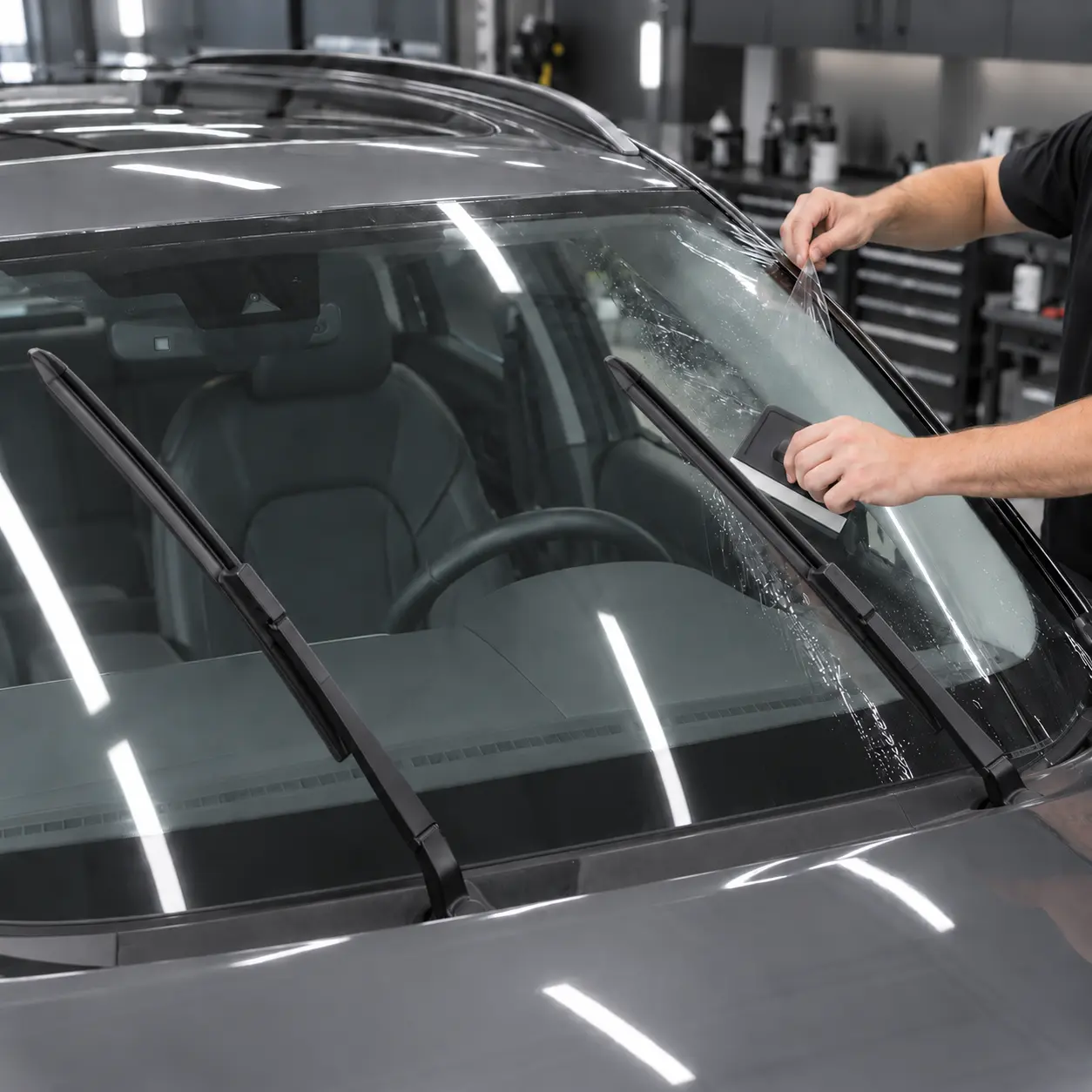
Windshield protection film is a clear exterior film installed on the outside of the windshield. It creates a sacrificial layer between the glass and the road. When small rocks, sand, salt, road grit, and debris hit the windshield, the film takes the impact first.
That can make a real difference.
It can help reduce chips. It can help reduce pitting. It can help protect expensive glass. It can help lower the chance of everyday road debris turning into windshield damage.
But severe impacts can still break glass.
A large rock, sharp debris, hard edge impact, existing glass weakness, or extreme hit can still crack the windshield.
At Kickin’ Customs in Raynham, MA, we install XPEL windshield protection film for drivers across Massachusetts and Rhode Island. We like the product for the right vehicles and the right customers, but we also believe in setting realistic expectations.
Windshield protection film is not magic.
It is risk reduction.
Protection and crack risk
What Is Windshield Protection Film?
Windshield protection film is a clear protective film installed on the exterior of the windshield.
It is designed to help protect the glass from road debris, chips, cracks, pitting, sandblasting, and everyday windshield wear.
Think of it like paint protection film, but for the windshield.
Paint protection film protects painted panels from road debris.
Windshield protection film helps protect glass from road debris.
The film is sacrificial, which means it is meant to take damage before the windshield does.
If a small rock hits the windshield, the film may absorb or reduce the force of the impact. If sand, salt, and road grit hit the windshield over time, the film can help reduce surface wear on the glass.
This can be especially useful for vehicles with expensive windshields, large glass, advanced sensors, rare glass, high-speed use, or daily highway driving.
What Windshield Protection Film Can Do
Windshield protection film can help reduce the chance of damage from everyday road debris.
It can help absorb smaller impacts.
It can help reduce chips.
It can help reduce surface pitting.
It can help protect against sand, salt, and road grit.
It can help preserve clarity by reducing direct wear to the glass.
It can act as a sacrificial layer that gets damaged before the windshield.
It can reduce the chance of needing windshield replacement.
It can be useful on Teslas, EVs, luxury vehicles, performance cars, trucks, SUVs, and daily drivers.
The key word is reduce.
Not eliminate.
Windshield protection film lowers risk. It does not remove risk completely.
What Windshield Protection Film Cannot Do
Windshield protection film cannot make glass unbreakable.
It cannot guarantee that a windshield will never crack.
It cannot stop every rock.
It cannot stop every severe impact.
It cannot repair existing cracks.
It cannot erase existing pitting.
It cannot fix damaged glass.
It cannot prevent damage from inside the vehicle.
It cannot make poor wipers safe.
It cannot replace proper cleaning and maintenance.
It cannot turn a windshield into armor.
This is where honest expectations matter.
A windshield is still glass. Glass can still break.
The film gives the windshield a better chance against common road debris, but it does not make the windshield impossible to damage.
Does Windshield Protection Film Prevent Cracks?
Windshield protection film can help prevent some cracks by reducing the impact that reaches the glass.
If a small rock would have chipped the glass, the film may absorb enough of that impact to prevent the chip or reduce the damage.
If surface pitting would have built up over time from sand and road grit, the film may take that wear instead of the glass.
If a minor impact would have created a small crack, the film may reduce that risk.
But if the impact is severe enough, the windshield can still crack.
This is why the answer is not simply yes or no.
Windshield protection film can prevent some damage.
It cannot prevent all damage.
Why Windshields Crack
Windshields crack for many reasons.
A rock can hit the glass at high speed.
A chip can spread from temperature changes.
A hard impact can strike near the edge of the glass.
Existing weakness can turn into a crack.
Road debris can hit at the wrong angle.
Winter temperature swings can stress damaged glass.
A windshield can already have a small chip that spreads later.
Windshield protection film helps mostly with exterior road impact.
It adds a layer between the debris and the glass.
But if the force is strong enough or the glass is already compromised, cracking can still happen.
This is why windshield film is best installed before damage starts.
Rock Impact Resistance
The main purpose of windshield protection film is rock impact resistance.
When a rock hits bare glass, all of the impact force goes directly into the windshield.
When a rock hits windshield protection film, the film takes the first hit.
That can help spread, absorb, or reduce the impact before it reaches the glass.
This is especially useful for small stones, road grit, sand, salt, and everyday debris.
The film may show the damage instead of the glass.
That is the point.
A damaged film is usually better than a cracked windshield.
However, the size, speed, shape, and angle of the object matter.
A small piece of gravel is not the same as a large sharp rock kicked up at highway speed.
Chip Reduction
Windshield chips are one of the most common reasons owners install windshield protection film.
A small chip can become a bigger problem quickly.
Sometimes the chip stays small.
Sometimes it spreads into a crack.
Sometimes it creates a star break or bullseye.
Sometimes it lands directly in the driver’s line of sight.
Windshield protection film can help reduce chips by taking the initial impact.
It is not a guarantee, but it can reduce the chance of the glass being directly damaged.
For vehicles with expensive or hard-to-replace glass, reducing chips can be valuable.
The goal is to stop small problems before they become windshield replacement problems.
Pitting Reduction
Windshield pitting is different from cracking.
Pitting is usually caused by sand, salt, road grit, dust, and small debris hitting the glass repeatedly over time.
This can create tiny marks in the windshield.
At first, they may not be obvious.
Over time, pitting can create glare, especially at night, during sunrise, during sunset, or when headlights shine through the glass.
Windshield protection film can help reduce pitting because the film takes that surface wear instead of the glass.
This is one of the most practical benefits for highway drivers and New England drivers.
The film can wear over time, but the windshield underneath has a better chance of staying cleaner and clearer.
Limits and existing damage
Severe Impacts Can Still Break Glass
A severe impact can still crack a windshield with film installed.
This needs to be said clearly.
If a large rock, metal object, sharp debris, or heavy object hits the windshield at speed, the glass can still break.
Windshield protection film improves the odds, but it does not change the fact that glass has limits.
This is similar to paint protection film.
PPF can protect paint from many rock chips and scuffs, but it cannot stop every possible damage event.
Windshield film works the same way.
It helps with common road hazards.
It cannot guarantee survival from every impact.
Edge Hits Are a Concern
Windshield edges are more vulnerable than many people realize.
A rock impact near the edge of the windshield can create a higher chance of cracking because of the way glass is supported and stressed.
Windshield protection film can still help, but edge impacts can be harder to control.
If the glass takes a strong hit near the edge, cracking can still happen.
This is one reason why no honest shop should promise that windshield protection film prevents every crack.
Real-world impacts do not always hit in the perfect spot.
They hit where they hit.
The film improves protection, but edge impacts remain a risk.
Existing Damage Changes the Conversation
Windshield protection film works best on good glass.
If the windshield already has cracks, chips, deep scratches, or heavy pitting, film may not make sense.
The film will not repair the glass.
It will not make a crack disappear.
It will not reverse pitting.
It will not make a damaged windshield new again.
If the windshield already has damage, the glass should be inspected before installation.
In some cases, the windshield should be repaired or replaced first.
The best time to install windshield protection film is before the windshield is damaged.
Protection works best as prevention.
Windshield Film Is Sacrificial
Windshield protection film is designed to be sacrificial.
That means the film may take damage.
It may get marked by impacts.
It may wear over time.
It may need maintenance.
It may eventually need replacement.
That is not a failure of the product.
That is the product doing its job.
If the film takes a hit and the windshield survives, the film absorbed abuse that may have otherwise gone into the glass.
A damaged film can be replaced.
A cracked windshield may require glass replacement, calibration, downtime, and insurance involvement.
The film is there to take the beating first.
Risk Reduction, Not a Guarantee
The best way to explain windshield protection film is risk reduction.
It reduces the chance of chips.
It reduces the chance of pitting.
It reduces the chance of certain cracks.
It reduces direct road wear on the glass.
It reduces the likelihood of needing replacement from everyday road debris.
But it does not guarantee the windshield will never crack.
This is important for customers to understand before buying the service.
If you expect a crack-proof windshield, you may be disappointed.
If you understand that the film improves your odds, the product makes much more sense.
Why Expectations Matter
Windshield protection film is a strong product when expectations are realistic.
Problems happen when customers think it makes glass impossible to break.
That is not true.
The film is there to help with normal road hazards.
It can be especially useful for expensive windshields, EVs, performance cars, luxury vehicles, trucks, SUVs, and vehicles driven on highways or winter roads.
But if a large object hits the windshield hard enough, damage can still happen.
The right expectation is this:
Windshield protection film gives your windshield a better chance.
That is the value.
Compare glass protection options
Windshield Protection Film vs Windshield Tint
Windshield protection film and windshield tint are different products.
Windshield tint is installed on the inside of the glass. It helps with heat rejection, glare reduction, UV protection, and cabin comfort.
Windshield protection film is installed on the outside of the glass. It helps reduce damage from rocks, road debris, sand, salt, and impacts.
A vehicle can have both.
For example, a Tesla may have ceramic windshield tint on the inside for comfort and windshield protection film on the outside for impact reduction.
The products solve different problems.
Tint helps the cabin.
Windshield film helps protect the glass.
Windshield Protection Film vs Glass Coating
Glass coating and windshield protection film are also different.
Glass coating helps with rain behavior, water beading, bug cleanup, and easier cleaning.
Windshield protection film adds a physical protective layer over the glass.
A glass coating will not protect against rock chips the way a film can.
A windshield protection film will not behave exactly like a glass coating unless the film or maintenance system is designed for that type of surface behavior.
If your goal is better rain behavior, glass coating may help.
If your goal is rock chip protection, windshield protection film is the stronger option.
The right product depends on the problem you are trying to solve.
Windshield Protection Film vs Windshield Replacement
Windshield protection film is designed to help avoid replacement when possible.
It is not a replacement for damaged glass.
If the windshield is already cracked, film does not solve the problem.
If the glass is already unsafe, film is not the answer.
But if the windshield is new or in good condition, film can help reduce the chance of future damage.
This matters because windshield replacement can be frustrating, especially on vehicles with cameras, sensors, head-up displays, rare glass, or expensive glass assemblies.
The film is a preventive step.
It is meant to protect the windshield before the replacement conversation starts.
Windshield Protection Film vs PPF
Paint protection film and windshield protection film have a similar purpose, but they protect different surfaces.
PPF protects paint.
Windshield protection film protects glass.
Both products are sacrificial.
Both are designed to reduce damage from road debris.
Both can be damaged by severe impacts.
Both require maintenance and realistic expectations.
If a customer understands PPF, windshield protection film is easy to understand.
The front bumper, hood, mirrors, headlights, and windshield all face road debris.
PPF protects the painted areas.
Windshield film protects the glass area.
Drivers and installation timing
Who Should Consider Windshield Protection Film?
Windshield protection film makes sense for customers who drive enough to have real windshield risk.
It also makes sense for customers with expensive or hard-to-replace windshields.
Good candidates include Tesla owners, EV owners, luxury vehicle owners, performance car owners, exotic car owners, truck owners, SUV owners, highway commuters, road trip drivers, rally drivers, and customers who drive in winter conditions.
It is also worth considering for new vehicles where the windshield is still clean and healthy.
The more expensive, advanced, large, rare, or exposed the windshield is, the stronger the case becomes.
Not every vehicle needs it.
But many modern vehicles can justify it.
Tesla and EV Owners
Tesla and EV owners are strong candidates for windshield protection film.
Many EVs have large glass, modern camera systems, expensive windshields, and daily driving use.
Model 3, Model Y, Model S, Model X, Cybertruck, Rivian R1T, Rivian R1S, Lucid, Ford Lightning, Hummer EV, Hyundai IONIQ, Kia EV, BMW i, and Mercedes EQ owners may all benefit depending on use.
EV owners often invest early in ceramic tint, PPF, and ceramic coating.
Windshield protection film fits naturally into that same protection plan.
Large glass and daily use create real exposure.
The film helps reduce that risk.
Luxury Vehicle Owners
Luxury vehicle owners should consider windshield protection film because glass replacement can be expensive and more involved.
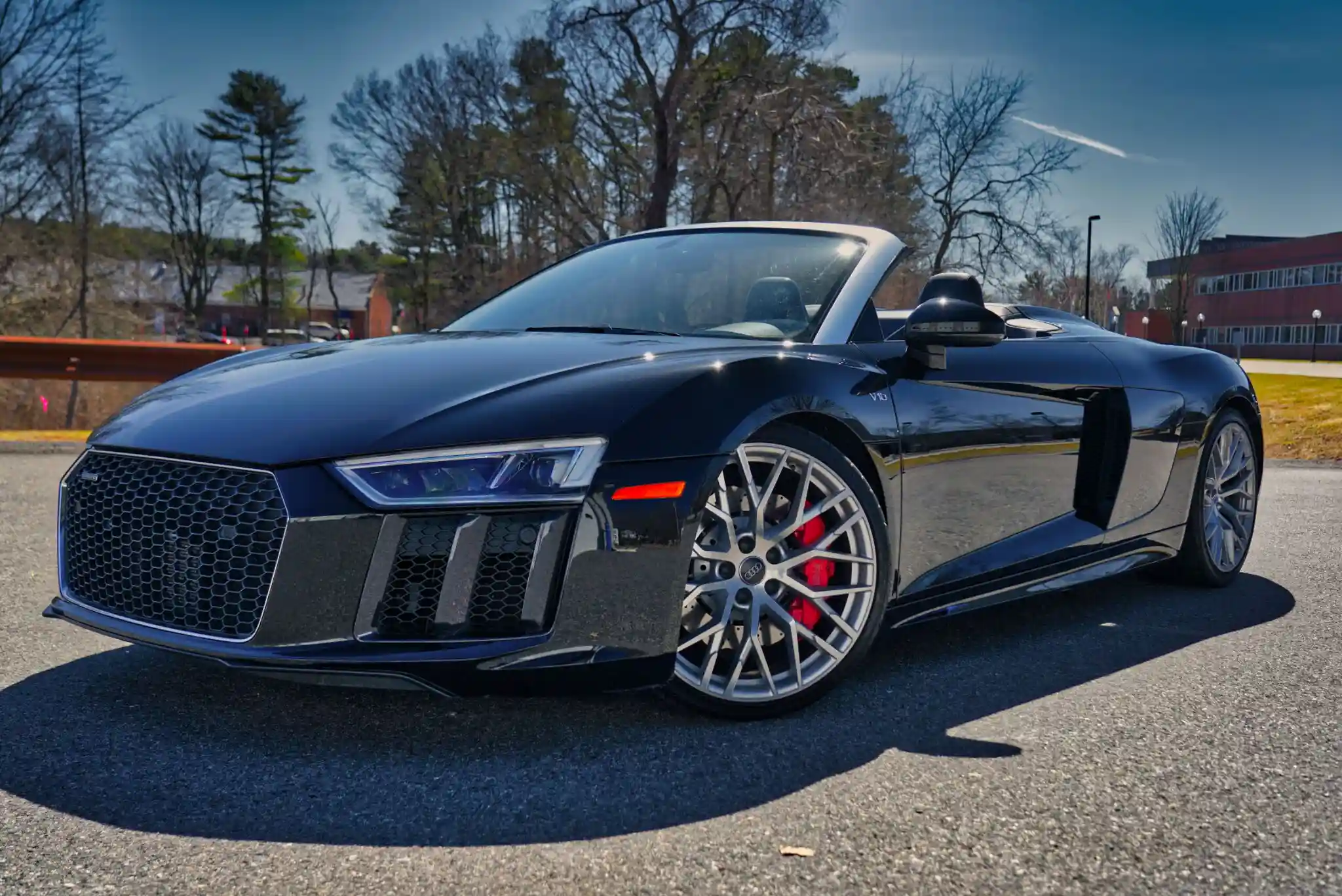
BMW, Mercedes-Benz, Audi, Lexus, Porsche, Cadillac, Range Rover, Bentley, Rolls Royce, and similar vehicles may have advanced sensors, acoustic glass, head-up displays, rain sensors, and camera systems.
A replacement windshield may require calibration and careful installation.
Even if insurance covers the glass, downtime and fitment concerns can still be frustrating.
Windshield protection film helps reduce the chance of needing that replacement.
For owners who care about preserving the vehicle, protecting the windshield can make sense.
Performance Car Owners
Performance car owners often expose their windshields to more debris.
Low ride height, high-speed driving, wide tires, sticky tires, group drives, road trips, track events, and spirited driving can all increase risk.
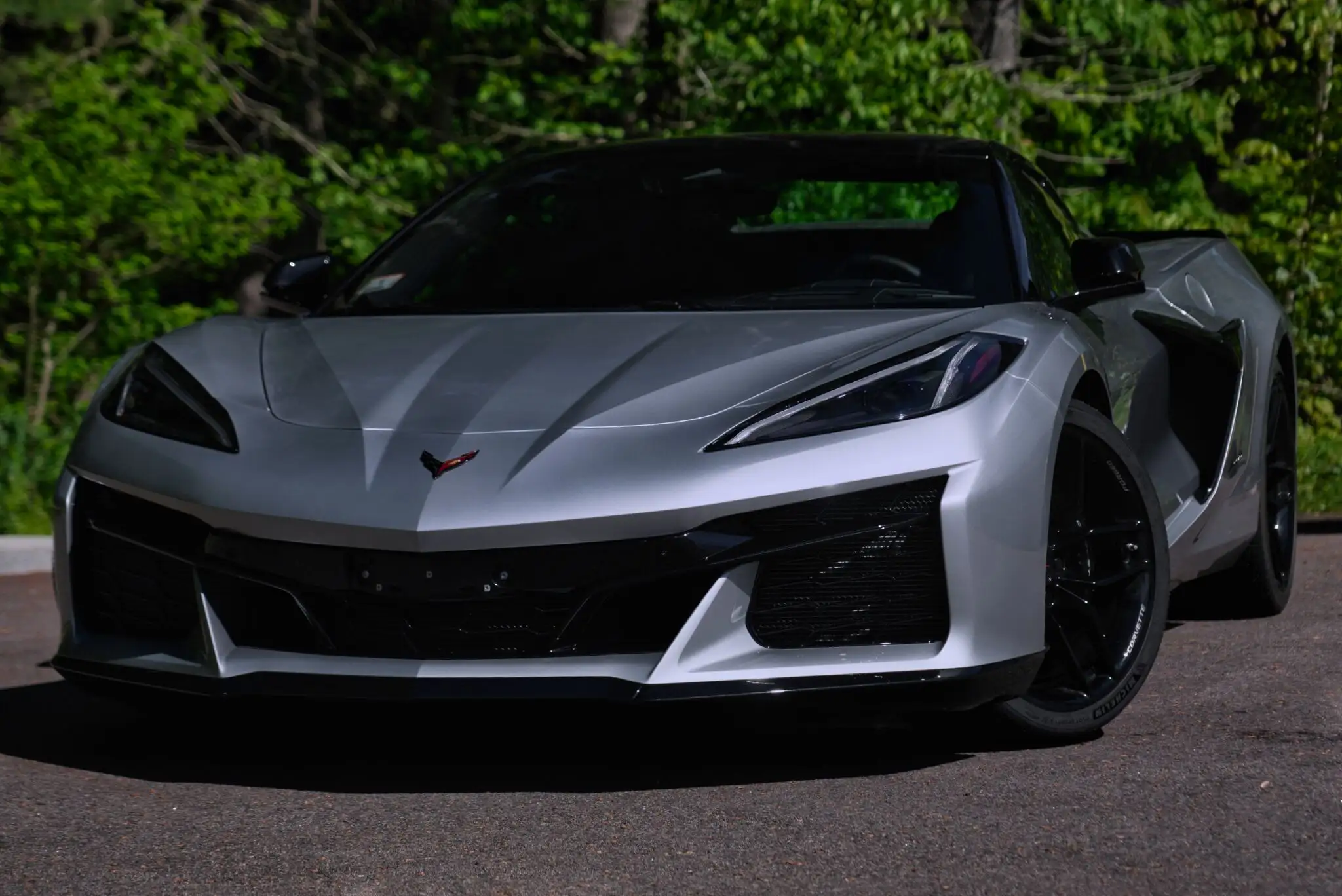
Corvette, Porsche, BMW M, Mercedes-AMG, Audi RS, Mustang, Camaro, Challenger, Ferrari, Lamborghini, McLaren, and similar vehicles can all benefit from windshield protection film.
Many of these owners already install full front PPF to protect the paint.
The windshield is in the same impact zone.
If the hood and bumper are worth protecting, the windshield is worth discussing too.
Truck and SUV Owners
Trucks and SUVs can also benefit from windshield protection film.
Large windshields create a larger target.
Daily use, towing, winter roads, job sites, construction zones, road trips, and highway driving all increase exposure.
Luxury SUVs can have expensive glass.
Work trucks may see heavy road debris.
EV trucks may have large and unique glass.
Family SUVs may be driven year-round in harsh conditions.
Windshield protection film is not only for sports cars.
It can be practical for any vehicle that sees real road use and has a windshield worth protecting.
Highway Drivers
Highway driving is one of the biggest reasons windshield protection film makes sense.
At highway speed, even small debris can strike hard.
Trucks, construction vehicles, winter roads, loose gravel, and heavy traffic all increase windshield risk.
A daily commuter may see more windshield abuse than a weekend exotic.
If you spend a lot of time on Route 24, I-495, I-95, I-93, Route 3, Route 44, Route 140, or similar roads, the windshield is taking repeated hits from road grit and debris.
Windshield protection film gives that glass an added layer of defense.
New England Driving Conditions
Massachusetts and Rhode Island roads can be hard on windshields.
Winter sand and salt are a major issue.
Road construction adds grit and debris.
Potholes and rough roads loosen material.
Trucks throw stones.
Plows and winter treatment leave abrasive material behind.
Spring and summer road work can create additional windshield risk.
Even careful drivers cannot fully avoid this.
Windshield protection film makes sense in New England because the road environment is tough.
It does not guarantee no damage, but it helps reduce the risk from everyday conditions.
Best Time to Install Windshield Protection Film
The best time to install windshield protection film is when the windshield is new or still in good condition.
This may be right after purchasing a new vehicle.
It may be after replacing a damaged windshield.
It may be before a road trip, track event, rally, or winter season.
Installing early gives the film the best chance to protect clean, healthy glass.
Waiting until after the windshield is cracked is too late.
The film cannot reverse damage that already happened.
If you are already booking PPF, ceramic tint, or ceramic coating, windshield protection film is worth discussing at the same time.
Can Film Be Installed Over a Chip?
Sometimes a small chip may be inspected, but windshield protection film should not be treated as a repair.
If the glass has existing damage, that damage can remain visible and may still spread.
A chip should be repaired properly if repair is possible before film installation.
A cracked windshield should not be covered as a solution.
The glass needs to be structurally suitable.
Film over damaged glass can create unrealistic expectations.
The right approach is to inspect the windshield first.
If the glass is healthy enough, film can be installed.
If it is too damaged, replacement or repair may need to happen first.
Does Windshield Film Help After a Replacement?
Yes, windshield protection film can make sense after windshield replacement.
In fact, that can be one of the best times to install it.
Once new glass is installed and ready for film, protecting it early can reduce the chance of repeating the same problem.
This is especially useful for vehicles that already cracked a windshield once from road debris.
If the replacement was expensive or inconvenient, the owner may not want to go through it again.
Film after replacement is a preventive step.
The new glass starts protected instead of exposed.
Visibility, maintenance and ownership
Does Windshield Film Affect Visibility?
A properly installed windshield protection film should maintain normal driving visibility.
That said, installation quality matters.
The windshield is a critical viewing surface.
Any dirt, distortion, poor fitment, bad edges, or improper maintenance can become noticeable.
That is why windshield protection film should be installed professionally.
The film also needs proper care after installation.
Clean wipers, safe cleaning, proper washer fluid, and careful winter habits all matter.
If a customer is extremely sensitive to windshield clarity, that should be discussed before installation.
The product is clear, but it is still a film layer over glass.
Does Windshield Film Affect Wipers?
Windshield protection film sits on the outside of the windshield, under the wiper blades.
Wiper condition matters.
Old wipers, cracked rubber, dirty blades, grit, sand, or debris can wear the film faster or create marks.
After installation, owners should keep wipers clean and replace them when needed.
Do not run dry, dirty wipers across the film if it can be avoided.
Use proper washer fluid.
Clean bugs and road grime safely.
In winter, do not force frozen wipers across the surface.
The film protects the glass, but it still needs proper windshield care.
Does Windshield Film Affect Sensors?
Modern vehicles may have cameras, sensors, rain sensors, head-up display systems, and driver-assistance technology around the windshield.
Windshield protection film is installed on the exterior, but clarity and fitment still matter.
Professional installation is important, especially on vehicles with advanced systems.
Any vehicle-specific concerns should be discussed before installation.
The goal is to protect the windshield without creating visibility or system concerns.
Tesla, Rivian, BMW, Mercedes-Benz, Audi, Porsche, Corvette, and other modern vehicles should all be treated carefully because windshield technology is more complex than it used to be.
Does Windshield Film Affect Rain Behavior?
Windshield protection film can change how the windshield surface behaves compared to bare glass.
The surface is no longer bare glass.
It is film.
That means wiper feel, water behavior, and cleaning can feel different depending on film condition, washer fluid, maintenance, wipers, and weather.
This is normal to discuss before installation.
Some customers may pair the film with recommended maintenance products to help support the surface.
The main purpose of the film is impact protection, not rain performance.
If the customer’s main goal is water beading, glass coating may be a better separate conversation.
Maintenance Matters
Windshield protection film needs maintenance.
Use clean wiper blades.
Use proper washer fluid.
Clean the windshield regularly.
Remove bugs, sap, and grime in a reasonable amount of time.
Avoid harsh chemicals unless they are safe for the film.
Avoid abrasive pads.
Avoid aggressive scraping.
Do not drag grit across the surface.
Do not pressure wash or clean edges aggressively.
The film is sacrificial, but it should still be cared for properly.
Good maintenance helps the film stay clearer, perform better, and last longer.
XPEL WPF Restore
At Kickin’ Customs, we recommend XPEL WPF Restore at around 6 months as part of a proper maintenance plan for XPEL windshield protection film.
This helps maintain the film surface and support the ownership experience.
Windshield protection film lives in a harsh environment.
Wipers move across it.
Road debris hits it.
Bugs land on it.
Winter salt and sand abuse it.
Maintenance is part of the service.
The goal is not only installing the film, but helping it perform well while it is on the vehicle.
Winter Care
Winter care is important with windshield protection film.
Do not scrape aggressively with damaged or dirty tools.
Do not drag sand, salt, or grit across the film.
Use proper defrosting when possible.
Keep wipers from freezing to the windshield.
Replace worn wiper blades.
Use winter washer fluid that is appropriate for the temperature.
Clean salt and road grime regularly.
Winter is one of the best reasons to install windshield protection film in Massachusetts and Rhode Island.
It is also one of the seasons where maintenance matters most.
The film helps, but it should not be abused.
Summer Care
Summer care matters too.
Bugs, pollen, tree sap, road tar, construction dust, hard water, and road trip debris can all affect the film.
Bug splatter should be removed safely and in a reasonable amount of time.
Do not scrub aggressively with abrasive pads.
Do not let hard water dry repeatedly on the film.
Do not use harsh chemicals without confirming they are safe for the surface.
Summer highway driving can create a lot of windshield exposure.
The film can help reduce impact damage, but routine cleaning still matters.
A clean film is easier to live with than a neglected one.
Warranty Expectations
XPEL windshield protection film has a 12-month or 12,000-mile warranty for manufacturer defects.
That warranty is not a guarantee that your windshield will never crack.
This is one of the biggest points customers need to understand.
A manufacturer defect warranty is different from an impact damage guarantee.
If the film peels because of a covered manufacturer defect, that is one type of issue.
If a large rock hits the windshield and cracks the glass, that is a different issue.
Windshield protection film reduces risk, but it does not make every impact covered or impossible.
When Windshield Protection Film Is Worth It
Windshield protection film is worth it when the risk and value make sense.
It is worth considering if the windshield is expensive, large, rare, or tied into advanced technology.
It is worth considering if the vehicle sees highways, winter roads, construction zones, road trips, or daily use.
It is worth considering for Tesla, Rivian, luxury vehicles, performance cars, exotics, trucks, SUVs, and vehicles with expensive replacement concerns.
It is especially worth considering when the vehicle is new and the glass is still in good condition.
The more frustrating the windshield replacement would be, the more sense protection makes.
When Windshield Protection Film May Not Be Worth It
Windshield protection film may not be worth it for every customer.
If the windshield is already badly damaged, the film may not make sense.
If the vehicle is rarely driven and replacement glass is inexpensive, the value may be lower.
If the customer expects guaranteed crack prevention, expectations need to be reset.
If the owner does not want to maintain wipers, clean the film, or care for it properly, the experience may not be ideal.
This is a product for customers who understand risk reduction.
It is not for customers looking for a promise that nothing can ever happen.
Why Install Before Damage Happens?
Windshield protection film works best before damage happens.
A clean, healthy windshield is the ideal surface.
Once the windshield is cracked, the film cannot reverse the crack.
Once the windshield is heavily pitted, the film cannot make the glass new again.
Once the windshield has deep scratches, the film does not erase them.
Installing early is the best strategy.
That is why windshield protection film should be considered when a vehicle is new, after windshield replacement, or before heavy driving seasons.
Prevention makes more sense than waiting for the first crack.
Windshield Film as Part of a Protection Package
Windshield protection film fits well into a larger protection package.
Paint protection film protects the painted impact zones.
Ceramic window tint improves cabin comfort.
Ceramic coating makes surfaces easier to clean.
Wheel and caliper coating helps with brake dust.
Glass coating helps with rain behavior on bare glass surfaces.
Windshield protection film helps protect the windshield from impact.
Each product solves a different problem.
For a complete vehicle protection plan, the windshield should not be ignored.
It is one of the most exposed and important surfaces on the vehicle.
Final Thoughts
Windshield protection film can help prevent some windshield damage.
It can reduce chips, pitting, and crack risk from everyday road debris.
It can protect expensive glass from common road hazards.
It can reduce the chance of replacement headaches.
It can be especially useful for Tesla and EV owners, luxury vehicles, performance cars, exotics, trucks, SUVs, daily drivers, highway commuters, and New England drivers.
But windshield protection film cannot make glass unbreakable.
It cannot guarantee that your windshield will never crack.
Severe impacts can still damage the glass.
That does not make the product useless.
It means the product should be understood correctly.
Windshield protection film is a sacrificial layer that gives your windshield a better chance.
At Kickin’ Customs in Raynham, MA, we install XPEL windshield protection film for drivers across Massachusetts and Rhode Island. We can inspect your windshield, explain the realistic expectations, and help you decide whether windshield protection film makes sense for your vehicle and driving habits.
Frequently Asked Questions
Can windshield protection film prevent cracks?
Windshield protection film can help reduce the chance of chips and cracks from everyday road debris, but it cannot guarantee that a windshield will never crack.
Does windshield protection film stop rock chips?
It can help reduce rock chips by adding a sacrificial layer over the glass. Severe impacts can still damage the windshield.
Can windshield protection film make glass unbreakable?
No. Windshield protection film does not make glass unbreakable. It reduces risk, but the windshield can still crack from a hard enough impact.
Is windshield protection film worth it?
It can be worth it if your vehicle has expensive glass, advanced sensors, frequent highway use, winter road exposure, or high replacement concerns.
Can windshield protection film be installed over a cracked windshield?
No. Windshield protection film should not be used as a repair for cracked glass. The windshield should be inspected, repaired, or replaced as needed before film installation.
Does windshield protection film help with pitting?
Yes, it can help reduce surface pitting from sand, salt, grit, and small debris because the film takes the wear before the glass does.
Does windshield protection film affect visibility?
A properly installed film should maintain normal driving visibility, but installation quality, wiper condition, and maintenance are very important.
Does windshield protection film affect wipers?
The film sits under the wipers, so wiper condition matters. Dirty, damaged, or worn wipers can affect the film surface and clarity.
How long is XPEL windshield protection film warrantied?
XPEL windshield protection film has a 12-month or 12,000-mile warranty for manufacturer defects. This is not the same as a crack-proof guarantee.
What maintenance does windshield protection film need?
Use clean wipers, safe cleaners, proper washer fluid, gentle cleaning, careful winter ice removal, and XPEL WPF Restore around 6 months.
Plan your next step
Want to reduce the chance of windshield chips, pitting, and replacement headaches? Contact Kickin’ Customs in Raynham, MA and we can inspect your glass, explain realistic expectations, and help you decide whether XPEL windshield protection film makes sense for your vehicle.
