
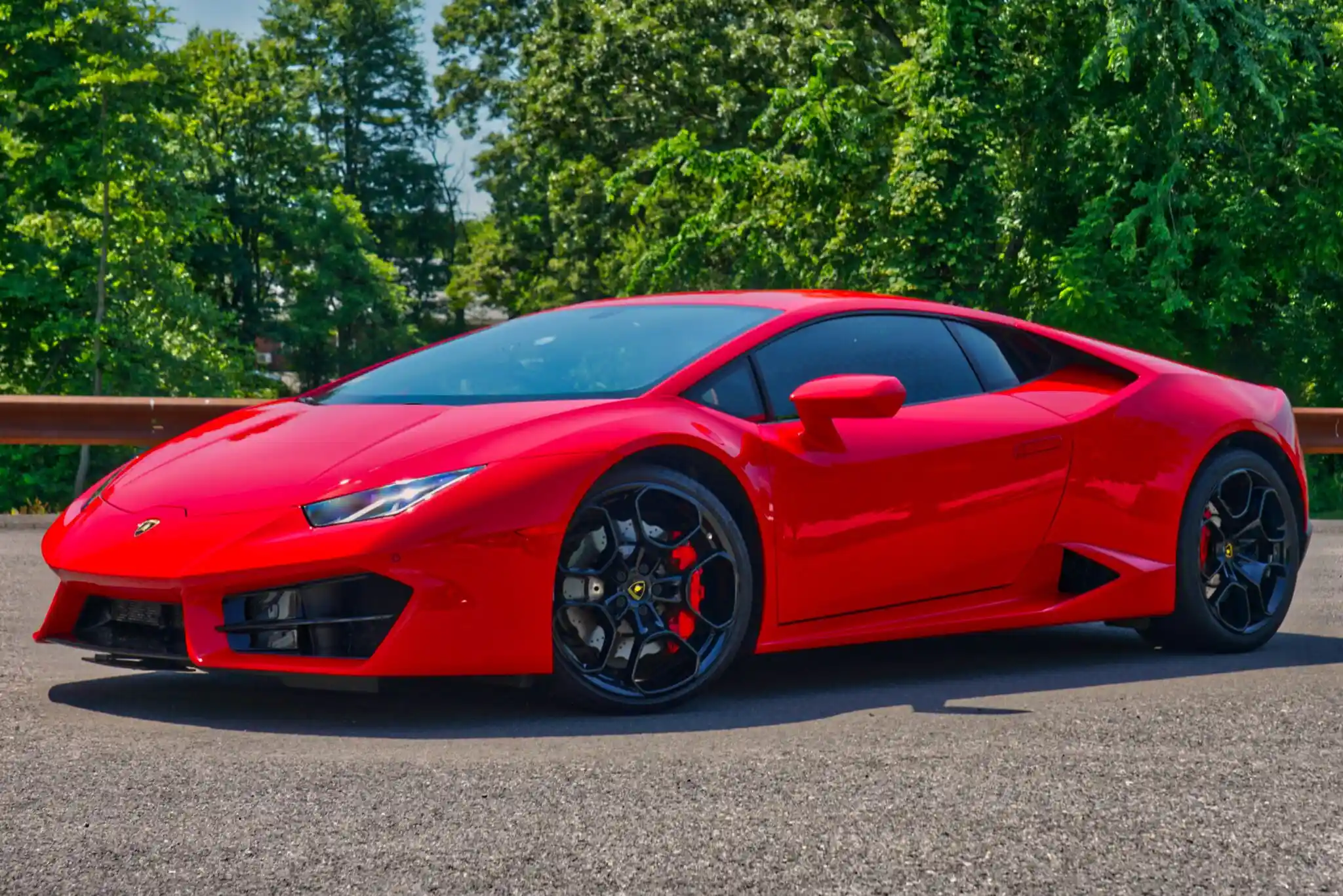
The short answer
How the two products differ
PPF vs Ceramic Coating: What Is the Difference?
Paint protection film and ceramic coating are two of the most popular ways to protect a vehicle, but they are often misunderstood.
A lot of people compare them like they do the same job. They do not.
Paint protection film, often called PPF or clear bra, is a physical urethane film installed over painted surfaces to help absorb rock chips, road debris, scratches, bug acids, salt, and everyday impact damage.
Ceramic coating is a liquid-applied protective coating that bonds to the surface to improve gloss, slickness, water behavior, UV resistance, and ease of cleaning.
The easiest way to understand the difference is this:
PPF protects against impact.
Ceramic coating protects against contamination and makes maintenance easier.
Both are valuable. They just solve different problems.
At Kickin’ Customs in Raynham, MA, we install both XPEL paint protection film and XPEL ceramic coatings for customers across Massachusetts and Rhode Island. The right choice depends on how you drive, what you want to protect, how long you plan to keep the vehicle, and how clean you want it to stay.
What Is Paint Protection Film?
Paint protection film is a clear or satin protective layer installed directly over the paint. It is designed to take abuse before your factory paint does.
Modern PPF is not the thick, yellowing material people may remember from years ago. Premium films like XPEL Ultimate Plus are clear, durable, self-healing, and designed to preserve the look of the vehicle while adding real protection.
PPF is commonly installed on high-impact areas such as the front bumper, hood, fenders, mirrors, rocker panels, doors, rear quarters, and other vulnerable painted surfaces. On some vehicles, it makes sense to protect the full front end. On others, full-body PPF is the smartest option, especially for high-value vehicles, dark colors, soft paint, exotics, trucks, daily drivers, and enthusiast-owned vehicles.
PPF helps protect against:
• Rock chips from highway driving
• Sand, salt, and road debris
• Bug acids and bird droppings
• Light scratches and wash marks
• Door cups and fingernail scratches
• Road rash on rocker panels and lower doors
• Paint damage from daily use
PPF does not make a vehicle indestructible, but it gives the paint a sacrificial layer. If the film takes damage, the film can often be replaced instead of repainting the panel.
That is the biggest advantage of PPF. It helps preserve the original factory paint.
What Is Ceramic Coating?
Ceramic coating is a liquid coating applied to the paint, PPF, wheels, glass, or other surfaces. Once cured, it creates a slick, glossy, hydrophobic layer that helps protect the surface from environmental contamination and makes the vehicle easier to clean.
A ceramic coating does not stop rock chips. It does not stop road debris from damaging paint. It does not replace PPF.
What it does extremely well is help with maintenance.
Ceramic coating helps with:
• Gloss and depth
• Water beading and water behavior
• UV resistance
• Chemical resistance
• Easier washing
• Reduced dirt buildup
• Easier bug and bird dropping cleanup
• Less sticking from road grime and contaminants
For customers who want their vehicle to stay cleaner longer and wash easier, ceramic coating is a great upgrade.
A properly installed coating can make a big difference in how the vehicle looks and how easy it is to maintain, especially on black, white, dark blue, gray, and metallic paint.
Does Ceramic Coating Protect Against Rock Chips?
No. Ceramic coating does not provide meaningful impact protection.
This is one of the biggest misunderstandings in the automotive protection world. Ceramic coating is hard compared to wax or sealant, but it is still a thin coating. It cannot absorb the same type of physical impact that paint protection film can.
If a rock hits your bumper or hood at highway speed, ceramic coating is not going to stop that chip.
PPF is the product designed for that job.
Ceramic coating may help protect against bug acids, bird droppings, UV exposure, light chemical staining, and easier cleaning, but it should not be sold or viewed as a substitute for paint protection film.
Does PPF Need Ceramic Coating?
PPF does not require ceramic coating, but coating over PPF is one of the best combinations for long-term protection and easier maintenance.
Paint protection film protects the surface from impact. Ceramic coating helps keep the film cleaner, slicker, glossier, and easier to wash.
This is especially helpful because PPF is usually installed on the highest abuse areas of the vehicle. The front bumper, hood, mirrors, rockers, and lower panels collect bugs, salt, sand, grime, and road film. Adding ceramic coating over those areas can make cleaning much easier.
For customers who want the strongest overall protection, we usually recommend:
PPF first. Ceramic coating second.
That order matters. If the vehicle needs paint protection film, install the PPF first, then ceramic coat over the film and the remaining painted surfaces.
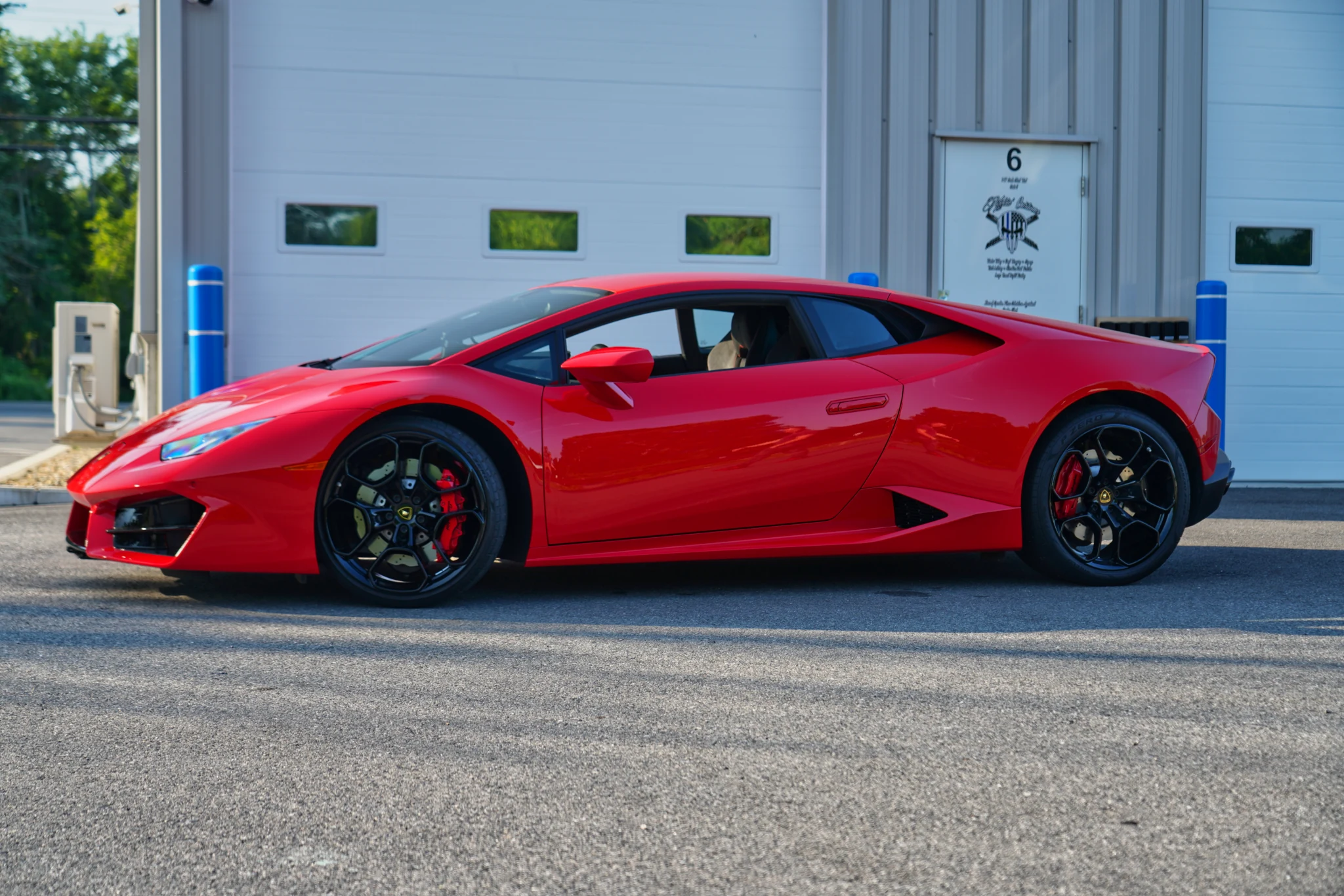
Compare protection at a glance
PPF vs Ceramic Coating: Quick Comparison
| Category | Paint Protection Film | Ceramic Coating |
|---|---|---|
| Main Purpose | Impact protection | Easier maintenance and surface protection |
| Stops Rock Chips | Yes, within reason | No |
| Helps With Scratches | Yes, light surface-level damage | Minor resistance only |
| Improves Gloss | Yes | Yes |
| Makes Washing Easier | Somewhat | Yes, significantly |
| Protects From Bugs and Bird Droppings | Yes | Yes |
| Best Areas | Bumper, hood, fenders, mirrors, rockers, full body | Paint, PPF, wheels, glass |
| Best For | Drivers worried about chips and paint damage | Drivers who want easier cleaning and better appearance |
| Can Be Combined | Yes | Yes |
Choose for your vehicle and use
Which One Should You Choose First?
If your budget only allows one, the better choice depends on your main concern.
If you are worried about rock chips, road rash, and physical damage, choose PPF first.
If you are more concerned with gloss, easy washing, water beading, and keeping the vehicle cleaner, choose ceramic coating first.
For most new vehicles, especially daily drivers in Massachusetts and Rhode Island, PPF is usually the better first layer of protection. New England roads are rough. Between winter salt, sand, construction debris, highways, potholes, and everyday traffic, front-end paint damage happens quickly.
Once a bumper or hood is chipped, ceramic coating cannot undo that. PPF is designed to help prevent that damage before it starts.
Best Option for a Daily Driver
For a daily driver, the best value usually starts with front-end PPF.
The front bumper takes the most abuse. The hood, fenders, mirrors, and headlights are also common impact areas. Rocker panels and lower doors are another smart upgrade, especially on SUVs, trucks, wide-body vehicles, performance cars, and vehicles with sticky tires.
A strong daily driver setup would be:
Full front PPF for impact protection
Rocker panel or lower door PPF if the vehicle shape needs it
Ceramic coating over the remaining paint and film for easier cleaning
This gives the vehicle real protection where it needs it most, while still improving gloss and maintenance across the entire vehicle.
Best Option for a Garage-Kept Weekend Vehicle
For a garage-kept weekend vehicle, the decision depends on how the vehicle is used.
If it is a low-mileage show car that rarely sees highways, ceramic coating may be enough for easier cleaning and improved appearance. But if the vehicle is driven on back roads, highways, cruises, rallies, or spirited weekend drives, PPF is still a smart choice.
Weekend cars often have softer paint, wider tires, lower front bumpers, and expensive panels. They may not rack up daily mileage, but one bad rock chip can still happen on the first drive.
For enthusiast vehicles, performance cars, and exotics, PPF is usually the smarter long-term decision. Ceramic coating can then be added over the film to make maintenance easier.
Best Option for Trucks and SUVs
Trucks and SUVs tend to benefit heavily from PPF because of their size, shape, and use.
The front end is larger. The rocker panels are exposed. The lower doors take more road abuse. Tires can throw debris down the side of the vehicle. If the truck is lifted, has aggressive tires, sees job sites, gravel roads, snow, salt, or towing use, PPF becomes even more valuable.
Ceramic coating is also a great upgrade for trucks and SUVs because these vehicles are harder to wash. A coated surface can make regular maintenance easier, especially on large panels, wheels, glass, and dark paint.
For trucks and SUVs, the best combination is usually front-end PPF, rocker protection, lower door protection, and ceramic coating.
Layering, coverage and alternatives
Can You Ceramic Coat Over PPF?
Yes. Ceramic coating can be installed over paint protection film.
This is one of the most popular combinations because it allows each product to do what it does best. The film takes the physical abuse. The coating improves surface slickness, gloss, water behavior, and ease of cleaning.
When ceramic coating is installed over PPF, it can help reduce how much grime sticks to the film. It can also make bug removal easier on the front bumper, mirrors, and hood.
This is especially helpful on vehicles that see a lot of highway driving.
Can You Install PPF Over Ceramic Coating?
Technically, PPF can sometimes be installed over a coated vehicle, but it is not ideal.
Paint protection film needs proper surface preparation and strong adhesion to the paint. A ceramic-coated surface can make adhesion more difficult if not properly prepped. In many cases, coating needs to be polished or removed from the areas receiving film before installation.
That is why the best order is:
1. Paint correction or prep
2. PPF installation
3. Ceramic coating over the film and remaining paint
If you are buying a new vehicle and you already know you want both, do not ceramic coat it first. Start with PPF.
Is Full-Body PPF Worth It?
Full-body PPF is worth it for the right customer.
It is not necessary for every vehicle, but it makes a lot of sense when the vehicle has high-value paint, soft paint, dark paint, expensive panels, custom paint, satin or matte finishes, wide hips, aggressive tires, or a high replacement cost.
Full-body PPF is also a smart choice for customers who are particular about keeping the vehicle as clean and damage-free as reasonably possible.
The biggest advantage is consistency. Instead of only protecting the front, the entire painted surface has a sacrificial layer. That helps reduce chips, wash marks, scratches, staining, and daily wear across the full vehicle.
For satin or matte paint, full-body PPF can be even more important because matte finishes cannot be polished like gloss paint. Once matte paint is scratched or stained, correction options are limited. XPEL Stealth film can also convert gloss paint to a satin finish while protecting the surface underneath.
Is Ceramic Coating Worth It Without PPF?
Yes, ceramic coating can still be worth it without PPF, as long as expectations are realistic.
If you are not worried about rock chips and mainly want the vehicle to look better, wash easier, and stay cleaner longer, ceramic coating is a great option.
Ceramic coating is especially helpful for:
• Black vehicles
• White vehicles
• Daily drivers
• Large SUVs and trucks
• Vehicles stored outside
• Customers who wash their own vehicle
• Customers who want less maintenance
• Vehicles that already have existing chips or paint wear
Just remember that ceramic coating is not impact protection. If the front bumper gets blasted with road debris, the coating will not stop chips the way PPF can.
What About Wax or Sealant?
Wax and sealants still have their place, but they do not offer the same durability or performance as a professional ceramic coating.
Wax usually lasts weeks to a few months. Sealants can last longer, depending on the product and maintenance. Ceramic coatings are designed to last longer and offer better chemical resistance, slickness, and water behavior.
For someone who enjoys frequent detailing, wax or sealant may be fine. For someone who wants a more durable protection system with lower maintenance, ceramic coating is the better choice.
Lifespan and your next steps
Which Lasts Longer, PPF or Ceramic Coating?
Premium paint protection film is designed to last for years when properly installed and maintained. XPEL paint protection film carries a long-term manufacturer warranty against defects such as yellowing, cracking, bubbling, and delamination.
Ceramic coating longevity depends on the product, prep, maintenance, mileage, storage, and how the vehicle is washed. At Kickin’ Customs, we offer different XPEL Fusion ceramic coating options depending on how long the customer wants the coating to perform and how much prep the vehicle needs.
Both products last longer when the vehicle is maintained properly.
That means washing correctly, avoiding harsh chemicals, avoiding aggressive pressure washing near film edges, and using the right maintenance products.
Maintenance Differences
PPF and ceramic coating both make vehicle care easier, but they still need proper maintenance.
For PPF, avoid washing the vehicle immediately after installation. Let the film cure, avoid picking at edges, and be careful with pressure washers around seams and film edges. Bugs, bird droppings, and road contamination should still be removed as soon as possible.
For ceramic coating, proper washing is key. The coating will make the vehicle easier to clean, but it does not mean the vehicle never needs to be washed. Avoid automatic brush washes, harsh chemicals, and poor wash habits.
A coated vehicle can still get water spots. A filmed vehicle can still get damaged. These products reduce risk and maintenance, but they do not eliminate responsibility.
The Best Protection Is Usually Both
For most customers, the best answer is not PPF or ceramic coating.
The best answer is PPF and ceramic coating.
PPF protects the vulnerable areas from physical damage. Ceramic coating improves the look, feel, and maintenance of the entire vehicle. Together, they create a more complete protection system.
A common setup is:
Full front PPF to protect the bumper, hood, fenders, mirrors, and headlights
Rocker panel or lower door PPF for side impact protection
Ceramic coating over the full vehicle for gloss and easier cleaning
Wheel coating and glass coating for additional maintenance benefits
This combination is especially valuable for new vehicles because the paint is protected before it gets damaged.
Final Recommendation
If you are deciding between PPF and ceramic coating, start with the problem you are trying to solve.
If you want to prevent rock chips, road rash, and physical paint damage, choose PPF.
If you want easier washing, better gloss, and better resistance to environmental contamination, choose ceramic coating.
If you want the strongest overall protection, choose both.
At Kickin’ Customs in Raynham, MA, we help customers build protection packages around how they actually use their vehicle. A daily commuter, Tesla, Corvette, Porsche, truck, SUV, exotic, and weekend car may all need different coverage strategies.
The goal is not to sell the same package to everyone. The goal is to protect the right areas, set the right expectations, and make sure the vehicle is easier to maintain long term.
Frequently Asked Questions
Is PPF better than ceramic coating?
PPF is better for impact protection. Ceramic coating is better for gloss, water behavior, and easier cleaning. One is not universally better than the other because they are designed for different purposes.
Does ceramic coating stop rock chips?
No. Ceramic coating does not stop rock chips. If rock chip protection is your main concern, you want paint protection film.
Can ceramic coating go over PPF?
Yes. Ceramic coating can be installed over PPF and is a popular upgrade. It helps keep the film slicker, cleaner, and easier to maintain.
Should I get PPF or ceramic coating first?
If you plan to do both, install PPF first. Then ceramic coating can be applied over the film and the remaining painted surfaces.
Is ceramic coating worth it on a new car?
Yes, ceramic coating can be worth it on a new car if you want easier maintenance, better gloss, and improved surface protection. If the vehicle is also at risk for rock chips, PPF should be considered first.
Is PPF worth it on a new car?
Yes. PPF is one of the best upgrades for a new vehicle because it protects the original paint before it gets damaged. This is especially important on front bumpers, hoods, mirrors, rocker panels, and high-impact areas.
Can I just ceramic coat the whole vehicle instead of doing PPF?
You can, but it will not provide the same protection. Ceramic coating helps with maintenance and surface contamination. It does not replace the physical impact protection of PPF.
What is the best setup for a daily driver?
For most daily drivers, full front PPF plus ceramic coating is one of the best combinations. The PPF protects high-impact areas, while the coating makes the entire vehicle easier to clean and maintain.
Plan your next step
Not sure whether your vehicle needs PPF, ceramic coating, or both? Contact Kickin’ Customs in Raynham, MA and we can help you build the right protection package for how you drive.
