
The short answer
Black paint looks incredible when it is clean.
It has depth, reflection, contrast, and presence. On the right vehicle, black paint can make the whole design look sharper.
The problem is that black paint also shows almost everything.
Rock chips, swirls, scratches, water spots, dust, bug marks, road rash, and lower panel wear all stand out more on dark-colored vehicles. The paint may not always be more fragile than a lighter color, but the damage is much easier to see.
That is why many black vehicle owners start thinking about paint protection film shortly after delivery.
At Kickin’ Customs in Raynham, MA, we install XPEL paint protection film on black cars, trucks, SUVs, EVs, luxury vehicles, performance cars, and daily drivers across Massachusetts and Rhode Island. For dark paint, PPF is not about being overly cautious. It is about protecting the finish before visible damage starts building up.
Why dark paint shows wear
Black Paint Does Not Hide Damage Well
Every vehicle can get rock chips.
The difference is how visible those chips become.
On black paint, a small chip can show a lighter color underneath. Depending on the panel, the exposed area may appear white, gray, primer-colored, plastic-colored, or metallic. That contrast makes even small damage noticeable.
A lighter vehicle may have the same chip, but the contrast may not be as obvious from a few feet away.
Black paint also reflects light differently. Swirls, light scratches, towel marks, hard water spots, and haze can all become easier to see in direct sun or under shop lighting.
This is why owners often feel like black paint is harder to maintain. It is not always that the vehicle is getting more damage. It is that the damage is more visible.
Rock Chips Stand Out Faster on Dark Vehicles
Rock chips are one of the biggest concerns for black vehicle owners.
The front bumper, hood, mirrors, headlights, rocker panels, lower doors, and rear quarters are constantly exposed to debris. Highway driving, construction zones, winter sand, road salt, and tire sling can all chip or mark the finish.
On black paint, even a single chip on the front bumper can be frustrating. Once the front end starts collecting multiple chips, the vehicle can look older than it really is.
PPF helps by placing a clear sacrificial layer over the paint.
Instead of road debris striking the paint directly, the film takes the impact first. If the film gets marked or damaged, it may have done its job by helping protect the paint underneath.
Swirls and Wash Marks Are More Noticeable
Black paint is also known for showing swirls.
Swirls can come from improper washing, automatic brush washes, dirty towels, dry wiping, aggressive drying, or poor maintenance habits. Even light surface marks can show up clearly in sunlight.
Paint protection film does not mean the vehicle can be washed carelessly. The film still needs proper maintenance. However, XPEL paint protection film can help protect the paint underneath from many light surface-level marks and daily wear.
This is especially helpful on high-touch and high-impact areas like the front bumper, hood, mirrors, rocker panels, lower doors, and rear bumper loading areas.
If easier cleaning is a priority, ceramic coating over PPF can also make maintenance more manageable.
PPF protects against impact. Ceramic coating helps with slickness, water behavior, and easier cleaning.
Road Rash Is More Obvious on Black Paint
Road rash is the sandblasted look that builds up over time from repeated small impacts.
It usually appears on front bumpers, rocker panels, lower doors, rear quarters, and lower bedsides. On black vehicles, road rash can look like dull speckling, scattered chips, or cloudy wear in high-impact areas.
This is especially common on vehicles with wide tires, sticky tires, low stance, aggressive body lines, or large painted lower panels.
Performance cars, EVs, trucks, SUVs, and daily commuters can all develop road rash over time.
Once road rash is in the paint, the options become more complicated. Touch-up paint may help individual chips, but it rarely makes a sandblasted area look new. Repainting may be possible, but that brings cost, downtime, color matching, and future resale concerns.
PPF is a better preventative approach because it helps reduce the damage before it reaches the paint.
Vehicle-specific exposure
Black Trucks and SUVs Need Extra Attention
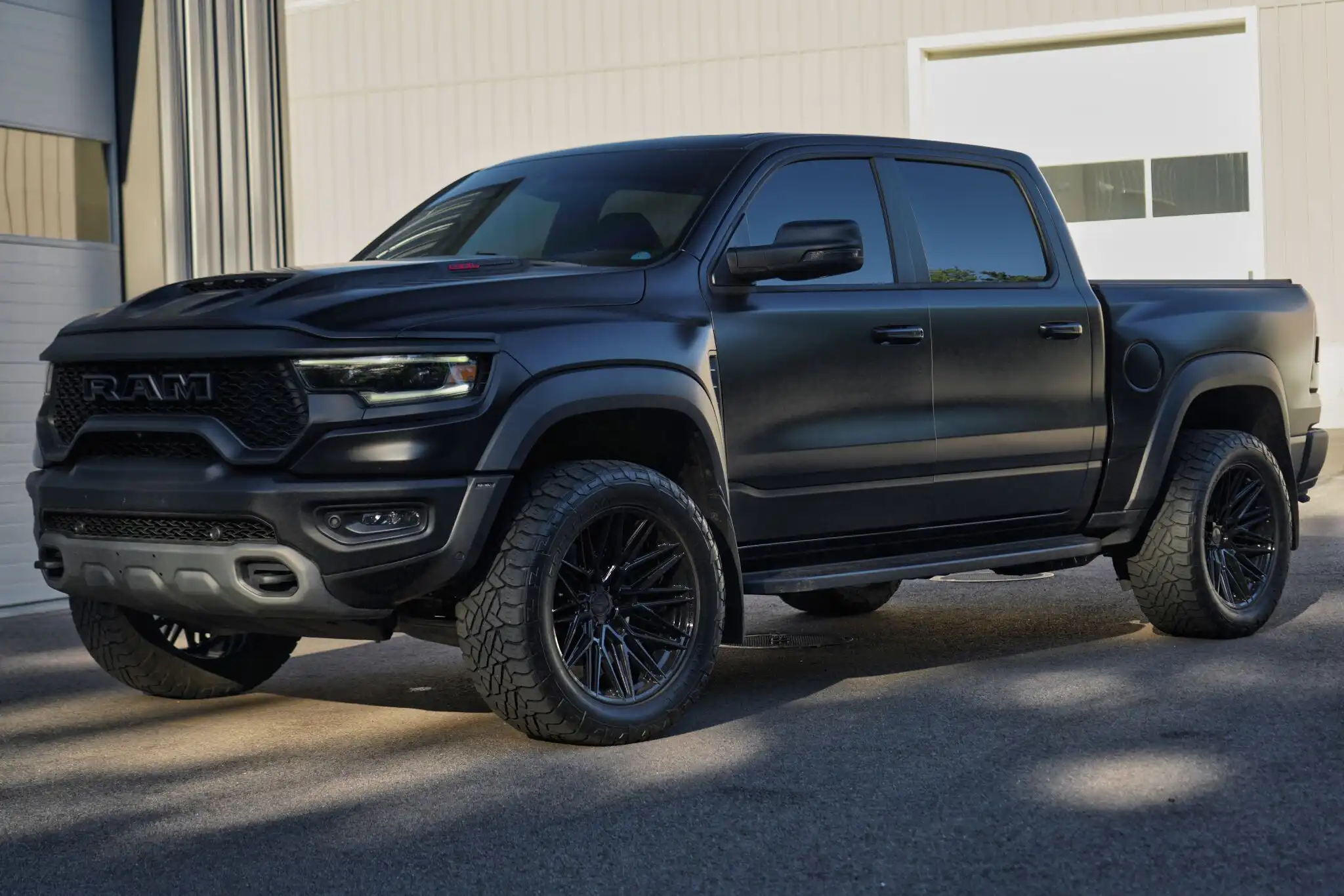
Black trucks and SUVs are some of the hardest vehicles to keep looking clean.
They have large painted front ends, tall bumpers, exposed rocker panels, large mirrors, and lower doors that collect road debris. Wider tires can throw sand, salt, mud, and gravel into the bodywork.
If the vehicle is used for commuting, work, towing, kids, pets, beach trips, winter driving, or job sites, the paint takes constant abuse.
Common PPF areas for black trucks and SUVs include the full front end, rocker panels, lower doors, rear bumper loading area, tailgate ledge, and lower bedsides.
This type of coverage is not just for appearance. It helps protect the areas that take the most wear from normal use.
Black EVs Often Show Damage Quickly
Black electric vehicles are another strong candidate for PPF.
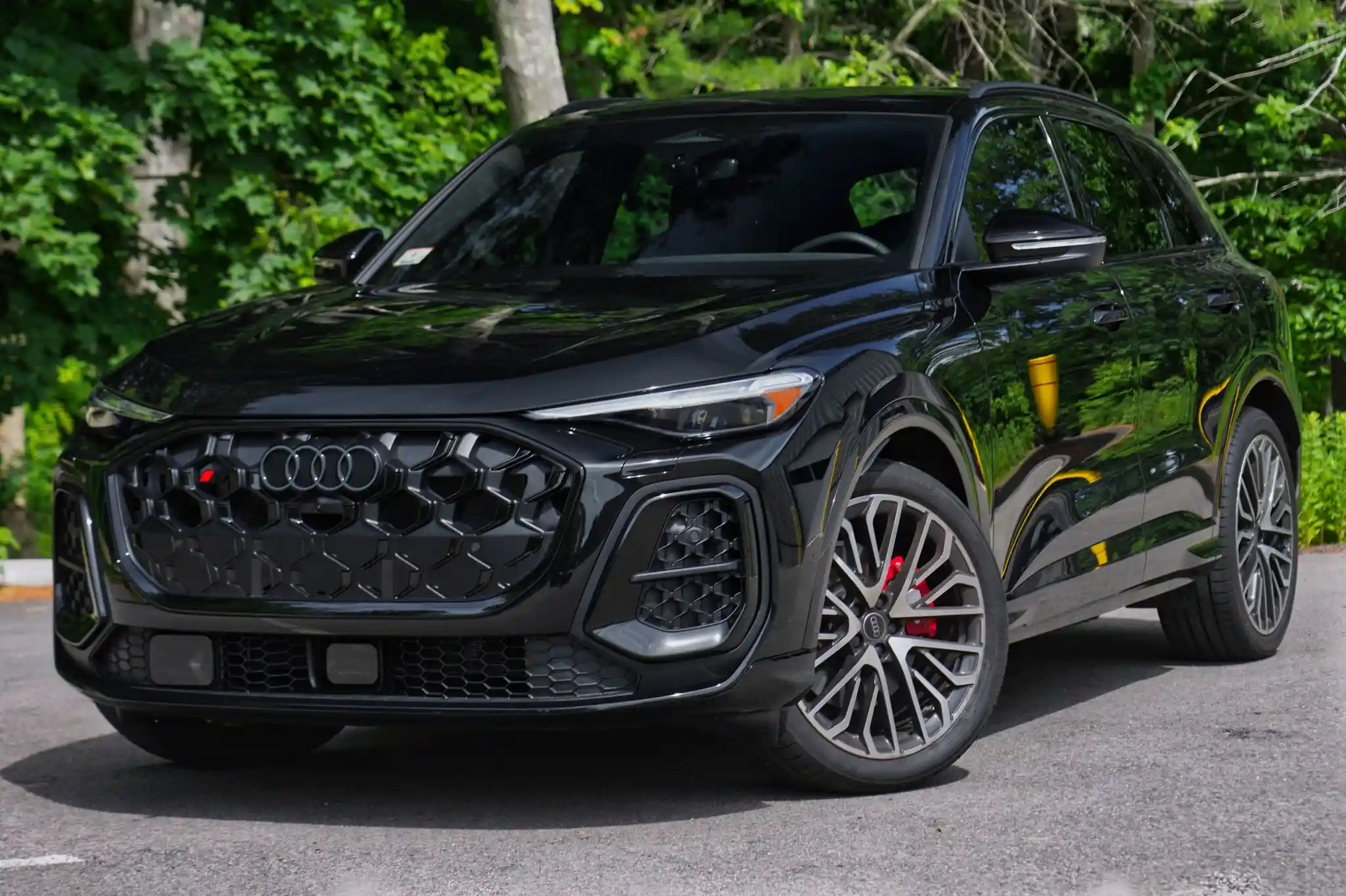
Tesla, Rivian, Lucid, BMW i models, Mercedes EQ models, Hyundai IONIQ, Kia EV models, and other EVs often have smooth painted bumpers and clean body lines. That design can make chips, bug marks, and road wear easier to notice.
Many EVs are also used heavily. They are commuters, family vehicles, road trip vehicles, and daily drivers.
On a black Tesla or Rivian, the front bumper, hood, mirrors, rocker panels, lower doors, and rear impact areas can start showing wear quickly if they are left unprotected.
PPF can help protect those areas while preserving the original painted finish underneath.
Black Performance Cars Have Their Own Risks
Performance vehicles can be especially hard on their own paint.
Low front ends take direct impact from road debris. Wide tires can throw rocks and sand into the rocker panels and rear quarters. Sticky tires can pick up debris and send it into the bodywork. Spirited driving, rallies, highway pulls, and track-style use can increase exposure.
On black paint, that damage becomes visible quickly.
Corvettes, Porsches, BMW M cars, Mercedes AMG models, Audi RS models, Mustangs, Camaros, Challengers, and other performance vehicles often benefit from more than basic bumper coverage.
Full front PPF is a strong starting point. Rocker panels, lower doors, rear quarters, carbon accents, and other impact zones may also be worth protecting depending on the vehicle.
Protect the finish
PPF Helps Preserve the Look Without Changing the Color
One of the reasons people choose black paint is the look.
Clear gloss PPF allows the vehicle to keep that factory black appearance while adding a protective layer. XPEL Ultimate Plus is a strong choice for owners who want clear protection without changing the gloss finish.
For owners who want a satin or matte look, XPEL Stealth can transform gloss black paint into a satin black appearance while also protecting the paint underneath.
XPEL Ultimate Fusion is another option for customers who want clear protection with hydrophobic properties for easier cleaning and better water behavior. The hydrophobic properties are expected to last around 4 years, while the film itself still carries the 10-year XPEL manufacturer warranty.
The right film depends on whether the owner wants to preserve the gloss look, create a satin appearance, or make maintenance easier.
PPF Does Not Replace Good Maintenance
PPF helps protect black paint, but it does not eliminate the need for proper care.
Black vehicles still need careful washing, clean microfiber towels, safe wash products, and regular maintenance. Automatic brush washes, dirty towels, harsh chemicals, abrasive pads, and aggressive scrubbing can still cause issues.
After installation, PPF also needs time to cure.
Customers should avoid washing the vehicle for 7 days after installation. Most PPF cures over 2 to 3 weeks. During that time, slight haze, small moisture pockets, or minor edge movement can be normal.
At Kickin’ Customs, the 3-week follow-up inspection is required for PPF workmanship coverage. A small amount of edge movement during curing, around 1/16 of an inch, can often be addressed at that follow-up.
PPF helps protect the paint. Proper maintenance helps protect the film.
Ceramic Coating Over PPF Can Help Black Vehicles
Black vehicles are harder to keep clean, which is why ceramic coating over PPF can be a smart upgrade.
Ceramic coating does not replace paint protection film. It does not provide the same impact resistance as PPF. Instead, it helps improve slickness, water behavior, chemical resistance, UV resistance, and ease of cleaning.
For black vehicles, that can make a noticeable difference in ownership.
A coated PPF surface can be easier to wash and dry. Bugs, grime, and road film may release more easily. Water behavior is improved, which can help reduce some maintenance frustration.
For many black vehicle owners, the best combination is PPF on high-impact areas with ceramic coating over the film and exposed paint.
What Coverage Makes Sense for Black Paint?
The best PPF coverage depends on the vehicle and how it is driven.
For many black vehicles, full front protection is the best starting point. This usually protects the full hood, full front fenders, front bumper, mirrors, and often headlights.
For daily drivers, trucks, SUVs, EVs, and performance cars, rocker panels and lower doors may also make sense. These areas often get hit by debris from the tires and nearby traffic.
For high-end vehicles or owners who want the most coverage, full body PPF provides the highest level of protection.
The right package should be based on risk, not guesswork. A black commuter SUV, black Tesla, black Porsche, black Corvette, black BMW, and black pickup truck may all need different coverage strategies.
Final Thoughts
Black paint looks great, but it demands more attention.
Chips, swirls, scratches, water spots, and road rash all show faster on dark-colored vehicles. That is why PPF is such a strong option for black paint.
Paint protection film helps protect the areas that take the most abuse before damage becomes obvious. It does not make the vehicle invincible, and it does not replace good maintenance, but it gives the paint a much better chance against real-world driving.
At Kickin’ Customs in Raynham, MA, we install XPEL paint protection film for black cars, trucks, SUVs, EVs, performance vehicles, luxury vehicles, and daily drivers across Massachusetts and Rhode Island.
If you own a black vehicle and want to keep the paint looking newer longer, the best time to protect it is before chips and road rash start to show.
Frequently Asked Questions
Is PPF worth it on black paint?
Yes. PPF is especially useful on black paint because chips, swirls, scratches, and road rash are easier to see on dark colors. Film helps protect the paint before visible damage builds up.
Does black paint chip more easily?
Black paint does not always chip more easily than other colors, but chips are usually more noticeable because of the contrast between the paint and the exposed material underneath.
Will PPF change the look of black paint?
Clear gloss PPF is designed to preserve the gloss appearance of black paint. XPEL Stealth can change gloss black paint to a satin or matte appearance if that is the look the owner wants.
What areas should I protect on a black vehicle?
The front bumper, hood, mirrors, headlights, rocker panels, lower doors, and rear quarters are common high-impact areas. The best coverage depends on the vehicle and how it is driven.
Should I ceramic coat black paint after PPF?
Ceramic coating over PPF can make a black vehicle easier to clean and maintain. PPF protects against impact, while ceramic coating helps with slickness, water behavior, and maintenance.
Can PPF prevent swirls on black paint?
PPF can help protect the paint underneath from many light surface-level marks, but the film still needs proper care. Good wash habits are still important.
How long does XPEL PPF last on a black vehicle?
XPEL paint protection film carries a 10-year manufacturer warranty. Actual appearance and performance depend on installation, maintenance, exposure, and how the vehicle is used.
Plan your next step
Black paint shows damage fast. Contact Kickin’ Customs in Raynham, MA to choose the right XPEL paint protection film coverage for your black car, truck, SUV, EV, or performance vehicle.
