
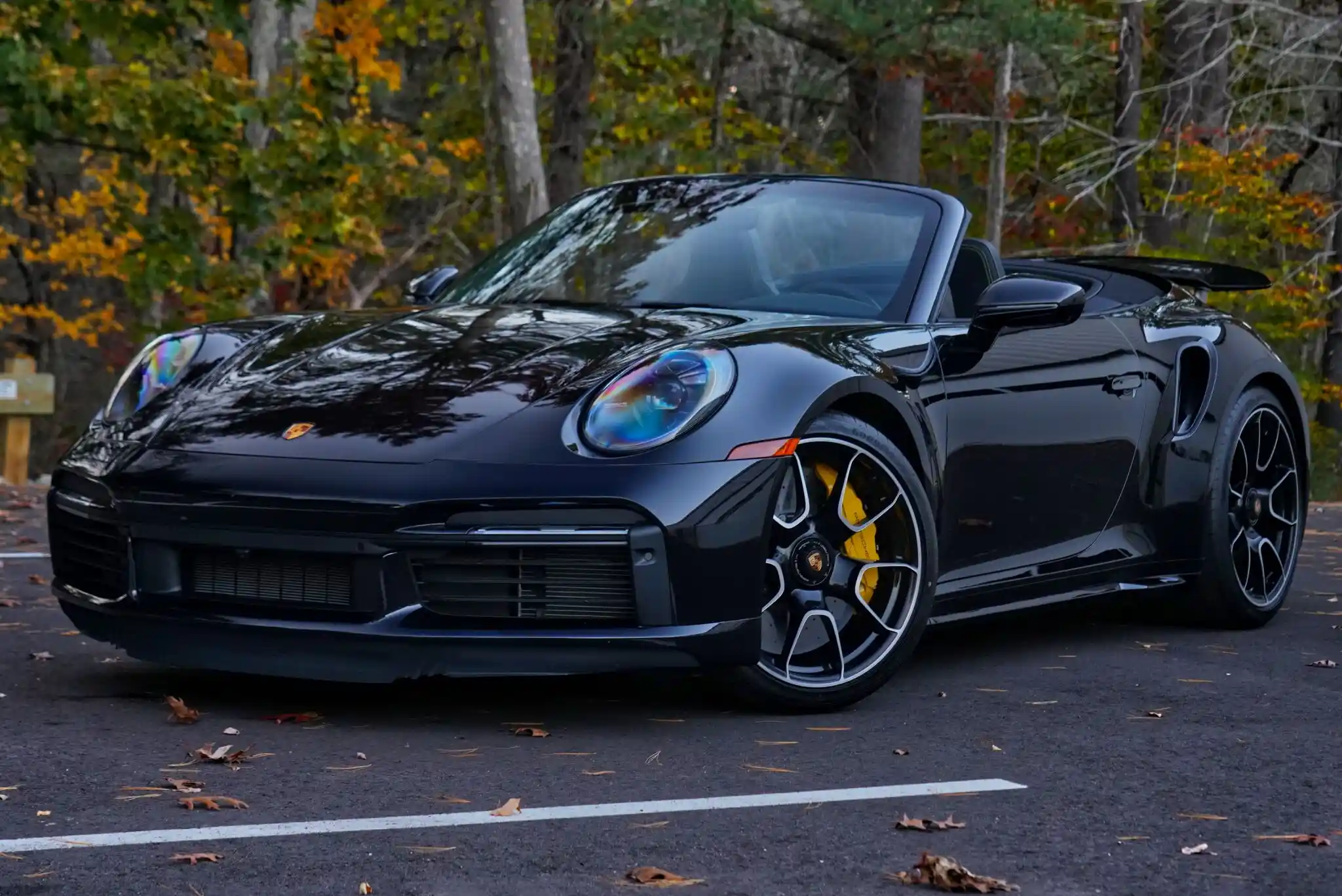
The short answer
Compare the coverage
Full Body PPF vs Full Front PPF: What Is the Difference?
Paint protection film is one of the best ways to protect a vehicle from rock chips, road debris, bug acids, salt, sand, light scratches, and everyday driving wear.
But once you decide PPF makes sense, the next question is coverage.
Do you protect the front of the vehicle, or do you protect the entire vehicle?
That is where the difference between full front PPF and full body PPF matters.
Full front PPF protects the highest-impact areas on the front of the vehicle. Full body PPF protects the painted exterior panels across the entire vehicle.
Both are good choices. They are just built for different owners, different vehicles, and different expectations.
At Kickin’ Customs in Raynham, MA, full front PPF is one of our most popular packages because it protects the areas most likely to get damaged first. Full body PPF is the highest level of paint protection for owners who want the most complete coverage possible.
The right choice depends on how you drive, what you own, how long you plan to keep it, and how particular you are about keeping the paint protected.
What Is Full Front PPF?
Full front PPF protects the main forward-facing impact areas of the vehicle.
A proper full front package usually includes the full hood, full front fenders, front bumper, mirrors, and often headlights depending on the package and vehicle.
These are the areas that take the most abuse from normal driving. Rocks, sand, salt, bugs, and highway debris usually hit the front of the vehicle first. That makes full front PPF one of the smartest protection choices for new vehicles, daily drivers, luxury vehicles, performance cars, trucks, SUVs, EVs, and exotics.
Full front PPF is popular because it protects the areas most likely to chip while keeping the cost lower than full body coverage.
For many drivers, this is the best balance of protection and value.
What Is Full Body PPF?
Full body PPF protects the painted exterior surfaces across the entire vehicle.
Instead of only covering the front bumper, hood, fenders, and mirrors, full body PPF expands protection to the doors, rear quarters, trunk, rear bumper, rocker panels, roof areas, and other painted panels.
The goal is to give the entire painted surface a sacrificial layer.
Full body PPF is the highest level of paint protection because it does not assume damage only happens on the front. It protects against road rash, wash marks, light scratches, staining, bug acids, bird droppings, salt, and everyday wear across the whole vehicle.
This makes the most sense for high-value vehicles, dark colors, soft paint, matte paint, satin paint, exotics, luxury vehicles, performance cars, and owners who want the cleanest long-term ownership experience.
The Biggest Difference Is Coverage
The biggest difference between full front and full body PPF is simple.
Full front PPF protects the highest-impact areas.
Full body PPF protects the whole painted vehicle.
A full front package is built around the most common damage zones. It is practical, effective, and usually the best starting point for most drivers.
A full body package is built around complete protection. It is for owners who do not want to only protect the front while leaving the rest of the paint exposed.
Neither choice is wrong. The right choice depends on the level of risk you want to reduce.
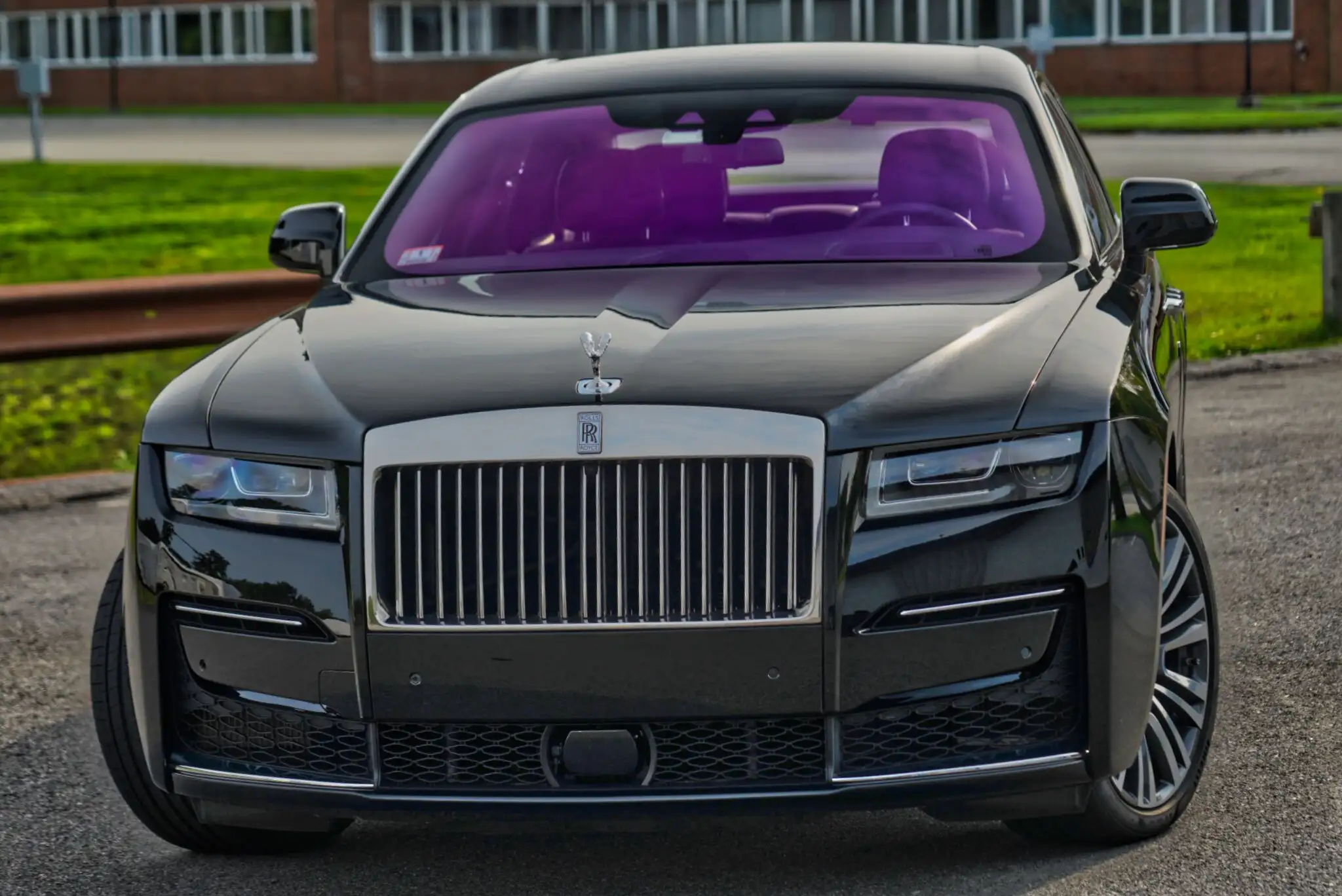
Where full front fits
Why Full Front PPF Is So Popular
Full front PPF is popular because it protects where damage usually happens first.
The front bumper takes the most direct hits. The hood and fenders are exposed to rock chips. Mirrors catch debris. Headlights can get pitted or damaged. On many vehicles, the front end is also the most expensive and noticeable area to repair.
If you drive on highways, commute daily, travel on Route 24, I-95, I-495, Route 3, the Mass Pike, Cape roads, or New England back roads, the front of the vehicle is going to take abuse.
Full front PPF gives you real protection where it matters most without requiring a full vehicle investment.
For many customers, full front PPF is the package that makes the most sense.
Where Full Front PPF Falls Short
Full front PPF is great, but it does not protect everything.
The doors are still exposed. The rocker panels are still exposed unless added separately. The rear quarters are still exposed. The rear bumper, trunk ledge, roof, and lower panels can still get scratched, stained, or damaged.
This matters more on certain vehicles.
Performance vehicles with wide tires can throw debris down the sides. SUVs and trucks can get road rash on lower doors and rocker panels. EVs with wide lower panels can collect abuse. Dark paint can show wash marks and scratches everywhere, not just on the front.
Full front PPF is strong front-end protection. It is not complete exterior protection.
That is why some vehicles benefit from adding rocker panels, lower doors, rear quarters, or moving to full body PPF.
Reasons to protect the full body
Why Full Body PPF Makes Sense
Full body PPF makes sense when you want the highest level of protection across the entire painted surface.
It helps protect against chips, scratches, road rash, staining, wash marks, bug damage, bird droppings, salt, and daily use across the vehicle.
It is especially valuable when the vehicle is expensive to repaint, difficult to match, finished in dark paint, finished in matte or satin paint, or owned by someone who notices every mark.
Full body PPF is also a better long-term choice for vehicles that will be kept for years. Instead of protecting only the front, the full painted exterior has a replaceable sacrificial layer.
For the right owner, that peace of mind is the entire point.
Full Body PPF Is Not Just for Exotics
A lot of people assume full body PPF is only for Ferrari, Lamborghini, Porsche, McLaren, Rolls-Royce, Bentley, or other ultra-high-end vehicles.
Those vehicles are great candidates, but they are not the only ones.
Full body PPF can make sense on Teslas, Rivians, Corvettes, BMW M cars, Mercedes-AMG models, Audi RS vehicles, Range Rovers, Lexus models, Cadillac V-Series vehicles, trucks, SUVs, and daily drivers with owners who want serious protection.
The decision is less about the badge and more about expectations.
If you want to protect the entire vehicle and keep the original paint in better condition, full body PPF is worth considering.
Matte and Satin Paint Changes the Conversation
Matte and satin vehicles need a different level of attention.
Gloss paint can often be polished if it gets light scratches or surface defects. Matte and satin paint cannot be corrected the same way. If matte paint gets scratched, stained, or polished incorrectly, the finish can become uneven or shiny.
That makes PPF especially important.
For factory matte or satin vehicles, full body PPF is usually the safest protection strategy because partial coverage can leave exposed matte paint vulnerable. XPEL Stealth can protect factory matte finishes while preserving the satin look.
XPEL Stealth can also be installed over gloss paint to create a satin version of the factory color.
For matte or satin vehicles, full body PPF is not just about rock chips. It is about preserving a finish that is difficult to repair properly.
Dark Paint Also Benefits From More Coverage
Black, dark blue, dark gray, and other dark colors show damage more easily.
Wash marks, scratches, fingerprints, water spots, and road wear tend to stand out more on dark paint than lighter colors. Even when the vehicle is maintained carefully, dark paint can be frustrating to keep clean.
Full front PPF will protect the front impact areas, but the rest of the vehicle can still show wear over time.
Full body PPF gives dark paint a protective layer across the full exterior. It can reduce visible wear and make the vehicle easier to live with, especially when paired with ceramic coating.
For owners who are particular about dark paint, full body PPF is often worth the discussion.
Performance Vehicles Need Side Protection
Performance vehicles often need more than front-end protection.
Wide tires, sticky rubber, aggressive offsets, wide rear quarters, and low rocker panels can all increase side impact damage. The vehicle can throw its own debris into the lower doors, rocker panels, side skirts, and rear quarters.
This is common on Corvettes, Porsches, BMW M cars, Mercedes-AMG vehicles, Audi RS models, Mustangs, Camaros, supercars, and wide-body vehicles.
For these vehicles, full front PPF is a good starting point, but rocker panels and rear quarter coverage are often highly recommended.
In some cases, full body PPF makes more sense than trying to piece together multiple high-impact areas.
Luxury SUVs and Trucks Need Lower Protection
Luxury SUVs and trucks are larger, taller, and often driven year-round.
They see winter roads, sand, salt, highway debris, parking lots, kids, pets, cargo, and daily use. Front-end protection matters, but the lower sides can take a lot of abuse too.
Range Rover, Mercedes-Benz, BMW, Audi, Cadillac, Lexus, GMC, Rivian, Tesla, and similar SUVs often benefit from rocker panel and lower door protection.
For trucks, lower doors, bedside areas, tailgate zones, rocker panels, and front impact areas should all be considered.
Full body PPF may not be necessary for every SUV or truck, but full front plus lower impact protection is often a strong setup.
Coating, cost and ownership
Ceramic Coating Can Be Added to Either Package
Ceramic coating works well with both full front PPF and full body PPF.
PPF protects against physical damage. Ceramic coating helps with gloss, slickness, water behavior, UV resistance, chemical resistance, and easier cleaning.
For a full front PPF package, ceramic coating can be applied over the film and the remaining exposed paint. This gives the front end impact protection while making the entire vehicle easier to maintain.
For full body PPF, ceramic coating can be applied over the film to improve maintenance across the entire protected vehicle.
Ceramic coating does not replace PPF, but it does complement it very well.
Cost Difference: Full Front vs Full Body
Full front PPF costs less than full body PPF because it covers fewer panels, uses less material, and takes less installation time.
Full body PPF is a larger investment because the entire painted exterior needs to be prepped, fitted, installed, trimmed, wrapped where possible, and inspected. It also requires more planning and more time in the shop.
The cost difference can be significant, but so is the coverage difference.
The question is not only, “What does it cost?”
The better question is, “What level of damage do you want to reduce?”
If the front end is your main concern, full front PPF is likely the better value. If you want the whole vehicle protected, full body PPF is the more complete answer.
Which One Is Better for Resale?
Both full front and full body PPF can help preserve the vehicle’s condition, which can matter for resale or trade-in.
Full front PPF helps protect the most commonly chipped areas. This can make the vehicle look much cleaner over time, especially if the buyer or dealer is looking at the front bumper, hood, and fenders.
Full body PPF can preserve more of the original paint across the full vehicle. For high-value vehicles, rare cars, matte finishes, exotics, collector vehicles, and enthusiast-owned vehicles, this can be a major benefit.
Neither option guarantees resale value, but original paint in better condition is usually easier to stand behind than damaged or repainted panels.
Which One Is Better for Daily Drivers?
For most daily drivers, full front PPF is the best starting point.
It protects the highest-impact areas while keeping the investment more manageable. If the vehicle sees a lot of highway driving, adding rocker panels, lower doors, or rear quarters may make sense.
A strong daily driver setup would be full front PPF, rocker panel protection if needed, ceramic coating, and ceramic window tint.
Full body PPF can still make sense on a daily driver, especially if the vehicle is expensive, dark-colored, matte, new, leased with condition concerns, or owned by someone who wants maximum protection.
Which One Is Better for Weekend Cars?
Weekend cars can go either way.
If the vehicle is only driven occasionally and mostly stays local, full front PPF may be enough. It protects the main impact areas without going all-in on coverage.
But if the vehicle is a Porsche, Corvette, Ferrari, Lamborghini, McLaren, Aston Martin, BMW M car, AMG, Audi RS model, or another performance vehicle that sees spirited drives, rallies, back roads, highways, or group events, full body PPF becomes more appealing.
Weekend cars are often kept cleaner and held to a higher standard. A small chip or scratch can feel more frustrating on a vehicle that is supposed to be special.
For owners who want the car preserved at a high level, full body PPF is often the better choice.
Which One Is Better for New Vehicles?
New vehicles are the best candidates for PPF because the original paint can be protected before it gets damaged.
If the budget allows, full body PPF gives the strongest protection from day one.
If the budget does not allow full body coverage, full front PPF is still a very smart move. It protects the most vulnerable areas before rock chips and road rash begin.
The biggest mistake is waiting until the vehicle is already damaged. Once the paint is chipped, the protection conversation changes.
PPF is always best installed early.
Choose for your vehicle
When Full Front PPF Makes the Most Sense
Full front PPF makes the most sense when you want strong protection in the highest-impact areas without covering the entire vehicle.
It is usually the right choice for daily drivers, new vehicles, commuters, customers with a set budget, and owners who mainly worry about rock chips on the bumper, hood, fenders, mirrors, and headlights.
It is practical, effective, and usually the most balanced option.
For many vehicles, full front PPF with ceramic coating is the sweet spot.
When Full Body PPF Makes the Most Sense
Full body PPF makes the most sense when you want the highest level of paint protection.
It is usually the right choice for high-value vehicles, exotics, luxury vehicles, matte or satin finishes, dark colors, performance cars with wide tires, vehicles kept long term, and owners who want to protect the entire exterior.
It is also the better choice when partial protection will not meet the owner’s expectations.
If seeing damage on an unprotected door, quarter panel, trunk, or rocker would bother you, full body PPF is worth considering.
Final Recommendation
For most drivers, full front PPF is the best starting point.
It protects the highest-impact areas, offers strong value, and prevents the most common paint damage before it happens.
For owners who want the most complete protection, full body PPF is the better choice.
It protects the entire painted exterior and gives the vehicle a sacrificial layer across all visible panels.
The right answer depends on the vehicle, the color, the finish, the driving habits, the budget, and the owner’s expectations.
At Kickin’ Customs in Raynham, MA, we help customers choose coverage based on how the vehicle will actually be used. Whether you need full front PPF, rocker protection, full body gloss PPF, or full body XPEL Stealth, the goal is to protect the right areas without guessing.
Frequently Asked Questions
Is full body PPF better than full front PPF?
Full body PPF offers more complete protection because it covers the entire painted exterior. Full front PPF is usually better value if your main concern is rock chips and front-end damage.
Is full front PPF enough?
For many drivers, yes. Full front PPF protects the areas most likely to get damaged first, including the front bumper, hood, fenders, mirrors, and often headlights.
What does full front PPF usually include?
Full front PPF usually includes the full hood, full front fenders, front bumper, mirrors, and sometimes headlights depending on the package and vehicle.
What does full body PPF include?
Full body PPF includes the painted exterior panels across the vehicle. Exact coverage depends on the vehicle shape, trim, badges, sensors, and installation plan.
Is full body PPF worth it on a daily driver?
It can be, especially on expensive vehicles, dark colors, matte finishes, EVs, luxury SUVs, or vehicles the owner plans to keep long term. For many daily drivers, full front PPF plus rocker protection is a strong option.
Is full body PPF worth it on a matte vehicle?
Yes. Full body PPF is highly recommended for many matte or satin vehicles because matte paint cannot be corrected like gloss paint.
Can ceramic coating go over full front or full body PPF?
Yes. Ceramic coating can be installed over PPF to improve slickness, water behavior, gloss or satin maintenance, and ease of cleaning.
Should I get PPF before ceramic coating?
Yes. If you plan to install both, PPF should be installed first. Ceramic coating can then be applied over the film and any remaining exposed paint.
Plan your next step
Not sure whether your vehicle needs full front PPF or full body PPF? Contact Kickin’ Customs in Raynham, MA and we can help you choose the right XPEL paint protection film coverage for your vehicle, budget, and driving habits.
