
The short answer
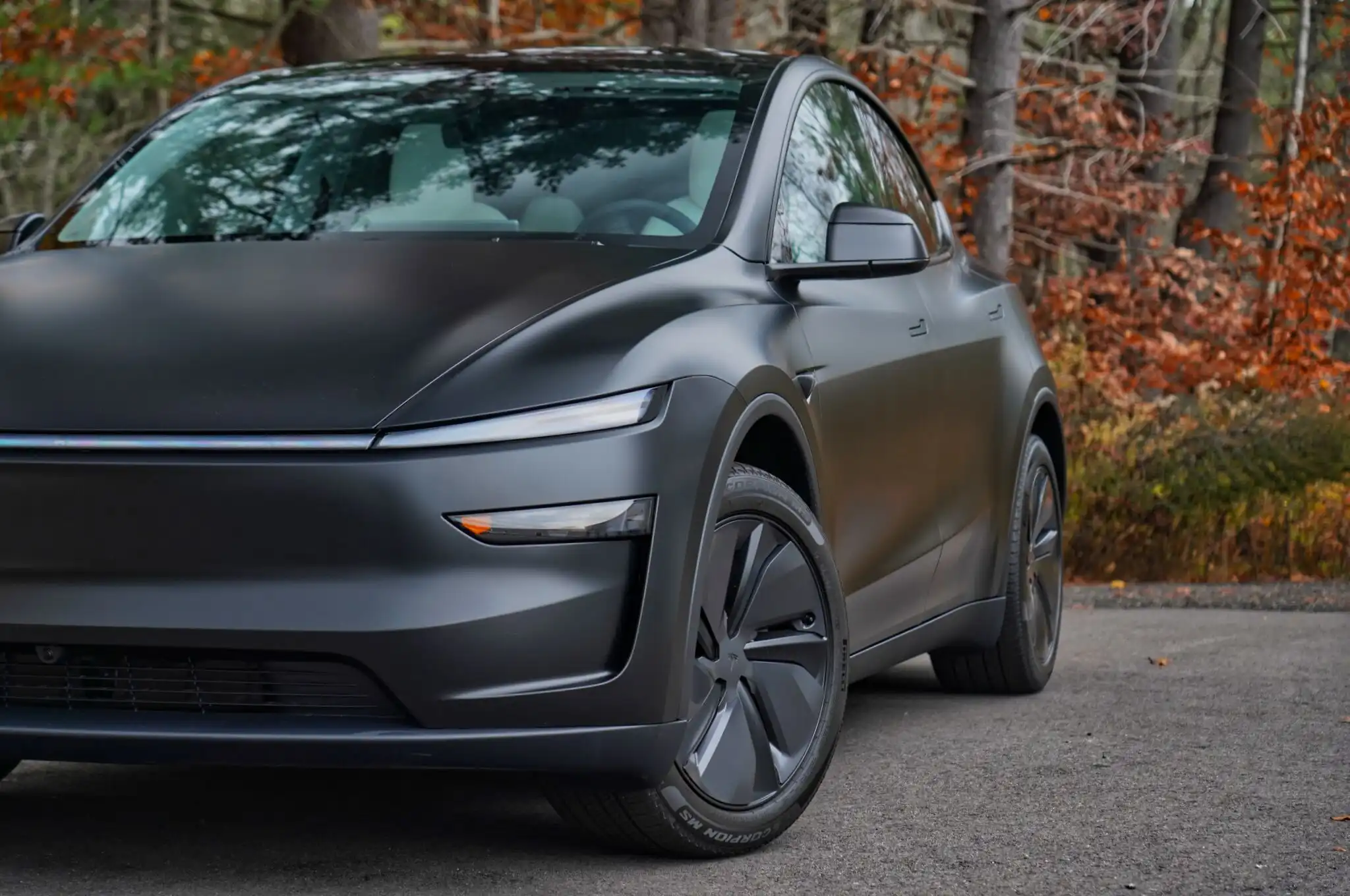
Tesla vehicles are known for clean design, large glass, and an open cabin feel. That glass is a major part of the driving experience, but it is also one of the most exposed parts of the vehicle.
Whether you drive a Model 3, Model Y, Model S, Model X, or Cybertruck, the windshield sees constant impact from road debris, sand, salt, small stones, bugs, and construction-zone grit.
Once the glass is chipped or cracked, repair or replacement can become inconvenient. That is why many Tesla owners choose to protect the windshield early.
At Kickin’ Customs in Raynham, we install XPEL windshield protection film for Tesla owners who want added defense before damage starts.
Windshield film benefits and limits
What Is Windshield Protection Film?
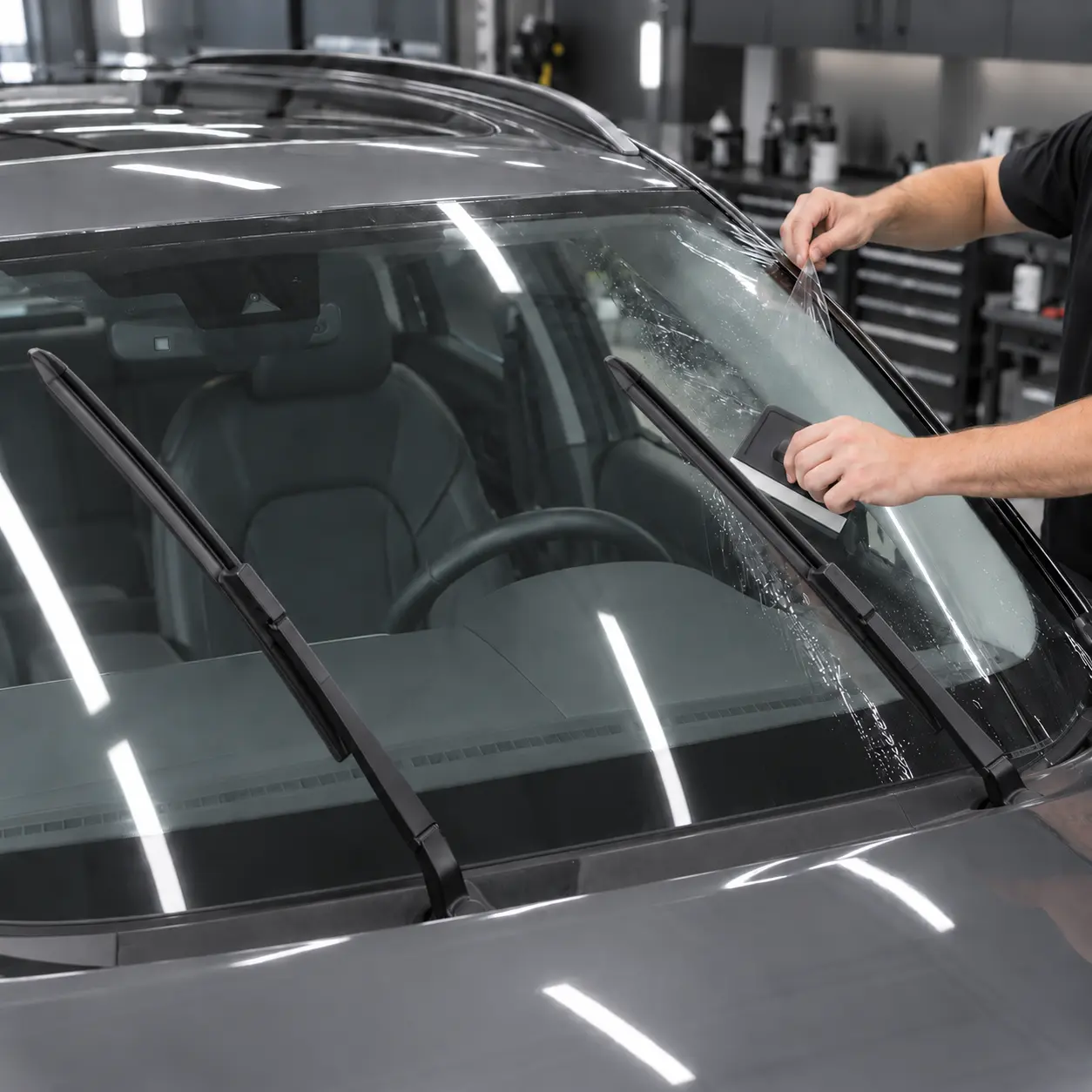
Windshield protection film is a clear film installed on the outside of the windshield. It acts as a sacrificial layer between the glass and the road.
The film is designed to take some of the abuse that would otherwise hit the bare windshield directly. If the film becomes worn over time, it can be removed and replaced.
It is important to be realistic. Windshield protection film does not make glass unbreakable. A hard enough impact can still cause damage. The value is in reducing the risk of certain chips, cracks, and surface pitting from common road debris.
Why Tesla Windshields Deserve Attention
Tesla windshields are large and highly visible. On many models, the glass helps create the open cabin feel owners like. The tradeoff is exposure.
More glass means more surface area for road debris, glare, heat, and wear.
In Massachusetts and Rhode Island, that exposure changes by season:
Winter brings salt, sand, and plow debris.
Spring brings road repair and construction grit.
Summer brings highway bugs, gravel, and hot glass.
Fall brings wet roads, leaves, and surface contamination.
Over time, the windshield can become pitted, chipped, or scratched. Even when the damage is minor, it can affect clarity and make the vehicle feel older than it is.
What Windshield Protection Film Can Help With
XPEL windshield protection film can help reduce the risk of:
Small rock chips
Certain cracks from road debris
Sand and salt wear
Surface pitting
Bug residue bonding directly to glass
Minor abrasion from daily driving exposure
This makes it especially useful for Tesla owners who commute, drive highways, travel often, park outside, or drive behind trucks and construction vehicles.
What Windshield Protection Film Cannot Do
Windshield protection film cannot prevent every type of damage.
Large impacts, sharp objects, existing glass weakness, heavy debris, or improper care can still lead to glass damage. No film can eliminate risk completely.
That is why windshield protection film should be understood as added protection, not a guarantee.
The best results come when the film is installed on clean glass that is still in good condition.
Tesla-specific glass considerations
Tesla Model 3 Windshield Protection
The Model 3 is commonly used as a commuter vehicle. That makes windshield protection film a practical upgrade.
The windshield sits in the path of road debris during highway driving and daily use. For owners who drive long distances or travel through construction zones, protecting the glass early makes sense.
Model 3 windshield protection pairs well with full front PPF, ceramic tint, and ceramic coating.
Tesla Model Y Windshield Protection
The Model Y is often used as a family vehicle, commuter, and road trip car. Its windshield is large, exposed, and heavily used.
Many Model Y owners protect the paint first, then realize the windshield is taking the same road abuse as the front bumper.
Windshield protection film is a smart add-on when the vehicle is new or the glass is still in excellent condition.
Tesla Model S and Model X Windshield Protection
Model S and Model X owners should take windshield protection seriously because these vehicles have large, expensive glass and higher ownership expectations.
The Model S has a low, wide driving position that can expose the windshield to highway debris. The Model X has an especially large windshield that creates an open cabin feel, but also increases glass exposure.
For Model X owners, windshield protection film and ceramic windshield tint are often discussed together. One protects the outside of the glass. The other improves comfort inside the cabin.
Tesla Cybertruck Windshield Protection
The Cybertruck has one of the most noticeable windshields in the Tesla lineup. It is large, upright, and exposed.
Because the Cybertruck may be used as a daily driver, work vehicle, road trip vehicle, or business vehicle, windshield protection film is worth discussing early.
It can be paired with ceramic windshield tint, full body PPF, and ceramic coating for a more complete protection package.
Tint, timing and package planning
Windshield Protection Film vs Windshield Tint
Windshield protection film and windshield tint do different jobs.
Windshield protection film is installed on the outside of the glass. Its job is to help protect against certain road impacts and surface wear.
Windshield tint is installed on the inside of the glass. Its job is heat rejection, glare reduction, and comfort.
Many Tesla owners choose both because they solve different problems.
When Should Windshield Protection Film Be Installed?
The best time to install windshield protection film is when the glass is new or still in very good condition.
If the windshield already has chips, cracks, scratches, or heavy pitting, it may not be the right candidate. Existing damage can affect the finished result and limit the value of the film.
For a new Tesla, windshield protection film should be considered at the same time as PPF, tint, and coating.
How Windshield Protection Fits Into a Tesla Package
A complete Tesla protection package may include:
● Full front PPF
● Rocker panel and lower door PPF
● Ceramic window tint
● Lighter ceramic windshield tint
● Windshield protection film
● Ceramic coating over paint, film, wheels, and glass
These upgrades work together. PPF protects high-impact painted areas. Ceramic tint improves comfort. Windshield protection film helps defend the glass. Ceramic coating makes the vehicle easier to maintain.
Is Windshield Protection Film Worth It for Every Tesla Owner?
Not every owner needs the same level of protection.
If the car is driven locally, parked indoors, and rarely sees highways, windshield protection film may be less urgent.
If the Tesla is used for commuting, highway driving, road trips, construction areas, or year-round New England roads, windshield protection film becomes much more valuable.
The best decision depends on mileage, driving routes, parking situation, and how long the owner plans to keep the vehicle.
Protecting Your Tesla Windshield at Kickin’ Customs
Tesla windshields are too exposed to treat as an afterthought.
At Kickin’ Customs in Raynham, we install XPEL windshield protection film for Tesla owners who want added defense against common road debris and glass wear.
If you are already planning PPF, ceramic tint, or ceramic coating for your Tesla, windshield protection film is worth discussing before the glass takes damage.
Frequently Asked Questions
What does windshield protection film do?
It adds a clear sacrificial layer to the outside of the windshield to help reduce the risk of certain chips, cracks, pitting, and surface wear.
Can windshield protection film stop all cracks?
No. A large enough impact can still damage the glass. The goal is risk reduction, not complete prevention.
Is windshield protection film the same as windshield tint?
No. Windshield protection film goes outside the glass for impact protection. Windshield tint goes inside the glass for heat and glare reduction.
Which Tesla models benefit most?
Model 3, Model Y, Model S, Model X, and Cybertruck owners can all benefit, especially if they commute or drive highways often.
When should windshield protection film be installed?
It should be installed when the windshield is new or still in very good condition.
Plan your next step
Protect your Tesla before windshield damage becomes a problem. Contact Kickin’ Customs in Raynham to review XPEL windshield protection film, ceramic windshield tint, PPF, and coating options.
