
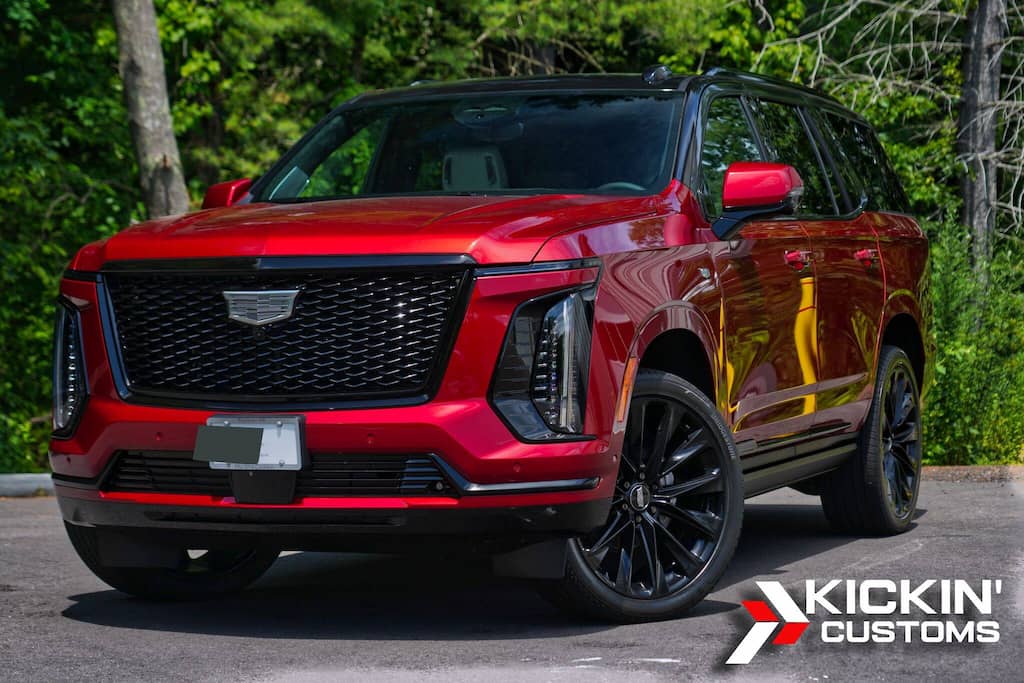
The short answer
A vinyl wrap is one of the most flexible ways to change the look of a vehicle without repainting it.
It can completely change the color. It can add a satin, matte, gloss, metallic, carbon-style, or color-shift finish. It can be used for a roof wrap, hood wrap, mirror caps, stripes, chrome delete, commercial graphics, or a full color change.
For many customers, vinyl wrap is about style first.
It gives the owner the ability to customize the vehicle, make it stand out, cover the original paint with a removable material, or create a branded look for a business vehicle.
At Kickin’ Customs in Raynham, MA, we install vinyl wraps for customers across Massachusetts and Rhode Island. Some customers want a full transformation. Others want smaller accents that change the personality of the vehicle without wrapping every panel.
Vinyl wrap is a great customization product, but expectations matter. It is not the same as paint. It is not the same as paint protection film. It has strengths, limits, and maintenance needs.
What vinyl wrap does
What Is a Vinyl Wrap?
A vinyl wrap is a thin, flexible film applied over the exterior surfaces of a vehicle.
The film is designed to conform to body panels, curves, edges, trim areas, and contours when installed properly. Instead of permanently changing the vehicle with paint, the wrap sits over the existing finish and changes the appearance.
Vinyl wrap can be used on full vehicles or specific areas.
A full wrap changes the overall color or finish of the vehicle. A partial wrap can add accents, contrast, stripes, roof styling, hood styling, or commercial branding.
This is why vinyl wrap is popular with owners who want customization without committing to permanent paintwork.
What Does a Vinyl Wrap Do?
A vinyl wrap changes the appearance of the vehicle.
That is the main purpose.
It can make a black vehicle satin gray. It can make a white vehicle gloss green. It can add a carbon-style roof. It can turn chrome trim black. It can add racing stripes. It can give a business vehicle branded graphics. It can make a truck, SUV, sports car, or daily driver feel more personal.
Vinyl wrap also covers the original paint while it is installed. This can help protect the paint from light surface wear, sun exposure, and minor contact from everyday use.
However, vinyl wrap should not be treated as true impact protection. It is not designed to absorb rock chips the way paint protection film does.
Vinyl Wrap Is Different From Paint
Paint permanently changes the vehicle’s finish.
Vinyl wrap covers the existing finish with a removable film.
That reversibility is one of the biggest reasons customers choose vinyl. If the owner gets tired of the color, sells the vehicle, changes the style, or wants to return to the factory paint, the wrap can usually be removed when handled properly.
That makes wrap a strong option for customers who want a custom look without permanently changing the vehicle.
Paint still has its place, especially for collision repair, restoration, or permanent color changes. But for customization, finish variety, and flexibility, vinyl wrap gives customers more options.
Vinyl Wrap Is Different From Paint Protection Film
Vinyl wrap and paint protection film are often confused, but they are not the same product.
Vinyl wrap is primarily for appearance.
Paint protection film is primarily for protection.
PPF is thicker and designed to help protect against rock chips, road debris, bug acids, salt, sand, and light abrasion. Vinyl wrap can cover paint and provide some light surface protection, but it is not built to take the same abuse as PPF.
If your main goal is to stop rock chips on the front bumper, hood, mirrors, rocker panels, lower doors, or rear quarters, paint protection film is the better product.
If your main goal is changing the color or style of the vehicle, vinyl wrap is the right conversation.
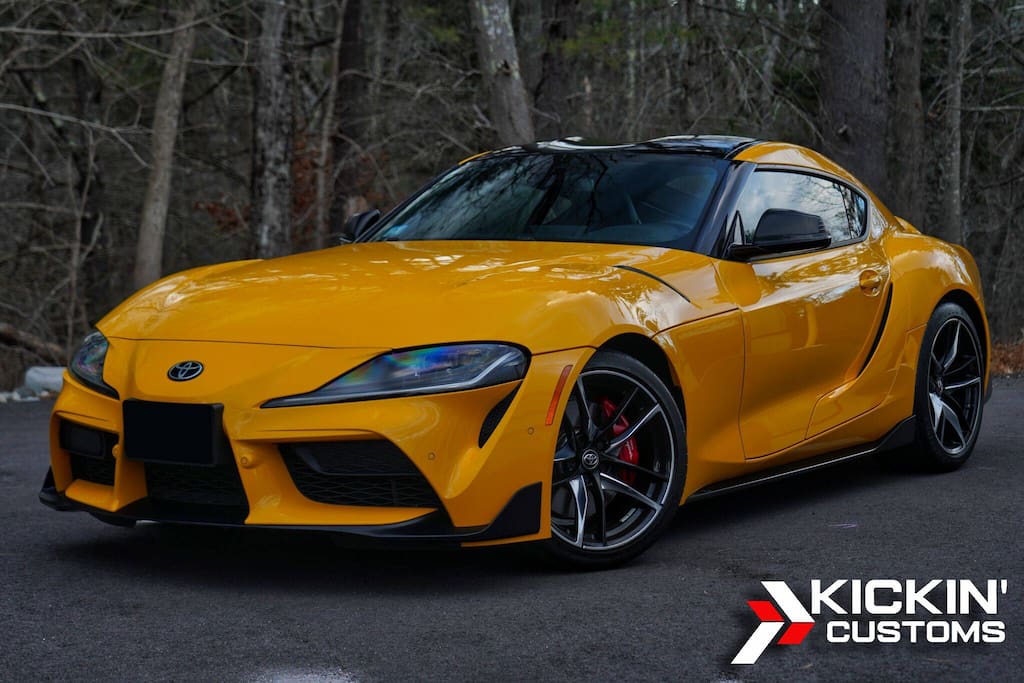
Installation and coverage
How Does Vinyl Wrap Work?
Vinyl wrap starts with the right film, the right surface prep, and the right installation plan.
The vehicle must be cleaned properly before installation. Dirt, wax, grease, road grime, tar, adhesive residue, and contamination can affect how the film lays and bonds.
The film is then measured, positioned, applied, heated, stretched where appropriate, trimmed, and finished around body lines, edges, panel gaps, and trim areas.
Different panels require different techniques. A hood is different from a bumper. A bumper is different from a mirror. A roof is different from a rocker panel.
A quality wrap installation depends on understanding how the film behaves and where its limits are.
Surface Condition Matters
Vinyl wrap goes over the existing surface.
That means the condition of the paint matters.
If the paint is clean, healthy, and original, the wrap usually has a better foundation. If the vehicle has peeling clear coat, rust, dents, deep scratches, failing paint, repainted panels, heavy chips, or body damage, the wrap may not hide everything or may not bond properly.
Vinyl is not bodywork.
It can change the color and appearance, but it does not repair damaged panels. In some cases, defects under the wrap may still show through.
Before wrapping a vehicle, the surface should be inspected so expectations are clear.
Full Color Change Wraps
A full color change wrap is the most dramatic vinyl wrap option.
This involves wrapping the majority of the painted exterior panels to make the vehicle look like a different color or finish. Common choices include gloss colors, satin finishes, matte finishes, metallic colors, color-shift films, and specialty textures.
A full wrap can completely change the personality of the vehicle.
It is popular on sports cars, luxury vehicles, trucks, SUVs, EVs, and daily drivers where the owner wants something different from factory paint.
Full wraps require more time, more material, more disassembly decisions, and more detailed installation than small accents. The vehicle shape, film choice, panel complexity, and finish expectations all matter.
Partial Wraps and Accent Wraps
Not every customer wants or needs a full wrap.
Partial wraps can create a strong visual impact without covering the entire vehicle.
Common partial wrap areas include roofs, hoods, mirrors, spoilers, trim pieces, stripes, lower accents, chrome delete, pillars, and emblems.
A black roof wrap can change the stance of a white vehicle. Satin mirror caps can add contrast. Stripes can give a performance vehicle more personality. A chrome delete can modernize a luxury vehicle or SUV.
Partial wraps are a good option when the goal is style without the cost or commitment of a full color change.
Vinyl Wrap for Business Vehicles
Vinyl wrap is also useful for business branding.
Commercial graphics, logos, lettering, partial wraps, and full commercial wraps can turn a vehicle into a moving advertisement.
For local businesses, this can be valuable because the vehicle is seen while driving, parked at jobs, sitting in traffic, or parked outside the business.
Commercial wraps can be simple or bold depending on the brand. Some businesses want clean lettering and contact information. Others want a full design that covers large areas of the vehicle.
The goal is to make the vehicle look professional, readable, and consistent with the business.
Finishes, films and protection
What Finishes Are Available?
Vinyl wrap comes in a wide range of finishes.
Gloss films can look similar to paint and are a strong choice for customers who want a clean factory-style color change.
Satin films sit between gloss and matte. They have a soft reflection without a full shine.
Matte films create a flatter, more aggressive look.
Metallic films add depth and sparkle.
Color-shift films change appearance depending on light and angle.
Textured films can mimic carbon fiber, brushed metal, or other specialty looks.
The right finish depends on the vehicle and the owner’s style. A finish that looks great on a coupe may not fit the same way on a large SUV. A subtle satin color may work better on a luxury vehicle, while a bold color-shift may make sense on a show-focused build.
What Brands Are Commonly Used?
There are several quality vinyl wrap brands on the market.
Kickin’ Customs works with reputable films such as Avery Dennison, 3M, KPMF, Oracal, Hexis, Cheetah Wrap, and EVOLV, depending on the project, finish, availability, and customer goals.
Film choice matters because not all vinyl behaves the same. Some films install differently. Some stretch differently. Some finishes are more sensitive. Some colors are more durable than others. Some specialty films require extra care.
A good wrap conversation should include both the color and the film choice, not just a picture from the internet.
What Vinyl Wrap Does Protect Against
Vinyl wrap can provide light surface coverage while it is installed.
It can help shield the original paint from some minor environmental exposure, light surface wear, and small contact marks. It can also keep the original color covered from normal sunlight exposure while the wrap is on the vehicle.
For a leased vehicle, business vehicle, or custom build, that can be useful.
However, this protection should be understood as a side benefit, not the main purpose of vinyl wrap.
Vinyl is for style and customization first.
What Vinyl Wrap Does Not Protect Against
Vinyl wrap does not provide the same protection as paint protection film.
It is not designed to stop rock chips. It is not made to absorb repeated road debris impacts. It will not prevent deep scratches, dents, scrapes, or damage from harsh contact.
A hard enough rock can cut vinyl and still damage what is underneath. A scrape against a wall, branch, tool, shopping cart, or another vehicle can damage the wrap and possibly the paint.
If protection is the priority, especially on the front end or lower panels, XPEL paint protection film is usually the better product.
If style is the priority, vinyl wrap makes sense.
Can You Put PPF Over Vinyl Wrap?
In some situations, paint protection film can be installed over vinyl wrap, but it depends on the film, finish, panel, shape, and goal.
For example, a customer may want PPF over a high-impact wrapped area to help protect the wrap from road debris. This can be useful on front bumpers, rocker panels, or other areas that take abuse.
However, this needs to be planned carefully.
Not every wrap finish is ideal for PPF. Some textured, matte, satin, metallic, or specialty films may react differently. The added layer can also affect appearance, edges, and removal.
If both style and protection are goals, it is best to discuss the plan before the wrap is installed.
Can You Ceramic Coat Vinyl Wrap?
Ceramic coating can be applied over some vinyl wraps.
This can help improve slickness, water behavior, UV resistance, and ease of cleaning. For wrapped vehicles, ceramic coating can make maintenance easier and help keep the finish looking better.
The right coating and maintenance products matter, especially on matte, satin, or textured films.
Do not polish matte or satin wrap. Do not use gloss-enhancing products on finishes that are not supposed to shine. Do not use aggressive chemicals or abrasive towels.
A wrapped vehicle still needs careful maintenance.
Lifespan, removal and care
How Long Does a Vinyl Wrap Last?
Vinyl wrap lifespan depends on the film, installation, finish, exposure, storage, maintenance, mileage, and climate.
A garage-kept vehicle that is hand washed and lightly driven will usually have an easier life than a daily driver parked outside all year.
Sun exposure, salt, winter weather, harsh washing, road debris, and poor maintenance can shorten the life of a wrap.
Specialty finishes may also need more careful care than standard gloss films.
Vinyl wrap should be viewed as temporary customization. It is meant to last for a period of ownership, not forever.
Is Vinyl Wrap Removable?
Yes, vinyl wrap is designed to be removable.
That is one of its biggest advantages over paint.
When installed over healthy factory paint and removed properly within a reasonable lifespan, vinyl wrap can usually be removed without permanently changing the original color underneath.
That said, removal is affected by the condition of the paint, how long the wrap has been on the vehicle, sun exposure, film quality, installation quality, and whether any panels were repainted.
Repainted panels, failing clear coat, rock chips, rust, and damaged paint can increase removal risk.
This is why starting with healthy paint matters.
Maintenance Matters With Vinyl Wrap
Vinyl wrap needs proper care to look its best.
Wrapped vehicles should be washed regularly with safe products and clean microfiber towels. Automatic brush washes should be avoided because brushes can scratch the film, catch edges, or wear down the surface.
Harsh chemicals, abrasive towels, strong degreasers, petroleum-based products, and aggressive scrubbing can damage or stain the wrap.
Bug splatter, bird droppings, sap, salt, and road grime should be removed as soon as reasonably possible.
Matte and satin wraps need special care because the wrong product can create uneven shine.
A wrap is durable, but it is not maintenance-free.
Installation Quality Matters
Vinyl wrap installation is skill-based.
The result depends on surface prep, panel planning, film choice, temperature, stretch control, trimming, edge finishing, post-heating, and knowing when a panel needs relief cuts or separate pieces.
A poor installation can lead to lifting, shrinking, overstretching, edge failure, bubbles, visible cut marks, or premature wear.
Some vehicles are much harder to wrap than others. Deep bumpers, sharp body lines, complex mirrors, aggressive scoops, textured plastics, and tight trim areas can all increase difficulty.
At Kickin’ Customs, we focus on choosing the right approach for the vehicle and setting realistic expectations before the project starts.
Vinyl Wrap Is Not Always the Right Product
Vinyl wrap is not the best choice for every vehicle or every goal.
If the paint is failing, peeling, rusted, heavily chipped, or poorly repainted, wrap may not perform well.
If the owner expects rock chip protection, paint protection film is the better choice.
If the owner wants a permanent color change that will last like factory paint, repainting may be the better long-term option.
If the owner wants temporary customization, finish options, reversibility, and style flexibility, vinyl wrap is a great fit.
The right product depends on the goal.
Final Thoughts
A vinyl wrap is a removable film used to change the appearance of a vehicle.
It can create a full color change, add accents, cover chrome, install stripes, create business branding, or give the vehicle a finish that paint may not easily provide.
Vinyl wrap can provide light surface coverage while installed, but it is not the same as paint protection film. It should not be expected to stop rock chips, deep scratches, dents, or heavy road damage.
At Kickin’ Customs in Raynham, MA, we install vinyl wraps for customers across Massachusetts and Rhode Island who want a more personal, custom, or branded vehicle. Whether you want a full color change, roof wrap, hood wrap, mirror accents, stripes, chrome delete, or commercial graphics, we can help you choose the right film and finish for your vehicle.
Vinyl wrap is about making the vehicle look like yours.
Frequently Asked Questions
What is a vinyl wrap?
A vinyl wrap is a flexible film applied over a vehicle’s painted surfaces to change the color, finish, style, or branding without repainting the vehicle.
What does a vinyl wrap do?
A vinyl wrap changes the appearance of the vehicle. It can create a full color change, accent certain areas, cover chrome, add stripes, or display commercial graphics.
Is vinyl wrap the same as paint protection film?
No. Vinyl wrap is mainly for style and customization. Paint protection film is designed for impact protection against rock chips, road debris, and road rash.
Does vinyl wrap protect paint?
Vinyl wrap can provide light surface coverage while installed, but it should not be treated as true impact protection. For rock chips and road debris, PPF is the better product.
Can vinyl wrap be removed?
Yes, vinyl wrap is designed to be removable. Removal is safest when the wrap was installed over healthy paint and removed properly within a reasonable lifespan.
Can you ceramic coat a vinyl wrap?
Yes, some vinyl wraps can be ceramic coated to improve slickness, water behavior, UV resistance, and ease of cleaning. Matte and satin finishes need the right products.
How long does a vinyl wrap last?
Vinyl wrap lifespan depends on film quality, installation, exposure, maintenance, storage, and climate. It should be viewed as temporary customization, not a permanent finish.
Can I wrap a damaged vehicle?
Sometimes, but expectations need to be realistic. Vinyl does not repair dents, rust, failing clear coat, peeling paint, or deep scratches. Surface condition matters before wrapping.
Plan your next step
Ready to change the look of your vehicle without repainting it? Contact Kickin’ Customs in Raynham, MA to discuss full wraps, partial wraps, accents, chrome delete, stripes, and commercial vehicle graphics.
