
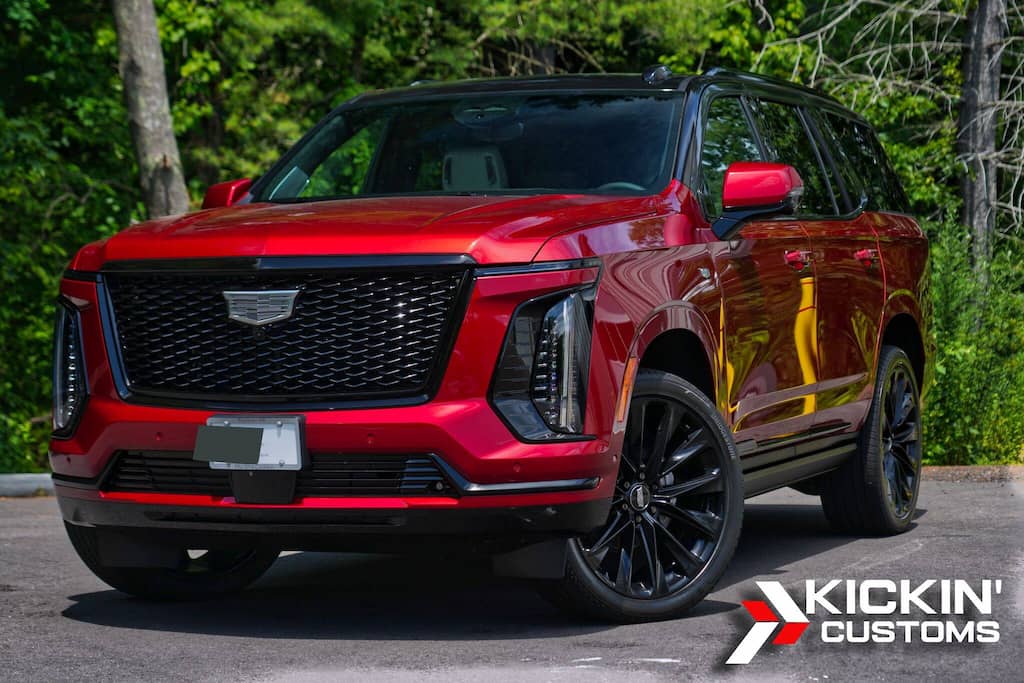
The short answer
A vinyl wrap can last several years when the right film is installed properly and maintained with care.
But there is no single lifespan that applies to every vehicle.
Wrap durability depends on film quality, installation quality, sun exposure, garaging, washing habits, climate, vehicle use, and even which panels are wrapped. A garage-kept weekend car will usually be easier on vinyl than a daily driven truck parked outside year-round. A gloss roof wrap exposed to full sun every day will usually age faster than a side accent on a garaged vehicle.
At Kickin’ Customs in Raynham, MA, we install vinyl wraps, color change wraps, chrome deletes, roof wraps, mirror wraps, stripes, decals, and commercial graphics for customers across Massachusetts and Rhode Island. Our goal is to help customers understand what a wrap can do, how long it can last, and what affects its appearance over time.
A vinyl wrap is a style product first. It can completely change the look of a vehicle, but it still needs realistic expectations and proper care.
Film and expected lifespan
Vinyl Wrap Lifespan Depends on the Film
Film quality matters.
Premium vinyl wrap films are designed for automotive use. They are made to conform to curves, handle outdoor exposure, and be removable within a reasonable service life when installed and removed properly.
Lower quality films may look good at first but can age poorly. They may shrink, fade, crack, stain, lift, or leave more adhesive behind during removal.
At Kickin’ Customs, we use reputable vinyl wrap brands depending on the project, finish, availability, and vehicle. Common wrap brands in the industry include Avery Dennison, 3M, Oracal, KPMF, Hexis, Cheetah Wrap, and EVOLV.
Not every film from every brand behaves the same. Gloss, satin, matte, metallic, color-shift, textured, printed, and specialty films can all have different expectations.
Choosing the right film is the first step toward a better long-term result.
A Realistic Vinyl Wrap Lifespan
For many vehicles, a properly installed and maintained vinyl wrap can last around 3 to 5 years.
Some wraps may last longer in ideal conditions. Some may show wear sooner in harsher conditions.
A garage-kept vehicle that is washed properly, parked away from constant sun, and not driven through harsh weather may hold up better. A daily driver parked outside, driven through New England winters, washed poorly, and exposed to heavy sun may age faster.
Horizontal panels usually age faster than vertical panels. This means hoods, roofs, trunk lids, and upper surfaces often show wear sooner than doors, quarter panels, and lower side panels.
That is normal because horizontal panels take more direct sun, heat, rain, snow, pollen, bird droppings, and water spotting.
Exposure, storage and washing
Sun Exposure Is One of the Biggest Factors
Sun exposure is one of the biggest factors in vinyl wrap lifespan.
UV rays, heat, and constant outdoor exposure can dry, fade, or weaken vinyl over time. Dark colors, gloss black roofs, matte finishes, and specialty films may show sun-related wear more quickly depending on the material and vehicle use.
A vehicle parked outside every day will usually age faster than one kept in a garage or shaded area.
This is especially important for roof wraps, hood wraps, trunk wraps, and upper panels because they receive the most direct sunlight.
If you want a wrap to last longer, parking in a garage or shaded area whenever possible can help.
Horizontal Panels Age Faster
Not all wrapped panels age the same way.
Horizontal panels take the most abuse from the sun and weather. Roofs, hoods, trunks, tonneau covers, and upper spoiler surfaces sit directly under UV exposure, rain, snow, ice, pollen, sap, bird droppings, and hard water.
These panels can fade, stain, crack, or wear faster than vertical panels.
This is why a gloss black roof wrap may not have the same lifespan as a chrome delete or side graphic. The roof takes much more direct exposure every day.
If a customer is planning a roof wrap, hood accent, or large horizontal panel wrap, it is important to understand that those areas may need replacement sooner than the rest of the vehicle.
Garaging Helps Extend Wrap Life
Garaging a wrapped vehicle can make a major difference.
A garage helps reduce UV exposure, temperature swings, rain, snow, pollen, sap, and bird droppings. It also helps protect the vehicle from long-term outdoor wear.
This does not mean a wrapped vehicle must be garage-kept. Many wrapped vehicles are daily driven and parked outside.
It simply means the wrap’s lifespan will usually be better when the vehicle is protected from constant exposure.
For customers who park outside, maintenance becomes more important.
Regular washing, safe drying, and removing contamination quickly can help reduce staining and premature aging.
Maintenance Has a Major Impact
A vinyl wrap needs proper maintenance.
Good maintenance can help preserve appearance. Poor maintenance can shorten the life of the film.
Wrapped vehicles should be hand washed with gentle automotive soap, clean wash media, and soft microfiber towels. Avoid automatic brush washes, harsh chemicals, abrasive pads, pressure washing too close to edges, and aggressive scrubbing.
Bugs, bird droppings, tree sap, salt, and road grime should be removed as soon as reasonably possible. These contaminants can stain or damage vinyl if left sitting too long, especially in heat or direct sun.
A wrap is not difficult to care for, but it should not be treated like bare paint.
Automatic Brush Washes Are Not Recommended
Automatic brush washes are not ideal for vinyl wrapped vehicles.
The brushes can drag dirt and grit across the film. They can scratch the surface, catch edges, wear down the finish, or cause lifting over time.
Touchless washes are usually safer than brush washes, but they can still use strong chemicals that may not be ideal for vinyl wrap, matte finishes, satin finishes, printed graphics, trim, or coatings.
The safest option is a proper hand wash.
If you invested in a wrap to change the look of your vehicle, the wash process should help protect that finish.
Harsh Chemicals Can Damage Vinyl
Vinyl wrap can be sensitive to harsh chemicals.
Strong degreasers, petroleum-based cleaners, aggressive bug removers, abrasive compounds, harsh solvents, and unknown detailing sprays can damage or stain film.
This is especially true on matte, satin, textured, metallic, color-shift, or printed finishes.
Some products may leave residue. Some may create shiny spots. Some may dry out the film. Some may affect adhesive near edges.
Use products that are safe for vinyl wrap. When in doubt, ask before applying anything.
Finish and vehicle use
Matte and Satin Wraps Need Special Care
Matte and satin vinyl wraps need careful maintenance.
Do not polish them. Do not use gloss-enhancing products. Do not wax them with products that can create uneven shine. Do not scrub stains aggressively.
Matte and satin finishes can show oily marks, streaks, water spots, and inconsistent shine if the wrong product is used.
This matters for satin black, matte gray, satin pearl, matte color-shift, and similar finishes.
A gloss wrap and a matte wrap should not always be maintained the same way.
If your vehicle has a matte or satin wrap, use products designed for that finish.
Color and Finish Affect Longevity
The color and finish of the wrap can affect how it ages.
Gloss finishes are usually easier to maintain than matte or satin finishes. Dark colors may show scratches, dust, and water spots more easily. Bright colors may be more noticeable if fading occurs. Metallic and specialty films may require more careful cleaning.
Textured films, carbon-style films, brushed finishes, chrome-style films, and color-shift films may also have different durability expectations.
The more specialty the film, the more important realistic expectations become.
A standard gloss color change and a chrome-style wrap are not the same ownership experience.
Vehicle Use Affects Wrap Life
How the vehicle is used matters.
A daily driver sees more road grime, salt, sand, bugs, rain, snow, parking lots, hand contact, fuel spills, and washing than a weekend car.
A truck or SUV may see mud, cargo use, winter grime, kids, pets, and work use.
A performance car may see bugs, rubber, brake dust, road debris, and higher heat around certain areas.
A commercial vehicle may be driven daily, parked outside, and exposed to more frequent washing.
The more the vehicle is used, the harder the wrap works.
That does not mean vinyl wrap is a bad choice for daily drivers. It means the expected lifespan should match the vehicle’s real life.
Massachusetts and Rhode Island Weather Matters
New England weather is not easy on vehicle wraps.
Massachusetts and Rhode Island vehicles deal with winter salt, sand, slush, snow, ice, freezing temperatures, spring pollen, summer heat, humidity, rain, coastal air, tree sap, and bugs.
These conditions can affect how vinyl ages.
Winter salt and grime should not sit on the wrap for long periods. Snow and ice should not be scraped aggressively from wrapped surfaces. Bug splatter and bird droppings should be removed quickly during warm months.
A wrap can absolutely be used in this climate, but maintenance matters more here than it might in a milder environment.
Complex Curves and Edges Can Affect Wear
Some vehicle areas are harder on vinyl than others.
Deep bumper pockets, mirrors, door handles, antennas, roof rails, textured trim, sharp body lines, tight corners, scoops, vents, and recessed areas can all create more stress on the film.
Vinyl wrap has limits. It can stretch and conform, but it should not be forced beyond what the material can handle. Areas with heavy stretch or constant tension may be more likely to lift, shrink, or show wear over time.
Good installation helps manage this, but vehicle design still matters.
A simple flat panel and a complex performance bumper are not the same wrap challenge.
Paint, removal and protection
Paint Condition Affects Wrap Longevity
Vinyl wrap adheres to the surface underneath.
If the paint is clean, smooth, original, and in good condition, the wrap usually has a better foundation.
If the paint has peeling clear coat, rock chips, rust, bad bodywork, failing repaint, poorly repaired panels, or contamination, the wrap may not adhere properly. It may also show imperfections through the film.
Vinyl wrap is not bodywork. It does not hide every flaw.
In some cases, damaged paint can also make removal riskier because the film adhesive may pull weak paint or failing clear coat during removal.
This is why paint condition should be discussed before wrapping a vehicle.
Repainted Panels Need Extra Caution
Repainted panels can be more unpredictable than factory paint.
A high-quality repaint that was done properly and fully cured may be fine. A poor repaint, rushed repair, or panel with weak clear coat can create problems.
Vinyl wrap adhesion and removal both depend on the surface.
If a repainted panel has poor adhesion, the wrap may lift paint during removal. If bodywork is uneven, the film may reveal imperfections. If the clear coat is already failing, vinyl will not fix it.
Customers should be honest about paint history before wrapping.
A wrap is only as reliable as the surface underneath it.
Vinyl Wrap Can Be Removed, But Timing Matters
One of the benefits of vinyl wrap is that it can usually be removed when installed on healthy paint and removed within the expected service life.
But timing matters.
A wrap that is removed within a reasonable lifespan is usually easier to remove than one left on far too long. Old, sun-baked, cracked, or neglected vinyl can become harder to remove and may leave more adhesive behind.
This is another reason not to wait until the wrap is badly failing before planning removal or replacement.
If a wrap starts showing serious aging, cracking, fading, or lifting, it is usually better to address it sooner rather than later.
Wrap Lifespan Is Not the Same as Paint Protection Film
Vinyl wrap and paint protection film are different products.
Vinyl wrap is mainly for style. Paint protection film is for protection.
PPF is thicker, more impact-resistant, and designed to defend paint from rock chips, road debris, and light abrasions. Many PPF products also have self-healing properties.
Vinyl wrap can provide light surface coverage, but it does not offer the same impact protection as PPF.
If the goal is maximum paint protection, PPF or color PPF may be the better choice. If the goal is appearance change, vinyl wrap may make more sense.
Ceramic Coating Can Help Make Wrap Maintenance Easier
Ceramic coating can often be applied over vinyl wrap when the film and finish are compatible.
Coating a wrap can help improve slickness, water behavior, and ease of cleaning. It may help the wrap stay cleaner and make maintenance easier.
This can be especially helpful on daily drivers, black wraps, matte wraps, satin wraps, commercial graphics, and vehicles parked outside.
Ceramic coating does not make vinyl indestructible. It does not stop deep scratches, cuts, staining, or poor wash damage.
It simply helps make maintenance easier when used correctly.
Replacement and longer service life
Signs a Vinyl Wrap May Be Near the End of Its Life
A wrap may be nearing the end of its useful life if it starts cracking, fading, shrinking, lifting, staining, turning brittle, or showing heavy wear on horizontal panels.
Edges may begin to pull back. Corners may lift. The finish may look dull or uneven. Adhesive may become more difficult to remove as the film ages.
If you notice these signs, it is smart to have the wrap inspected.
Waiting too long can make removal more difficult and may increase the chance of adhesive residue or paint-related concerns.
When Should You Replace a Vinyl Wrap?
A vinyl wrap should be replaced when it no longer looks the way you want, when the film is damaged, when it is aging heavily, or when removal becomes the smarter option.
Sometimes only one section needs to be replaced, such as a roof wrap, hood accent, mirror cap, bumper section, stripe, or damaged panel.
Other times, the full wrap may need removal and replacement.
The best timing depends on film condition, vehicle use, sun exposure, and the owner’s goals.
An inspection can help determine whether the wrap can be cleaned, repaired, partially replaced, or should be removed.
How to Help a Vinyl Wrap Last Longer
The best way to help a vinyl wrap last longer is to maintain it consistently.
Hand wash the vehicle with gentle products. Use clean microfiber towels. Avoid automatic brush washes. Avoid harsh chemicals. Remove bugs, bird droppings, sap, salt, and road grime quickly. Park in a garage or shade when possible. Avoid pressure washing too close to edges. Do not scrub matte or satin finishes aggressively.
If the wrap is aging, have it inspected before it fails badly.
A wrap will always have a service life. Good care helps you get the most from that life.
Final Thoughts
A vinyl wrap can last several years, but lifespan depends on film quality, installation, sun exposure, garaging, maintenance, weather, vehicle use, and panel location.
Horizontal panels like roofs, hoods, and trunks usually age faster than vertical panels. Vehicles parked outside in the sun will usually age faster than garage-kept vehicles. Poor washing, harsh chemicals, automatic brush washes, and neglect can shorten the life of the wrap.
At Kickin’ Customs in Raynham, MA, we install vinyl wraps, roof wraps, chrome deletes, stripes, accent packages, commercial wraps, and color change wraps for customers across Massachusetts and Rhode Island.
A vinyl wrap is a style investment. Proper care helps protect the look for as long as possible.
Frequently Asked Questions
How long does a vinyl wrap last?
Many vinyl wraps can last around 3 to 5 years with proper film, installation, and maintenance. Lifespan depends on sun exposure, storage, vehicle use, film type, and care.
Does garaging help a vinyl wrap last longer?
Yes. Garaging helps reduce UV exposure, weather exposure, pollen, sap, bird droppings, and temperature swings, which can help extend wrap life.
Do roof wraps last as long as side wraps?
Usually not. Roof wraps and other horizontal panels often age faster because they receive more direct sun, heat, rain, snow, and contamination.
Can automatic car washes damage vinyl wrap?
Yes. Automatic brush washes can scratch the film, catch edges, wear the finish, and contribute to lifting or premature aging.
Does vinyl wrap protect paint?
Vinyl wrap can provide light surface coverage, but it does not provide the same rock chip or impact protection as paint protection film.
Can ceramic coating help a vinyl wrap last longer?
Ceramic coating can make a compatible vinyl wrap easier to clean and maintain. It does not make the wrap indestructible, but it can improve slickness and water behavior.
Can a vinyl wrap be removed?
Yes, vinyl wrap can usually be removed when installed over healthy paint and removed within its expected service life. Old, neglected, or sun-baked wraps may be harder to remove.
Does paint condition matter before wrapping?
Yes. Peeling clear coat, rust, rock chips, bodywork, bad repaints, and failing paint can affect wrap adhesion, appearance, and removal.
When should I replace a vinyl wrap?
A wrap may need replacement if it is cracking, fading, lifting, shrinking, staining, becoming brittle, or no longer looks the way you want.
Plan your next step
Want a new look with realistic expectations and proper installation? Contact Kickin’ Customs in Raynham, MA to discuss vinyl wrap options, color change wraps, accent packages, chrome deletes, or color paint protection film.
