
The short answer
Trucks and SUVs take a different kind of abuse than smaller vehicles.
They are larger. They sit higher. They often have wider tires, bigger mirrors, taller front ends, larger painted bumpers, and more exposed lower panels. Many are also used harder. Commuting, towing, job sites, kids, pets, winter roads, beach trips, boat ramps, and weekend projects all add wear over time.
That is why paint protection film can make a lot of sense on trucks and SUVs.
At Kickin’ Customs in Raynham, MA, we install XPEL paint protection film on pickups, full-size SUVs, luxury SUVs, family vehicles, off-road builds, EV trucks, and daily driven utility vehicles across Massachusetts and Rhode Island. The goal is not to treat every truck like a show car. The goal is to protect the areas that take damage first.
For trucks and SUVs, those areas are not always limited to the front bumper.
Body size and tire exposure
Trucks and SUVs Have More Surface Area Exposed
A truck or SUV usually gives road debris more to hit.
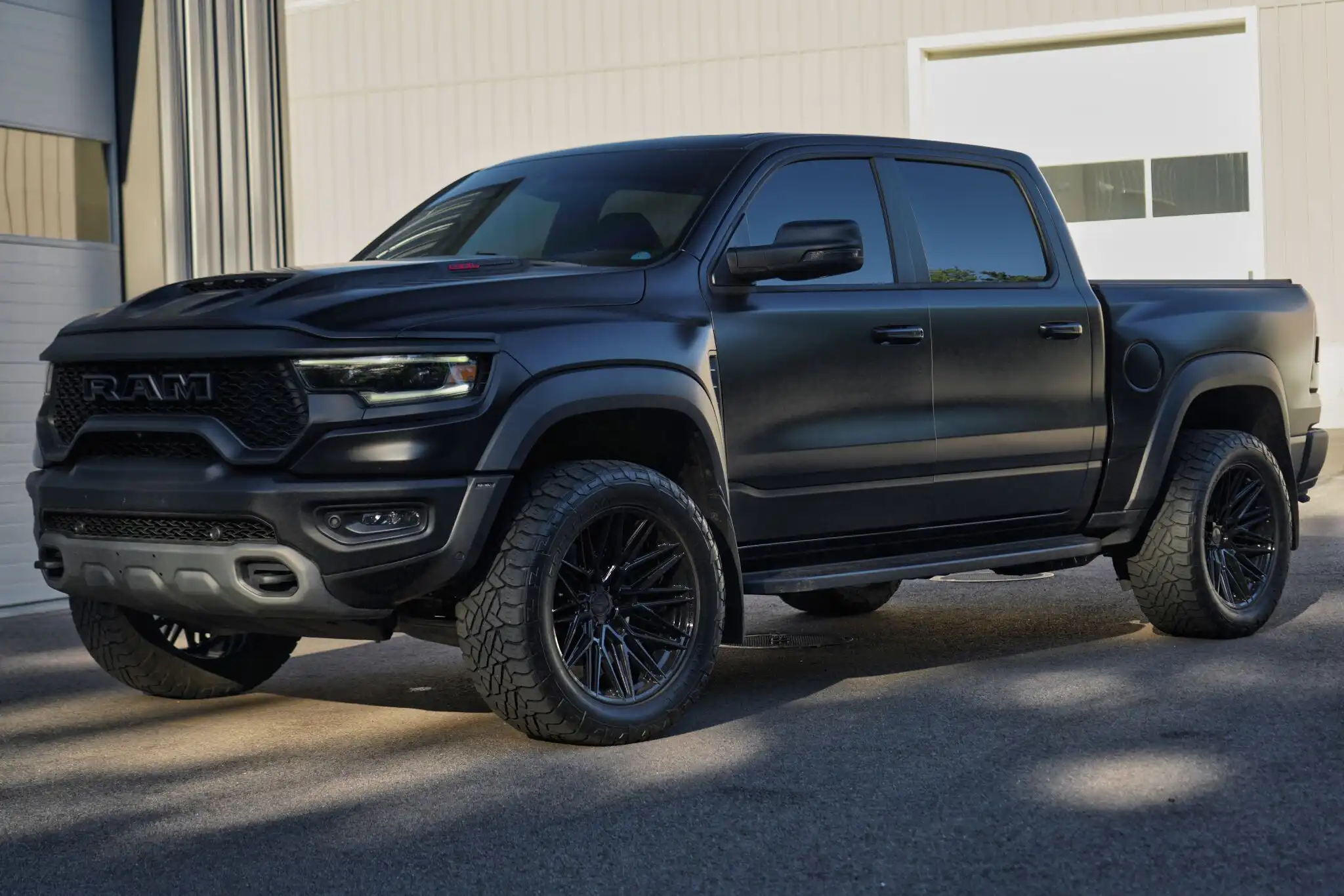
The front end is larger. The bumper is taller. The hood may sit higher. The mirrors are often bigger. The lower doors, rocker panels, rear quarters, bedsides, and tailgate areas are frequently exposed to tire sling, road grime, cargo, and daily use.
On many modern trucks and SUVs, more of the exterior is painted than people realize. Front bumper covers, lower trim, door bottoms, tailgate sections, fender flares, rear bumper areas, and painted lower panels can all collect chips and scratches.
Once that damage starts, it can make a newer vehicle look worn quickly.
PPF helps by placing a sacrificial layer over the areas most likely to get hit.
Large Front Ends Take Direct Impact
The front end is still the first major concern.
Trucks and SUVs often have large upright bumpers and grilles. That shape gives rocks, sand, salt, bugs, and highway debris a wide target. On a smaller car, some debris may pass over or around the vehicle. On a larger SUV or pickup, more of it hits the front end directly.
The front bumper, hood leading edge, headlights, grille surround, mirrors, and fender fronts can all take abuse quickly.
This is especially true for vehicles driven on Route 24, I-495, I-95, Route 3, the Mass Pike, Cape Cod routes, and Rhode Island highways. Normal commuting can be enough to start creating chips.
A full front PPF package is usually a strong starting point for a truck or SUV, especially if the owner wants to protect the areas that see direct impact first.
Tires Make a Big Difference
Tires play a major role in paint damage.
Wider tires, aggressive tread patterns, all-terrain tires, mud-terrain tires, and larger wheel setups can throw more debris into the body. Even factory tire setups can create issues depending on the vehicle shape.
The debris does not only come from vehicles in front of you. A truck or SUV can throw sand, salt, stones, and gravel into its own rocker panels, lower doors, rear quarters, fender flares, and lower bedsides.
This is why some trucks develop chips and road rash along the lower body faster than the owner expects.
The more aggressive the tire setup, the more important lower body protection becomes.
Rocker Panels and Lower Doors Are High-Impact Areas
On trucks and SUVs, rocker panels and lower doors are some of the most abused areas on the vehicle.
They sit directly in the path of debris kicked up by the front tires. They also collect winter salt, sand, tar, mud, brake dust, road grime, and dirty water.
Over time, this can create chips, scuffs, staining, dull areas, and road rash.
For daily driven trucks and SUVs, rocker panel PPF can be one of the most practical upgrades. It protects a high-impact area that many owners overlook when they only focus on the front bumper and hood.
This matters even more on black, dark gray, dark blue, white, and metallic finishes where chips and staining can stand out quickly.
Rear Quarters and Bedsides Can Get Hammered
Pickup trucks often need protection behind the rear doors, around the lower bedsides, and near the rear wheel openings.
Debris thrown from the front tires can travel down the side of the truck. Debris from the rear tires can also mark the lower bed area. On wider trucks, lifted trucks, dually trucks, and trucks with offset wheels, this problem can become more noticeable.
SUVs can have similar issues around lower rear doors, rear quarters, wheel arch areas, and lower bumper sections.
If the vehicle already has mud flaps, they can help, but they do not stop everything. PPF adds another layer of protection where debris still reaches the paint.
Work, family and seasonal use
Work Use Adds Another Layer of Wear
Many trucks and SUVs are not just commuters.
They are used for work, towing, cargo, tools, ladders, equipment, trailers, job sites, landscaping, construction, hauling, and daily business use.
That kind of use creates different paint concerns.
Tailgate ledges get scratched. Rear bumper tops get scuffed. Door cups get marked from constant entry. Lower doors get hit by debris. Bedside tops and rear quarters can take abuse from loading and unloading. Mirrors and front bumpers collect highway damage.
PPF can be used strategically in these areas. The vehicle does not always need full body coverage to benefit. Sometimes targeted protection on the most abused panels makes the most sense.
Family SUVs Have Their Own Damage Patterns
Family SUVs see a different type of wear.
They may not be used on job sites, but they are used constantly. School drop-off, sports fields, grocery stores, parking lots, strollers, pets, luggage, bikes, beach gear, and winter roads all add up.
Rear bumper loading areas are a major concern. So are door cups, door edges, lower doors, rocker panels, and front bumpers.
A family SUV may not need the same PPF strategy as a lifted pickup, but it can still benefit from targeted coverage.
For many families, the goal is simple: keep the vehicle looking better while it handles real daily life.
Winter Roads Are Hard on Trucks and SUVs
Massachusetts and Rhode Island winters are tough on vehicle paint.
Salt, sand, slush, plow debris, frozen road grime, snow brushes, and dirty highway spray all create problems. Trucks and SUVs often drive through more of it because they are commonly used during bad weather.
The front bumper, rocker panels, lower doors, rear quarters, and lower tailgate areas take the worst of it.
PPF helps protect against the physical wear caused by winter driving. It does not mean the vehicle can be ignored, but it gives exposed paint a better chance.
After PPF installation, winter maintenance still matters. Washing salt and grime off the film when possible helps keep the surface cleaner and easier to maintain.
Off-Road and Beach Use Need Realistic Expectations
Some trucks and SUVs are used off pavement.
Trail driving, dirt roads, gravel lots, beach access roads, boat ramps, campgrounds, and job sites can all expose paint to more debris than normal commuting.
PPF can help reduce chips, scratches, and wear from light to moderate debris, but it is not armor. Branches, deep scratches, heavy impacts, sharp rocks, and aggressive off-road use can still damage film and paint.
That does not make PPF pointless. It means expectations should be realistic.
For off-road or beach-use vehicles, PPF works best when it is used strategically on high-impact areas, then maintained properly afterward.
Luxury SUVs Need Protection Too
Luxury SUVs are some of the best candidates for PPF because they combine high replacement costs with daily usability.
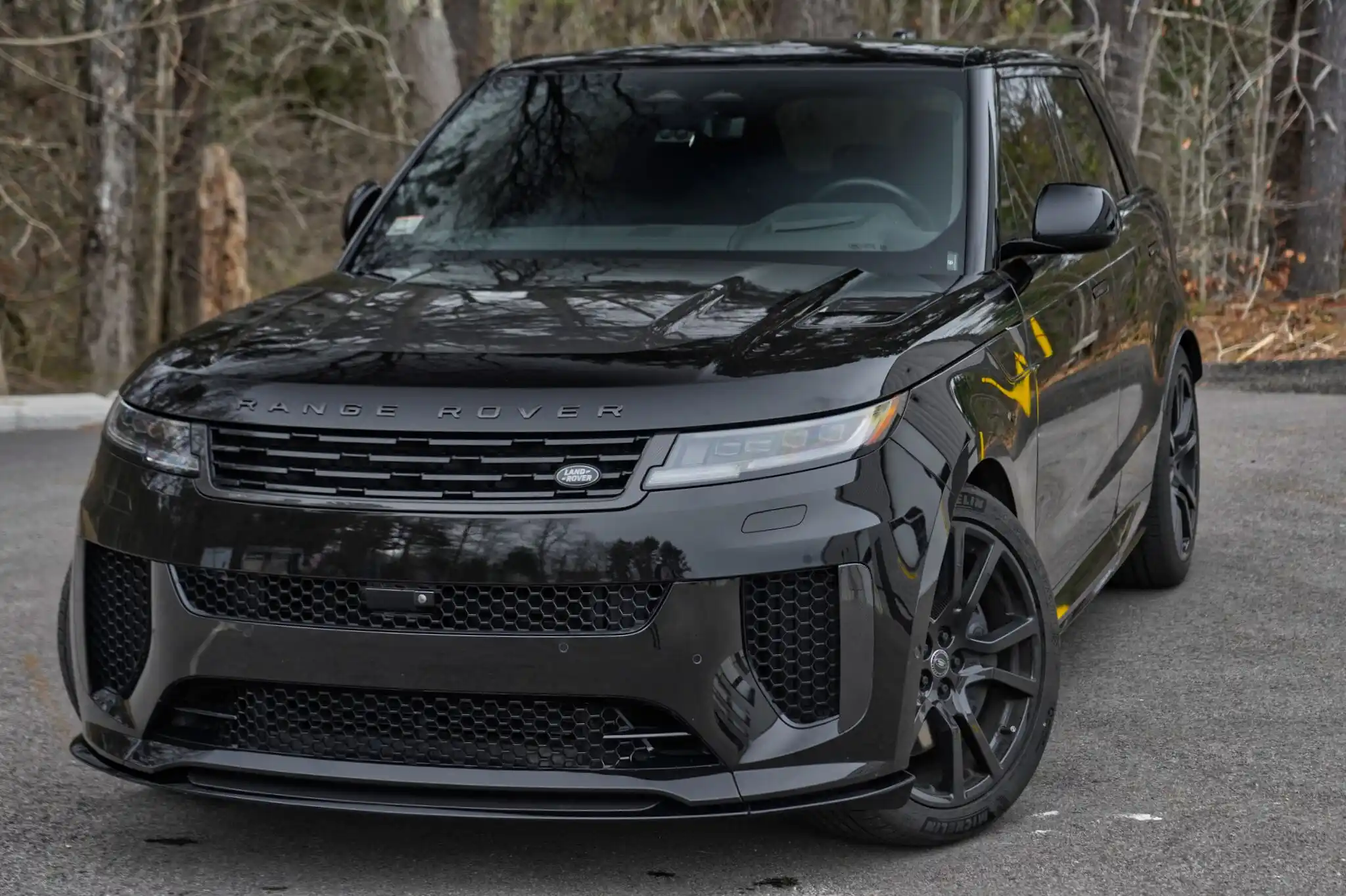
Range Rover, Mercedes-Benz, BMW, Porsche, Cadillac, Lexus, Audi, GMC Denali, Lincoln, Jeep Grand Wagoneer, and similar vehicles often have expensive headlights, painted bumpers, large panels, and trim-heavy front ends.
They are also usually driven like normal vehicles. That means highway miles, winter roads, parking lots, family use, and road trips.
PPF can help preserve the finish without changing the vehicle’s appearance. For many owners, full front protection plus rocker panels, lower doors, and rear bumper loading area coverage is a practical combination.
EV Trucks and SUVs Have Unique Exposure
Electric trucks and SUVs are also strong candidates for PPF.
Rivian R1T, Rivian R1S, Tesla Model X, Tesla Cybertruck, Hummer EV, Ford Lightning, and other electric utility vehicles are often used as daily drivers, family vehicles, road trip vehicles, and adventure vehicles.
Many have large front areas, smooth painted panels, wide tires, and lower body sections that can show damage quickly.
EV owners often pair PPF with ceramic window tint and ceramic coatings. PPF helps protect the exterior from physical damage. Ceramic tint improves comfort and heat rejection. Ceramic coating helps make cleaning easier.
That combination can make sense for owners who want to protect both appearance and everyday usability.
Coverage and care
PPF Coverage Options for Trucks and SUVs
The best PPF coverage depends on how the truck or SUV is used.
A full front package is usually the starting point. This typically protects the full hood, full front fenders, front bumper, mirrors, and often headlights.
For trucks and SUVs, additional coverage may include rocker panels, lower doors, rear quarters, lower bedsides, rear bumper loading areas, tailgate ledges, door cups, door edges, fender flares, and A-pillars.
Full body PPF is the highest level of coverage, but not every owner needs it. Many trucks and SUVs benefit from a targeted package that protects the highest-risk areas without covering every panel.
At Kickin’ Customs, we review the vehicle, paint color, wheel and tire setup, driving habits, and owner expectations before recommending coverage.
Installation Quality Matters on Larger Vehicles
Trucks and SUVs can be more challenging to install than they look.
Large panels, complex bumpers, parking sensors, tow hooks, textured trim, fender flares, badges, cameras, grilles, and body lines all affect installation. The size of the vehicle also makes film handling and alignment more important.
A proper PPF installation requires cleaning, prep, pattern selection, alignment, edge planning, stretch control, and final inspection.
Some edges can be wrapped where the panel allows it. Some edges may remain visible because of trim, access, sensors, or safe installation limits.
Good installation is not only about making the film look clean on pickup day. It is about helping it settle properly and perform over time.
Aftercare Is Especially Important on Trucks and SUVs
Trucks and SUVs collect more grime than many vehicles.
After PPF installation, customers should avoid washing the vehicle for 7 days. Most PPF installations cure over 2 to 3 weeks. During that time, slight haze, small moisture pockets, or minor edge movement can be normal.
Do not pick at edges. Do not pressure wash close to film edges. Do not aim high-pressure water directly into seams, corners, or lifted areas.
At Kickin’ Customs, the 3-week follow-up inspection is required for PPF workmanship coverage. A small amount of edge movement during curing, around 1/16 of an inch, can often be addressed at that follow-up.
Long term, truck and SUV owners should pay extra attention to rocker panels, lower doors, wheel arch areas, rear bumper areas, and tailgate sections. These areas collect salt, sand, mud, tar, and road grime quickly.
Ceramic Coating Over PPF Can Make Maintenance Easier
Ceramic coating over PPF is a strong option for trucks and SUVs.
PPF protects against physical impact. Ceramic coating helps with slickness, water behavior, UV resistance, chemical resistance, and easier cleaning.
For larger vehicles, easier cleaning matters. A truck or SUV has more surface area to wash, dry, and maintain. Coating the film and exposed paint can make the ownership experience more manageable.
Ceramic coating does not replace PPF. It complements it.
For many truck and SUV owners, the ideal setup is PPF on high-impact areas with ceramic coating over the film and exposed painted surfaces.
Final Thoughts
Trucks and SUVs need paint protection because of how they are built and how they are used.
Large front ends take direct impact. Wider tires throw debris. Rocker panels and lower doors collect road rash. Rear bumpers and tailgate areas get scratched from cargo. Winter roads add salt, sand, and grime. Work use, family use, towing, commuting, and outdoor activities all add wear.
Paint protection film helps protect the areas that see that abuse first.
At Kickin’ Customs in Raynham, MA, we install XPEL paint protection film for trucks, SUVs, EVs, luxury SUVs, family vehicles, work vehicles, and off-road builds across Massachusetts and Rhode Island.
If you drive a truck or SUV and want to keep the paint in better condition, the right PPF package should be based on size, tires, use, and the areas most likely to take damage.
Frequently Asked Questions
Is PPF worth it on a truck?
Yes. Trucks are strong candidates for PPF because they have large front ends, exposed rocker panels, wide tires, and high-use areas that can collect chips, scratches, and road rash.
Is PPF worth it on an SUV?
Yes. SUVs often see daily driving, family use, winter roads, road trips, and parking lot wear. PPF can help protect the front end, lower doors, rocker panels, rear bumper loading area, and other high-impact zones.
What areas should be protected on a truck?
Common truck PPF areas include the front bumper, hood, mirrors, headlights, rocker panels, lower doors, rear quarters, lower bedsides, tailgate ledge, rear bumper loading area, door cups, and door edges.
What areas should be protected on an SUV?
Common SUV PPF areas include the front bumper, hood, mirrors, headlights, rocker panels, lower doors, rear bumper loading area, door cups, door edges, and rear quarters.
Do wider tires make paint damage worse?
They can. Wider tires, aggressive tread, all-terrain tires, and offset wheels can throw more debris into the rocker panels, lower doors, rear quarters, and bedsides.
Does PPF help with winter road salt and sand?
PPF helps protect paint from impact and wear caused by salt, sand, slush, and road debris. The film still needs to be cleaned and maintained properly during winter.
Do I need full body PPF on a truck or SUV?
Not always. Full body PPF offers the most coverage, but many trucks and SUVs benefit from targeted coverage like full front PPF, rocker panels, lower doors, rear bumper areas, and bedsides.
Can ceramic coating go over PPF on a truck or SUV?
Yes. Ceramic coating can be installed over PPF to make cleaning easier and improve water behavior. PPF provides impact protection, while coating helps with maintenance.
Plan your next step
Protect the areas your truck or SUV uses the hardest. Contact Kickin’ Customs in Raynham, MA to choose the right XPEL paint protection film coverage for your vehicle.
