
The short answer
That makes sense. Owners of Ferraris, Lamborghinis, McLarens, Porsches, Corvettes, and other performance vehicles usually want to protect the paint from rock chips, road rash, bug damage, and track or highway wear.
But PPF is not only for exotic cars.
In many cases, daily drivers, trucks, SUVs, Teslas, Rivians, family vehicles, and commuter cars benefit just as much. Some benefit even more because they see more real-world use.
At Kickin’ Customs in Raynham, MA, we install XPEL paint protection film on everything from high-end performance vehicles to daily driven SUVs and work trucks. The reason is simple: road debris does not care what kind of vehicle you drive.
If the paint is exposed, it can get damaged.
Everyday vehicles benefit too
Why People Think PPF Is Only for Exotic Cars
For a long time, paint protection film was mostly seen on expensive vehicles.
Exotic car owners were early adopters because the stakes were obvious. A chipped bumper on a rare or expensive vehicle can be costly to repair. Paint matching can be difficult. Resale value matters. Many owners also want to preserve factory paint as much as possible.
Because of that, PPF became closely tied to supercars, collector cars, and high-end performance vehicles.
But the product has changed. The market has changed. Vehicle prices have changed too.
Today, many trucks, SUVs, EVs, and daily drivers cost as much as luxury vehicles did not long ago. A new pickup, family SUV, Tesla, Rivian, BMW, Mercedes, Lexus, or loaded commuter vehicle can easily represent a major investment.
Protecting that investment is not only a concern for exotic car owners anymore.
Daily Drivers Take More Abuse Than Garage Cars
A garage-kept exotic may be valuable, but it may not see daily abuse.
A daily driver does.
Daily driven vehicles deal with highway miles, construction zones, parking lots, salt, sand, winter roads, bugs, bird droppings, tree sap, car seats, pets, sports equipment, work bags, grocery runs, and general use.
That constant exposure adds up.
The front bumper takes rock chips. The hood gets peppered from road debris. The mirrors get hit by bugs and stones. The rocker panels and lower doors get blasted by sand and debris from the tires.
A vehicle does not need to be rare to suffer from road rash.
For many owners, PPF makes sense because they drive the vehicle every day and want it to continue looking newer longer.
Trucks and SUVs Are Strong Candidates for PPF
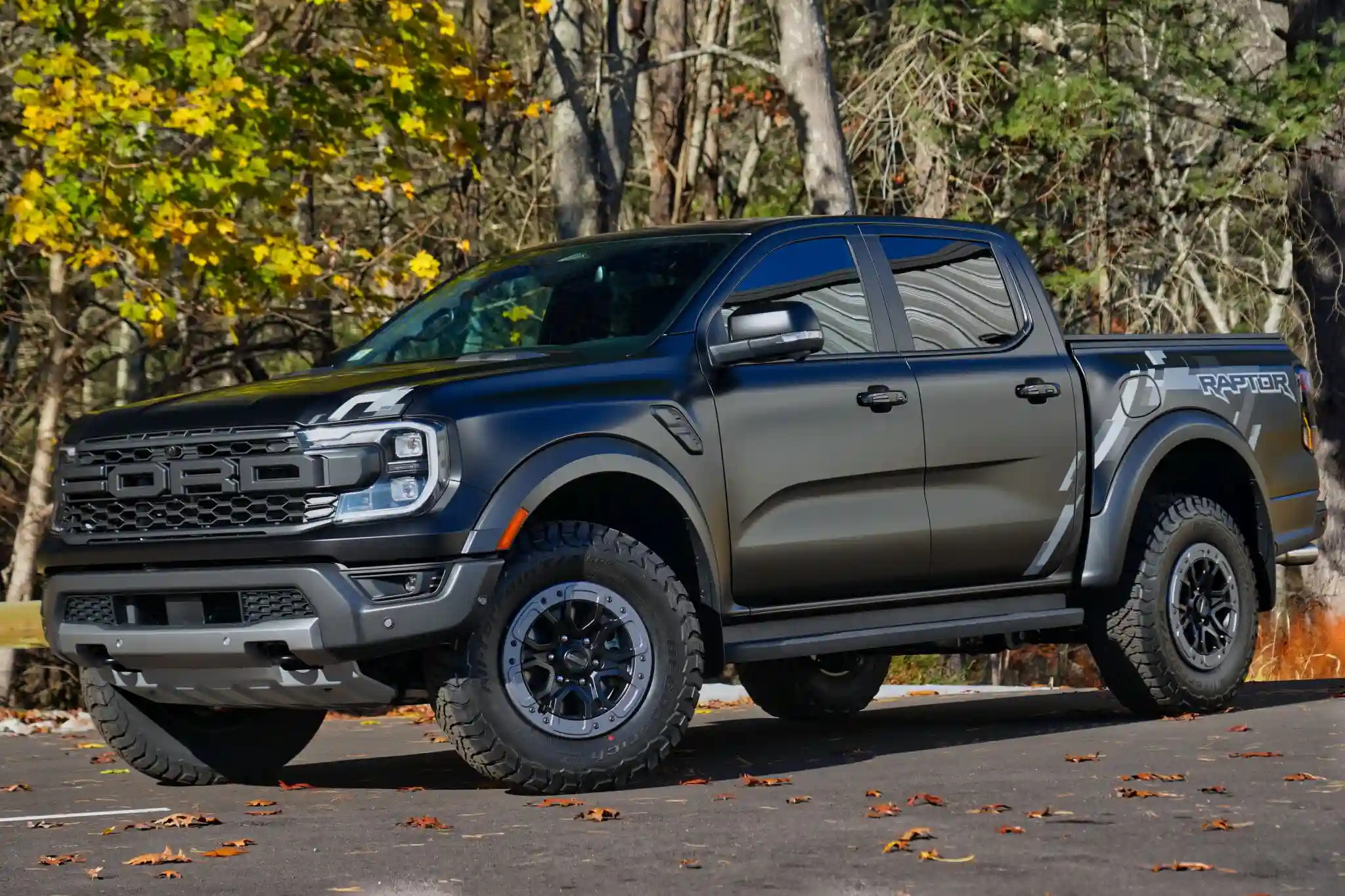
Trucks and SUVs are some of the best candidates for paint protection film.
They usually have large front ends, tall bumpers, wide grilles, large mirrors, and exposed lower panels. Many also have wider tires that throw debris into the rocker panels, lower doors, rear quarters, and lower bedsides.
If the vehicle is used for commuting, work, towing, kids, pets, winter driving, beach trips, or job sites, the paint takes a lot of daily abuse.
Common PPF areas for trucks and SUVs include the front bumper, hood, mirrors, headlights, rocker panels, lower doors, rear bumper loading areas, tailgate ledges, and lower bedsides.
This is not about treating a truck like a show car. It is about protecting the areas that get worn down first.
Family Vehicles Need Protection Too
Family vehicles are often used harder than people realize.
A family SUV or minivan may not feel like a luxury purchase in the same way a sports car does, but it still needs to hold up to daily life. It may see school drop-offs, highway commutes, sports fields, grocery stores, winter roads, road trips, and constant loading and unloading.
The front end takes road debris. The rocker panels collect salt and sand. Door cups can get scratched. Rear bumper areas can get marked from strollers, bags, coolers, luggage, and pets.
PPF can help protect high-use areas without needing to cover the entire vehicle.
For many families, partial coverage in the right places makes more sense than waiting until the vehicle is covered in chips and scratches.
EVs Are Another Reason PPF Has Become More Common
Electric vehicles have changed the PPF conversation.
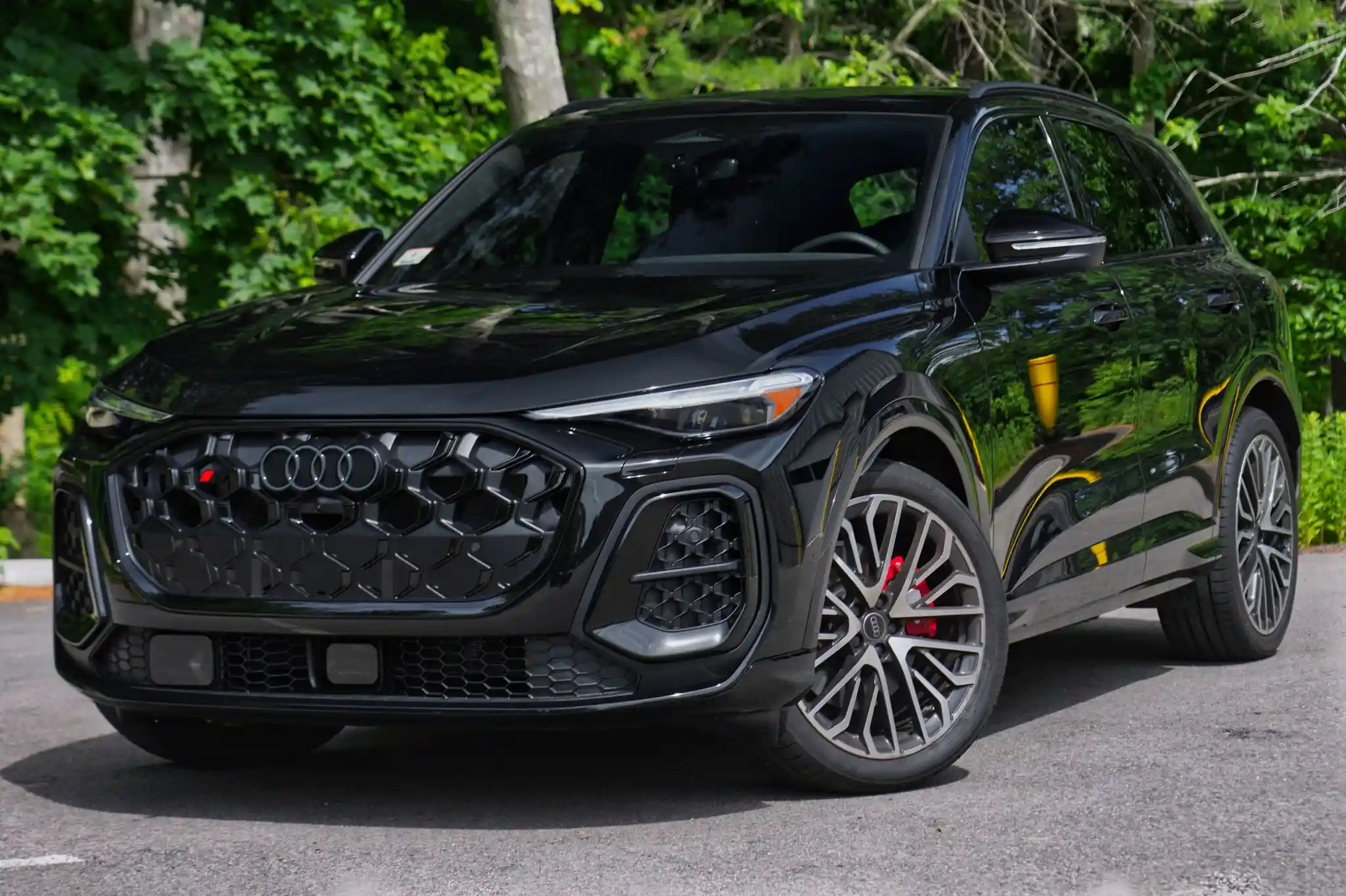
Tesla, Rivian, Lucid, BMW i models, Mercedes EQ models, Hyundai IONIQ, Kia EV models, and other EVs often have large painted bumper areas, smooth body lines, and lower panels that show road wear quickly.
Tesla and Rivian owners, in particular, often choose PPF because of the way these vehicles are driven. They are commonly used as daily drivers, commuters, family vehicles, and road trip vehicles.
Rivian R1T and R1S models also have wider tires, larger body panels, and adventure-focused use cases that can expose the paint to more debris.
For EV owners, PPF is often paired with ceramic window tint and ceramic coating. The film helps protect the paint. Tint improves comfort and heat rejection. Coating makes cleaning easier.
That combination can make ownership better without changing the look of the vehicle.
Coverage and ownership
PPF Makes Sense When Repair Is Expensive or Frustrating
Paint repair is not always simple.
A front bumper repaint may sound straightforward, but it can create concerns about color match, texture, paint thickness, overspray, downtime, rental cars, and future resale questions.
Some colors are difficult to match. Some vehicles have complex bumper shapes, parking sensors, cameras, trim pieces, badges, grilles, and headlights that make removal and refinishing more involved.
Even when the repair is done well, many owners would rather avoid repainting a newer vehicle if possible.
PPF is preventative. It gives exposed areas a protective layer before damage reaches the paint.
If the film gets damaged, it can often be removed and replaced. That is one of the main advantages of using film as sacrificial protection.
PPF Does Not Have to Mean Full Body Coverage
Not every vehicle needs full body PPF.
That is an important point.
Some owners hear about PPF and assume it has to be an all-or-nothing decision. It does not.
For many daily drivers, trucks, SUVs, and leased vehicles, targeted coverage is the smarter choice. A full front package can protect the bumper, hood, fenders, mirrors, and headlights. Adding rocker panels and lower doors can make sense for vehicles that see tire sling, winter roads, or wide tire setups.
Full body PPF is still the highest level of coverage, but it is not the only useful option.
At Kickin’ Customs, we help customers choose coverage based on the vehicle and how it is used. A commuter SUV does not need the same exact approach as a Porsche 911, Corvette, Cybertruck, work truck, or family minivan.
The right package should match the risk.
PPF Helps Preserve Appearance Over Time
Paint protection film is about long-term appearance.
A vehicle can still run perfectly with chips and road rash, but many owners do not want a newer vehicle to look worn out early.
This is especially true for darker colors, luxury vehicles, EVs, trucks, and vehicles the owner plans to keep for several years.
PPF helps reduce visible wear on the areas that typically age first. The front bumper stays cleaner. The hood is better protected from chips. Rocker panels and lower doors are less exposed to tire-thrown debris. Rear bumper loading areas can be protected from scratches.
The vehicle still needs proper care, but the film adds a layer of defense that exposed paint does not have.
Lease and Resale Considerations
PPF can also make sense for leased vehicles or vehicles the owner plans to trade in later.
Lease returns can be sensitive to condition. Small wear may be acceptable, but excessive chips, scratches, scuffs, and damage can become a concern. PPF can help reduce wear in the areas most likely to get noticed.
For owned vehicles, better paint condition can help when it is time to sell or trade. A buyer may not know every detail about paint protection film, but most buyers notice when a front bumper is heavily chipped or when rocker panels are beat up.
PPF is not a guarantee of higher resale value. It is a way to help preserve condition, and condition matters.
What Types of Vehicles Benefit Most?
PPF can make sense for almost any vehicle, but certain vehicles are especially strong candidates.
Daily commuters benefit because they see constant road debris.
Trucks and SUVs benefit because of size, height, tire throw, and lower panel exposure.
EVs benefit because they often have large painted surfaces and are used heavily.
Dark-colored vehicles benefit because chips and scratches show faster.
Performance cars benefit because of low stance, wide tires, and aggressive driving conditions.
Family vehicles benefit because they see constant loading, unloading, winter driving, and daily use.
Leased vehicles benefit because condition at return matters.
The common thread is not vehicle price. It is exposure.
Film, installation and care
XPEL PPF Options for Different Vehicles
Kickin’ Customs installs XPEL paint protection film, including XPEL Ultimate Plus, XPEL Stealth, and XPEL Ultimate Fusion.
XPEL Ultimate Plus is a clear gloss film designed for strong everyday paint protection.
XPEL Stealth gives gloss paint a satin or matte appearance while protecting the surface.
XPEL Ultimate Fusion adds hydrophobic properties for easier cleaning and better water behavior. The hydrophobic properties are expected to last around 4 years, while the film itself still carries the 10-year XPEL manufacturer warranty.
Different vehicles need different approaches. A black daily driver may need a full front and rocker panels. A truck may need lower door and bedside coverage. A Tesla may need front bumper, hood, mirrors, and rocker protection. A Porsche or Corvette may need front-end, rocker, and rear quarter protection because of tire throw.
The film choice and coverage should match the vehicle.
Installation Quality Still Matters
PPF is only as good as the product, prep, and installation.
A quality installation requires proper cleaning, pattern selection, alignment, edge planning, trimming decisions, stretch control, and inspection. Poor installation can leave unnecessary edges, lifting, debris, or coverage gaps.
At Kickin’ Customs, we focus on helping customers choose coverage that makes sense, then installing the film properly for the vehicle’s shape and use.
Some edges can be wrapped where the panel allows it. Some edges may remain visible because of trim, sensors, panel design, badges, or safe installation limits.
A good PPF conversation should be honest. The goal is not to tell every customer they need full body coverage. The goal is to protect the areas most likely to take damage.
PPF Aftercare Is Part of the Process
After installation, PPF needs time to cure and settle.
Most PPF installations take 2 to 3 weeks to fully cure. Customers should avoid washing the vehicle for 7 days, avoid pressure washing too close to film edges, and avoid picking at corners, edges, or moisture pockets.
At Kickin’ Customs, the 3-week follow-up inspection is required for PPF workmanship coverage. This allows us to inspect the film after it has cured and address small concerns early.
A slight amount of edge movement during curing, around 1/16 of an inch, can be normal and can often be addressed at the follow-up.
PPF is durable, but proper aftercare helps it settle and perform the way it should.
Final Thoughts
PPF is not only for exotic cars.
Exotic vehicles may have helped make paint protection film popular, but daily drivers, trucks, SUVs, EVs, family vehicles, leased vehicles, and commuter cars often have just as much reason to protect their paint.
The real question is not whether the vehicle is exotic.
The real question is how much exposure the paint sees, how long you plan to keep the vehicle, and how much you care about keeping it in better condition.
At Kickin’ Customs in Raynham, MA, we install XPEL paint protection film for vehicles across Massachusetts and Rhode Island. Whether you drive a performance car, pickup truck, Tesla, Rivian, luxury SUV, commuter vehicle, or family car, we can help you choose the right protection for how the vehicle is actually used.
Frequently Asked Questions
Is PPF only worth it on expensive cars?
No. PPF can be worth it on daily drivers, trucks, SUVs, EVs, family vehicles, and leased vehicles. The value comes from protecting exposed paint, not just from the price of the vehicle.
Does a daily driver need PPF?
A daily driver can benefit heavily from PPF because it sees constant road debris, highway miles, salt, sand, bugs, and parking lot use. Targeted coverage can help protect the areas that get damaged first.
Is PPF worth it on a truck or SUV?
Yes, trucks and SUVs are strong candidates for PPF because they have large front ends, exposed lower panels, and tire throw that can damage rocker panels, lower doors, rear quarters, and bedsides.
Is PPF worth it on a Tesla or EV?
Yes. Tesla, Rivian, and other EVs often have large painted bumper areas and smooth body lines that show damage easily. Many EV owners choose PPF for front-end, rocker panel, and lower door protection.
Do I need full body PPF?
Not always. Full body PPF offers the most coverage, but many vehicles are well served by full front protection, rocker panels, lower doors, rear bumper areas, or other high-impact zones.
Can PPF be installed on a leased vehicle?
Yes. PPF can help reduce wear before lease return, especially on the front bumper, hood, mirrors, rocker panels, and lower doors. The right coverage depends on the lease term and how the vehicle is driven.
What happens if the PPF gets damaged?
PPF is sacrificial. If it gets damaged, it may have protected the paint underneath. In many cases, the damaged piece can be removed and replaced instead of repainting the panel.
Plan your next step
Paint protection film is not just for exotic cars. Contact Kickin’ Customs in Raynham, MA to choose the right XPEL PPF coverage for your daily driver, truck, SUV, EV, or performance vehicle.
