
The short answer
Leasing can make a lot of sense.
You get into a newer vehicle, keep the payment predictable, and return it at the end of the lease without committing to long-term ownership.
But there is one part of leasing that many people overlook until the end: vehicle condition.
Rock chips, road rash, scratches, bumper scuffs, lower door damage, and worn rocker panels can all become part of the lease return conversation. Normal wear is expected, but excessive wear can create frustration when the vehicle is inspected.
That is where paint protection film can make sense.
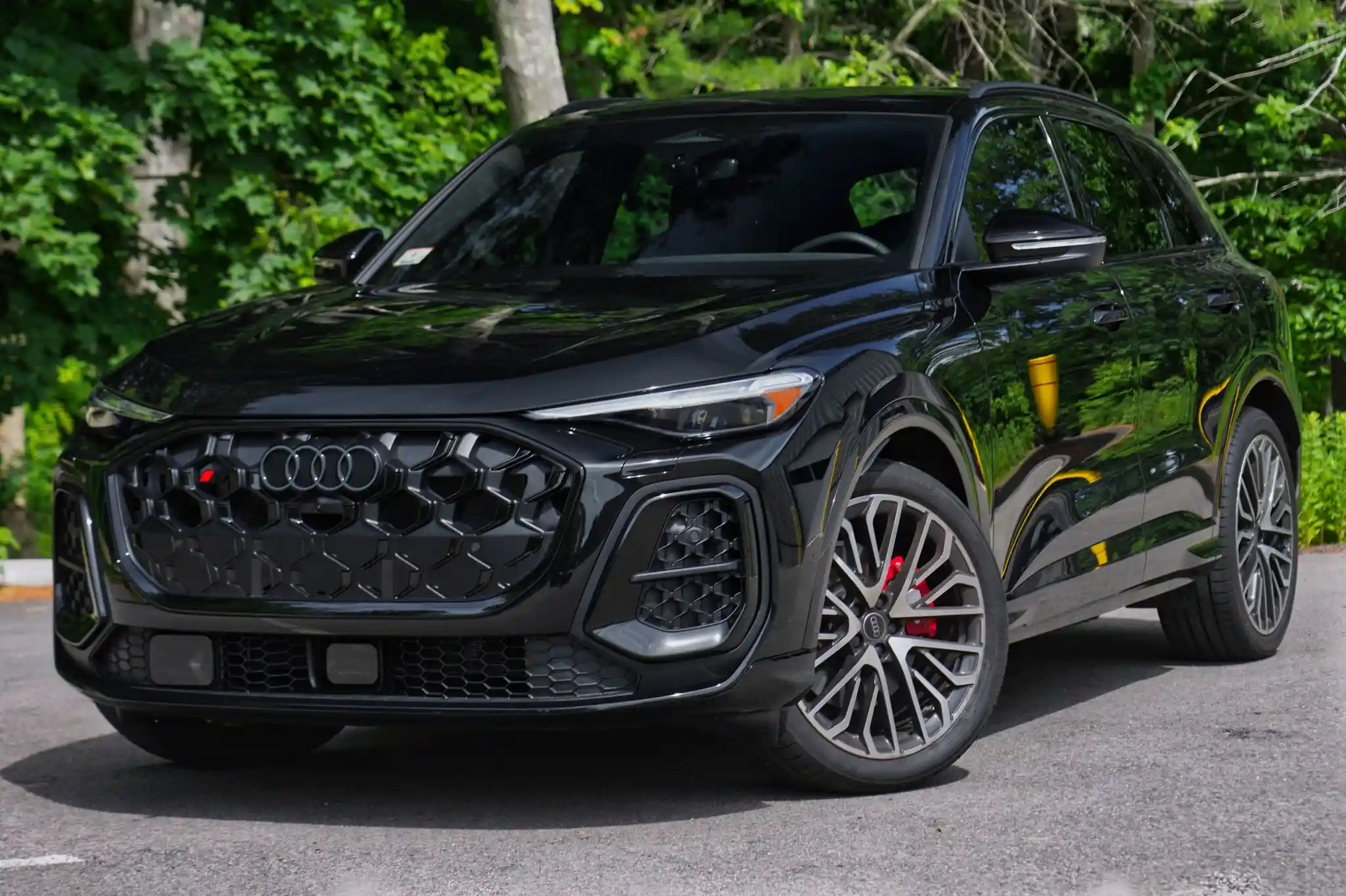
At Kickin’ Customs in Raynham, MA, we install XPEL paint protection film on leased vehicles across Massachusetts and Rhode Island. Not every leased vehicle needs full body PPF, but many leased cars, trucks, SUVs, EVs, and luxury vehicles can benefit from targeted protection in the areas most likely to take damage.
The goal is simple: protect the vehicle while you use it, keep it looking better during the lease, and help reduce avoidable damage before return.
Lease condition and coverage
Leasing Does Not Protect the Paint
A lease changes how you pay for the vehicle.
It does not change what the vehicle is exposed to.
A leased vehicle still deals with highway debris, sand, salt, construction zones, parking lots, bug acids, bird droppings, winter roads, car washes, loading areas, kids, pets, and daily use.
The front bumper can still chip. The hood can still take rock strikes. The mirrors can still get marked. The rocker panels and lower doors can still get blasted by sand and debris from the tires.
The vehicle may not be yours forever, but you are still responsible for taking care of it during the lease.
That is why PPF can be worth considering, especially if you drive a lot, park outside, commute on highways, or lease a vehicle with expensive paint, large bumpers, dark paint, or exposed lower panels.
Lease Return Condition Matters
Most lease returns include some type of condition inspection.
The exact standards vary by manufacturer, lender, and lease agreement, so every customer should review their own lease terms. In general, small wear may be acceptable, but larger chips, scratches, scuffs, dents, stains, and panel damage may be questioned.
Paint damage can be frustrating because it often builds up slowly.
A few chips may not seem like much at first. After three years of highway driving, winter roads, and daily use, the front bumper and lower panels may look much more worn than expected.
PPF helps by reducing the amount of direct impact the paint sees in the areas most likely to be inspected.
It is not a guarantee that a leased vehicle will avoid all wear, and it does not replace careful use, but it can help protect the finish during the lease term.
PPF Can Be a Practical Lease Strategy
A leased vehicle does not always need the same PPF plan as a long-term owned vehicle.
If you plan to keep a vehicle for 8 to 10 years, full body PPF or high-coverage protection may make sense. If the vehicle is leased for 24 to 36 months, the smartest option may be more targeted.
For many leased vehicles, the best strategy is to protect the panels that take the most abuse first.
That usually means the front bumper, hood, mirrors, headlights, rocker panels, lower doors, and rear bumper loading area.
This type of coverage can help reduce common lease return concerns without turning the job into a full body installation.
Front-End Protection Is Usually the Starting Point
The front end is the first area most leased vehicle owners should consider.
Highway driving can chip the front bumper quickly. The hood and mirrors also take direct impact from stones, sand, salt, and debris. Headlights are another concern because modern headlight assemblies can be expensive to replace.
A full front PPF package is often the most balanced option for leased vehicles that see regular driving.
It protects the areas most likely to collect chips while keeping the coverage focused and practical.
For leased luxury vehicles, EVs, performance cars, and darker-colored vehicles, this can be especially helpful because the damage tends to be more visible and more frustrating.
Rocker Panels and Lower Doors Are Worth Considering
Many lease customers think about the front bumper but forget about the lower sides.
Rocker panels and lower doors can take a lot of abuse. Tires throw sand, salt, gravel, slush, and road grime directly into those areas. This is especially common on trucks, SUVs, performance cars, EVs, and vehicles with wider tires.
By the end of a lease, lower panels can show chips, staining, road rash, and dull wear.
Rocker panel PPF can be a smart addition because it protects one of the most abused areas on the vehicle.
This is especially important in Massachusetts and Rhode Island, where winter roads can be rough on lower body panels.
Rear Bumper Loading Areas Matter on SUVs
If you lease an SUV, wagon, hatchback, or crossover, the rear bumper loading area may be worth protecting.
Groceries, strollers, luggage, sports bags, coolers, pets, tools, and everyday cargo can scratch the top of the rear bumper over time. This area is easy to overlook until the marks are already there.
A small piece of PPF on the rear bumper loading area can help reduce scratches from normal loading and unloading.
For family vehicles, this is often one of the most practical forms of protection because the area gets used constantly.
Vehicle and finish considerations
PPF Makes Sense for Leased Trucks and SUVs
Leased trucks and SUVs are strong candidates for paint protection film.
They usually have large front ends, exposed lower doors, big mirrors, wide tires, and high-use cargo areas. Many are used for commuting, work, towing, family life, winter driving, beach trips, or weekend projects.
The paint takes a lot of abuse during the lease term.
For leased trucks and SUVs, useful PPF areas may include the front bumper, hood, mirrors, headlights, rocker panels, lower doors, rear bumper areas, tailgate ledges, lower bedsides, and door cups.
Not every truck or SUV needs all of those areas protected. The right coverage depends on how the vehicle is driven and how much wear you want to reduce before return.
PPF Makes Sense for Leased EVs
Leased EVs are another common fit for PPF.
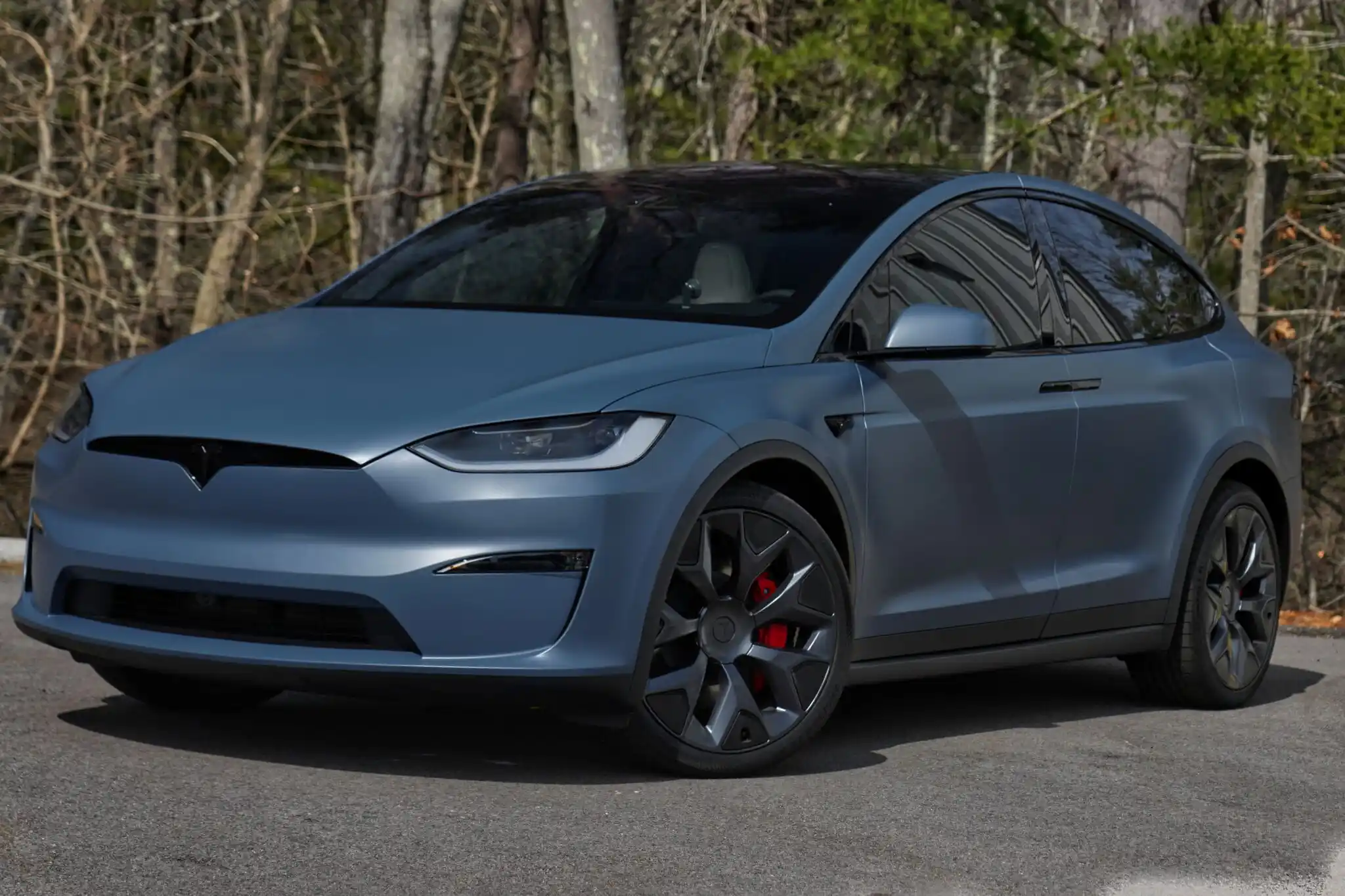
Tesla, Rivian, Lucid, BMW i models, Mercedes EQ models, Hyundai IONIQ, Kia EV models, and other electric vehicles are often used as daily drivers and commuters. Many have smooth painted bumpers and lower panels that show chips and road wear quickly.
Leased EV owners often care about keeping the vehicle clean and presentable, but they may not want full body coverage if they know the vehicle is going back in a few years.
That is where targeted PPF makes sense.
Full front protection, rocker panels, lower doors, and rear impact areas can help protect the panels that take the most damage during daily use.
PPF Makes Sense for Dark Lease Vehicles
Dark paint shows damage faster.
Black, dark gray, dark blue, and deep metallic colors tend to reveal chips, swirls, scratches, water spots, and road rash more easily than lighter colors.
On a leased vehicle, that matters because visible damage can become part of the return inspection and the ownership experience.
PPF helps protect the dark paint from common impact damage before it becomes obvious. This can make the vehicle more enjoyable to drive during the lease and help preserve its condition for return.
Removal and repair
Can PPF Be Removed Before Lease Return?
Yes, paint protection film can usually be removed when needed.
A quality film installed properly on healthy factory paint can typically be removed without damaging the original finish. That said, removal should be handled carefully, especially on repainted panels, older paint, damaged paint, or areas that have already been compromised.
Many leased vehicle owners leave the film on for return because it helps show that the vehicle was protected. Others may remove damaged pieces and replace them before inspection.
The best choice depends on the condition of the film, the condition of the vehicle, and the lease return process.
If the film is in good shape, there may be no reason to remove it before returning the vehicle.
What If the Film Gets Damaged During the Lease?
PPF is sacrificial protection.
If the film takes a rock strike, scrape, stain, or impact, it may have helped protect the paint underneath. In many cases, a damaged section of film can be removed and replaced instead of repainting a panel.
This is one of the biggest advantages of PPF on a leased vehicle.
If the film gets damaged, the repair may be simpler than dealing with paint damage at lease return.
Kickin’ Customs also offers a one-time No-Fault Replacement benefit up to $250 on qualifying installs of $495 or more. This can help with a damaged piece of film when something unexpected happens during ownership.
The No-Fault Replacement benefit is for the original customer on qualifying PPF installations. Insurance claims are excluded.
Value, timing and care
PPF Is Not a Substitute for Careful Ownership
PPF helps, but it does not make a leased vehicle immune to damage.
A hard impact can still damage the film and possibly the paint underneath. Parking lot damage, dents, accidents, curb rash, harsh chemicals, scraping, and improper washing can still create problems.
PPF should be looked at as a protective layer, not a free pass to ignore the vehicle.
Leased vehicles still benefit from careful washing, regular cleaning, safe maintenance products, and avoiding automatic brush washes when possible.
The better the vehicle is cared for during the lease, the better it is likely to look at the end.
Ceramic Coating Can Also Help During a Lease
Ceramic coating can pair well with PPF on a leased vehicle.
PPF protects against physical impact. Ceramic coating helps with slickness, water behavior, chemical resistance, UV resistance, and easier cleaning.
For lease customers, ceramic coating may make sense if the vehicle is dark, driven daily, parked outside, or exposed to winter roads. It can help make washing easier during the lease term.
That said, ceramic coating does not replace PPF. It does not provide the same rock chip resistance. If the main concern is chips and road rash, PPF should come first.
When Full Body PPF Makes Sense on a Lease
Full body PPF is not the most common choice for leased vehicles, but it can make sense in certain situations.
Some customers lease high-end vehicles and still want maximum protection because they care about condition, appearance, and peace of mind during the lease. Others lease expensive performance cars, luxury SUVs, or specialty vehicles where repainting or visible damage would be especially frustrating.
Full body PPF may also make sense if the vehicle has matte paint, satin paint, rare paint, black paint, or a finish the owner wants to preserve as much as possible.
For most lease customers, targeted coverage is more practical. For the right vehicle and owner, full body coverage can still be the right move.
When PPF May Not Be Worth It on a Lease
PPF is not the right choice for every lease.
If the vehicle is a short-term lease, rarely driven, lightly used, already damaged, or being returned soon, it may not make financial sense to install film.
If the vehicle has existing chips, scratches, or repaint concerns, expectations should be discussed before installation.
PPF works best when it is installed early, while the paint is still in good condition. The longer the vehicle is driven without protection, the less the film can do to preserve the original finish underneath.
The Best Time to Install PPF on a Lease
The best time to install PPF on a leased vehicle is right after delivery.
Early installation protects the paint before the first season of chips, bug damage, salt, sand, and road rash builds up.
If you know you are leasing a vehicle and want to keep it in better condition, plan the PPF appointment around delivery. If possible, avoid dealer-applied waxes, sealants, ceramic sprays, or unnecessary polishing before installation.
A clean, lightly driven vehicle is usually the best starting point for film.
Aftercare Still Matters
After PPF installation, the film needs time to cure.
Most paint protection film installations cure over 2 to 3 weeks. Customers should avoid washing the vehicle for 7 days, avoid pressure washing too close to film edges, and avoid picking at corners, edges, or moisture pockets.
At Kickin’ Customs, the 3-week follow-up inspection is required for PPF workmanship coverage. This gives us a chance to inspect the film after it has settled and address small concerns early.
A small amount of edge movement during curing, around 1/16 of an inch, can be normal and can often be addressed at the follow-up.
For leased vehicles, this follow-up is especially important because it helps ensure small issues are handled early instead of becoming larger concerns later.
Final Thoughts
Protecting a leased vehicle with PPF can make a lot of sense when the vehicle is new, driven regularly, exposed to highways, used through winter, or expected to be returned in good condition.
You do not need to cover the entire vehicle for PPF to be useful.
For many lease customers, targeted protection on the front bumper, hood, mirrors, headlights, rocker panels, lower doors, and rear bumper loading area is the practical choice.
At Kickin’ Customs in Raynham, MA, we install XPEL paint protection film for leased cars, trucks, SUVs, EVs, luxury vehicles, and performance vehicles across Massachusetts and Rhode Island.
If you are leasing a vehicle and want to protect it during daily use, the best time to install PPF is before the damage starts.
Frequently Asked Questions
Is PPF worth it on a leased vehicle?
Yes, PPF can be worth it on a leased vehicle if you want to reduce chips, road rash, bumper wear, rocker panel damage, and other visible wear during the lease term.
Do I need full body PPF on a leased vehicle?
Not usually. Many leased vehicles benefit from targeted coverage such as full front PPF, rocker panels, lower doors, mirrors, headlights, and rear bumper loading areas.
Can PPF help with lease return condition?
PPF can help reduce avoidable paint damage in high-impact areas, which may help the vehicle look better at lease return. Lease standards vary, so customers should always review their own lease agreement.
Can PPF be removed before returning a lease?
Yes, PPF can usually be removed when needed, especially when it was installed properly on healthy factory paint. Removal should be done carefully by a professional.
Should I install PPF right after leasing the vehicle?
Yes. The best time to install PPF is shortly after delivery, before chips, road rash, bug etching, and winter wear build up.
Is PPF useful on leased trucks and SUVs?
Yes. Trucks and SUVs often benefit from PPF because they have large front ends, exposed lower panels, wide tires, cargo areas, and high-use surfaces.
Is PPF useful on leased Teslas and EVs?
Yes. Leased EVs often see heavy daily use and can show chips quickly on smooth painted bumpers, rocker panels, and lower doors.
What happens if the PPF gets damaged during the lease?
PPF is sacrificial. If it gets damaged, it may have protected the paint underneath. In many cases, the damaged piece can be removed and replaced.
Plan your next step
Keep your leased vehicle protected during daily use. Contact Kickin’ Customs in Raynham, MA to choose the right XPEL paint protection film coverage for your lease.
