
The short answer
A dashcam can absolutely be worth it for the right vehicle.
Most people think about dashcams after something already happened. An accident. A hit-and-run. A parking lot door ding. A road rage incident. A customer, employee, or other driver telling a different version of the story.
By then, it is too late to wish you had video.
A dashcam helps document what happened before, during, and after an event depending on the camera setup, recording mode, storage, and installation.
At Kickin’ Customs in Raynham, MA, we install dashcams for customers across Massachusetts and Rhode Island who want better protection, documentation, and peace of mind for daily drivers, family vehicles, work trucks, luxury vehicles, EVs, and performance cars.
A dashcam does not stop every problem.
But when something happens, it can give you something extremely valuable: evidence.
Evidence and everyday incidents
What Does a Dashcam Do?
A dashcam records video from your vehicle.
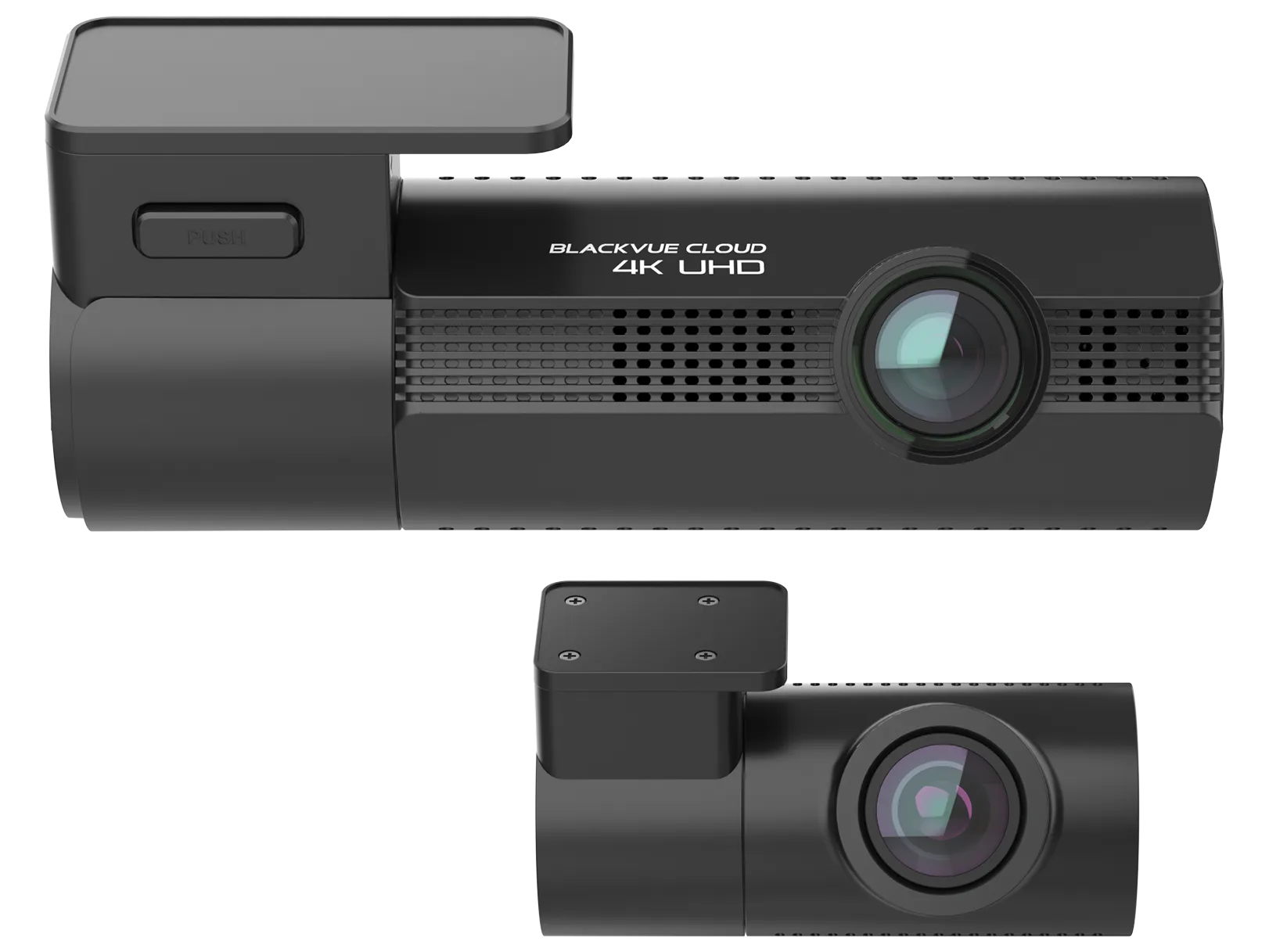
Most dashcams are mounted near the windshield and record forward-facing footage while driving. Some systems also include a rear camera, interior camera, or additional recording features depending on the model and setup.
A dashcam can help capture accidents, unsafe drivers, road rage, sudden stops, lane changes, traffic light situations, parking incidents, and hit-and-runs.
Some dashcams also offer parking mode, impact detection, app access, and event recording.
The goal is simple.
If something happens, you have video instead of only a memory.
Why Dashcams Are Becoming More Popular
Dashcams are becoming more popular because driving has become more unpredictable.
Roads are busier. Drivers are distracted. Parking lots are crowded. People drive aggressively. Insurance conversations can become complicated. Hit-and-runs happen. Work vehicles are exposed all day. Family vehicles are used constantly.
A dashcam helps protect the driver from being stuck with only their word.
Instead of explaining what happened with no proof, you may have video to show the sequence of events.
That can make a big difference.
Accident Documentation
The most obvious reason to install a dashcam is accident documentation.
If another driver cuts you off, runs a red light, stops suddenly, backs into you, changes lanes into you, or causes a crash, dashcam footage may help show what happened.
Without video, accident conversations can quickly become frustrating.
One driver says one thing. The other driver says something else. Witnesses may leave. Details may be missed. Police reports may not capture everything. Insurance companies may ask questions.
A dashcam gives you a record of the event.
That does not guarantee the outcome of a claim, but it can support the conversation with real footage.
Parking Lot Incidents
Parking lots are one of the biggest reasons dashcams are worth considering.
A lot can happen when your vehicle is parked.
Someone backs into it.
A shopping cart hits it.
A door swings into it.
A person walks by and damages it.
Another vehicle scrapes the bumper and leaves.
Without video, parking lot damage is often hard to prove.
A dashcam with parking mode and impact detection may help capture certain events while the vehicle is parked, depending on the system, camera position, power setup, and impact sensitivity.
For vehicles parked at work, apartments, schools, gyms, stores, restaurants, and hotels, parking mode can be especially useful.
Hit-and-Runs
Hit-and-runs are one of the most frustrating situations for vehicle owners.
Someone damages the vehicle and leaves.
If there is no camera, no witness, and no note, the owner may be left paying a deductible or dealing with repairs alone.
A dashcam may help capture the vehicle, direction of travel, timing, or surrounding details.
A front and rear setup can improve coverage because not every incident happens in front of the vehicle.
A dashcam does not guarantee a license plate will be readable in every situation, but it gives you a better chance than having no footage at all.
Road Rage Incidents
Road rage can happen fast.
A driver may brake check, tailgate, cut off traffic, shout, threaten, follow, or behave aggressively.
A dashcam can help document what happened.
This can be useful if you need to report an incident, explain a situation, or protect yourself from false claims.
The camera does not escalate the situation. It quietly records.
That can be valuable when emotions are high and stories change later.
For daily drivers, commuters, work vehicles, and family vehicles, road rage documentation is a real benefit.
Insurance Conversations
Dashcam footage can be useful during insurance conversations.
After an accident, the insurance company may ask what happened, where the vehicles were, who had the right of way, whether someone stopped, who changed lanes, or how the impact occurred.
Video can help answer those questions.
It may show the road, traffic signal, lane position, speed of surrounding vehicles, weather, visibility, and actions before the crash.
A dashcam does not replace insurance.
It helps support the conversation.
When there is a disagreement, footage can be much more helpful than memory alone.
Protection Against False Claims
False or exaggerated claims can happen.
Someone may say you hit them when they backed into you. A pedestrian or cyclist situation may be misunderstood. Another driver may blame you for something you did not do. A parking lot situation may get twisted.
A dashcam may help protect against false claims by showing what actually happened.
This is especially useful for business vehicles, rideshare vehicles, delivery vehicles, family vehicles, and anyone who drives often.
The more time you spend on the road, the more chances there are for something to happen.
Vehicle and ownership needs
Dashcams for Daily Drivers
Daily drivers are one of the best fits for dashcams.
They are used constantly and parked in many places.
● Home.
● Work.
● School.
● Gyms.
● Restaurants.
● Shopping centers.
● Highways.
● Parking garages.
● Apartments.
● Hotels.
● Commuter lots.
That exposure creates risk.
A daily driver does not need to be expensive or exotic to benefit from a dashcam. If the vehicle is important to your routine, documenting incidents can be valuable.
For many owners, a dashcam becomes a quiet safety net.
Dashcams for Family Vehicles
Family vehicles are strong dashcam candidates.
SUVs, minivans, trucks, and crossovers are often used for school, daycare, sports, appointments, travel, errands, and daily transportation.
They also carry kids, passengers, bags, sports equipment, electronics, and personal belongings.
If an accident happens, having footage can help explain what occurred.
If the vehicle is damaged in a parking lot, parking mode may help capture certain incidents.
For parents, dashcams are often about peace of mind.
The vehicle is carrying the people who matter most.
Dashcams for Work Trucks
Work trucks and business vehicles are another strong fit.
A work truck may be on the road all day, parked at job sites, carrying tools, towing trailers, visiting customers, or being used by employees.
If something happens, the business owner may need answers.
A dashcam can help document accidents, parking incidents, road behavior, job site damage, or disputes about what happened.
For contractors, service companies, sales vehicles, delivery vehicles, and fleet vehicles, dashcams can protect more than the vehicle.
They can protect time, money, tools, customer schedules, and the business itself.
Dashcams for High-Value Vehicles
High-value vehicles are worth documenting.
Luxury SUVs, performance cars, EVs, high-trim trucks, exotics, and specialty vehicles can be expensive to repair and stressful to damage.
Owners often invest in paint protection film, ceramic coating, ceramic tint, windshield protection film, IGLA, GPS tracking, and alarms because they care about the vehicle.
A dashcam fits into that same mindset.
It helps document incidents that could affect the vehicle’s condition, value, or repair process.
For high-value vehicles, footage can be worth a lot when something goes wrong.
Dashcams for Performance Cars
Performance cars attract attention.
Corvettes, Mustangs, Camaros, Hellcats, BMW M cars, Mercedes AMG models, Audi RS models, Porsches, Lamborghinis, Ferraris, McLarens, and other performance vehicles can be noticed on the road and in parking lots.
A dashcam can help document road incidents, aggressive drivers, parking damage, and events around the vehicle.
Performance cars may also be driven in situations where traffic, acceleration, and attention create more opportunities for misunderstandings.
A dashcam gives the owner a record instead of relying on someone else’s version of the story.
Dashcams for EVs
EVs are strong dashcam candidates.
Tesla, Rivian, Lucid, Hyundai IONIQ, Kia EV models, BMW i models, Mercedes EQ models, Ford Lightning, GMC Hummer EV, and other EVs are technology-heavy, high-value, and commonly daily driven.
Many EV owners already use apps, cameras, connected features, and vehicle monitoring.
A dedicated dashcam setup can add another layer of documentation depending on the vehicle and desired coverage.
For EV owners investing in tint, PPF, coatings, windshield protection film, GPS tracking, and security, dashcams are a natural addition.
Dashcams for Luxury Vehicles
Luxury vehicles are often expensive to repair and can attract attention.
A dashcam can help document accidents, parking lot incidents, road rage, vandalism, and hit-and-runs depending on the setup.
This is useful for Range Rover, Land Rover, Mercedes-Benz, BMW, Audi, Lexus, Cadillac, Porsche, Genesis, Volvo, Bentley, Rolls Royce, and similar vehicles.
Luxury owners usually care about clean installation too.
A professionally installed dashcam can provide protection without messy wires or suction cup clutter.
Coverage, recording and access
Front Dashcam vs Front and Rear Dashcam
A front dashcam records what happens in front of the vehicle.
That is useful for forward accidents, traffic light situations, lane changes, road rage, sudden stops, and general driving documentation.
A front and rear dashcam records both the front and rear.
That can help with rear-end accidents, parking lot incidents, tailgating, hit-and-runs, and events behind the vehicle.
For many customers, front and rear coverage is the better choice because incidents do not only happen in front.
The right setup depends on the vehicle and owner concerns.
Why Rear Coverage Matters
Rear coverage is especially useful because many common incidents happen behind the vehicle.
● A rear-end collision.
● Someone backing into you.
● A driver tailgating.
● A parking lot scrape.
● A hit-and-run from behind.
● A rear camera gives the system more context.
If the vehicle is parked, front and rear coverage may also improve the chance of capturing useful footage depending on camera position and the direction of the incident.
For SUVs, trucks, family vehicles, and high-value vehicles, rear coverage is worth considering.
Parking Mode
Parking mode is one of the most important dashcam features.
When properly installed and configured, parking mode can allow the dashcam to monitor for certain events while the vehicle is parked.
This may include motion detection, impact detection, or event recording depending on the camera and setup.
Parking mode is useful because many incidents happen when the owner is not inside the vehicle.
● Work lots.
● Apartments.
● Shopping centers.
● Gyms.
● Schools.
● Restaurants.
● Hotels.
● Parking garages.
A dashcam without parking mode is still useful while driving. A dashcam with parking mode adds another layer when the vehicle is parked.
Impact Detection
Impact detection helps the dashcam respond when the vehicle is hit or bumped.
Depending on the system, impact detection may save event footage so it is easier to find later.
This can be useful for parking lot hits, door impacts, vandalism, and certain accident situations.
Impact detection does not guarantee every event will be captured perfectly.
The camera angle, impact strength, storage, settings, and power setup all matter.
But it gives the dashcam a better chance of saving the moments that matter.
Night Recording
Night recording is important because many incidents happen after dark.
A dashcam should be able to capture usable footage in low-light conditions, headlights, streetlights, parking lots, and night driving.
Video quality matters, but so does real-world performance.
A camera that looks good in daylight may not perform as well at night.
If the vehicle is parked outside overnight or driven early mornings and evenings, night recording should be part of the conversation.
For New England drivers, it gets dark early in winter, so night performance matters.
Video Quality
Video quality is one of the most important dashcam features.
Higher-quality footage can help capture details like vehicles, road conditions, traffic lights, lane position, and sometimes license plates depending on conditions.
That said, no dashcam can guarantee perfect plate capture in every situation.
Speed, distance, lighting, weather, glare, dirty glass, camera angle, and motion all affect footage.
The goal is to choose a dashcam that records clear, reliable footage in real driving conditions.
Better footage gives you better documentation.
Storage and Loop Recording
Dashcams use storage cards to save footage.
Most dashcams use loop recording, which means older footage is overwritten as new footage is recorded unless the clip is saved as an event.
Storage capacity matters because it affects how much footage the camera can keep.
If an event happens, you want to retrieve footage before it is overwritten.
This is why proper storage, card quality, and knowing how to access footage are important.
A dashcam is only useful if the footage is there when you need it.
App Access
Many modern dashcams offer app access.
This can allow you to view footage, download clips, change settings, and manage the camera from your phone depending on the model.
App access can make a dashcam much easier to use.
Instead of removing a card and using a computer, the owner may be able to connect through the app and save the clip.
This is useful after accidents, parking incidents, or situations where you want to quickly check what the camera recorded.
Installation and security layers
Clean Installation Matters
A dashcam should be installed cleanly.
Loose wires hanging from the windshield, power cords plugged into a cigarette lighter, and poorly placed cameras can make the interior look messy and create distractions.
Professional installation keeps the wiring hidden and the camera mounted properly.
This is especially important for luxury vehicles, EVs, family vehicles, work trucks, and high-value vehicles.
The goal is for the dashcam to protect the vehicle without making the cabin look cluttered.
At Kickin’ Customs, clean installation is part of the value.
Hardwired Dashcam Installation
A hardwired dashcam installation connects the camera to the vehicle’s power system properly instead of relying only on a visible plug.
This can allow parking mode functionality depending on the camera and setup.
Hardwiring also creates a cleaner look because wires can be routed out of sight.
A proper hardwire install should consider battery protection, ignition power, constant power, fuse locations, parking mode needs, and vehicle-specific wiring.
This is not something that should be rushed.
A dashcam should be installed carefully so it works reliably and looks clean.
Battery Protection
Parking mode can use vehicle battery power.
That means battery protection matters.
A properly installed dashcam should be configured to reduce the chance of draining the vehicle battery too far.
Many systems include voltage cutoff or parking mode settings designed to shut down recording before the battery gets too low.
This is important because a dashcam should not leave the owner stranded.
Professional installation and proper setup help balance parking protection with battery safety.
Dashcam vs Car Alarm
A dashcam and a car alarm do different jobs.
A dashcam records.
A car alarm detects and alerts.
If someone hits the vehicle, a dashcam may capture footage. A car alarm may create noise or send alerts depending on the system.
For better protection, they can work together.
The alarm helps you know something happened.
The dashcam may help show what happened.
For parking incidents, break-ins, vandalism, and hit-and-runs, pairing both can make sense.
Dashcam vs GPS Tracking
A dashcam and GPS tracking also do different jobs.
A dashcam records video.
GPS tracking shows location.
If the vehicle is stolen or moved, GPS tracking can help show where it is.
If something happens around the vehicle, a dashcam may help show what happened.
For high-value vehicles, work trucks, family vehicles, and theft concerns, dashcams and GPS tracking can be strong partners.
One gives you footage.
The other gives you location.
Dashcam vs IGLA
A dashcam and IGLA are different layers.
A dashcam records activity.
IGLA helps stop unauthorized driving.
If someone tries to steal the vehicle, the dashcam may record part of the attempt depending on camera setup. IGLA helps prevent the vehicle from being driven away without authorization.
For modern theft protection, both can make sense.
Recording is valuable, but stopping the drive-away is also important.
That is why layered security is the better approach for high-risk vehicles.
Dashcam and Layered Security
Dashcams fit well into a layered security package.
A complete setup may include:
● Dashcam for recording.
● Compustar PRO alarm for detection and alerts.
● DroneMobile GPS tracking for location awareness.
● IGLA for hidden drive-away prevention.
● Remote start for comfort and convenience.
● Each layer has a different purpose.
● A dashcam helps document what happened.
The rest of the system can help detect, alert, locate, or prevent.
For valuable vehicles, layered protection is usually the smarter mindset.
Privacy, limitations and selection
Dashcams and Insurance
Dashcam footage can be helpful during insurance conversations, but it is not a magic guarantee.
The footage may support your version of events, clarify the sequence, or show details that would otherwise be hard to prove.
But insurance outcomes still depend on the situation, policy, investigation, damage, state rules, and claim process.
The value of a dashcam is that it gives you documentation.
Without footage, you may only have your memory and the other driver’s story.
With footage, you may have something more objective to provide.
Dashcams and Privacy
Dashcams should be used responsibly.
They record video around the vehicle and sometimes audio or interior footage depending on the model and settings.
Owners should understand what the camera records, how footage is stored, who has access, and how app features work.
For work vehicles and shared vehicles, expectations should be clear.
A dashcam is a powerful documentation tool, but it should be used thoughtfully.
What a Dashcam Does Not Do
● A dashcam has limits.
● It does not stop an accident.
● It does not stop someone from hitting your parked vehicle.
● It does not stop theft by itself.
● It does not replace an alarm.
● It does not replace GPS tracking.
● It does not replace IGLA.
● It does not guarantee every license plate will be readable.
● It does not guarantee every incident will be captured perfectly.
● It records what it can based on camera angle, lighting, storage, power, and settings.
That is why choosing the right setup matters.
When a Dashcam Is Worth It
A dashcam is worth it if you drive daily, park outside, have a long commute, own a high-value vehicle, use a work truck, have a family vehicle, park in public lots, worry about hit-and-runs, or want documentation during accidents.
It is also worth it if you have already invested in PPF, tint, coatings, wheels, security, or other upgrades.
If the vehicle matters, documentation matters.
A dashcam is one of those upgrades that may not seem urgent until the day you need it.
When a Dashcam May Not Be Necessary
A dashcam may not be necessary for every customer.
If the vehicle is rarely driven, always parked indoors, low-value, or the owner does not care about documentation, the value may be lower.
But for most daily drivers, the risk of accidents, parking incidents, and disputes makes a dashcam worth considering.
The question is not whether something will happen tomorrow.
The question is whether you want footage if something happens later.
Choosing the Right Dashcam
Choosing the right dashcam depends on your priorities.
● Do you want front-only or front and rear?
● Do you want parking mode?
● Do you want app access?
● Do you care about night recording?
● Do you park outside?
● Do you drive for work?
● Do you want impact detection?
● Do you want a clean hardwired installation?
● Do you want the dashcam paired with GPS tracking, an alarm, or IGLA?
The right setup should match the vehicle and how it is used.
Professional Installation Makes the Difference
A dashcam is only useful if it is installed correctly and set up properly.
● Camera placement matters.
● Wiring matters.
● Parking mode setup matters.
● Battery protection matters.
● Storage matters.
● App setup matters.
● Customer training matters.
At Kickin’ Customs, we install dashcams with a focus on clean wiring, proper mounting, reliable operation, and making sure the customer understands how to access footage.
The goal is a dashcam that looks clean and works when needed.
Final Thoughts
A dashcam is worth it for many vehicles because it helps document what happens on the road and while parked.
Accidents, parking lot damage, hit-and-runs, road rage, insurance conversations, false claims, work vehicle incidents, and daily driving risks can all become easier to understand when there is footage.
At Kickin’ Customs in Raynham, MA, we install dashcams for customers across Massachusetts and Rhode Island who want better documentation, cleaner installation, and stronger vehicle protection.
A dashcam does not stop every problem.
But when something happens, it can help tell the story.
For daily drivers, family vehicles, work trucks, high-value vehicles, EVs, luxury vehicles, and performance cars, that can make a dashcam one of the smartest upgrades you add.
Frequently Asked Questions
Is a dashcam worth it?
Yes. A dashcam can be worth it because it helps document accidents, parking incidents, hit-and-runs, road rage, and insurance conversations.
Does a dashcam record while parked?
Some dashcams can record in parking mode when properly installed and configured. Parking mode depends on the camera, power setup, storage, and settings.
Is front and rear dashcam coverage worth it?
Yes, front and rear coverage is worth considering because many accidents and parking incidents happen behind the vehicle.
Can a dashcam help with insurance claims?
Dashcam footage can help support insurance conversations by showing what happened, but it does not guarantee a specific claim outcome.
Can a dashcam prevent theft?
No. A dashcam records activity, but it does not physically stop theft. For theft prevention, consider alarms, GPS tracking, and IGLA.
Does a dashcam drain the battery?
Parking mode can use battery power, so proper hardwiring and battery protection settings are important.
Is professional dashcam installation worth it?
Yes. Professional installation helps with clean wiring, proper camera placement, parking mode setup, battery protection, and customer training.
What vehicles benefit most from dashcams?
Daily drivers, family vehicles, work trucks, luxury vehicles, EVs, performance cars, and vehicles parked outside benefit strongly from dashcams.
Plan your next step
Want footage when something happens instead of guessing afterward? Contact Kickin’ Customs in Raynham, MA to compare dashcam options, front and rear setups, parking mode, GPS tracking, alarms, and layered vehicle security packages.
