
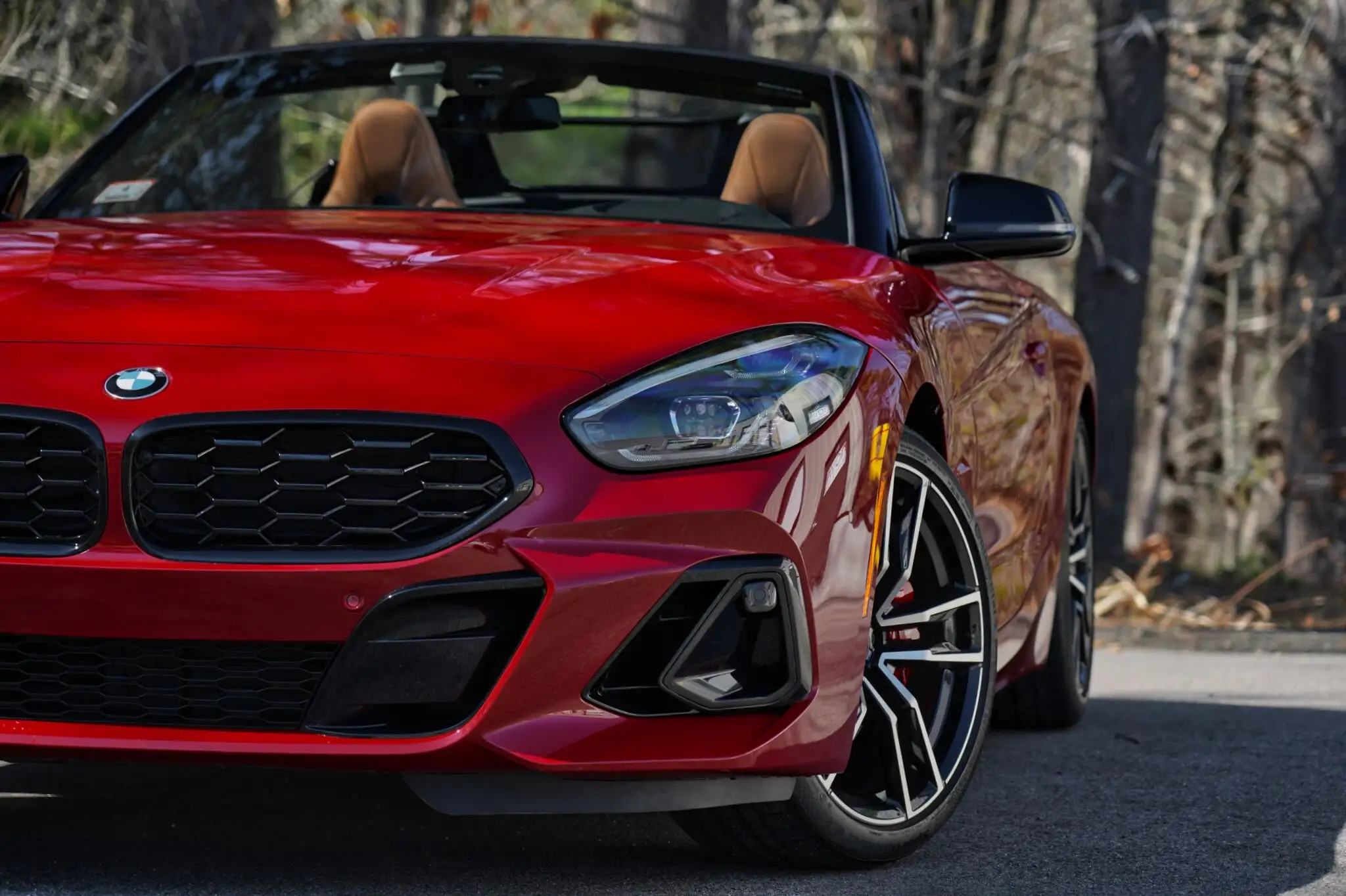
The short answer
A new vehicle should feel fresh for a while.
The paint is clean. The panels look sharp. The front bumper, hood, mirrors, and doors have not been exposed to years of road wear yet.
Then the first chip shows up.
For many owners, that first paint chip feels way too early. The vehicle may only have a few hundred miles on it. It may have barely seen bad weather. It may not have been parked near anything risky or driven in harsh conditions.
Unfortunately, modern vehicle paint can chip faster than many people expect.
That does not automatically mean the paint is defective. It usually means the vehicle is being used in normal real-world conditions. Highway debris, sand, salt, construction dust, soft clear coat, modern paint systems, and daily driving all play a role.
At Kickin’ Customs in Raynham, MA, this is one of the main reasons customers choose paint protection film early. PPF does not make paint invincible, but it gives the most vulnerable areas a sacrificial layer before chips and road rash start building up.
Why chips appear early
Modern Paint Is Not As Impact-Resistant As People Think
A lot of vehicle owners assume new paint should be stronger than older paint.
Modern paint technology is better in some ways. Factory finishes are consistent, refined, and designed to meet modern production and environmental standards. The issue is that those improvements do not always mean better resistance to rock chips.
Many modern vehicles use thinner paint systems than owners expect. Water-based paint, thinner clear coat, lightweight body panels, plastic bumper covers, and modern production requirements all factor into how paint behaves once the vehicle hits the road.
Clear coat can help with gloss, UV resistance, and general surface protection. It is not designed to stop a sharp stone from cutting through the finish at highway speed.
Once debris breaks through the clear coat and color coat, the chip is there. On some colors, especially black, dark gray, dark blue, red, and deep metallic finishes, that chip can stand out immediately.
Highway Driving Creates Paint Damage Quickly
You do not need to be careless to get paint chips.
Normal highway driving is enough.
Massachusetts and Rhode Island roads expose vehicles to loose gravel, sand, salt, tire debris, construction material, and broken pavement. Route 24, I-495, I-95, Route 3, the Mass Pike, and Cape Cod traffic can all put a new vehicle in direct contact with road debris early in ownership.
At low speed, small debris may not do much. At highway speed, the same debris can hit hard enough to chip paint, mark plastic trim, pit headlights, or wear down lower panels.
The most common impact areas are the front bumper, hood, mirrors, headlights, rocker panels, lower doors, rear quarters, and lower bedsides on trucks.
This is why a new vehicle can leave the dealership looking clean and start showing damage after only a few weeks of commuting.
Vehicle Design Makes Some Areas More Exposed
Modern vehicle design has changed.
Many vehicles now have larger painted bumpers, taller front ends, wider tires, sharper body lines, lower hood profiles, and more painted surfaces near the road.
That creates more exposure.
Trucks and SUVs often have large front ends that take direct impact from debris. Performance cars and wide-body vehicles can throw rocks into their own rocker panels and rear quarters. Electric vehicles often have smooth painted front bumper areas that make chips more noticeable. Daily drivers and family SUVs see constant exposure from commuting, errands, winter roads, and parking lots.
The vehicle does not need to be exotic to be vulnerable.
A daily driven SUV, Tesla, Rivian, BMW, Porsche, Corvette, truck, or commuter car can all benefit from early protection if the owner wants to reduce visible wear.
Dark Paint Usually Shows Chips Faster
Paint chips can happen on any color, but dark paint usually makes them more obvious.
Black, dark gray, dark blue, and other deep colors create strong contrast when a chip breaks through the surface. The chip may show white, gray, primer, plastic, or metal underneath depending on the panel.
That contrast is what makes the damage stand out.
Dark vehicles also tend to show swirls, water spots, bug marks, scratches, and road rash more easily than lighter vehicles. The paint may not always be weaker, but the damage is easier to see.
This is one reason owners of black vehicles often become frustrated quickly after delivery. They notice every mark.
PPF helps by taking the impact before the paint does. Instead of the debris hitting exposed paint directly, it hits the film first.
New Does Not Always Mean Perfect
A brand-new vehicle is not always perfect before PPF.
Some vehicles arrive with transport film residue, light scratches, swirl marks, rail dust, adhesive marks, or wash marring from dealer prep. Even if the vehicle has low mileage, it may still need proper inspection and prep before film is installed.
This is important because paint protection film is clear.
If damage, chips, staining, or scratches are already present, the film will protect the surface going forward, but it will not magically erase what is underneath.
That is why early installation matters. The cleaner and newer the paint is before PPF, the better the long-term result usually is.
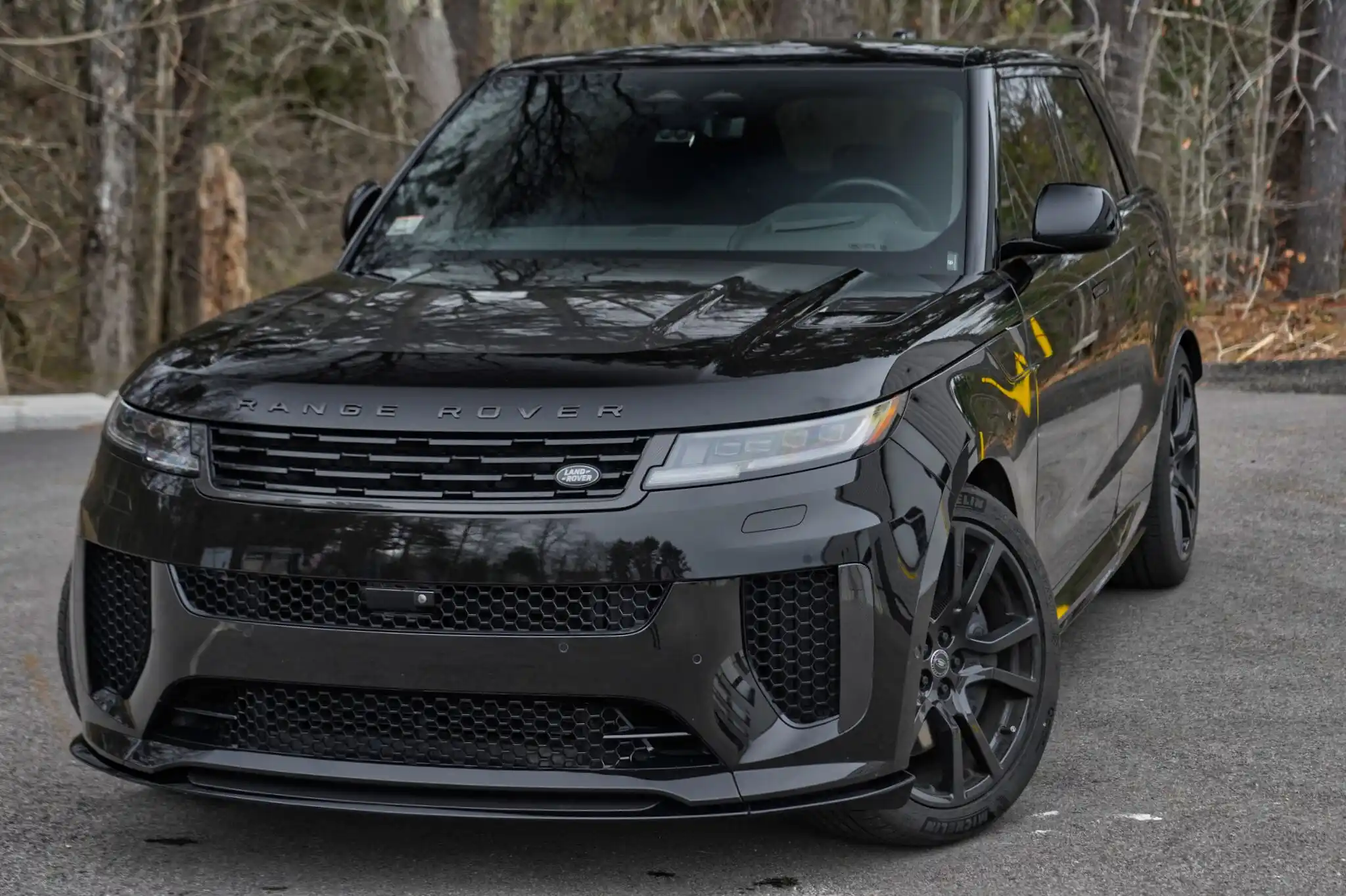
Protect before damage happens
Why Early Paint Protection Film Matters
The best time to install PPF is before the paint gets beat up.
Once the front bumper, hood, rocker panels, or lower doors are already chipped, film can still help prevent future damage. However, the existing chips may still be visible under the film.
Early PPF gives the vehicle protection while the paint is still in better condition.
This matters for owners who want to keep the vehicle looking newer, reduce visible road rash, protect high-impact areas, preserve resale condition, and avoid the frustration of seeing a new vehicle age too quickly.
It is especially important for vehicles that see highway mileage, winter roads, beach traffic, construction areas, long commutes, wide tires, or frequent daily use.
PPF Is Sacrificial Protection
Paint protection film is designed to take abuse so the paint does not have to.
That is the key point.
PPF is a sacrificial layer. If the film gets marked, chipped, scratched, or damaged, it may have done its job by helping protect the paint underneath.
Kickin’ Customs installs XPEL paint protection film, including XPEL Ultimate Plus, XPEL Stealth, and XPEL Ultimate Fusion. XPEL paint protection film carries a 10-year manufacturer warranty. XPEL Ultimate Fusion has hydrophobic properties that are expected to last around 4 years, while the film itself still carries the 10-year warranty.
No film can promise that damage will never happen. A hard enough impact can damage the film, and in some cases, it can still damage what is underneath. But compared to exposed paint, PPF gives high-impact areas a much better layer of defense.
What Areas Chip First?
The front bumper usually takes the most direct abuse.
The hood and mirrors are close behind. Headlights can also take a lot of impact, and they are expensive to replace on many modern vehicles.
Rocker panels and lower doors are another major concern. These areas get hit by debris thrown from the vehicle’s own tires and nearby traffic. On trucks, SUVs, performance vehicles, and wide-body cars, this can happen quickly.
Rear quarters, lower bedsides, and lower bumper sections can also take damage depending on the vehicle shape and tire setup.
This is why PPF coverage should be based on the vehicle, not just a generic package name. A commuter sedan, Porsche, Corvette, Tesla, Rivian, pickup truck, and family SUV may all need a different protection strategy.
Installation and ownership
PPF Is Not Just for Expensive Vehicles
Some owners still think PPF is only for exotic cars.
That is no longer true.
Paint protection film makes sense on any vehicle where the owner cares about keeping the paint in better condition. Daily drivers often benefit the most because they are constantly exposed to road debris, salt, sand, parking lots, weather, and regular use.
A work truck, family SUV, new Tesla, commuter car, luxury sedan, or performance vehicle can all justify PPF if the goal is to reduce wear in the areas that get hit first.
The question is not only how expensive the vehicle is.
The better question is how much the owner cares about protecting the paint before the damage starts.
Installation Quality Makes a Difference
The film matters, but installation matters just as much.
A proper PPF installation depends on surface prep, coverage planning, pattern selection, alignment, edge work, stretch control, trimming decisions, and final inspection.
Poor installation can leave coverage gaps, unnecessary edges, lifting, heavy stretch marks, or areas that are more likely to collect dirt over time.
At Kickin’ Customs, we help customers choose coverage based on the vehicle, driving habits, paint color, mileage, and expectations. Some edges can be wrapped when the panel allows it. Some edges may need to remain visible because of body shape, trim, sensors, badges, or safe installation limits.
The goal is to protect the right areas with the right coverage, not oversell every customer into the same package.
Aftercare Still Matters
PPF needs time to cure after installation.
Most paint protection film installations continue curing for 2 to 3 weeks. During that time, small moisture pockets, slight haze, or minor edge movement can be normal.
Customers should avoid washing the vehicle for 7 days after installation. They should avoid pressure washing too close to film edges, avoid picking at edges, and avoid trying to force out moisture pockets.
At Kickin’ Customs, the 3-week follow-up inspection is required for PPF workmanship coverage. This gives us a chance to inspect the film after it has settled and address small concerns early.
A small amount of edge movement during curing, around 1/16 of an inch, can be normal and can often be addressed at the follow-up.
Final Thoughts
New vehicle paint can chip quickly because modern paint is exposed to real-world driving from day one.
Thin paint systems, water-based paint, highway debris, winter roads, sand, salt, wide tires, large bumpers, and daily use all contribute to early paint damage.
PPF gives the most vulnerable areas a layer of sacrificial protection before the chips and road rash start to build up.
At Kickin’ Customs in Raynham, MA, we install XPEL paint protection film for daily drivers, trucks, SUVs, EVs, luxury vehicles, performance cars, and exotics across Massachusetts and Rhode Island.
If your vehicle is new, on order, or recently delivered, the best time to think about PPF is before the first chips show up.
Frequently Asked Questions
Why does new car paint chip so easily?
New car paint can chip because modern paint systems are not designed to absorb repeated impacts from road debris. Highway driving, sand, salt, gravel, construction dust, and exposed vehicle designs can all cause early chips.
Is modern paint thinner than older paint?
Many modern vehicles use thinner paint systems than owners expect. Modern paint is designed around appearance, efficiency, environmental standards, and production requirements, but that does not make it immune to rock chips.
Does clear coat prevent rock chips?
Clear coat helps protect the finish from UV exposure, gloss loss, and light surface wear, but it is not a true impact barrier. Sharp debris can still cut through clear coat and chip the paint underneath.
Should I install PPF right after buying a new vehicle?
Yes, if you want to protect the paint while it is still in its best condition. PPF can still be installed later, but existing chips may remain visible under the film.
Does PPF stop all paint chips?
No. PPF does not make paint invincible. A hard enough impact can still damage the film or the paint underneath. However, PPF provides a strong sacrificial layer that helps reduce common rock chips and road rash.
What areas should I protect first?
The most common starting points are the front bumper, hood, mirrors, headlights, rocker panels, lower doors, and rear quarters. The best coverage depends on the vehicle and how it is driven.
Is PPF worth it for daily drivers?
Yes, daily drivers often benefit heavily from PPF because they see constant road exposure. Commuting, winter driving, highway miles, and daily use can all cause chips and road rash over time.
Plan your next step
Protect your paint before the first chips show up. Contact Kickin’ Customs in Raynham, MA to discuss XPEL paint protection film options for your new vehicle.
