
The short answer
Electric vehicles are built around efficiency. Battery range, cabin comfort, glass design, and technology all work together to shape the driving experience.
That is why ceramic window tint matters so much on EVs.
On a gas vehicle, heat buildup is annoying. On an electric vehicle, heat buildup can affect comfort, climate control demand, and the overall feel of the vehicle. EVs are often equipped with large windshields, panoramic roofs, oversized side glass, and open cabin layouts. That glass looks great, but it also lets in a lot of solar heat.
Ceramic tint helps reduce that heat before it builds inside the cabin.
For Tesla, Rivian, Lucid, BMW i models, Mercedes EQ models, Ford Mustang Mach-E, Hyundai IONIQ, Kia EV models, and other electric vehicles, ceramic tint is not just a cosmetic upgrade. It is a comfort and efficiency upgrade.
Glass, ceramic film and comfort
EVs Have More Glass Than Most Vehicles
One of the biggest reasons ceramic tint matters on electric vehicles is the amount of glass.
Many EVs are designed with large windshields, large side windows, panoramic roofs, rear glass, and bright open cabins. That design makes the interior feel modern and spacious, but it also increases sun exposure.
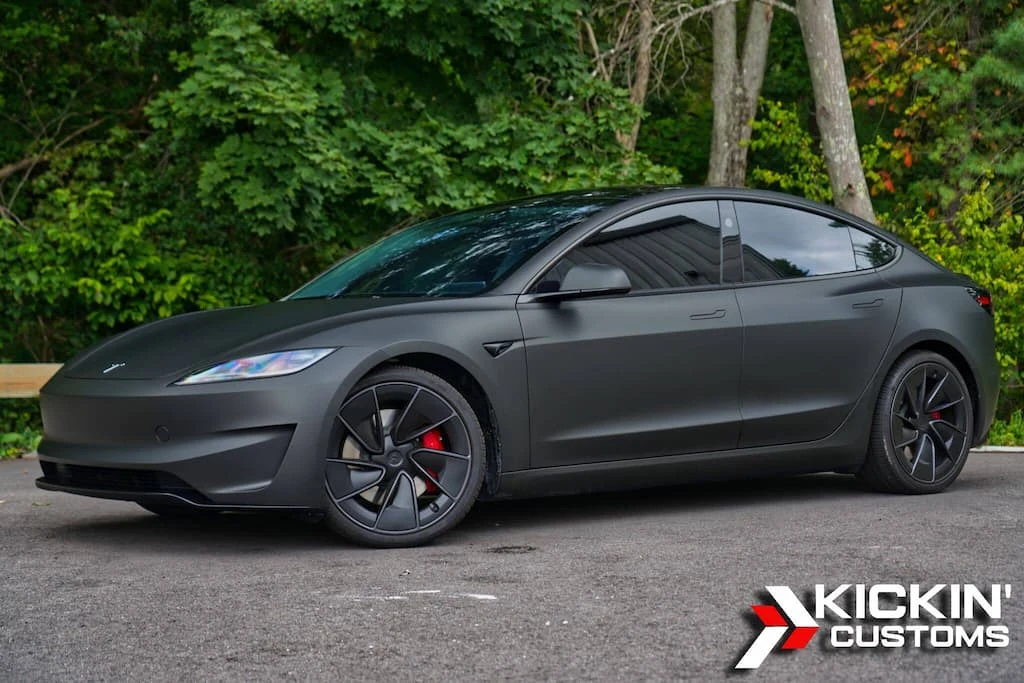
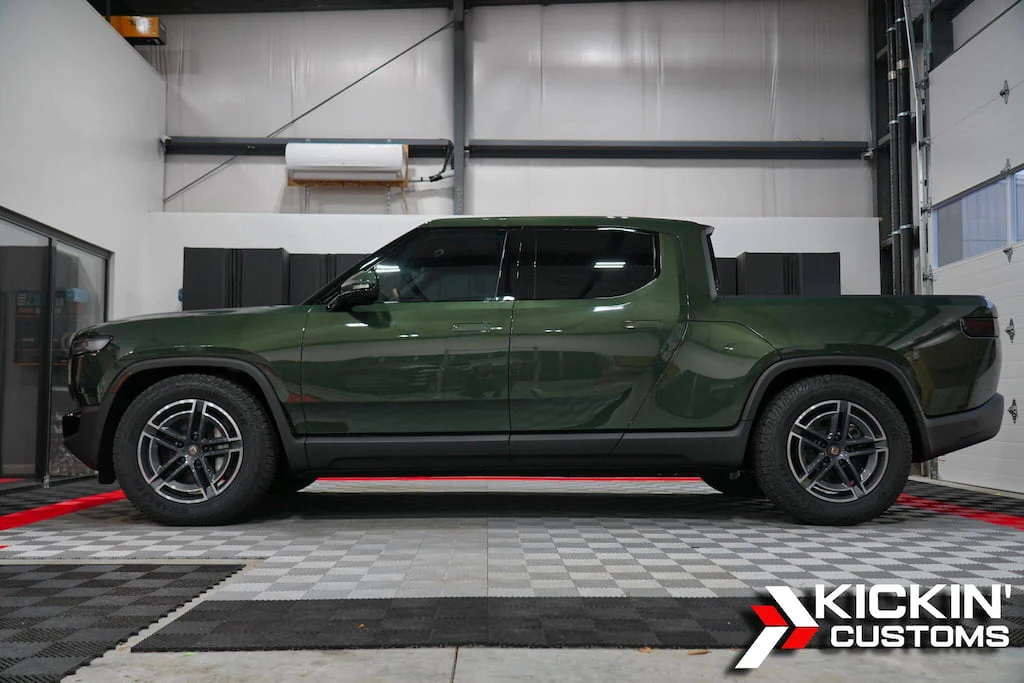
Tesla vehicles are a perfect example. The Model 3, Model Y, Model S, and Model X all have large glass areas. Rivian R1T and R1S models also have large cabins and plenty of glass exposure. The more glass a vehicle has, the more important heat rejection becomes.
Without quality tint, the cabin can get hot quickly, especially during summer driving, long commutes, parking lots, and highway trips.
Ceramic window tint helps reject infrared heat while maintaining visibility and clarity.
Ceramic Tint Is Different From Basic Tint
Not all window tint performs the same.
Basic dyed film is mostly about appearance and privacy. It can make the glass darker, but it does not offer the same heat rejection as a true ceramic film.
Ceramic tint is designed to reject heat more effectively without relying only on darkness. That means a lighter ceramic film can often outperform a darker basic film when it comes to comfort.
This matters on electric vehicles because many owners do not want the vehicle to look overly dark. They want the cabin to stay cooler while keeping the vehicle clean, refined, and easy to see out of.
At Kickin’ Customs, we use XPEL PRIME ceramic window films, including XR Black and XR Plus. These films are popular for EV owners because they offer strong heat rejection, UV protection, and clear visibility.
Heat Rejection Makes a Noticeable Difference
The main reason EV owners choose ceramic tint is heat rejection.
When sunlight passes through untreated glass, the interior absorbs heat. Seats, dashboards, screens, center consoles, steering wheels, and interior trim can all get hot. Once those materials heat up, the climate control system has to work harder to cool the cabin.
Ceramic tint helps reduce that solar heat before it enters the vehicle.
That means the cabin can feel more comfortable faster, especially after the vehicle has been sitting outside. It can also make a big difference during highway driving when the sun is hitting one side of the vehicle for an extended period of time.
On EVs with glass roofs or large windshields, this upgrade is especially noticeable.
Better Comfort Without Going Extremely Dark
One of the best things about ceramic tint is that you do not need to choose the darkest shade to get better comfort.
Many customers assume darker tint automatically means better performance. That is not always true.
With ceramic tint, the film technology matters more than just the shade. A premium ceramic film can reject a significant amount of heat while still allowing a clean, legal, and tasteful appearance.
This is especially important on luxury EVs, Teslas, Rivians, and daily drivers where visibility, safety, and appearance all matter.
The goal is not always to make the vehicle look blacked out. The goal is to make the cabin more comfortable.
Interiors, windshields and roofs
Ceramic Tint Helps Protect EV Interiors
Electric vehicles often have unique interiors.
Large screens, vegan leather, light-colored seats, piano black trim, wood trim, Alcantara, stitched panels, and soft-touch surfaces are common. These materials look great, but they are exposed to a lot of sunlight through the vehicle’s glass.
Ceramic window tint helps reduce UV exposure and solar heat, which can help protect interior surfaces over time.
This is especially valuable on vehicles with white interiors, light gray interiors, or large touchscreen displays. A cooler cabin is not just more comfortable. It is also easier on the materials inside the vehicle.
Why Windshield Tint Matters on EVs
The windshield is one of the largest pieces of glass on the vehicle. It is also one of the biggest sources of heat entering the cabin.
For many EV owners, windshield ceramic tint is one of the most noticeable upgrades.
A light ceramic windshield film can help reduce heat and glare while keeping the appearance subtle. This can make daily driving more comfortable without making the windshield look heavily tinted.
On vehicles like Tesla Model 3, Model Y, Model S, Model X, Rivian R1T, Rivian R1S, Lucid Air, and other glass-heavy EVs, windshield heat rejection can make a major difference.
For the cleanest result, many EV owners pair side and rear tint with a lighter windshield film.
Panoramic Roofs Need Special Consideration
Many EVs have large glass roofs, and customers often ask whether they should tint them.
The answer depends on the vehicle, the glass, the customer’s comfort level, and the product being used. Some panoramic glass already has factory shading or solar control built in, but that does not always mean the cabin is as comfortable as the owner wants.
Adding ceramic film to a roof can help reduce heat, but it needs to be discussed properly. Glass size, installation access, film selection, and customer expectations all matter.
On some EVs, the roof may be one of the biggest sources of radiant heat. On others, the windshield and side glass may be the higher priority.
The best approach is to evaluate the specific vehicle instead of assuming every EV needs the same tint package.
Climate, screens and privacy
Ceramic Tint Can Reduce Climate Control Strain
EV range is affected by many factors, including weather, driving habits, speed, terrain, tire setup, and climate control usage.
Ceramic tint will not magically add a massive amount of range, and it should not be oversold that way. But by reducing heat entering the cabin, it can help the vehicle maintain comfort with less climate control effort.
The biggest benefit is the driver experience.
The vehicle feels cooler. The AC does not feel like it is fighting the sun as hard. Passengers are more comfortable. Long drives feel better. Parking outside is less brutal.
For EV owners, that comfort matters every day.
Ceramic Tint Helps in Winter Too
Most people think about window tint only during summer, but ceramic tint can help in colder months as well.
Ceramic film helps reduce radiant heat transfer through the glass. In winter, that can make the cabin feel more stable and less exposed to cold glass surfaces.
The effect is not the same as turning the heat up, but it can improve comfort, especially on vehicles with large glass areas.
For New England EV owners, that year-round comfort is important. Between hot summer sun, winter cold, and bright glare from snow, ceramic tint is useful beyond just one season.
Glare Reduction Matters on EV Screens
EV cabins are screen-heavy.
Large center screens, digital clusters, head-up displays, camera displays, and glossy trim can all be affected by glare. Bright sunlight can make screens harder to read and make the cabin feel harsher during long drives.
Ceramic tint can help reduce glare while keeping visibility clear.
This is especially helpful on vehicles with large windshields, white interiors, glass roofs, or upright screen layouts. Reducing glare can make the vehicle feel more relaxed and easier to drive.
Privacy Without Ruining the Look
EVs often have open, minimalist interiors. That can make the inside of the vehicle very visible from the outside.
Ceramic tint adds privacy without needing to make the vehicle look overly dark. The right shade can give the vehicle a more finished appearance while still keeping it clean and refined.
For Tesla and Rivian owners, this is one of the most common reasons to tint. The vehicle looks better, the interior is more private, and the cabin feels more comfortable.
Choose coverage for your EV
Best Tint Package for Most EVs
For many electric vehicles, the best tint package includes the side windows, rear glass, and windshield.
The side and rear windows improve comfort, privacy, and appearance. The windshield helps reduce heat and glare from the largest forward-facing glass surface. On certain vehicles, the roof can also be considered.
A common EV tint strategy is:
Ceramic tint on all side windows
Ceramic tint on the rear glass
Light ceramic tint on the windshield
Roof tint when the vehicle and customer needs make sense
This gives the vehicle a balanced improvement without making it feel excessive.
Tesla Ceramic Tint
Tesla vehicles are some of the most common EVs we tint because the glass design makes heat rejection so important.
Model 3 and Model Y owners often notice cabin heat from the windshield, side glass, rear glass, and roof area. Model S and Model X vehicles have large glass surfaces as well, especially the windshield and roof design.
Ceramic tint helps improve comfort, reduce glare, add privacy, and make the cabin feel more controlled.
For Tesla owners, XR Plus is often the best choice when maximum heat rejection is the priority. XR Black is also a strong option for customers who want ceramic performance at a lower price point.
Rivian Ceramic Tint
Rivian R1T and R1S models have large cabins, large glass areas, and a premium interior feel. Ceramic tint pairs well with these vehicles because it improves comfort without taking away from the clean factory design.
Rivian owners often use their vehicles for commuting, road trips, family use, outdoor activities, and long drives. Tint helps make all of those situations more comfortable.
As a Rivian Certified partner for tint, Kickin’ Customs understands how to approach these vehicles properly and build a tint package around comfort, privacy, and appearance.
Ceramic Tint vs Factory Privacy Glass
Many SUVs and EVs come with factory privacy glass on the rear windows.
Factory privacy glass usually means the glass is darker from the factory. It does not automatically mean it has the same heat rejection as ceramic tint.
This is an important difference.
A rear window can look dark and still allow a lot of heat into the cabin. Adding ceramic film over factory privacy glass can improve heat rejection and comfort while keeping the appearance consistent.
For EV SUVs and crossovers, this is often worth considering, especially for passengers, kids, pets, and cargo areas.
Why Professional Installation Matters
EVs need to be handled properly during tint installation.
Large glass panels, tight interior trim, frameless windows, sensitive electronics, cameras, sensors, and unique door designs all require experience. A proper installation should protect the vehicle, limit contamination, and avoid unnecessary risk to electronics or interior materials.
The film should be cut and installed cleanly, with the right shade and product selected for the customer’s needs.
A cheap tint job on an EV is not worth the risk. The vehicle is too expensive, the interiors are too delicate, and the glass is too important to the driving experience.
Final Thoughts
Ceramic tint is one of the best upgrades for electric vehicles because it improves the way the vehicle feels every day.
It reduces heat. It helps with glare. It adds privacy. It protects the interior. It can reduce how hard the climate control system needs to work. Most importantly, it makes the cabin more comfortable.
For EVs with large glass areas, the difference is noticeable.
At Kickin’ Customs in Raynham, MA, we install XPEL ceramic window tint for Tesla, Rivian, Lucid, Ford, Hyundai, Kia, BMW, Mercedes, Porsche, Audi, and other electric vehicles across Massachusetts and Rhode Island.
Whether you want maximum heat rejection, a clean factory-style look, or a full ceramic tint package with windshield and roof options, we can help choose the right setup for your EV.
Frequently Asked Questions
Is ceramic tint worth it on an electric vehicle?
Yes. Ceramic tint is one of the best upgrades for an electric vehicle because it helps reduce heat, improve comfort, protect the interior, and reduce glare.
Does ceramic tint improve EV range?
Ceramic tint should not be sold as a major range upgrade. However, by reducing heat entering the cabin, it can help reduce climate control demand and make the vehicle feel more comfortable.
Should I tint the windshield on my EV?
For many EVs, yes. The windshield is one of the largest sources of cabin heat and glare. A light ceramic windshield film can make a noticeable comfort difference while keeping the appearance subtle.
Do Tesla glass roofs need tint?
It depends on the model, the glass, and the owner’s comfort goals. Some Tesla roofs already have factory shading, but ceramic tint may still help reduce heat in certain situations.
Is ceramic tint better than regular tint for EVs?
Yes. Ceramic tint offers better heat rejection and comfort than basic dyed film, especially on vehicles with large glass areas.
Does factory privacy glass already block heat?
Not always. Factory privacy glass is usually darker glass, but it does not always provide the same heat rejection as ceramic window film. Ceramic tint can be added to improve performance.
What is the best tint for a Tesla?
For Tesla owners who want maximum heat rejection, XPEL PRIME XR Plus is often the best choice. XR Black is also a strong ceramic option for comfort, privacy, and value.
What is the best tint for a Rivian?
For Rivian R1T and R1S owners, ceramic tint on the side windows, rear glass, and windshield is a popular setup. Roof tint can also be discussed depending on comfort needs.
Plan your next step
Make your EV more comfortable year-round. Contact Kickin’ Customs in Raynham, MA to choose the right XPEL ceramic tint package for your Tesla, Rivian, or electric vehicle.
