
The short answer
Choosing a window tint shade is one of the biggest decisions customers make before installation.
Some people want a darker look. Some want better privacy. Some want heat rejection without going too dark. Some want the front windows to match the factory rear glass. Others are mainly focused on windshield comfort, glare reduction, and daily driving visibility.
The right shade depends on more than appearance.
It depends on the vehicle, the glass, the film type, the driver’s visibility needs, local requirements, and how the vehicle is used every day.
At Kickin’ Customs in Raynham, MA, we install XPEL window tint for customers across Massachusetts and Rhode Island. Our goal is to help customers choose a shade that looks right, feels comfortable, and makes sense for the way they drive.
Understand VLT and your goals
Window Tint Shade Is Measured by VLT
Window tint shade is usually described by VLT, which stands for visible light transmission.
VLT refers to how much visible light passes through the glass and film.
A higher number means more light passes through.
A lower number means the tint is darker.
For example, a 70% film is very light. A 50% film is still light but adds more glare reduction. A 35% film has a noticeable tinted look. A 20% film is darker and provides more privacy. A 5% film is very dark and often referred to as limo tint.
This is where people sometimes get confused. A lower percentage means darker tint.
Shade and Heat Rejection Are Not the Same Thing
Many customers assume darker tint always means better heat rejection.
That is not always true.
Shade controls how dark the glass looks and how much visible light passes through. Film technology controls much of the heat rejection.
A darker basic dyed film may not reject as much heat as a lighter ceramic film. That is why ceramic tint is so popular. It can improve comfort without forcing every customer into a very dark shade.
At Kickin’ Customs, XPEL PRIME XR Black and XPEL PRIME XR Plus are ceramic options for customers who care about heat rejection, comfort, and clarity. XPEL PRIME Color Stable is a strong option for customers who mainly want appearance and privacy at a more budget-friendly price.
If your main goal is heat rejection, the film type matters as much as the shade.
Start With How You Use the Vehicle
The best tint shade depends on how the vehicle is used.
A daily driver needs a balance of comfort, privacy, and visibility. A family SUV may need rear passenger comfort and front window matching. A work truck may need glare reduction and privacy without making night driving uncomfortable. An EV may need ceramic tint on large glass areas to reduce heat. A luxury or performance vehicle may need a clean look that matches the style of the car.
The right choice should fit your actual driving habits.
If you drive at night often, park in poorly lit areas, or spend a lot of time on back roads, visibility should be a major part of the decision. If the vehicle is mostly driven during the day, parked outside, or used for long highway commutes, comfort and glare reduction may be bigger priorities.
Legal Requirements Should Be Part of the Conversation
Window tint laws vary by state, vehicle type, window position, and registration.
That matters for Massachusetts and Rhode Island customers because the requirements are not identical. A shade that may be common on one vehicle or in one state may not be the right choice for another customer.
This is why shade selection should include a conversation about legality, visibility, and how the vehicle is registered.
The goal is not just to make the vehicle look good on pickup day. The goal is to choose a setup the customer understands and is comfortable living with.
Choose shades by window
What Shade Should You Choose for Front Windows?
Front window tint usually needs the most thought.
The front doors affect privacy, glare, appearance, and driver visibility. They are also the windows most likely to be noticed from outside the vehicle.
Many customers tint the front windows to match the rear factory privacy glass on trucks, SUVs, and crossovers. This creates a cleaner, more balanced appearance.
The challenge is that factory rear privacy glass can vary by vehicle. A shade that matches one SUV may not match another exactly. Glass color, interior color, factory tint, and lighting conditions all affect the final look.
For many vehicles, a moderate shade on the front windows gives a clean appearance without making the vehicle feel too dark from inside.
What Shade Should You Choose for Rear Windows?
Rear window tint depends on the vehicle and the goal.
If the rear glass is clear from the factory, tinting the rear windows can improve privacy, reduce glare, and help the vehicle look more complete.
If the rear glass already has factory privacy tint, it may already look dark. However, factory privacy glass does not always provide the same heat rejection as ceramic film.
That is why many customers add ceramic tint over rear factory glass. The appearance may only change slightly depending on the shade, but the comfort improvement can be noticeable.
This is especially useful for passengers, kids, pets, cargo areas, third rows, and family vehicles.
Should You Match the Rear Factory Glass?
Matching the front windows to the factory rear glass is one of the most common tint requests.
It usually makes the vehicle look more finished and balanced.
This is especially popular on trucks, SUVs, crossovers, and family vehicles. From the outside, matching the front windows helps reduce the contrast between the clear front glass and darker rear privacy glass.
However, front matching is mostly about appearance. If the goal is heat rejection, the rear factory glass may still need ceramic film. Otherwise, the front windows may perform better than the rear windows if ceramic tint is only installed up front.
For the best comfort, full vehicle ceramic tint is usually better than front windows only.
What Shade Should You Choose for the Windshield?
Windshield tint is usually about comfort, not privacy.
The windshield is one of the largest glass surfaces on the vehicle. It lets in a lot of heat and glare, especially during morning commutes, afternoon sun, summer traffic, and long highway drives.
Most customers do not want a dark windshield. They want clear or lighter ceramic film that helps reduce heat and glare while keeping visibility practical.
A lighter ceramic windshield film can make a big difference in comfort without dramatically changing the look of the vehicle.
This is especially useful on EVs, trucks, SUVs, luxury vehicles, and vehicles with large dashboards or dark interiors.
What About Sunroofs and Panoramic Glass?
Sunroofs and panoramic roofs can add a lot of heat to the cabin.
This is common on Teslas, Rivians, luxury SUVs, EVs, and newer vehicles with large glass roof sections. Even when the roof glass has factory shading, heat can still radiate into the cabin.
Ceramic tint can help reduce that heat.
The right shade depends on the vehicle, the glass, the driver’s comfort goals, and how much light the owner wants to keep inside the cabin.
Some customers want to keep the open feel of the roof. Others want stronger heat rejection and less overhead glare.
Appearance and vehicle fit
Dark Tint Gives More Privacy
Darker tint usually gives more privacy.
That is one of the reasons many customers choose it. A darker shade can make it harder to see inside the vehicle, especially when paired with a dark interior.
Privacy can be useful for personal belongings, work vehicles, family vehicles, and customers who prefer a more private cabin.
However, darker tint also reduces visibility from inside the vehicle, especially at night or in bad weather. That is why shade selection should be practical, not just based on what looks best from outside.
A shade that looks great in daylight may feel too dark on a rainy night.
Lighter Ceramic Tint Can Be the Smart Choice
Not every good tint job has to look dark.
Lighter ceramic tint can be a great choice for customers who want heat rejection, glare reduction, UV protection, and interior comfort without a heavily tinted appearance.
This is common for windshields, luxury vehicles, daily drivers, and customers who want performance without drawing attention.
A lighter ceramic film can also work well for customers who value night visibility or prefer a cleaner factory-style look.
The film may look subtle, but the comfort improvement can still be noticeable.
Interior Color Changes the Final Look
Interior color affects how dark tint appears from the outside.
A vehicle with a black interior will usually make tint look darker. A vehicle with a light tan, gray, white, or cream interior may make the same tint shade look lighter.
This is one reason two vehicles with the same tint shade can look different.
Glass angle, factory glass color, windshield size, roof glass, lighting, and exterior paint color can also affect the final appearance.
That is why shade samples and real vehicle examples are helpful. Choosing tint based only on photos online can be misleading because lighting and editing can change how dark the tint appears.
Black Vehicles and White Vehicles Can Look Different With the Same Tint
Exterior color also changes the way tint looks.
On a black vehicle, tint often blends into the overall appearance and can look darker. On a white, silver, or lighter-colored vehicle, the tint may stand out more because of the contrast.
This does not mean one color is better than another. It just means the same shade can feel different depending on the vehicle.
For a clean, balanced look, the shade should complement the vehicle’s color, trim, wheel package, and overall style.
Trucks and SUVs Often Need a Different Strategy
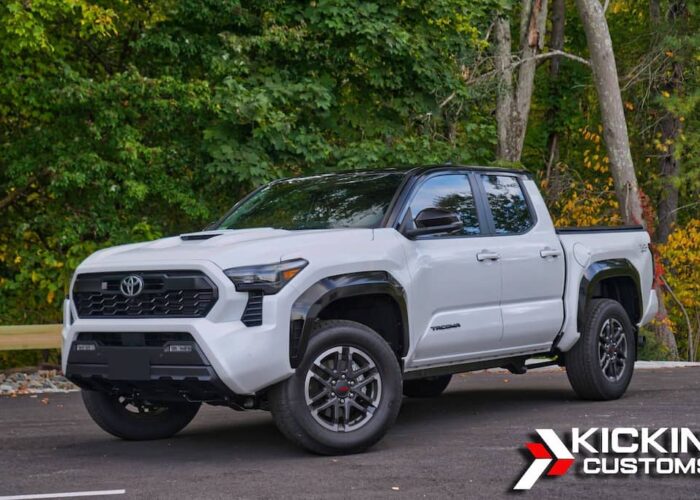
Trucks and SUVs often come with factory rear privacy glass.
Because of that, many customers start by tinting the two front windows to match the rear. This is a common and practical choice for appearance.
But if comfort is the goal, full vehicle ceramic tint is usually better.
Factory rear privacy glass may look dark, but it may not reject heat like ceramic tint. Adding ceramic film to the rear glass can help improve comfort for passengers and cargo areas.
For trucks and SUVs used for families, work, towing, commuting, pets, or road trips, full ceramic tint is often the better long-term setup.
EVs Usually Benefit From Ceramic Tint
EVs often have large glass areas, panoramic roofs, and cabins that can hold heat.
Tesla, Rivian, Lucid, Hyundai IONIQ, Kia EV, BMW i models, Mercedes EQ models, and similar vehicles can benefit from thoughtful shade selection.
For many EV owners, the best setup is not necessarily the darkest tint. It is a ceramic film package that controls heat across the windshield, side glass, rear glass, and roof glass where appropriate.
The goal is comfort, visibility, and a clean appearance.
Luxury Vehicles Usually Look Best With a Balanced Shade
Luxury vehicles often look best with a refined tint setup.
The shade should improve appearance without making the vehicle look out of place. Many luxury vehicle owners choose a moderate shade for the sides and rear, then add lighter ceramic windshield tint for comfort.
This keeps the cabin more comfortable while preserving a clean, premium appearance.
For black interiors or large glass cabins, ceramic tint can make the vehicle feel more comfortable without needing to go extremely dark.
Performance Cars Need Visibility and Comfort
Performance cars often benefit from window tint, but shade should be chosen carefully.
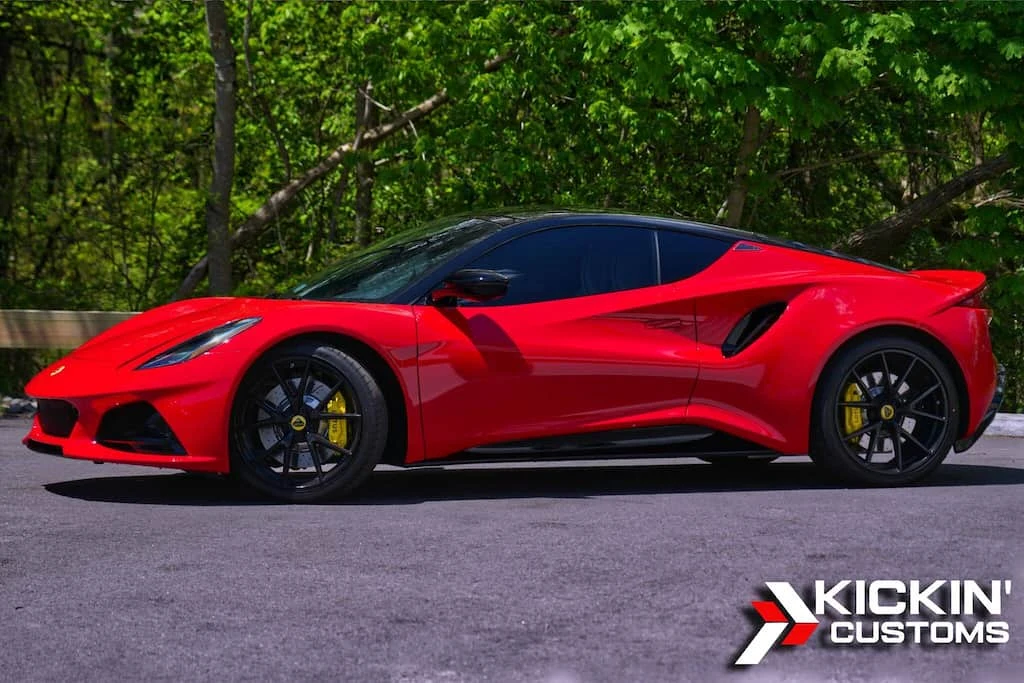
A darker tint can look aggressive and provide privacy. A lighter or moderate ceramic tint can reduce glare and heat while preserving better visibility.
For vehicles used on back roads, events, rallies, or night driving, visibility matters.
Windshield tint may also be helpful for glare and heat, especially on low vehicles with large windshields or dark dashboards.
The best setup depends on how the vehicle is driven.
Finalize the installation
Common Shade Goals
Some customers want a factory-style look. They usually prefer lighter or moderate tint.
Some customers want privacy. They usually prefer darker side and rear glass.
Some customers want heat rejection. They should focus on ceramic film, not just darkness.
Some customers want the front windows to match the rear. They should compare shade samples against the factory rear glass.
Some customers want windshield comfort. They should consider clear or lighter ceramic film.
Some customers want a full premium setup. They may choose ceramic tint on the full vehicle, windshield, and roof glass where appropriate.
There is no single best shade for everyone.
Installation Quality Still Matters
A good shade choice still needs a quality installation.
Window tint installation requires clean prep, accurate cutting, careful shrinking, edge alignment, and attention to seals, dot matrix areas, frameless glass, electronics, and interior materials.
Modern vehicles can be sensitive, especially EVs, luxury vehicles, and vehicles with large glass panels.
At Kickin’ Customs, we help customers choose the right XPEL film and shade, then install it with a focus on clean fitment, practical visibility, and realistic aftercare.
Tint Aftercare Matters
After installation, window tint needs time to dry and cure.
Customers should keep the windows up for the recommended period, usually several days depending on the vehicle, film, and weather conditions. They should also avoid cleaning the inside of the windows too soon.
Light haze, small water pockets, or a slightly cloudy appearance can be normal while the film cures.
Once it is safe to clean, use ammonia-free cleaners and clean microfiber towels. Avoid placing stickers directly on the tint, including parking stickers, car wash stickers, gate access stickers, and similar items. A protective sticker shield can help make future removal cleaner.
Proper aftercare helps the tint settle and look the way it should.
Final Thoughts
The best window tint shade depends on appearance, privacy, heat rejection, visibility, comfort, and how the vehicle is used.
Darker tint gives more privacy and a stronger visual change. Lighter ceramic tint can provide comfort and heat rejection without making the vehicle feel too dark. Windshield tint can make a major difference for glare and heat. Full vehicle ceramic tint usually provides better comfort than front windows only.
At Kickin’ Customs in Raynham, MA, we install XPEL window tint for vehicles across Massachusetts and Rhode Island. Whether you want front window matching, a full ceramic package, windshield tint, or a premium XR Plus setup, we can help you choose the right shade for your vehicle.
The right tint should look good, feel good, and make sense every time you drive.
Frequently Asked Questions
What does window tint percentage mean?
Window tint percentage refers to visible light transmission, or VLT. A higher number lets in more light, while a lower number is darker.
Is 35% tint darker than 50% tint?
Yes. A 35% tint is darker than a 50% tint because it allows less visible light through the glass.
Does darker tint reject more heat?
Not always. Film technology matters. A lighter ceramic tint can often reject more heat than a darker basic dyed tint.
What tint shade is best for heat rejection?
For heat rejection, focus on ceramic film first. XPEL PRIME XR Black and XPEL PRIME XR Plus are strong choices for customers who want better comfort and performance.
What shade should I choose for my windshield?
Most customers choose clear or lighter ceramic windshield film for heat and glare reduction without making the windshield look dark.
Should I match my front windows to the factory rear glass?
Many truck and SUV owners choose front window tint to match the factory rear glass. This improves appearance, but full vehicle ceramic tint is usually better for heat rejection and comfort.
Is factory privacy glass the same as ceramic tint?
No. Factory privacy glass may look dark, but it does not always provide the same heat rejection as ceramic window tint.
Can I go too dark with window tint?
Yes. Tint that is too dark can reduce visibility, especially at night or in bad weather. Legal requirements, visibility, and daily driving comfort should all be considered before choosing a shade.
Plan your next step
Not sure which tint shade is right for your vehicle? Contact Kickin’ Customs in Raynham, MA to compare XPEL window tint options and choose the right shade for comfort, privacy, appearance, and daily driving visibility.
