
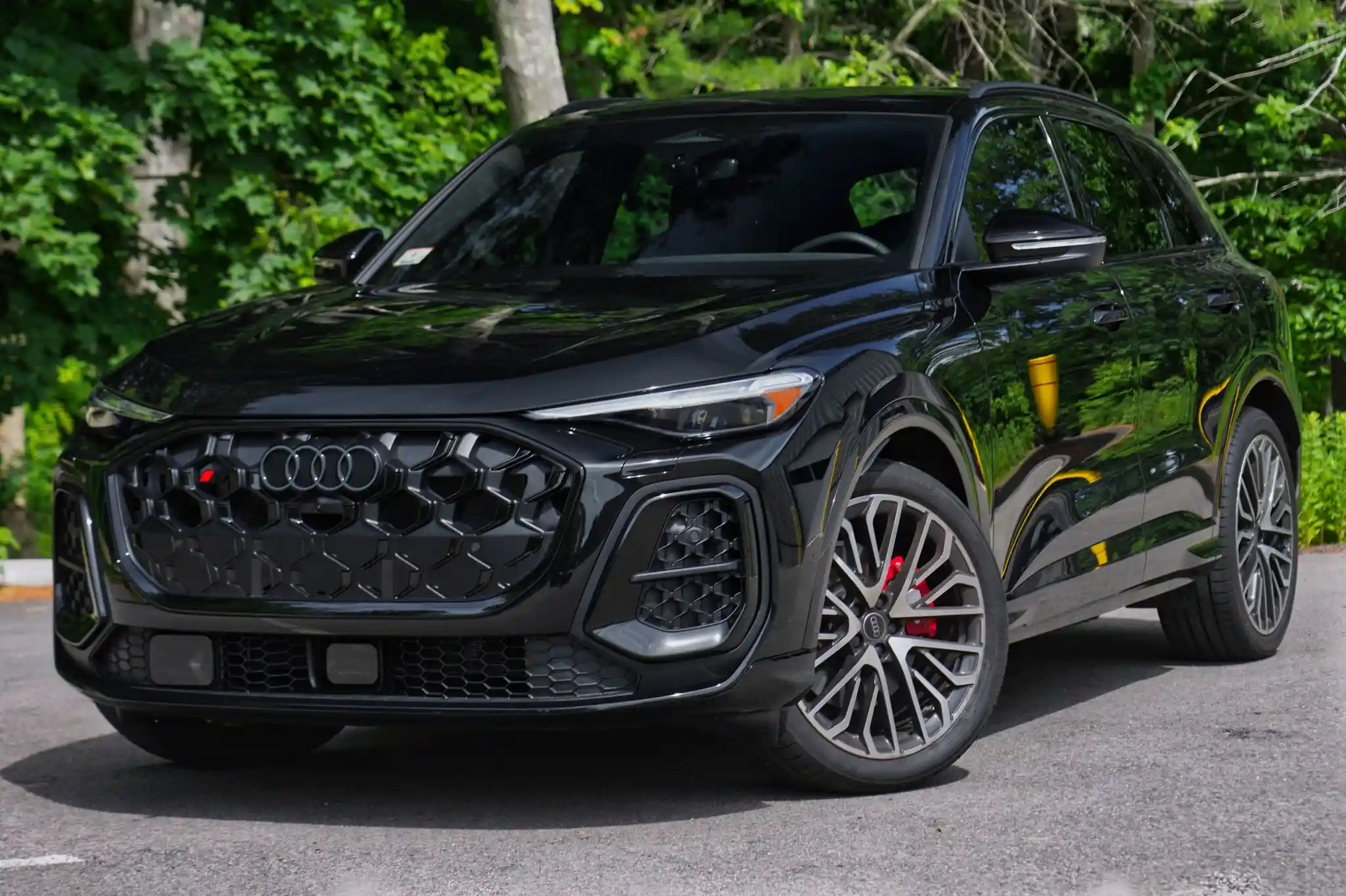
The short answer
Ceramic coating is a great upgrade when expectations are realistic.
It can make a vehicle easier to wash. It can improve gloss and slickness. It can help with water behavior, UV exposure, chemical resistance, and daily maintenance. It can make ownership feel less frustrating, especially on black vehicles, daily drivers, trucks, SUVs, EVs, and vehicles parked outside.
But ceramic coating does not protect against everything.
That is where a lot of disappointment comes from. Some customers hear ceramic coating and think the vehicle becomes scratch proof, chip proof, stain proof, and maintenance-free. That is not how coating works.
At Kickin’ Customs in Raynham, MA, we install XPEL ceramic coatings for vehicles across Massachusetts and Rhode Island. We believe ceramic coating is worth it for the right customer, but it should be explained honestly.
Ceramic coating helps protect the surface. It does not replace paint protection film, proper washing, careful ownership, or regular maintenance.
Impact and scratch limits
Ceramic Coating Does Not Stop Rock Chips
This is the biggest misunderstanding.
Ceramic coating does not prevent rock chips.
A ceramic coating is a thin protective layer applied to the surface of the paint. It improves slickness, gloss, water behavior, UV resistance, chemical resistance, and ease of cleaning. It does not create a thick physical barrier that can absorb impact from stones, gravel, sand, or road debris.
If a rock hits the front bumper, hood, mirror, rocker panel, or lower door at highway speed, ceramic coating is not the product designed to stop that impact.
Paint protection film is the correct product for rock chip protection.
If your main concern is front-end damage, road rash, tire sling, or lower panel impact, PPF should be part of the conversation before ceramic coating.
Ceramic Coating Does Not Replace Paint Protection Film
Ceramic coating and paint protection film solve different problems.
PPF protects against physical impact.
Ceramic coating helps with surface protection and easier maintenance.
Paint protection film is a thicker, sacrificial layer installed over high-impact painted surfaces. It helps protect against rock chips, road debris, bug acids, salt, sand, and light abrasion. If the film gets damaged, it may have done its job by helping protect the paint underneath.
Ceramic coating does not do that.
It can be installed over PPF to make the film easier to clean, but it does not replace the film.
For many vehicles, the best setup is PPF on high-impact areas with ceramic coating over the film and exposed paint.
Ceramic Coating Does Not Prevent Deep Scratches
Ceramic coating does not make paint scratch proof.
A coated vehicle can still be scratched by dirty towels, automatic brush washes, snow brushes, tree branches, fingernails, bags, keys, pets, tools, and improper washing.
The coating may add slickness and some light surface resistance, but it cannot stop deeper contact damage.
This is important for customers who expect coating to protect against all scratches. It will not.
If something is hard enough or sharp enough to scratch paint, it can usually scratch or damage a coated surface too.
Ceramic coating helps with maintenance. It does not make careless contact safe.
Ceramic Coating Does Not Prevent Swirls From Poor Washing
Swirl marks usually come from improper washing and drying.
Dirty wash mitts, old towels, automatic brush washes, dry wiping, aggressive scrubbing, and dragging grit across the paint can all create swirl marks.
Ceramic coating does not prevent that.
A coated vehicle still needs proper wash habits. Use clean microfiber towels, safe wash media, proper soap, and careful drying methods. Do not dry wipe dust. Do not use dirty towels. Do not wash with abrasive brushes.
The coating can make the surface slicker and easier to clean, which can reduce how much effort is needed during washing. But if the washing process is poor, damage can still happen.
Good maintenance still matters.
Ceramic Coating Does Not Make Automatic Brush Washes Safe
Automatic brush washes are not ideal for coated vehicles.
The brushes can drag dirt, grit, and chemicals across the surface. They can create scratches, dullness, and surface wear over time. They can also reduce the performance of the coating faster than proper hand washing.
Ceramic coating does not make the vehicle immune to brush wash damage.
Touchless washes are usually safer than brush washes, but they can still use strong chemicals that may affect coatings, trim, rubber, film, and plastics over time.
The best choice is proper hand washing with coating-safe products and clean microfiber towels.
If you invest in a ceramic coating, the wash process should match the level of care you want from the vehicle.
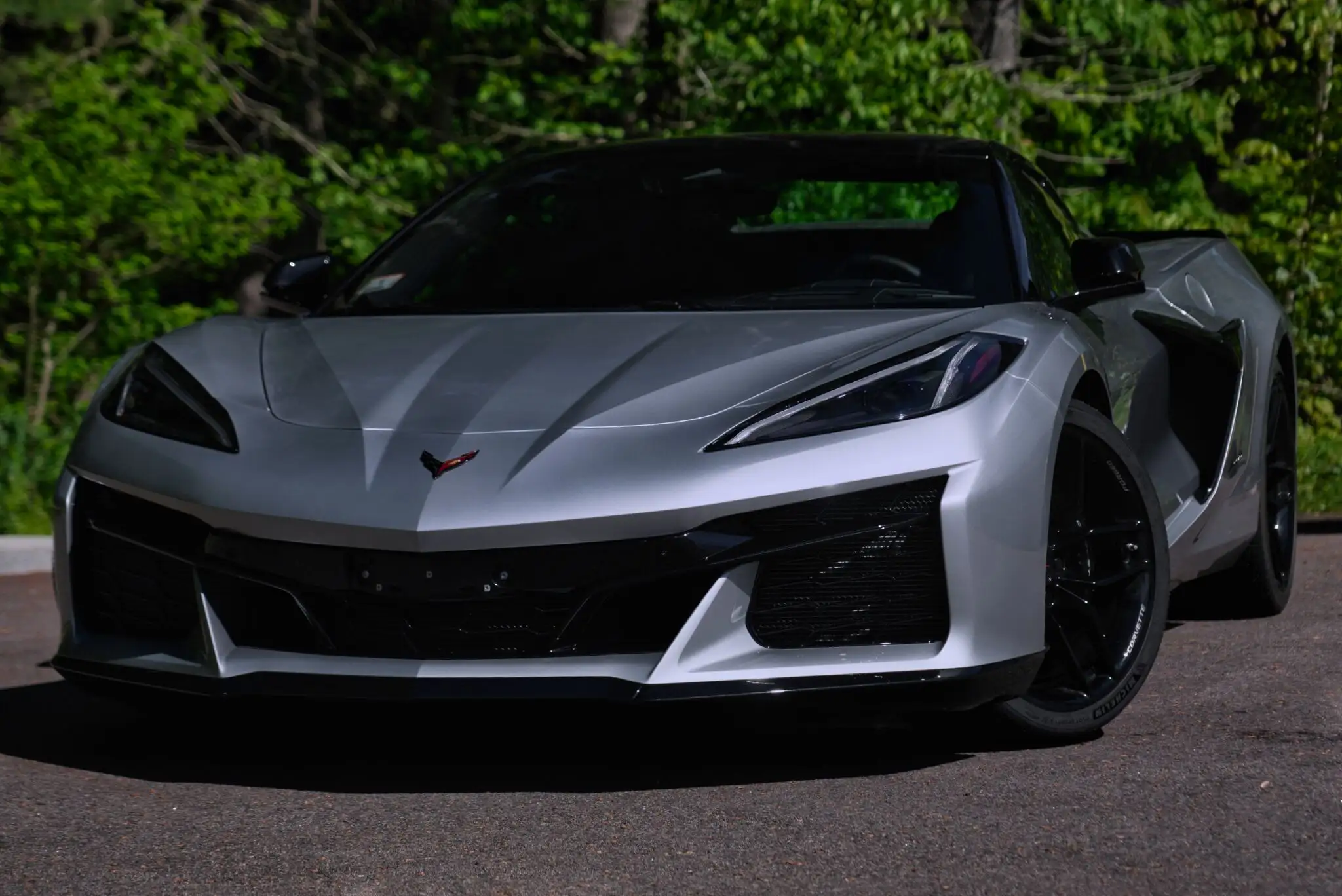
Contamination and maintenance
Ceramic Coating Does Not Make the Vehicle Maintenance-Free
Ceramic coating makes maintenance easier.
It does not eliminate maintenance.
The vehicle will still get dirty. Bugs will still hit the bumper. Bird droppings can still land on the paint. Road salt will still build up in winter. Pollen, sap, brake dust, water spots, and road grime can still collect on the surface.
The difference is that a coated vehicle is usually easier to clean when it is maintained properly.
If the vehicle is neglected, the coating can become clogged with contamination. Water behavior can weaken. Slickness can drop. The vehicle can become harder to wash.
Ceramic coating rewards good maintenance. It does not replace it.
Ceramic Coating Does Not Stop Water Spots Completely
Ceramic coating improves water behavior, but it does not eliminate water spots.
Water spots usually come from minerals left behind after water dries on the surface. Hard water, sprinkler water, rainwater, dirty water, and soap residue can all leave spots.
A ceramic coating can make water easier to remove and can reduce how strongly some contamination bonds to the surface. But if mineral-heavy water dries on the vehicle in direct sun, water spots can still happen.
This is especially important on black vehicles and dark-colored paint.
The best way to reduce water spots is to avoid letting water dry on the surface when possible, dry the vehicle properly after washing, avoid sprinklers, and maintain the coating with the right products.
Ceramic Coating Does Not Make Bird Droppings Harmless
Bird droppings can still damage a coated vehicle if they sit too long.
Ceramic coating adds a protective layer and can make cleanup easier, but bird droppings can be acidic. Heat and sunlight can make the problem worse by baking the contamination into the surface.
The coating gives the paint a better chance, but it does not make bird droppings safe to ignore.
Remove bird droppings as soon as reasonably possible. Use the right cleaner, let the contamination soften, and wipe gently with a clean microfiber towel.
Do not scrub aggressively. Do not dry wipe. Do not assume the coating will handle it for days or weeks.
Ceramic Coating Does Not Make Bug Splatter Safe to Ignore
Bug splatter can also be acidic.
The front bumper, mirrors, hood, grille area, windshield, and rocker panels collect bugs quickly during warm weather and highway driving.
Ceramic coating can make bug residue easier to remove, but it does not make bug acids harmless. If bugs sit too long, especially in hot weather, they can stain or etch the surface.
This is one of the reasons coated vehicles still need regular washing.
The coating helps. Timely cleaning helps more.
Ceramic Coating Does Not Stop Tree Sap From Being a Problem
Tree sap can still stick to a ceramic coated vehicle.
The coating may reduce how aggressively it bonds compared to unprotected paint, but sap can still harden, stain, or require careful removal if left sitting too long.
If you park under trees often, ceramic coating is useful, but it does not mean the vehicle can be ignored.
Sap should be removed carefully with appropriate products. Harsh scraping, aggressive chemicals, or abrasive towels can damage the coating or the surface.
Ceramic coating helps make cleanup easier. It does not make tree sap harmless.
Damage a coating cannot repair
Ceramic Coating Does Not Prevent Dents or Door Dings
Ceramic coating does not protect against dents.
Parking lot door dings, shopping carts, hail, falling branches, tool impacts, and other physical dents are outside the purpose of ceramic coating.
A coating is a surface protection product. It is not body armor.
If the concern is door dings, parking lot damage, or impact dents, ceramic coating is not the solution. Paintless dent repair, careful parking, and other protective habits are more relevant for those issues.
Ceramic Coating Does Not Fix Bad Paint
Ceramic coating does not repair paint by itself.
If a vehicle has swirls, scratches, water spots, oxidation, staining, sanding marks, or dull paint, the coating will not magically remove those defects.
In many cases, the paint needs correction or polishing before coating. The coating enhances and protects the surface that is already there. If the surface looks poor before coating, it may still look poor afterward.
This is why paint correction matters before ceramic coating.
At Kickin’ Customs, our 4-year and 8-year XPEL Fusion coating packages include a 1-step polish, while shorter-term coating options use quicker prep. The prep level should match the vehicle’s condition and the customer’s expectations.
Ceramic Coating Does Not Hide Rock Chips
If a vehicle already has rock chips, ceramic coating will not hide them.
The coating is clear. It may add gloss and slickness around the area, but it will not fill deep chips or make missing paint disappear.
Touch-up paint may improve the look of some chips, but it is not the same as original paint. If chips are already present, expectations need to be realistic before coating.
This is why new vehicles should be protected early if the owner cares about the finish.
If rock chips are the main concern, paint protection film should be installed before the damage builds up.
Ceramic Coating Does Not Stop Road Rash
Road rash is caused by repeated impacts from small debris.
It usually appears on front bumpers, rocker panels, lower doors, rear quarters, and lower bedsides. Trucks, SUVs, performance cars, EVs, and vehicles with wide tires can develop road rash quickly.
Ceramic coating does not stop road rash.
Paint protection film is the better product for that type of damage.
Ceramic coating may make the area easier to clean, but it does not protect against repeated sandblasting from tire-thrown debris and highway particles.
Ceramic Coating Does Not Prevent Damage From Neglect
A neglected coated vehicle can still look bad.
If the vehicle is rarely washed, exposed to harsh conditions, left under trees, run through brush washes, covered in salt for months, or cleaned with poor products, the coating will not perform the way customers expect.
Ceramic coating is not a substitute for ownership care.
It is better to think of ceramic coating as a support system for good maintenance. It makes proper care easier and more effective, but it cannot overcome total neglect.
The customers who get the best results are the ones who wash the vehicle regularly and use the right products.
Products, finishes and good care
Ceramic Coating Does Not Protect Against Harsh Chemicals
Ceramic coating has chemical resistance, but that does not mean every chemical is safe.
Strong degreasers, acidic cleaners, abrasive compounds, harsh solvents, aggressive wheel cleaners, petroleum-based products, and unknown chemicals can affect the coating or the surface underneath.
This is especially important if the vehicle is washed at random car washes or cleaned with products not designed for coated surfaces.
Use coating-safe products whenever possible.
If you are not sure whether a product is safe, ask before applying it.
Ceramic Coating Does Not Last Forever
Ceramic coating has a lifespan.
How long it lasts depends on the coating package, prep, installation, maintenance, mileage, storage, climate, and washing habits.
A garage-kept weekend vehicle has an easier life than a daily driver parked outside through New England winters. A properly hand-washed vehicle will usually perform better than one run through harsh washes.
At Kickin’ Customs, we offer XPEL Fusion coating options that can be matched to the customer’s ownership plans, including shorter-term and longer-term coating options.
The coating is durable, but it is not permanent.
Ceramic Coating Does Not Perform the Same Without Maintenance
A coating can lose slickness and water behavior if it becomes contaminated.
Road film, minerals, soap residue, salt, pollen, and grime can build up on the coating surface. When this happens, the vehicle may stop beading water the way it did when it was freshly coated.
That does not always mean the coating is gone.
It may mean the surface needs proper maintenance.
Regular washing, safe products, and Ceramic Boost every 6 months can help maintain slickness and water behavior.
A coating that is cared for will usually perform better than one that is ignored.
Ceramic Coating Does Not Make Snow Brushes Safe
New England drivers often use snow brushes during winter.
A ceramic coating does not make snow brushes safe for paint.
Dragging a brush across paint can create scratches or marring, especially if there is ice, salt, sand, or grit trapped on the surface.
If snow removal is needed, use care. Avoid aggressive scraping on painted surfaces. Do not drag dirty or stiff tools across the paint if it can be avoided.
Ceramic coating may help with surface slickness, but it does not prevent physical scratching from a snow brush.
Ceramic Coating Does Not Protect Matte or Satin Finishes From Wrong Products
Matte and satin finishes need special care.
Ceramic coating can be useful on matte or satin surfaces when the correct product is used, but the wrong cleaner, polish, wax, or gloss-enhancing product can create uneven shine or staining.
Do not polish matte paint or satin film. Do not use products that are designed to add gloss unless they are approved for that finish.
This matters for satin paint, matte paint, XPEL Stealth PPF, vinyl wrap, and satin color PPF.
The coating may help maintenance, but finish-specific care still matters.
Ceramic Coating Does Not Remove the Need for Good Drying
Drying matters.
A coated vehicle is usually easier to dry because water moves off the surface more efficiently. But if water is allowed to dry on the vehicle, water spots can still form.
This is especially true with hard water, sprinkler water, well water, or washing in direct sun.
Use clean drying towels, filtered water when possible, or safe drying aids that are compatible with the coating. Avoid letting water sit and bake onto the paint.
Ceramic coating helps with water behavior. It does not make drying unimportant.
Ceramic Coating Does Not Replace Common Sense
Ceramic coating is a strong product when used correctly.
It makes the vehicle easier to clean. It helps with gloss, slickness, UV exposure, chemical resistance, and water behavior. It helps protect against daily environmental exposure.
But it does not replace common sense.
Do not run it through brush washes and expect perfect paint. Do not leave bird droppings on it for weeks. Do not pressure wash trim recklessly. Do not scrub bugs with rough towels. Do not use random chemicals because the vehicle is coated.
A coating makes proper care easier. It does not make improper care harmless.
Where coating helps
What Ceramic Coating Is Actually Good For
After explaining what ceramic coating does not do, it is worth being clear about what it does well.
Ceramic coating is excellent for customers who want the vehicle to wash easier, dry easier, stay glossier, resist UV exposure, improve water behavior, and reduce how strongly dirt and grime stick to the surface.
It is especially helpful on daily drivers, black vehicles, trucks, SUVs, EVs, luxury vehicles, and new vehicles.
When paired with paint protection film, it becomes even more useful. PPF protects against impact. Ceramic coating makes the film and exposed paint easier to maintain.
Used correctly, ceramic coating is one of the best maintenance upgrades available.
Final Thoughts
Ceramic coating is valuable, but it has limits.
It does not stop rock chips. It does not prevent deep scratches. It does not make the vehicle maintenance-free. It does not fix bad paint. It does not make automatic brush washes safe. It does not make water spots, bird droppings, bug splatter, tree sap, or harsh chemicals harmless.
What it does is make the vehicle easier to clean, glossier, slicker, more hydrophobic, and better protected from daily environmental exposure.
At Kickin’ Customs in Raynham, MA, we install XPEL ceramic coatings for customers across Massachusetts and Rhode Island. Our goal is to match the coating to the vehicle, the paint condition, the owner’s expectations, and the maintenance routine.
If you want impact protection, start with PPF.
If you want easier cleaning and better surface protection, ceramic coating is the right upgrade.
If you want both, the best answer is often paint protection film on high-impact areas with ceramic coating over the film and exposed paint.
Frequently Asked Questions
Does ceramic coating prevent rock chips?
No. Ceramic coating does not prevent rock chips. Paint protection film is the correct product for rock chip and road debris protection.
Does ceramic coating prevent scratches?
Ceramic coating does not prevent deep scratches. Dirty towels, automatic brush washes, snow brushes, branches, keys, and hard contact can still scratch the vehicle.
Does ceramic coating make a car maintenance-free?
No. Ceramic coating makes maintenance easier, but the vehicle still needs regular washing, safe products, and proper care.
Can ceramic coating stop water spots?
No. Ceramic coating can improve water behavior, but water spots can still happen if mineral-heavy water dries on the surface.
Does ceramic coating protect against bird droppings?
Ceramic coating helps add a protective layer and can make cleanup easier, but bird droppings can still stain or etch if left sitting too long.
Does ceramic coating replace PPF?
No. Ceramic coating does not replace paint protection film. PPF protects against impact, while ceramic coating helps with gloss, slickness, water behavior, and easier cleaning.
Can automatic car washes damage ceramic coating?
Automatic brush washes can scratch the surface and reduce coating performance over time. Proper hand washing is the better option.
Does ceramic coating last forever?
No. Ceramic coating has a lifespan. Longevity depends on the coating package, prep, installation, maintenance, storage, mileage, and washing habits.
Plan your next step
Ceramic coating is a great upgrade when expectations are clear. Contact Kickin’ Customs in Raynham, MA to choose the right XPEL ceramic coating, PPF, or combined protection package for your vehicle.
