
The short answer
For many new vehicles, paint protection film is absolutely worth considering.
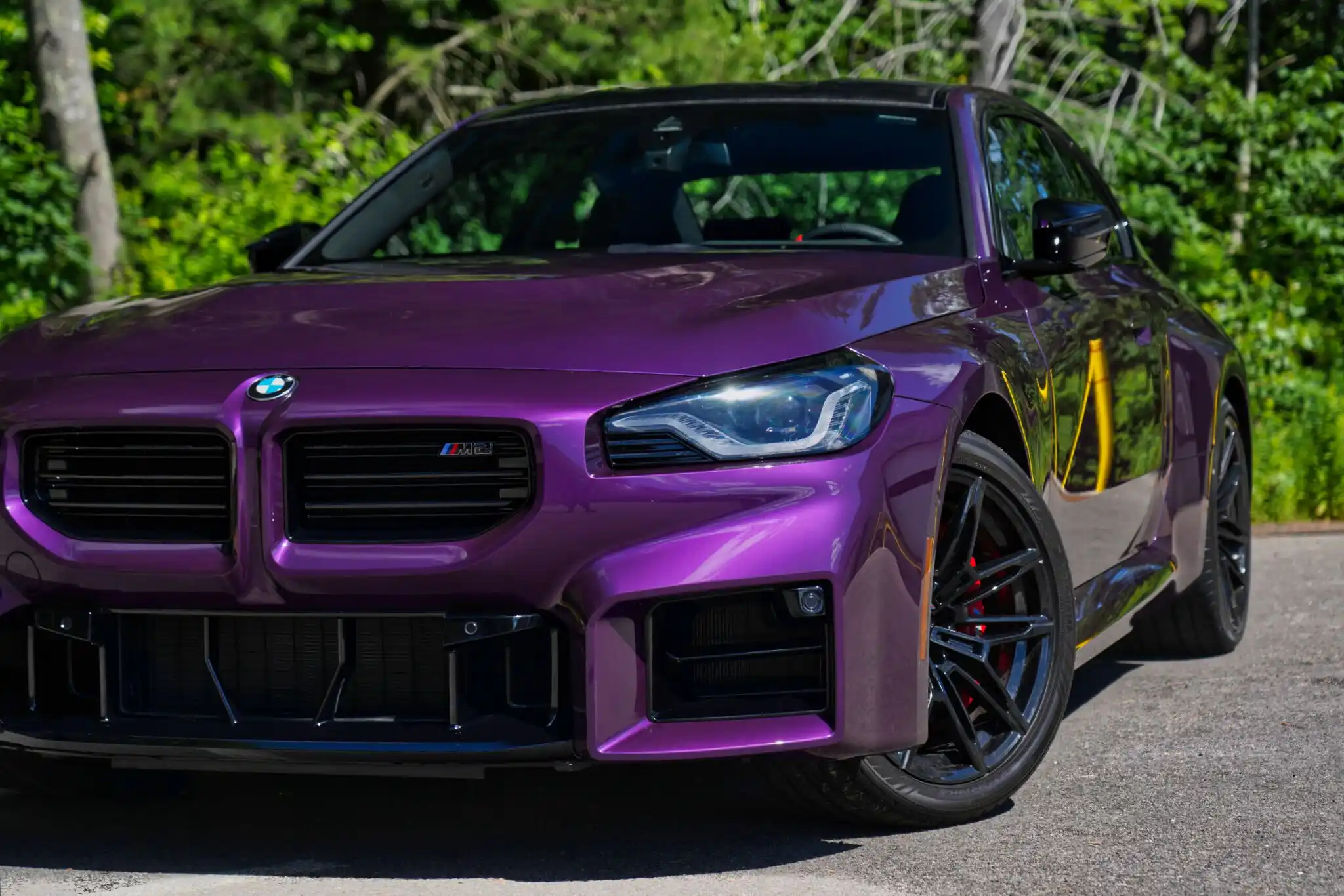
A new car looks its best on delivery day. The paint is fresh, the front bumper is clean, the hood has no chips, and the vehicle still feels untouched. The problem is that normal driving can change that quickly.
Rock chips, sand, salt, bug acids, road debris, bird droppings, road rash, scratches, and wash marks can start showing up long before the vehicle feels old. In New England, that damage can happen even faster because of winter roads, construction zones, highway debris, and seasonal sand and salt.
Paint protection film, also called PPF or clear bra, helps protect the painted surfaces before that damage happens.
The real question is not whether PPF works. The better question is whether the vehicle, the owner, and the way the vehicle will be used justify the investment.
For many new car owners, the answer is yes.
Why protect a new car
What Paint Protection Film Does
Paint protection film is a clear or satin protective urethane film installed over painted surfaces. It acts as a sacrificial layer between the vehicle’s paint and the road.
Instead of rocks, bugs, salt, sand, and road debris hitting the paint directly, the film takes the abuse first.
PPF helps protect against rock chips, road rash, bug acids, salt, light scratches, fingernail scratches, wash marks, and daily wear in high-impact areas.
It does not make the vehicle indestructible. A hard enough impact can still damage the film or the paint underneath. But for normal driving abuse, PPF gives the vehicle a much better chance of staying clean and protected.
That is especially important on a new car because the paint has not had time to get damaged yet.
Why New Cars Are the Best Candidates for PPF
The best time to install paint protection film is before the damage happens.
Once the bumper is chipped, the hood has road rash, or the rocker panels are marked up, PPF can still be installed, but it will not erase what already happened. The film protects the surface that is underneath it.
That is why new cars are ideal.
When PPF is installed early, it helps preserve the original factory paint from the start. This can be especially valuable if you plan to keep the vehicle long term, care about resale condition, own a high-value vehicle, drive a lot, or simply do not want to see chips every time you wash the car.
Waiting usually does not save money. In many cases, waiting means the car may need paint correction, touch-up, or repairs before protection is installed.
The Front End Gets Damaged First
The front of the vehicle takes the most abuse.
The front bumper is the first point of contact for road debris. The hood and fenders are exposed to rock chips. Mirrors get hit by bugs, sand, and small debris. Headlights can become pitted. A-pillars and the leading edge of the roof can also take damage during highway driving.
This is why full front PPF is one of the most popular packages for new cars.
A full front package usually protects the front bumper, full hood, full fenders, mirrors, and sometimes headlights depending on the package and vehicle.
For many new car owners, this is the best balance of protection and value. It protects the areas most likely to get damaged without requiring a full vehicle installation.
PPF Is Not Just for Exotic Cars
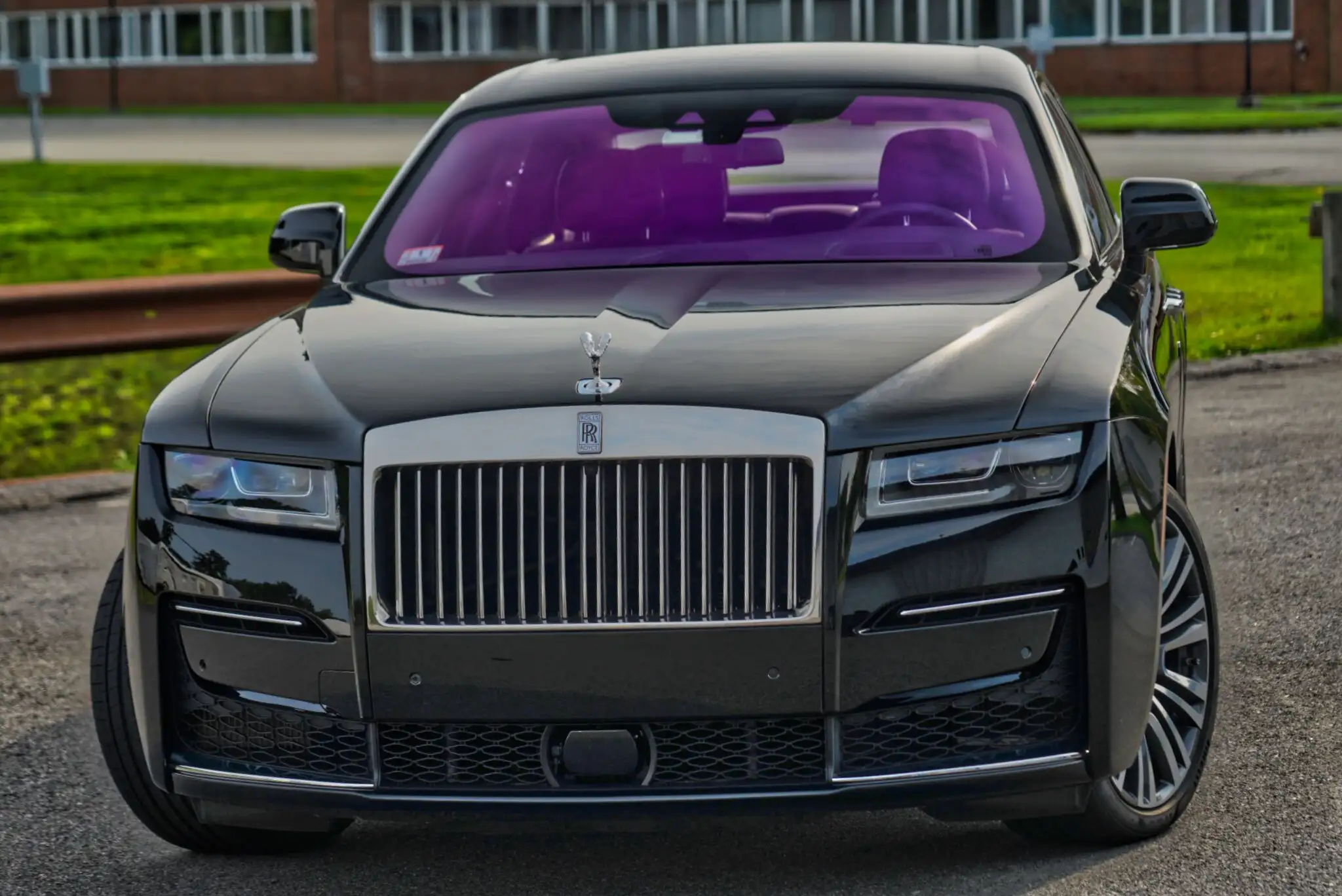
A lot of people think PPF is only for Ferrari, Lamborghini, Porsche, McLaren, Bentley, Rolls-Royce, or other ultra high-end vehicles.
Those vehicles are great candidates, but they are not the only ones.
PPF makes sense on daily drivers too.
Tesla, Rivian, BMW, Mercedes-Benz, Audi, Acura, Lexus, Toyota, Honda, Ford, Chevrolet, GMC, Cadillac, Subaru, Hyundai, Kia, and many other new vehicles can benefit from paint protection film.
The decision is less about the badge and more about how much you care about keeping the paint protected.
A $50,000 daily driver can still get rock chips. A $70,000 SUV can still get road rash. A $40,000 new car can still be frustrating to look at if the bumper is chipped after a few months.
PPF is about preserving the vehicle, not showing off.
Modern Paint Can Chip Quickly
Many newer vehicles chip easier than owners expect.
Factory paint is designed around appearance, production, environmental regulations, weight, and manufacturer standards. It is not designed to be a thick protective shield against road debris.
Once a small rock hits the bumper, hood, fender, or rocker panel at speed, the paint can chip. On metal panels, deeper chips can expose the surface underneath. On plastic bumpers, chips still stand out and can make a new vehicle look older quickly.
This is especially noticeable on dark colors, bright colors, pearl finishes, metallic finishes, and vehicles with large painted front bumpers.
PPF gives those areas a protective barrier before the road starts beating them up.
New England Roads Make PPF More Valuable
Massachusetts and Rhode Island roads are tough on vehicles.
Winter salt, sand, potholes, road construction, loose gravel, highway debris, tree-lined roads, coastal conditions, and seasonal bugs all contribute to paint damage.
Even if you take care of your vehicle, you cannot control what comes off the road or what gets kicked up by the vehicle in front of you.
Drivers on Route 24, I-95, I-495, Route 3, the Mass Pike, Cape routes, city roads, and local back roads all deal with the same problem.
The vehicle does not need to be abused to get damaged. It just needs to be driven.
That is why PPF is often more valuable in our area than customers expect.
Choose the coverage
Is Full Front PPF Enough?
For many new vehicles, full front PPF is enough to cover the highest-risk areas.
If your main concern is rock chips on the front bumper, hood, fenders, mirrors, and headlights, full front coverage is usually the best starting point.
It protects the areas most likely to take direct impact while keeping the investment lower than full body PPF.
Full front PPF is especially strong for commuters, daily drivers, leased vehicles, luxury sedans, EVs, SUVs, trucks, and performance cars where front-end damage is the biggest concern.
However, full front PPF does not protect the entire vehicle. The doors, rocker panels, rear quarters, trunk ledge, rear bumper, and roof areas remain exposed unless those areas are added.
When You Should Add Rocker Panels and Lower Doors
Rocker panels and lower doors are easy to overlook, but they can take a lot of abuse.
This is especially true on vehicles with wide tires, sticky tires, aggressive wheel fitment, flared rear quarters, or lower body lines.
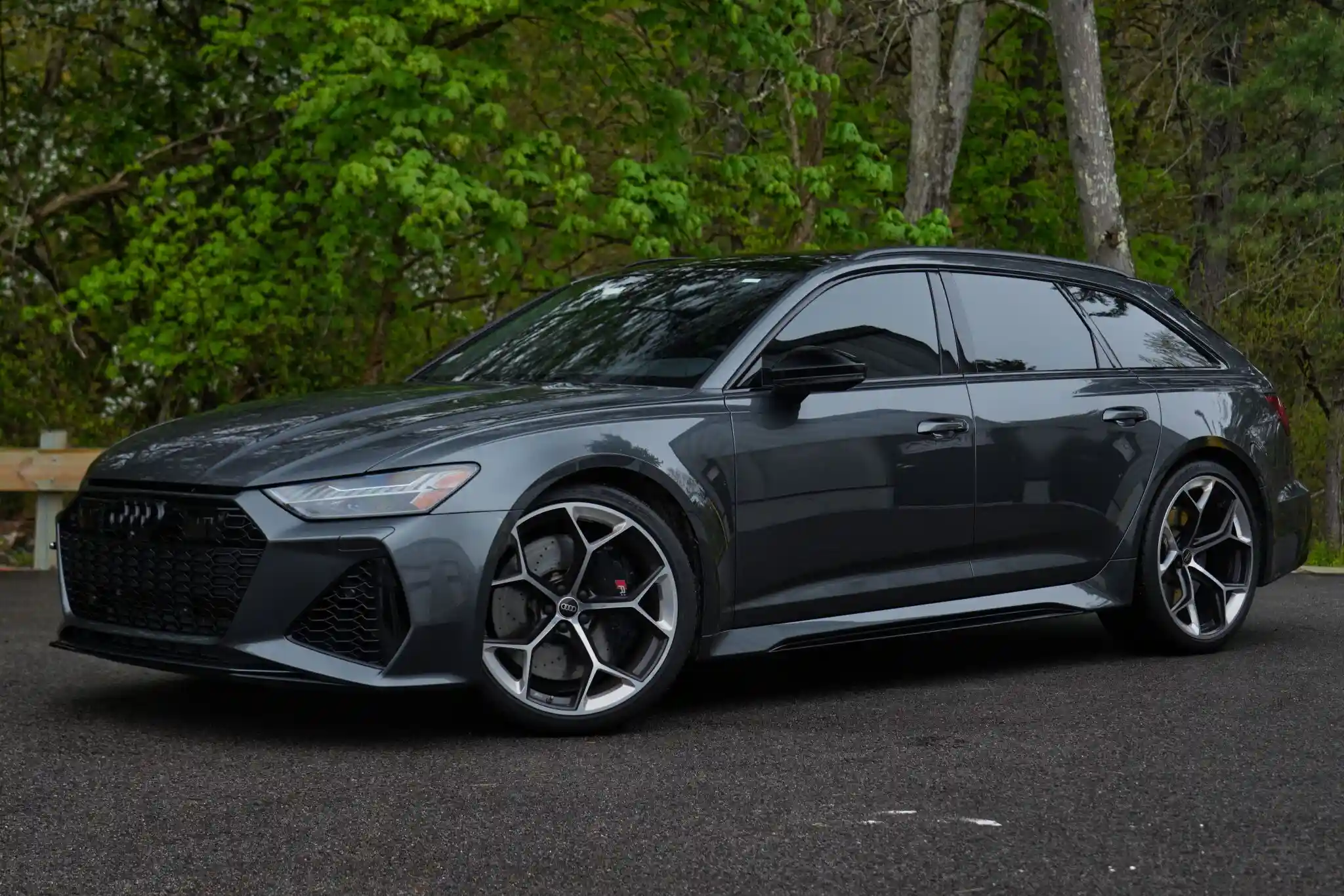
Corvettes, Porsches, BMW M cars, Mercedes-AMG vehicles, Audi RS models, Teslas, Rivians, Mustangs, Camaros, performance SUVs, trucks, and many luxury vehicles can all benefit from lower-body protection.
The vehicle’s own tires can throw sand, salt, and debris into the rocker panels, lower doors, and rear quarters.
If the vehicle has exposed lower bodywork, a performance shape, or wider tires, full front PPF may not be enough by itself. Adding rocker protection can make the package much more complete.
When Full Body PPF Makes Sense on a New Car
Full body PPF is the highest level of paint protection.
Instead of only protecting the front, full body PPF protects the painted exterior panels across the entire vehicle. This gives the paint a sacrificial layer against chips, scratches, staining, bug damage, bird droppings, road grime, salt, and everyday wear.
Full body PPF makes the most sense for high-value vehicles, dark colors, matte or satin finishes, soft paint, exotics, luxury vehicles, performance cars, EVs, and owners who are very particular about keeping the vehicle in the best possible condition.
It also makes sense if the vehicle will be kept long term.
If you know every scratch, chip, and mark will bother you, full body PPF is worth discussing. Full front PPF protects the most common impact areas. Full body PPF protects the entire exterior.
Ownership and vehicle use
PPF Helps Preserve Factory Paint
One of the biggest advantages of PPF is that it helps preserve the original factory paint.
This matters because repainting is not the same as keeping the original finish.
Even when bodywork is done well, paint matching can be difficult. Texture, metallic flake, pearl effect, panel blend, and finish quality can all vary. On newer vehicles, luxury vehicles, matte finishes, and high-end colors, paint repair can become expensive and frustrating.
PPF helps reduce the chance that the vehicle needs paintwork in the first place.
For many owners, that is the biggest reason to install it early.
Does PPF Help Resale Value?
PPF does not guarantee resale value, but it can help preserve the condition of the vehicle.
A vehicle with fewer chips, less road rash, cleaner paint, and original panels in better condition is usually easier to present when selling, trading, or returning a lease.
Buyers and dealers notice front bumper damage, chipped hoods, scratched rockers, and worn paint. Even if they do not pay extra specifically because the car had PPF, the protected condition can still help the vehicle show better.
For enthusiast vehicles, luxury vehicles, rare colors, exotics, and performance cars, original paint condition can matter even more.
PPF is not only about resale. It is about protecting the vehicle while you own it.
Is PPF Worth It on a Leased Vehicle?
PPF can still make sense on a leased vehicle, depending on how particular you are and how the lease will be used.
If you only care about avoiding major lease-end charges, PPF may or may not be necessary. But if you want the vehicle to stay cleaner during the lease, avoid looking at chips every day, and reduce wear in high-impact areas, PPF can be worth it.
Full front PPF may make sense on a leased luxury vehicle, EV, SUV, or performance car that will see a lot of highway driving.
For lower-mileage leases or vehicles where minor wear does not bother you, a smaller package may be enough.
The decision depends on the vehicle, mileage, driving conditions, and your expectations.
Is PPF Worth It on a Daily Driver?
Yes, PPF can be very worth it on a daily driver.
Daily drivers see the most real-world abuse. They sit in traffic, drive through construction, deal with winter roads, get hit by bugs, park near other vehicles, and see all kinds of weather.
A garage-kept weekend car may stay clean because it is rarely used. A daily driver gets exposed constantly.
For most daily drivers, full front PPF is the best starting point. Adding rocker panels, lower doors, rear quarters, or ceramic coating can make the protection package stronger.
If you use the vehicle every day and care about how it looks, PPF is not overkill. It is practical.
Is PPF Worth It on Trucks and SUVs?
PPF can be extremely useful on trucks and SUVs.
These vehicles often have large front ends, exposed rocker panels, large painted bumpers, wide mirrors, tailgate ledges, bed areas, lower doors, and big side panels. They are also commonly driven year-round.
Trucks and SUVs are exposed to salt, sand, gravel, job sites, family use, cargo, pets, kids, and highway driving.
Full front PPF protects the front impact areas. Rocker and lower door protection can help with side damage. Door cups, tailgate ledges, rear bumper tops, and loading areas may also be worth protecting.
For a new truck or SUV, PPF can keep the vehicle looking newer for much longer.
Is PPF Worth It on Electric Vehicles?
PPF is very popular on electric vehicles because many EVs have large painted front bumpers, soft paint concerns, wide lower panels, and high replacement costs.
Tesla, Rivian, Lucid, BMW i models, Mercedes EQ models, Ford Mustang Mach-E, Hyundai IONIQ, Kia EV models, and other EVs often benefit from full front PPF and lower-body protection.
EV owners also tend to care about keeping the vehicle efficient, clean, modern, and easy to maintain. PPF pairs well with ceramic tint and ceramic coating for a more complete protection package.
For Tesla and Rivian owners especially, front-end and rocker protection should be part of the conversation early.
Installation and care
PPF vs Ceramic Coating on a New Car
PPF and ceramic coating are both great options, but they do different jobs.
PPF protects against physical impact. Ceramic coating helps with gloss, water behavior, UV resistance, chemical resistance, and easier washing.
Ceramic coating will not stop rock chips. If a rock hits the bumper or hood at speed, coating is not going to absorb that impact the way paint protection film can.
If your budget only allows one and your main concern is paint damage from road debris, start with PPF.
If your main concern is easier washing and better gloss, ceramic coating makes sense.
For the best protection, install PPF first and ceramic coating second.
Can You Ceramic Coat Over PPF?
Yes. Ceramic coating can be installed over paint protection film.
This is one of the best combinations for new vehicles. The film protects the paint from impact, and the coating helps keep the film and exposed paint easier to clean.
A common new car protection package includes full front PPF, rocker panel protection when needed, and ceramic coating over the film and remaining painted surfaces.
This creates a strong balance between physical protection and easier maintenance.
What About Dealership Paint Protection Packages?
Many dealerships offer paint protection packages, but they are not always the same as professional paint protection film.
Some dealership packages are sealants, coatings, sprays, or warranties. Some may include limited film coverage. Some may be installed quickly before delivery without the same level of prep, coverage planning, or edge detail.
Before buying a dealership package, ask what product is being installed, what areas are covered, who is installing it, what the warranty actually covers, and whether it is film, coating, or something else.
A new vehicle deserves a clear protection plan, not a vague add-on.
Why Installation Quality Matters
PPF is only as good as the planning and installation behind it.
The product matters, but so does the installer. A quality installation requires proper cleaning, surface prep, pattern selection, film handling, stretch control, edge work, trimming, and inspection.
Some vehicles need modified patterns. Some areas may need bulk installation. Some edges can be wrapped. Some panels have sensors, badges, trim, complex curves, or risk points that need to be handled carefully.
Good PPF installation is not just applying film. It is understanding the vehicle and choosing the right coverage strategy.
PPF Still Needs Maintenance
Paint protection film makes a vehicle easier to preserve, but it still needs proper care.
After installation, the film needs time to cure. Washing should be avoided during the initial curing period, and pressure washers should not be used aggressively near film edges.
Bugs, bird droppings, sap, salt, and road grime should still be removed in a reasonable amount of time. Proper washing matters. Harsh chemicals and automatic brush washes should be avoided.
A ceramic coating over the film can make maintenance easier, but it does not eliminate the need to care for the vehicle.
PPF protects the paint. Good maintenance protects the investment.
Make your decision
When PPF May Not Be Worth It
PPF is not necessary for every vehicle or every owner.
If the vehicle is inexpensive to repaint, rarely driven, already damaged, not something you plan to keep, or you simply do not care about chips and road wear, PPF may not be the best use of money.
It also may not make sense to full-body wrap a vehicle if a full front package would already meet your expectations.
The goal should not be to oversell coverage. The goal should be to match the protection to the vehicle and the owner.
For some people, a smaller package is enough. For others, full body PPF is the only option that will actually satisfy them.
The Best New Car Protection Strategy
For most new vehicles, the smartest starting point is full front PPF.
That protects the bumper, hood, fenders, mirrors, and often headlights, which are the areas most likely to get damaged first.
From there, the next upgrades depend on the vehicle.
Performance cars and wide vehicles should consider rocker panels, lower doors, and rear quarters.
Trucks and SUVs should consider lower doors, rocker panels, tailgate ledges, and rear bumper areas.
EVs should consider front-end protection, lower-body protection, ceramic tint, and ceramic coating.
Luxury and exotic vehicles should consider full body PPF, ceramic coating, wheel coating, windshield protection, and security.
There is no one-size-fits-all answer. The right package depends on the vehicle and how it will be used.
Final Thoughts
Paint protection film is worth it on many new cars because it protects the paint before damage happens.
It helps reduce rock chips, road rash, bug damage, salt exposure, scratches, and everyday wear in the areas that take the most abuse. Full front PPF is the best starting point for most new vehicles. Full body PPF makes sense for owners who want the highest level of protection.
Ceramic coating, window tint, windshield protection film, and vehicle security can all be added depending on the vehicle and the owner’s goals.
At Kickin’ Customs in Raynham, MA, we install XPEL paint protection film for new cars, trucks, SUVs, EVs, luxury vehicles, performance cars, and exotics across Massachusetts and Rhode Island.
If you are buying a new vehicle, the best time to protect it is before the first chips show up.
Frequently Asked Questions
Is paint protection film worth it on a new car?
Yes, paint protection film is worth it for many new cars, especially if the vehicle will be daily driven, highway driven, kept long term, leased with condition concerns, or owned by someone who cares about keeping the paint protected.
Should I get PPF before or after driving the car?
The best time to install PPF is as soon as possible after delivery. The goal is to protect the original paint before rock chips, road rash, and scratches happen.
What areas should I protect first on a new car?
The front bumper, full hood, full fenders, mirrors, and headlights are usually the first areas to protect. Rocker panels, lower doors, rear quarters, and trunk ledges may also make sense depending on the vehicle.
Is full front PPF enough for a new car?
For many new cars, full front PPF is the best balance of protection and value. It protects the highest-impact areas without covering the entire vehicle.
Is full body PPF worth it on a new car?
Full body PPF is worth it for high-value vehicles, dark colors, matte or satin finishes, performance cars, exotics, EVs, and owners who want the most complete paint protection.
Does ceramic coating replace PPF?
No. Ceramic coating does not replace paint protection film. Ceramic coating helps with gloss and easier cleaning, but it does not stop rock chips the way PPF can.
Can ceramic coating be installed over PPF?
Yes. Ceramic coating can be installed over PPF to improve slickness, water behavior, and ease of cleaning.
Is PPF worth it on a leased vehicle?
It can be, especially if the vehicle is expensive, driven often, or you care about keeping it clean during the lease. Full front PPF is usually the most practical leased vehicle option.
Is PPF worth it on a daily driver?
Yes. Daily drivers often benefit the most because they see the most road debris, salt, sand, bugs, parking lot exposure, and weather.
Does PPF help resale value?
PPF does not guarantee resale value, but it can help preserve the vehicle’s condition by reducing chips, road rash, scratches, and paint damage.
Plan your next step
Protect your new vehicle before the first chips show up. Contact Kickin’ Customs in Raynham, MA to choose the right XPEL paint protection film package for your car, truck, SUV, EV, luxury vehicle, or performance car.
