
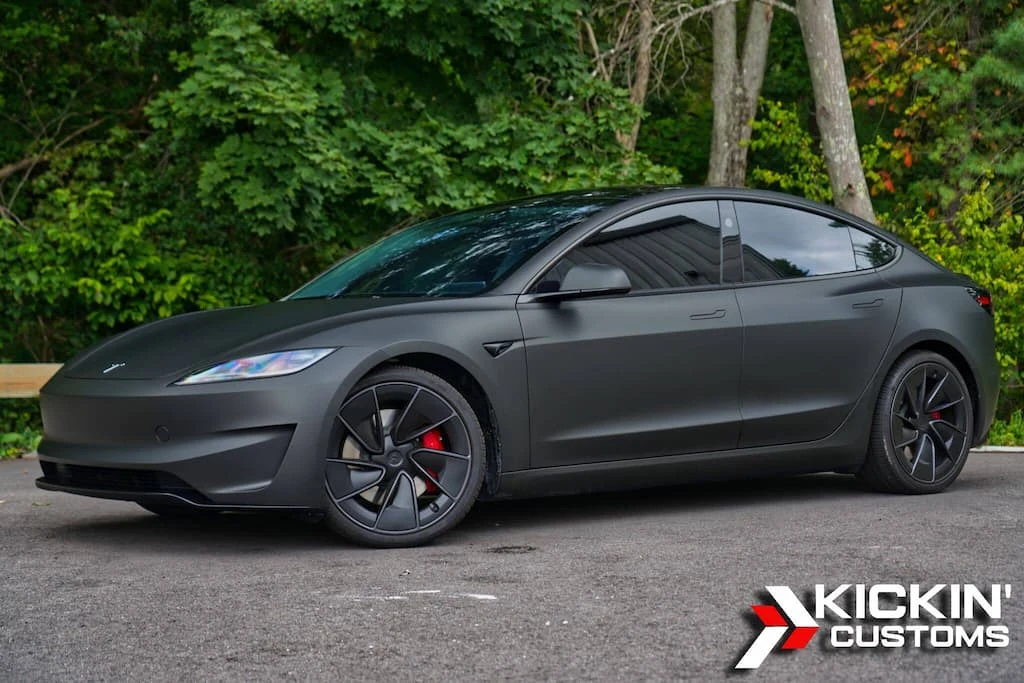
The short answer
A new vehicle starts aging the first day it hits the road.
That does not mean anything is wrong with it. It just means daily use, sunlight, heat, glare, road trips, commuting, parking lots, kids, pets, and weather all start affecting the vehicle immediately.
Window tint is one of the easiest upgrades to do early because it improves comfort from the beginning.
For many owners, ceramic tint is not just about making the vehicle look better. It helps reduce heat, glare, and UV exposure before the interior spends months or years getting baked by the sun.
At Kickin’ Customs in Raynham, MA, we install XPEL window tint for new cars, trucks, SUVs, EVs, luxury vehicles, family vehicles, and performance cars across Massachusetts and Rhode Island. If you are buying a new vehicle, leasing one, or waiting for delivery, tint is worth thinking about before the first summer, first road trip, or first year of daily driving.
Protect the cabin early
New Vehicles Are Exposed Immediately
A new vehicle may look perfect on delivery day, but it is not protected from the sun.
The windshield, side glass, rear glass, sunroof, and panoramic roof all allow heat and sunlight into the cabin. That exposure starts right away.
The dashboard gets hot. The steering wheel heats up. Leather and vinyl seats absorb heat. Screens, trim, plastics, stitching, and interior panels all sit in direct sunlight. The AC has to work harder to make the cabin comfortable.
This is especially noticeable on vehicles with dark interiors, large windshields, black dashboards, panoramic roofs, or large rear glass areas.
Installing tint early helps reduce that exposure from the beginning instead of waiting until the interior has already spent a season or two in direct sun.
Ceramic Tint Helps Reduce Heat From the Start
Heat is one of the main reasons customers choose ceramic tint.
When sunlight enters through untreated glass, it heats the cabin and the interior surfaces. Even if the AC is working, direct sun through the windows can still feel harsh on your arms, face, legs, and steering wheel side.
Ceramic window tint helps reduce solar heat entering through the glass.
That can make the vehicle more comfortable during commuting, school drop-offs, traffic, road trips, and daily driving. It can also help the cabin feel more balanced because less heat is entering through the treated glass.
No tint will keep a parked vehicle completely cool in direct sun, but quality ceramic tint can reduce heat intensity and help the AC catch up more comfortably once you start driving.
Early Tint Helps Protect the Interior
New interiors look and feel their best when the vehicle is first delivered.
That is the right time to protect them.
UV exposure and heat can contribute to fading, drying, discoloration, cracking, and general wear over time. Leather, vinyl, plastic, screens, dashboard materials, trim pieces, stitching, and door panels can all be affected by sun exposure.
Ceramic window tint helps reduce UV exposure through the glass.
For owners who plan to keep the vehicle for several years, this matters. It is much easier to reduce exposure early than to try to improve an interior after years of sun wear.
Window tint does not make an interior immune to aging, but it can help slow down the wear caused by regular sunlight and heat.
New Vehicles Often Have Larger Glass Areas
Modern vehicles have more glass than many older vehicles.
Large windshields, panoramic roofs, oversized rear glass, quarter windows, and open cabin designs are common on newer cars, SUVs, trucks, and EVs.
That extra glass looks great, but it can also bring in more heat and glare.
This is one of the reasons ceramic tint is such a popular upgrade on new vehicles. The larger the glass area, the more noticeable heat rejection can be.
A full vehicle ceramic tint package can help reduce heat through the side and rear glass. A lighter ceramic windshield film can help with heat and glare through the front glass. Roof glass can also be discussed on vehicles with large sunroofs or panoramic panels.
Tint Helps the Vehicle Feel Better Every Day
Some upgrades are only noticed once in a while.
Window tint is noticed almost every time you drive.
A properly selected ceramic tint can reduce harsh sun, improve comfort, cut glare, and make the cabin feel less exposed. That matters on short drives, long commutes, highway trips, school runs, and daily errands.
For new vehicles, this is a major reason to install tint early. You get the comfort benefit throughout the entire ownership period instead of waiting until the vehicle already feels hot and uncomfortable.
If you are going to tint the vehicle eventually, doing it early gives you more time to enjoy the upgrade.
Factory glass and coverage
Factory Glass Does Not Always Provide Heat Rejection
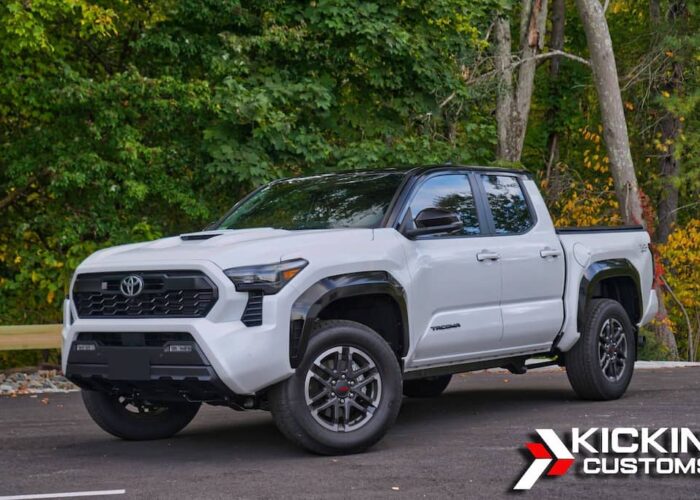
Many trucks, SUVs, and crossovers come with factory privacy glass on the rear windows.
That glass may look tinted, but it is not the same as ceramic window film.
Factory privacy glass is usually designed for appearance and privacy. It does not always provide the heat rejection customers expect. That means the rear cabin can still get hot even though the glass looks dark.
This matters for passengers, kids, pets, cargo areas, and third rows.
Adding ceramic tint over factory rear glass can help improve comfort and heat rejection. Tinting only the front windows may make the vehicle look matched, but full vehicle ceramic tint usually provides better comfort.
Front Window Matching Is a Good Start
Many new truck and SUV owners start with the front windows.
This makes sense because the rear glass is often darker from the factory, while the front windows are much lighter. Tinting the front two windows can create a cleaner, more balanced look.
For appearance, front window matching is a practical upgrade.
For comfort, many customers choose to go further with full vehicle ceramic tint. This helps improve heat rejection across more glass, not just the driver and front passenger windows.
The right choice depends on the goal. If you want the vehicle to look better, front windows may be enough. If you want the vehicle to feel better, ceramic tint on more glass usually makes more sense.
Windshield Tint Can Make a Big Difference
The windshield is one of the biggest sources of heat and glare in a new vehicle.
It allows sunlight to hit the dashboard, steering wheel, front seats, center console, driver, and front passenger directly. On a hot day, that front glass can make the cabin feel uncomfortable quickly.
A clear or lighter ceramic windshield film can help reduce heat and glare without making the windshield look overly dark.
For new vehicles, this is one of the best comfort upgrades because it treats the glass you look through every time you drive.
Windshield tint is especially useful on vehicles with large dashboards, large windshields, dark interiors, EV cabins, trucks, SUVs, and luxury vehicles.
Match your vehicle and passengers
EVs Should Be Tinted Early
EVs are some of the best candidates for early tint.
Tesla, Rivian, Lucid, Hyundai IONIQ, Kia EV, BMW i models, Mercedes EQ models, and other electric vehicles often have large glass areas and open cabin designs. Many also have panoramic roofs or large windshields.
That glass can allow a lot of heat into the cabin.
Ceramic tint helps reduce heat and glare, making the vehicle more comfortable from the beginning. For EV owners, comfort matters because climate control is part of the driving experience.
Many EV owners choose ceramic tint early along with paint protection film and ceramic coating. Tint improves the cabin. PPF protects the exterior. Coating makes maintenance easier.
Family Vehicles Benefit From Early Tint
Family vehicles see constant use.
School drop-offs, sports, errands, road trips, groceries, pets, strollers, car seats, and passengers all make comfort important.
Tinting a family vehicle early helps reduce heat and glare for the driver and passengers from the start. It can also help reduce sun exposure on rear passengers, kids in car seats, and cargo areas.
This is especially useful for SUVs, crossovers, minivans, and vehicles with large rear glass.
For many families, full vehicle ceramic tint is a better choice than front window matching only because comfort matters throughout the whole cabin.
Trucks and SUVs Benefit From Early Tint
New trucks and SUVs often come with large cabins, large windshields, and rear factory privacy glass.
They may look tinted in the back, but the cabin can still get hot.
Ceramic tint can improve comfort for the driver, front passenger, rear passengers, and cargo areas. It is useful for commuting, towing, work use, family use, beach trips, road trips, and daily driving.
Trucks and SUVs also tend to have more interior space to cool. Reducing heat through the glass can make the cabin feel more manageable, especially during summer.
For new trucks and SUVs, front window matching is popular, but full vehicle ceramic tint is usually the better comfort upgrade.
Luxury Vehicles Deserve a Better Cabin Experience
Luxury vehicles are built around comfort, appearance, and quiet usability.
A hot cabin, harsh glare, and strong sun exposure can take away from that experience. Ceramic tint helps the vehicle feel more refined in daily use without changing the interior or exterior design.
A moderate side and rear tint with a lighter ceramic windshield film can create a clean look while improving comfort.
This is a strong option for Mercedes-Benz, BMW, Lexus, Audi, Porsche, Cadillac, Land Rover, Lincoln, Genesis, and other luxury vehicles.
Tinting early helps preserve the interior and improves the ownership experience from the beginning.
Performance Cars Benefit From Early Tint
Performance vehicles often have dark interiors, low seating positions, large windshields, and cabins that can get hot quickly.
Glare and heat can become noticeable during summer drives, highway use, events, and weekend trips.
Ceramic tint helps reduce cabin heat and glare while keeping visibility practical when the right shade is chosen.
Many performance car owners focus on PPF first because exterior paint protection is important. Tint is a smart companion upgrade because it improves the cabin side of the vehicle.
For a new performance vehicle, early PPF and ceramic tint can protect both the paint and the interior from the start.
Tinting Early Avoids Repeating the Same Complaint Later
Many customers wait until the vehicle feels too hot before scheduling tint.
That works, but it means they already spent weeks or months dealing with the problem.
Tinting early avoids that. The vehicle feels better from the start, and the interior gets protection from the beginning of ownership.
If you know you want tint eventually, waiting usually does not create an advantage. It only delays the comfort and protection benefits.
This is especially true if the vehicle is delivered in spring or early summer. By the time the heat is uncomfortable, tint schedules may already be busy.
Film choice, installation and aftercare
Ceramic Tint Is Better Than Just Going Dark
Some new vehicle owners think the solution is simply choosing a dark shade.
Shade matters, but film technology matters more for heat rejection.
A dark basic film may provide privacy and appearance, but it may not reject heat as well as a lighter ceramic film. A quality ceramic film can improve comfort without forcing every customer into a very dark look.
At Kickin’ Customs, we install XPEL PRIME Color Stable, XPEL PRIME XR Black, and XPEL PRIME XR Plus.
XPEL PRIME Color Stable is a good option for customers who want a clean factory-style look at a more budget-friendly price.
XPEL PRIME XR Black is a popular ceramic option for noticeable heat rejection and everyday value.
XPEL PRIME XR Plus is the premium ceramic option for customers who want the strongest comfort-focused performance, heat rejection, and clarity.
For new vehicles, ceramic tint is usually the better long-term choice if comfort matters.
Early Tint Can Help With Resale Condition
Window tint is not a guarantee of resale value, but interior condition matters.
A clean, well-kept interior is one of the first things people notice when buying or trading a vehicle. Sun-faded trim, worn leather, cracked plastics, and tired-looking interior surfaces can make a vehicle feel older.
Ceramic tint helps reduce UV exposure and heat from the beginning, which can help the interior age better over time.
For leased vehicles, this can also matter because the vehicle’s condition at return is part of the ownership process.
The earlier the protection starts, the more useful it can be.
Installation Is Easier When the Vehicle Is New
A new vehicle is usually a cleaner starting point for tint installation.
The glass has not had years of sticker residue, heavy contamination, scratches, aftermarket films, or cleaning product buildup. The interior is usually cleaner as well.
That does not mean new vehicles are automatically simple. Modern vehicles can still have tight seals, frameless glass, dot matrix areas, electronics, sensors, and large glass panels that require care.
But in general, tinting a newer vehicle early is often more straightforward than waiting until the vehicle has more wear and contamination.
Dealer Add-Ons Are Not Always the Best Option
Some dealerships offer tint during the sales process.
That can sound convenient, but it is worth asking what film is being used, who is installing it, what warranty applies, and whether it is dyed, ceramic, or premium ceramic.
Not all tint is the same.
A lower-cost dealer add-on may improve appearance, but it may not deliver the heat rejection, clarity, or long-term performance customers expect.
At Kickin’ Customs, we help customers compare XPEL film options based on comfort, appearance, shade, budget, and how the vehicle will be used. That conversation matters, especially on a brand-new vehicle.
Tint Aftercare Still Matters on a New Vehicle
After window tint is installed, the film needs time to cure.
Customers should keep the windows up for the recommended period, usually 3 to 5 days depending on weather, film, and vehicle conditions. They should avoid cleaning the inside of the windows for about 7 days.
Light haze, small water pockets, or a cloudy appearance can be normal during curing. This usually clears as the film dries.
Once the film is ready to clean, use ammonia-free cleaner and clean microfiber towels.
Avoid placing stickers directly on window tint. Parking stickers, car wash stickers, gate access stickers, and similar items can create removal issues later. A protective sticker shield can help make future sticker removal cleaner.
Good aftercare helps the tint settle properly and look the way it should.
Final Thoughts
New vehicles should be tinted early because heat, glare, and UV exposure start right away.
Ceramic tint helps improve comfort, reduce harsh sunlight, protect interior materials, and make the vehicle more enjoyable from the beginning of ownership.
For many customers, tinting early simply makes sense. You get the benefit for the full time you own the vehicle instead of waiting until the cabin feels too hot or the interior has already spent months in direct sun.
At Kickin’ Customs in Raynham, MA, we install XPEL window tint for new vehicles across Massachusetts and Rhode Island. Whether you want front window matching, full vehicle ceramic tint, windshield tint, roof glass tint, or a premium XR Plus setup, we can help you choose the right film and shade for your vehicle.
If your vehicle is new, on order, or recently delivered, the best time to tint it is before the sun has already done its work.
Frequently Asked Questions
Should I tint my new vehicle right away?
Yes, tinting early is a smart choice if you want better comfort, heat rejection, glare reduction, UV protection, and interior protection from the beginning of ownership.
Does new car window tint help protect the interior?
Yes. Ceramic window tint helps reduce UV exposure and heat through the glass, which can help protect leather, vinyl, plastics, screens, trim, stitching, and dashboards over time.
Is ceramic tint worth it on a new vehicle?
Yes, ceramic tint is usually worth it if you care about comfort, heat rejection, clarity, and long-term value. It performs better than basic dyed tint for heat reduction.
Should I tint only the front windows on a new truck or SUV?
Tinting the front windows can improve appearance by matching the rear factory glass. For better comfort, full vehicle ceramic tint is usually the stronger option.
Does factory privacy glass protect against heat?
Factory privacy glass may look dark, but it does not always reject heat like ceramic tint. Adding ceramic film over factory rear glass can improve comfort.
Should I tint the windshield on a new vehicle?
A clear or lighter ceramic windshield film can be a strong comfort upgrade because the windshield brings in a lot of heat and glare.
How long should I keep my windows up after tint?
Customers should usually keep windows up for 3 to 5 days after tint installation, depending on weather, film, and vehicle conditions.
When can I clean the windows after tint?
Wait about 7 days before cleaning the inside of the tinted windows. Use ammonia-free cleaner and clean microfiber towels once the film is ready.
Plan your next step
Start protecting your new vehicle from heat, glare, and UV exposure early. Contact Kickin’ Customs in Raynham, MA to choose the right XPEL window tint package for your vehicle.
