
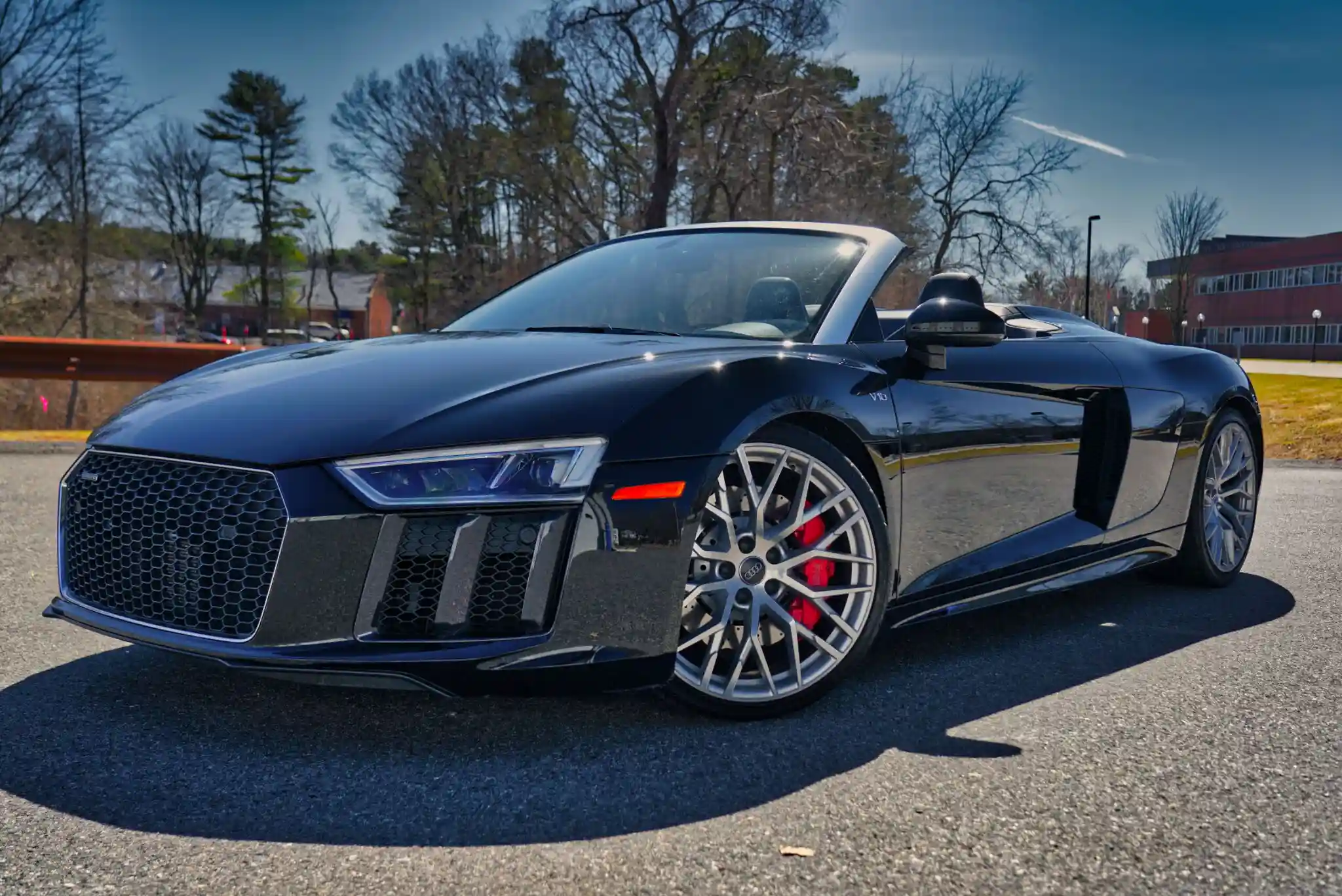
The short answer
A modern car alarm can protect against much more than someone opening a door.
Depending on the system and sensors installed, a modern alarm can detect unauthorized entry, impact, glass breakage, tilt, interior motion, tampering, towing attempts, wheel theft attempts, and activity around the vehicle.
That does not mean a car alarm stops every theft method by itself.
It means the alarm gives the vehicle a way to react when something happens.
At Kickin’ Customs in Raynham, MA, we install Compustar PRO security systems for customers across Massachusetts and Rhode Island who want better protection than a basic factory alarm. Modern vehicle security works best when the right sensors are paired with the right alerts, remotes, smartphone control, GPS tracking, dashcams, and immobilizer protection when needed.
A car alarm is not just a siren.
It is a detection layer.
Entry, impact and movement detection
A Modern Alarm Is About Detection
The main job of a car alarm is to detect activity.
If someone opens a door, breaks glass, hits the vehicle, jacks it up, reaches inside, tampers with it, or tries to move it, the alarm can respond depending on the sensors installed.
That response may include a siren, flashing lights, remote notification, or smartphone alert depending on the system.
This matters because thieves usually want time and low attention.
A vehicle that reacts creates pressure.
A modern alarm helps make the vehicle harder to bother quietly.
Door Triggers
Door triggers are one of the most basic alarm protections.
If someone opens a door without authorization, the alarm can trigger.
Factory alarms usually monitor doors, but aftermarket systems can offer better control, better remotes, better notification options, and expanded sensor coverage.
Door trigger protection is important because many theft attempts start with entry.
Someone may pry a door, force entry, unlock the vehicle improperly, or open the door after breaking glass.
A door trigger helps the alarm respond when the vehicle is accessed without permission.
Hood Triggers
The hood is another important area.
A thief may open the hood to access wiring, disconnect a battery, silence a siren, tamper with electronics, or reach parts of the vehicle related to security or theft.
A hood trigger can help detect when the hood is opened without authorization.
This is especially useful on vehicles with added electronics, alarm systems, remote start systems, or security upgrades.
The hood area should not be ignored.
A modern alarm system should consider how the vehicle could be tampered with, not just whether a door was opened.
Trunk and Hatch Triggers
Trunks, hatches, and tailgates matter too.
A thief may target items stored in the rear of the vehicle. This is common on SUVs, trucks, work vehicles, family vehicles, and daily drivers.
A trunk or hatch trigger can help detect unauthorized access to that area.
This matters when the vehicle carries tools, sports equipment, bags, electronics, work gear, detailing supplies, audio equipment, or personal belongings.
A basic factory system may monitor some of these areas, but an aftermarket system can offer better integration and alert options depending on the vehicle and package.
Shock Sensors
A shock sensor detects impact.
This can include someone hitting the vehicle, striking the glass, bumping the body, kicking a panel, slamming into the vehicle, attempting to pry a door, or creating force during a theft attempt.
Shock sensors are useful because not every threat begins with a door opening.
Someone may test the vehicle, hit the glass, attempt to break in, or damage the vehicle before gaining entry.
A properly adjusted shock sensor can help detect that activity early.
Sensitivity matters.
Too sensitive and the alarm becomes annoying. Not sensitive enough and it may miss useful events. Professional setup matters.
Warning Chirps vs Full Alarm Triggers
Many alarm systems can respond differently depending on the severity of the impact.
A lighter impact may cause a warning chirp.
A harder impact may trigger the full alarm.
This can help reduce false alarms while still reacting to real threats.
For example, a light bump may not need a full siren event. But a hard hit, attempted break-in, or strong impact should get attention.
Proper configuration is important.
A modern alarm should be sensitive enough to be useful without becoming a nuisance every time a loud truck drives by.
Glass Break Sensors
Glass break sensors detect the sound or pattern of glass breaking.
This is important because a thief may break a window and reach inside without opening a door right away.
Some factory alarms rely mostly on door, hood, or trunk triggers. If glass breaks but no door opens, the alarm may not respond the way the owner expects.
A glass break sensor can add another layer.
This is useful for vehicles parked outside, vehicles that carry valuables, trucks, SUVs, work vehicles, luxury vehicles, and daily drivers.
A broken window should not be a silent event.
Tilt Sensors
A tilt sensor detects when the vehicle angle changes.
This is useful for wheel theft and towing attempts.
If someone jacks up the vehicle to remove wheels, the tilt sensor can detect the change and trigger the alarm. If someone tries to lift the vehicle or move it in a way that changes its angle, the sensor may also respond depending on the situation.
Tilt sensors are especially useful for vehicles with expensive wheels, aftermarket wheels, performance tires, lifted trucks, luxury SUVs, and high-value vehicles.
Factory alarms may not always protect well against wheel theft.
A tilt sensor helps cover that gap.
Why Tilt Sensors Matter for Wheel Theft
Wheel theft is a real concern for many owners.
A thief may not want the whole vehicle. They may want the wheels, tires, or brake components.
This is common on vehicles with expensive factory wheels, aftermarket wheels, performance wheels, truck wheels, SUV wheels, and specialty packages.
Without a tilt sensor, the vehicle may not react until other sensors are triggered.
With a tilt sensor, the alarm can detect when the vehicle is being lifted.
That can create attention before the wheels are removed.
Why Tilt Sensors Matter for Towing Attempts
A car alarm does not physically stop towing.
But a tilt sensor can help detect certain tow-away attempts.
If the vehicle is lifted or angled, the alarm may trigger depending on the situation and sensor setup.
This can be useful for high-value vehicles, trucks, SUVs, performance cars, EVs, and vehicles parked outside overnight.
For towing concerns, GPS tracking is also important because it helps monitor and locate the vehicle if it moves.
Tilt detection and GPS tracking work well together.
One alerts to movement or lift.
The other helps locate.
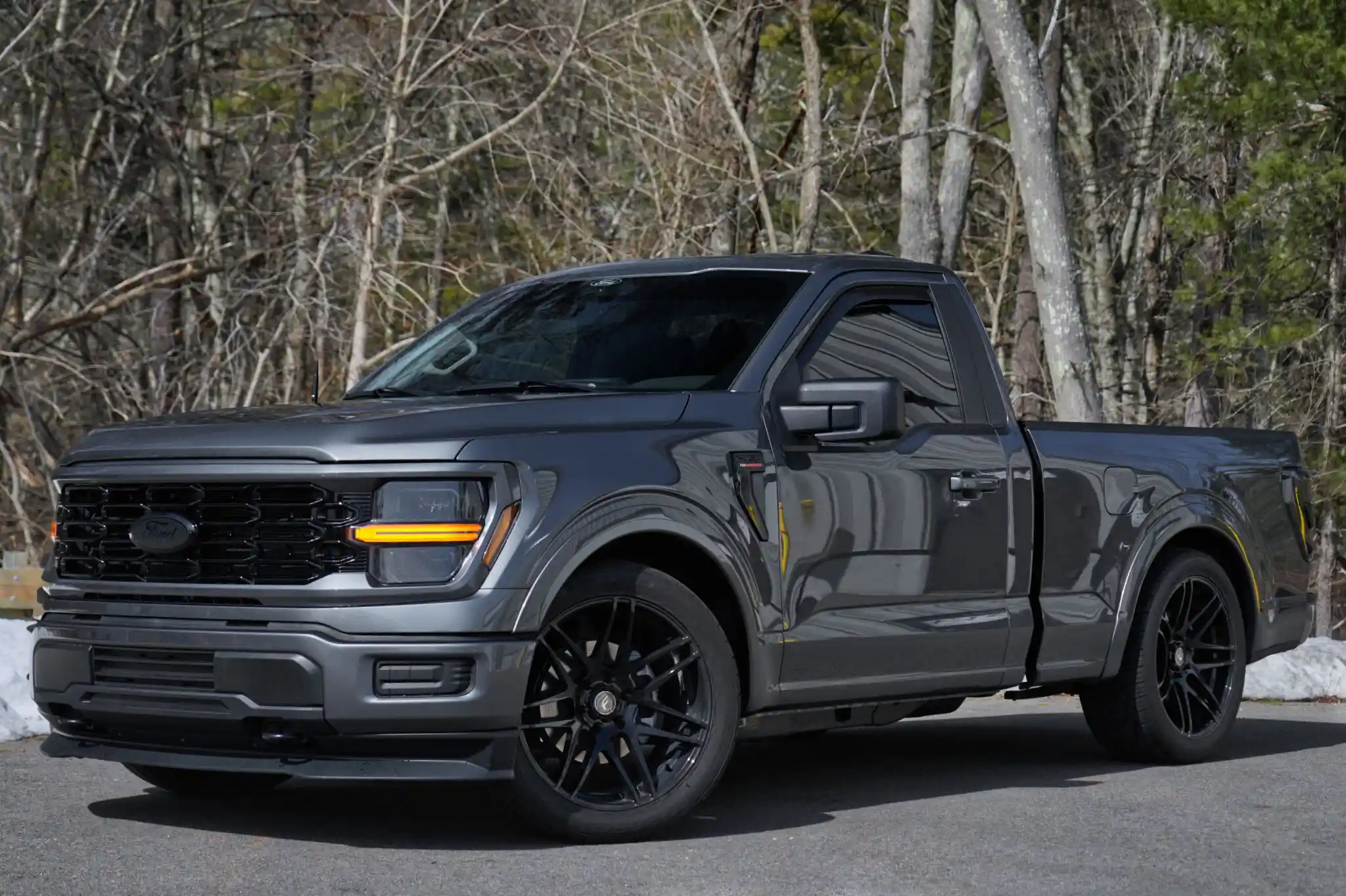
Motion and tampering concerns
Motion Sensors
Motion sensors detect movement inside the cabin.
This can be useful if someone breaks a window and reaches inside, enters the vehicle, or moves around without authorization.
Interior motion sensors can add protection beyond door triggers.
They are not right for every vehicle or every customer, but they can be useful in the right setup.
For example, a vehicle with valuables, tools, electronics, work gear, or expensive interior equipment may benefit from interior motion detection.
A modern alarm should be built around the vehicle and the owner’s actual concerns.
Proximity and Perimeter Awareness
Some alarm systems can include proximity-style detection depending on the setup.
This type of protection can warn when someone is too close to the vehicle or reaching into an open area, depending on sensor choice and configuration.
This may be useful for certain vehicles, convertible setups, show vehicles, trucks, or vehicles parked in exposed areas.
The key is proper setup.
A poorly configured perimeter sensor can become annoying. A properly configured one can be helpful in the right situation.
Not every vehicle needs every sensor.
The best alarm package is tailored.
Unauthorized Entry
Unauthorized entry is one of the main things a car alarm protects against.
This includes someone opening a door, trunk, hatch, or hood without proper disarm.
It may also include entry after a window break, forced unlock, or tampering attempt depending on the system and sensors.
An alarm does not physically block entry, but it can respond to it.
That response matters.
A quiet break-in gives the thief more time.
An alarm event creates noise, attention, and urgency.
Tampering
Tampering can include pulling on handles, prying a door, hitting glass, opening the hood, trying to access wiring, jacking up the vehicle, or attempting to disable parts of the vehicle.
A modern alarm can help detect several types of tampering depending on sensors.
This is where aftermarket alarms can be stronger than many factory systems.
Factory alarms often focus on basic entry points.
A custom aftermarket setup can look at the actual ways the vehicle may be targeted and add sensors to match.
Parking Lot Damage
A car alarm is not just for theft.
Impact sensors can also help with certain parking lot incidents.
If someone hits the vehicle hard enough, bumps it, or causes damage, the alarm may respond depending on sensitivity and setup.
This does not replace a dashcam.
A dashcam may provide footage of what happened, while the alarm alerts that something happened.
For owners concerned about hit-and-runs, parking damage, and vandalism, pairing an alarm with a dashcam can make sense.
Vandalism
A modern alarm can also help with vandalism concerns.
If someone hits the vehicle, breaks glass, opens a door, or tampers with it, the alarm may trigger depending on sensors.
Vandalism can happen at apartments, schools, work lots, hotels, events, public garages, and neighborhood parking areas.
An alarm cannot stop someone from causing all damage.
But it can reduce the time they have to continue quietly.
The faster the vehicle reacts, the better.
Break-Ins for Valuables
Many vehicle crimes are not about stealing the whole vehicle.
A thief may want what is inside.
Bags, wallets, laptops, tools, sunglasses, garage openers, sports gear, electronics, firearms, keys, and work equipment can make a vehicle a target.
A modern car alarm can help detect the break-in and create attention.
For work trucks, SUVs, family vehicles, and daily drivers, this is a major reason alarm protection still matters.
The vehicle itself may not be the only thing at risk.
Tool Theft
Tool theft is a big concern for work vehicles.
Trucks, vans, SUVs, and service vehicles may carry tools, parts, diagnostic equipment, power tools, materials, ladders, compressors, and job supplies.
A break-in can cost thousands of dollars and interrupt work.
A car alarm can help detect entry, impact, glass breakage, and tampering.
DroneMobile GPS tracking and dashcams can add even more value for work vehicles.
For business owners, vehicle security protects more than transportation.
It protects the ability to keep working.
Vehicle Theft Attempts
A car alarm can help detect some vehicle theft attempts.
If someone breaks in, opens the hood, tampers with wiring, hits the vehicle, or tries to access the cabin, the alarm can respond.
But modern vehicle theft can also involve electronic methods that may not trigger every alarm by themselves.
That is why an alarm should be paired with immobilizer protection when drive-away theft is the main concern.
IGLA helps stop unauthorized driving.
The alarm helps detect activity.
Together, they cover more of the theft attempt than either one alone.
Alarm limits and added security
What a Car Alarm Does Not Protect Against by Itself
A car alarm has limits.
It does not make the vehicle impossible to steal.
It does not stop every electronic theft method.
It does not physically prevent towing.
It does not replace a hidden immobilizer.
It does not replace GPS tracking.
It does not replace insurance.
It does not guarantee recovery.
It does not stop every broken window or damaged panel.
Its job is detection and alerting.
Understanding that makes the alarm more valuable because it is used for the right purpose.
Alarm Protection vs Immobilizer Protection
Alarm protection and immobilizer protection are different.
An alarm detects and alerts.
An immobilizer helps stop unauthorized driving.
That is why IGLA pairs so well with a Compustar PRO alarm system.
If someone tries to break in, the alarm can respond.
If someone tries to drive away without authorization, IGLA helps stop the drive-away.
This layered approach is especially smart for push-to-start vehicles, luxury SUVs, trucks, EVs, performance cars, and commonly targeted models.
Alarm Protection vs GPS Tracking
Alarm protection and GPS tracking are different too.
An alarm helps tell you something is happening.
GPS tracking helps tell you where the vehicle is if it moves.
If a vehicle is towed, stolen, or moved without authorization, GPS tracking becomes important.
A tilt sensor may help detect lift or movement attempts, but GPS gives location visibility.
For high-value vehicles, work vehicles, and vehicles parked outside, alarm plus GPS is stronger than either one alone.
Alarm Protection vs Dashcam Recording
A car alarm detects.
A dashcam records.
That is the simple difference.
A dashcam may capture footage of a person, vehicle, impact, break-in, or parking lot incident depending on camera placement and parking mode setup.
The alarm can create attention and notify the owner.
Together, they make sense.
The alarm helps you know something happened.
The dashcam may help show what happened.
Alerts, customization and vehicle use
Why Smartphone Alerts Matter
A siren is useful, but alerts are better.
With smartphone-connected systems like DroneMobile, certain alarm events can notify the owner through the phone depending on the setup.
This is helpful if the vehicle is parked outside, down the street, at work, at an apartment, in a hotel lot, or somewhere the owner cannot hear the siren.
Smartphone alerts make the alarm more useful because they give the owner awareness.
You cannot respond to what you do not know about.
Why Better Remotes Matter
Better remotes can also improve alarm usefulness.
A 2-way remote can receive confirmation and alerts from the system depending on package and range.
That means the owner is not relying only on sound or lights.
If the vehicle is nearby but out of sight, a 2-way remote can make a major difference.
This is one reason many customers choose Compustar PRO systems over basic factory alarms.
The remote experience matters because it affects how the owner actually uses the system.
Why Customization Matters
Not every vehicle needs the same alarm setup.
A work truck may need impact, glass break, tilt, GPS, and dashcam support.
A luxury SUV may need hidden security, smartphone alerts, and IGLA.
A performance car may need tilt detection for wheels and IGLA for drive-away protection.
A daily driver may need basic entry, impact, and smartphone alerts.
A vehicle parked in an apartment lot may need stronger alerting than one parked in a garage.
Modern car alarm protection should be customized around the vehicle’s risk.
Vehicles That Benefit from Alarm Sensors
Many vehicles can benefit from upgraded alarm sensors, but some are especially strong candidates.
Trucks with tools or expensive wheels.
SUVs used by families or parked outside.
Luxury vehicles that attract attention.
Performance cars with desirable wheels or parts.
EVs with expensive technology.
Work vehicles with equipment.
Daily drivers parked in apartments, work lots, gyms, or shopping centers.
Vehicles with aftermarket wheels, audio systems, electronics, or accessories.
If the vehicle would be expensive or frustrating to repair, replace, or recover, sensor-based alarm protection is worth considering.
Truck Alarm Protection
Trucks are one of the best fits for modern alarm protection.
They often carry tools, equipment, and accessories. They may have expensive wheels, tires, bed covers, lighting, racks, or work gear.
A truck may be targeted for the vehicle, the contents, or the wheels.
A Compustar PRO alarm with the right sensors can help detect unauthorized entry, impact, glass breakage, tilt, and tampering.
Adding DroneMobile GPS, dashcams, and IGLA can create a stronger package for truck owners who rely on the vehicle daily.
SUV Alarm Protection
SUVs are commonly exposed.
They are family vehicles, work vehicles, luxury vehicles, travel vehicles, and daily drivers.
They may carry bags, electronics, sports gear, kids’ items, tools, and personal belongings.
A modern alarm can help detect entry, impact, glass breakage, tilt, and motion depending on setup.
For high-value SUVs, pairing the alarm with IGLA and GPS tracking can make sense.
The alarm protects against activity.
The immobilizer helps stop unauthorized driving.
The tracker helps locate if moved.
Luxury Vehicle Alarm Protection
Luxury vehicles attract attention.
They may be targeted for parts, wheels, contents, resale, or theft.
A modern alarm can add useful detection without relying only on the factory system.
Compustar PRO systems can be configured with better remotes, smartphone alerts, and sensors depending on the vehicle.
Luxury owners often want protection that is effective without making the vehicle feel hacked up.
Professional installation matters.
The system should protect the vehicle while keeping the interior clean and the user experience practical.
Performance Car Alarm Protection
Performance cars often need more than basic factory alerts.
They may have expensive wheels, high-value parts, aftermarket upgrades, and more attention in public areas.
Shock sensors, glass break sensors, and tilt sensors can be especially useful.
A tilt sensor can help with wheel theft attempts.
IGLA can help with drive-away theft.
A dashcam can help record incidents.
For performance cars, a layered system is usually smarter than relying on one product.
Daily Driver Alarm Protection
Daily drivers are exposed constantly.
They sit at work, apartments, stores, gyms, restaurants, schools, hotels, parking garages, and driveways.
A modern alarm helps monitor the vehicle when the owner is not close by.
Even if the vehicle is not exotic, it may still be valuable, financed, leased, or important to the owner’s routine.
A daily driver does not need to be rare to be worth protecting.
Professional Installation Matters
Alarm sensors must be installed and configured correctly.
A shock sensor that is too sensitive can create false alarms.
A sensor that is not sensitive enough may miss useful events.
A poorly installed system can become frustrating.
A proper installation should match the vehicle, parking environment, and customer expectations.
At Kickin’ Customs, we install Compustar PRO security systems with a focus on clean integration, practical sensor selection, and customer training.
The goal is a system the owner trusts and uses.
Final Thoughts
A modern car alarm protects against activity around the vehicle.
Depending on the system and sensors, it can help detect door entry, hood entry, trunk access, impact, glass breakage, tilt, motion, tampering, wheel theft attempts, towing attempts, break-ins, and vandalism.
But a car alarm is not the entire security plan.
For modern vehicles, especially push-to-start trucks, SUVs, EVs, luxury vehicles, performance cars, work vehicles, and daily drivers, layered protection is stronger.
At Kickin’ Customs in Raynham, MA, we install Compustar PRO alarms, IGLA immobilizers, DroneMobile GPS tracking, dashcams, and layered security systems for customers across Massachusetts and Rhode Island.
The alarm detects and alerts.
IGLA helps stop unauthorized driving.
GPS helps locate.
Dashcams help record.
Together, they create a smarter way to protect the vehicle.
Frequently Asked Questions
What does a modern car alarm protect against?
A modern car alarm can protect against unauthorized entry, impact, glass breakage, tilt, motion, tampering, wheel theft attempts, towing attempts, and break-ins depending on the system and sensors.
Do factory alarms detect glass breakage?
Some may, but many factory alarms are limited. An aftermarket glass break sensor can add more specific detection.
What does a shock sensor do?
A shock sensor detects impact, such as someone hitting the vehicle, striking glass, or tampering with the body.
What does a tilt sensor do?
A tilt sensor detects changes in vehicle angle. It is useful for wheel theft attempts and certain towing attempts.
What does a motion sensor do?
A motion sensor detects movement inside the cabin, which can help if someone reaches inside or enters the vehicle.
Can a car alarm stop wheel theft?
A car alarm cannot physically stop wheel theft, but a tilt sensor can detect when the vehicle is being jacked up and trigger the alarm.
Can a car alarm stop towing?
A car alarm does not physically stop towing, but a tilt sensor may detect lift attempts. GPS tracking is also important for towing concerns.
Should I pair a car alarm with IGLA?
Yes, especially if you are worried about drive-away theft. The alarm detects activity, while IGLA helps stop unauthorized driving.
Plan your next step
Want an alarm system that does more than make noise? Contact Kickin’ Customs in Raynham, MA to compare Compustar PRO alarm sensors, smartphone alerts, IGLA immobilizers, GPS tracking, and dashcam options for your vehicle.
