
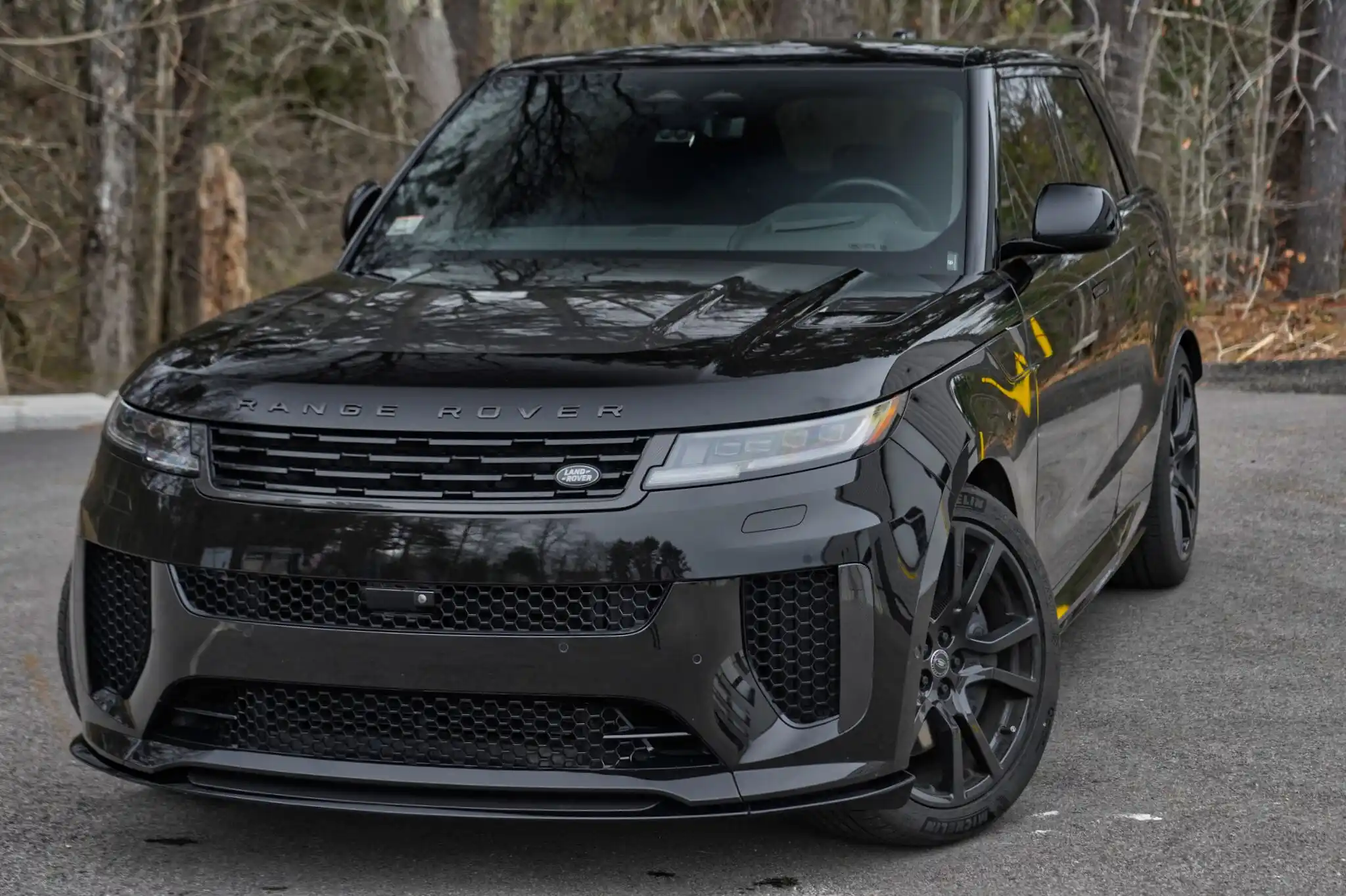
The short answer
Factory car alarms and aftermarket car alarms both have the same general goal: alert when someone tampers with the vehicle.
The difference is how much they actually monitor, how they notify you, what sensors are included, how customizable they are, and whether they can be built into a larger security package.
A factory alarm is usually basic.
An aftermarket alarm can be built around the vehicle’s real risks.
At Kickin’ Customs in Raynham, MA, we install Compustar PRO security systems for customers across Massachusetts and Rhode Island who want better protection than a basic factory alarm. That may include shock sensors, glass break sensors, tilt sensors, motion sensors, better remotes, smartphone alerts, remote start, GPS tracking, dashcams, and IGLA immobilizer protection.
Factory alarms are not useless.
They are just limited.
Factory and aftermarket systems
What Is a Factory Car Alarm?
A factory car alarm is the alarm system that comes with the vehicle from the manufacturer.
Depending on the vehicle, it may monitor doors, hood, trunk, hatch, or certain unauthorized entry events. It may sound the horn, flash the lights, or send a basic app notification if the vehicle supports connected services.
Factory alarms are convenient because they are already built into the vehicle.
For some owners, that may be enough.
If the vehicle is parked indoors, not commonly targeted, does not carry valuables, and the owner is not especially concerned about theft or break-ins, the factory system may be acceptable.
The issue is that many factory alarms are designed for broad basic protection, not custom real-world security.
What Is an Aftermarket Car Alarm?
An aftermarket car alarm is a security system installed after the vehicle is built.
A quality aftermarket alarm can add better sensors, better remotes, smartphone alerts, better customization, and expansion options.
At Kickin’ Customs, we install Compustar PRO security systems because they can be tailored to the vehicle and owner.
Some customers want basic alarm protection.
Some want alarm and remote start together.
Some want smartphone alerts.
Some want tilt sensors for wheel theft.
Some want glass break detection.
Some want GPS tracking.
Some want IGLA immobilizer protection for drive-away theft.
Aftermarket car alarms give the owner more control over the type of protection being added.
Factory Alarms Are Usually Basic
Factory alarms are usually designed to cover simple unauthorized entry.
That often means doors, hood, trunk, and basic lock-related triggers.
That is helpful, but it does not cover every threat.
A thief may break glass and reach inside without immediately opening a door. Someone may jack up the vehicle to steal wheels. Someone may hit the vehicle, pry a panel, open the hood, or try to tow it.
Depending on the factory system, those events may not be detected the way the owner expects.
This is where aftermarket sensors matter.
Factory alarms are often a starting point. They are not always a complete security solution.

Sensors and remote feedback
Aftermarket Alarms Can Add More Sensors
One of the biggest advantages of an aftermarket alarm is sensor selection.
A Compustar PRO security system can be built with sensors that match the vehicle’s actual risks.
That may include shock sensors, glass break sensors, tilt sensors, motion sensors, and other detection options depending on the system and vehicle.
This matters because different vehicles face different threats.
A truck with expensive wheels may need tilt protection.
A work vehicle may need glass break and impact detection.
A luxury SUV may need smartphone alerts and layered protection.
A performance car may need wheel theft detection and IGLA immobilizer support.
Aftermarket alarms let the setup match the vehicle.
Shock Sensors
A shock sensor detects impact.
This can include someone hitting the vehicle, striking the glass, bumping the body, prying a door, or creating force during a theft attempt.
Many factory alarms do not provide the same level of impact detection as an aftermarket alarm with a properly adjusted shock sensor.
A shock sensor can help detect activity before a door is opened.
That is important because theft and vandalism often start with impact.
Proper setup matters. The sensor should be sensitive enough to be useful without creating constant false alarms.
Glass Break Sensors
A glass break sensor helps detect the sound or pattern of breaking glass.
This is important because some break-ins happen quickly.
A thief may smash a window, grab a bag, and leave without opening a door.
If the factory alarm is mostly looking for a door opening, the vehicle may not respond the way the owner assumes.
An aftermarket glass break sensor can help fill that gap.
This is especially useful for trucks, SUVs, work vehicles, family vehicles, luxury vehicles, and daily drivers that may carry valuables or personal belongings.
Tilt Sensors
A tilt sensor detects when the vehicle angle changes.
This is useful for wheel theft and certain tow-away attempts.
If someone jacks up the vehicle to remove wheels, the alarm can trigger when the tilt sensor detects the change.
This is a major difference from many factory systems.
Factory alarms may monitor doors and basic entry, but they may not know when the vehicle is being lifted.
For customers with expensive wheels, aftermarket wheels, performance wheels, truck wheels, SUV wheels, or high-value vehicles, a tilt sensor is one of the most valuable alarm upgrades.
Motion Sensors
A motion sensor can detect movement inside the cabin depending on the system and setup.
This can be helpful if someone breaks a window and reaches inside, enters the cabin, or moves around without authorization.
Interior motion detection is not needed on every vehicle, but it can be useful in the right application.
Convertible vehicles, work vehicles, vehicles with valuables, vehicles with custom interiors, and vehicles parked in exposed areas may benefit from interior motion protection.
Factory alarms may not offer this type of protection.
Aftermarket systems can be tailored when it makes sense.
Factory Remotes Are Limited
Factory alarm control usually relies on the factory key fob or factory app.
That can work, but it may be limited.
Factory remotes often have shorter range. They may not provide detailed confirmation. They may not tell you which sensor triggered. They may not alert you if you are too far away.
If the vehicle is parked outside at work, across an apartment lot, at a hotel, at the gym, or in a shopping center, the factory key fob may not be very useful once you are away from the vehicle.
Aftermarket systems can provide better remote options.
Aftermarket Remotes Can Give Better Feedback
A 2-way aftermarket remote can send information back to the owner depending on the system.
That can include command confirmation and alarm feedback depending on package and range.
This is useful when the vehicle is out of sight.
If the alarm triggers in a parking lot, driveway, or work lot, the owner may receive feedback through the remote instead of relying only on hearing the siren.
For many customers, this makes the alarm feel much more useful.
An alarm you know about is more valuable than an alarm you hope someone hears.
Smartphone Alerts Are a Major Upgrade
Smartphone alerts are one of the biggest differences between older alarm thinking and modern vehicle security.
With DroneMobile connected to a compatible Compustar system, the owner can receive certain alerts on the phone depending on the system and package.
This changes the alarm from a local noise maker into a connected security layer.
If the vehicle is parked outside, at work, at an apartment, at a hotel, at a gym, or in a shopping center, smartphone alerts can give the owner awareness even when they cannot hear the siren.
Factory systems may offer app alerts on some vehicles, but aftermarket systems give customers more flexibility and package options.
Factory App Alerts May Be Limited
Some vehicles include app-based alerts through the manufacturer.
That can be helpful, but it may come with limitations.
The app may require a subscription. Alerts may be basic. The response time may vary. Sensor coverage may still be limited by the factory alarm. Customization may be minimal.
An aftermarket system can be built specifically around the owner’s concerns.
If the customer wants alarm alerts, remote start, GPS tracking, and other features in one package, Compustar and DroneMobile may make more sense than relying on the factory app alone.
The best choice depends on the vehicle and what the owner expects.
Limits and added security layers
Factory Alarms May Not Protect Against Wheel Theft
Wheel theft is one of the clearest examples of factory alarm limitations.
If someone jacks up the vehicle and removes the wheels, a basic factory alarm may not respond unless another trigger is activated.
An aftermarket alarm with a tilt sensor can detect the vehicle being lifted.
That makes the theft attempt louder and riskier.
This is especially important for vehicles with expensive wheels, aftermarket wheels, performance wheels, truck wheels, SUV wheels, and high-value factory wheel packages.
If wheel theft is a concern, factory alarm protection may not be enough.
Factory Alarms May Not Detect Glass Breaks Well
Many owners assume their factory alarm will trigger when glass breaks.
That is not always true.
Some factory systems are mainly triggered when a door, hood, or trunk opens without authorization. If a thief breaks a window and reaches inside without opening the door right away, the factory alarm may not react the way the owner expects.
An aftermarket glass break sensor can add more specific detection.
This matters for customers who park outside, carry valuables, or use the vehicle for work or family life.
A broken window should not be a silent event.
Factory Alarms May Not Help Much With Tow Concerns
Factory alarms may not always detect a tow-away attempt effectively.
If the vehicle is lifted or moved without triggering a factory entry point, the owner may not receive the alert they expect.
An aftermarket tilt sensor can help detect certain lift events.
GPS tracking can help monitor and locate the vehicle if it moves.
For tow concerns, an alarm alone is not the full answer. Alarm, tilt detection, and GPS tracking work better together.
The alarm detects activity.
GPS helps locate the vehicle if it moves.
Factory Alarms Usually Do Not Stop Drive-Away Theft
A factory alarm is not the same as a hidden immobilizer.
Some factory systems include immobilizer logic, but modern theft methods often target factory security directly.
If a thief uses key cloning, relay attacks, OBD access, or electronic bypass methods, the vehicle may believe authorization is valid.
An alarm may not stop the vehicle from being driven away in every situation.
IGLA is designed to solve a different problem.
It adds hidden owner-controlled authorization before the vehicle can be driven normally.
That is why aftermarket alarm protection and IGLA work well together.
Aftermarket Alarms Can Pair With IGLA
A Compustar PRO alarm and IGLA immobilizer solve different problems.
The alarm detects and alerts.
IGLA helps stop unauthorized driving.
Together, they are much stronger than either one alone.
If someone breaks into the vehicle, the alarm can respond.
If someone tries to drive away without authorization, IGLA helps prevent the drive-away.
For push-to-start vehicles, luxury SUVs, trucks, EVs, performance cars, and commonly targeted vehicles, this layered approach makes more sense than relying only on the factory alarm.
Aftermarket Alarms Can Pair With GPS Tracking
A car alarm and GPS tracking also work well together.
The alarm tells you something is happening.
GPS tracking helps show where the vehicle is if it moves.
DroneMobile GPS tracking can be added to compatible systems depending on the package.
This is useful for high-value vehicles, work vehicles, trucks, SUVs, family vehicles, and vehicles parked outside.
A factory alarm may make noise.
A connected aftermarket system can help alert and locate depending on setup.
That is a major difference.
Aftermarket Alarms Can Pair With Dashcams
Dashcams add another useful layer.
A dashcam can help record incidents depending on camera placement, parking mode, power setup, and event triggers.
An alarm detects activity.
A dashcam may help show what happened.
Together, they are stronger.
For parking lot damage, vandalism, break-ins, hit-and-runs, and theft attempts, pairing a Compustar PRO alarm with a dashcam can make the vehicle security package more useful.
Factory alarms usually do not provide that kind of complete layered setup.
Aftermarket Alarms Can Include Remote Start
Another advantage of aftermarket systems is that alarm and remote start can often be combined.
This is useful for New England drivers.
Remote start adds comfort in winter and summer.
Alarm features add detection and security.
Compustar systems can be built around both needs.
That means a customer can have one well-planned system for convenience and protection instead of separate unrelated products.
For many daily drivers, trucks, SUVs, and family vehicles, remote start and alarm protection together make a lot of sense.
Match the system to the owner
Aftermarket Alarms Can Be Customized
Customization is one of the biggest advantages of an aftermarket alarm.
The system can be built around the vehicle and the owner’s concerns.
A truck may need tilt protection and GPS.
A work vehicle may need glass break detection and dashcams.
A luxury SUV may need smartphone alerts and IGLA.
A performance car may need tilt, shock, and immobilizer protection.
A daily driver may need remote start, basic alarm, and phone alerts.
Factory systems are built for the average buyer.
Aftermarket systems can be built for your actual risk.
Factory Alarms Are Built for Broad Use
Manufacturers have to design factory alarms for mass production.
They need systems that work for thousands of vehicles, many types of drivers, different climates, different countries, and broad customer expectations.
That usually means the system is simple and conservative.
It may avoid sensitive sensors because manufacturers do not want false alarms. It may not include advanced theft-specific features because cost and complexity matter.
Aftermarket alarms fill that gap.
They allow the owner to add protection that the factory did not include.
Aftermarket Alarms Are Built Around the Owner
A properly selected aftermarket alarm is built around how the owner uses the vehicle.
Where is it parked?
Does it sit outside overnight?
Does it carry tools?
Does it have expensive wheels?
Is it push-to-start?
Is it commonly targeted?
Does the owner want phone alerts?
Does the owner want remote start?
Does the owner need GPS tracking?
Does the owner want IGLA?
These answers shape the system.
That is the biggest difference between a factory alarm and a custom aftermarket security package.
Factory Alarms May Be Enough for Some Owners
A factory alarm is not always bad.
For some owners, it may be enough.
If the vehicle is parked inside, not commonly targeted, does not carry valuables, and the owner only wants basic unauthorized entry protection, the factory system may be fine.
The goal is not to scare every customer into upgrading.
The goal is to be honest about what factory alarms do and what they do not do.
If your risk is low, factory protection may be acceptable.
If your risk is higher, aftermarket security is worth considering.
Aftermarket Alarms Are Better for Higher-Risk Vehicles
Aftermarket alarms are stronger for vehicles with higher risk.
That includes trucks, SUVs, luxury vehicles, performance cars, EVs, work vehicles, daily drivers parked outside, vehicles with expensive wheels, vehicles with tools, and vehicles commonly targeted for theft.
These vehicles often need more than basic door monitoring.
They may need impact detection, glass break detection, tilt detection, motion sensing, smartphone alerts, GPS tracking, dashcams, and immobilizer protection.
An aftermarket alarm gives the owner the ability to build those layers.
Aftermarket Alarms Are Better for Work Vehicles
Work vehicles are one of the best reasons to upgrade from factory alarm protection.
A work truck, van, SUV, or service vehicle may carry tools, equipment, materials, parts, electronics, paperwork, and business property.
A break-in can cost more than a window.
It can stop work, delay customers, and affect income.
An aftermarket alarm with the right sensors can help detect intrusion, impact, glass breakage, and tampering.
GPS tracking and dashcams can add even more value.
For business owners, security is part of protecting operations.
Aftermarket Alarms Are Better for Trucks and SUVs
Trucks and SUVs often need more protection than factory alarms provide.
They may be parked outside. They may carry gear. They may have expensive wheels. They may be targeted for theft, contents, or parts.
A Compustar PRO system can add sensors that match those risks.
Tilt detection can help with wheel theft.
Glass break detection can help with smash-and-grab attempts.
Shock sensors can help with impact and tampering.
DroneMobile can add phone alerts.
IGLA can help stop drive-away theft.
That is a much stronger package than a basic factory alarm.
Aftermarket Alarms Are Better for Performance Cars
Performance cars often attract attention.
They may have desirable wheels, expensive parts, aftermarket upgrades, and higher theft interest.
A factory alarm may not cover everything the owner cares about.
An aftermarket alarm can add shock sensors, glass break detection, tilt sensing, better remote alerts, and smartphone notifications.
Pairing the alarm with IGLA can also help protect against drive-away theft.
For performance vehicles, layered security is usually the smarter approach.
Aftermarket Alarms Are Better for Luxury Vehicles
Luxury vehicles are valuable and can attract theft, break-ins, wheel theft, and tampering.
They also need clean, professional installation.
Owners do not want visible wiring, cheap switches, or a system that feels clumsy.
A Compustar PRO system can provide stronger security options while keeping the installation clean and practical.
Luxury vehicles also pair well with IGLA and GPS tracking because the cost of theft, recovery, or damage can be high.
The factory alarm may be a starting point, but it is not always enough.
Aftermarket Alarms Are Better for Apartment Parking
Apartment and condo parking can create more risk.
Vehicles are often parked outside, away from the owner, near many other vehicles, and in predictable spots.
A factory alarm may sound, but the owner may not hear it.
A connected aftermarket alarm with smartphone alerts can be much more useful.
Tilt sensors, glass break sensors, and impact sensors can also help depending on the vehicle and parking environment.
If you cannot see or hear the vehicle easily, better alerts matter.
Aftermarket Alarms Are Better for Vehicles Parked Outside
Vehicles parked outside overnight have more exposure.
Driveways, street parking, apartment lots, condo lots, work lots, and public parking areas all create opportunity.
A factory alarm may offer some protection, but an aftermarket system can add sensors and alerts that better match the exposure.
For outside parking, layered security is often smarter.
Alarm for detection.
IGLA for drive-away prevention.
GPS for location.
Dashcam for recording.
That is the modern security mindset.
Customization and installation
Better Sensors Reduce Blind Spots
The main weakness of many factory alarms is blind spots.
They may monitor some areas but not others.
They may detect door opening but not glass break.
They may detect unauthorized entry but not tilt.
They may sound locally but not notify the owner.
An aftermarket system helps reduce those blind spots by adding the right sensors and alerts.
No system is perfect, but more complete detection gives the owner better awareness.
Better Alerts Make the Alarm More Useful
An alarm is only useful if it creates awareness.
A siren can create attention nearby, but the owner may not hear it.
A 2-way remote or smartphone alert can notify the owner more directly depending on range, service, and system setup.
This is a major aftermarket advantage.
Better alerts mean the owner can take action sooner.
They may check cameras, look outside, call security, contact police, or move toward the vehicle when safe.
The faster the owner knows, the better.
Better Customization Reduces Annoyance
A good aftermarket alarm should not be annoying.
Sensor choice and sensitivity matter.
A shock sensor that is too sensitive can create false alarms. A tilt sensor that is not set correctly may be less useful. A motion sensor may not be right for every vehicle.
Professional setup helps the system protect the vehicle without becoming a headache.
Customization is not just about adding more parts.
It is about adding the right parts and setting them up properly.
Installation Quality Matters
The difference between a good alarm and a bad alarm often comes down to installation.
Poorly installed alarms can create false alarms, electrical issues, unreliable operation, weak sensor performance, or customer frustration.
A professional install should be clean, secure, and matched to the vehicle.
At Kickin’ Customs, Compustar PRO alarm installation focuses on proper integration, sensor selection, clean wiring, testing, and customer training.
A security system should make the owner more confident, not more annoyed.
What to Ask Before Choosing an Alarm
Before choosing between factory and aftermarket alarm protection, ask:
What does my factory alarm actually monitor?
Does it detect glass breakage?
Does it detect impact?
Does it detect tilt?
Will I know if the alarm goes off?
Can I receive smartphone alerts?
Is the vehicle parked outside?
Does it carry tools or valuables?
Does it have expensive wheels?
Is it push-to-start?
Do I want remote start too?
Do I need GPS tracking or IGLA?
The answers help decide whether the factory system is enough.
Final Thoughts
Factory car alarms and aftermarket car alarms are not the same.
Factory alarms usually provide basic protection. They may monitor doors, hood, trunk, or simple unauthorized entry events, but they often lack advanced sensors, strong remotes, smartphone alerts, customization, and layered security options.
Aftermarket alarms, especially Compustar PRO systems, can be built around the vehicle’s real risks.
At Kickin’ Customs in Raynham, MA, we install Compustar PRO car alarms, remote starts, DroneMobile GPS tracking, dashcams, and IGLA immobilizers for customers across Massachusetts and Rhode Island.
A factory alarm may be enough for simple situations.
But if your vehicle is parked outside, commonly targeted, push-to-start, used for work, equipped with expensive wheels, carrying valuables, or important to your daily routine, an aftermarket alarm is worth a serious look.
Frequently Asked Questions
Is a factory car alarm enough?
A factory alarm may be enough for basic unauthorized entry protection, but it is often limited compared to an aftermarket alarm with added sensors and alerts.
What is the difference between factory and aftermarket car alarms?
Factory alarms are usually basic and built into the vehicle. Aftermarket alarms can add sensors, better remotes, smartphone alerts, remote start, GPS tracking, and custom security options.
Can an aftermarket alarm detect glass breakage?
Yes. A glass break sensor can be added to many aftermarket alarm systems depending on the setup.
Can an aftermarket alarm help with wheel theft?
Yes. A tilt sensor can help detect when the vehicle is being jacked up or lifted for wheel theft.
Can an aftermarket alarm send phone alerts?
Yes. With compatible systems and DroneMobile, certain alarm events can send alerts to the owner’s smartphone depending on the package.
Can a car alarm stop the vehicle from being stolen?
A car alarm helps detect and alert, but it does not stop every theft method by itself. For drive-away prevention, IGLA immobilizer protection should be considered.
Can I combine remote start and alarm?
Yes. Many Compustar systems can combine remote start and alarm protection depending on the vehicle and package.
Should I add GPS tracking to an alarm?
GPS tracking is smart if you want location visibility if the vehicle moves, gets towed, or is stolen.
Plan your next step
Not sure if your factory alarm is enough? Contact Kickin’ Customs in Raynham, MA to compare Compustar PRO car alarm options, added sensors, smartphone alerts, GPS tracking, dashcams, and IGLA immobilizer protection.