
The short answer
Ceramic coating is one of the most popular upgrades for vehicle owners who want their paint to look better, clean easier, and hold up better against daily exposure.
A lot of customers hear the term “ceramic coating” and know it has something to do with shine, water beading, and paint protection. What is not always clear is what the coating actually does, how it works, and what expectations should be realistic.
A ceramic coating is not paint protection film. It is not a force field. It does not stop rock chips or deep scratches.
What it does is add a durable protective layer over the vehicle’s painted surfaces that helps with gloss, slickness, UV exposure, chemical resistance, water behavior, and easier cleaning.
At Kickin’ Customs in Raynham, MA, we install XPEL ceramic coatings for vehicles across Massachusetts and Rhode Island. For many customers, ceramic coating is the right choice when they want the vehicle to be easier to maintain and keep a cleaner, glossier appearance over time.
How ceramic coating works
What Is a Ceramic Coating?
A ceramic coating is a liquid coating applied to the exterior surfaces of a vehicle.
Once installed and cured, it bonds to the surface and creates a durable protective layer over the paint. This layer helps reduce how easily dirt, road grime, water, bug splatter, bird droppings, and other contamination stick to the surface.
The coating does not replace washing. It makes washing easier.
That is the difference.
A coated vehicle still needs regular maintenance, safe wash products, clean towels, and proper care. But compared to uncoated paint, a ceramic coated vehicle is usually easier to wash, easier to dry, and easier to keep looking clean.
How Does Ceramic Coating Work?
Ceramic coating works by creating a slick, protective surface over the paint.
Vehicle paint has microscopic pores and texture. Contamination can bond to the surface, making the vehicle harder to clean over time. A ceramic coating helps smooth out the surface behavior so water, dirt, and grime have a harder time sticking.
This is why coated vehicles often show strong water beading and water sheeting.
When water hits a coated surface, it tends to gather into beads or move off the panel more easily. That hydrophobic behavior is one of the most noticeable parts of ceramic coating.
But the real benefit is not just watching water bead.
The practical benefit is easier maintenance.
Ceramic Coating Helps Make Washing Easier
A ceramic coating can make a major difference in how the vehicle washes.
Dirt, bugs, bird droppings, road grime, salt, brake dust, and water spots can still land on the vehicle, but they usually do not bond as aggressively to a properly coated surface.
That means regular washing can feel easier.
The wash mitt glides better. Drying feels smoother. Water moves off the panels more easily. Road film is often easier to remove when the vehicle is maintained on schedule.
This is especially useful in New England, where vehicles deal with salt, sand, rain, pollen, bugs, tree sap, road construction, and winter grime.
Ceramic coating does not eliminate maintenance. It makes good maintenance more effective.
Ceramic Coating Adds Gloss and Depth
One of the first things customers notice after ceramic coating is the appearance.
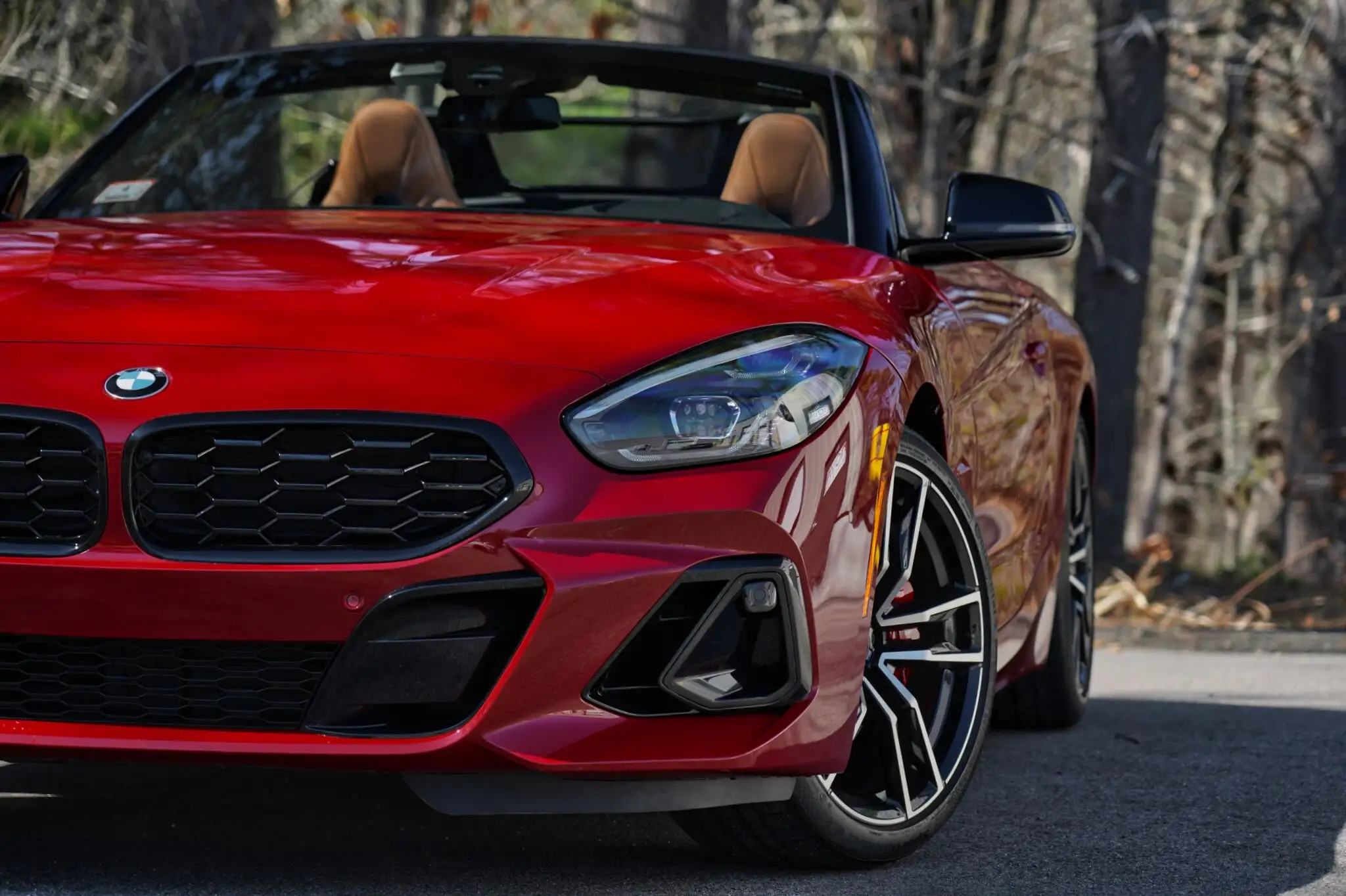
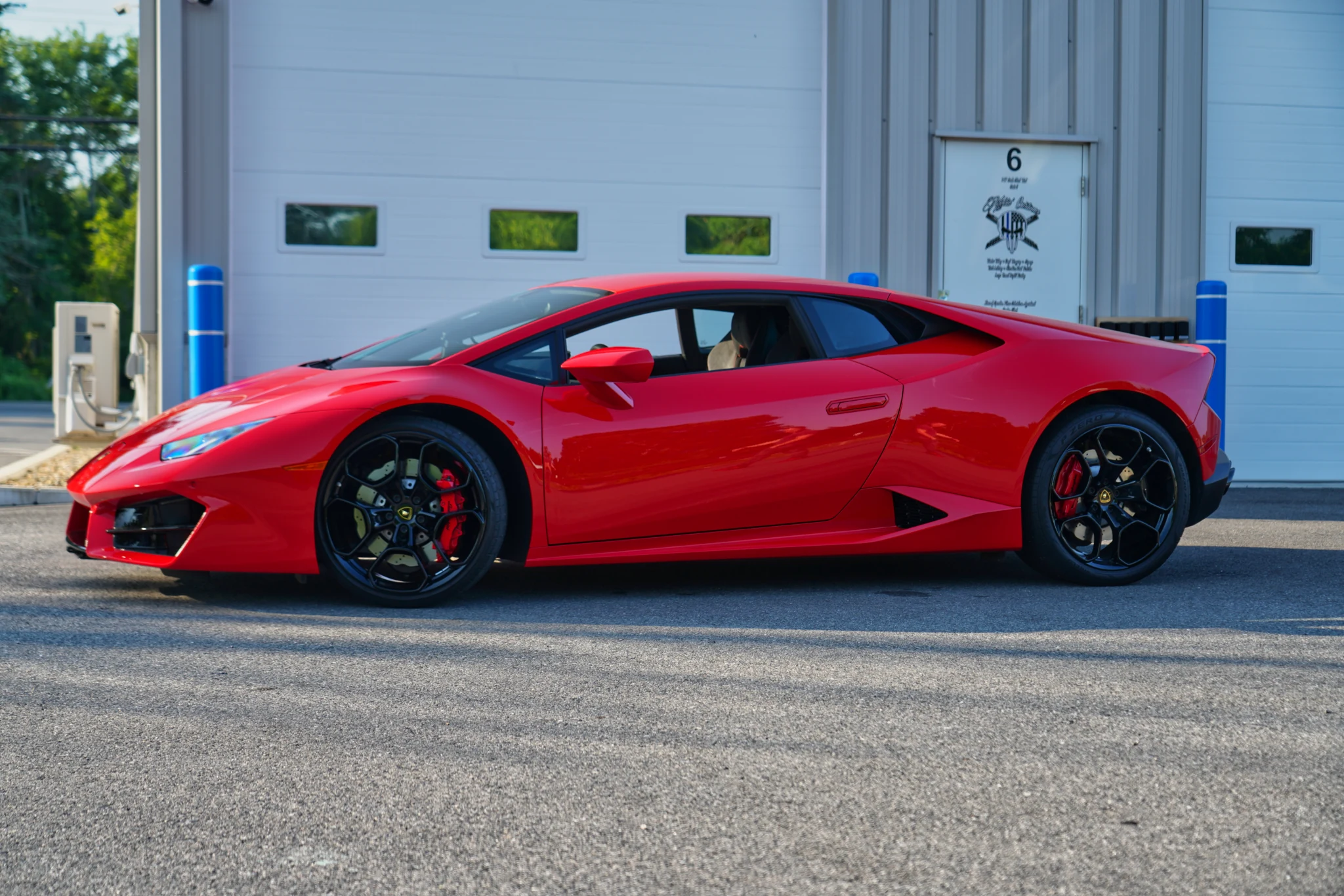
A properly prepped and coated vehicle usually has more gloss, depth, and visual richness. The paint can look darker, wetter, and cleaner because the coating enhances the way light reflects off the surface.
This is especially noticeable on black, dark gray, dark blue, red, and deep metallic vehicles.
Lighter colors may not show depth in the same dramatic way, but they still benefit from slickness, water behavior, and easier cleaning.
The final look depends heavily on the condition of the paint before coating. Ceramic coating enhances the surface. It does not hide every swirl, scratch, chip, or defect underneath.
Preparation and surface behavior
Paint Prep Matters Before Ceramic Coating
Ceramic coating is not just something that should be wiped onto dirty or damaged paint.
The surface needs to be properly cleaned, decontaminated, and prepped before coating. If the vehicle has swirl marks, oxidation, water spots, staining, or light defects, those may need to be addressed before the coating is applied.
This is why paint correction or polishing is often part of the process.
The coating locks in the condition of the surface. If the paint looks clean and properly prepped before coating, the result is usually much better. If the paint is coated while defects are still present, those defects may remain visible under the coating.
At Kickin’ Customs, coating recommendations depend on the vehicle’s age, paint condition, color, use, and the customer’s expectations.
Ceramic Coating Helps With UV Exposure
Sun exposure can affect paint over time.
UV rays, heat, and environmental exposure can contribute to fading, oxidation, dullness, and general aging of the finish. Ceramic coating helps add a layer of UV resistance over the paint.
This can help the vehicle maintain its appearance better when it is cared for properly.
This matters for vehicles that sit outside, commute daily, travel often, or spend time in direct sun. It is also useful for darker colors, which tend to show fading, water spots, and surface wear more clearly.
Ceramic coating does not stop aging completely, but it helps protect the paint from some of the exposure that causes long-term wear.
Ceramic Coating Helps With Chemical Resistance
Vehicles are exposed to more than just dirt and water.
Bug splatter, bird droppings, tree sap, road salt, brake dust, road tar, acid rain, and harsh environmental fallout can all affect the paint. Some contamination can stain or etch the surface if left sitting too long.
Ceramic coating gives the paint an added layer of chemical resistance.
That does not mean contamination can be ignored. Bugs, bird droppings, sap, and road grime should still be removed as soon as reasonably possible.
The coating gives the paint a better chance. It does not make the surface immune.
Ceramic Coating Helps With Water Behavior
Hydrophobic behavior is one of the most visible benefits of ceramic coating.
When water hits a coated vehicle, it often beads up tightly or sheets off more easily. This can make the vehicle easier to rinse and dry.
Good water behavior also makes maintenance more satisfying because the vehicle feels easier to clean.
However, water beading is not the only measure of coating performance. A coating can still be protecting even if the water behavior changes over time, especially if the surface is contaminated with road film, minerals, soap residue, or grime.
Regular washing and maintenance products help keep the coating performing the way it should.
Limits and complementary protection
Ceramic Coating Does Not Mean No Washing
This is one of the biggest misunderstandings.
A ceramic coated vehicle still needs to be washed.
The coating helps dirt release more easily, but dirt still lands on the vehicle. Salt still builds up. Bugs still stick. Bird droppings still need to be removed. Brake dust and road film still collect on lower panels.
If a coated vehicle is neglected, the coating can become clogged with contamination and stop behaving the way customers expect.
The coating makes maintenance easier, but it does not replace maintenance.
The best results come from regular washing with safe products and clean microfiber towels.
Ceramic Coating Does Not Stop Rock Chips
A new vehicle may look clean on delivery day, but it is not protected from everything it will see once it starts being driven. Rain, pollen, bugs, bird droppings, road grime, salt, sand, UV exposure, hard water, and improper washing can all start affecting the finish early.
Ceramic coating helps by adding a durable protective layer over the paint. It does not make the vehicle invincible. It does not stop rock chips. It does not mean the vehicle never needs to be washed.
What it does is make the vehicle easier to maintain and helps preserve the finish while the paint is still in its best condition.
At Kickin’ Customs in Raynham, MA, we install XPEL ceramic coatings for new cars, trucks, SUVs, EVs, luxury vehicles, family vehicles, and performance cars across Massachusetts and Rhode Island. For many new vehicle owners, coating early is one of the smartest ways to make ownership easier from day one.
Ceramic Coating Does Not Stop Deep Scratches
Ceramic coating can help with slickness and light surface resistance, but it does not prevent deep scratches.
A dirty towel, automatic brush wash, snow brush, key, branch, fingernail, bag, or hard contact can still scratch the vehicle.
This is important because some customers hear “ceramic coating” and expect the paint to become scratch proof. That is not realistic.
Proper wash habits still matter. Automatic brush washes should be avoided. Dirty towels should not be used. Dry wiping should be avoided. Harsh scrubbing can still create damage.
Ceramic coating helps, but it does not override poor maintenance.
Ceramic Coating Works Well Over Paint Protection Film
Ceramic coating can be installed over paint protection film.
This is a strong combination for owners who want both impact protection and easier cleaning.
PPF protects the paint from rock chips, road debris, bug acids, salt, sand, and light abrasion. Ceramic coating adds slickness, water behavior, UV resistance, chemical resistance, and easier maintenance over the film and exposed paint.
For many customers, the best setup is PPF on high-impact areas with ceramic coating over the film and the rest of the vehicle.
This is especially useful on daily drivers, black vehicles, trucks, SUVs, EVs, luxury vehicles, and performance cars.
Ceramic Coating Is Different From Wax
Wax is a temporary layer that can improve shine and water behavior for a shorter period.
Ceramic coating is more durable and longer lasting when installed and maintained properly.
Wax can still look nice, but it usually wears away faster from washing, weather, heat, and road exposure. Ceramic coating is designed for longer-term performance and easier maintenance.
That is why ceramic coating costs more than wax. The prep, product, durability, and long-term benefits are different.
For customers who want a quick shine before a weekend event, wax may be enough. For customers who want longer-term protection and easier maintenance, ceramic coating is the better choice.
Packages and vehicle needs
XPEL Ceramic Coating Options at Kickin’ Customs
Kickin’ Customs installs XPEL ceramic coatings for customers who want better gloss, slickness, water behavior, and easier maintenance.
XPEL Fusion Plus coatings are designed for exterior paint and other surfaces depending on the package. Coating options can vary based on the vehicle, condition, and customer expectations.
Some customers want an entry-level coating for easier cleaning. Others want a longer-term coating with paint correction for a deeper finish. Some want coating over PPF to make film maintenance easier.
The right package depends on the vehicle, the condition of the paint, where it is parked, how it is washed, and how long the customer wants the protection to last.
Ceramic Coating for New Vehicles
New vehicles are great candidates for ceramic coating.
The paint is usually in better condition, the vehicle has less contamination, and the interior and exterior are still early in their ownership life.
That does not mean a new vehicle is automatically perfect. New vehicles can still have transport film residue, water spots, rail dust, wash marks, light scratches, or dealer prep issues. The paint should still be inspected and prepared before coating.
Coating a new vehicle early helps make maintenance easier from the start.
It also helps reduce the amount of contamination bonding to the paint during the first months and years of ownership.
Ceramic Coating for Daily Drivers
Daily drivers benefit heavily from ceramic coating because they see constant exposure.
Commuting, rain, bugs, salt, pollen, parking lots, road grime, and winter driving all make the vehicle harder to keep clean.
Ceramic coating helps reduce that frustration.
A coated daily driver is usually easier to wash and dry, especially when maintained consistently. This is one of the biggest reasons customers choose coating. It makes normal ownership easier.
The vehicle still gets dirty, but it is usually easier to bring back to a clean finish.
Ceramic Coating for Trucks and SUVs
Trucks and SUVs have more surface area to maintain.
They also collect more dirt, salt, road grime, mud, and tire sling. Lower doors, rocker panels, rear bumpers, tailgates, and wheel areas can get dirty quickly.
Ceramic coating can make these larger vehicles easier to clean.
For trucks and SUVs, coating pairs well with PPF on high-impact areas. The film protects against chips and road rash, while the coating helps with washing, water behavior, and gloss.
This is especially useful for work trucks, family SUVs, luxury SUVs, tow vehicles, and daily driven pickups.
Ceramic Coating for Black Vehicles
Black vehicles look amazing when clean, but they are harder to maintain.
Water spots, dust, swirls, fingerprints, bugs, and road film all show quickly. Ceramic coating helps by making the surface slicker and easier to wash.
It does not make black paint maintenance-free. It does not prevent all scratches or poor washing damage. But it can make routine cleaning more manageable.
For black vehicles, ceramic coating is often paired with paint correction first. The better the paint looks before coating, the better the final result will be.
Ceramic Coating for EVs
EVs are also strong candidates for ceramic coating.
Tesla, Rivian, Lucid, Hyundai IONIQ, Kia EV, BMW i models, Mercedes EQ models, and other EVs often have smooth body panels and clean paint designs that show contamination quickly.
Ceramic coating can make the vehicle easier to wash and help preserve a clean appearance.
Many EV owners combine ceramic tint, PPF, and ceramic coating. Tint improves cabin comfort. PPF protects high-impact exterior areas. Ceramic coating makes the vehicle easier to maintain.
Installation and aftercare
Installation Quality Matters
A ceramic coating is only as good as the prep and installation behind it.
The surface must be cleaned, decontaminated, and prepared properly. The coating must be applied evenly, allowed to cure correctly, and maintained the right way afterward.
A rushed coating job can lead to high spots, uneven appearance, poor bonding, or disappointing performance.
At Kickin’ Customs, we focus on matching the coating package to the vehicle and the owner’s expectations. The goal is not just to make the vehicle shiny on pickup day. The goal is to create a surface that is easier to care for over time.
Ceramic Coating Aftercare
After ceramic coating installation, the vehicle needs time to cure.
Customers should avoid washing the vehicle for the recommended initial cure period. They should avoid harsh chemicals, automatic brush washes, abrasive towels, and aggressive scrubbing.
Regular washing with safe products is still important. Using the right maintenance products helps keep the coating clean and performing properly.
For long-term results, ceramic coating should be maintained on schedule. A neglected coating will not behave the same as a properly maintained one.
Final Thoughts
A ceramic coating is a durable protective layer that helps improve gloss, slickness, water behavior, UV resistance, chemical resistance, and ease of maintenance.
It does not stop rock chips. It does not prevent deep scratches. It does not eliminate washing. It does not make the vehicle impossible to stain or damage.
What it does is make the vehicle easier to clean, easier to dry, better protected from daily environmental exposure, and more enjoyable to maintain.
At Kickin’ Customs in Raynham, MA, we install XPEL ceramic coatings for vehicles across Massachusetts and Rhode Island. Whether your vehicle is new, daily driven, black, leased, luxury, electric, performance-focused, or protected with PPF, ceramic coating can be a smart upgrade when expectations are realistic.
If you want your vehicle to look better, wash easier, and stay cleaner with less frustration, ceramic coating is worth discussing.
Frequently Asked Questions
What is a ceramic coating?
A ceramic coating is a liquid protective coating applied to a vehicle’s paint. Once cured, it creates a durable layer that helps with gloss, slickness, water behavior, UV resistance, chemical resistance, and easier washing.
How does ceramic coating work?
Ceramic coating bonds to the surface and creates a slick protective layer. This helps water, dirt, road grime, bugs, and other contamination release more easily during washing.
Does ceramic coating make a vehicle easier to clean?
Yes. Ceramic coating makes the surface slicker and more hydrophobic, which usually makes washing and drying easier when the vehicle is maintained properly.
Does ceramic coating prevent rock chips?
No. Ceramic coating does not prevent rock chips. Paint protection film is the correct product for impact protection against stones, road debris, and tire sling.
Does ceramic coating prevent scratches?
Ceramic coating does not prevent deep scratches. Poor washing, automatic brush washes, dirty towels, snow brushes, and hard contact can still scratch the vehicle.
Is ceramic coating better than wax?
Ceramic coating is more durable and longer lasting than wax. Wax is usually a shorter-term shine and water behavior product, while ceramic coating offers stronger long-term maintenance benefits.
Can ceramic coating go over PPF?
Yes. Ceramic coating can be installed over paint protection film to make the film easier to clean and maintain.
Is ceramic coating worth it for daily drivers?
Yes, ceramic coating can be very useful on daily drivers because it makes regular washing easier and helps protect against daily environmental exposure.
Plan your next step
Make your vehicle easier to clean, glossier, and better protected from daily exposure. Contact Kickin’ Customs in Raynham, MA to discuss XPEL ceramic coating options for your vehicle
