
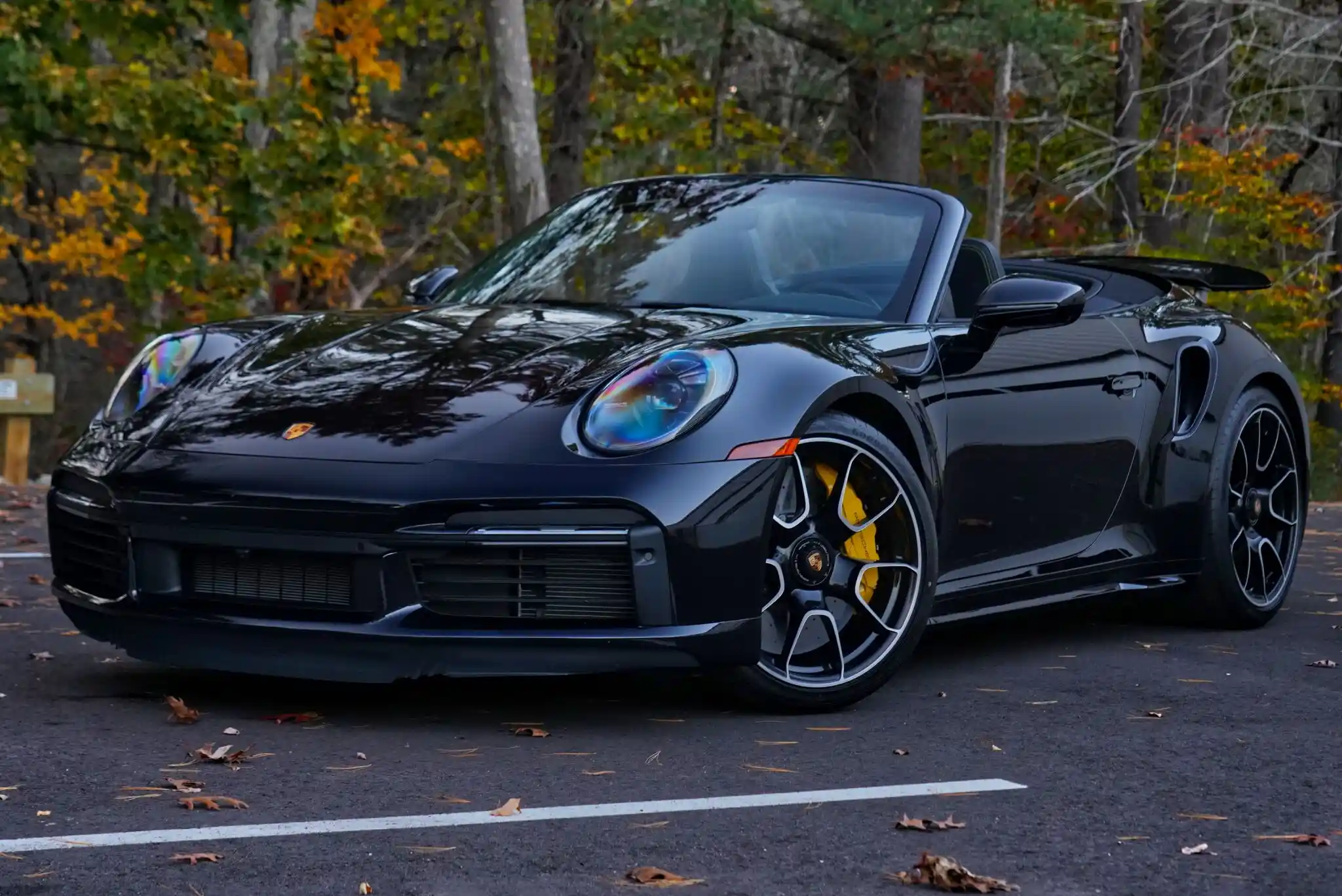
The short answer
Ceramic coating makes a vehicle easier to clean, but it does not mean the vehicle can be washed carelessly.
A properly maintained ceramic coating can help improve slickness, water behavior, gloss, UV resistance, chemical resistance, and long-term ease of maintenance. But harsh chemicals, automatic brush washes, dirty towels, poor drying habits, and aggressive scrubbing can reduce coating performance and create surface marks.
At Kickin’ Customs in Raynham, MA, we install XPEL Fusion ceramic coatings for customers across Massachusetts and Rhode Island. Whether your vehicle has a 1-year, 4-year, or 8-year ceramic coating package, the wash process matters.
The coating helps protect the finish. Proper washing helps protect the coating.
Before your first wash
Wait Before Washing After Ceramic Coating Installation
After ceramic coating installation, avoid washing the vehicle for 7 days.
This gives the coating time to begin curing and bonding properly to the surface. During this early period, the coating is still settling, and unnecessary washing can interfere with the process.
Do not hand wash the vehicle. Do not pressure wash it. Do not use a foam cannon. Do not run it through an automatic wash. Do not use rinseless wash products. Do not apply waxes, sealants, sprays, or detail products during the first week.
Even if the vehicle gets dusty or dirty, waiting is usually the safer choice.
If bird droppings, tree sap, bugs, or something more aggressive lands on the surface during the first week, contact Kickin’ Customs for guidance before scrubbing or using strong cleaners.
Use a pH-Neutral Car Wash Soap
After the first 7 days, wash the vehicle with a pH-neutral automotive soap that is safe for ceramic coatings.
A pH-neutral soap is strong enough for normal maintenance washing without being overly aggressive. It helps clean the surface without stripping, staining, or weakening coating performance.
Avoid dish soap, harsh degreasers, strong all-purpose cleaners, abrasive soaps, and unknown chemicals.
Ceramic coating does not need aggressive cleaning during normal washes. The goal is to remove dirt safely while preserving slickness and water behavior.
For XPEL Fusion ceramic coatings, use coating-safe maintenance products whenever possible.
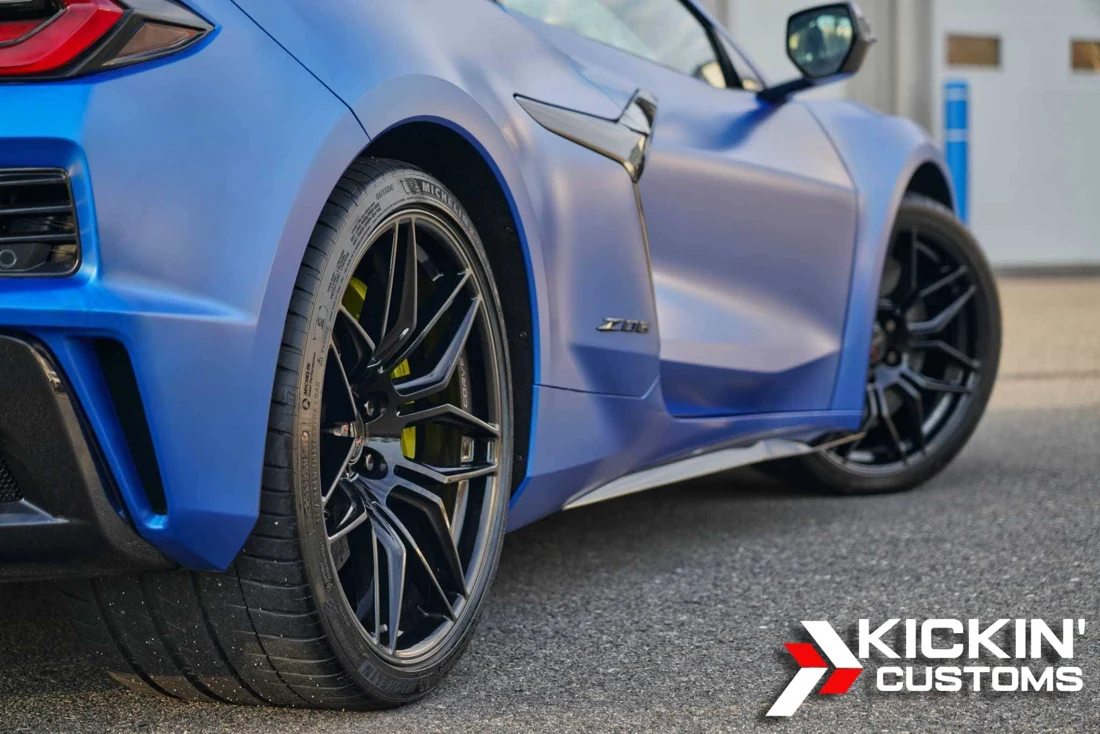
Wash safely
Rinse the Vehicle Thoroughly First
Before touching the paint, rinse the vehicle well.
This step removes loose dirt, sand, salt, pollen, and road grime before your wash mitt ever touches the surface. The more loose contamination you remove during the rinse, the less you drag across the coating during the wash.
Pay extra attention to lower doors, rocker panels, wheel arches, bumpers, rear quarters, mirrors, and rear hatch areas. These sections usually collect the most grime.
In Massachusetts and Rhode Island, winter salt and sand can build up quickly. A thorough rinse is especially important during and after winter driving.
Use Clean Microfiber Wash Mitts
Use clean microfiber wash mitts or soft wash media when washing a ceramic coated vehicle.
Do not use stiff brushes, dirty sponges, old towels, abrasive pads, or anything that feels rough against the surface.
Ceramic coating can help reduce friction during washing, but it does not make the paint impossible to scratch. Dirty wash media can still create swirl marks or surface marring.
Keep your wash mitt clean. Rinse it often. If it falls on the ground, do not put it back on the vehicle.
Good wash technique matters even on a coated vehicle.
Wash From Cleanest to Dirtiest Areas
The upper panels are usually cleaner than the lower panels.
Start with the roof, glass, hood, upper doors, and upper quarters. Then move to lower doors, rocker panels, rear bumper, front bumper, and other dirtier areas.
This prevents heavy grime from being dragged across cleaner sections of the vehicle.
If possible, use separate wash mitts for upper and lower areas. Use another separate mitt or brush for wheels.
Do not use a wheel brush or dirty wheel towel on coated paint. Brake dust and grit can scratch the surface.
Avoid Automatic Brush Washes
Automatic brush washes are not recommended for ceramic coated vehicles.
The brushes can drag dirt, grit, and chemicals across the surface. Over time, this can create scratches, reduce gloss, leave residue, and weaken coating performance.
Touchless washes are safer than brush washes, but they are not perfect. Many touchless washes use strong chemicals to compensate for the lack of physical contact. Those chemicals may not be ideal for coatings, trim, film, or rubber over time.
The best option is a careful hand wash using proper products and clean microfiber.
If you invested in ceramic coating, the wash method should support that investment.
Can You Pressure Wash a Ceramic Coated Vehicle?
Yes, pressure washing can be used carefully on a ceramic coated vehicle.
A pressure washer can help remove loose dirt, salt, and grime before hand washing. It can also make the wash process easier, especially on trucks, SUVs, daily drivers, and winter-driven vehicles.
Use reasonable pressure and keep a safe distance from the surface. Do not use a narrow high-pressure tip close to paint, trim, emblems, edges, sensors, PPF edges, vinyl graphics, or window seals.
If the vehicle also has paint protection film, keep the pressure washer at least 3 feet away from film edges, seams, corners, and wrapped areas.
Pressure washing should help rinse the vehicle, not blast at vulnerable areas.
Foam Cannons Can Help, But They Are Not Magic
A foam cannon can be useful for pre-soaking the vehicle before hand washing.
Foam helps loosen dirt and gives the soap more time to work on the surface. This can make the contact wash safer.
But foam alone does not fully clean a dirty vehicle.
Road film, salt, bug residue, pollen, and grime often need gentle contact with a clean mitt to be removed properly.
Use a coating-safe soap and rinse thoroughly. Do not let soap dry on the vehicle, especially in direct sun.
Drying and contamination
Dry the Vehicle Properly
Drying is one of the most important steps on a ceramic coated vehicle.
Water may bead and sheet better on a coated surface, but if water is left to dry on the vehicle, minerals can still leave water spots.
Use clean, soft microfiber drying towels or a safe automotive blower. Do not use bath towels, rough towels, paper towels, squeegees, or dirty microfiber.
Dry the vehicle gently. Avoid aggressive rubbing. If using a blower, follow up with a clean towel where needed.
Drying is especially important on dark vehicles, black trim, horizontal panels, glass, and areas exposed to hard water.
Ceramic Coating Does Not Prevent Water Spots Completely
Ceramic coating helps water move off the surface more easily, but it does not make the vehicle immune to water spots.
Hard water, sprinkler water, well water, road spray, rain minerals, and water left to dry in the sun can still leave spots.
The coating makes cleaning easier, but it does not eliminate minerals.
After washing, dry the vehicle rather than letting it air dry. If the vehicle gets hit by sprinklers or hard water, clean it as soon as reasonably possible.
Water behavior is a benefit. It is not a substitute for proper drying.
Remove Bugs, Bird Droppings, Sap, and Road Grime Quickly
Ceramic coating helps protect the surface, but contamination should still be removed promptly.
Bug acids, bird droppings, tree sap, tar, salt, and road grime can still stain, etch, or leave marks if left sitting too long, especially in heat or direct sun.
Use coating-safe cleaners and clean microfiber towels. Let the product dwell when appropriate. Do not scrub aggressively.
The front bumper, mirrors, hood, rocker panels, lower doors, rear quarters, wheels, and rear hatch areas usually need the most attention.
The longer contamination sits, the harder it can be to remove safely.
Avoid Harsh Chemicals
Do not use harsh chemicals on a ceramic coated vehicle unless the product is known to be coating-safe.
Avoid strong degreasers, abrasive cleaners, acidic products, high-pH cleaners, petroleum-based products, aggressive bug removers, and unknown detailing sprays.
Some chemicals can weaken coating performance. Others can leave residue, streaking, or water behavior issues.
If a cleaner is designed for wheels, tires, engines, or household use, do not assume it belongs on coated paint.
For XPEL Fusion ceramic coatings, compatible XPEL maintenance products are the safest recommendation.
Products and coated surfaces
Do Not Use Wax Over Ceramic Coating
A ceramic coated vehicle does not need traditional wax.
Wax can reduce the coating’s natural slickness and water behavior. It may also leave residue, streak, attract dust, or make maintenance less predictable.
The coating is already the protective layer.
If you want to refresh slickness and water behavior, use a coating-safe maintenance product such as XPEL Ceramic Boost.
The goal is to support the coating, not cover it with products that may interfere with performance.
Use Ceramic Boost About Every 6 Months
At Kickin’ Customs, we recommend using XPEL Ceramic Boost about every 6 months.
Ceramic Boost helps refresh slickness and water behavior, making the vehicle easier to wash and dry. It can be especially helpful on daily drivers, black vehicles, trucks, SUVs, winter-driven vehicles, and vehicles parked outside.
Ceramic Boost does not replace washing. It supports the coating between maintenance services.
If the vehicle is used heavily or exposed to rough conditions, maintenance may be needed more often.
Be Careful With Matte or Satin Surfaces
If your vehicle has matte paint, satin paint, XPEL Stealth PPF, or satin vinyl, cleaning products matter even more.
Do not use gloss-enhancing products on matte or satin finishes. Do not polish them. Do not use waxes that can create uneven shine. Do not scrub aggressively.
Matte and satin surfaces can change appearance if the wrong product is used.
If your ceramic coating package includes matte or satin surfaces, ask Kickin’ Customs which maintenance products are safe for that finish.
Washing Ceramic Coating Over PPF
Ceramic coating can be installed over paint protection film.
If your vehicle has ceramic coating over PPF, the wash process should protect both the coating and the film.
Use pH-neutral soap, clean microfiber towels, and coating-safe products. Avoid automatic brush washes. Avoid harsh chemicals. Keep pressure washers at least 3 feet away from PPF edges, seams, corners, and wrapped areas.
The ceramic coating helps make the film easier to clean, while the PPF protects the paint from rock chips and physical damage.
This combination is one of the best setups for customers who want protection and easier maintenance.
Washing Ceramic Coated Wheels
Ceramic coated wheels are still going to collect brake dust.
The coating helps make brake dust and road grime easier to clean, but it does not stop dirt from landing on the wheel.
Wash wheels regularly with safe products. Avoid harsh wheel acids unless they are known to be safe for coated wheels. Use soft wheel brushes and microfiber towels.
Do not let brake dust sit for long periods, especially on performance vehicles, European vehicles, trucks, and vehicles with gloss black or detailed wheel finishes.
A wheel coating makes cleaning easier, but it still needs maintenance.
Seasonal care and maintenance
Winter Washing Matters
Massachusetts and Rhode Island winters are tough on vehicles.
Salt, sand, slush, freezing temperatures, dirty roads, and road film can build up quickly. Ceramic coating helps make the vehicle easier to clean, but it does not mean winter grime can sit forever.
Wash the vehicle whenever possible during salt season.
Focus on lower doors, rocker panels, wheel arches, bumpers, rear hatch areas, and wheels. These areas collect the most road grime.
If a full hand wash is not possible, a careful rinse can still help remove salt and sand until a proper wash can be done.
Washing Daily Drivers
Daily drivers need consistent washing.
Commuting, highway driving, parking lots, kids, pets, errands, road trips, and weather all expose the vehicle to dirt and contamination.
A ceramic coating makes a daily driver easier to maintain, but it still needs regular cleaning.
If the vehicle is driven often, do not wait until it is heavily dirty before washing. Heavy buildup requires more effort to remove, which increases the chance of surface marks.
A consistent routine is better than aggressive cleaning after months of neglect.
Washing Garage-Kept Vehicles
Garage-kept vehicles usually stay cleaner, but they still need safe washing.
Dust, pollen, fingerprints, bug residue, and occasional road grime can still collect on the surface.
Do not dry wipe dust from a ceramic coated vehicle. Dry wiping can create fine scratches. Use a safe wash method, rinseless wash method when appropriate, or coating-safe detail process.
Even if the vehicle is not driven often, maintaining the coating helps preserve gloss and water behavior.
What If the Coating Stops Beading?
If the coating stops beading water like it did when it was new, it does not always mean the coating is gone.
The surface may be contaminated with road film, minerals, soap residue, oils, or grime. These contaminants can block the coating and reduce water behavior.
A proper maintenance wash, decontamination, inspection, or Ceramic Boost service may restore performance.
Before assuming the coating failed, have it inspected.
Many coating issues are maintenance-related, not product failure.
When Should You Schedule Maintenance?
Ceramic coated vehicles benefit from routine maintenance.
At minimum, plan on regular safe washing and XPEL Ceramic Boost about every 6 months. Annual inspection or maintenance is also smart, especially for daily drivers, winter-driven vehicles, black vehicles, trucks, SUVs, and vehicles parked outside.
This allows the coating to be checked, cleaned, and supported before performance drops too far.
A ceramic coating is a long-term protection product. Maintenance helps keep it working the way it should.
Final Thoughts
Washing a ceramic coated vehicle safely is not complicated, but it does require the right habits.
Wait 7 days after installation before washing. Use a pH-neutral automotive soap. Rinse thoroughly before touching the paint. Use clean microfiber wash mitts and drying towels. Avoid automatic brush washes, harsh chemicals, abrasive towels, and traditional wax.
Dry the vehicle after washing to help reduce water spots. Remove bugs, bird droppings, sap, salt, and road grime as soon as reasonably possible. Use XPEL Ceramic Boost about every 6 months to help maintain slickness and water behavior.
At Kickin’ Customs in Raynham, MA, we install and maintain XPEL Fusion ceramic coatings for daily drivers, trucks, SUVs, EVs, luxury vehicles, performance cars, and exotics across Massachusetts and Rhode Island.
The coating makes the vehicle easier to maintain. The right wash process keeps it performing better.
Frequently Asked Questions
How long should I wait to wash my car after ceramic coating?
Wait 7 days before washing your vehicle after ceramic coating installation. This helps the coating begin curing and bonding properly.
What soap should I use on a ceramic coated vehicle?
Use a pH-neutral automotive soap that is safe for ceramic coatings
Can I take a ceramic coated car through an automatic car wash?
Automatic brush washes are not recommended. The brushes can scratch the surface, leave residue, and reduce coating performance over time.
Can I pressure wash a ceramic coated vehicle?
Yes, pressure washing can be used carefully. Use reasonable pressure and avoid spraying too close to trim, emblems, PPF edges, sensors, and vulnerable areas.
Do I need to dry a ceramic coated vehicle?
Yes. Drying helps prevent water spots. Ceramic coating improves water behavior, but minerals can still remain if water dries on the surface.
Can I wax over ceramic coating?
Ceramic coated vehicles usually do not need wax. Use coating-safe maintenance products such as XPEL Ceramic Boost instead.
How often should I use Ceramic Boost?
At Kickin’ Customs, we recommend XPEL Ceramic Boost about every 6 months to help maintain slickness and water behavior.
What should I avoid on ceramic coating?
Avoid harsh chemicals, automatic brush washes, abrasive towels, strong degreasers, acidic cleaners, dirty wash mitts, and dry wiping.
Why did my ceramic coating stop beading?
The coating may be contaminated with road film, minerals, soap residue, or grime. A maintenance wash, inspection, decontamination, or Ceramic Boost may help restore performance.
Plan your next step
Keep your ceramic coating performing the way it should. Contact Kickin’ Customs in Raynham, MA for XPEL Fusion ceramic coating, Ceramic Boost, maintenance washing, or coating inspection services.
