
The short answer
Paint protection film is installed to protect your vehicle from rock chips, road debris, bug acids, salt, sand, light scratches, and everyday wear.
But a lot of vehicle owners still have the same concern.
Can PPF yellow, crack, or fail over time?
The honest answer is yes, poor quality film can. Old film can. Film that is neglected, abused, installed incorrectly, or maintained with harsh products can also have issues.
That does not mean all paint protection film should be judged the same way.
Modern premium film is very different from older clear bras or cheap film that many people remember yellowing, cracking, peeling, or turning cloudy years ago.
At Kickin’ Customs in Raynham, MA, we install XPEL paint protection film for vehicles across Massachusetts and Rhode Island. XPEL Ultimate Plus, XPEL Stealth, and XPEL Ultimate Fusion are built for long-term protection, but like any protective product, the film still needs proper installation, proper curing, and proper care.
Aging and visible changes
Why Older PPF Had a Bad Reputation
Many people still think of paint protection film as the old clear bra material that yellowed, cracked, or looked obvious on the front of a vehicle.
That reputation came from older film technology, lower quality adhesive, poor UV resistance, and early film designs that did not age as well as modern materials.
Some older films would discolor over time. Some would harden. Some would become brittle. Some would leave heavy adhesive behind during removal. Some were installed in small visible patches that aged differently than the surrounding paint.
Modern premium PPF is a different product.
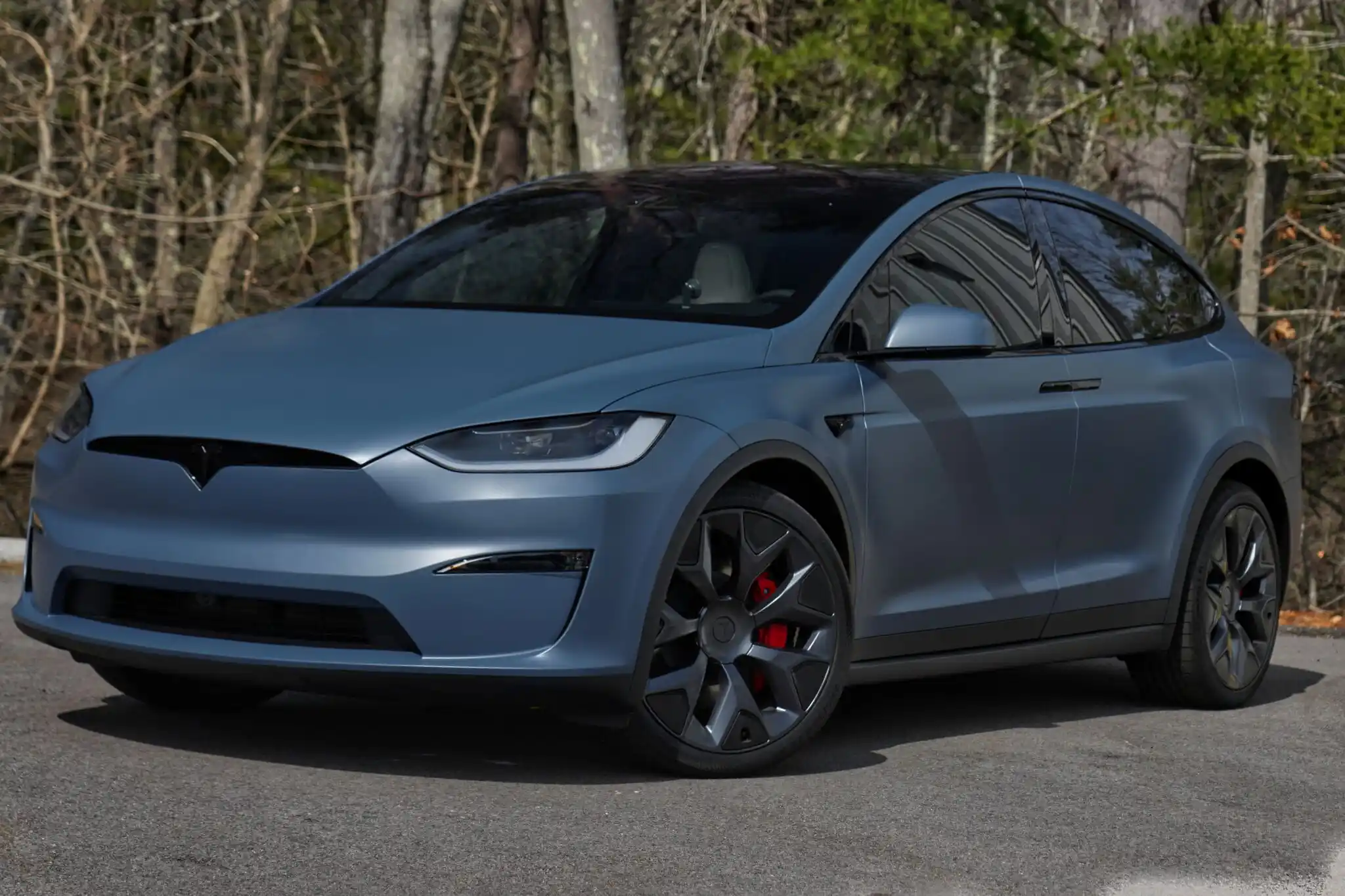
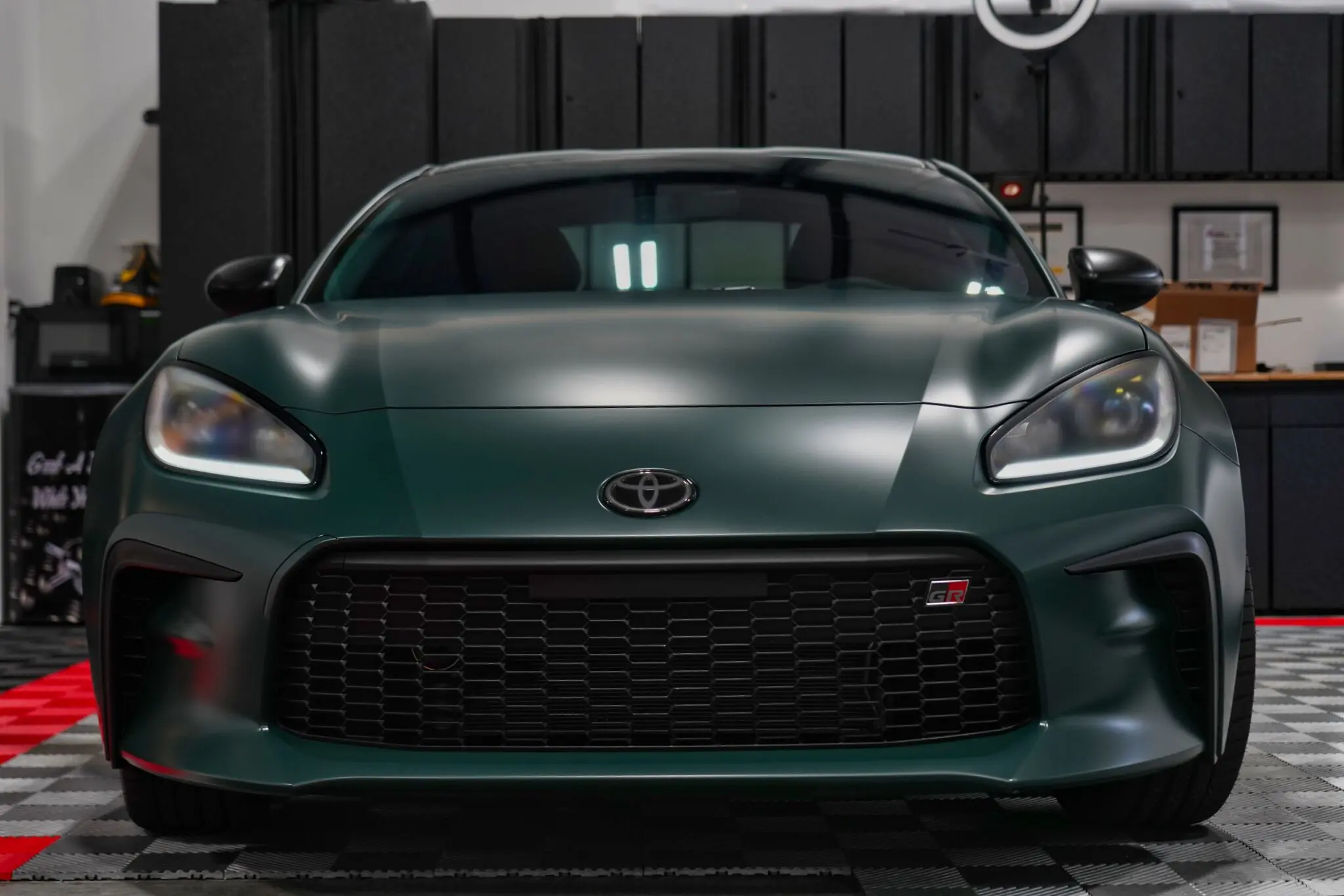
Today’s high-quality paint protection film is clearer, more durable, more flexible, and better suited for long-term vehicle protection. It is also available in different finishes, including gloss, satin, and hydrophobic options.
Can Paint Protection Film Yellow?
Low quality film can yellow.
Poor film may discolor from UV exposure, heat, chemicals, contamination, and age. It may also yellow faster if it is parked outside constantly, washed with harsh products, or exposed to road grime that is never cleaned properly.
Quality film is designed to resist yellowing much better.
Kickin’ Customs installs XPEL paint protection film, which carries a 10-year manufacturer warranty against covered film defects, including certain issues related to yellowing, staining, cracking, blistering, and delamination.
That warranty matters because it shows the difference between premium film and cheaper products that may not have the same long-term support.
Still, no film should be neglected. Bug acids, bird droppings, tree sap, tar, salt, hard water, and harsh chemicals should be cleaned as soon as reasonably possible.
PPF protects the paint, but the film itself still needs care.
Can PPF Crack?
High-quality modern PPF should not crack under normal use when it is installed and maintained properly.
Cracking is usually associated with old film, low quality film, extreme neglect, long-term UV damage, harsh chemical exposure, or film that has aged beyond its useful life.
Film can also be damaged by scraping, sharp impacts, accidents, aggressive snow removal, improper washing, or abrasive cleaning.
It is important to separate product failure from real-world damage.
If a film cracks because it is old, brittle, or defective, that is different from a film being cut, scraped, gouged, or damaged by an outside force.
PPF is protective, but it is not indestructible.
Can PPF Peel or Lift Over Time?
PPF can lift if it is poorly installed, contaminated, picked at, pressure washed too aggressively, or maintained incorrectly.
Edges matter.
Every PPF installation has edges somewhere. Some edges may be wrapped. Some may stop at panel gaps. Some may follow body lines. Some may remain visible depending on the vehicle, coverage area, and panel design.
After installation, the film needs time to cure. Most PPF installations continue curing for 2 to 3 weeks. A very small amount of edge movement can happen during curing, and around 1/16 of an inch may be normal in some areas. This can often be addressed during the 3-week follow-up inspection.
Large lifting, dirt collecting under the film, or peeling that gets worse should be checked.
Long-term edge lift can also happen if the vehicle is pressure washed too close to the film edge, taken through automatic brush washes, scrubbed aggressively, or exposed to wax and chemical buildup along the edge.
Installation and maintenance
Installation Quality Matters
Even the best film can perform poorly if it is installed poorly.
Paint protection film installation requires the right environment, proper panel preparation, correct stretch, good alignment, careful edge work, and proper finishing. It is not just a matter of sticking film to paint.
Poor installation can lead to lifting edges, trapped contamination, stretch marks, visible distortion, poor alignment, or premature failure.
This is especially true on modern vehicles with complex bumpers, sharp body lines, parking sensors, grilles, vents, cameras, textured trim, and tight panel gaps.
At Kickin’ Customs, we install XPEL PPF on daily drivers, trucks, SUVs, EVs, luxury vehicles, performance cars, and exotics. The process changes depending on the vehicle, the coverage package, the film type, and the panel shape.
A flat hood and a complex Porsche, Corvette, Tesla, BMW, Rivian, or truck bumper are not the same installation.
Maintenance Plays a Big Role
Paint protection film is durable, but it still needs proper care.
The first rule is to avoid washing the vehicle for 7 days after installation. This gives the film time to begin bonding properly.
The second rule is to let the film cure. Most PPF installations take 2 to 3 weeks to fully cure. During that time, minor haze, small moisture pockets, or slight visual changes can be normal.
After the initial cure period, maintenance should be simple but consistent.
Wash the vehicle regularly. Use clean microfiber towels. Avoid automatic brush washes. Avoid abrasive towels, harsh chemicals, petroleum-based cleaners, strong degreasers, and unknown products. Keep pressure washers at least 3 feet away from film edges, seams, corners, and wrapped areas.
For XPEL film, we recommend using XPEL maintenance products whenever possible. We do not test every product from every brand, so the safest recommendation is to use products designed for XPEL film.
Harsh Chemicals Can Shorten Film Life
One of the easiest ways to create problems with PPF is using the wrong chemical.
Aggressive degreasers, solvents, harsh bug removers, petroleum-based products, abrasive compounds, strong wheel cleaners, and unknown detailing sprays can affect film appearance or performance.
Some products can stain the film. Some can dry out the surface. Some can leave residue along edges. Some can affect matte or satin finishes. Some can interfere with coatings or hydrophobic behavior.
This is why product choice matters.
A film-safe cleaner used correctly is much safer than guessing with whatever product is nearby.
If the vehicle has XPEL film, use XPEL-safe products whenever possible.
Cheap Film Can Become Expensive Later
A lower-priced PPF installation can seem attractive at first.
But cheap film, poor installation, or both can cost more later if the film yellows, cracks, lifts, stains, or becomes difficult to remove.
The risk is not just appearance. It is also the time, labor, and possible paint concerns involved in removing failed film.
A premium PPF installation is not only about how the vehicle looks on pickup day. It is about how the film cures, how it ages, how it protects, how it is supported, and how it can be serviced later.
For customers protecting newer vehicles, high-value vehicles, matte paint, luxury vehicles, performance cars, EVs, or long-term daily drivers, film quality matters.
Warranty and film choice
XPEL Paint Protection Film Warranty
Kickin’ Customs installs XPEL Ultimate Plus, XPEL Stealth, and XPEL Ultimate Fusion paint protection film.
XPEL paint protection film carries a 10-year manufacturer warranty against covered film defects.
This warranty is one of the reasons we use XPEL film. It gives customers long-term support from a major film manufacturer, not just a short-term promise from the installer.
The warranty is designed to cover qualifying product defects. It does not cover damage from accidents, impacts, improper maintenance, harsh chemicals, pressure washing too close, scraping, neglect, or abuse.
Manufacturer warranty and workmanship coverage are separate. Manufacturer warranty applies to qualifying product issues. Workmanship coverage relates to the installation and depends on proper aftercare, including the required 3-week follow-up inspection at Kickin’ Customs.
What About XPEL Ultimate Fusion?
XPEL Ultimate Fusion is a paint protection film with built-in hydrophobic properties.
Those hydrophobic properties are expected to last around 4 years, while the film itself still carries the 10-year manufacturer warranty.
This is important because the water behavior and the film warranty are not the same thing.
If the hydrophobic performance changes over time, that does not mean the film has failed. It means the surface behavior may need maintenance, refreshing, or a different expectation as the vehicle ages.
For customers who want easier cleaning, XPEL Ultimate Fusion or ceramic coating over PPF can make ownership easier.
Can Ceramic Coating Help PPF Last Longer?
Ceramic coating can help make PPF easier to maintain.
A ceramic coating over paint protection film can improve slickness, water behavior, UV resistance, chemical resistance, and ease of cleaning. This can help reduce how aggressively the vehicle needs to be washed, which may help the film look better over time.
Ceramic coating does not replace PPF. It also does not make the film impossible to damage.
The film provides impact protection. The coating helps with maintenance.
For many customers, PPF with ceramic coating is one of the best combinations because it protects against physical damage while also making the vehicle easier to clean.
Wear and replacement
What Causes PPF to Fail?
Paint protection film issues usually come from one of a few categories.
Poor film quality is one. Low-grade film may yellow, crack, shrink, or fail sooner than expected.
Poor installation is another. Bad prep, poor edge work, excessive stretch, contamination, and rushed installation can all lead to problems.
Improper maintenance can also cause issues. Harsh chemicals, automatic brush washes, pressure washing too close, abrasive towels, scraping ice, and picking at edges can all damage the film.
Real-world impact damage is another category. Rock strikes, road debris, garage contact, loading damage, sharp objects, and accidents can cut, tear, or mark the film.
Not every issue is a film failure. Sometimes the film protected the paint by taking the damage first.
PPF Is Sacrificial Protection
Paint protection film is designed to be sacrificial.
That means it is supposed to take abuse that would otherwise hit the paint directly. If a rock chip damages the film instead of the bumper paint, the film did its job. If a lower rocker panel takes road rash into the film instead of the painted panel, the film did its job.
A damaged piece of PPF can often be removed and replaced.
That is one of the biggest advantages of film. It gives the paint a layer of defense, and if the film is damaged, the affected section may be serviceable without repainting the panel.
Kickin’ Customs also offers a one-time No-Fault Replacement benefit up to $250 on qualifying installs of $495 or more. This can help with certain real-world incidents where the film takes damage after installation.
The No-Fault Replacement benefit is for the original customer on qualifying PPF installations. Insurance claims are excluded.
When Should PPF Be Replaced?
PPF may need to be replaced if it is deeply damaged, heavily stained, torn, cut, lifting beyond correction, or nearing the end of its useful life.
In some cases, only one panel or one section needs replacement. For example, a damaged front bumper piece may be replaced without removing the entire full front package.
This depends on the vehicle, film condition, coverage area, age of the install, and type of damage.
If you are unsure whether film should be replaced, have it inspected. Guessing can make the problem worse, especially if the edge is already lifting or contamination is trapped underneath.
How to Help PPF Age Better
The best way to help paint protection film last is to care for it consistently.
Avoid washing for 7 days after installation. Keep the 3-week follow-up inspection. Wash the vehicle regularly with safe products. Use clean microfiber towels. Avoid automatic brush washes. Keep pressure washers at least 3 feet away from edges. Remove bugs, bird droppings, sap, salt, and grime as soon as reasonably possible.
Avoid harsh chemicals and abrasive products. Do not polish matte or satin film. Do not pick at edges. Do not dry wipe dirty film.
For XPEL film, use XPEL maintenance products whenever possible.
For easier maintenance, consider XPEL Ceramic Boost about every 6 months or ceramic coating over PPF.
Final Thoughts
Paint protection film can yellow, crack, lift, or fail if the film is poor quality, poorly installed, neglected, abused, or maintained with the wrong products.
But premium modern film is built to perform much better than the older clear bra material many people remember.
At Kickin’ Customs in Raynham, MA, we install XPEL paint protection film because it offers strong clarity, durability, long-term manufacturer support, and options for gloss, satin, and hydrophobic performance.
XPEL PPF carries a 10-year manufacturer warranty against covered film defects. Proper installation, proper curing, proper maintenance, and the required 3-week follow-up inspection all help protect the result.
PPF is designed to protect your paint in the real world. Taking care of the film helps it do that job longer.
Frequently Asked Questions
Can PPF yellow over time?
Poor quality film can yellow over time. Premium XPEL paint protection film is designed to resist yellowing and carries a 10-year manufacturer warranty against covered film defects.
Can paint protection film crack?
Old, cheap, neglected, or damaged film can crack. High-quality modern PPF should not crack under normal use when installed and maintained properly.
Why does PPF fail?
PPF can fail because of poor film quality, poor installation, harsh chemicals, pressure washing too close, automatic brush washes, contamination, impact damage, scraping, or neglect.
Is XPEL PPF covered by warranty?
Yes. XPEL paint protection film carries a 10-year manufacturer warranty against covered film defects. This is separate from workmanship coverage.
Does the XPEL warranty cover damage from rocks or accidents?
No. Manufacturer warranty coverage is for qualifying product defects. Damage from rocks, accidents, scraping, harsh chemicals, pressure washing, or abuse is not the same as a film defect.
Can failed PPF be removed?
In many cases, yes. Paint protection film can often be removed and replaced. The removal process depends on the film age, condition, adhesive, and panel condition.
How long does XPEL Ultimate Fusion stay hydrophobic?
The hydrophobic properties of XPEL Ultimate Fusion are expected to last around 4 years. The film itself still carries the 10-year manufacturer warranty.
Can ceramic coating help protect PPF?
Ceramic coating over PPF can make the film easier to clean and maintain. It can improve slickness and water behavior, but it does not replace the film or make it impossible to damage.
How do I keep PPF from yellowing or failing?
Use quality film, have it installed properly, avoid washing for 7 days after installation, keep the 3-week follow-up inspection, use safe maintenance products, avoid harsh chemicals, and keep pressure washers at least 3 feet away from film edges.
Plan your next step
Protect your vehicle with premium film, proper installation, and clear long-term support. Contact Kickin’ Customs in Raynham, MA to schedule XPEL paint protection film, PPF inspection, or replacement recommendations.
