
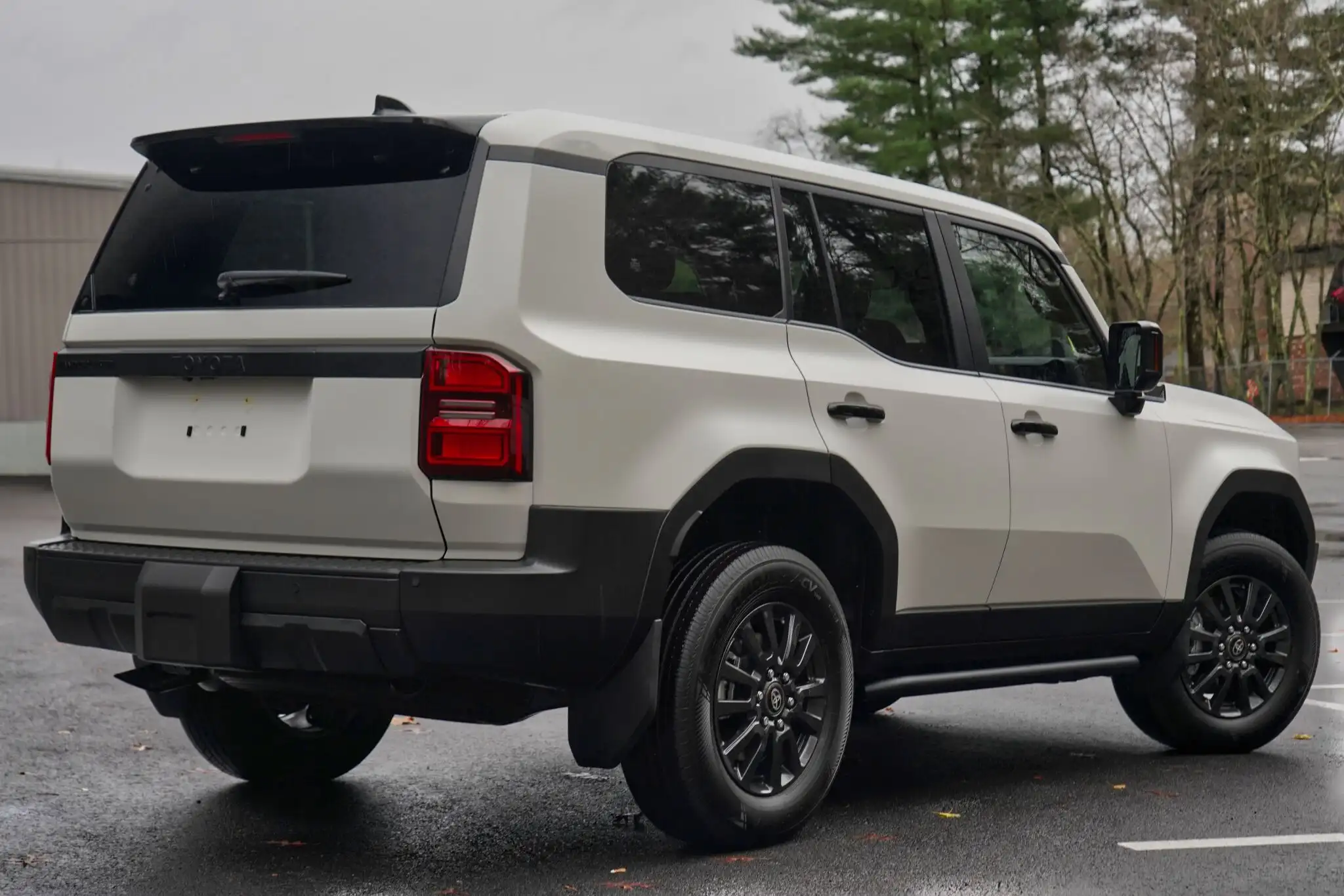
The short answer
Paint protection film is designed to protect your vehicle’s paint from rock chips, road debris, bug acids, salt, sand, light scratches, and normal driving abuse.
But what happens if the film itself gets damaged?
In many cases, that means the PPF did exactly what it was supposed to do.
Paint protection film is a sacrificial layer. It takes the hit before your paint does. If a rock strikes the bumper, a mirror gets blasted by debris, or a rocker panel takes abuse from sand and salt, the film absorbs as much of that damage as possible.
Sometimes the film survives without a mark. Sometimes it self-heals from light surface scratches. Sometimes it gets chipped, torn, stained, or marked. When that happens, the damaged film can often be removed and replaced instead of repainting the panel.
That is one of the biggest reasons PPF is worth installing.
At Kickin’ Customs in Raynham, MA, we install XPEL paint protection film for daily drivers, trucks, SUVs, EVs, luxury vehicles, performance cars, and exotics across Massachusetts and Rhode Island. When PPF gets damaged, the first step is inspection. From there, we can decide whether it needs cleaning, heat, replacement, or simply more time to settle.
Assess the damage
PPF Is Meant to Take Abuse
Paint protection film is not installed because the road is gentle.
It is installed because the road is rough.
Rocks, sand, salt, bugs, bird droppings, road grime, tree sap, parking lot contact, tire sling, and daily driving exposure all attack the exterior of a vehicle. Without PPF, that abuse hits the paint directly.
With PPF, the film takes the abuse first.
That means the film may eventually show signs of use. A front bumper may collect small impact marks. Rocker panel film may show wear from sand and salt. Mirror caps may get bug staining. Door cups may show fingernail marks. Rear bumper loading areas may show luggage or cargo wear.
That does not automatically mean the film failed. It often means the film is working.
Damage to the Film Is Better Than Damage to the Paint
If a rock hits your bumper and damages the PPF, that can feel frustrating.
But the more important question is: what would that same rock have done to unprotected paint?
In many cases, the film absorbs the damage and prevents a paint chip. The film may show a mark, nick, dent, or tear, but the paint underneath may still be intact.
That is a win.
Replacing a piece of film is usually much better than repainting a bumper, hood, mirror, rocker panel, or rear quarter. Factory paint is worth preserving whenever possible. Paint repair can be expensive, time-consuming, difficult to match, and less ideal than keeping the original finish protected.
PPF gives the vehicle a replaceable layer before damage becomes a paint problem.
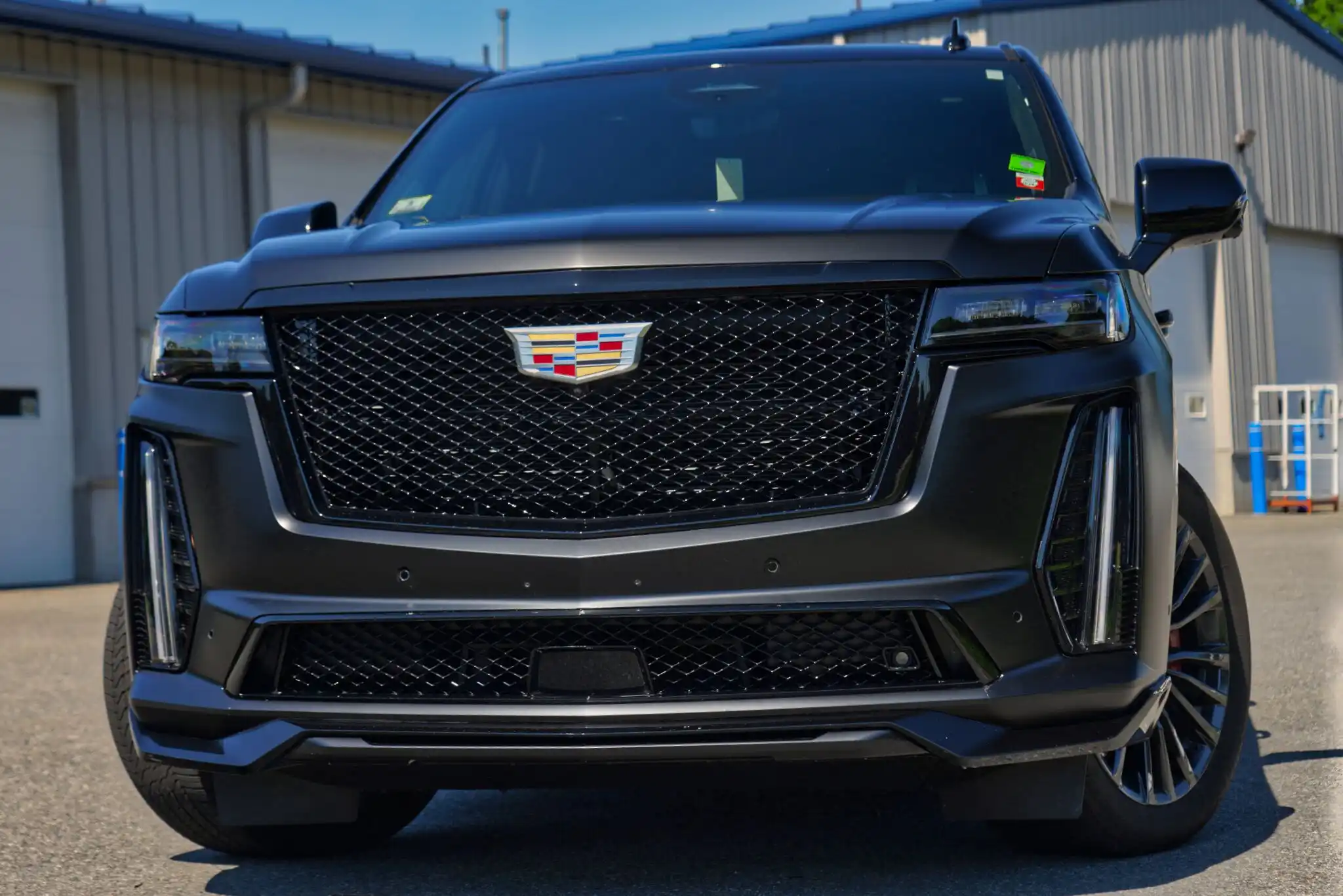
Repair or replace
Can Damaged PPF Be Repaired?
Sometimes, yes.
It depends on the type of damage.
Light surface scratches may self-heal with heat. Minor marks may improve after cleaning or proper maintenance. Some contamination may be removable with the right products. Very light scuffs may improve with time and warmth.
But deeper damage is different.
If the film is torn, gouged, heavily chipped, punctured, burned, scraped, or stained beyond correction, it usually cannot be “repaired” in the way paint can sometimes be corrected. In those cases, the damaged piece of film may need to be removed and replaced.
PPF is not meant to be patched in the middle of a panel. The cleaner solution is usually replacing the affected piece.
What Kind of PPF Damage Is Normal?
Some wear is normal, especially in high-impact areas.
The front bumper, mirrors, headlights, rocker panels, lower doors, rear quarters, and lower body areas work the hardest. These areas are constantly exposed to road debris, bugs, salt, sand, and grime.
Over time, you may see light impact marks, small chips in the film, slight scuffs, edge dirt, bug staining, or surface wear in these areas.
That does not always mean the film needs to be replaced right away. Some marks are cosmetic. Some can be cleaned. Some are only visible up close.
The key is knowing whether the film is still protecting the paint and whether the appearance still meets your expectations.
When PPF Should Be Replaced
PPF should be considered for replacement when the damage affects appearance, protection, or adhesion.
Film may need replacement if it is torn, punctured, deeply gouged, heavily chipped, peeling, lifting, cracked, yellowed, stained beyond correction, or damaged by impact.
It may also need replacement after an accident, bodywork, panel repair, or major scrape.
If the film is still attached and protecting the paint, replacement may not be urgent. But if an edge is lifting, dirt is collecting underneath, or the film is torn open, it should be inspected before the issue gets worse.
Waiting too long can make replacement more difficult and may allow contamination to reach the paint.
Can Just One Piece of PPF Be Replaced?
Yes. In many cases, one damaged piece of PPF can be removed and replaced.
If the bumper film gets damaged, the bumper piece can often be replaced. If a mirror cap gets hit, that piece can usually be replaced. If a rocker panel section is worn, that section may be replaced.
This is one of the practical benefits of PPF. You do not always need to redo the entire vehicle because one area took damage.
There are exceptions. If the film is older, the new piece may look slightly different from the surrounding film because the existing film has been exposed to weather, washing, and road use. If the damage affects multiple panels, more than one piece may need replacement.
But in general, PPF is designed to allow targeted replacement.
Will the Paint Under Damaged PPF Be Okay?
Often, yes.
If the film absorbed the impact, the paint underneath may be completely fine. That is the ideal outcome.
However, a hard enough impact can damage both the film and the paint. PPF reduces risk, but it does not make the vehicle indestructible.
If a rock strike is large enough, sharp enough, or hits with enough force, it can puncture the film and chip the paint underneath. If the vehicle scrapes a curb, parking block, wall, or another object, PPF may reduce the damage but not prevent it entirely.
The film gives the paint a much better chance, but it cannot stop every possible impact.
Common damage situations
What If the Film Tears?
If the film tears, the area should be inspected.
A tear means the film took enough impact or abrasion to split open. If the paint underneath is still protected, replacement may be straightforward. If the paint is damaged, touch-up, correction, or paint repair may need to be discussed before new film is installed.
Do not pick at a torn section. Pulling on the film can make the damage larger, collect dirt under the film, or make removal harder later.
If the film tears, leave it alone and have it inspected.
What If an Edge Lifts?
If a PPF edge lifts, do not push dirt into it, pick at it, or pressure wash it.
Small edge movement can sometimes happen during curing, especially in the first few weeks after installation. That is one reason the follow-up inspection matters.
If addressed early, a small edge issue may be manageable. If ignored, dirt can collect underneath the film and make the issue harder to correct cleanly.
At Kickin’ Customs, the 3-week follow-up inspection is important for workmanship coverage. If that follow-up is skipped, later replacement may not be free or covered when the issue could have been addressed during that inspection.
If you see an edge lifting, contact the shop before it becomes a bigger issue.
What If the Film Gets Scratched?
Light scratches in quality PPF may self-heal with heat.
Modern films like XPEL Ultimate Plus are designed with self-healing properties for light surface-level marks. Heat from the sun, warm water, or controlled warmth can help minor scratches relax and improve.
However, self-healing has limits.
Deep scratches, gouges, cuts, or damage that reaches through the film will not disappear. In those cases, replacement may be the better option.
If you are unsure whether a scratch is surface-level or deeper, have it inspected before trying to fix it yourself.
What If Bugs or Bird Droppings Stain the Film?
Bugs and bird droppings should be removed as soon as reasonably possible.
PPF provides a protective layer, but acidic contamination can still stain or mark the film if left too long, especially in direct sun or hot weather.
If contamination is caught early, it can often be cleaned safely with the right products. If it sits too long, it may leave staining or etching that cannot be fully removed.
This is why maintenance still matters. PPF protects the paint, but it is not a reason to ignore the vehicle.
Using XPEL-safe maintenance products can help reduce avoidable damage.
What If Road Salt and Sand Damage the Film?
Road salt and sand are a major reason PPF is valuable in Massachusetts and Rhode Island.
During winter and early spring, lower panels, bumpers, mirrors, and rocker panels take constant abuse from salt and sand. These materials can mark, wear, and contaminate the film over time.
The good news is that the film is protecting the paint from that same abuse.
Regular washing is important, especially during winter. Rocker panels, lower doors, wheel arches, and front bumpers should be cleaned often because those areas collect the most contamination.
If the film becomes heavily worn from winter driving, replacement may eventually be needed. But that wear would have been on the paint without the film.
What If the Film Gets Hit in an Accident?
If the vehicle is involved in an accident or bodywork is needed, the PPF on the damaged panel usually needs to be removed.
If the panel is repaired or repainted, new film can often be installed after the paint has had proper time to cure. Fresh paint should not be filmed too soon because uncured paint can create removal and adhesion risks later.
If the panel is replaced, the new panel can be protected once the paint and repair process are ready.
Insurance may sometimes factor into replacement if the film was installed before the damage, but every claim is different. Documentation, invoices, photos, and the insurance company’s process all matter.
What If a Pressure Washer Damages the Film?
Pressure washers can damage PPF if used incorrectly.
The biggest risk is blasting too close to film edges or aiming the stream under the edge of the film. High pressure can lift the film, force water underneath, or create edge damage.
If a pressure washer damages the film, that is usually considered user-caused damage rather than film failure.
To avoid this, keep the pressure washer at a safe distance and avoid spraying directly into seams, edges, corners, or lifted areas.
PPF is durable, but careless washing can still cause problems.
What If the Film Gets Stained?
Some staining can be cleaned. Some cannot.
Bug acids, bird droppings, tar, sap, hard water, road grime, and harsh chemicals can all affect the film if left too long or cleaned incorrectly.
The first step is proper cleaning with safe products. If the stain does not improve, the film may need professional inspection. In some cases, a stain may be reduced. In other cases, replacement may be the only clean solution.
Do not use aggressive solvents, abrasives, magic erasers, harsh degreasers, or unknown chemicals on PPF. Those can make the problem worse.
What If PPF Gets Damaged During Winter?
Winter is hard on PPF because winter is hard on vehicles.
Salt, sand, ice, snow brushes, road grime, slush, and cold temperatures all add stress. The film can still perform well, but maintenance is important.
Avoid scraping directly against film edges. Be careful around bumpers, mirrors, rocker panels, and lower doors. Wash the vehicle when possible to remove salt and grime. Avoid aggressive pressure washing near edges.
If you notice lifting, tears, or heavy contamination after winter, have the film inspected.
Winter damage is often easier to manage when caught early.
Warranty and replacement support
Does Damaged PPF Mean the Warranty Covers Replacement?
Not always.
There is a difference between film failure and film damage.
XPEL paint protection film carries a manufacturer warranty against defects such as yellowing, cracking, bubbling, and delamination. Impact damage, rock strikes, scraping, pressure washer damage, harsh chemicals, accidents, neglect, and improper maintenance are not the same as manufacturer defects.
If the film is damaged because it took a hit from the road, that usually means the film did its job. Replacement may be needed, but that does not automatically make it a warranty replacement.
This is why inspection is important. The cause of the damage matters.
What About Kickin’ Customs No-Fault Replacement?
Kickin’ Customs offers a one-time No-Fault Replacement benefit up to $250 on qualifying installs of $495 or more.
This can help if a piece of film gets damaged from real-world use and needs replacement. It is meant to give customers added peace of mind because normal driving can be unpredictable.
The exact replacement approach depends on the damaged area, the installation, the film condition, and the coverage needed. If you think your film is damaged, contact us so we can inspect it and determine the best next step.
The No-Fault Replacement benefit is for the original customer on qualifying PPF installations. Insurance claims are excluded.
Why the 3-Week Follow-Up Matters After Installation
The first few weeks after installation are important.
PPF needs time to cure and settle. During that time, small moisture pockets, slight haze, minor edge movement, or small lift points can sometimes appear. The follow-up inspection gives us a chance to review the film after it has settled.
This matters because small concerns are usually easier to address early.
If a customer skips the 3-week follow-up and a later issue appears that could have been corrected during that appointment, replacement may not be free or covered under workmanship.
The follow-up protects both the customer and the installation.
Your next steps
Should You Keep Driving With Damaged PPF?
It depends on the damage.
If the film has a small mark but is still sealed and protecting the paint, it may be fine to keep driving until inspection.
If the film is torn, lifting, peeling, or collecting dirt under the edge, it should be inspected sooner. Open film damage can allow contamination to build up and may become harder to replace cleanly later.
If the damage is on a high-impact area like the bumper, rocker panel, mirror, or rear quarter, it is better to deal with it before it spreads or collects grime.
Can Damaged PPF Be Cleaned Instead of Replaced?
Sometimes.
If the issue is surface contamination, staining, bug residue, tar, water spotting, or grime, professional cleaning may improve it. Ceramic coating maintenance products, film-safe cleaners, and proper technique can make a big difference.
If the issue is physical damage, such as a tear, gouge, puncture, or deep impact mark, cleaning will not fix it.
The only way to know for sure is inspection.
What Not to Do If Your PPF Gets Damaged
Do not pick at the film.
Do not pull on lifted edges.
Do not blast the area with a pressure washer.
Do not use harsh chemicals, abrasives, razor blades, scrapers, or aggressive solvents.
Do not assume the film failed just because it took a visible hit.
The safest move is to leave the area alone, take a photo if needed, and have the film inspected. Many problems get worse when customers try to fix them at home.
How to Prevent Avoidable PPF Damage
Some PPF damage is unavoidable. A rock strike is a rock strike.
But many issues can be reduced with proper care.
Wash the vehicle safely. Avoid automatic brush washes. Remove bugs, bird droppings, sap, and road grime promptly. Keep pressure washers away from edges. Avoid harsh chemicals. Be careful with snow brushes. Do not pick at edges. Use XPEL-safe maintenance products on XPEL film.
Ceramic coating over PPF can also make maintenance easier by helping bugs, dirt, and grime release from the surface.
Good care helps the film look better and last longer.
Is Damaged PPF Still Worth It?
Yes, damaged PPF can still prove its value.
If the film took damage and the paint underneath survived, the film did its job. Replacing a film section is usually much better than repainting a panel.
This is especially true on new vehicles, luxury vehicles, performance cars, EVs, matte finishes, satin finishes, and vehicles with expensive paint.
PPF is not meant to stay perfect forever. It is meant to protect the paint.
A damaged piece of film is often the reason the paint underneath still looks clean.
Final Thoughts
When PPF gets damaged, the first step is not to panic.
The film may have done exactly what it was installed to do. It may have absorbed a rock strike, protected the paint from a scrape, reduced damage from salt and sand, or saved the panel from needing paintwork.
Some damage can improve with heat or cleaning. Some damage requires replacing the affected piece of film. In many cases, only the damaged section needs to be replaced.
At Kickin’ Customs in Raynham, MA, we install, inspect, maintain, remove, and replace XPEL paint protection film for customers across Massachusetts and Rhode Island.
If your PPF gets damaged, do not pick at it or try to repair it yourself. Have it inspected so we can determine whether it needs cleaning, replacement, or no action at all.
Frequently Asked Questions
What happens if PPF gets damaged?
If PPF gets damaged, it may have protected the paint underneath. Depending on the damage, the film may be cleaned, self-healed, inspected, or replaced.
Can damaged PPF be repaired?
Light surface scratches may self-heal with heat, and some contamination may be cleaned. Deep tears, gouges, punctures, or heavy damage usually require replacement of the affected film piece.
Can one piece of PPF be replaced?
Yes. In many cases, one damaged piece of PPF can be removed and replaced without replacing all of the film on the vehicle.
Does damaged PPF mean the paint is damaged too?
Not always. Often, the film absorbs the damage and the paint underneath remains protected. A hard enough impact can still damage both the film and paint.
Should I peel off damaged PPF?
No. Do not pick at, peel, or pull damaged PPF. This can make the issue worse or allow dirt under the film. Have it inspected professionally.
Is rock chip damage to PPF covered under warranty?
Rock chip damage is usually considered impact damage, not a manufacturer defect. Warranty coverage depends on the cause of the issue, film condition, installation, and maintenance history.
What is the difference between PPF damage and film failure?
PPF damage comes from outside causes like rocks, scraping, pressure washing, chemicals, or accidents. Film failure refers to product issues like yellowing, cracking, bubbling, or delamination under warranty conditions.
Can ceramic coating help protect PPF?
Ceramic coating can make PPF easier to clean and maintain, but it does not make the film indestructible. It helps with slickness, water behavior, and contamination release.
What should I do if a PPF edge lifts?
Do not pick at it or pressure wash it. Contact the installer for inspection, especially if the film is still within the early curing period.
Is damaged PPF still worth having?
Yes. If the film took damage instead of the paint, it did its job. Replacing PPF is usually better than repainting a panel.
Plan your next step
If your PPF took a hit, let us inspect it before you pick at it or make the issue worse. Contact Kickin’ Customs in Raynham, MA to inspect, clean, remove, or replace damaged XPEL paint protection film.
